
Nine days.
Many ways of seeing.
20–28 November 2026
The twenty-third Marrakech International Film Festival is announced for 20–28 November 2026. The festival began in 2001; its Foundation was established in 2002. Its identity rests on cinema and the people who make it, bringing international work, emerging voices and conversations about film into the same programme.
Choose this event for the experience of watching closely. A premiere or public appearance can attract attention, but the quieter discovery of an unfamiliar filmmaker may be the more lasting encounter. The useful preparation is to read the programme, understand access and leave enough space between screenings to absorb what you have seen.
Follow a question
through the programme.
A film festival offers more than a list of titles. Sections, curatorial notes and conversations suggest relationships between works. You might follow a director’s approach to a place, compare how two films handle memory, or choose a debut beside a more established voice. Let that question guide a small selection.
Read the synopsis without expecting it to settle the experience in advance. Check running time, language and subtitles as practical information. A film you can follow comfortably will usually reward more attention than an ambitious booking chosen solely because its screening sounds prestigious.
Leave a little room for the unknown. One carefully chosen unfamiliar film can broaden a visit more than a schedule built entirely around names you already recognize.
Three ways
to choose a screening.
Start with a filmmaker
A director’s earlier work can provide context, but allow a new film to surprise you. Read the festival’s description of the selection and distinguish a retrospective screening from a new release or competition entry.
Start with a subject
Choose a theme you are willing to consider from an unfamiliar perspective. A film about a community is an authored work, not a complete explanation of everyone who belongs to that community.
Start with the encounter
If a conversation or introduction is advertised, check whether it belongs to the same admission. Prepare a concise question about the work. The most useful discussion often begins with something specific you noticed on screen.
An accreditation
is a defined invitation.
The festival operates accreditation and access arrangements that must be read for the current edition. A badge category can define who may apply and what it permits. It does not automatically promise entry to every screening, a reserved seat or access to private industry activities.
Use the official application or ticket channel and read any deadline, identity and collection requirements. If a screening requires a separate reservation, complete that step rather than assuming an accreditation alone is sufficient. Save the confirmation where it remains available without a reliable connection.
Avoid paying an unofficial intermediary for a promise of access that the festival itself has not described. When the category or procedure is unclear, ask the organizer about the specific session and visitor situation.
Give the film
an unhurried frame.
Before the screening
Allow for finding the entrance, collecting any credential and joining the correct queue. Check late-entry rules. A film begins at its own pace; arriving after the opening can disturb others and leave you without essential context.
Between films
Leave time to eat, walk and make a few notes. Do not schedule a transfer based only on the end of the film’s running time if an introduction or discussion may extend the session.
After the last film
Choose a return plan that still works if a conversation runs late. Keep your accommodation address and agreed meeting point accessible. The event’s final applause is not the end of the journey.
The screen.
The surrounding city.
Marrakech festival venues
Consult the current official screening schedule for venue names and addresses. A venue used in an earlier edition is historical context, not a confirmed destination for your session. Match the screening to its entrance and admission procedure.
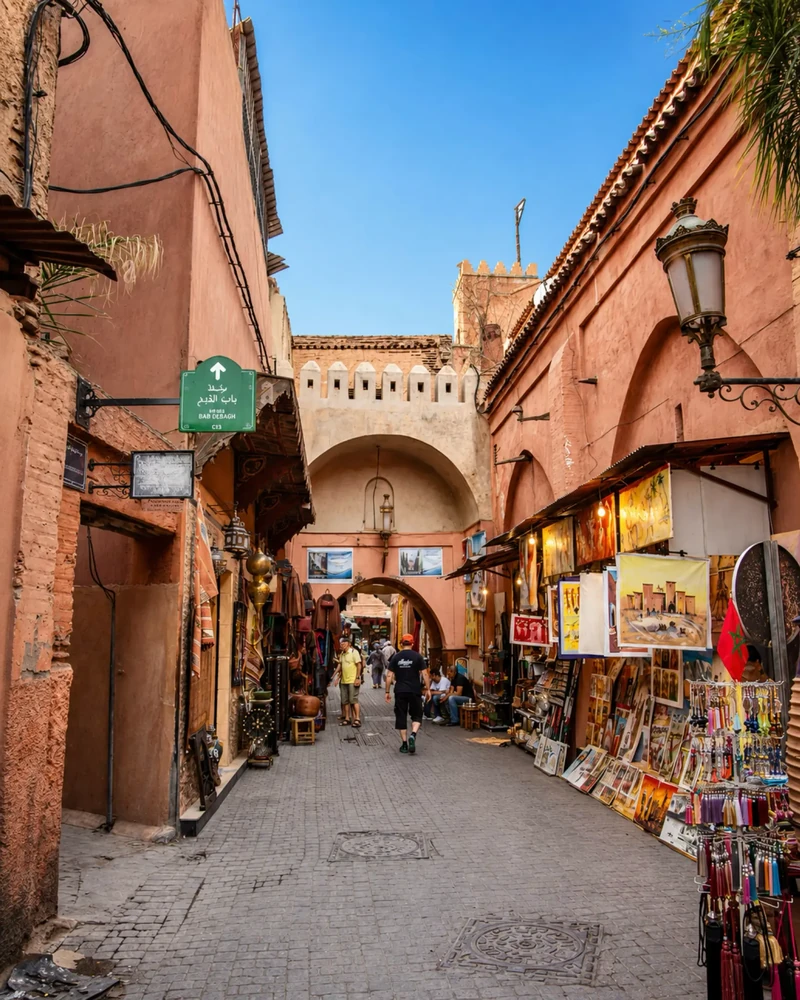
The medina
A daytime walk offers a different rhythm from a programme of screenings. Keep it modest before an evening commitment, particularly if your accommodation and cinema are in different parts of the city.
Explore The medinaA quieter pause
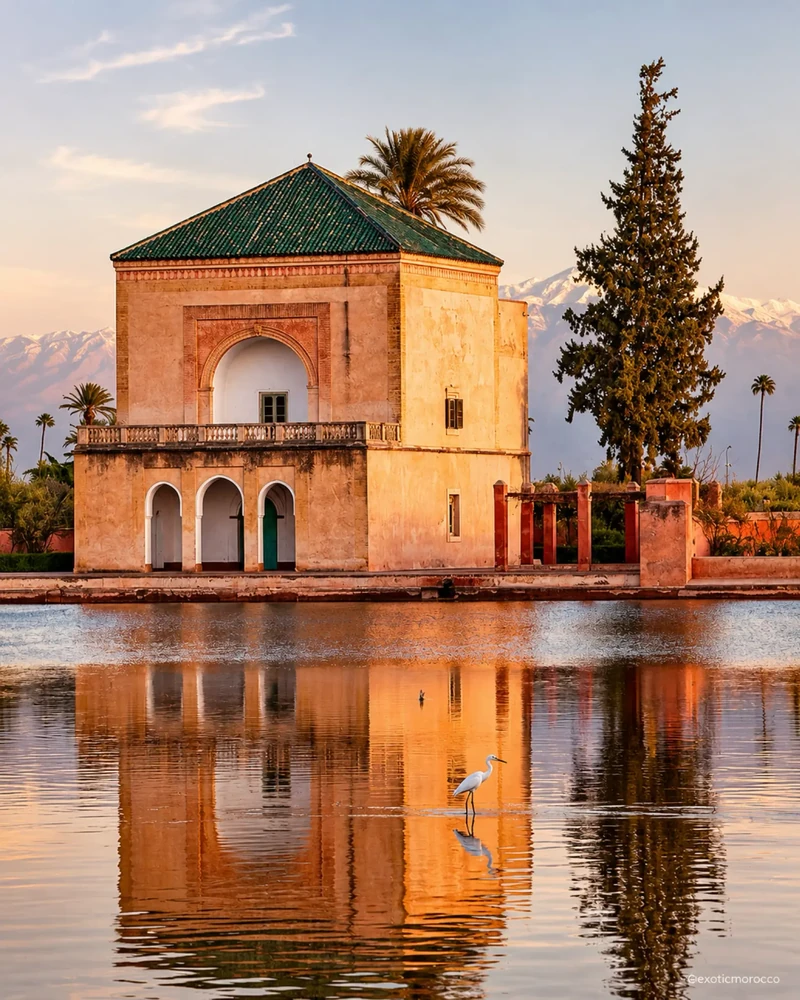
Gardens, a museum visit or a seated meal can give the mind space between films. Check the chosen place’s own access arrangements and travel time; a cultural institution is not automatically part of the film festival.
Read Heritage. Open doors.Language is part
of the experience.
Check the original language and the actual subtitle language for each screening. “International” does not mean every film carries English subtitles, and a conversation may use a different language from the film. If the programme does not specify, ask before selecting the session.
Consider where you need to sit to read subtitles comfortably, while respecting any allocated seating. If you have hearing or visual access needs, enquire about provision for the specific screening rather than assuming that every session offers the same support.
When discussing a film afterwards, distinguish what you understood directly from what you inferred through translation. This leaves room for other viewers to describe nuances that reached them differently.
The audience
makes the room.
During the film
Silence devices and keep screens dark. Do not record the projected work. Even a brief illuminated phone can pull other viewers away from the image and sound they came to experience.
During a discussion
Let the moderator manage questions. Keep your contribution short enough to leave space for an answer and for other people. A question about a scene or decision is usually more useful than a long statement about your own interpretation.
Around guests
A public appearance does not erase personal boundaries. Follow the festival’s arrangements for photographs or audience contact, and do not obstruct an entrance or working route in the hope of an encounter.
Before you apply
or reserve.
Are the 2026 dates confirmed?
Yes. The official festival announces its twenty-third edition for 20–28 November 2026, checked on 29 September 2026.
Can a general visitor attend?
Use the current public-access and accreditation information. The correct route depends on the screening and visitor category; this guide does not promise universal entry.
Does accreditation guarantee every screening?
No such guarantee should be assumed. Read the current category terms, reservation requirements and capacity rules for each session.
Are all films suitable for children?
Check the programme’s age information and the film’s subject matter. Festival selection is not itself an age recommendation. Choose a session that suits the particular child and its admission conditions.
Write down
the image that stayed.
A useful festival note can be small: a movement of the camera, a sound that changed a scene, a performance or a question left unresolved. Record the film title and filmmaker beside it. This preserves the encounter more accurately than trying to rank every screening immediately.
When sharing an opinion, separate your response from claims about the people or place represented. A work of cinema can make a powerful argument while remaining one perspective. Returning to that distinction is part of watching well, especially when a festival introduces you to unfamiliar histories and experiences.
Cinema, city
and the wider season.
Marrakech
Build a city stay around the screenings.
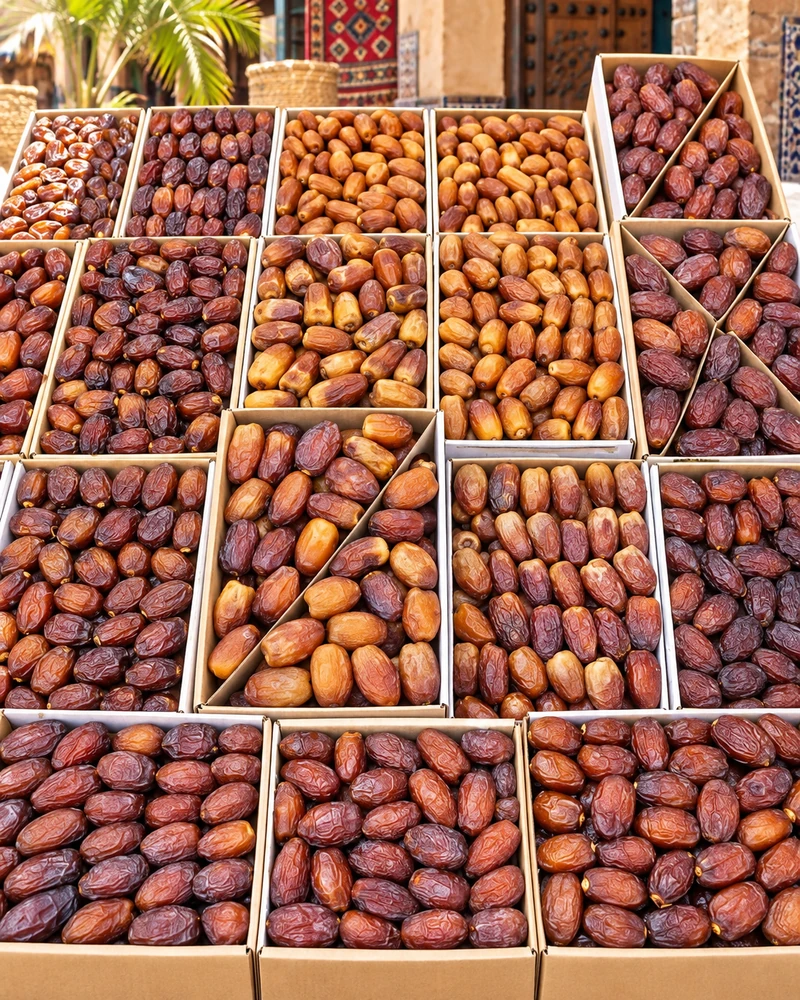
Autumn calendar
Connect confirmed dates with seasonal context.
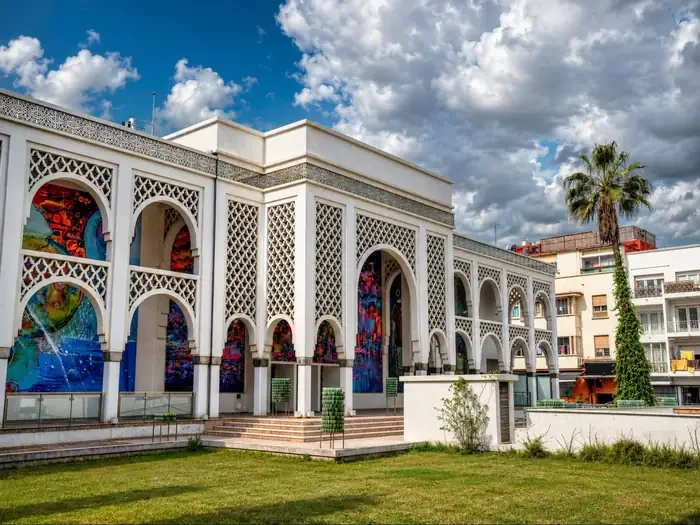
Heritage openings
Choose a complementary cultural visit.
Tickets & access
Understand the invitation before booking.
Sources, date checks & image context
Event information checked on 29 September 2026. Dates marked typical describe a seasonal pattern, not an announced booking date. Recheck the linked organizer before committing to travel.
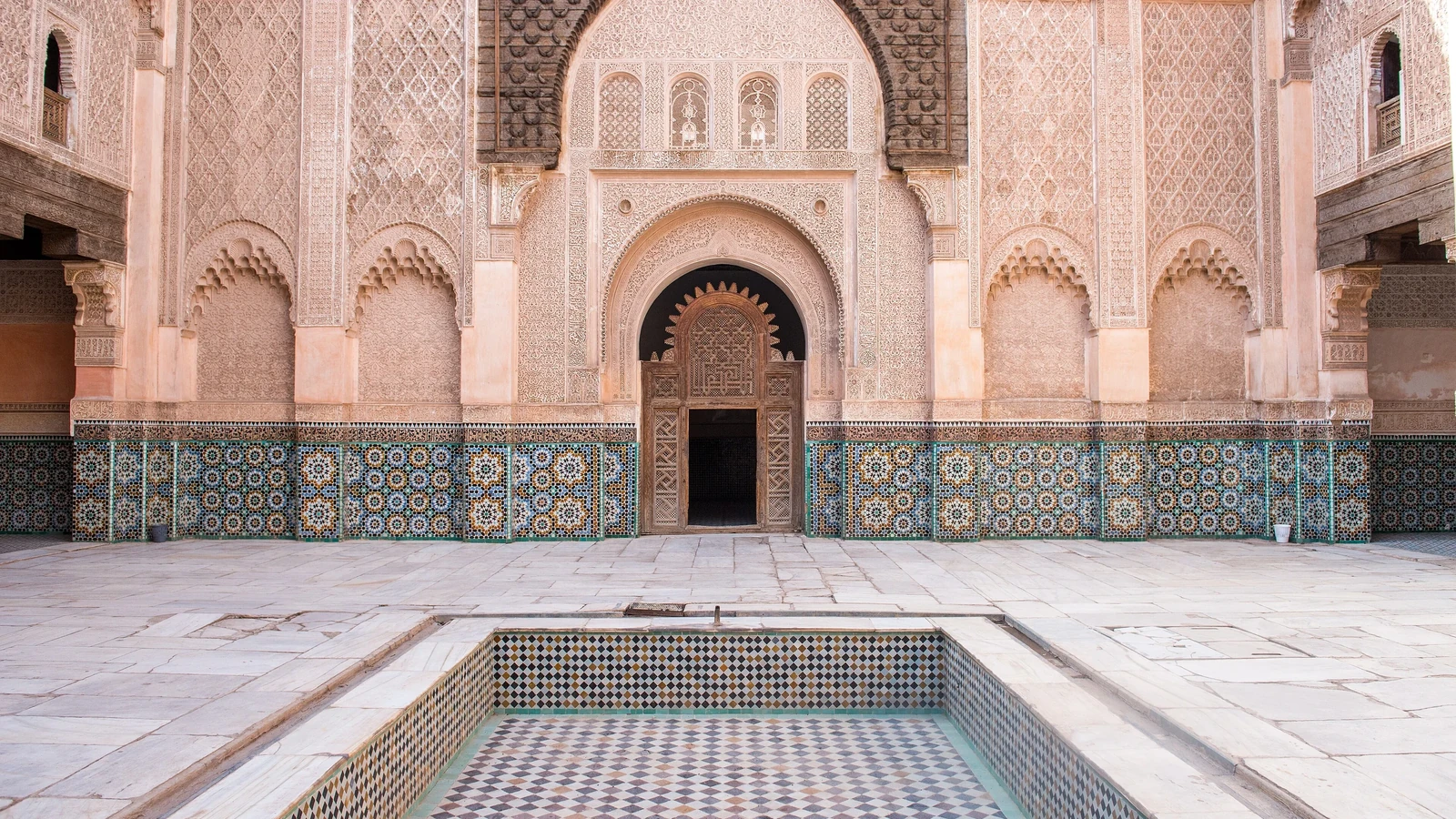
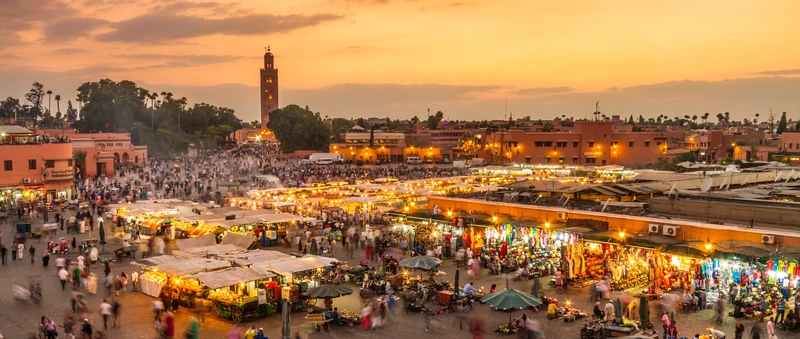
Library images illustrate the host place, materials and cultural context. They are not presented as documentary records of a particular festival edition.
- Marrakech International Film Festival — official reference
- Festival history & identity
- Festival accreditation
Photograph credits
Attributions retained from the canonical library. Responsive resizing and WebP conversion; each photograph’s stated licence continues to apply.
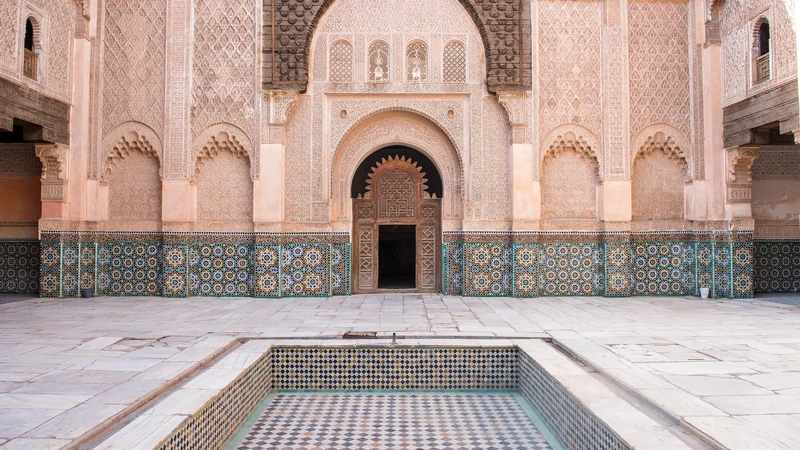
- Library photograph: Ben Youseff Madressa.jpg — Nash Finley. CC BY-SA 4.0. Cropped/resized; original licence retained.
