
Choose the session.
Then identify the permission.
Before buying anything, write down the event edition, date, session and venue you want. A festival name alone is too broad to identify admission. One programme can contain free outdoor areas, ticketed concerts, reserved screenings and activities open only to particular participants.
Next, find the organizer’s current access information and follow its own sales or registration link. Check that the year and session match your plan. A page with a new banner can still contain older practical information further down.
This guide helps you read those distinctions. It does not promise a universal rule for Morocco’s events. The terms supplied for your specific booking remain the place to confirm what is included, what is excluded and what you must bring.
Six words.
Six different questions.
Ticket
Which performance, day, venue or zone does it cover? Check whether it names a seat, a standing area or simply eligibility to enter under stated conditions.
Pass
Does it cover several days, sessions or locations? A broad name does not prove that every activity is included or that individual reservations are unnecessary.
Free access
Is entry open without payment, or does it still require registration? Capacity, security checks and temporary closures may still affect admission.
Reservation
Does it secure a place, request one or require a separate ticket? Read the confirmation carefully and note any arrival deadline.
Accreditation
Which category is it for, and what evidence is required? An application is not the same as an approved credential or access to every session.
Invitation
Who issued it and what exactly does it authorize? A personal or professional invitation should not be assumed transferable to companions.
Start at
the official source.
Use the event organizer’s website as the starting point, even when payment takes place on an external ticketing service. Following the organizer’s current link helps you identify the seller it has chosen for that edition.
Read the offer before entering personal details. Check the event name, date, venue, admission category and total price shown. If information is contradictory or a field is unclear, resolve it with the seller or organizer before purchasing.
Save the confirmation and the relevant terms in a place you can retrieve. Do not publish a ticket image with its barcode or booking reference visible; the practical purpose of the document is to establish your access at the venue.
A festival map can contain
several kinds of access.
Mawazine is a useful example of a programme that combines extensive free access with paid options. Its general accessibility statement does not replace the conditions for a particular concert or zone. Read the current venue and ticket category together.
The same principle applies elsewhere. An outdoor stage may have a different arrangement from an indoor concert, and a pass may cover one part of a programme while another requires a separate action.
Make a small session list before you book: what you want to attend, which admission applies and whether another reservation is needed. This turns a broad festival ambition into a plan you can actually verify.
Before you pay,
close the important gaps.
Date and identity
Confirm the edition, day, start time and venue. Check whether admission is named and which identification, if any, must match the booking.
What is included
Read the zone, seat or standing category, session limits and any separate registration requirement. Confirm conditions for companions instead of extending one ticket’s terms to a group.
Change and cancellation
Read the seller’s stated rules for refunds, transfers, cancellations or programme changes. Keep a copy of the terms you accept; do not assume that all events or sellers operate alike.
Practical requirements
Check age rules, bag restrictions, permitted items, accessibility arrangements and the accepted ticket format. Resolve essential access needs before committing to a non-flexible plan.
Three examples.
Use the right event guidance.
Rabat and Salé — Mawazine
A distributed programme needs venue-specific access checks. Use the named-event dossier to reach the organizer’s current information and then verify the exact session and zone.
Read Mawazine. Rabat & Salé.Marrakech — film festival
Screenings, accreditation and public participation can involve different procedures. An announced festival period does not itself confirm admission to a film or professional activity.
Read Marrakech. Film Festival.Meknès — SIAM
A professional agricultural exhibition can distinguish visitor categories and programme periods. Verify which admission applies to your purpose and the day you intend to attend.
Read SIAM. Meknès.Accessibility is
an arrangement to verify.
A statement that an event welcomes everyone is not enough to plan an individual visit. Ask about the actual entrance, surfaces, steps, viewing position, seating, toilets and the route between them. Explain the information you need to decide comfortably.
If a companion, vehicle access or staff assistance is required, establish how it is booked and where to meet. Keep the organizer’s response with your admission details. A venue’s everyday arrangement may change under a temporary event layout.
This check is useful beyond mobility. Questions about loud sound, flashing effects, crowded approaches or a quiet place to pause can shape whether a session fits your needs. Do not rely on a photograph to answer them.
At the gate,
make the handover simple.
Have the required confirmation ready before reaching the checkpoint, with enough battery or an accepted alternative format. Carry only what the current rules allow and keep any required identification accessible.
Use the correct queue and entrance. If a scanner or booking check fails, step aside with staff so the issue can be resolved without blocking the flow. A calm explanation with the original confirmation is more useful than repeatedly presenting an unrelated screenshot.
Once admitted, establish whether re-entry is permitted before leaving. An exit for a meal or a forgotten item may end the session if the terms do not allow return.
When the answer is unclear,
ask precisely.
The programme is announced, but tickets are not on sale.
Treat those as separate milestones. Follow the organizer for the sales or registration announcement and avoid assuming that an unrelated listing is the official route.
A page shows this year’s dates and last year’s terms.
Do not carry old prices, age limits or pass conditions into a new edition. Ask the organizer which information is current and keep the uncertain parts of your plan open.
My pass sounds comprehensive. Is every session included?
Only the stated terms can establish that. Check exclusions, reservations, capacity rules and arrival requirements for the sessions that matter to you.
Can a child use the same access arrangement as an adult?
Check the event’s current age and accompaniment rules. Do not infer free or unrestricted entry from the absence of a child price on a general programme page.
Have a good alternative
before there is a problem.
If a session is full, delayed or unsuitable, a planned cultural alternative can keep the day worthwhile. Choose a nearby public place or another activity whose own opening and admission details you have checked.
Keep the decision separate from pressure to use a sunk cost. A ticket establishes an arrangement, but it does not oblige you to stay in conditions that do not suit you. Discuss that flexibility with companions before the evening begins.
Turn admission
into a complete visit.

Arrival & transport
Connect the ticket with a realistic journey.
Families & crowds
Choose a session that fits the whole group.

Sacred & local moments
Recognize invitations beyond ticketed venues.
Cultural calendar
Check dates and the named-event library.
Sources, date checks & image context
Event information checked on 29 September 2026. Dates marked typical describe a seasonal pattern, not an announced booking date. Recheck the linked organizer before committing to travel.
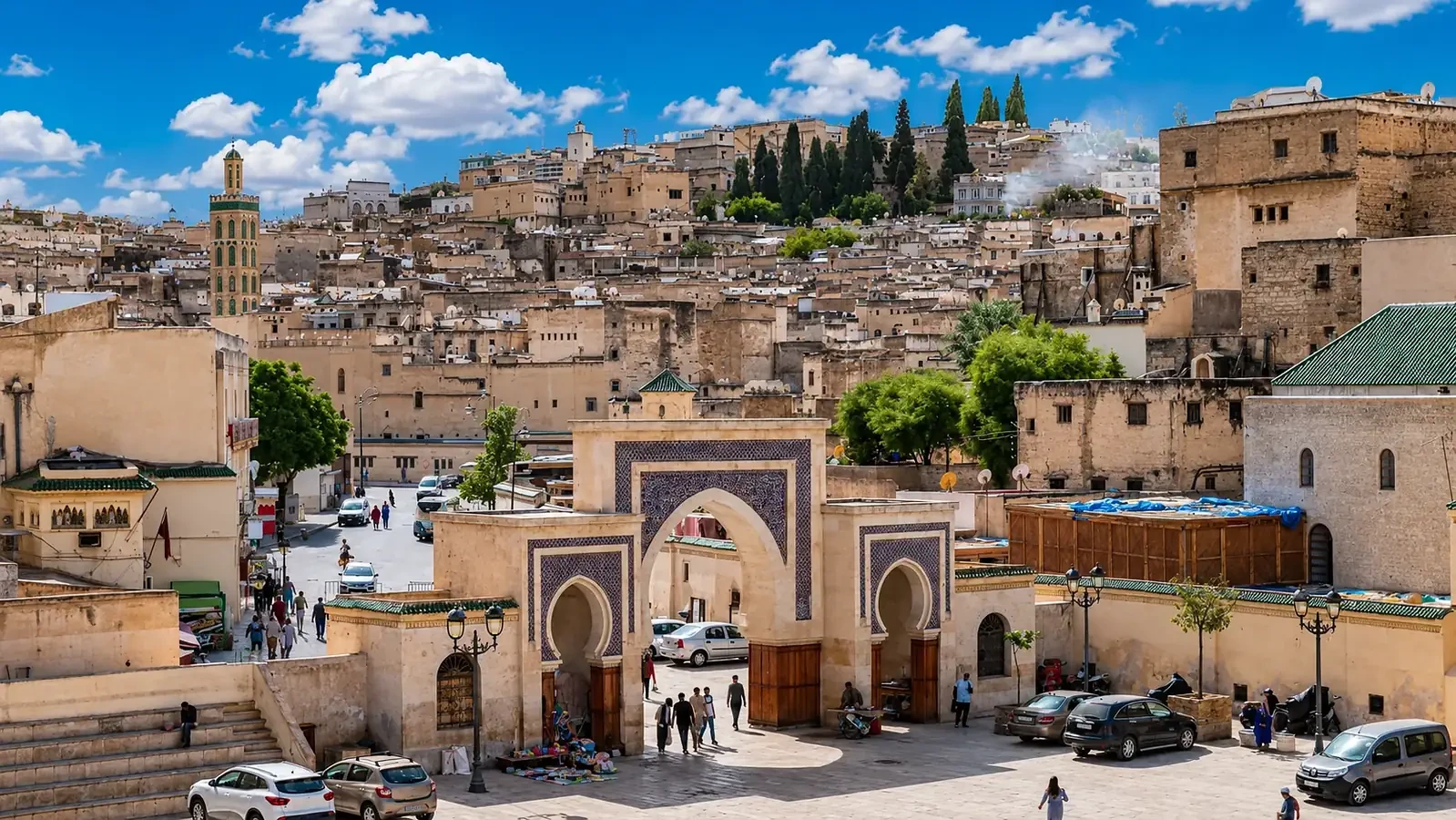
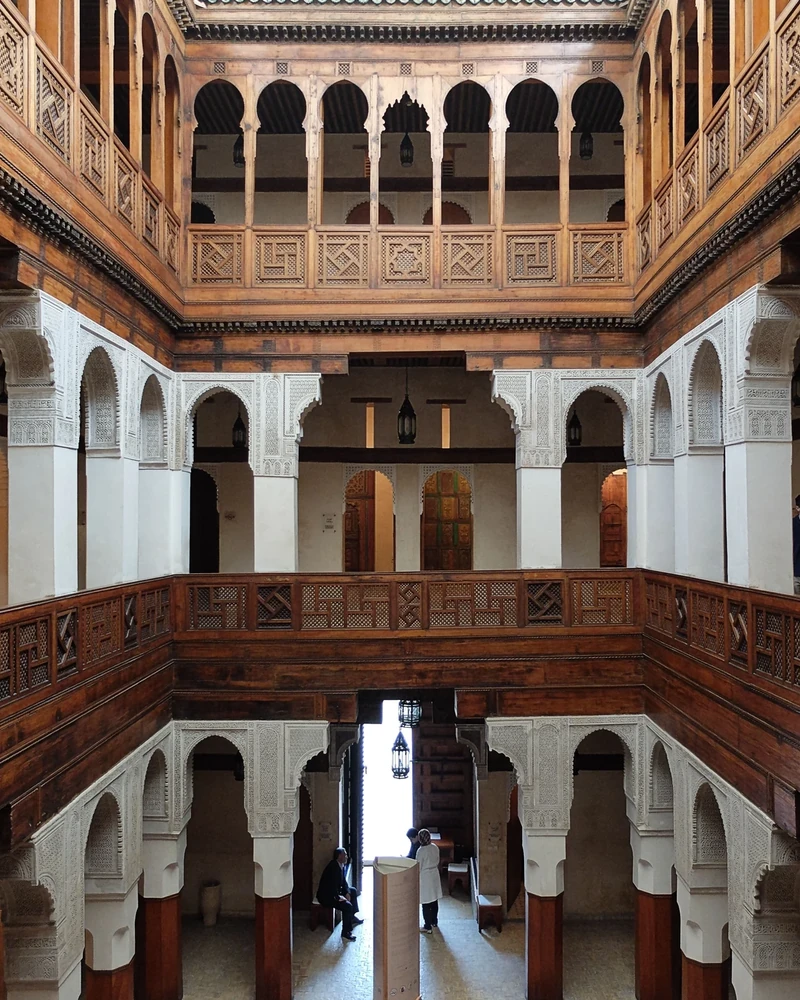
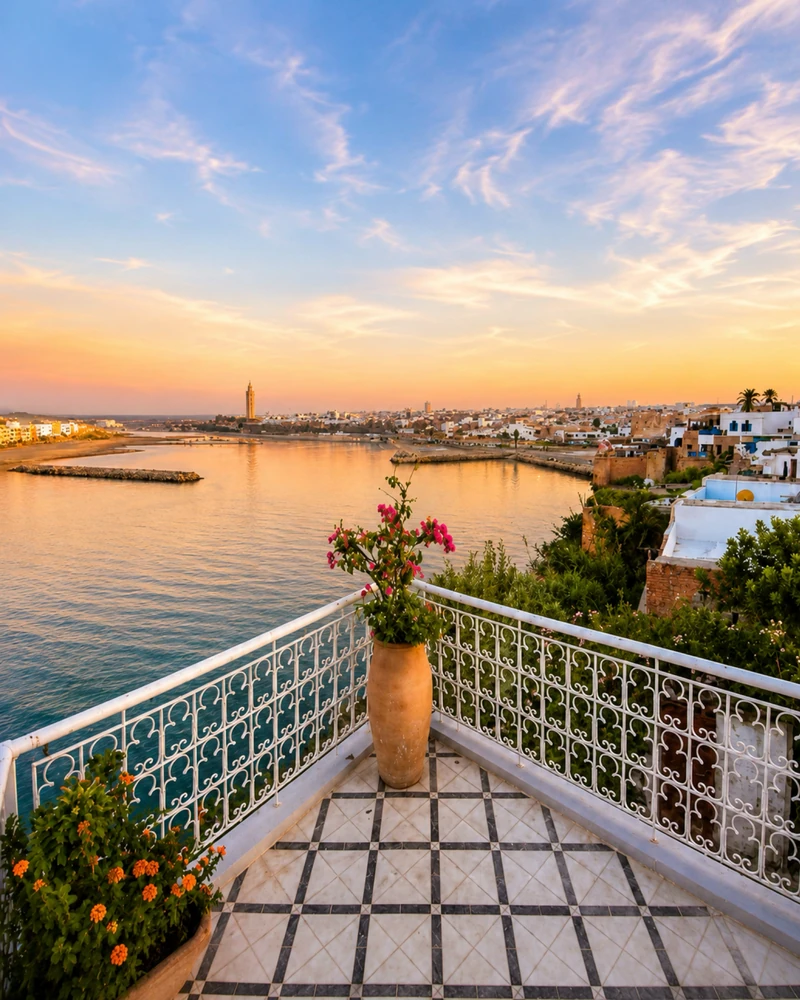
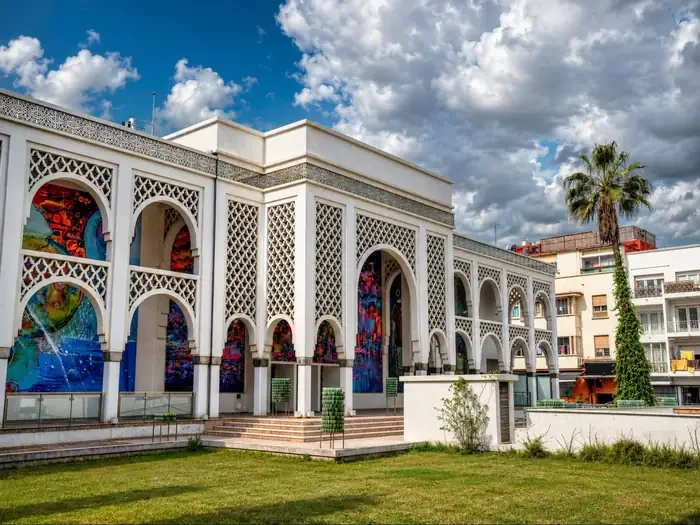
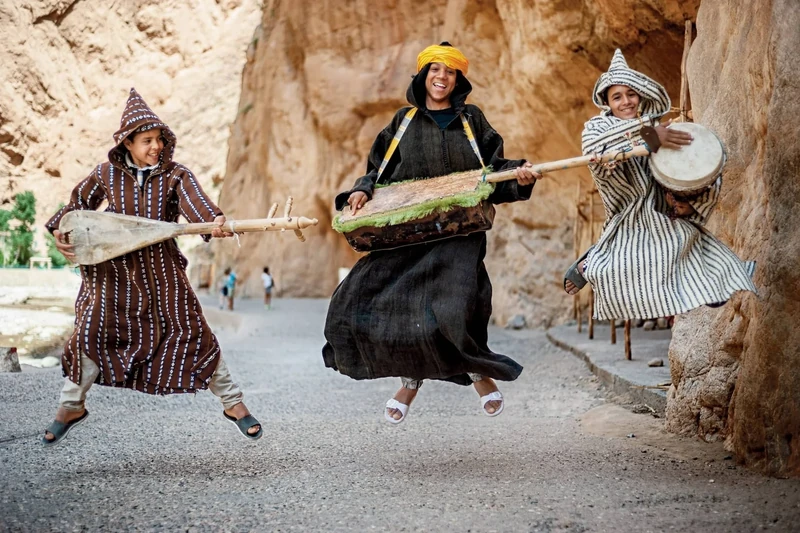
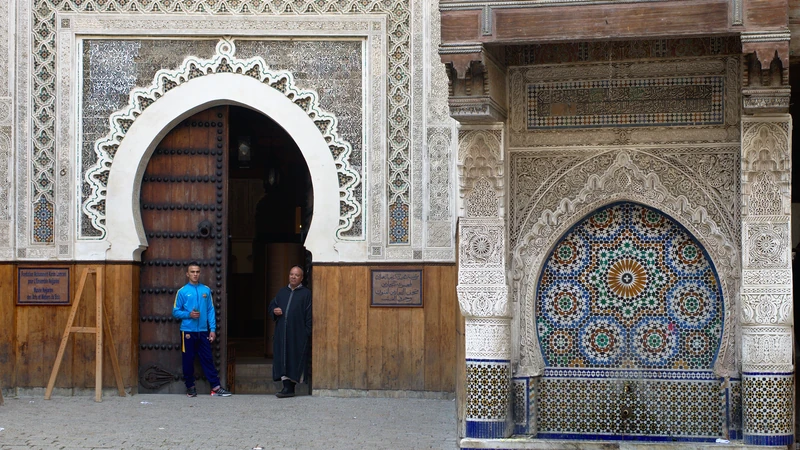
Library images illustrate the host place, materials and cultural context. They are not presented as documentary records of a particular festival edition.
- Mawazine — festival charter
- Mawazine — ticketing
- Marrakech film festival — accreditation
- SIAM — official organizer
Photograph credits
Attributions retained from the canonical library. Responsive resizing and WebP conversion; each photograph’s stated licence continues to apply.
- Library photograph: Robert Prazeres · CC BY-SA 4.0.Editorial crop, resizing and WebP conversion. The adaptation retains the source licence.
- Library photograph: Marek Kubica from Copenhagen, Denmark · CC BY-SA 2.0.Editorial crop, resizing and WebP conversion. The adaptation retains the source licence.

.jpg)