
Begin with
the agricultural world.
Typically April · Next dates not announced
SIAM brings the work of the countryside into a concentrated exhibition setting.
The Salon International de l’Agriculture au Maroc is an agricultural exhibition in Meknès. Its scope reaches beyond tasting regional products: livestock, equipment, production methods, institutions and professional exchange belong to the same landscape. A visitor interested in food can learn more by asking how a product is grown and brought to market than by collecting samples alone.
The official date reference lists the eighteenth edition on 20–28 April 2026. Those dates are past. No next-edition dates were verified in the checked source, so treat April as a planning window rather than a booking promise. The length, public days and detailed programme must be checked for the edition you intend to attend.
An exhibition
has several audiences.
A grower considering equipment, a cooperative presenting its products and a family making a first visit will use the same exhibition very differently. Recognizing those purposes helps you move through the site without expecting every stand to function as a retail shop or public demonstration.
Professional conversations may involve appointments, technical vocabulary and decisions that cannot be condensed into a quick explanation. Give exhibitors space when they are meeting clients. At stands designed for public engagement, a focused question often opens a better conversation: what changes between harvest and sale, which part of production is most demanding, or how a product should be stored.
The exhibition is also a useful reminder that agriculture is a system. Water, land, labour, animal care, transport and markets affect one another. Look for those relationships across different parts of the programme.
Choose a question.
Follow it through.
Food and origin
Choose one product you recognize, then ask what makes its place of origin relevant. A geographical label, a cooperative name and a processing method tell different stories. Do not assume that a decorative package establishes any of them.
Animals and husbandry
Where livestock is presented, watch from the designated public side and follow the handlers’ instructions. Animals are living participants with working handlers, not props for close photographs or feeding.
Tools and resources
Equipment displays make more sense when connected to a task. Ask what problem a machine or technique addresses and who can use it. A demonstration may explain a process without proving that it suits every farm.
Read the label.
Meet the producer.
Regional products can make a large exhibition feel approachable. Start by establishing who is speaking: the producer, a cooperative representative, a distributor or a salesperson. Each may know a different part of the chain. Ask where the product was made and which stages took place there.
Tasting is an invitation, not an obligation to buy. Check ingredients when they matter to you and avoid making assumptions from appearance. If you purchase something, ask about storage, packaging and whether the seller can provide a receipt or contact details. A fragile or temperature-sensitive product may be a poor choice for a long day outdoors followed by travel.
A respectful conversation does not need to become a long interview. Thank the person for their time and move aside when other visitors are waiting.
Build a visit
you can actually enjoy.
Before the exhibition
Check the organizer’s current programme and identify the admission category that applies to you. Public opening and professional access may follow different arrangements. Save the entry instructions as well as the ticket or registration confirmation.
At the entrance
Read the current site plan before joining a queue. Establish the exit, toilets, information desk and meeting point. Large exhibition grounds are easier to manage when the group agrees on one recognizable place to regroup.
Inside
Choose two or three subjects and leave time between them. Standing, walking, queuing and conversations all consume attention. A shorter visit with useful encounters is more rewarding than hurrying through every aisle.
Meknès is
more than the fairground.
The SIAM exhibition site
Use the current organizer’s visitor map for the entrance and vehicle access. Do not navigate to an administrative contact address simply because it appears on the website. Entrances and traffic arrangements are operational details that require a fresh check.
Historic Meknès
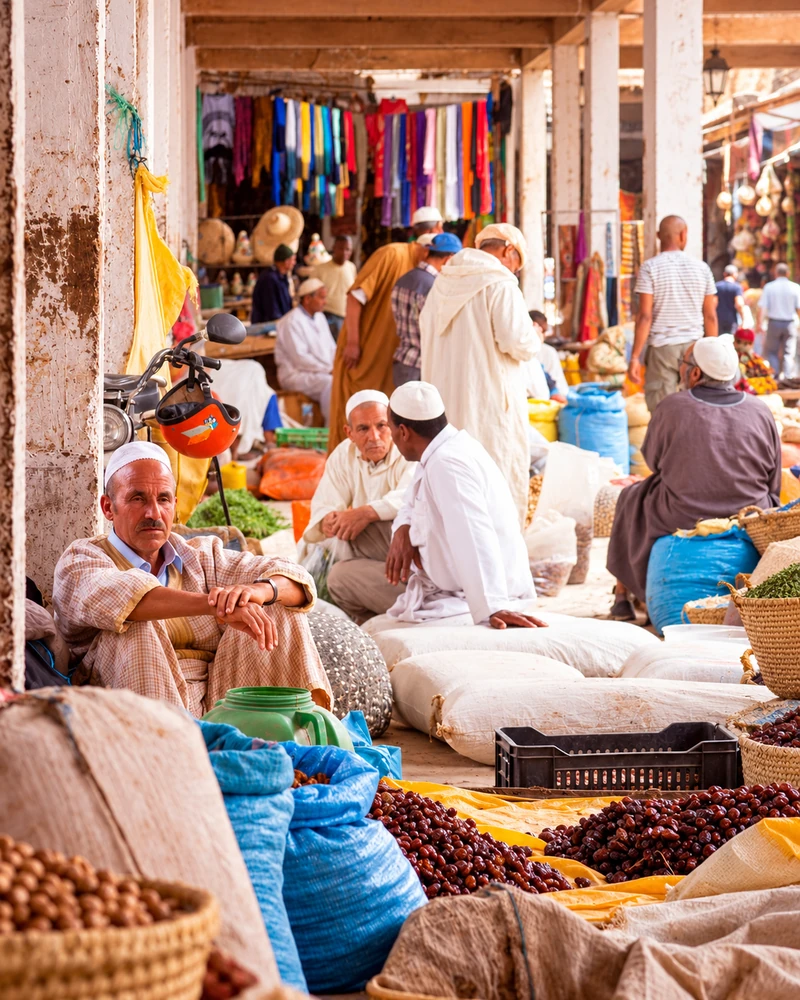
The city’s monumental spaces and historic water infrastructure offer context for a longer stay. Keep the exhibition and heritage visit as separate appointments, allowing time to cross the city and recover between them.
Explore Historic MeknèsThe imperial cities region
Agricultural land and urban markets are connected across the wider region. A regional itinerary can place the exhibition within that geography, but avoid compressing several city visits into the same exhibition day.
Explore The imperial cities regionThe return journey
starts in the morning.
Arrange the final connection before entering. A train arrival, city transfer and walk to the correct gate are separate stages; the return requires the same attention after a tiring visit. Save the meeting point in a form that a driver or companion can recognize without relying on a moving map.
Do not schedule an onward departure immediately after the last activity you hope to see. Leaving an exhibition can involve a queue at the exit, slow traffic and a longer walk to a legal pickup area. Check transport schedules with the operator for your travel date, rather than treating an old visitor report as a timetable.
If the group splits up, agree when and where to meet. A named entrance is more useful than “outside”, especially when temporary barriers redirect pedestrian flows.
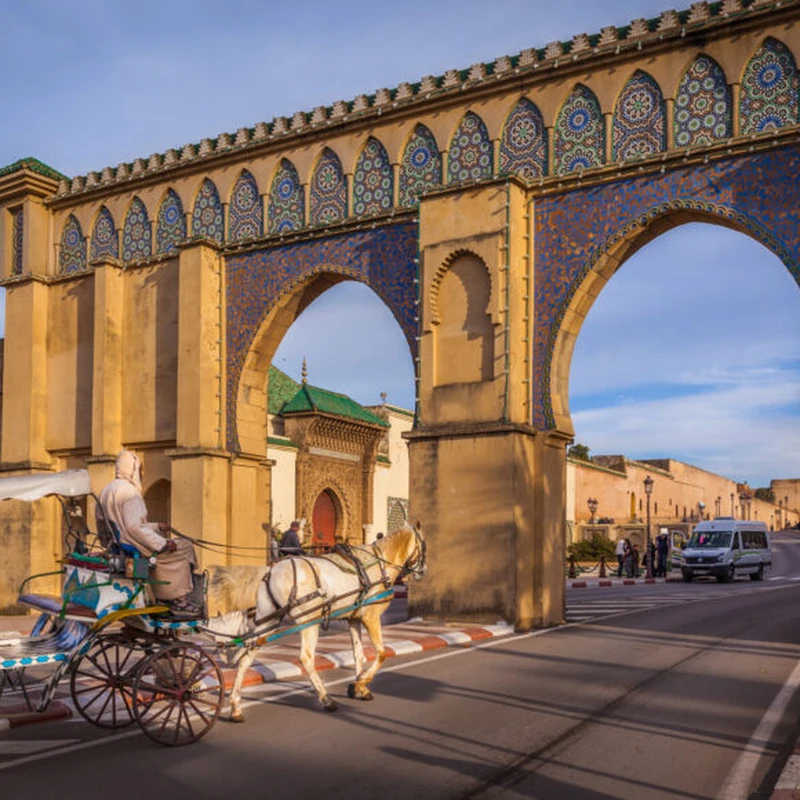
Room for curiosity.
Room for other people.
With children
Plan a limited route and frequent breaks. Ask before approaching animals or machinery, even if a display looks inactive. Choose a meeting point that can be described simply and keep younger visitors with an adult in dense aisles.
With a camera
Ask before close portraits of exhibitors, workers or families. Technical equipment and livestock areas may have their own restrictions. A clear photograph of a label can be useful, but ask when the information is part of a private professional discussion.
With purchases
Keep bags manageable and passages clear. Before buying bulky items, establish collection or delivery arrangements directly with the seller. Do not let a purchase turn the rest of the day into an uncomfortable carrying exercise.
Questions before
you commit.
Is SIAM a food festival?
Food and regional products are part of it, but the event is an agricultural exhibition with broader professional and public purposes. Choose it for an interest in the agricultural world, not solely for an evening of entertainment.
Can everyone enter on every day?
Use the current edition’s public and professional admission information. This guide does not assume that all dates, spaces or activities are available under the same ticket.
Are the next dates confirmed?
The checked official date page documents 20–28 April 2026. A future edition was not verified as announced on 29 September 2026. Recheck the organizer before buying non-refundable travel.
Can I combine it with a city tour?
Yes, with realistic time between visits. A major exhibition can fill a day. Put heritage exploration on another morning if that gives both experiences enough attention.
Take away
one useful connection.
After the visit, connect a product to a person, a place or a process. You might remember how a cooperative describes its work, why packaging matters, or how a grower talks about the resources needed for a crop. Those details are more durable than a list of stands visited.
Keep any contact information with a note about the conversation, especially if you intend to follow up on a purchase or professional enquiry. Do not attribute claims to a whole region when they came from one exhibitor. The value of SIAM lies partly in encountering differences within a large agricultural world.
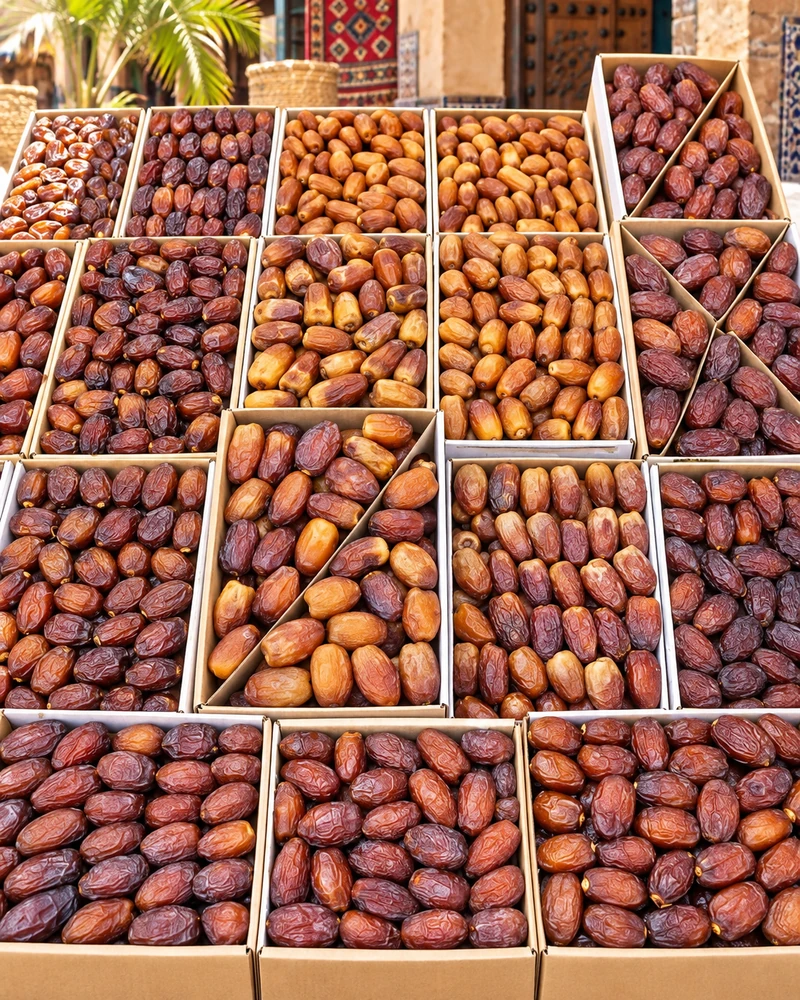
From field
to cultural calendar.
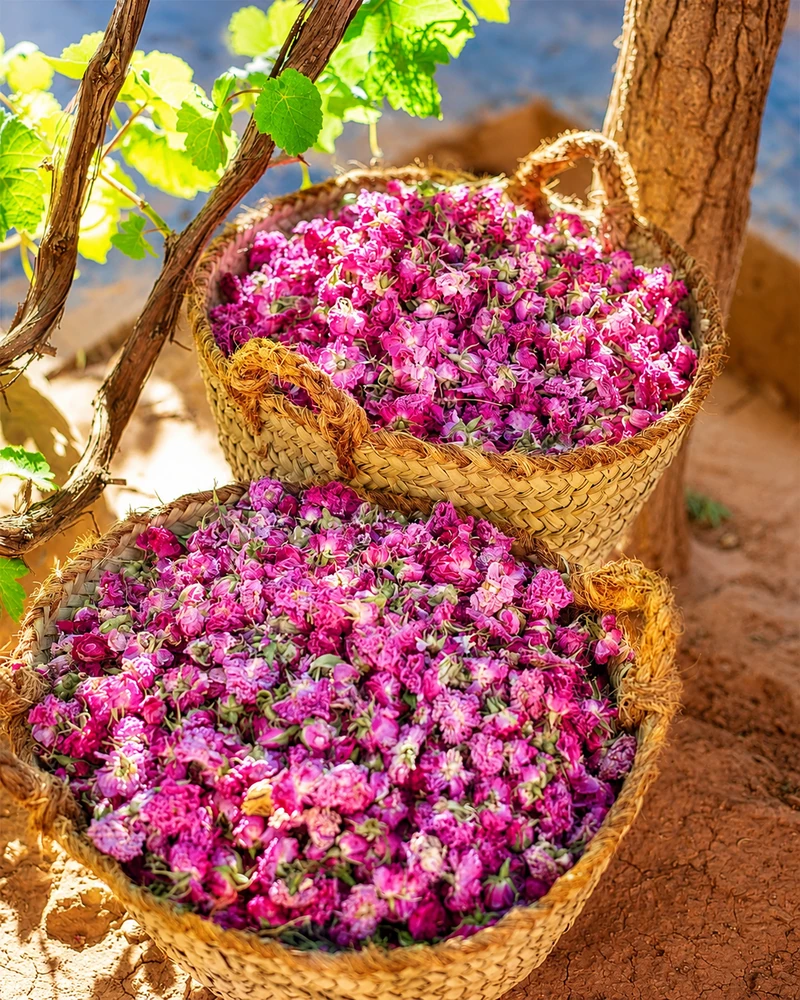
Food seasons
Follow harvests and the work behind them.
Meknès
Give the host city its own time.
Erfoud dates
Compare an agricultural exhibition with oasis life.
Access planning
Read admission categories before booking.
Sources, date checks & image context
Event information checked on 29 September 2026. Dates marked typical describe a seasonal pattern, not an announced booking date. Recheck the linked organizer before committing to travel.
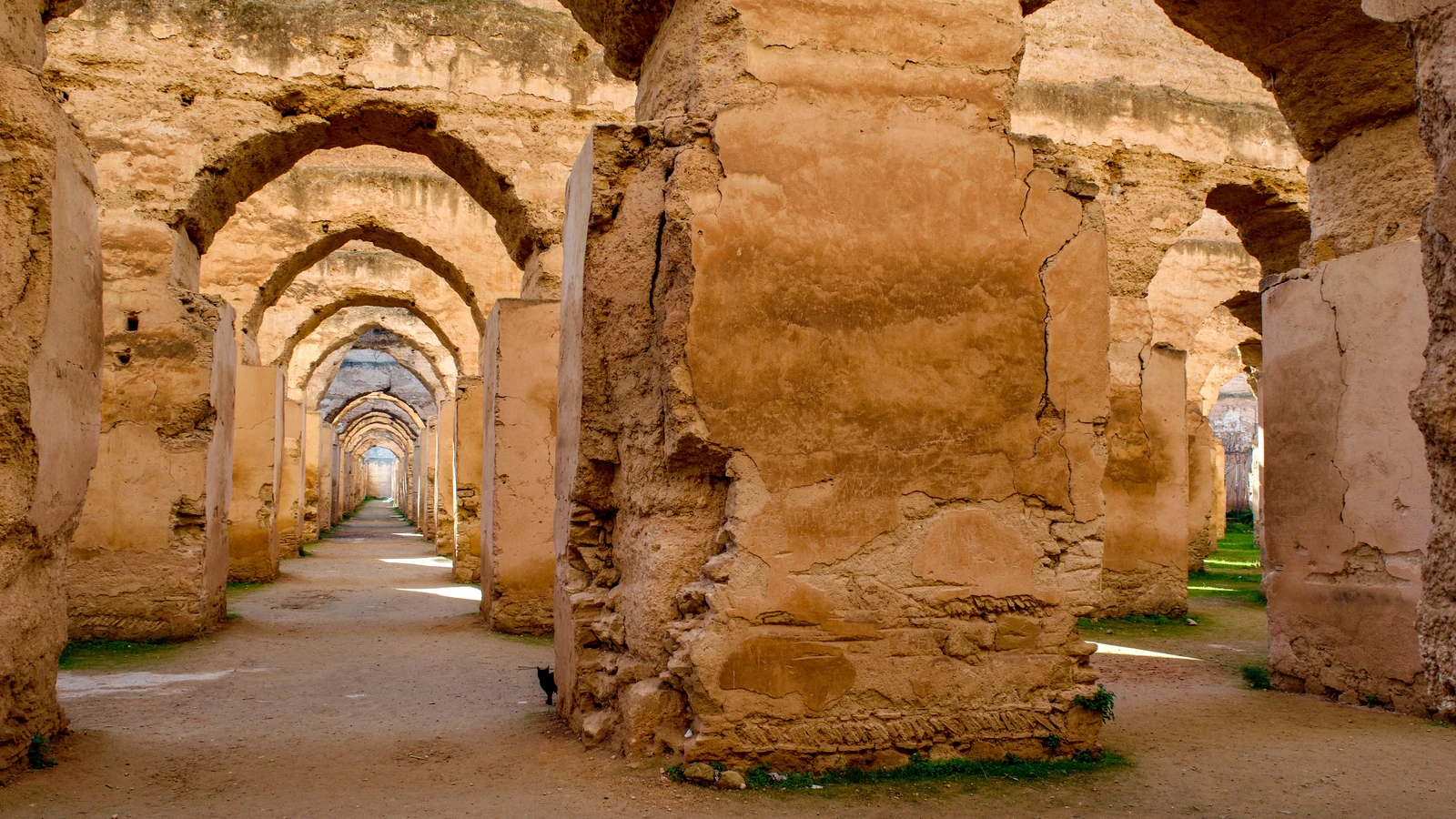
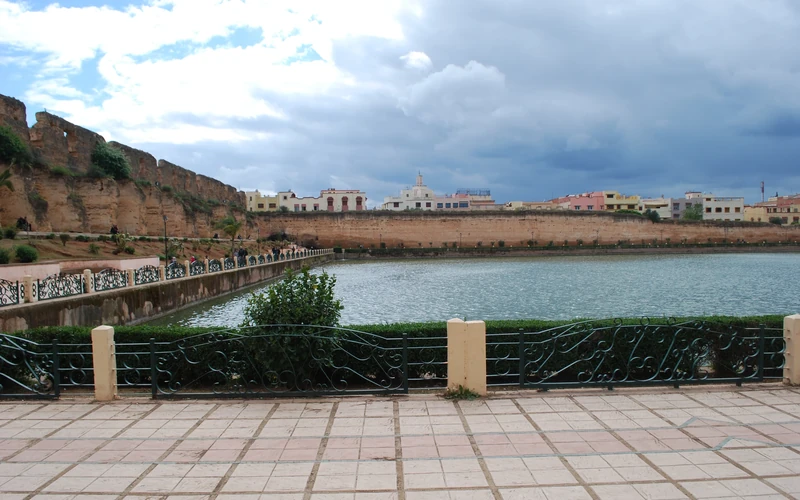
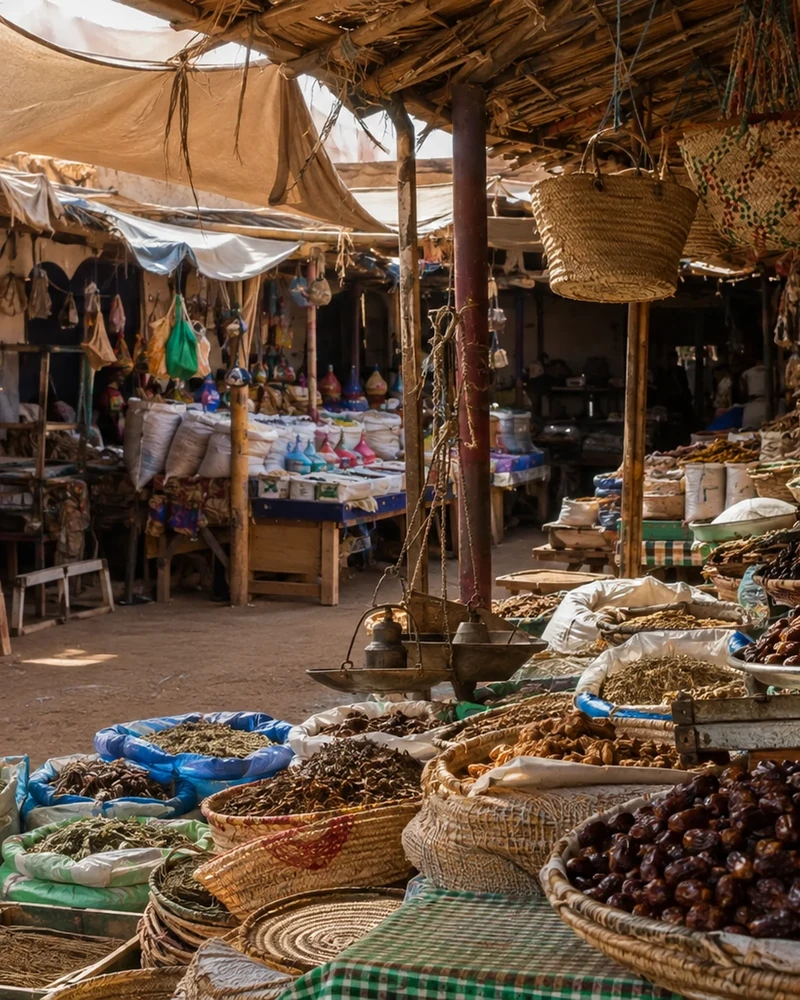
Library images illustrate the host place, materials and cultural context. They are not presented as documentary records of a particular festival edition.
Photograph credits
Attributions retained from the canonical library. Responsive resizing and WebP conversion; each photograph’s stated licence continues to apply.
- Library photograph: Andrew Brehmer · CC BY 2.0.Editorial crop, resizing and WebP conversion. The adaptation retains the source licence.
- Library photograph: FuriousYogi · CC BY-SA 4.0.Editorial crop, resizing and WebP conversion. The adaptation retains the source licence.
.jpg)
