
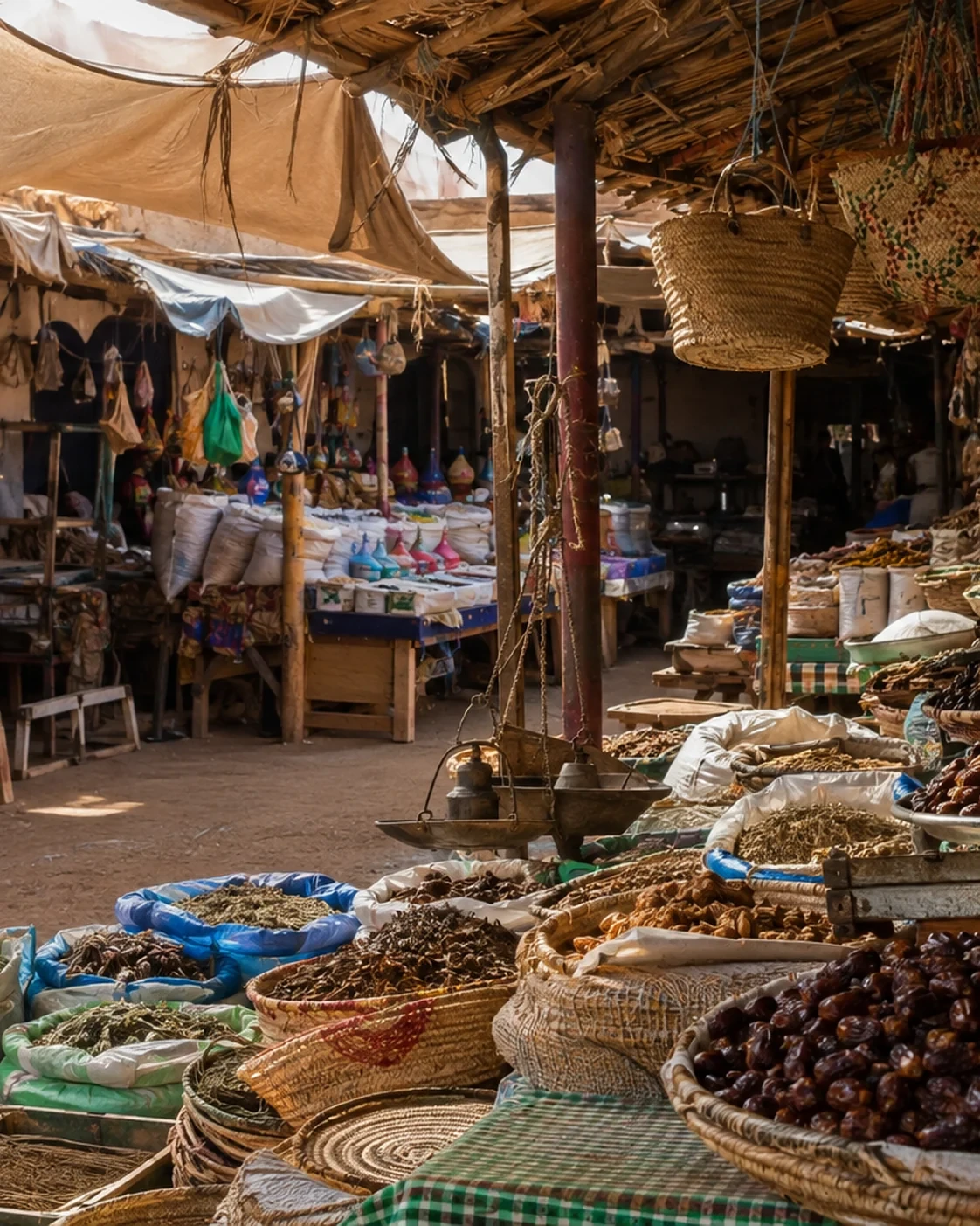
The crop has a calendar.
The event has another.
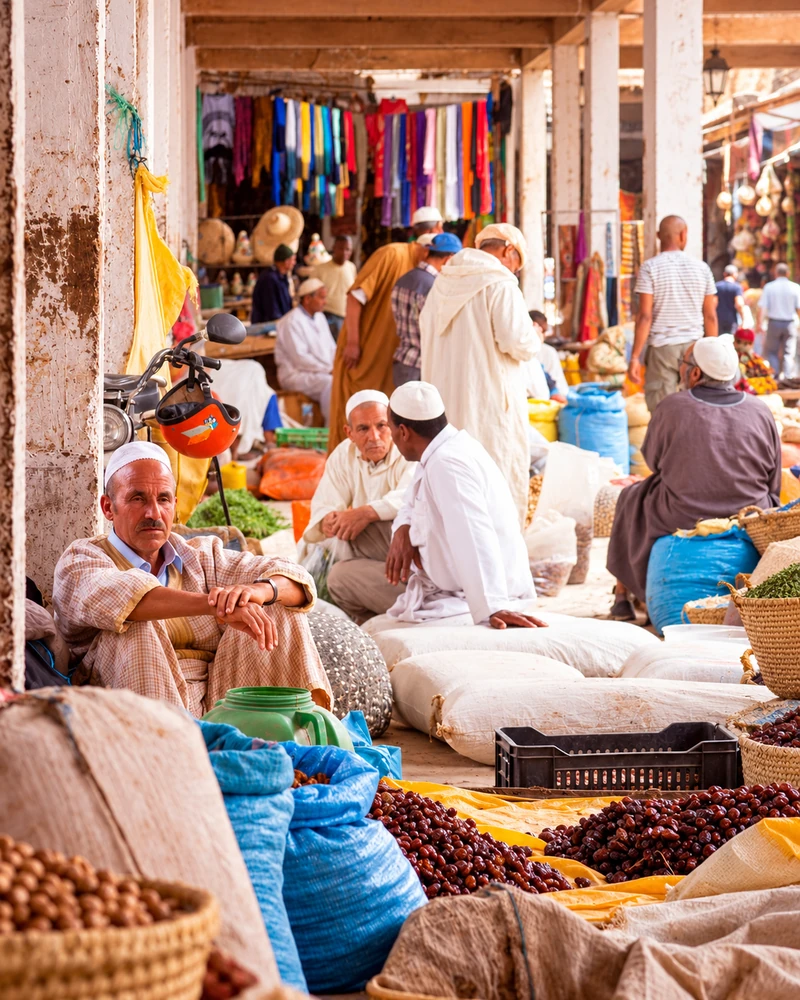
A harvest and a festival can be closely connected without following exactly the same schedule. Growing conditions shape agricultural work. Organizers choose public dates around their own programme, logistics and aims. A professional exhibition introduces another timetable again.
That distinction is essential when planning a journey around produce. You may encounter a market in the right season without attending a named festival. You may attend an exhibition that explains a crop through products and professional displays without seeing it gathered in the field.
This guide follows the work behind the celebration. It connects cultivation, sorting, processing and exchange with the public occasions that make those activities more visible. It also leaves room for a simple pleasure: learning to look more carefully at what is on a stall.
Follow the sequence.
A product is not a single moment.
Grow and gather
A crop belongs to a landscape and to decisions about cultivation and labour. Access to a farm or grove must be arranged with its host; seeing a productive landscape from a road does not make it a public visitor site.
Select and transform
Sorting, grading, drying, distilling or other processes depend on the product. Ask which stages are relevant to what you are seeing. A demonstration may show only one part of the chain.
Exchange and use
A market, a shop and a professional salon connect products with different buyers. Prices, quantities, explanations and opportunities to taste can differ. Identify the kind of encounter before expecting a particular experience.
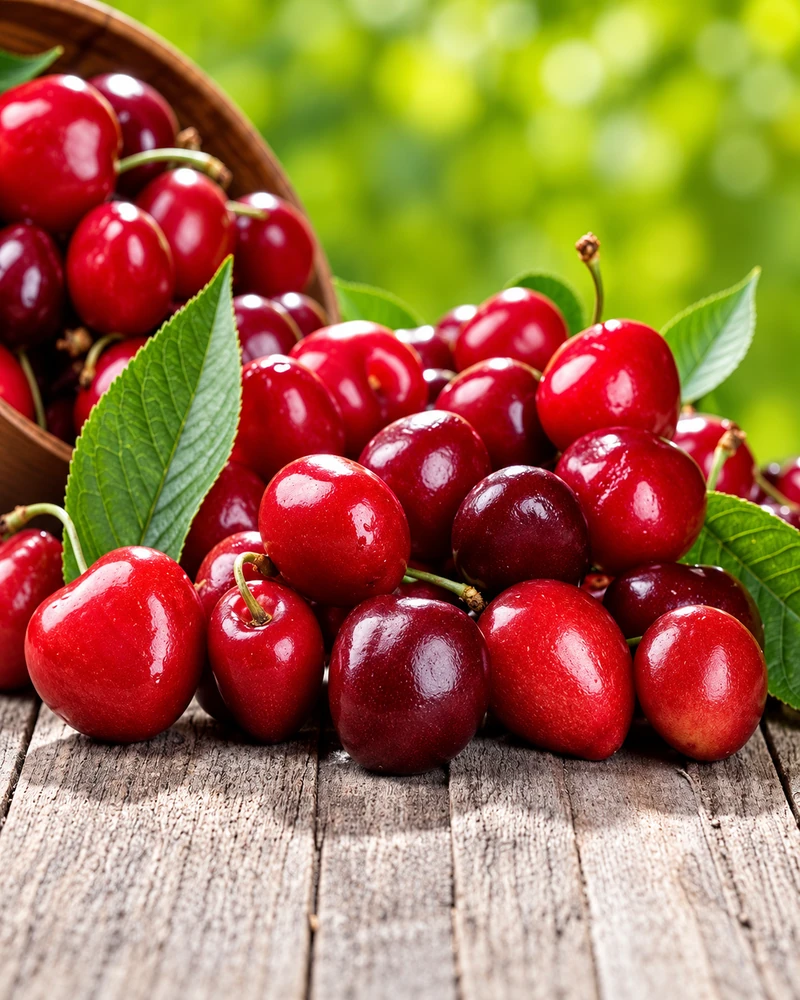
Cherries.
A crop becomes a civic occasion.
Sefrou’s Cherry Festival is recognized by UNESCO as a living cultural practice with an annual June rhythm. Its significance includes community participation and festive expression, extending beyond fruit on sale. The city and its people belong at the centre of the account.
A visitor can follow two related interests: the seasonal crop and the community occasion. Ask what the current programme includes before expecting a parade, performance or particular public activity. The fact that an event recurs does not guarantee the same arrangement each year.
In a market encounter, look at how produce is presented and ask about the seller’s description of origin or variety. Keep that commercial conversation distinct from a claim about the whole festival’s cultural meaning.
Roses.
Harvest, fragrance and industry.
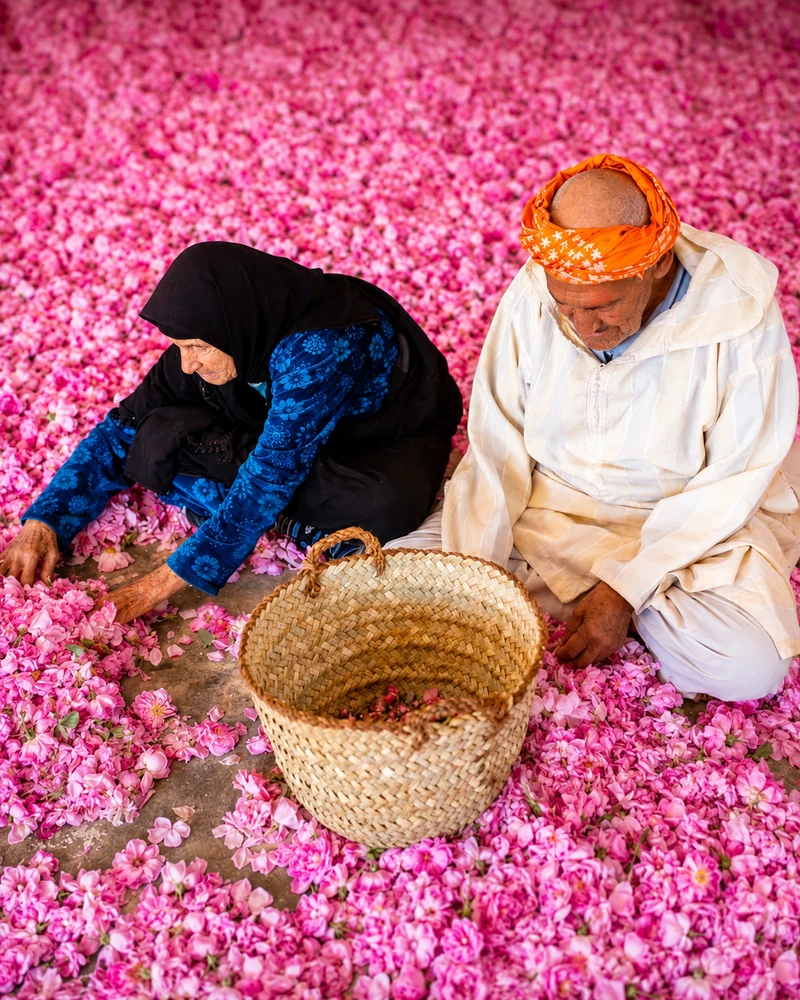
The rose season around Kalaat M’Gouna brings together a landscape, gathered flowers and products made from them. Local festivities and the professional rose salon are associated with that wider world, but they should not be treated as one interchangeable appointment.
The Moroccan government’s account of the 2025 salon describes a professional agricultural event alongside the importance of the rose sector. It gives evidence for that edition, not a future date. For a later visit, confirm separately whether you are arranging a permitted harvest encounter, a producer visit or admission to a programmed event.
Roses also show why “food season” is broader than a plate. Agricultural products can move through fragrance, personal care and culinary uses. Ask how a particular product is intended to be used; do not assume that every rose-derived item is made for eating.
Dates.
An oasis crop enters many exchanges.
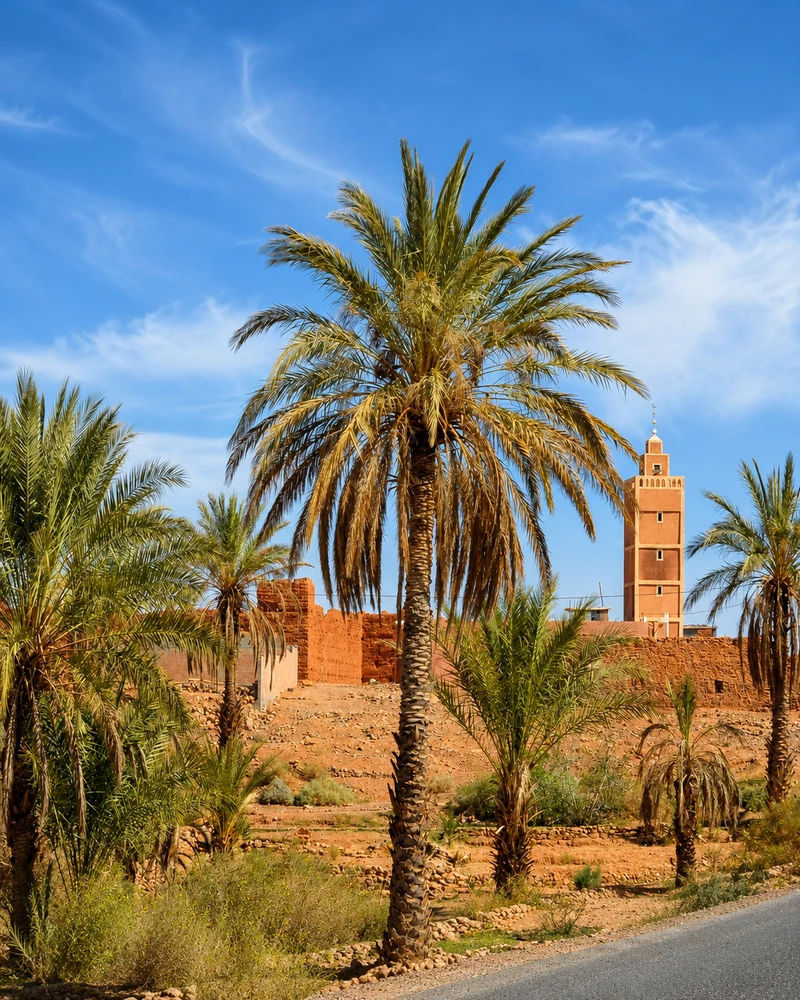
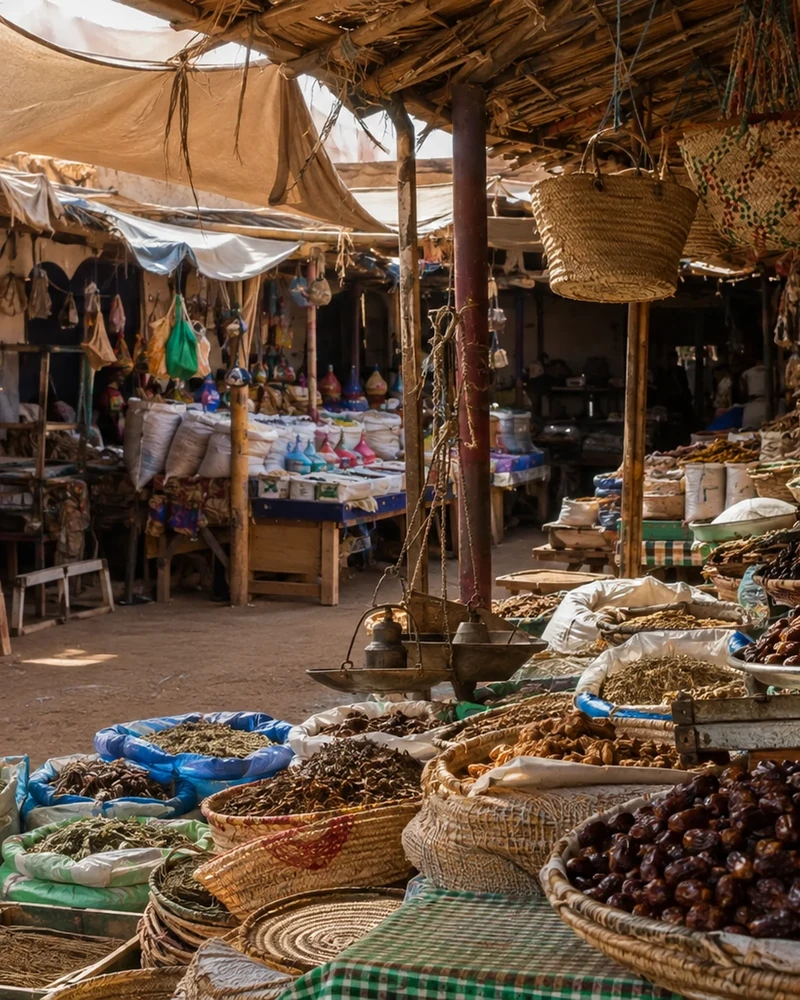
Autumn date-season interest can lead to palm landscapes, everyday markets and the SIDATTES professional exhibition in Erfoud when an edition is announced. Each encounter reveals a different scale: cultivation, trade or organized sector presentation.
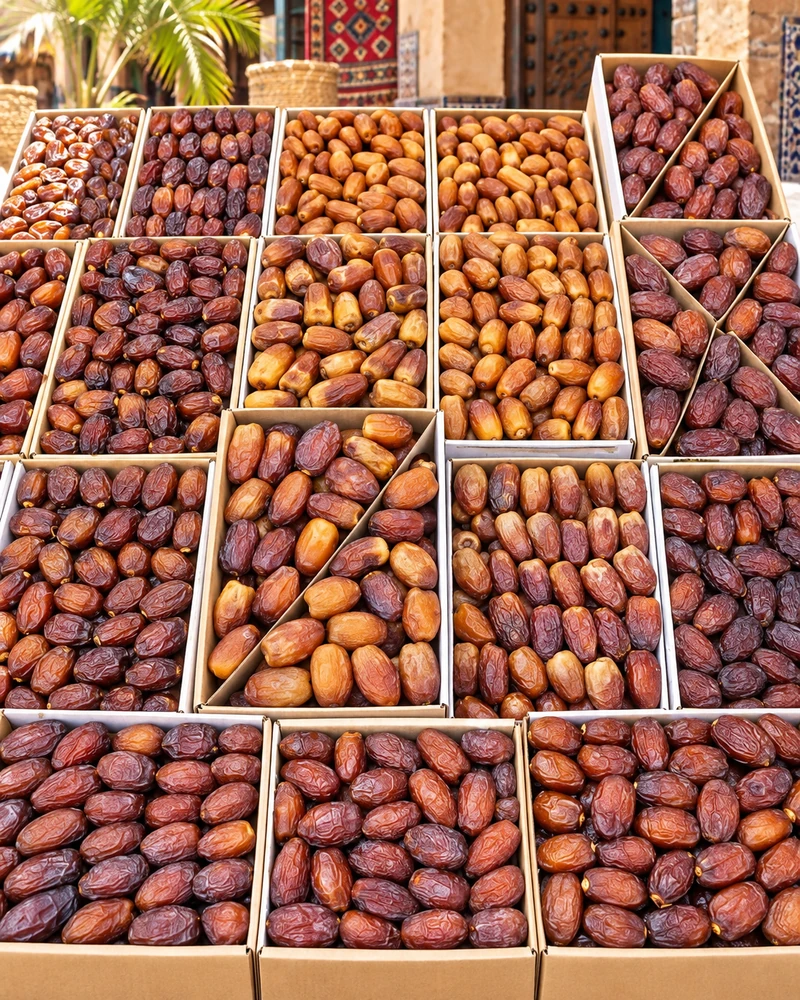
A display of several date varieties invites comparison. Ask a knowledgeable seller how they distinguish them and which qualities matter for the use you have in mind. Avoid assigning a variety from colour alone or assuming that the most expensive tray is automatically the best choice for every purpose.
If an exhibition is your priority, use its official programme and visitor information. If the landscape is the priority, arrange an appropriate host and route. One can deepen the other, but neither should be promised as a substitute when access has not been confirmed.
Three places.
Three different emphases.
Sefrou
Build a visit around a town and its community celebration. The surrounding agricultural setting adds context, while the announced public programme determines what can be attended.
Read Sefrou. Cherry Festival.Kalaat M’Gouna and the rose valley
Choose between landscape, producer and event interests before arranging transport. A public town celebration, a salon venue and a privately worked field have different access conditions.
Read Rose Festival. M’Gouna.Erfoud and the Tafilalt
Use Erfoud as a starting point for understanding the date economy and nearby oasis country. Confirm the location of an exhibition and arrange any grove encounter independently.
Read Erfoud. Date season.At the stall,
make the exchange clear.
Ask what is being described
Origin, variety, production method and intended use are different claims. A precise question makes the answer easier to understand. Do not turn an informal seller’s account into a certified claim in your own writing.
Taste by invitation
Accept samples where they are offered and ask before handling produce. Make dietary needs clear; if an ingredient or preparation cannot be established, choose something you can assess more confidently.
Agree the purchase
Confirm quantity, unit and price before items are packed. A small purchase can be a worthwhile encounter without requiring a staged photograph or a long explanation from a busy trader.
The landscape is
a place of work.
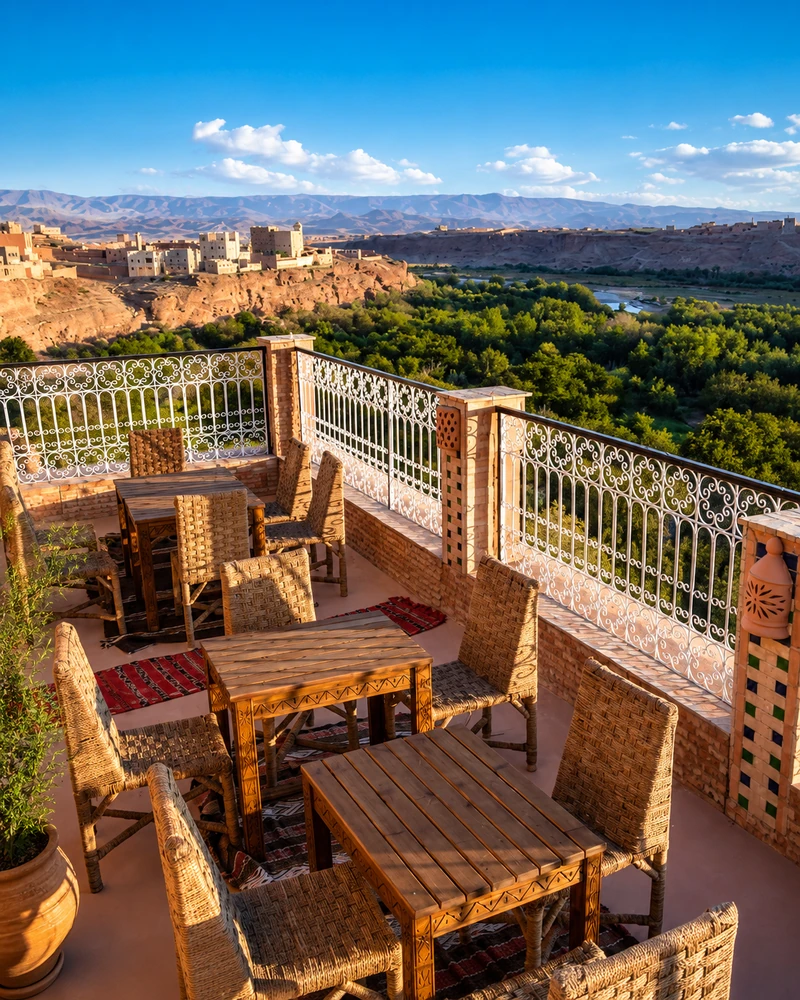
A cultivated view can appear calm while holding a demanding schedule. People may be irrigating, gathering, moving goods or caring for animals. A visitor’s interest should fit around that work rather than redirect it.
Arrange visits through a host who can explain the route and what participation, if any, is appropriate. Do not pick produce, open gates, enter a grove or join a task because another visitor has done so. Stay within the agreed encounter.
The most informative question may concern a choice the producer is making today. What is ready? What must wait? What happens to the product next? Such questions keep the agricultural season grounded in decisions rather than turning it into scenery.
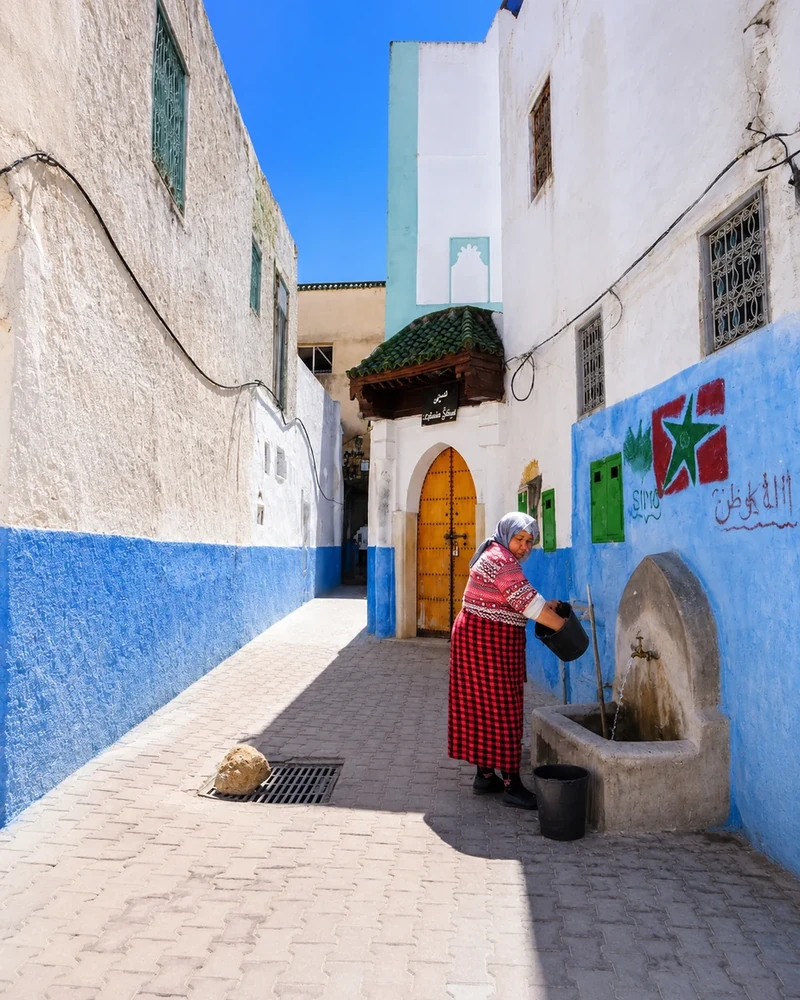
Plan by certainty,
then by appetite.
First decide what would make the journey worthwhile even if a public programme changed. It might be a town, a permitted producer encounter or a regional food interest. Then identify which parts depend on a date, a host or a ticket.
Use “typically” as an indication for research, not a booking guarantee. A confirmed event date still leaves transport, accommodation and the exact programme to arrange. Keep a record of the source and the date you checked it.
Leave time to eat ordinary meals and to understand how seasonal products appear outside the festival setting. A celebration can introduce a subject; daily cooking and trade reveal other parts of its life.
Bring the ingredient
back into context.
A basket, a tray or a bottle can remind you of more than a taste. It can recall the work of sorting, the explanation of a producer or the relationship between a town and its cultivated surroundings.
If you want to take products home, check the current import rules of your destination before buying for transport. Keep packaging and storage needs in mind. The most durable part of the encounter may instead be a recipe, a name or a better question to ask at the next market.
Choose the occasion.
Keep the crop in view.
Food festivals
Compare the three event identities.
Spring gatherings
Connect the rose season with a wider journey.
Autumn calendar
Place harvest interests beside other autumn events.
Moroccan food culture
Continue from products to the shared meal.
Sources, date checks & image context
Event information checked on 29 September 2026. Dates marked typical describe a seasonal pattern, not an announced booking date. Recheck the linked organizer before committing to travel.
Library images illustrate the host place, materials and cultural context. They are not presented as documentary records of a particular festival edition.