
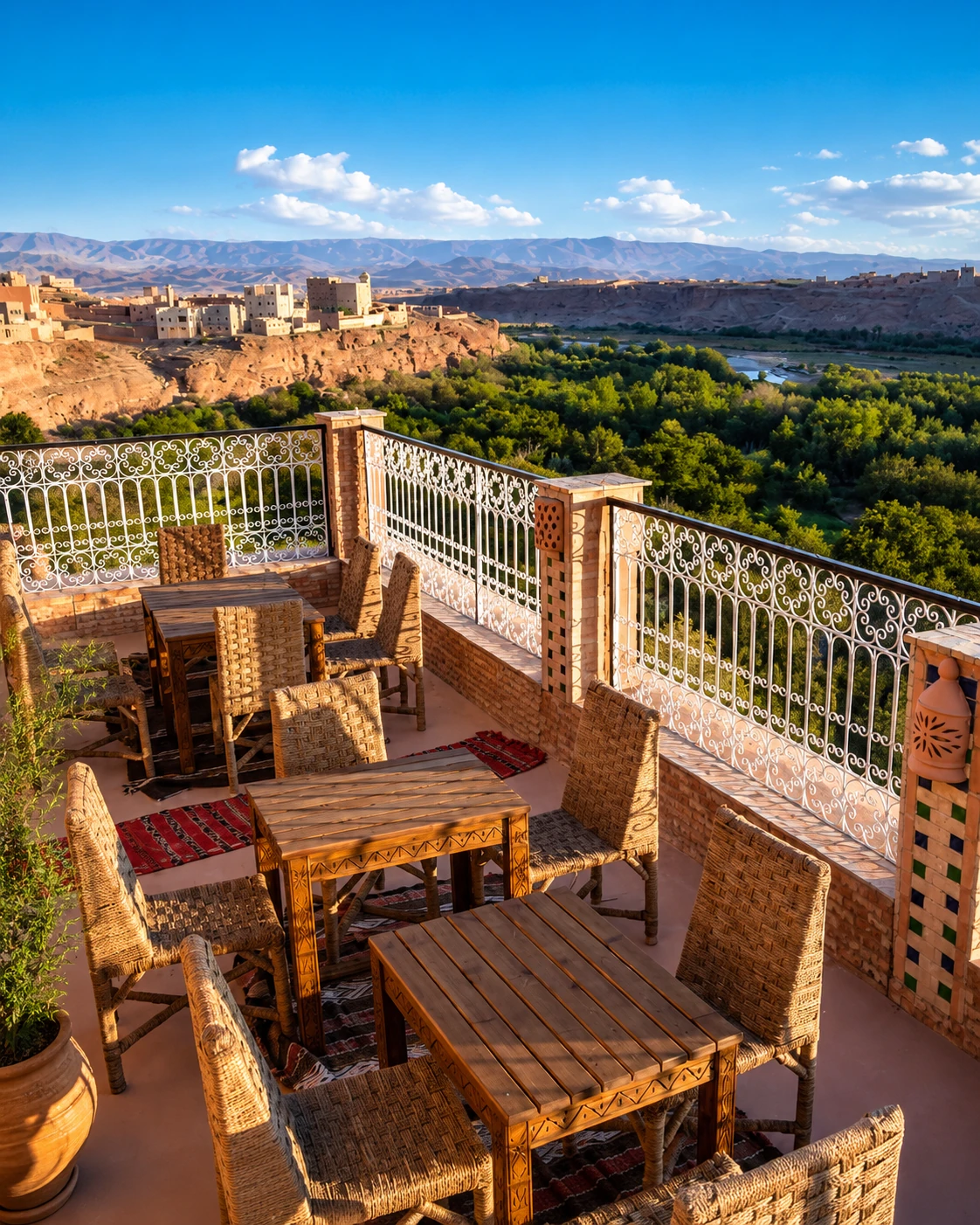
The landscape changes.
The calendar needs checking.
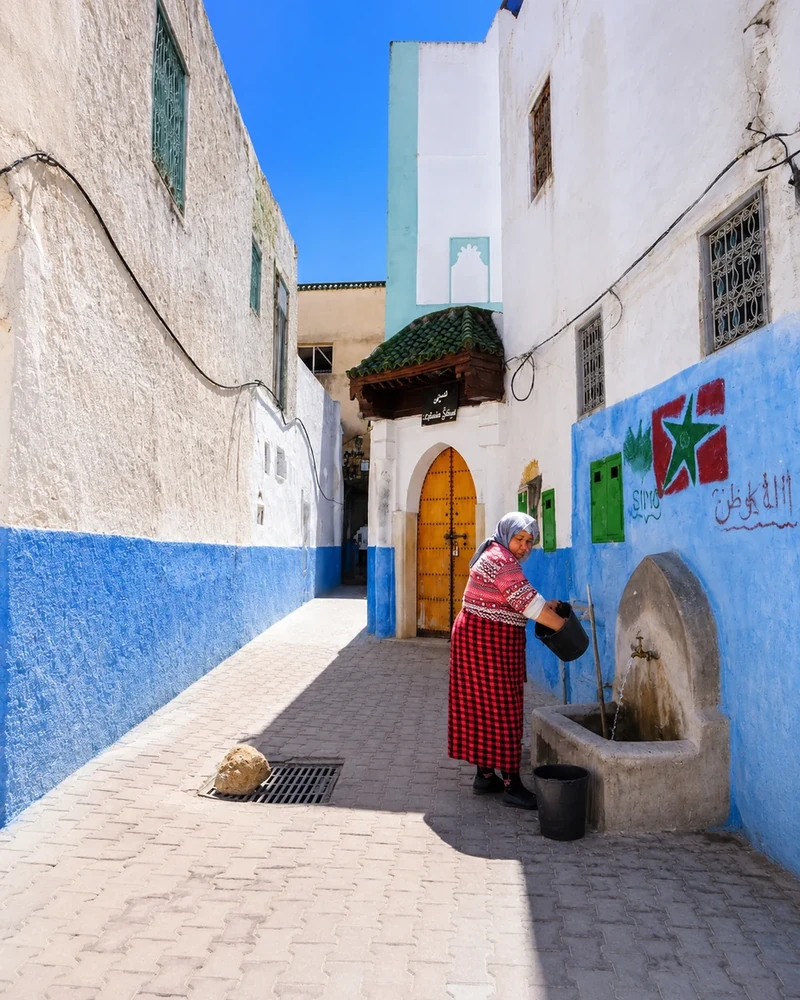
Spring can suggest a journey through growing landscapes, agricultural exchange and local celebration. It does not supply one uniform national schedule. A crop, a professional exhibition and a civic programme each follow different decisions and conditions.
Begin with the experience you want. If you hope to attend SIAM, look for the organizer’s edition announcement and public-access dates. If rose country is the interest, distinguish a landscape visit from the perfume-rose salon or town festivities. That distinction prevents a seasonal idea from becoming a false booking promise.
Use the months as an orientation, then attach each fixed appointment to a reliable current source. Leave other parts of the journey flexible enough to remain worthwhile when conditions differ from an old photograph.
Two spring threads.
Two kinds of certainty.
The current library places SIAM in a typical April context and rose-related activity in spring, often May. Neither is presented here as a confirmed forthcoming booking date. Open the full dossiers for the last verified edition references and the distinctions that matter to a visit.
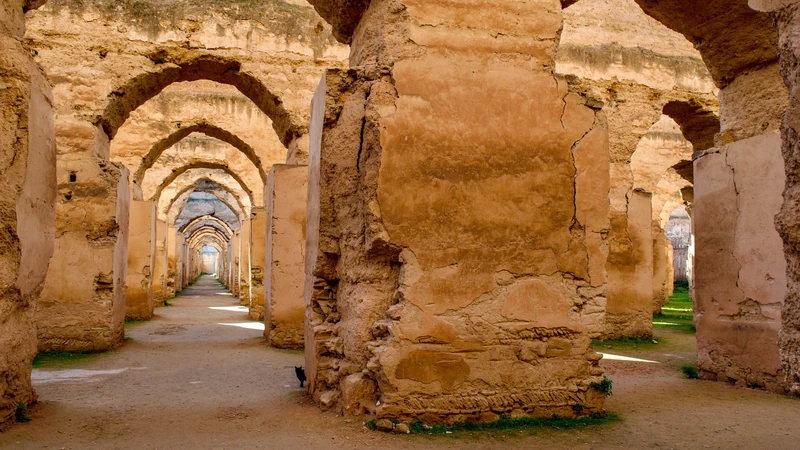
SIAM — International Agricultural Exhibition
Dates not announcedTypically April · Next dates not announced
Agriculture, livestock, regional products and professional exchange meet in a major exhibition.
Explore this event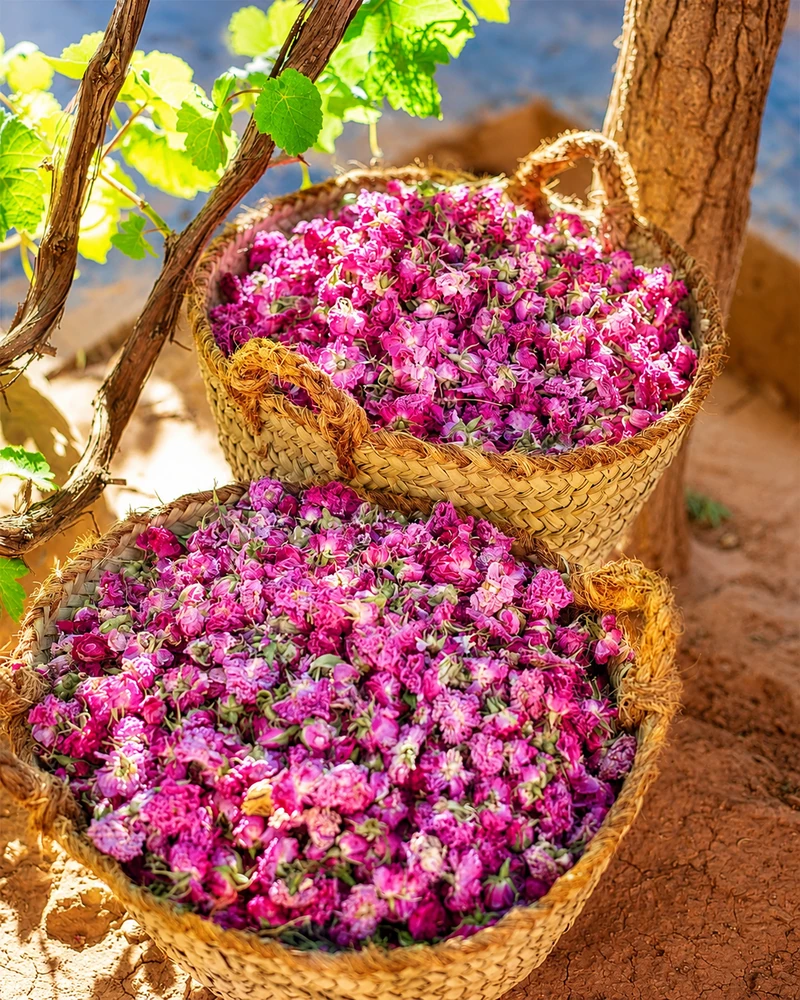
Rose Festival of Kalaat M’Gouna
Typical seasonTypically spring / May · No forthcoming dates verified
Rose harvest culture, local celebration and the perfume-rose industry in the M’Goun valley.
Explore this eventAn exhibition
makes a sector visible.
An agricultural exhibition brings people and products into a concentrated setting. It can help a visitor see connections between cultivation, equipment, processing and markets that are harder to follow in a short visit to one farm or shop.
Choose a subject before entering: a product, a resource question or a stage of production. Use it to guide a few conversations rather than collecting disconnected brochures and samples. A focused enquiry also respects exhibitors who are balancing public engagement with professional work.
The public programme and professional schedule may differ. Confirm the admission category that matches your purpose and do not assume every activity in an exhibition listing is intended for a general visitor.
A flowering season
is a living condition.
An organizer can announce an event date; a growing landscape responds to more than the organizer’s calendar. Ask a local host about the conditions you may encounter, while recognizing that a forecast of flowering or harvest is not a guarantee.
Keep the visit useful beyond the peak image. A conversation about the crop, a permitted walk or a carefully chosen product can reveal something meaningful even when the field looks different from a promotional photograph.
Cultivated land remains a workplace. Obtain permission before entering or picking, stay on agreed routes and avoid asking workers to interrupt a task repeatedly for pictures. The season’s beauty is inseparable from the labour taking place within it.
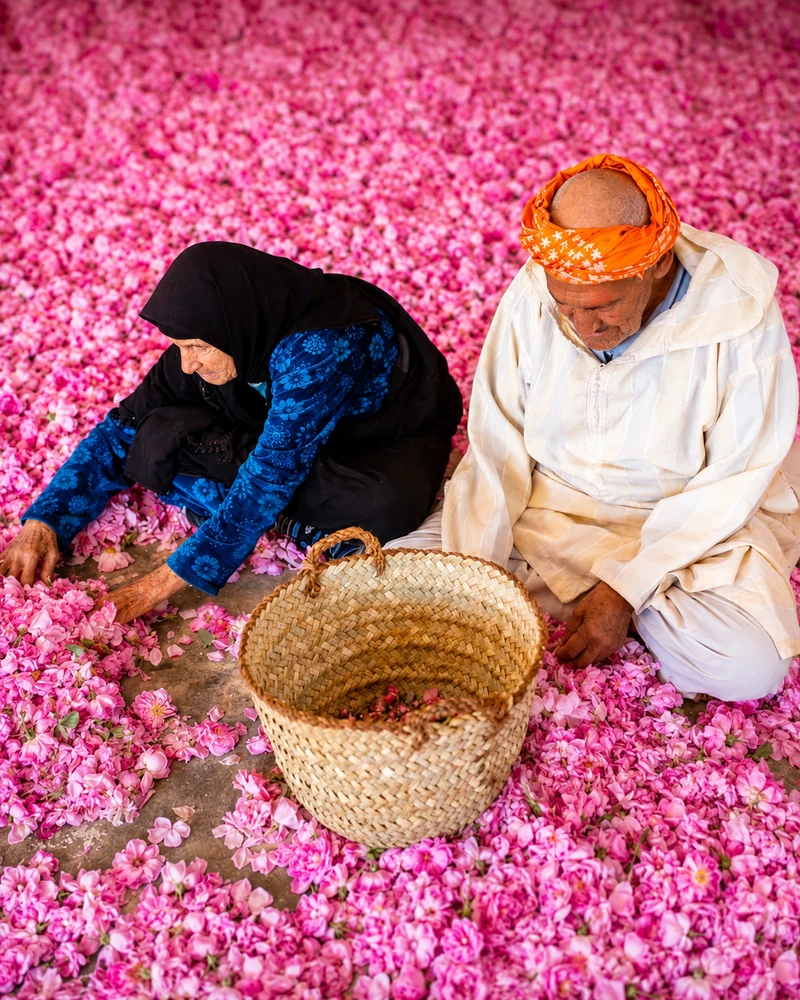
Build a route
with one firm centre.
A confirmed appointment
Anchor the journey in an event, tour or institutional visit whose date and access are clear. Save the official information and understand any booking conditions before arranging the surrounding travel.
A flexible landscape visit
Allow a nearby walk or agricultural encounter to depend on conditions and permission. Ask what the visit actually includes, who hosts it and whether any payment or equipment is required.
A cultural alternative
Choose a museum, heritage place or other genuine interest that can carry the day if an outdoor plan changes. Check its opening calendar in advance so the alternative is practical.
Different places.
Different spring interests.
Meknès
SIAM offers an agricultural focus, while the host city provides a separate heritage context. Allow each enough time. The exhibition entrance must be checked against the current edition’s visitor map.
Read SIAM. Meknès.Kalaat M’Gouna and the Rose Valley
Distinguish the town’s public activity, the professional salon and a permitted valley visit. They may be connected in a journey without sharing exactly the same schedule.
Read Rose Festival. M’Gouna.A cultural city base
Rabat, Fès or Marrakech can support an itinerary through institutions and heritage places when their current programmes fit. Choose by the actual activity and route, not a general promise that every city is equally convenient.
Read Heritage. Open doors.Follow a product
beyond its display.
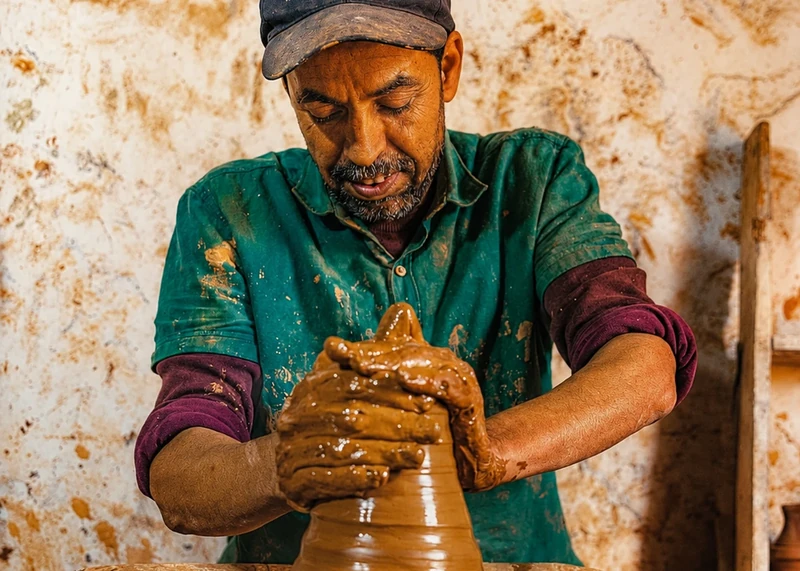
A spring event can introduce the work behind an object or food. Ask who made or grew it, what happens before it reaches the stall and how it should be used or stored. Keep the answer attached to that producer rather than extending it to a whole region.
If buying, establish quantity, price and practical care. A fragile bottle, fresh product or bulky item needs a transport plan. Supporting a maker or grower does not require buying more than you can use.
A demonstration can show one stage of a longer process. Ask what came before and what follows. That simple question often reveals labour that the visible presentation cannot include.
Read the forecast
for the journey you are taking.
The local visit
Check current weather and any relevant vigilance notice. Prepare for the actual walking route and the time spent outdoors. A sunny photograph from another year is not a forecast.
The transfer
A journey may cross different landscapes and elevations. Check conditions along the route and confirm transport with the operator. Leave space between an intercity arrival and a fixed event appointment.
The group
Consider how changes affect children, older companions or anyone who needs rest and reliable facilities. A flexible plan should have a clear meeting point and an easy way to shorten the day.
Spring does not end
at every event’s threshold.
Seasonal labels are a way to organize a calendar, not a rule that all related events must fall inside the same months. A cherry celebration traditionally associated with June belongs in the summer band here, even though its agricultural story can connect naturally to a spring journey.
Likewise, a museum exhibition or craft programme may span more than one season. Use its actual opening period and booking calendar. Avoid moving an event into a convenient month because it would complete an attractive itinerary.
A good seasonal guide keeps these boundaries visible. It helps you make choices without pretending that landscapes, institutions and public celebrations run on one synchronized clock.
Let the journey
remain specific.
At the end of a spring visit, try to name a process or relationship you understand better. Perhaps a crop now connects to a maker, an exhibition to a practical question, or a valley view to the people working within it.
That knowledge is more useful than a claim to have seen “the spring festival season” as a whole. Morocco’s gatherings vary by place and purpose. A carefully chosen route can be rich precisely because it allows a few of those differences to become clear.
Follow the year
into another gathering.
SIAM
Read the agricultural exhibition dossier.
Rose Festival
Separate harvest, festivities and salon.
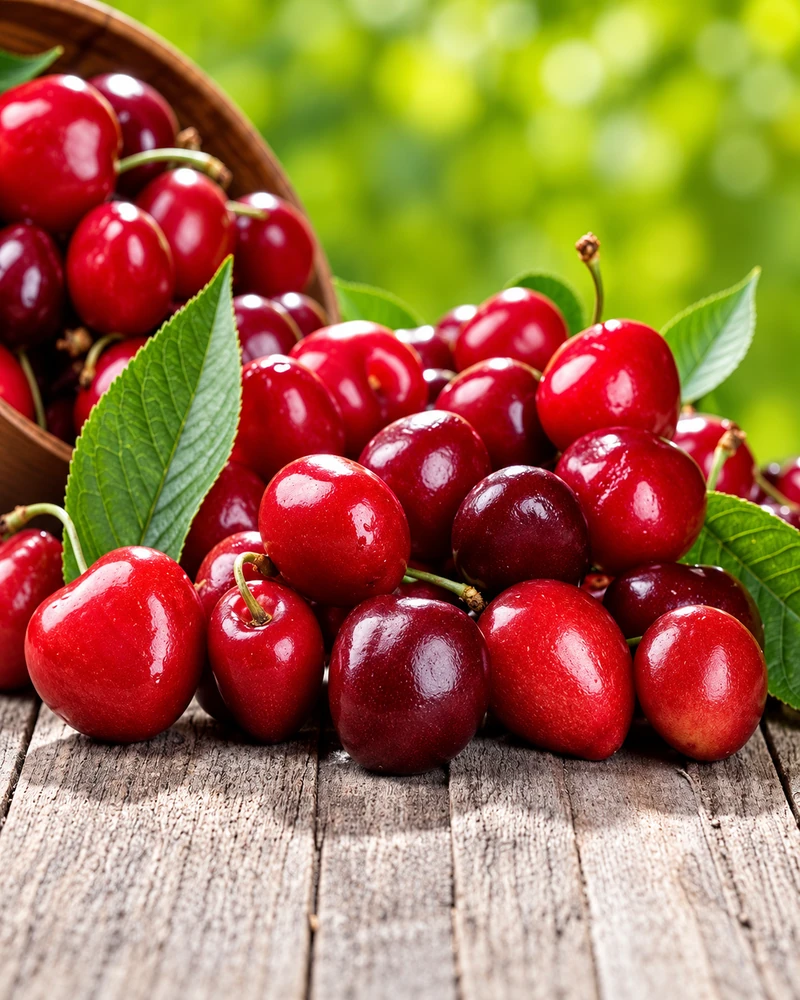
Sefrou cherries
Follow the calendar towards June.
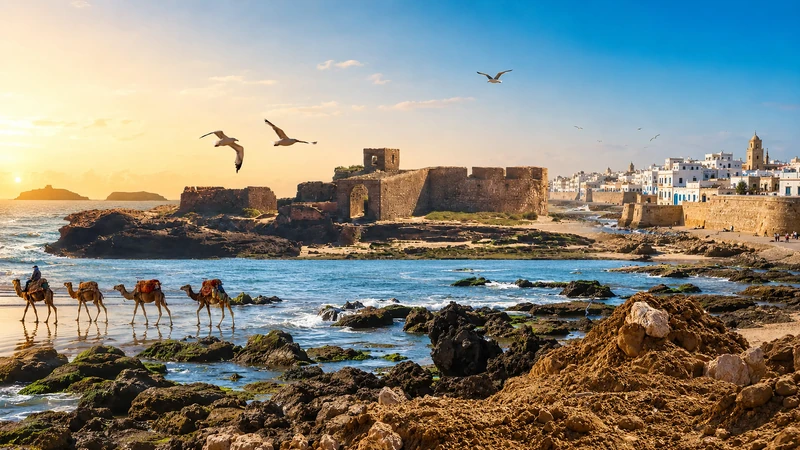
Summer festivals
Choose a musical season with room to breathe.
Sources, date checks & image context
Event information checked on 29 September 2026. Dates marked typical describe a seasonal pattern, not an announced booking date. Recheck the linked organizer before committing to travel.
Library images illustrate the host place, materials and cultural context. They are not presented as documentary records of a particular festival edition.
Photograph credits
Attributions retained from the canonical library. Responsive resizing and WebP conversion; each photograph’s stated licence continues to apply.
- Library photograph: Andrew Brehmer · CC BY 2.0.Editorial crop, resizing and WebP conversion. The adaptation retains the source licence.
.jpg)