
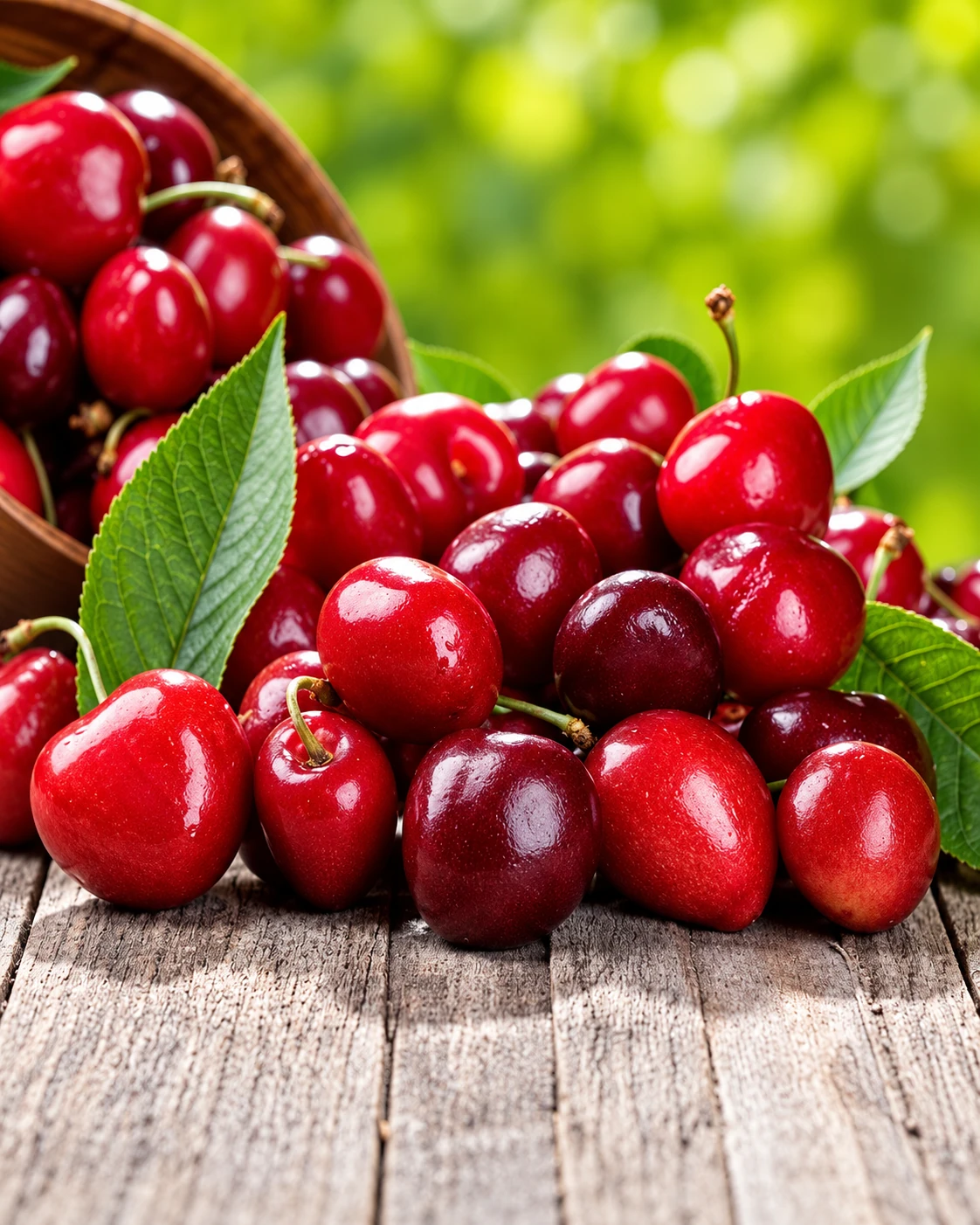
A fruit.
A shared civic occasion.
Dates not announcedTraditionally June · Next dates not announced
UNESCO inscribed the Cherry Festival in Sefrou in 2012. Its account describes an annual June celebration involving a broad local community, including growers, craftspeople, performers and young people. The Moroccan culture ministry also identifies the festival as a living-heritage reference and records its 102nd edition in 2026.
The next exact dates were not verified as announced. June is the traditional seasonal context, not a confirmed future itinerary. If the festival is central to your trip, wait for the current local programme before committing to a particular weekend.
The festival deserves more attention than a quick stop to buy cherries. Its significance includes the ways a city prepares, presents itself and passes responsibilities between people.
A celebration
is made before it is seen.
A public procession or performance is the visible result of preparation. Clothing must be made or arranged, participants coordinated, routes prepared and many small tasks completed. UNESCO’s description emphasizes that participation reaches across different parts of the community.
Look for that collective work when you read the programme. A local association, a craft contribution and an agricultural display may be connected through the occasion while retaining their own roles. Avoid describing the festival as if a single organizer or a single public figure were its whole story.
For a visitor, acknowledging preparation changes how waiting or a schedule change feels. A civic celebration is a live social undertaking, not a sequence designed solely for an outside audience.
Three threads
to keep together.
The growers
The fruit connects the event with agricultural work and seasonality. Ask sellers about origin and variety when they have time, while remembering that a market stall and a farm offer different kinds of knowledge.
The makers
Clothing, decorative work and other skilled contributions can help give public festivities their form. Notice the labour behind the presentation. Do not treat handmade detail as anonymous decoration without a maker.
The city’s participants
Performers, associations, families and young people can take part in different ways. Some are formally in the programme; others are attending as residents. A camera should respect that distinction.
Seasonality
does not obey a poster.
A festival date and the condition of a crop are related but different facts. Weather, growing conditions and the variety of fruit affect what is available. An announced celebration cannot guarantee a particular stage of harvest or the same produce at every stall.
If tasting is part of your visit, ask what you are buying and where it came from. Choose a quantity you can carry and enjoy without waste. Fresh fruit is easily damaged by heat and handling, so plan purchases around the day rather than carrying a large bag through a crowded programme.
The useful connection is between celebration and work. A cherry seen on a stall represents growing, picking, sorting and transport, even when those stages are not visible in the festive setting.
Watch the public
programme with care.
Identify the route
Use the current local announcement for procession or performance locations. Ask a steward where spectators should stand. Keep crossing points and the working route clear, especially where a crowd narrows into a street.
Choose a useful position
A little distance can offer a better view of the whole group and an easier exit. Avoid stepping in front of other spectators or into the route for a closer photograph. Let participants complete what they are there to do.
Leave room for changes
Public programmes can change with conditions and organization. Choose one or two priorities, keep the group’s meeting plan simple and allow the city visit to remain rewarding if a particular activity is delayed.
Sefrou
beyond the festival image.
Sefrou
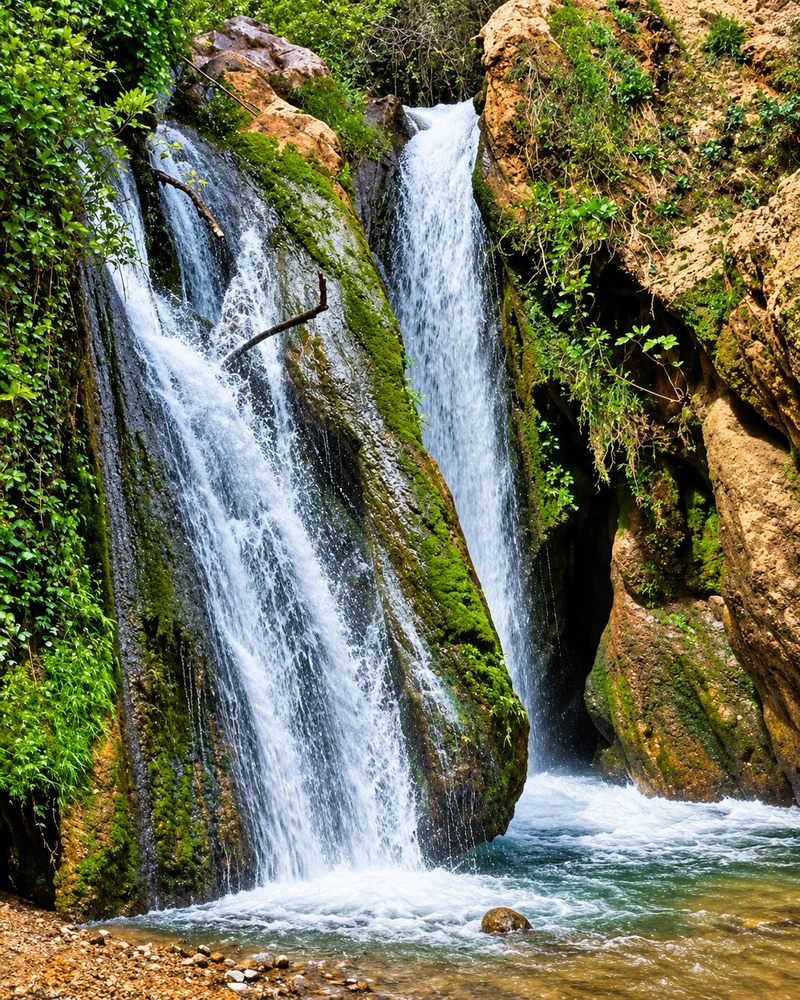
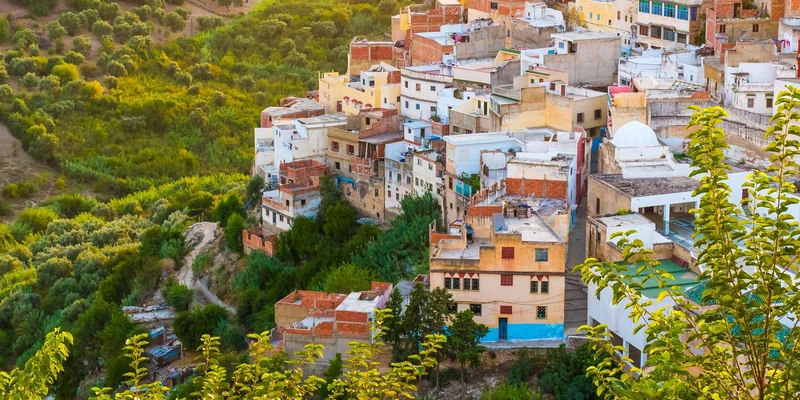
Explore the city as a living place with its own streets, commerce and daily routines. The festival can introduce it, but the quieter hours before or after a programme are valuable for understanding its scale.
Explore SefrouThe announced public venues
Confirm the current programme’s locations and access arrangements. A procession route, stage and market area may involve different approaches. Save the exact meeting point rather than relying only on the name of a central square.
Bhalil and the surrounding area
A nearby visit can extend the journey when there is enough time. Keep it separate from the busiest festival appointment and arrange the return connection before setting out.
Explore Bhalil and the surrounding areaPortraits are
personal invitations.
Festive clothing can make people highly visible without making them available for every photograph. Ask before a close portrait, especially away from a formal performance. With children, involve a responsible adult and pay attention to whether the child wants to take part.
Do not ask someone to repeat a gesture or stand in a doorway if it interrupts their participation. A person preparing for a public role may need time and privacy even while standing in a busy place.
When sharing an image, identify only what you know. Do not invent the meaning of a garment, a person’s community background or their role in the festival. The city’s heritage is better represented through accurate detail than through picturesque assumptions.
A family visit
at a human scale.
Pick a short focus
Choose a manageable part of the programme and explain what the group hopes to see. A child does not need a full day of processions and performances to have a meaningful encounter.
Build in ordinary needs
Plan food, toilets, shade or shelter and a place to sit. Check the actual conditions rather than assuming that every public venue provides all of these close by.
Make leaving simple
Agree on a recognizable meeting point and a route back. If the group becomes tired or uncomfortable, leave before reaching the point where every decision feels urgent.
Before choosing
your travel dates.
Why is the festival UNESCO-listed?
The recognition concerns living cultural heritage and community participation, not simply the agricultural product. The UNESCO account describes a wide range of people contributing to the celebration.
When is it usually held?
UNESCO identifies June as the annual timing. The next exact dates were not verified as announced in the checked sources on 29 September 2026.
Is it a food market?
Fruit and agriculture are part of the context, but the event is also a civic and cultural celebration. Read the current programme for the activities actually offered.
Does heritage recognition guarantee visitor access?
No. Follow the current public programme and local guidance. Private preparation, family activities and working spaces remain subject to their hosts’ permission.
Remember
the collective work.
A festival photograph may focus on one striking person or object. Your understanding can be wider. Think about the growers, makers, organizers and neighbours whose contributions support the visible occasion.
If you return outside the festival period, the city still holds those relationships in different forms. Shops, workshops and ordinary streets offer another perspective on what the celebration brings together. The festival is a moment of concentration within a longer civic life.
Follow another
harvest story.
Rose Festival
Distinguish harvest, celebration and industry.
Erfoud dates
Read an oasis crop and its exhibition.
Sefrou
Spend more time with the host city.
Food festivals
Compare events through their producers and communities.
Sources, date checks & image context
Event information checked on 29 September 2026. Dates marked typical describe a seasonal pattern, not an announced booking date. Recheck the linked organizer before committing to travel.
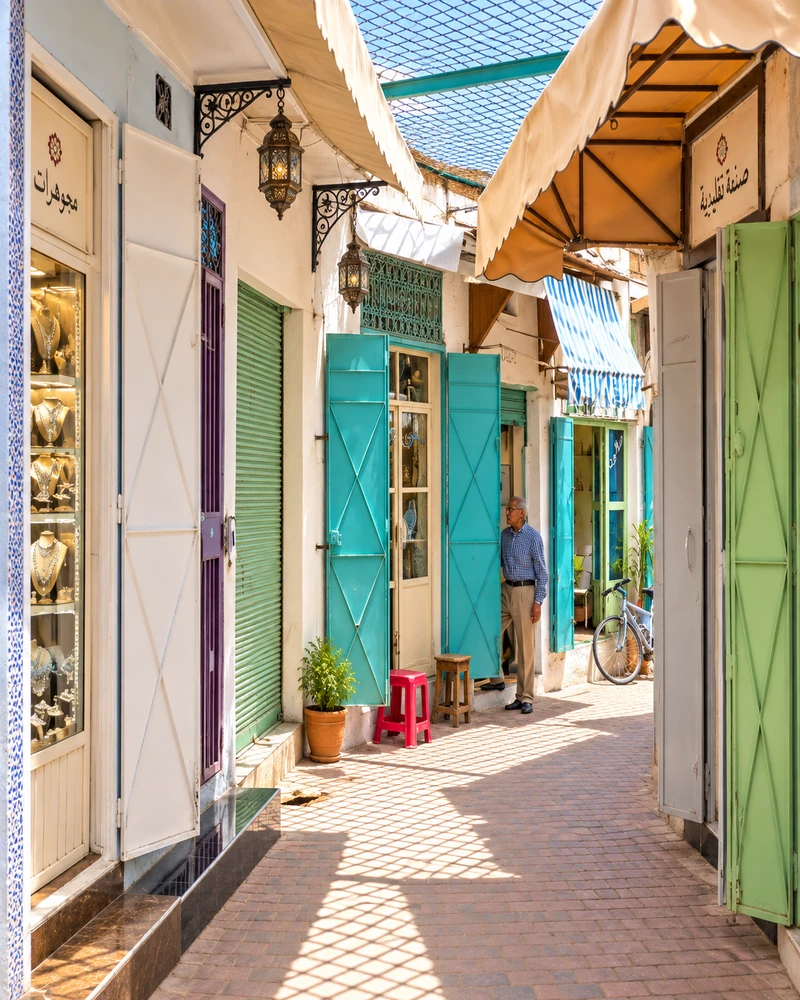
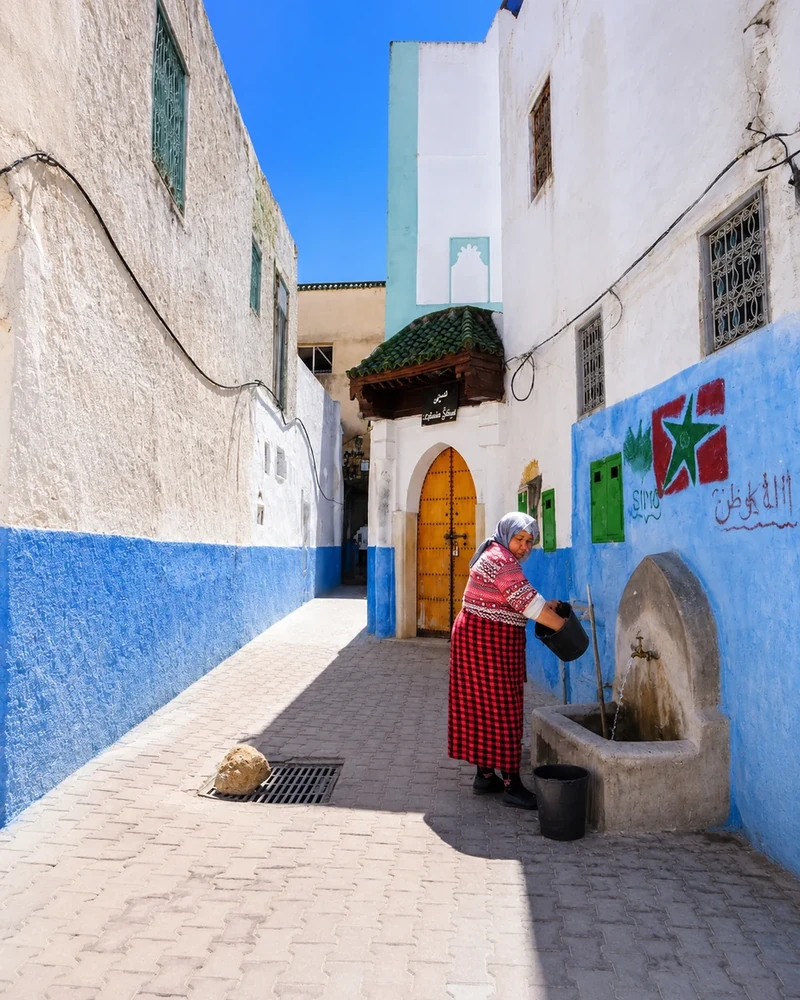
Library images illustrate the host place, materials and cultural context. They are not presented as documentary records of a particular festival edition.