
What do you want
the visit to reveal?
A food or harvest event can introduce a crop, a community or an industry. Those aims can overlap, but they produce different visitor experiences. A town celebration may emphasize public participation; a professional salon may explain production and trade; a market encounter may focus on choosing and buying.
This index compares the three crop-linked event worlds in the collection: Sefrou’s cherries, Kalaat M’Gouna’s roses and Erfoud’s dates. It includes roses because their cultivation and processing connect agricultural, fragrance and culinary interests, while the actual products have different intended uses.
Choose the encounter by its purpose. Do not expect every festival to include farm access, cooking demonstrations, tastings or a programme aimed at visitors. Verify the activity that matters to you before building a journey around it.
Three crop-linked events.
Three timing cautions.
Sefrou Cherry Festival
Dates not announcedTraditionally June · Next dates not announced
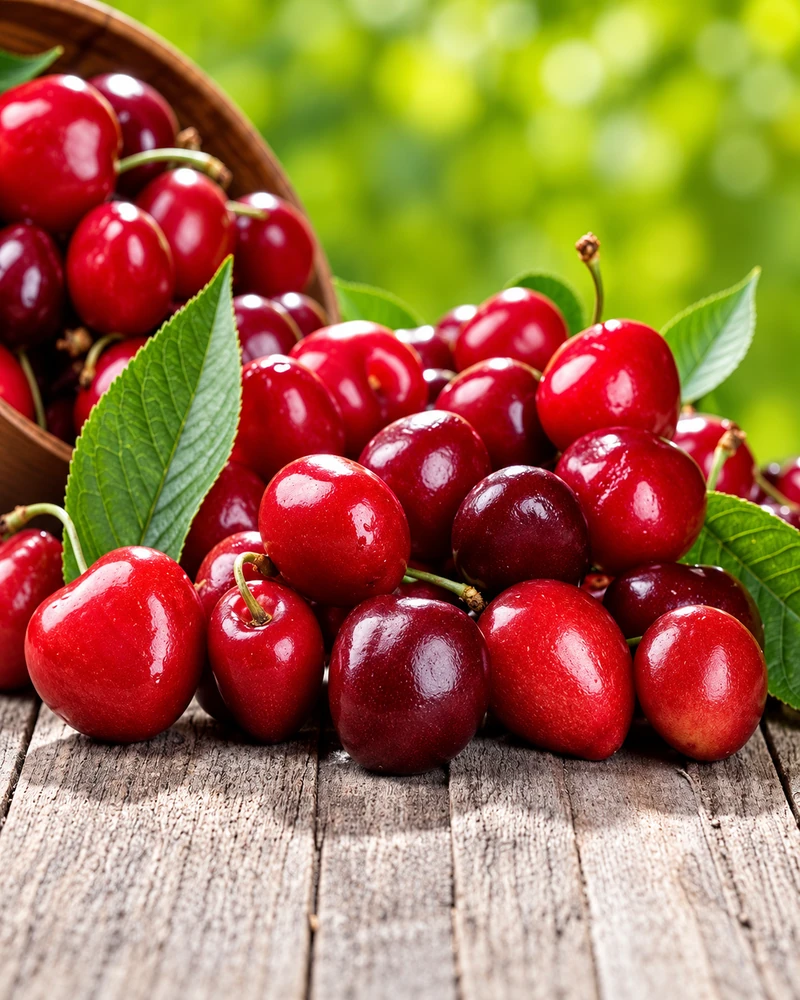
A civic celebration in which growers, craftspeople, performers and young people share the city’s identity.
Explore this event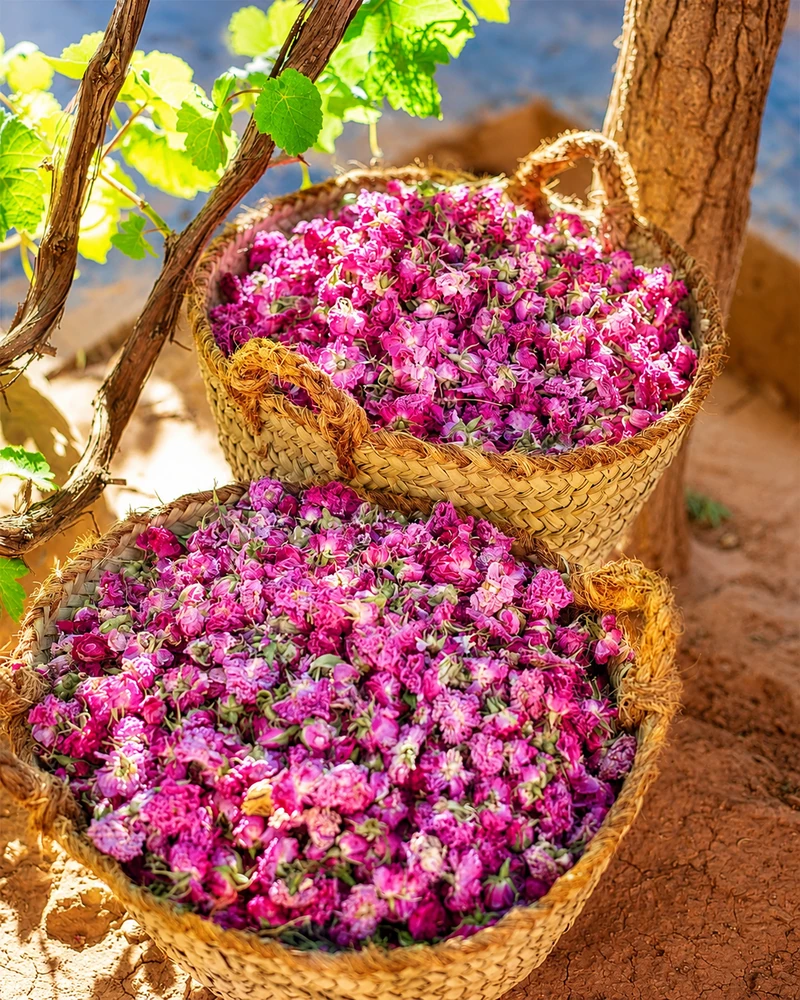
Rose Festival of Kalaat M’Gouna
Typical seasonTypically spring / May · No forthcoming dates verified
Rose harvest culture, local celebration and the perfume-rose industry in the M’Goun valley.
Explore this event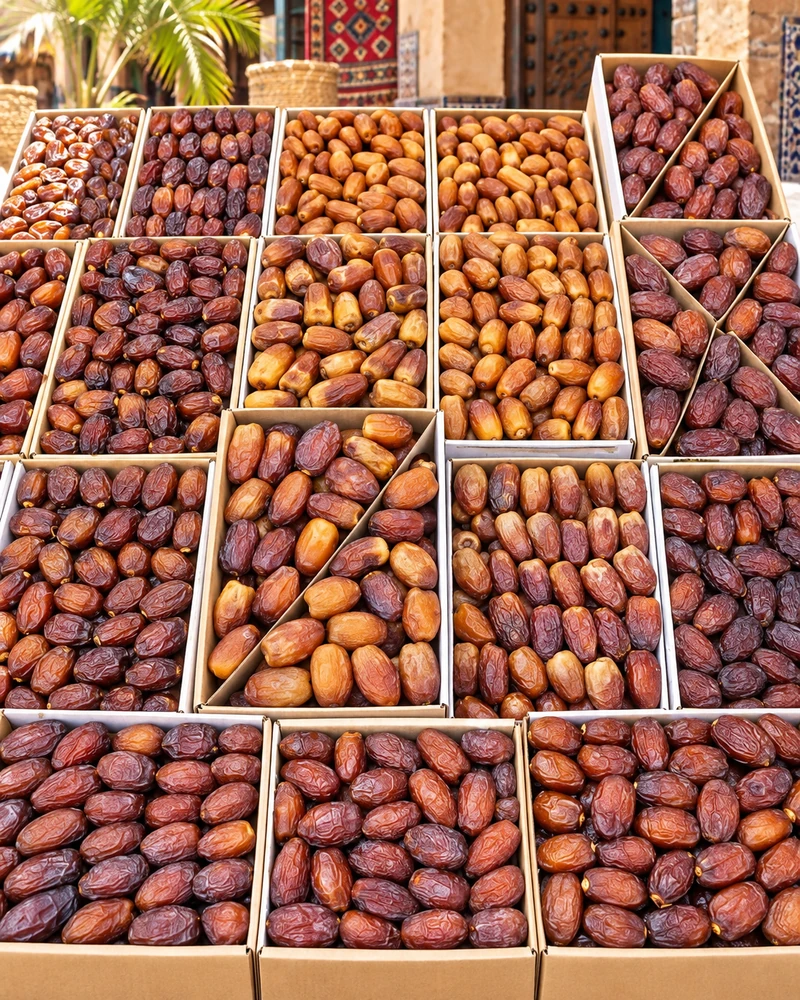
Erfoud Dates & SIDATTES
Typical seasonTypically autumn · No forthcoming dates verified
Date-growing knowledge, oasis livelihoods and the international date exhibition deserve separate attention.
Explore this eventSefrou.
A city’s shared celebration.
The Cherry Festival’s UNESCO recognition concerns living cultural heritage, including the participation of local people and a recurring June occasion. It should not be understood simply as a large fruit market.
Choose Sefrou if your interest includes the relationship between a town, a crop and civic celebration. Read the current public programme to see which activities are actually announced. A recurring identity does not guarantee that every familiar element will follow the same schedule or route.
Give time to the city outside the headline event. An ordinary market or a permitted agricultural encounter can add context, but each has its own host and purpose. Keep them distinct in both the plan and the account you share afterwards.
Kalaat M’Gouna.
Separate three invitations.
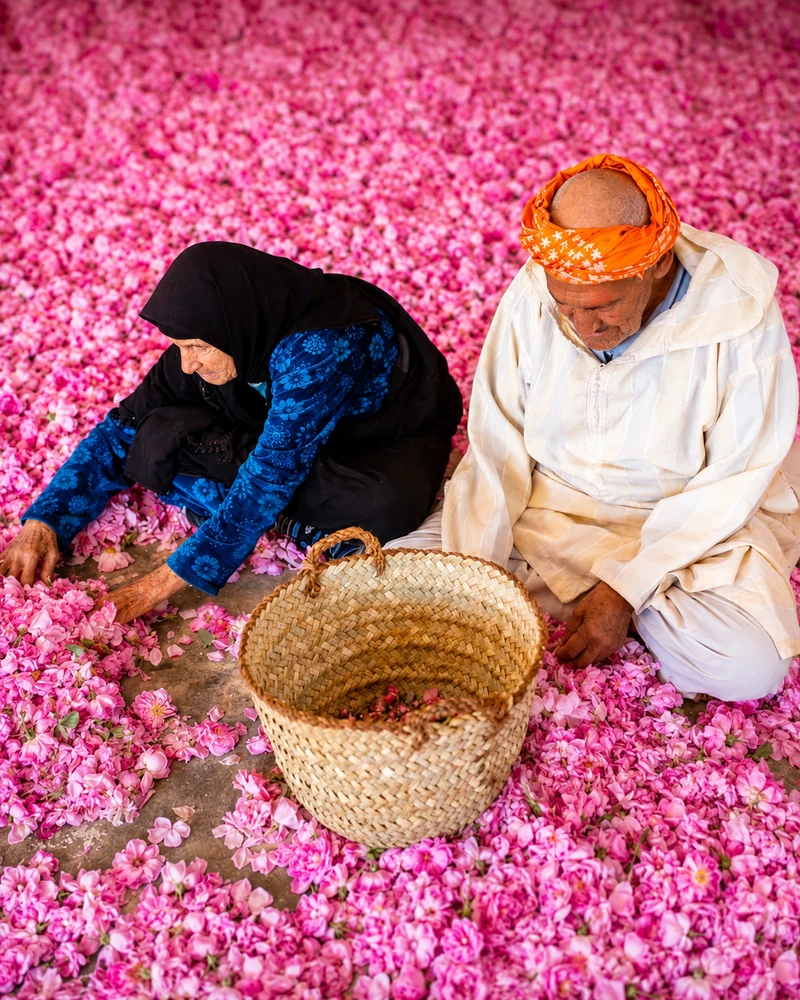
A rose-season journey may involve the cultivated landscape, local festivities or the professional perfume-rose salon. Start by deciding which of these is your priority. They are related by a crop, not guaranteed by one common ticket or date.
A permitted producer visit can focus on the work and uses of the rose. A town programme may bring a public celebration. A salon can present products and professional activity. Ask the organizer or host to describe the specific encounter you are arranging.
The official report linked in our dossier documents the 2025 salon. It provides a reliable past reference, while forthcoming dates remain unverified in the checked source. Treat the typical spring window as a prompt for research rather than a promised booking period.
Erfoud.
A crop and a professional exhibition.
The phrase “date festival” can conceal several expectations. A visitor might imagine a harvest celebration, a market or SIDATTES, the international date exhibition. Establish which one a listing actually describes.
SIDATTES is a named professional event with edition-specific dates and visitor arrangements. The wider date season can be explored through other encounters, including markets and appropriately arranged visits to agricultural settings. Those experiences do not depend on claiming that an unannounced exhibition is taking place.
Choose this subject if you want to connect a familiar product with oasis cultivation and exchange. Ask how the product is presented, sorted and described, then use the host’s explanation to deepen the visit without generalizing from one stall.
Give the crop
its geographical setting.
Sefrou
The town is central to the Cherry Festival’s civic identity. Use the existing city guide to plan time beyond the public programme and the named-event dossier for the festival itself.
Explore SefrouKalaat M’Gouna
The town and surrounding rose-growing landscape form different parts of a visit. Confirm the site of any public event and arrange private producer or field access through a responsible host.
Explore Kalaat M’GounaErfoud
The city can anchor an interest in the date economy and oasis country. Verify the exhibition venue independently from a market visit or a route into the surrounding landscape.
Explore ErfoudCompare what you
will actually do.
Watch a public programme
Look for named activities, dates and access information. Consider language, duration and crowd conditions. A festival label alone does not establish a visitor schedule.
Meet a producer
Arrange a host and ask what can be observed without interrupting work. Establish price, duration, transport and photography permission before the visit.
Visit an exhibition
Check the visitor category, current programme and whether entry needs a ticket or registration. A professional event may be informative without offering the informal harvest experience you had imagined.
Browse and buy
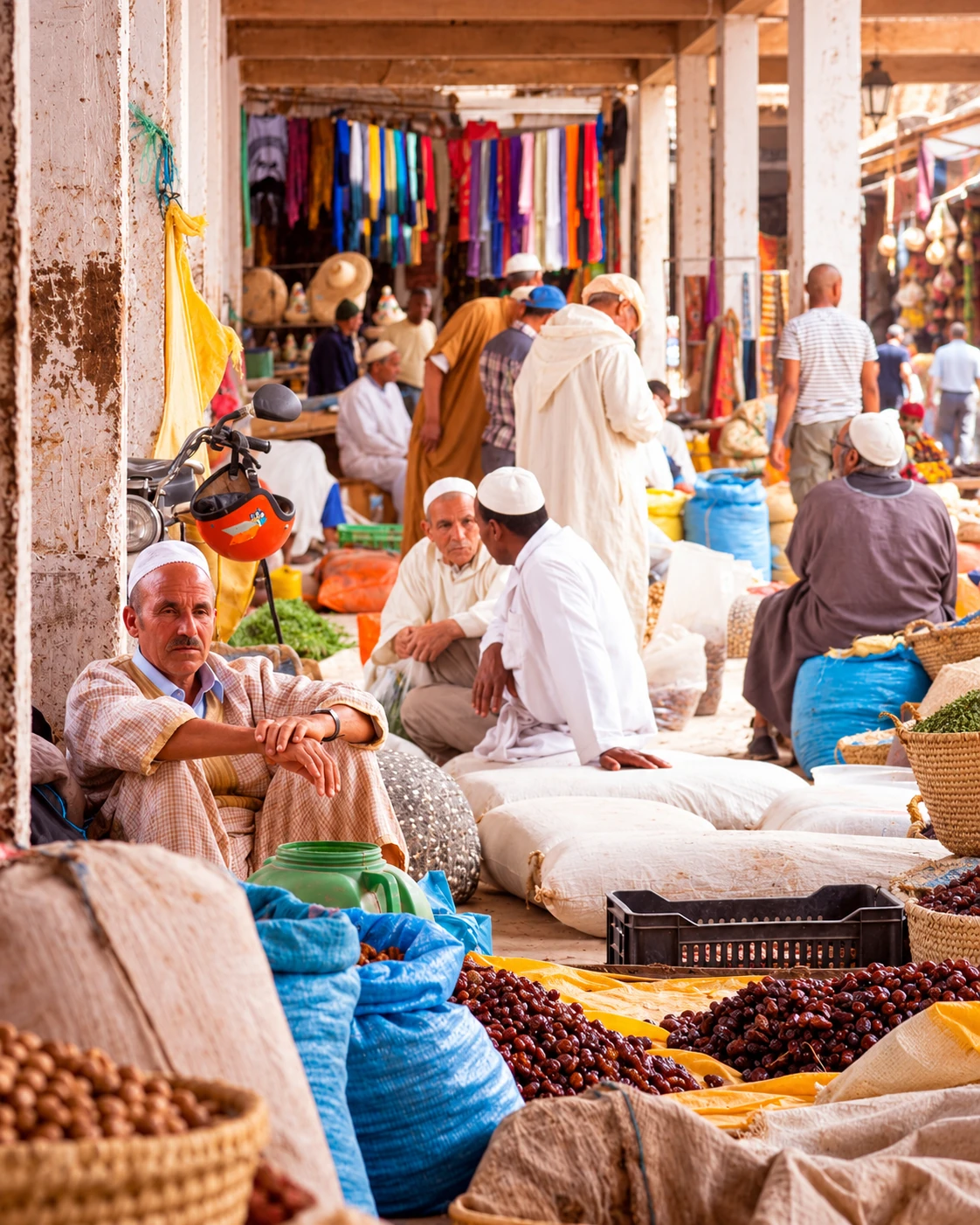
Use the market as a place of exchange. Ask about the product, quantity and price, and keep a busy seller’s time in mind.
A useful alternative:
agriculture at a larger scale.
If your interest extends beyond a single crop, SIAM in Meknès offers another direction. Its agricultural exhibition brings together products, livestock and professional exchange across a broader field.
This is a different choice from a local harvest celebration. It can suit a visitor curious about agricultural sectors and their public presentation, provided the current admission category and programme fit that purpose.
The comparison helps clarify your priorities. A concentrated crop story, a community occasion and a broad exhibition can all be worthwhile. Choose the one that answers your question, then add other encounters only where they make the journey clearer.
Before choosing a date,
establish the evidence.
Read the year
A report about a previous edition can explain the event but cannot confirm the next one. Keep the edition year visible when saving or sharing information.
Identify the activity
Check whether the source refers to a harvest, a salon or town festivities. Do not merge related schedules merely because a travel listing uses one familiar festival name.
Confirm the part you need
Contact the actual organizer or host for the activity you intend to attend. A confirmed festival period still leaves individual visits and travel arrangements to be settled.
Take the interest
beyond the event.
A seasonal product can lead into everyday cooking, landscape management, skilled processing or the choices of a trader. Follow the subject that becomes most interesting to you rather than treating the festival as a checklist completed.
If buying food or other agricultural products, ask about intended use, storage and packing. Check your destination’s current import requirements before choosing items to carry across a border.
You can also leave with no product at all. A clearer understanding of how a crop moves from field to market is a substantial outcome of a visit, especially when it changes how you see familiar ingredients at home.
Read the season.
Then choose the event.
Food seasons
Follow cultivation, processing and exchange.
SIAM Meknès
Explore agriculture at exhibition scale.
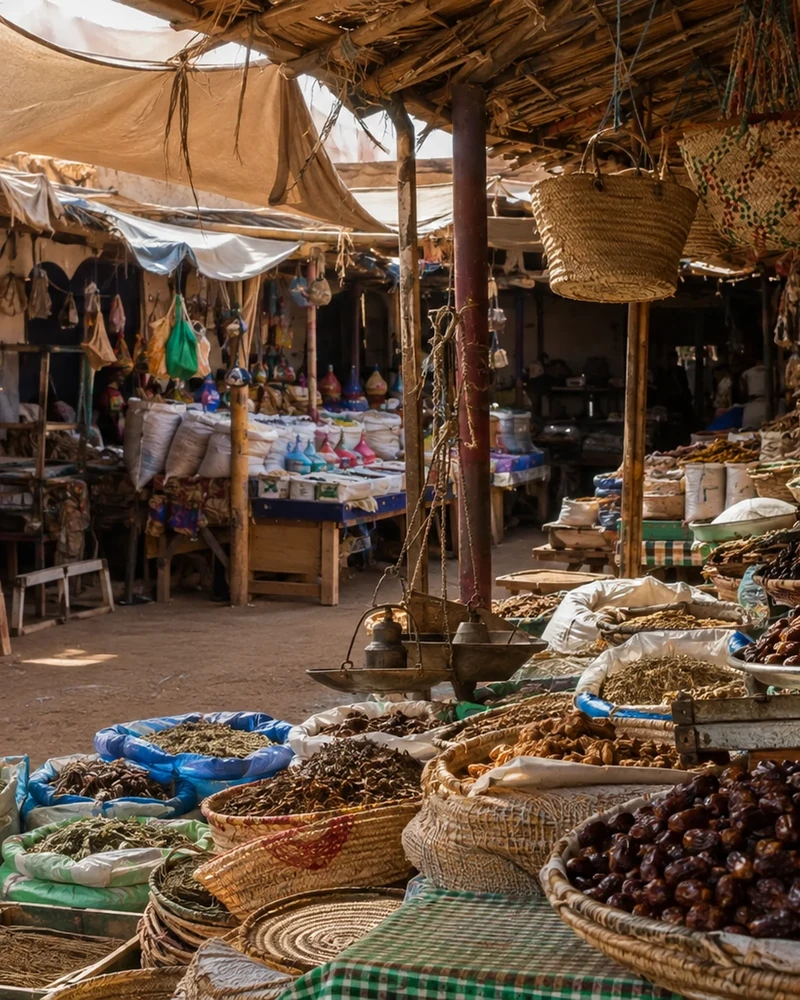
Moroccan ingredients
Connect products with the pantry.
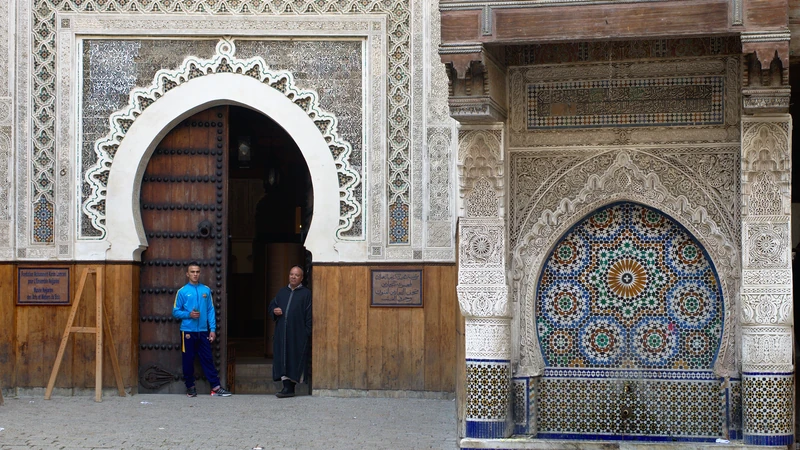
Cultural Calendar
Check timing across the collection.
Sources, date checks & image context
Event information checked on 29 September 2026. Dates marked typical describe a seasonal pattern, not an announced booking date. Recheck the linked organizer before committing to travel.
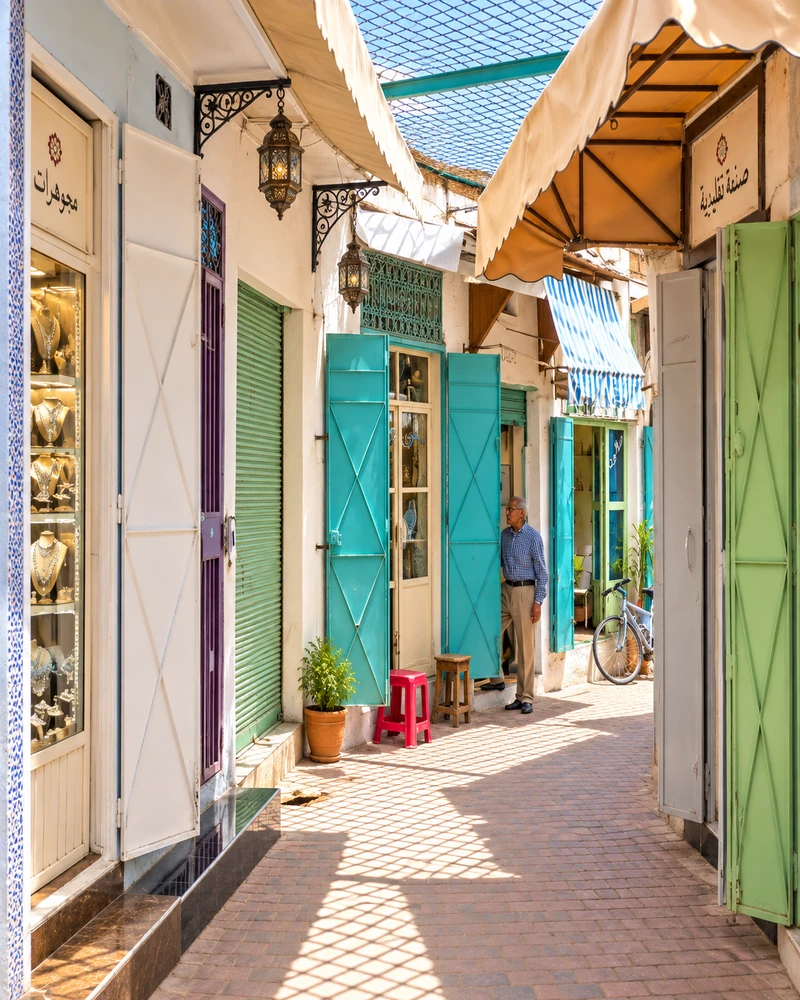
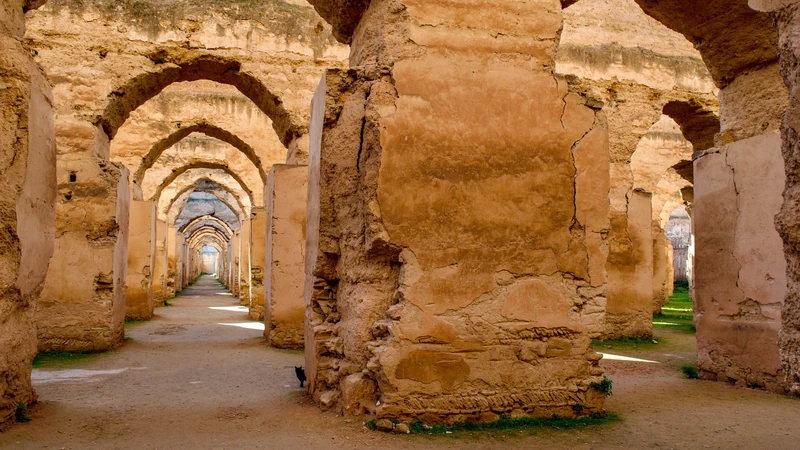
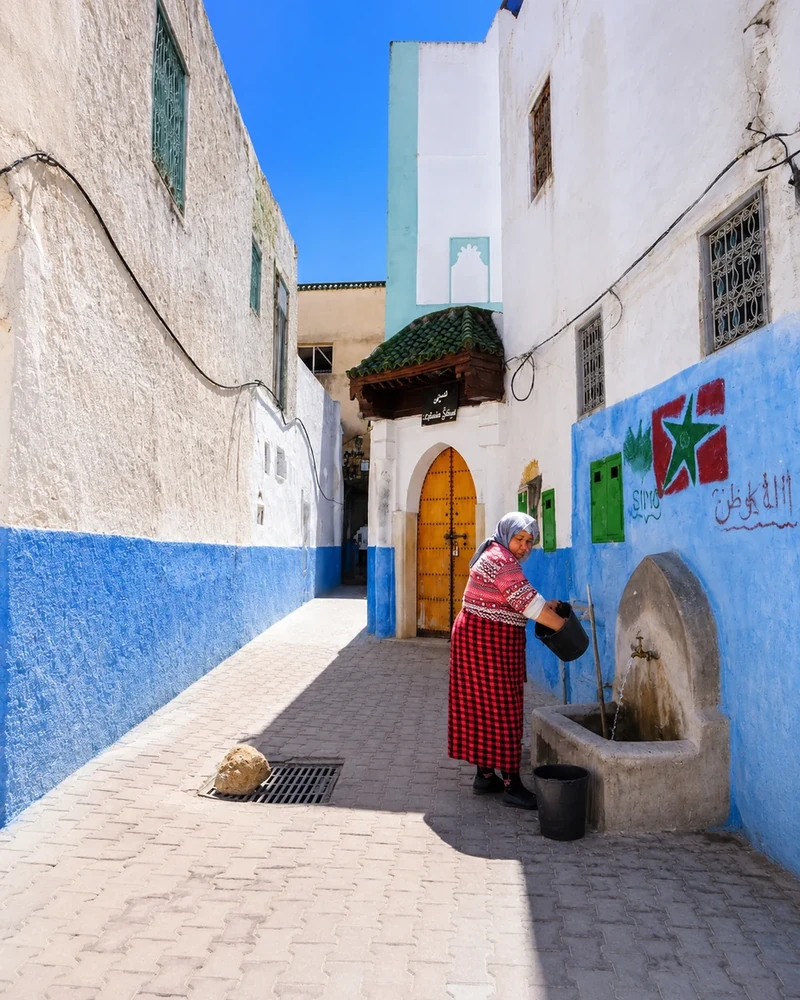
Library images illustrate the host place, materials and cultural context. They are not presented as documentary records of a particular festival edition.
- UNESCO — Cherry Festival in Sefrou
- Moroccan government — 2025 rose salon
- SIDATTES — official exhibition
- SIAM — official organizer
Photograph credits
Attributions retained from the canonical library. Responsive resizing and WebP conversion; each photograph’s stated licence continues to apply.
- Library photograph: Andrew Brehmer · CC BY 2.0.Editorial crop, resizing and WebP conversion. The adaptation retains the source licence.
- Library photograph: Marek Kubica from Copenhagen, Denmark · CC BY-SA 2.0.Editorial crop, resizing and WebP conversion. The adaptation retains the source licence.
.jpg)
.jpg)