
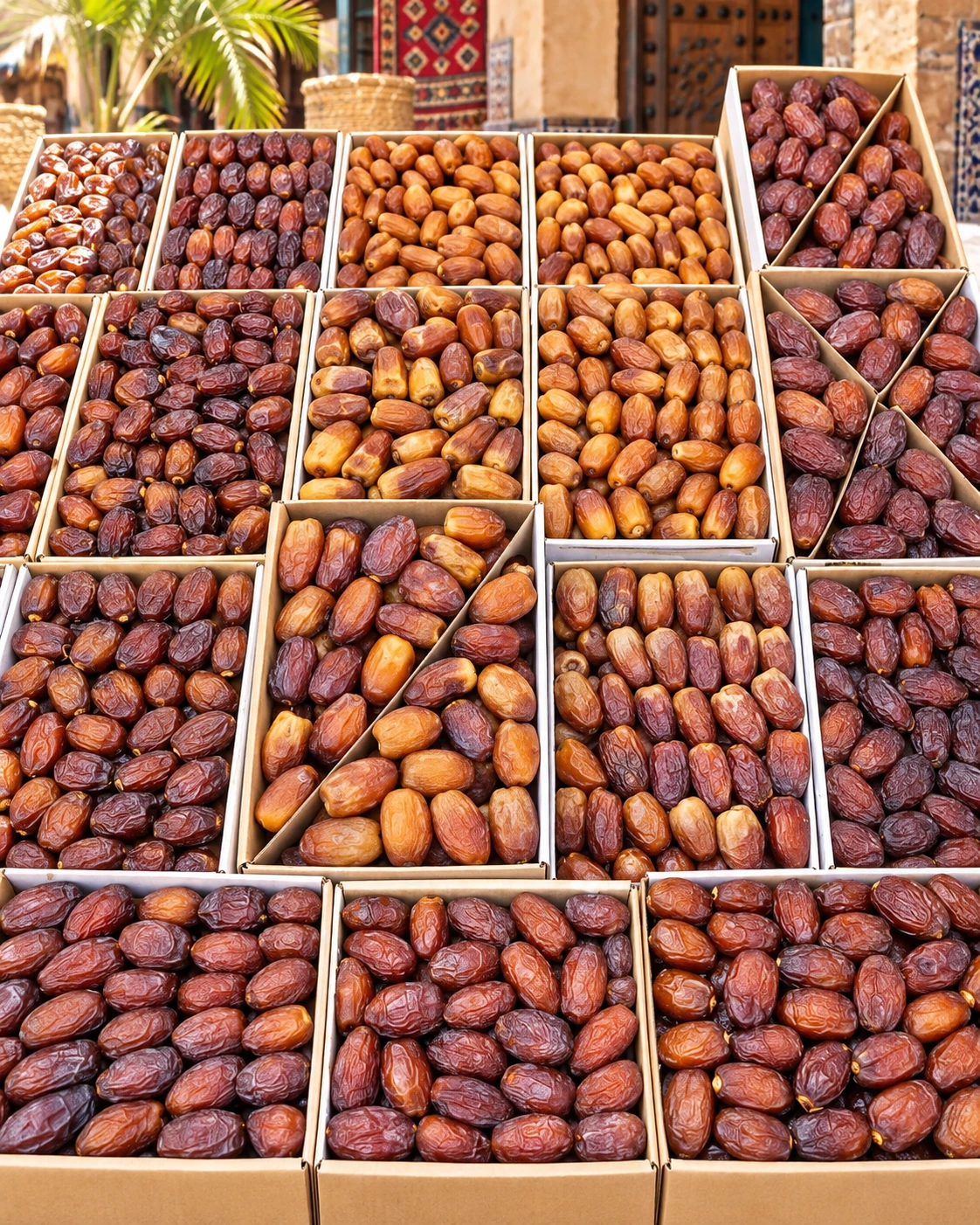
Separate the harvest
from the exhibition.
Typical seasonTypically autumn · No forthcoming dates verified
Erfoud is associated with date-growing culture and the International Date Exhibition in Morocco, SIDATTES. General references to a “date festival” can blur together harvest celebrations, market activity and the dated professional exhibition. They are related experiences, but they are not interchangeable.
The official SIDATTES announcement available in the checked sources documents the fourteenth edition on 29 October–2 November 2025. That is a past edition. Forthcoming exact dates, including a 2026 exhibition date, were not verified here on 29 September 2026. Autumn is the seasonal context; it is not a confirmed event booking.
Start by deciding whether you want to understand the crop, visit a market or attend the exhibition. Then verify the arrangements for that specific purpose.
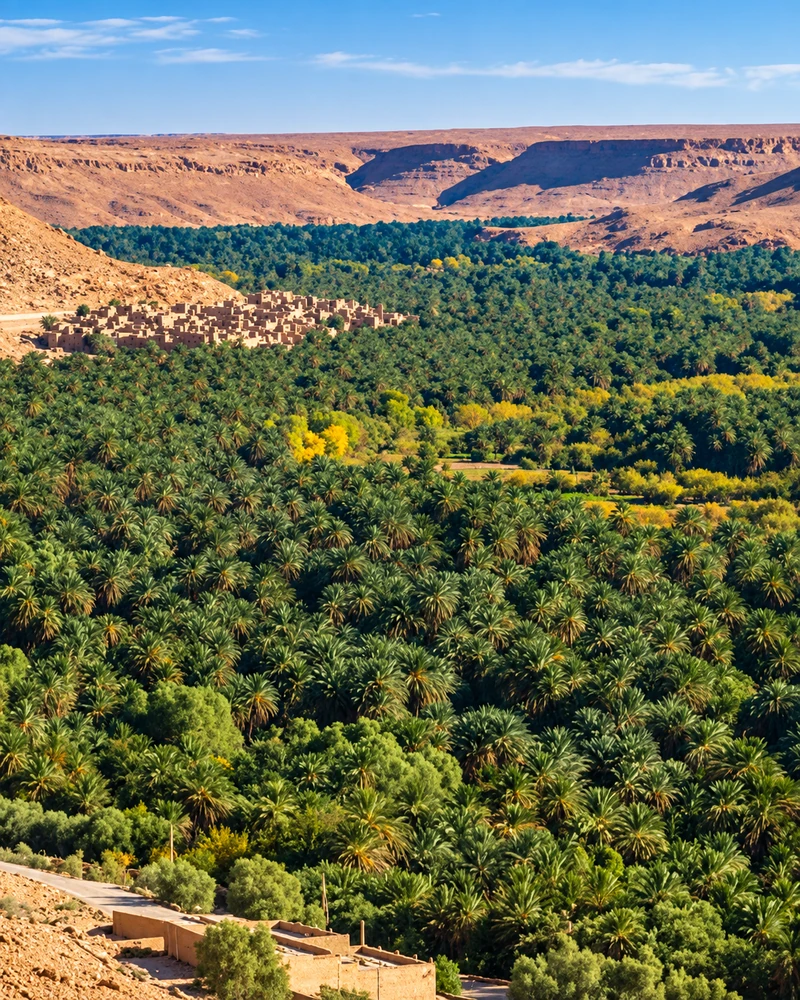
The fruit belongs
to a working landscape.
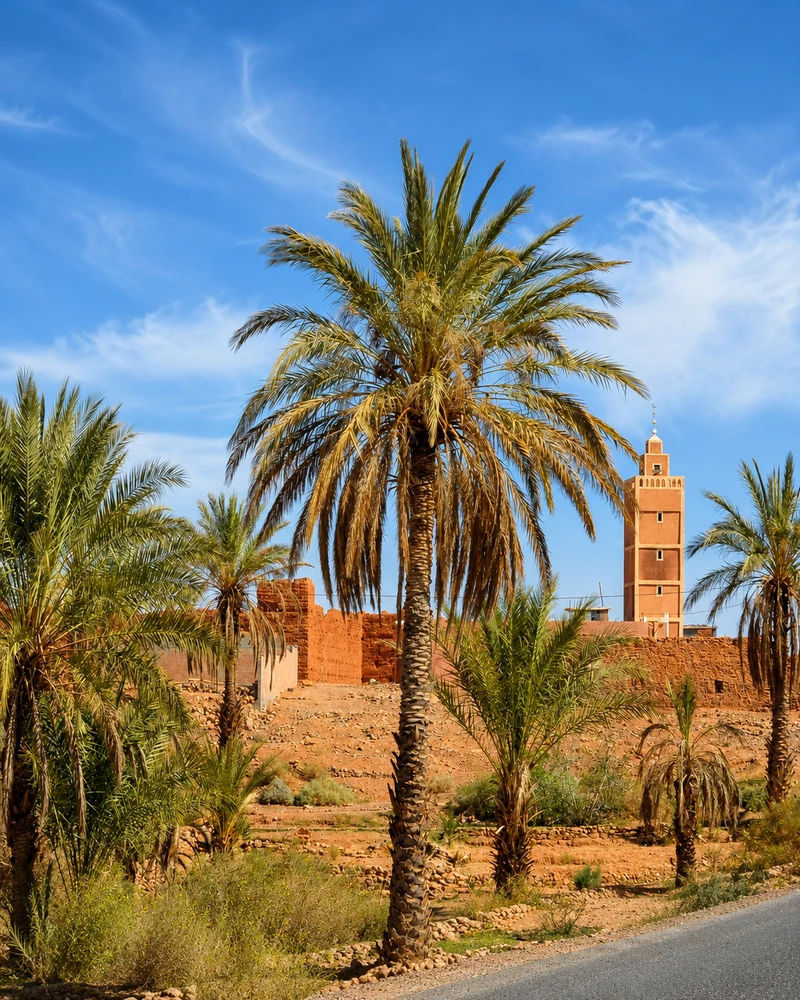
A palm grove is an agricultural environment, with people making decisions about land, water, cultivation and harvest. It is not simply a scenic route to the desert. Looking at dates through that wider setting helps explain why a crop can become the focus of an exhibition and regional identity.
During a visit, ask about a specific practice that the host can explain: how fruit is selected, what happens after picking or how products reach a buyer. Avoid assuming that one grove represents all oasis farming. Conditions and arrangements can vary between holdings and communities.
Stay on an agreed route and do not pick fruit or enter cultivated plots without permission. An open path can be a working access route rather than an invitation for unrestricted wandering.
Dates reward
close comparison.
Look before naming
Size, colour, texture and moisture can differ between dates. Ask the seller for the variety and origin rather than identifying it from appearance alone. Similar-looking fruit may be described differently by different sellers.
Taste with a question
When tasting is offered, compare texture and flavour slowly. Ask whether the fruit has been prepared or packed in a particular way. Choose a quantity that fits your needs rather than assuming the most expensive tray is automatically the right choice.
Think about storage
Ask how to keep the product during your actual journey. Packaging, temperature and time matter. A purchase intended for immediate eating may need a different plan from one carried through several days of travel.
SIDATTES
is a professional meeting too.
An agricultural exhibition brings together more than products for sale. Producers, cooperatives, equipment suppliers, institutions and other participants can use it for technical and commercial exchange. A visitor interested in food can learn from that wider chain without expecting every conversation to be a public demonstration.
Read the current programme to identify what is offered to the general public and what belongs to professional activity. Some discussions may require registration or be intended for people working in the sector. Give exhibitors space when they are conducting business.
If you make a professional enquiry, be clear about its purpose. Ask for the appropriate contact and written information rather than attempting to settle a complex purchase or partnership in a busy aisle.
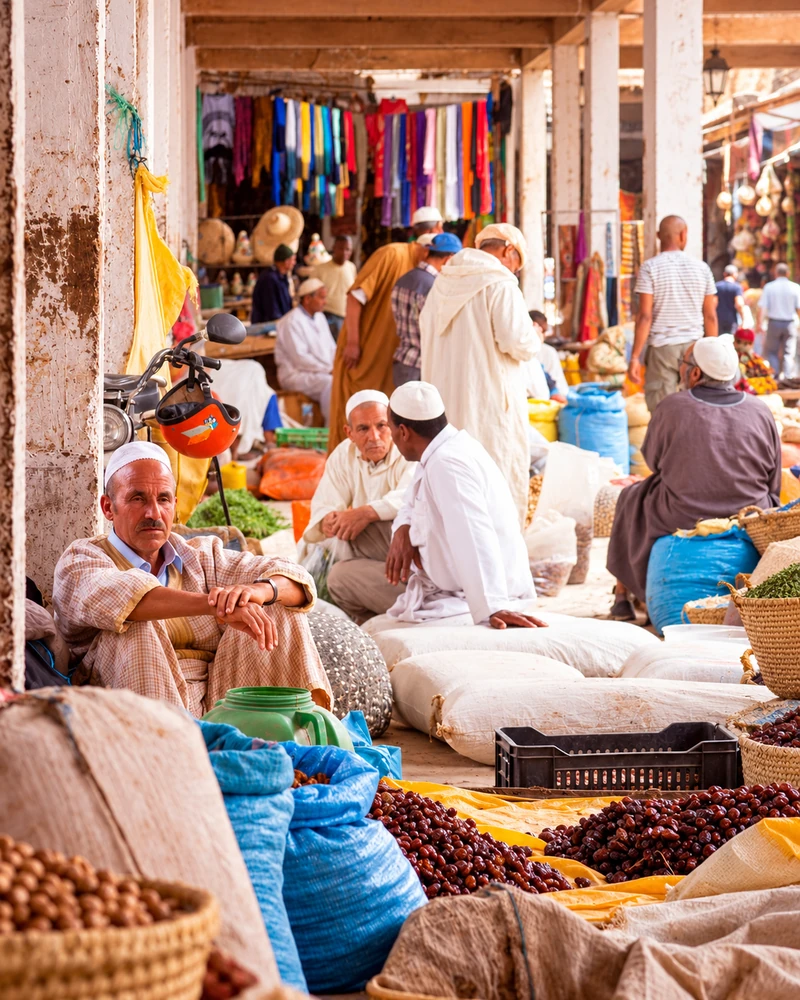
A market visit
has another pace.
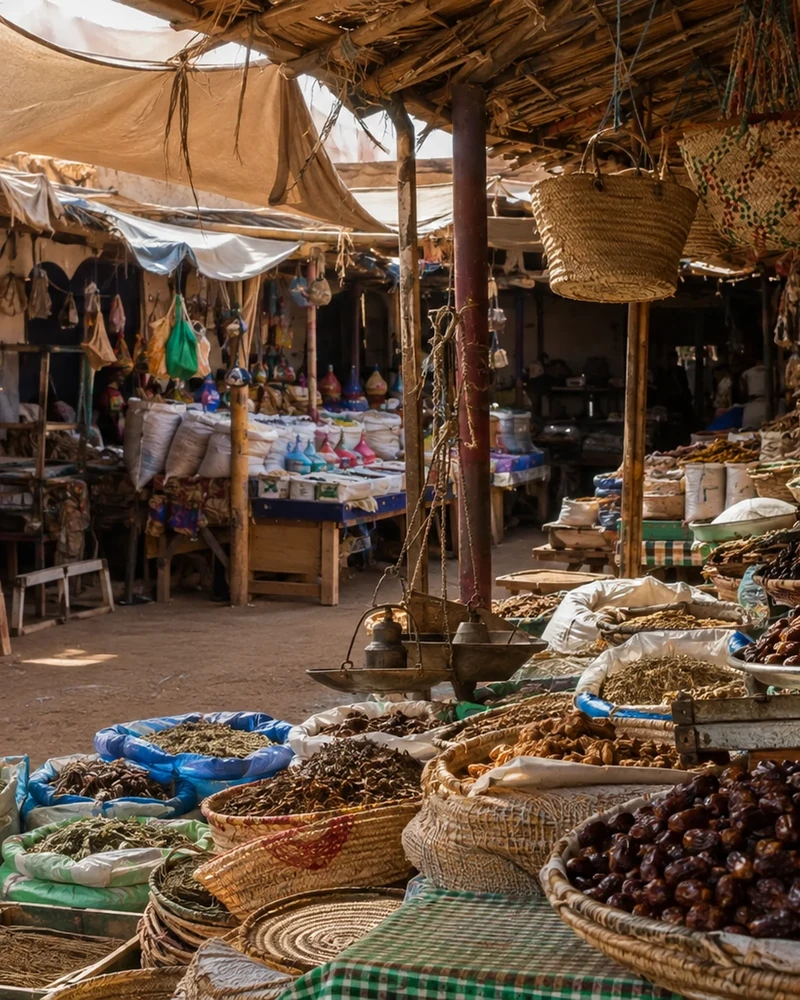
An everyday market is organized around transactions and working relationships. Watch how goods are presented, ask permission before close photographs and avoid standing in the way of customers. A seller may welcome a question when quiet and be unable to answer it during a rush.
Ask where a product was grown and who supplied it, while accepting the limits of the seller’s knowledge. A market can contain goods from beyond the immediate area. The fact that you bought something in Erfoud does not by itself establish its agricultural origin.
If you agree on a purchase, confirm quantity, price and packaging clearly. Keep the exchange courteous and proportionate. Curiosity about a livelihood is better served by a respectful conversation than by treating every interaction as a bargaining performance.
Compare food festivals and marketsErfoud
within the Tafilalt.
Erfoud
Use the city as the practical starting point for date-related visits and exhibition information. Confirm the exact SIDATTES site and entrance from the current edition’s visitor material; an organizer’s contact address may serve a different purpose.
Explore ErfoudPalm-growing landscapes
Arrange access with a responsible local host or landholder. A grove visit should identify the route, the activity and any payment clearly. Keep cultivated spaces and working paths usable for the people who depend on them.
The southern oasis region
A wider journey can connect towns, cultivated landscapes and other cultural places. Avoid reducing the region to a single desert image, and allow realistic travel time between stops.
Explore The southern oasis regionA good question
follows the product.
Choose one stage of the date’s journey and ask about it in detail. A grower may explain cultivation or harvest; a processor may describe sorting and packaging; a retailer may know what customers value. None should be expected to answer for every part of the chain.
Listen for the difference between a documented claim and a sales description. If origin, certification or production method is important to you, ask what written information supports it. Avoid passing on a claim more confidently than the evidence allows.
The same restraint applies to health claims. This is a cultural and agricultural visit, not a reason to treat a food or extract as a remedy. Choose products for their stated culinary use and seek appropriate advice for personal dietary needs.
Plan the day
around real distances.
For the exhibition
Match the public programme to the actual admission day and category. Allow time for the entrance, site orientation and breaks. A large exhibition is easier to enjoy when you choose a few subjects rather than trying to see every stand.
For a grove visit
Agree on a meeting place, walking conditions and expected duration. Check the day’s weather and prepare for the route you will actually take. Do not assume a farm visit offers the same facilities as an exhibition site.
For the journey home
Keep purchases manageable and confirm transport before the end of the day. Give fragile food and companions’ comfort the same attention as the next item on the itinerary.
Before treating a date
as confirmed.
Are the forthcoming SIDATTES dates verified?
No. The checked official announcement documents 29 October–2 November 2025. This guide does not present a third-party 2026 listing as a confirmed organizer date.
Is the date harvest the same as SIDATTES?
No. Harvest and ordinary market activity follow agricultural and commercial rhythms. SIDATTES is a scheduled exhibition with its own programme and admission arrangements.
Can I visit palm groves independently?
Use a permitted route and obtain appropriate access. Cultivated land is not automatically public. A locally arranged visit can help clarify where you may go and what you are observing.
Will every product at an Erfoud market be locally grown?
Do not assume so. Ask the seller about origin and keep that information distinct from the place where the product was purchased.
A small fruit.
A large set of relationships.
The value of this journey is in connecting a familiar food with the work around it. A tray of dates can lead to questions about variety, growing conditions, sorting, transport and the choices a buyer makes.
Keep the knowledge attached to the people and places that supplied it. A conversation in one market or grove offers a particular view. Put several careful observations together and the oasis becomes easier to understand as a lived and worked landscape, with the harvest only one part of its year.
From the oasis
to the wider calendar.
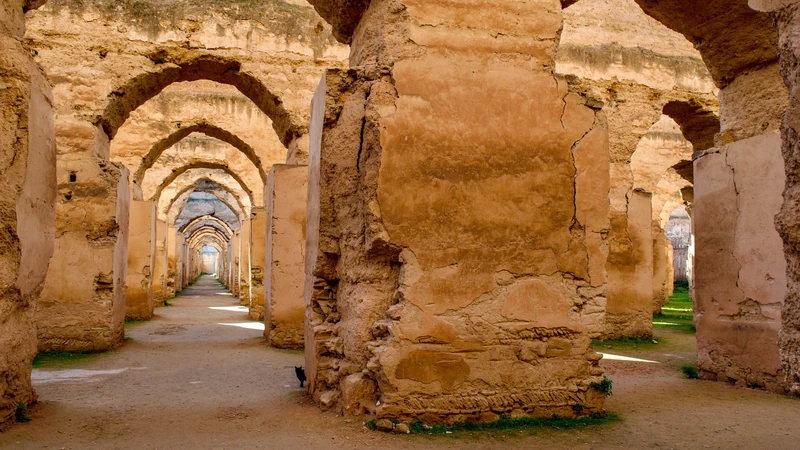
SIAM in Meknès
Compare another major agricultural exhibition.
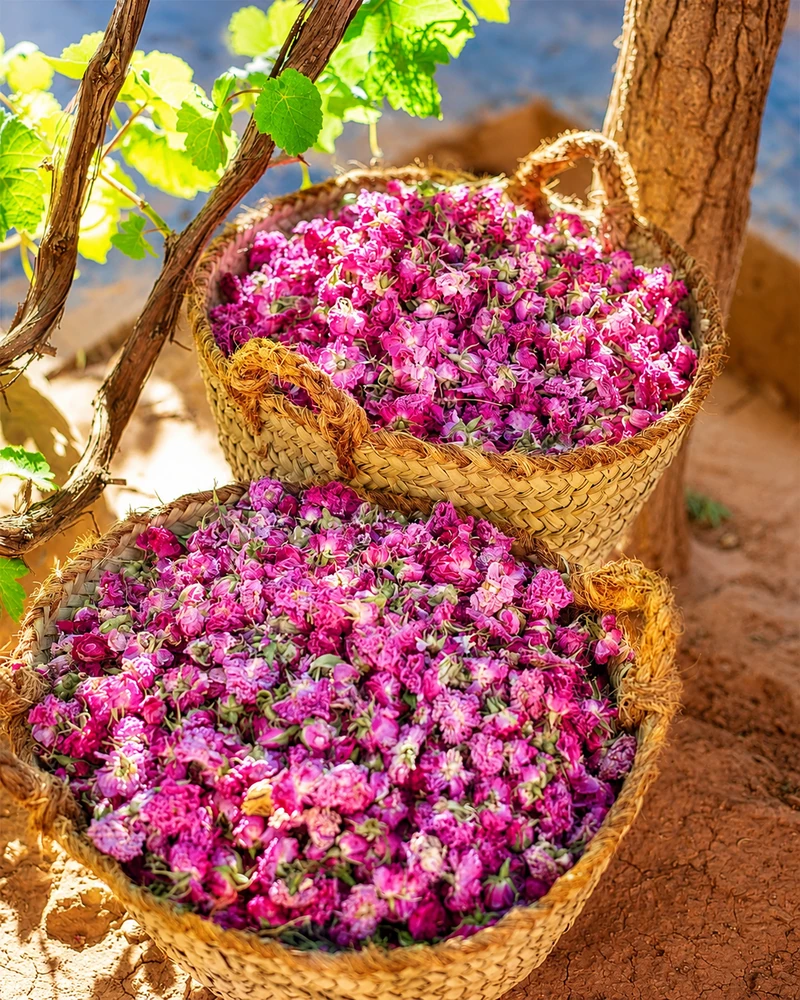
Rose country
Follow a different crop and its processing economy.
Autumn calendar
Build a route from verified dates and seasonal context.
Erfoud
Continue through the host city.
Sources, date checks & image context
Event information checked on 29 September 2026. Dates marked typical describe a seasonal pattern, not an announced booking date. Recheck the linked organizer before committing to travel.
Library images illustrate the host place, materials and cultural context. They are not presented as documentary records of a particular festival edition.
Photograph credits
Attributions retained from the canonical library. Responsive resizing and WebP conversion; each photograph’s stated licence continues to apply.
- Library photograph: Andrew Brehmer · CC BY 2.0.Editorial crop, resizing and WebP conversion. The adaptation retains the source licence.
.jpg)