
Choose for the people
who are coming.
A family visit begins with the group’s needs, not the size of the event. Ages, interests, mobility, attention, sleep and comfort with noise can point towards very different sessions. A short demonstration or an early screening may offer more than a long evening in a dense audience.
Choose one main experience and let the rest of the day support it. Include the journey, waiting, food and the return when deciding how much energy the visit will require. A performance’s running time describes only part of the outing.
Agree in advance that the plan can change. Leaving before the end is a valid choice when someone is tired, overwhelmed or no longer comfortable. It is easier to make that decision when it has already been accepted by the group.
Build a small
family visit brief.
What we want to experience
Choose a concrete interest: one musician, a craft process, a film or a public cultural activity. A clear purpose helps you select a manageable session.
What each person needs
Discuss walking, seating, sound, food, toilets and breaks. Include adults’ needs as well as children’s; a comfortable group plan should not depend on one person silently struggling.
What will end the visit
Agree that discomfort, fatigue or an unsuitable crowd is enough reason to leave. Decide which adult accompanies someone who needs a break and how the group reconnects.
How we get home
Keep the return arrangement simple and available at the time you may actually leave, including an early departure.
Check the rules
for this exact session.
Ask about minimum ages, accompaniment requirements and whether children need their own ticket or registration. An event described as public or free does not establish all of those conditions.
Check bags, pushchairs, food, drinks and any items your group relies on. A venue may apply different arrangements during a festival from those on an ordinary day. Resolve essential questions before you reach the gate.
If the organizer describes a family activity, read what that means in practice: length, language, seating, participation and supervision. A label can help you discover an option, but the details determine whether it suits your particular group.
Sound deserves
its own decision.
Loud sound exposure depends on level and duration. WHO’s listening guidance recommends hearing protection in noisy settings, distance from loudspeakers and breaks away from loud sound. An outdoor venue is not automatically quiet or suitable for every child.
Choose an appropriate location and be ready to leave a loud area. Use hearing protection suited to the person and follow its fitting guidance; do not treat it as a reason to remain indefinitely in an uncomfortable environment. Seek professional advice if you need help choosing protection for a young child or a particular hearing need.
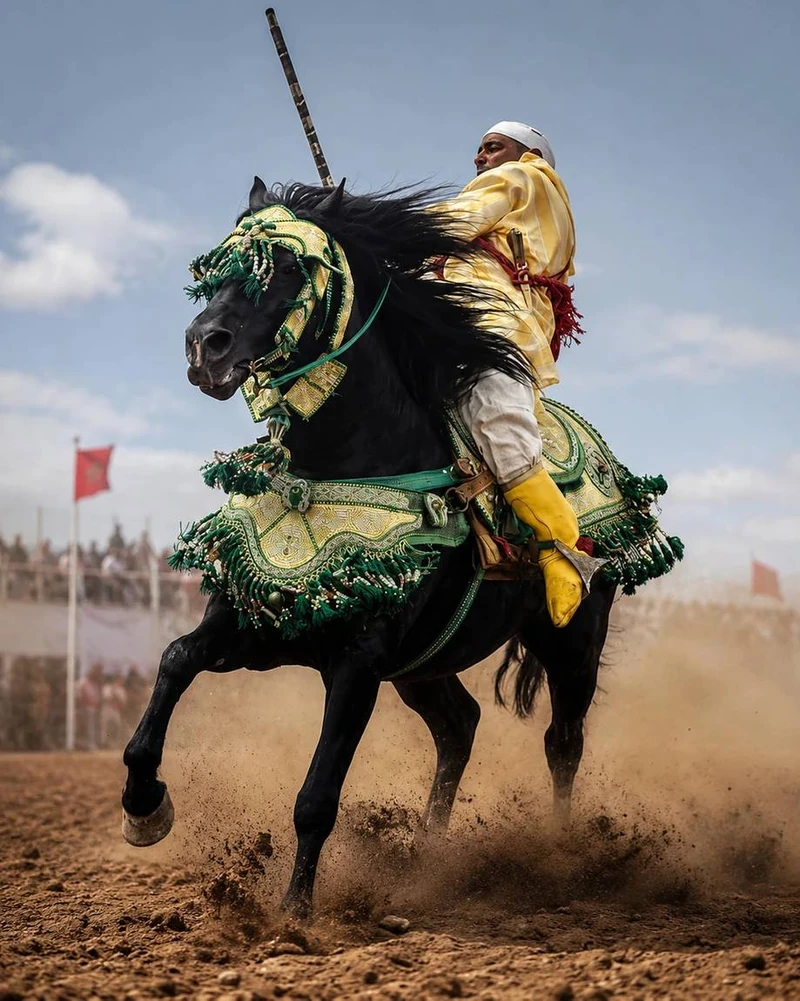
For tbourida, the sudden sound is a different consideration from steady amplified music. Explain what the event involves before arriving and decide whether that experience suits everyone. A quieter cultural alternative can be the better choice.
Arrive before
attention is stretched.
Find the practical places
Locate toilets, an appropriate place to rest and the route out. Establish these while the group is settled, rather than searching only after someone needs them urgently.
Choose a viewing position
Look for a place with a clear route away from the audience. Avoid moving deeper into a crowd simply to improve the view, and follow the venue’s designated areas.
Make the group visible to itself
Agree who stays with whom and how adults communicate if they separate. Keep essential contact and accommodation details available without relying only on a phone connection.
Different settings
ask different questions.
Meknès — an exhibition day
At SIAM, consider the amount of walking, the current public programme and where breaks fit. Verify the visitor category and session before expecting an activity designed for children.
Read SIAM. Meknès.Essaouira — streets and performance spaces
The journey between a base, a public space and a venue matters as much as the session. Plan movement through narrow approaches and establish a calm meeting point.
Read Festival streets. Essaouira.Marrakech — a cultural session
A film or an artisan encounter can offer a focused alternative to a long outdoor evening. Check age suitability, language, duration and admission for the actual programme.
Read Marrakech. Film Festival.A meeting point
must be recognizable.
Choose a fixed, clearly described place beyond the busiest flow, and identify the venue’s staff or assistance point. Make a plan appropriate to the child’s age and the setting; younger children should remain with their responsible adult rather than be expected to navigate alone.
For older children and adults who may move separately, agree when to check in and what happens if messages fail. Avoid vague instructions such as “by the stage” when several entrances or large crowds make that description ambiguous.
If someone becomes separated, contact event staff promptly and follow the venue’s procedure. Keep the rest of the group together where possible so the search does not create further uncertainty.
Breaks are part
of the experience.
Plan time for food, water, toilets and a pause away from the most demanding activity. Check what is available and what may be brought in, particularly when someone has dietary needs or requires specific supplies.
Use a break to ask a simple question about what the group has noticed. A child may remember a tool, a rhythm or an unexpected detail rather than the headline attraction. Giving that interest room can make a short visit feel complete.
Do not fill every pause with another activity. Rest can remain rest. The purpose is to return attention and choice to the group, not to complete a predetermined list at all costs.
Make the next move
before pressure builds.
The crowd feels too dense
Pause before entering further and follow the clear public route to a less crowded area. Keep the group together and seek a steward’s guidance if the route is unclear.
Someone is distressed or exhausted
Leave the demanding area and reassess the plan. Avoid bargaining for “one more performance” when the person needs a change. Use the early return arrangement if appropriate.
The programme changes
Explain the change without making it a crisis. Choose an alternative that still fits the group’s energy, or end the outing with the encounter you have already had.
Give children
an active kind of attention.
A cultural event can become more engaging through one small task: notice how performers respond to each other, identify a repeated pattern or ask what stage follows a craft demonstration. Keep the task playful and appropriate to the occasion.
Model asking permission before touching objects or photographing people. Explain that some spaces belong to a host or a working activity, and that watching quietly can be a form of participation.
Afterwards, let each person choose one detail to remember. A visit does not need to last all day to open a lasting curiosity about music, place or skilled work.
Build a visit
with room to adapt.

Tickets & public access
Check ages, admission and venue conditions.

Arrival & transport
Make an early return possible.
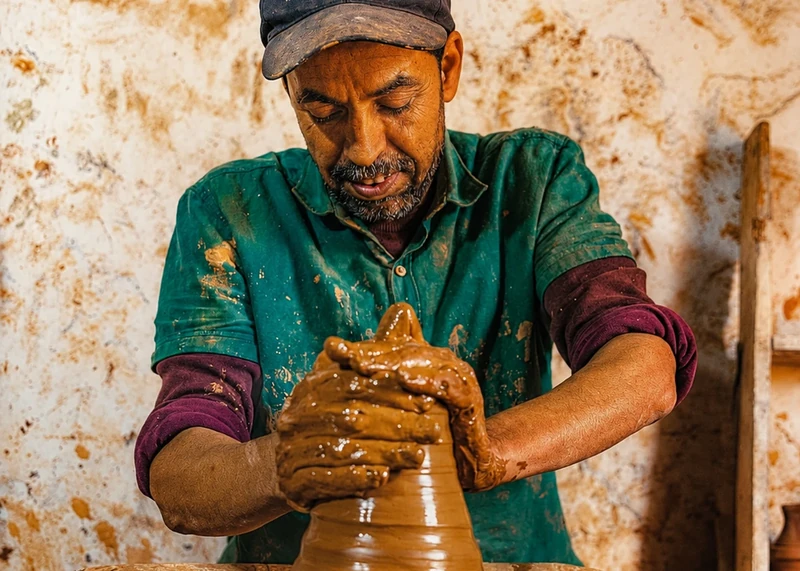
Craft fairs & artisan events
Consider a focused encounter with making.
Cultural calendar
Choose by interest and current information.
Sources, date checks & image context
Event information checked on 29 September 2026. Dates marked typical describe a seasonal pattern, not an announced booking date. Recheck the linked organizer before committing to travel.
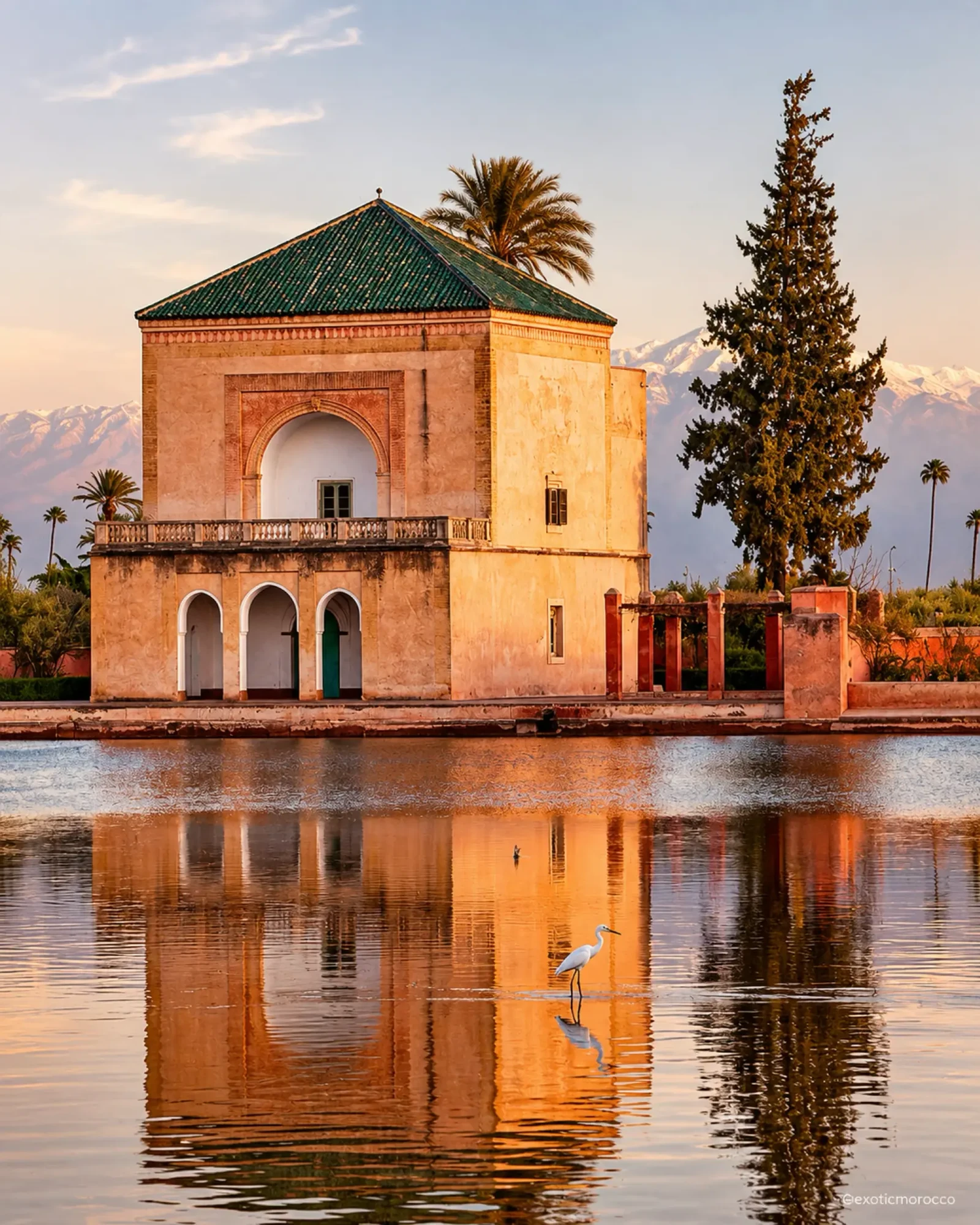
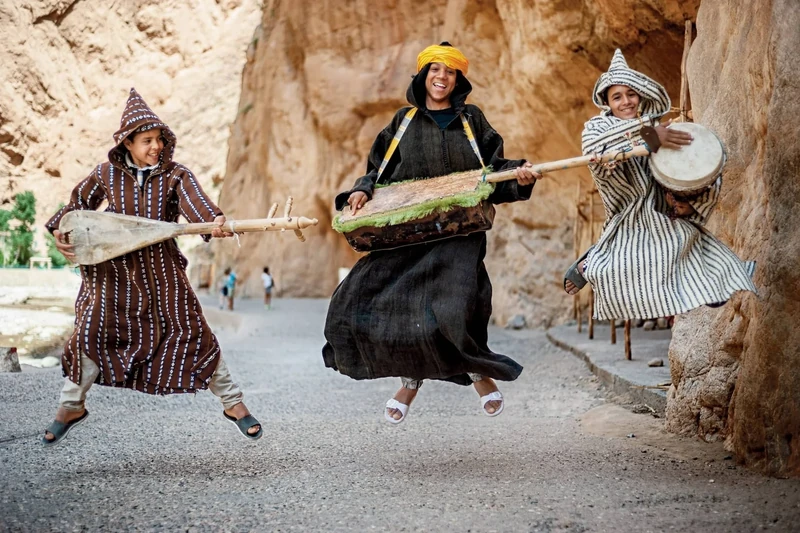
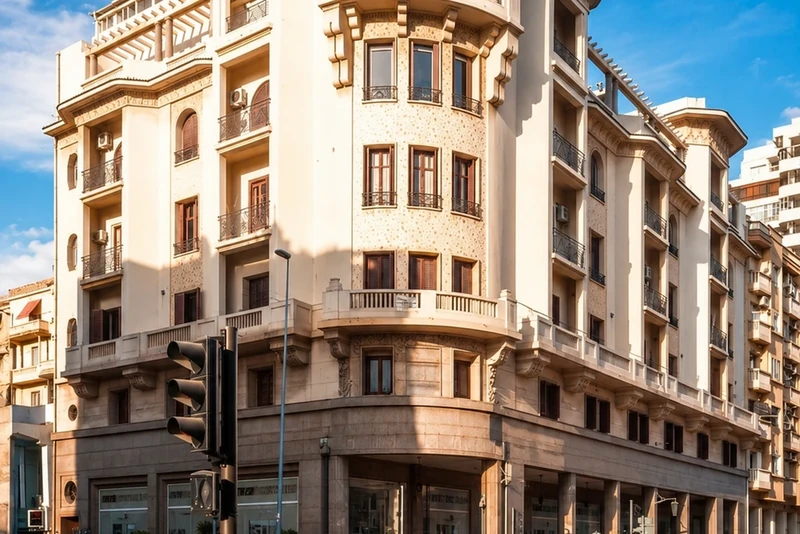
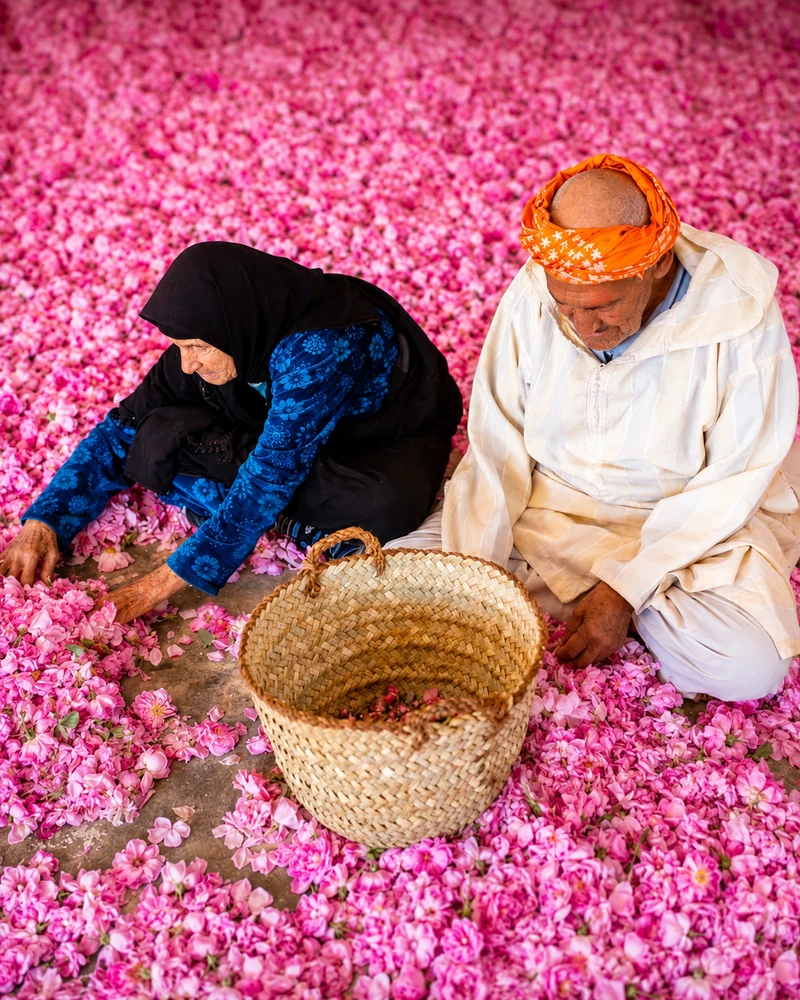
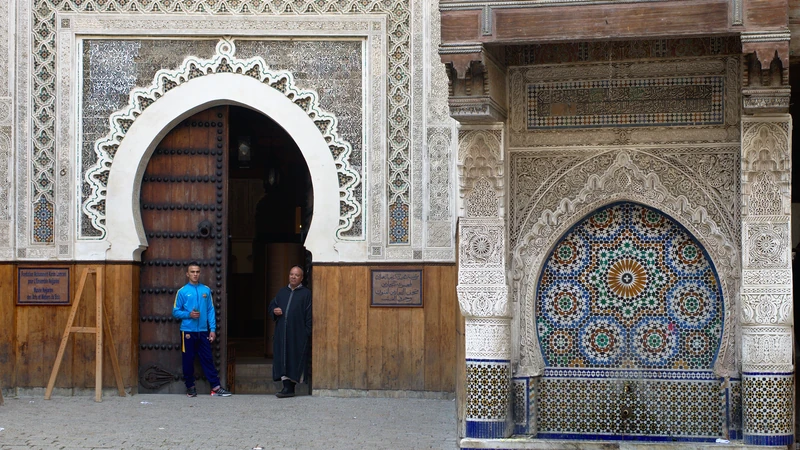
Library images illustrate the host place, materials and cultural context. They are not presented as documentary records of a particular festival edition.
- WHO — safe listening guidance
- WHO — safe listening at venues and events
- SIAM — official visitor information
- Marrakech International Film Festival
Photograph credits
Attributions retained from the canonical library. Responsive resizing and WebP conversion; each photograph’s stated licence continues to apply.
- Library photograph: Marek Kubica from Copenhagen, Denmark · CC BY-SA 2.0.Editorial crop, resizing and WebP conversion. The adaptation retains the source licence.
.jpg)