
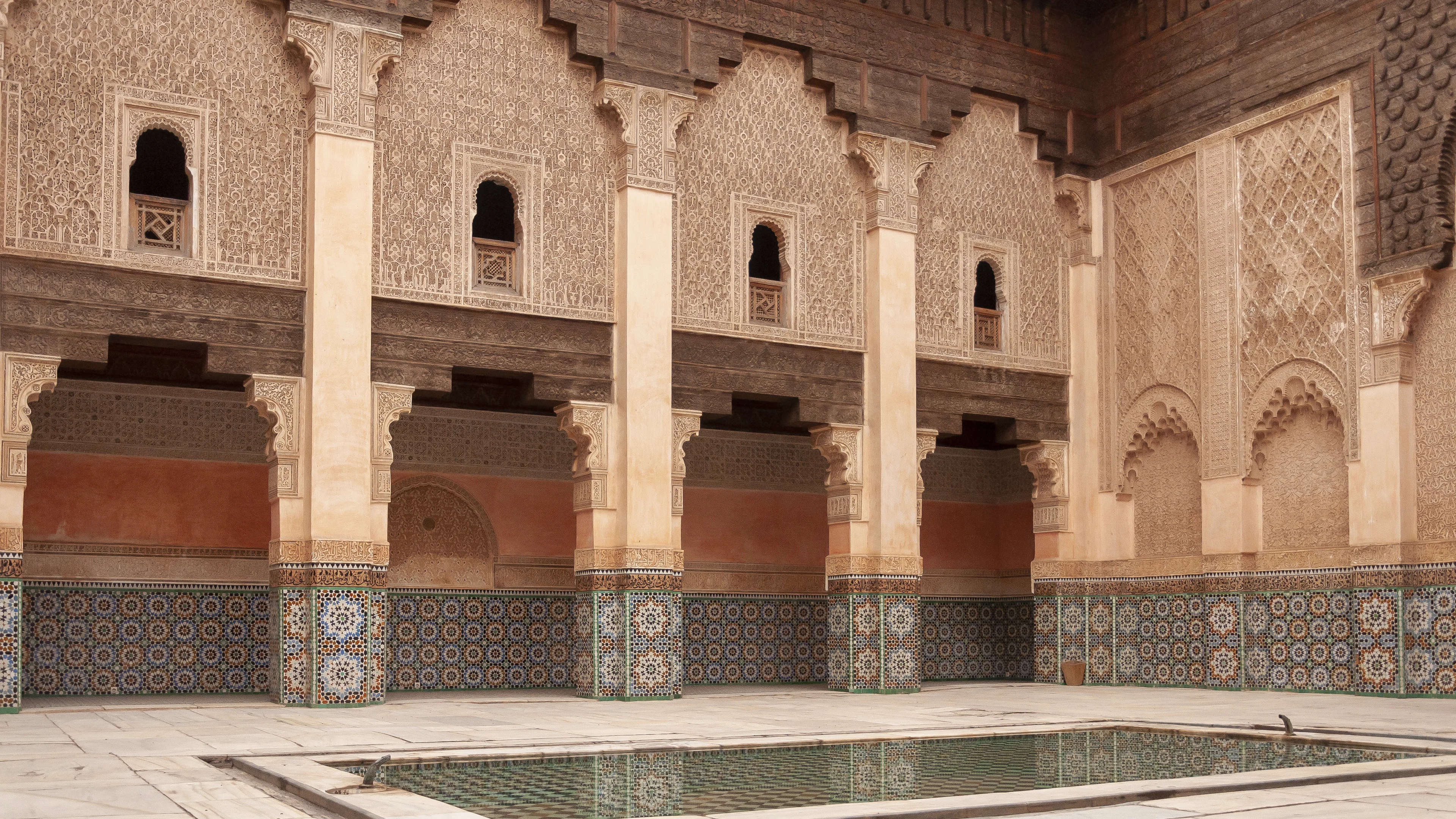
A journey through space & material
Moroccan Architecture Route
Follow courtyards, gateways, carved surfaces and the life around them. Build an architectural journey around a few buildings you have time to understand.
Explore the plan ↓- Suggested pace
- 8–12 nights for 3 cities
- Look for
- Space · material · everyday use
- Before visiting
- Confirm access & opening days
01 / The starting point
Look beyond
the decorated doorway.
Architecture becomes more interesting when you notice how a building works: the transition from street to courtyard, the movement of shade, the relationship between water, privacy and daily activity. A route organised only around famous façades misses much of that experience.
Choose two or three cities and give each a different focus. Fès can centre on medina structure and craft surfaces; Rabat on historic and modern layers; Marrakech on courtyards, gardens and monumental thresholds. Casablanca or an earthen southern chapter can become a separate extension when you have time.
Choose a question that can travel
Follow a question such as how a building creates shade, guides movement or separates public and private space. Carry it from one visit to the next and note where the answers differ. This makes the route an exploration rather than a collection of doorways photographed from the same angle.
Plan around spaces that are actually open to visitors. A facade can be read from a public street without assuming access to what lies behind it. Use the architecture and city guides to choose a small number of places worth spending time in, and keep opening arrangements separate from the lasting interpretation of the buildings.
02 / A closer look
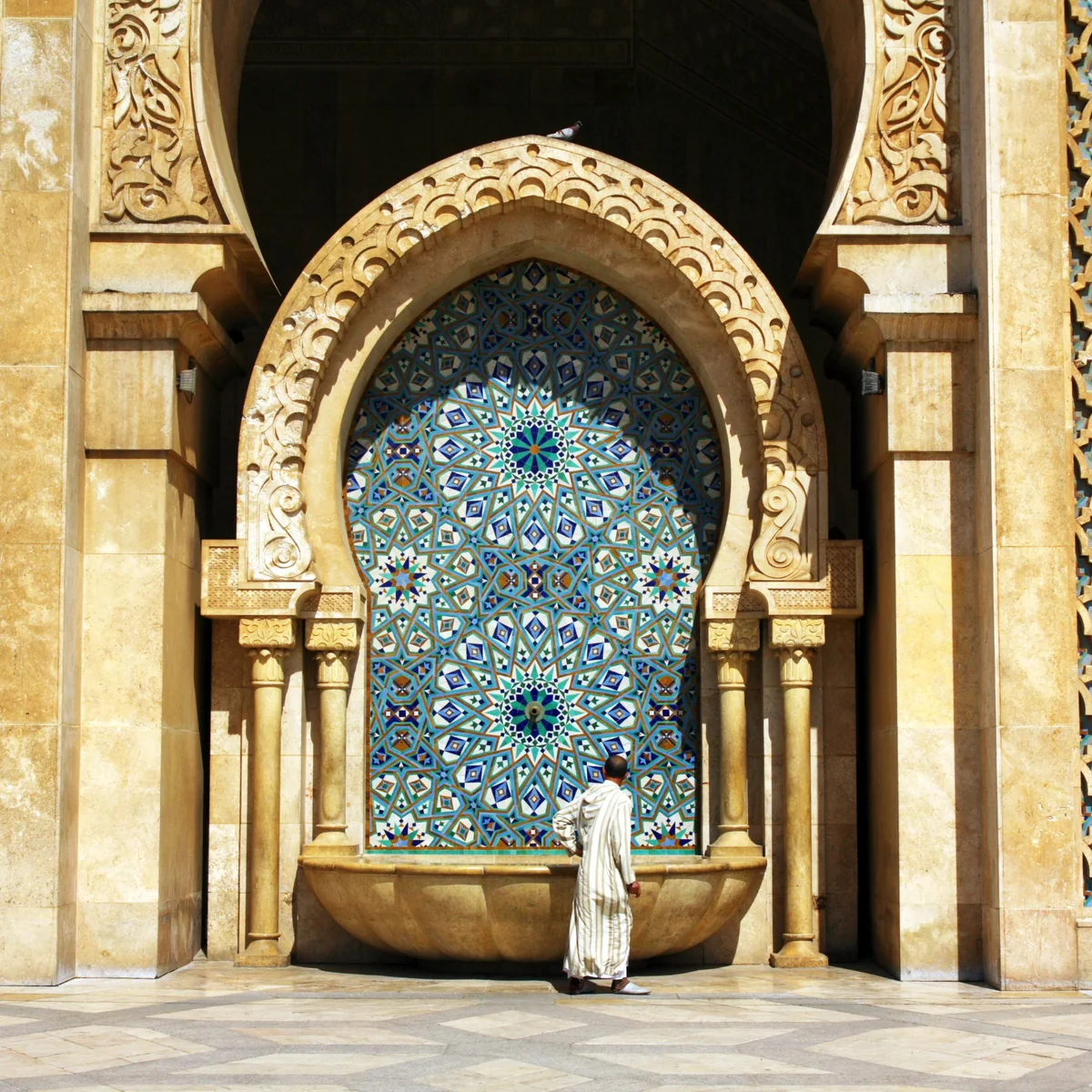
Read a building with three questions.
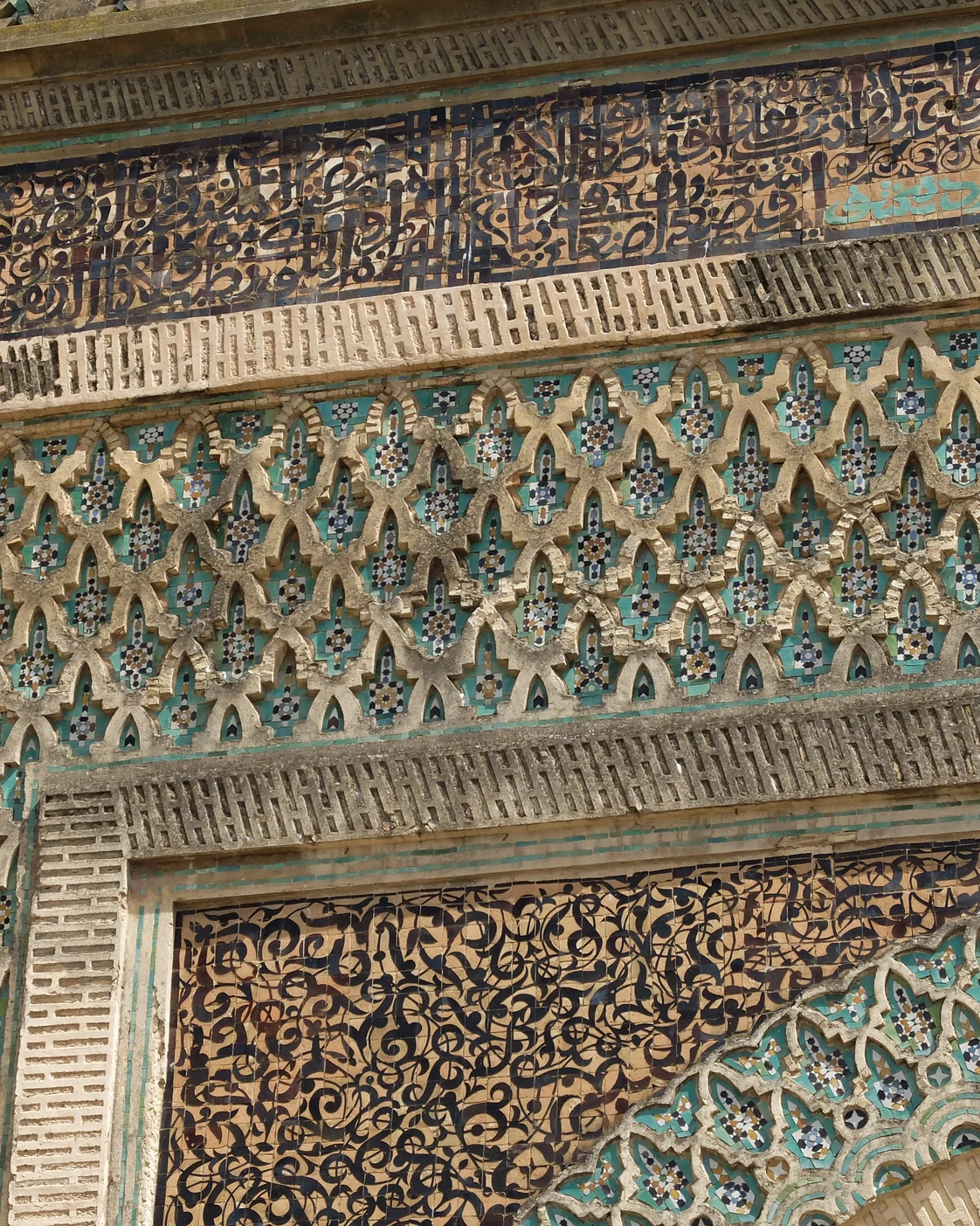
Where does the light enter? What changes when you move from street to interior? Which materials carry the structure, and which shape the surface? These questions work in a monumental gateway, a madrasa or a modest house museum.
Look closely without touching fragile ornament. Ask whether photography, tripods or sketching are permitted. Religious and residential spaces may have restricted access; choose authorised visits and let the building’s present use take priority over your itinerary.
03 / Shape your journey
Choose an architectural conversation.
A suggested rhythm to adapt around your arrival, interests and energy. Check transport and access before you book.
- Medina, thresholds & making
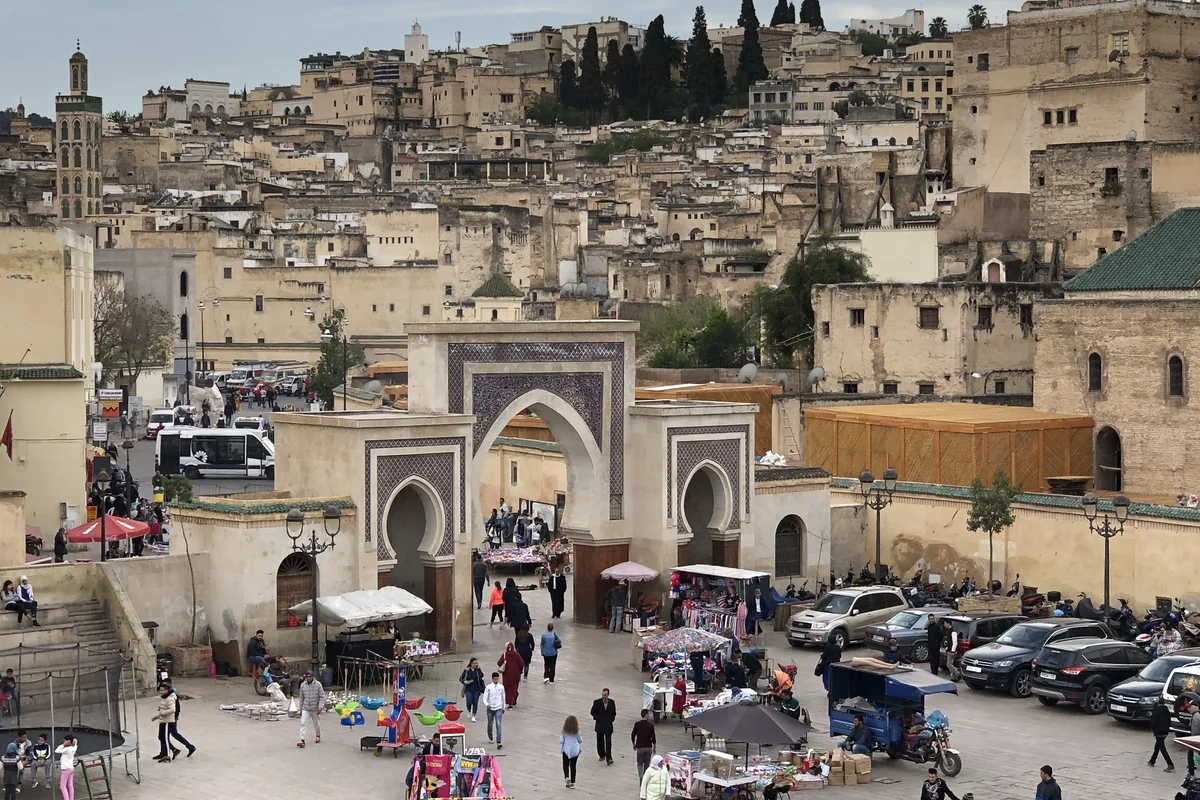
Fès
Allow several days to understand routes through the medina. Pair a publicly accessible historic building with a craft or museum visit. Observe the difference between public streets and private interiors; an open door is not an invitation to enter.
Explore Fès - Historic city & modern capital
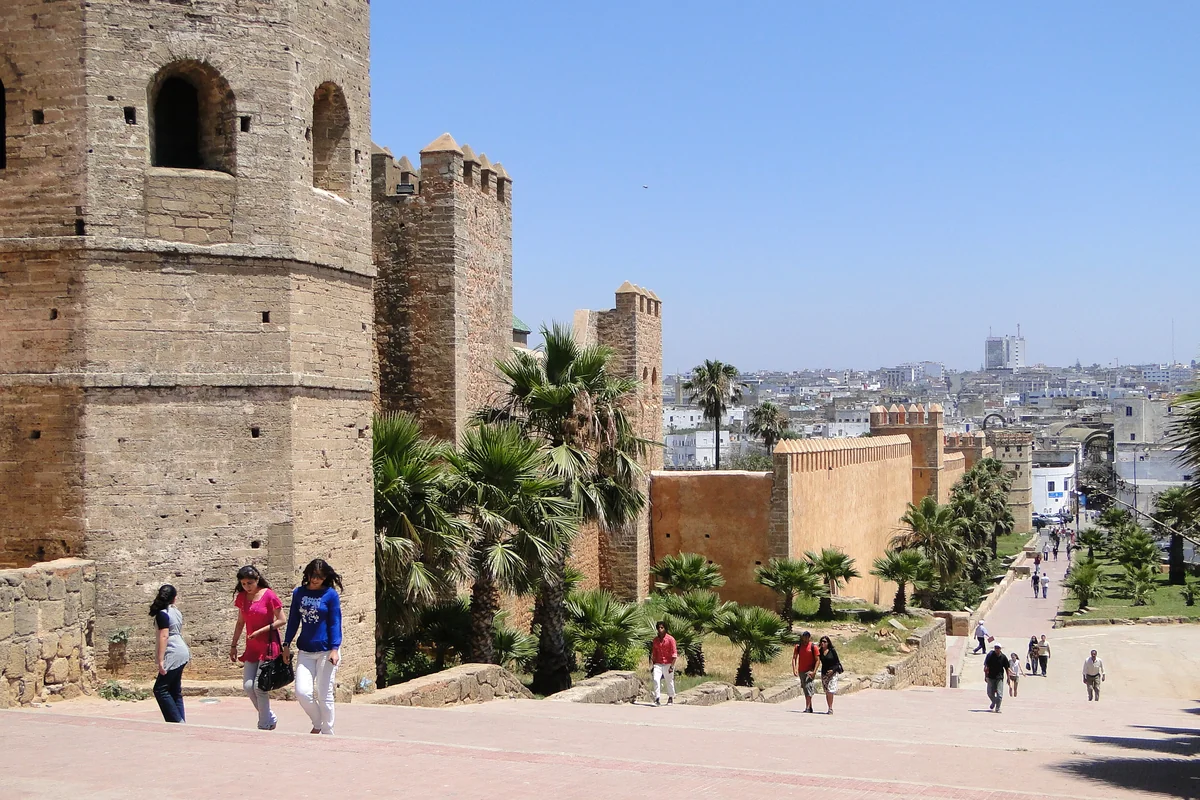
Rabat
Choose a walk that connects different urban layers without trying to cross the whole city at once. The Udayas, Hassan Tower area and contemporary cultural spaces can form separate half-days. Verify individual opening and access arrangements.
Explore Rabat - Courtyards, gardens & shade
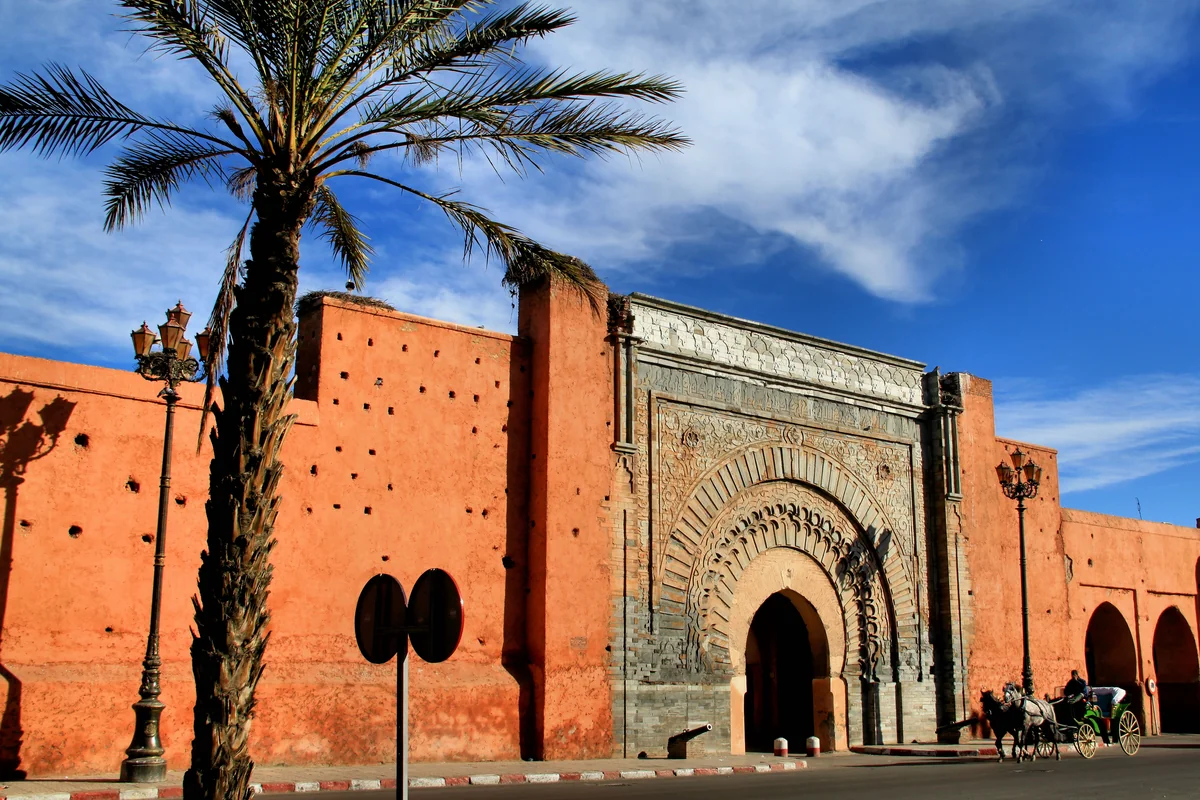
Marrakech
Build a day around one substantial architectural visit, then leave time to notice ordinary streets and gardens. A beautiful interior can be busy; visit at a suitable time and avoid treating it solely as a backdrop for a photograph.
Explore Marrakech
04 / Make it work for you
Give the route a clear focus.
Historic urban fabric
Choose Fès and Meknès, or Fès and Rabat, for a compact northern journey. Add a knowledgeable guide when understanding urban structure matters more than collecting site names.
A modern contrast
Casablanca can add a different architectural scale and period. Treat it as a city stay with selected neighbourhoods, not simply a quick mosque photograph between trains.
An earthen chapter
Aït Ben Haddou and the Ouarzazate area require a southern road journey. Add proper nights and time on foot rather than attaching a rushed mountain crossing to a city itinerary.
05 / Your next moves
Prepare to look more closely.
Tick off what is ready. Your checklist is saved on this device when browser storage is available.
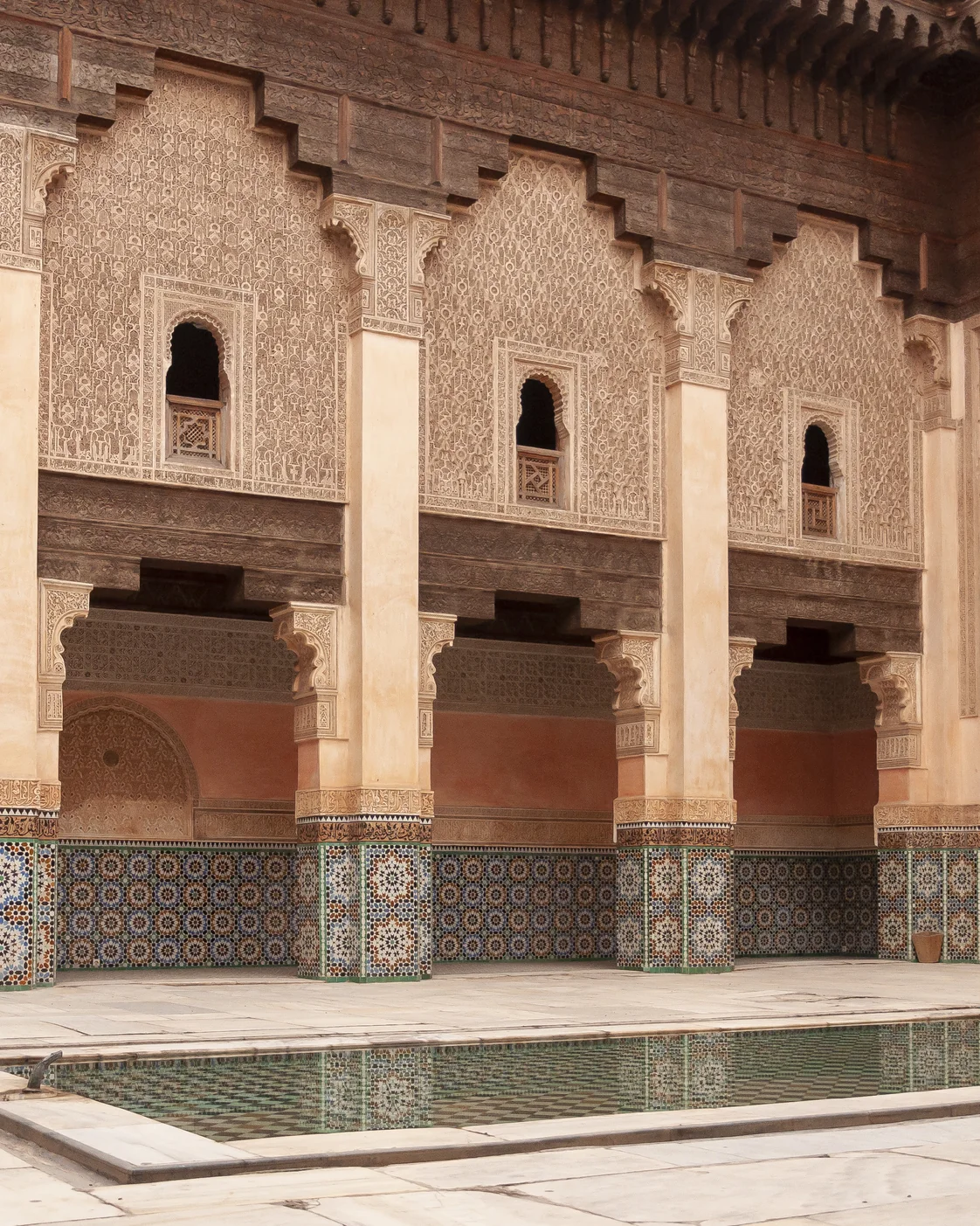
The Exotic Morocco guide collection
Keep the journey in view.
The companion Moroccan Architecture Route guide is in preparation. Visit the collection for its current status and related reading.Moroccan Architecture Route guide is in preparation. Visit the collection for its current status and related reading.
Find this guide in Shop