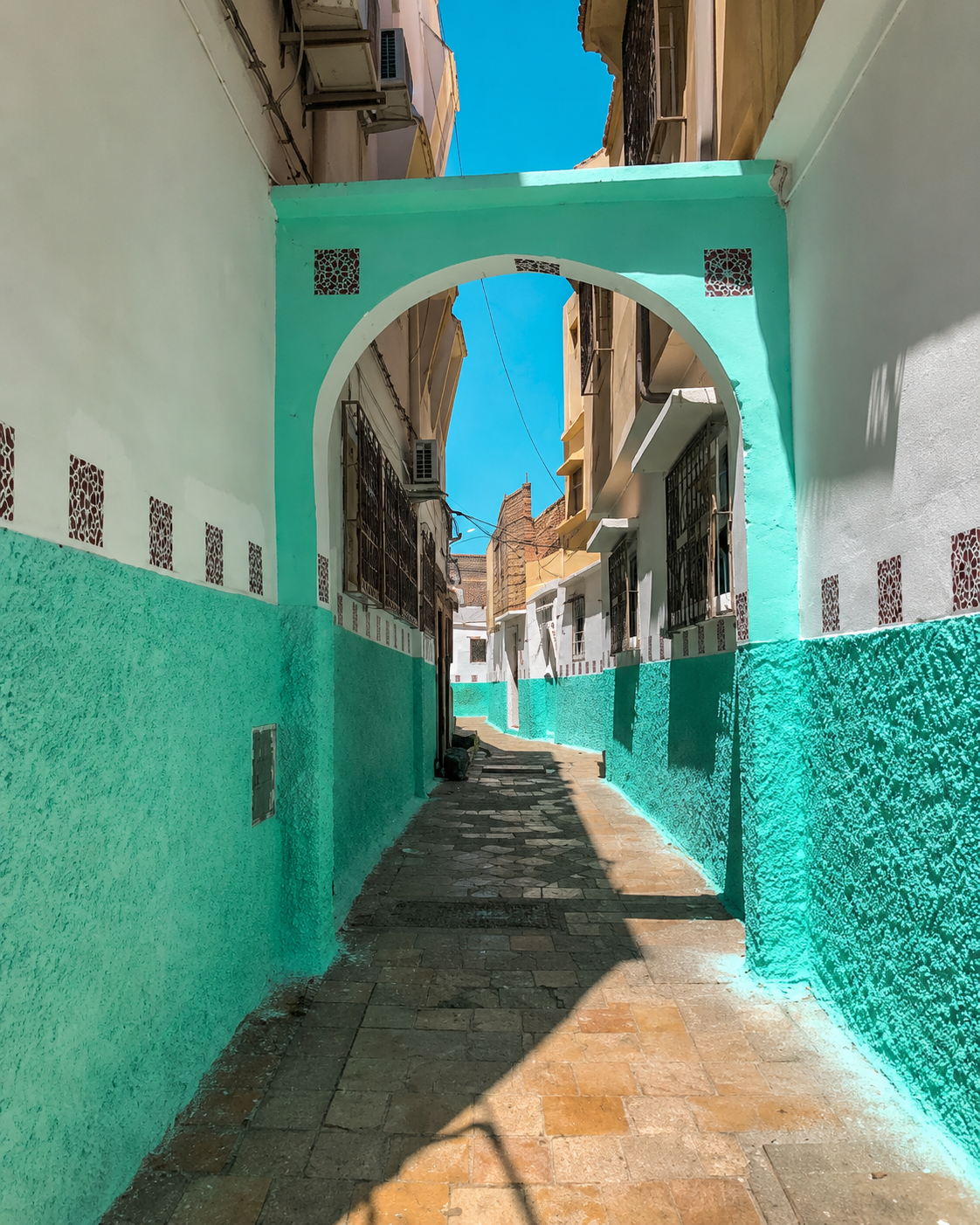
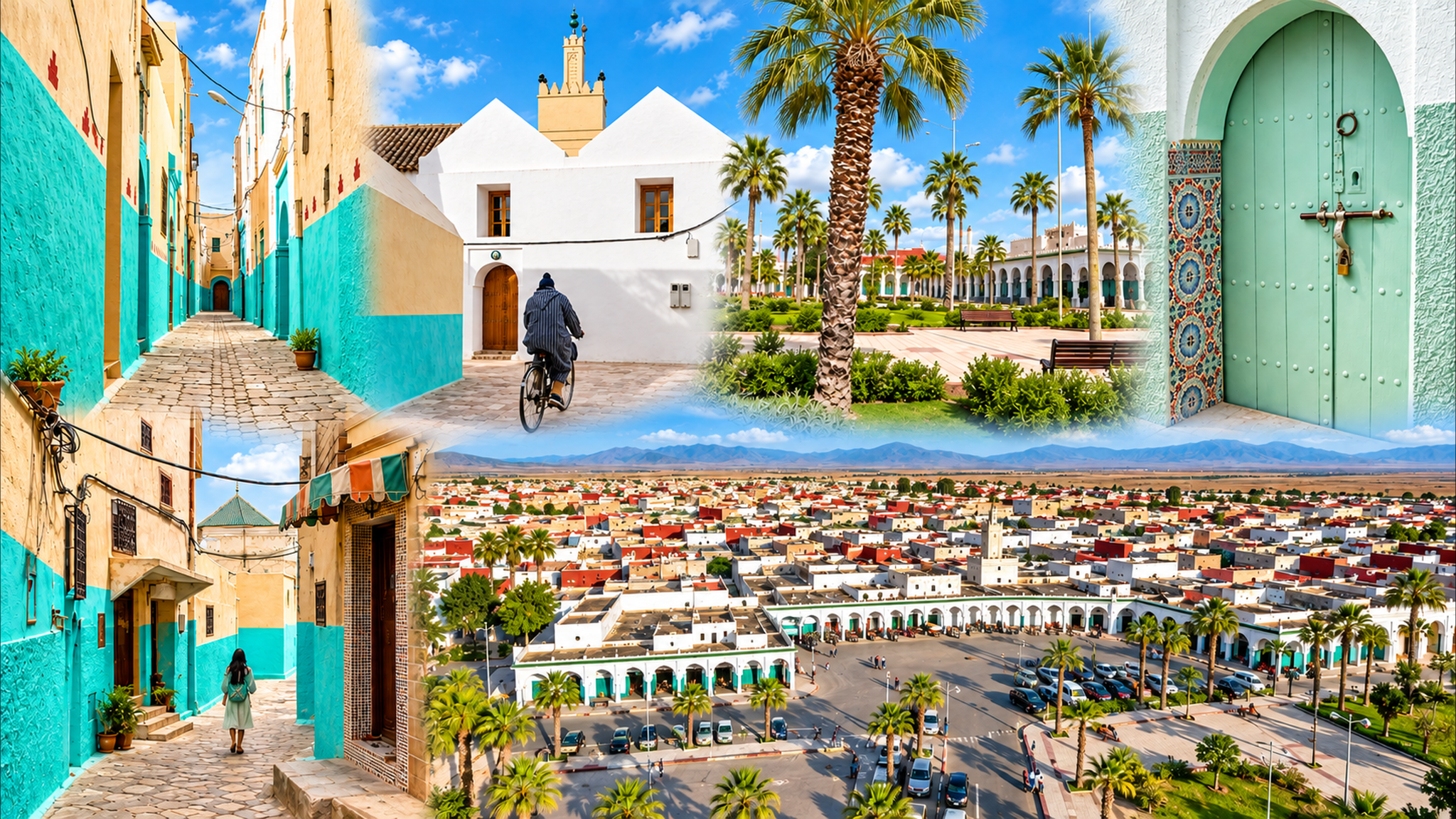
Supplied composite of turquoise lanes, white arcades, a square and green doors

Spiritual Town of Tadla

Bejaad Cherkaouia heritage, medina memory and Boujaad craft culture

Bejaad, also written Boujaad, is a central Moroccan town whose identity is inseparable from the Cherkaouia zaouia, Sufi memory, old medina lanes, woven craft culture and the inland routes between Khouribga, Tadla and the Middle Atlas.

Why Bejaad matters

Beyond the zaouia gate

Bejaad is not a city of instant spectacle. Its importance comes from the way a spiritual foundation became an urban identity. Around the Cherkaouia zaouia and the memory of Sidi Bouabid Cherki, the town gathered learning, devotion, mediation, family return, craft exchange and regional recognition.

Visitors should approach it differently from Morocco's louder destinations. The reward is in context: the old medina around the sacred core, the annual moussem, woven colour, local market life and the feeling of an inland town that still carries a strong spiritual name.

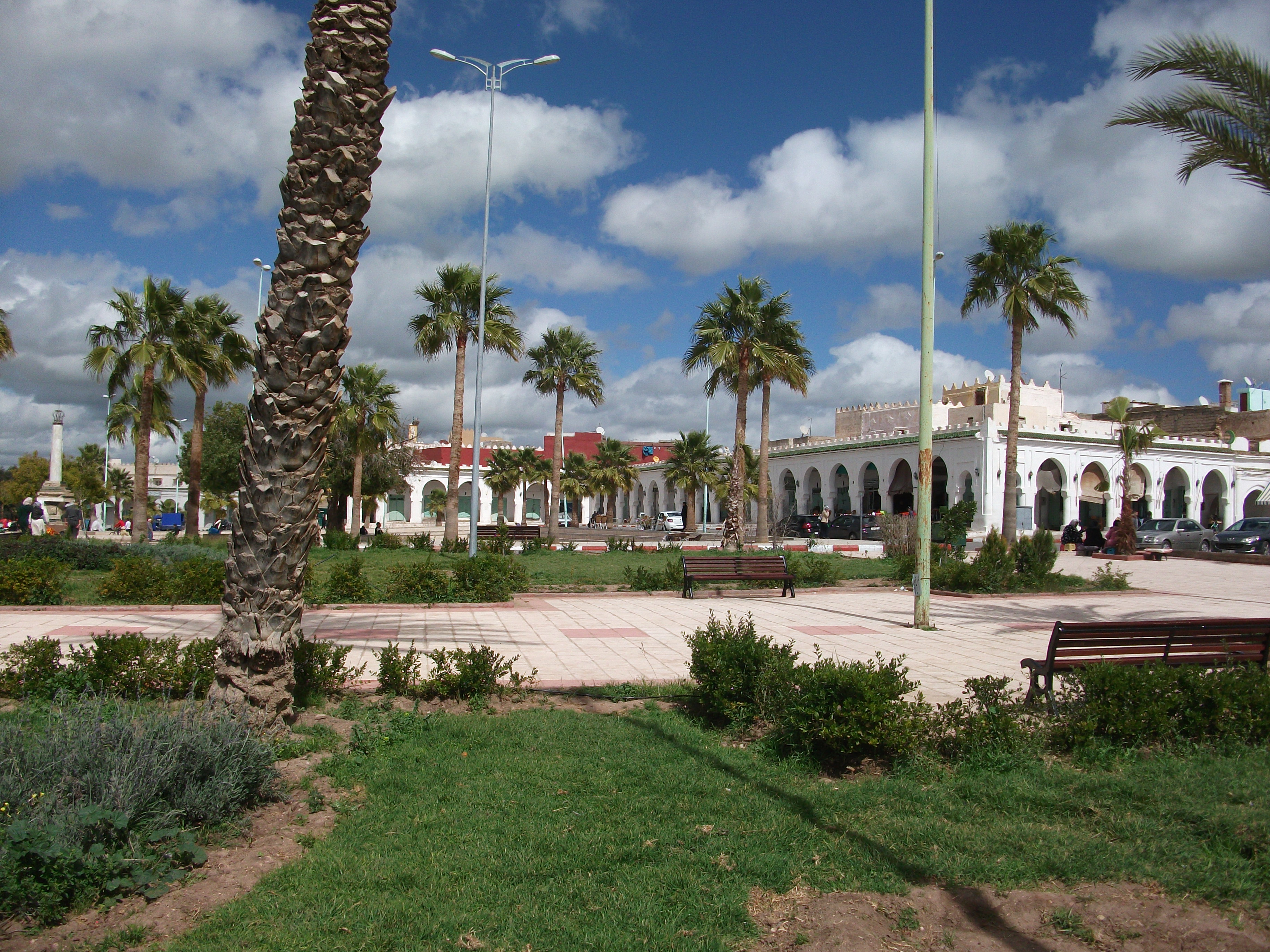
Palm trees and white arcades on a square in Boujaad

A town of memory and material culture

Bejaad is best read through its zaouia, medina lanes, moussem traditions, textile reputation and the Tadla landscape that keeps the town connected to the wider region.

EXPLORE

Bejaad / Boujaad

Historical orientation

From zaouia foundation to regional town

Bejaad's history is centred on the Cherkaouia zaouia rather than on royal palaces or coastal fortifications. Sources describe the town as growing around a major Sufi and educational centre associated with Sidi Bouabid Cherki. Over time, that spiritual nucleus gave Bejaad religious prestige, a rhythm of pilgrimage and moussem gatherings, and a recognised place within the Tadla and Khouribga region.

0116th century

A spiritual foundation

The Cherkaouia zaouia is associated with Sidi Bouabid Cherki and the formation of Bejaad as a town whose identity began with religious teaching, devotion and local gathering.

02Saadian period

Learning and mediation

The zaouia became known for religious learning, Sufi practice and social mediation, linking tribes, students, visitors and regional authority through a respected spiritual network.

03Over centuries

Moussem and exchange

The annual moussem helped keep collective memory alive while supporting commerce, craft, weaving, local products and the return of families connected to the town.

04Today

A quieter inland stop

Within Khouribga province and the Beni Mellal-Khenifra region, Bejaad is best understood as a modest spiritual and craft town on inland routes, not as a checklist destination.

A visual bridge

Three glimpses of a zaouia town

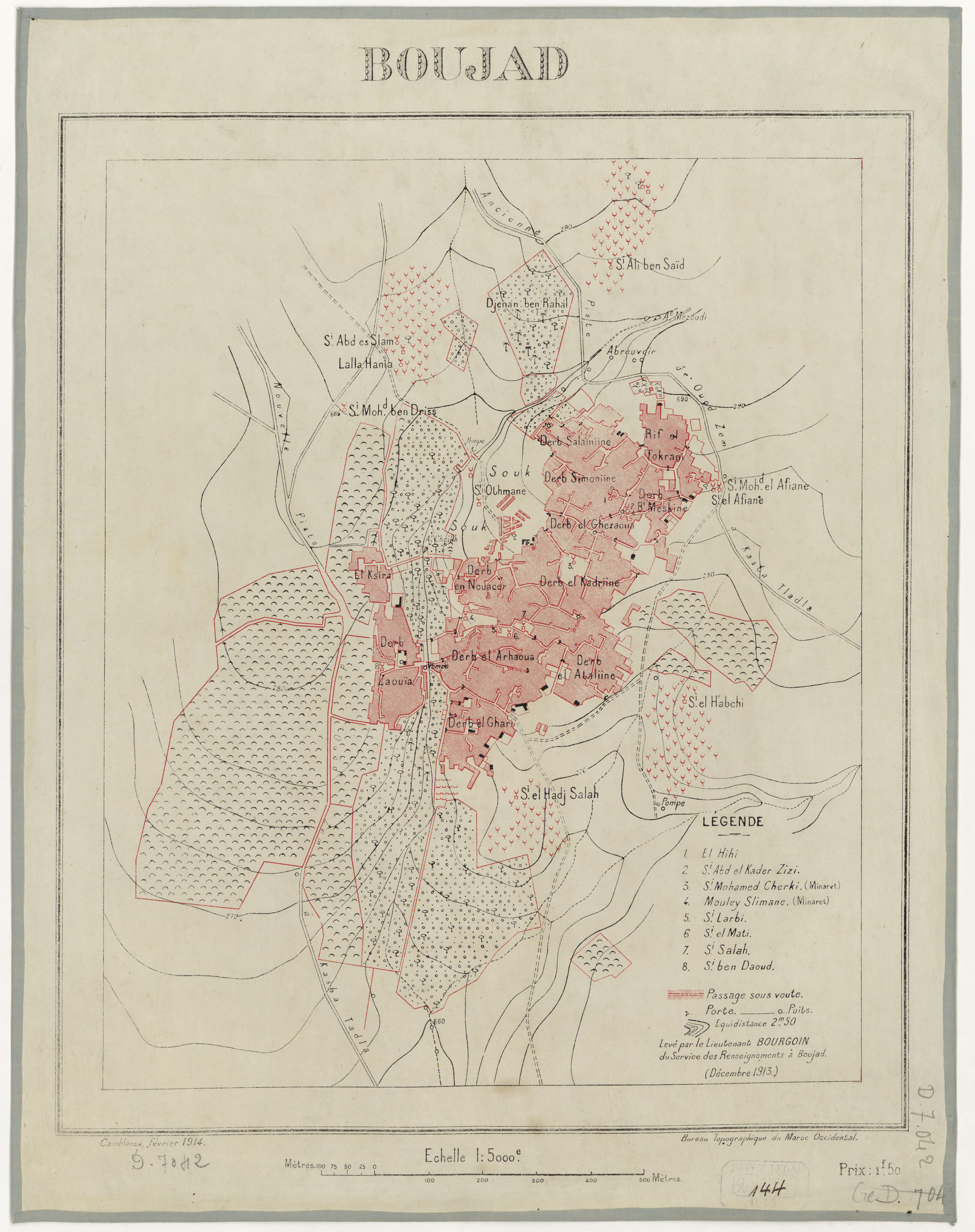
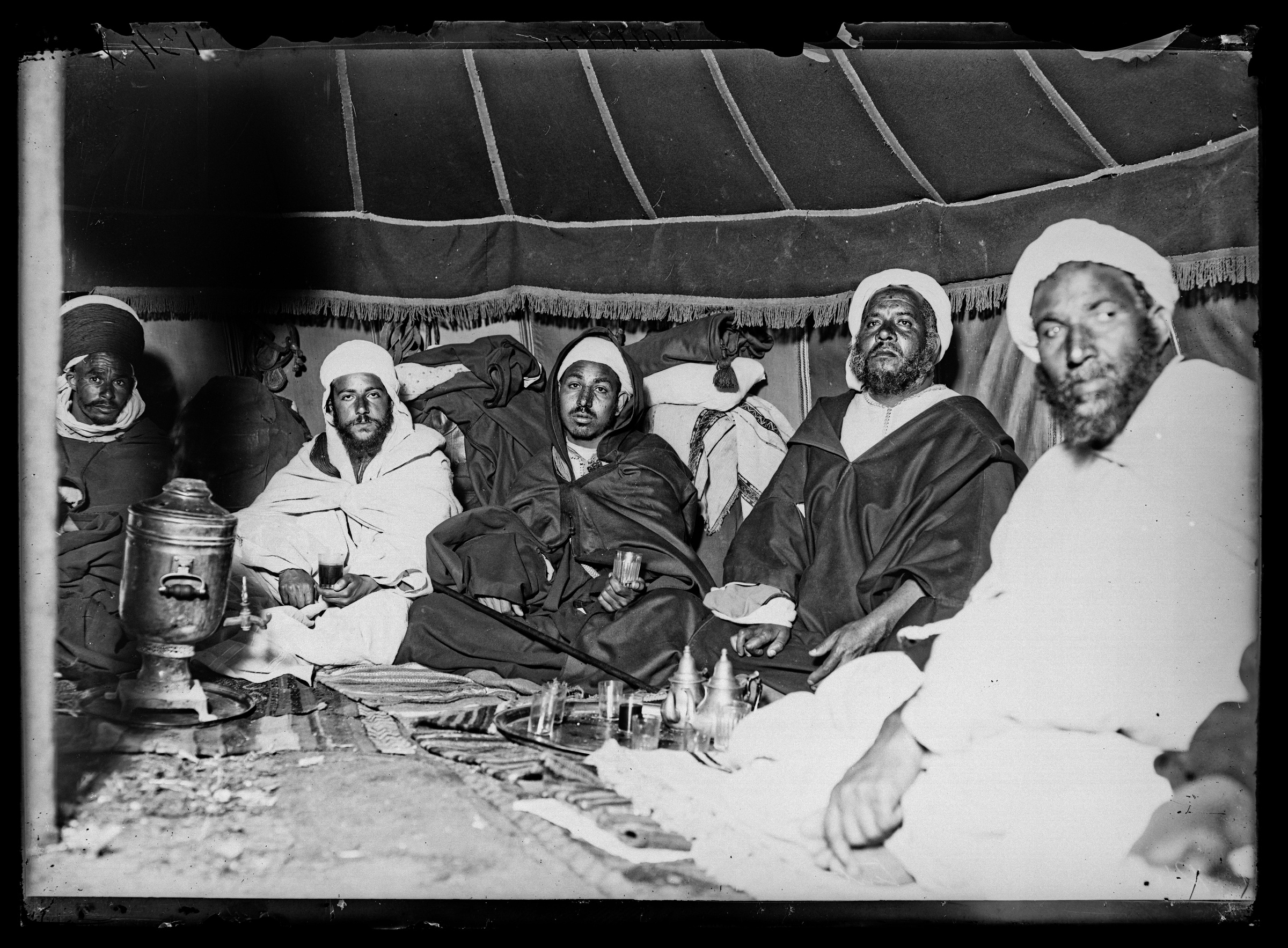
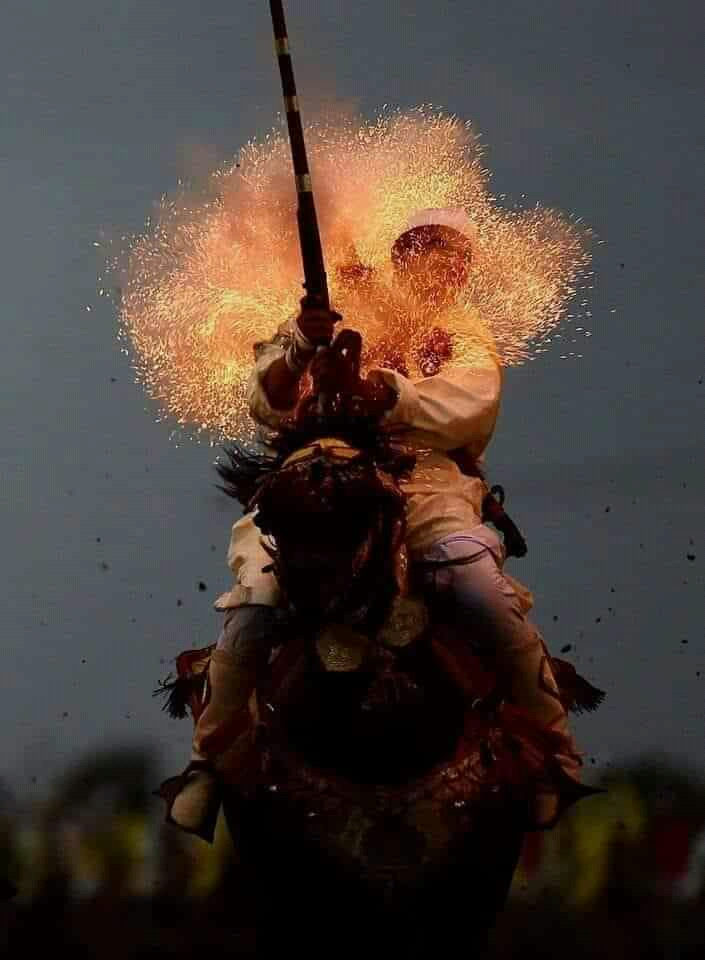
A historical town plan, an archival gathering and the living moussem offer three different views of Bejaad. The early twentieth-century documents record one period of a much older town; the festival connects that history to public life today.

Historical plan of Boujad surveyed in December 1913

The town in 1913

A surveyed plan records the compact streets and boundaries of early twentieth-century Boujad.

Archival photograph of a Boujad caid and companions inside a tent, 1913

An archival gathering

A 1913 photograph shows a local caid and companions beneath a richly furnished tent.

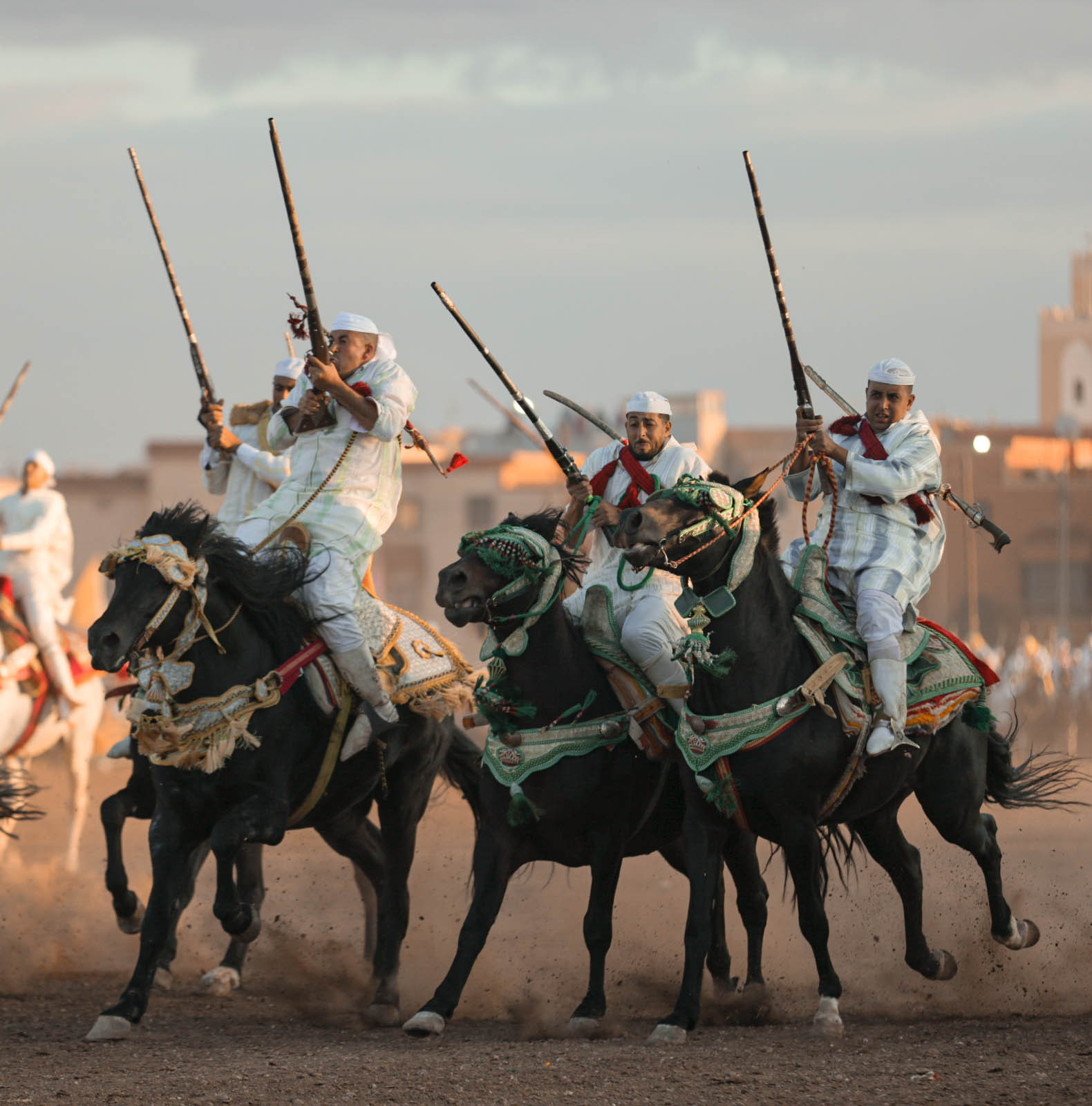
Ceremonial rider at the Bouabid Cherki moussem in Bejaad

Moussem traditions

Ceremonial riding is one public expression of the annual Bouabid Cherki gathering.

Bejaad at a glance

Region and province

Bejaad sits in Khouribga province within the Beni Mellal-Khenifra region. It belongs to the inland geography between phosphate country, Tadla routes and the western approaches to the Middle Atlas.

Core identity

The Cherkaouia zaouia and the memory of Sidi Bouabid Cherki are the town's central reference points. They explain why Bejaad is discussed through spirituality, learning, moussem and local return.

Visitor rhythm

This is a place for attentive travellers, not rushed sightseeing. The experience depends on respectful walking, local orientation, privacy, craft awareness and a willingness to read modest details.

Route context

Bejaad works naturally with Khouribga, Kasba Tadla, Beni Mellal and the wider Tadla plain. It can add cultural depth to an inland route that many visitors otherwise pass too quickly.

A clearer reading of the city

A town shaped by zaouia, medina and craft

To understand Bejaad, read the sacred core, old-town fabric and material culture together. The town's appeal is not about isolated monuments; it is about how devotion, memory, trade and domestic craft continue to define local identity.

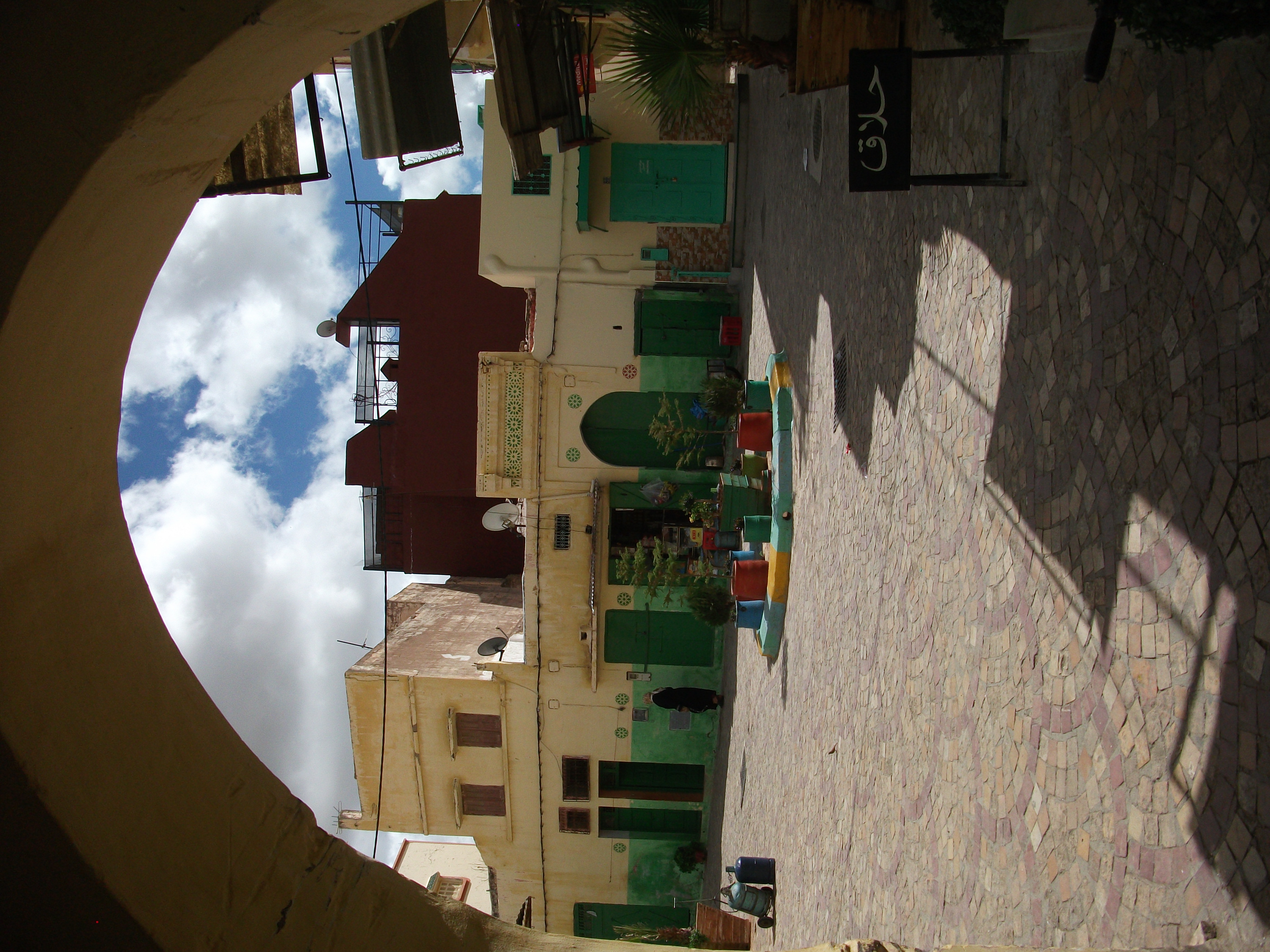
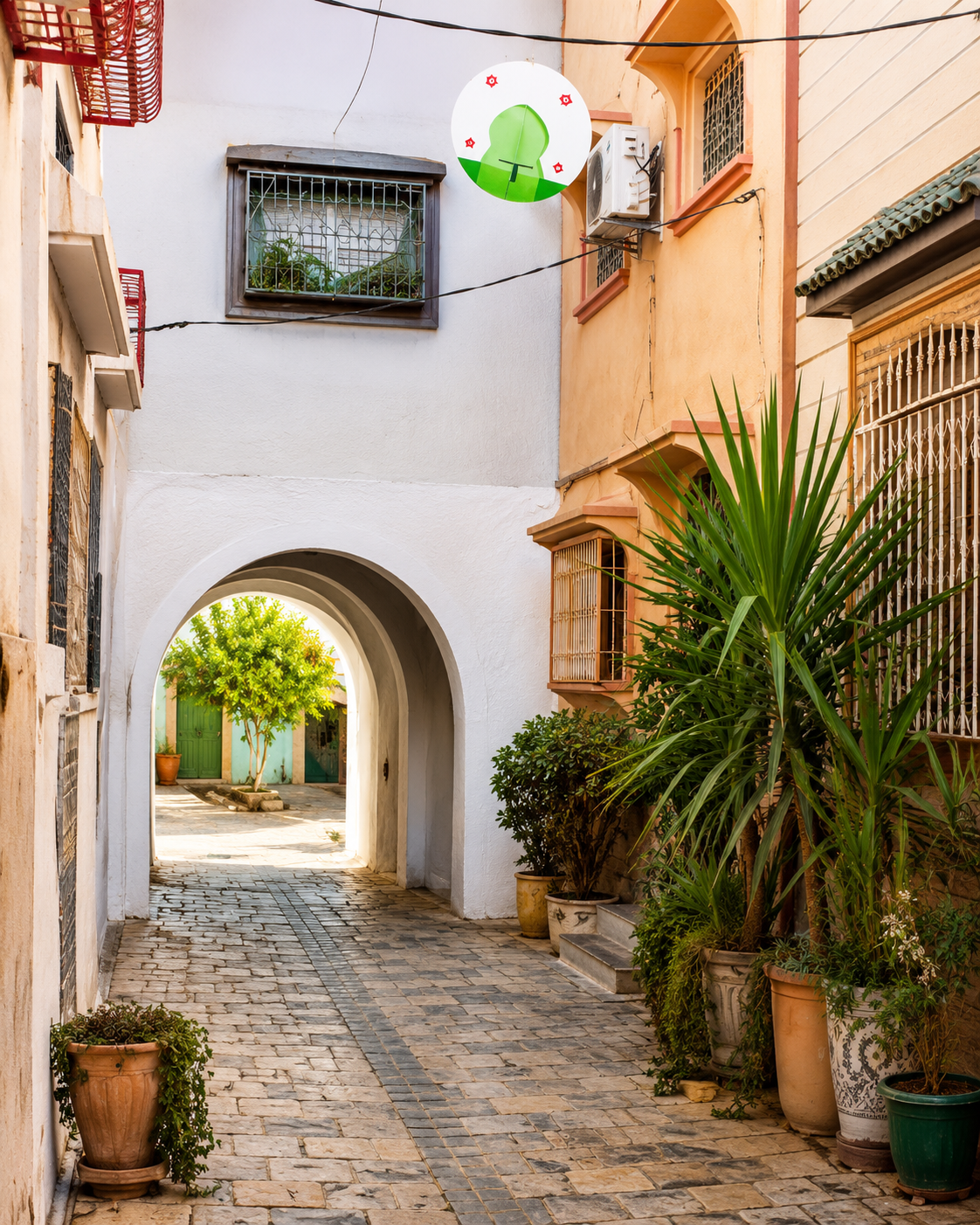
Arch opening onto a courtyard with green doors and plants in Boujaad medina
Layer 1

Courtyards and thresholds

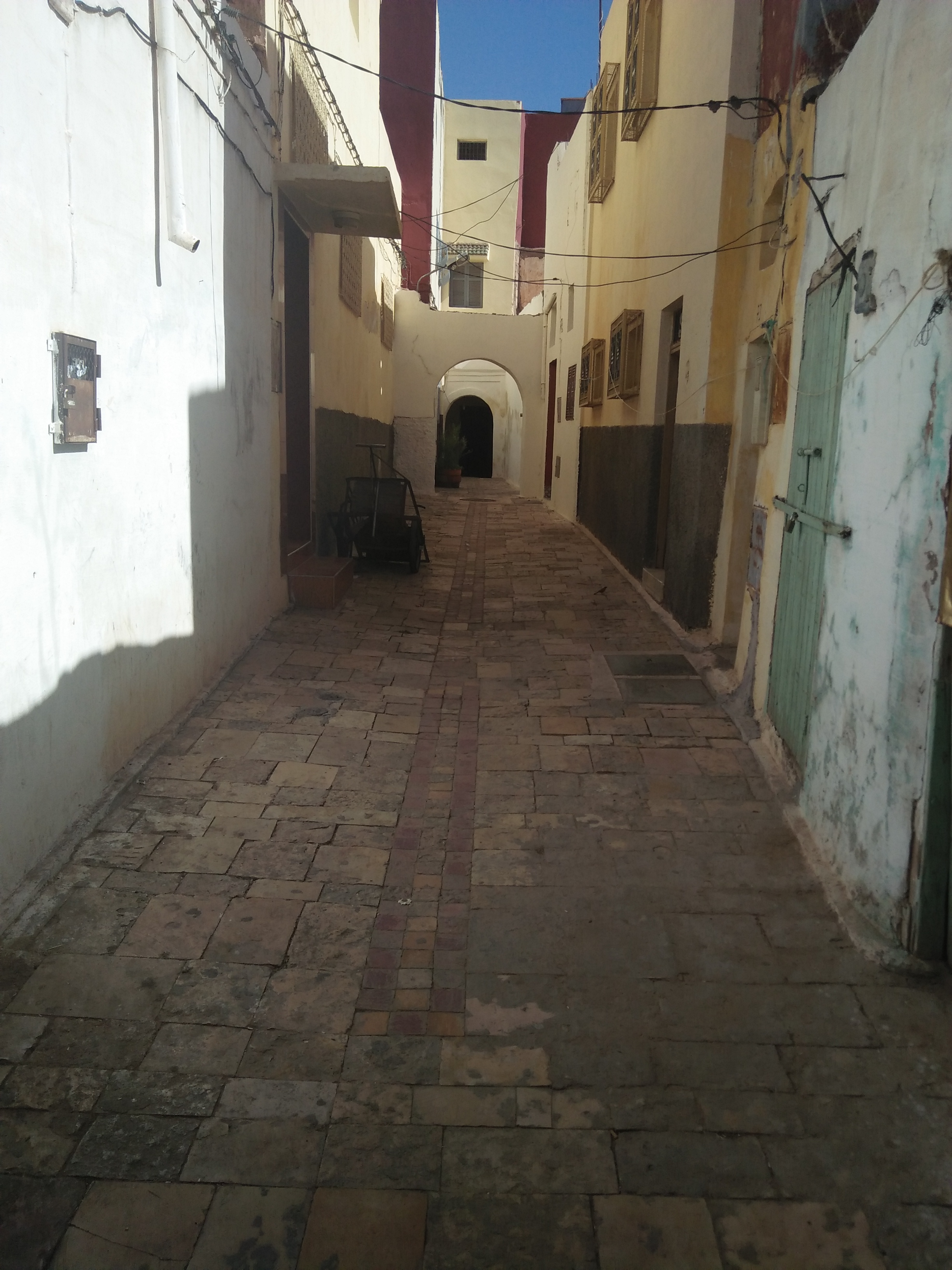
Arched passages and intimate courtyards give the medina its human scale. The Cherkaouia zaouia is its historical spiritual reference; religious and residential entrances both require respect for privacy and access.

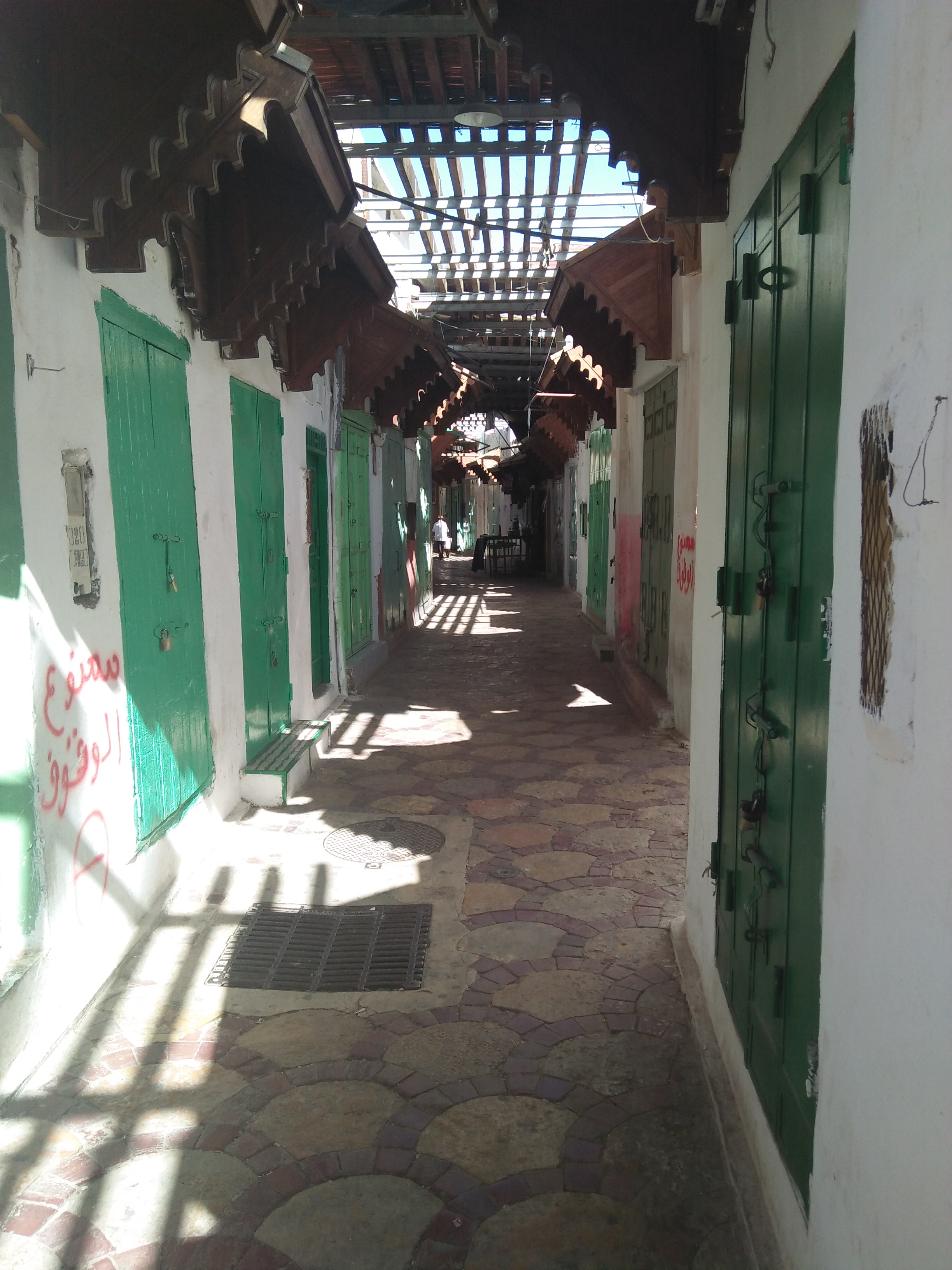
Covered market passage with green shop doors in Bejaad medina
Layer 2

Old-town memory

The older quarters around the zaouia are residential and local before they are touristic. Walk gently, avoid intrusive photography and let small details build the story.

Horse riders in ceremonial dress at the Bouabid Cherki moussem
Layer 3

Moussem and exchange

The annual Bouabid Cherki moussem brings remembrance, family return, commerce and ceremonial riding together. Beyond the festival, Boujaad's textile reputation remains an important part of its material culture.

Landmarks & orientation

Read Bejaad through six real reference points

No single stop explains Bejaad. These reference points help visitors understand the town through sacred memory, old streets, gathering places, craft exchange and the surrounding Tadla route.

1
Zaouia Cherkaouia

The spiritual and educational heart of Bejaad, historically linked to Sidi Bouabid Cherki and the Cherkaouia tradition.

2
Darih of Sidi Bouabid Cherki

A central place of memory for the town. Access and photography should be treated with religious respect and local guidance.

3
Old medina lanes

The older streets around the zaouia carry the town's residential, devotional and craft atmosphere more quietly than formal monuments do.

4
Rjals Al Miaad memory

Local accounts associate these cupolas and funerary references with the wider Cherkaoua family memory. Ask locally before visiting or photographing.

5
Weekly souk and craft trade

Market activity connects Bejaad to weaving, local products, household objects and the practical economy around moussem and regional exchange.

6
Tadla route context

The road setting toward Khouribga, Kasba Tadla, Beni Mellal and Khenifra explains why Bejaad belongs to a wider inland itinerary.

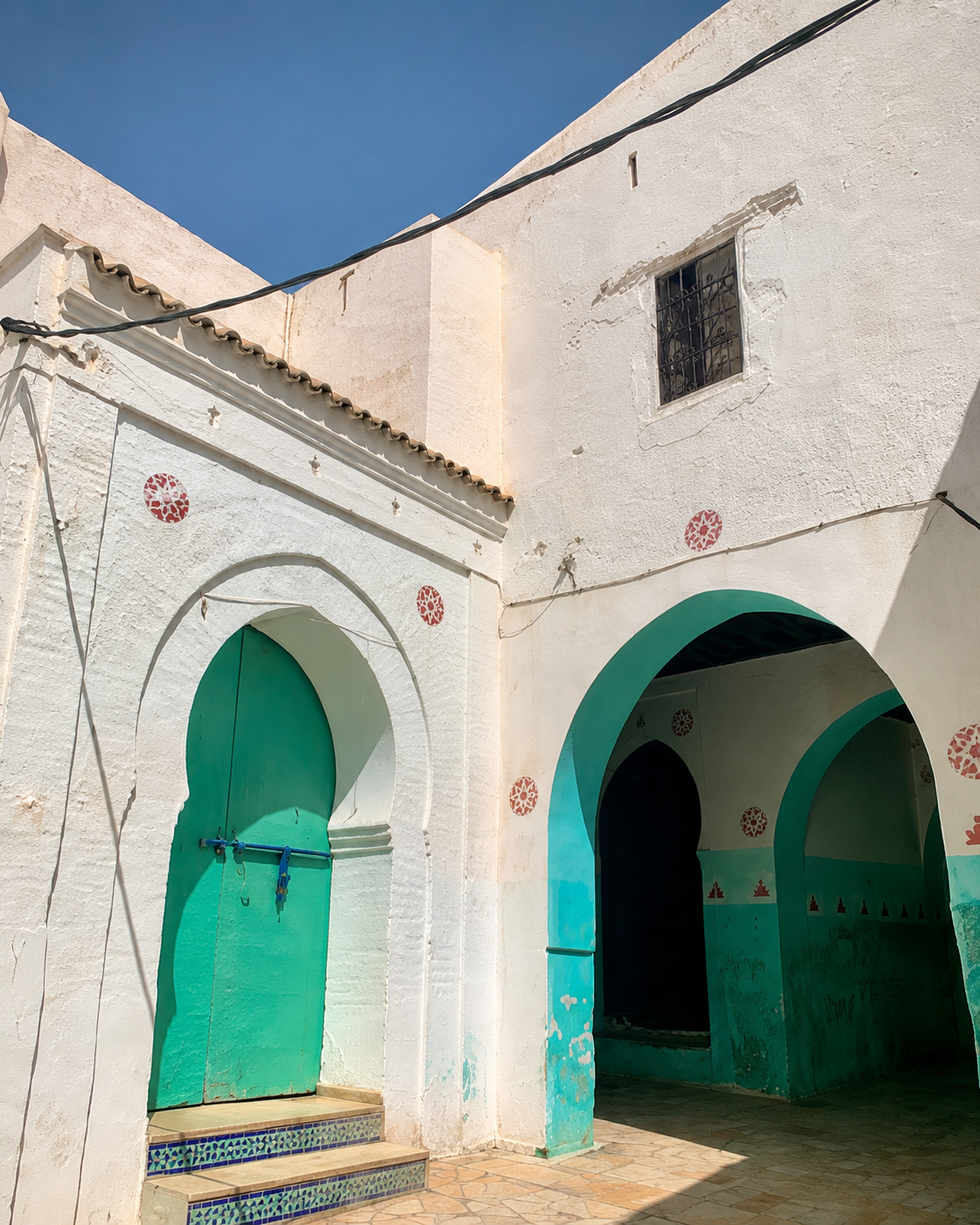
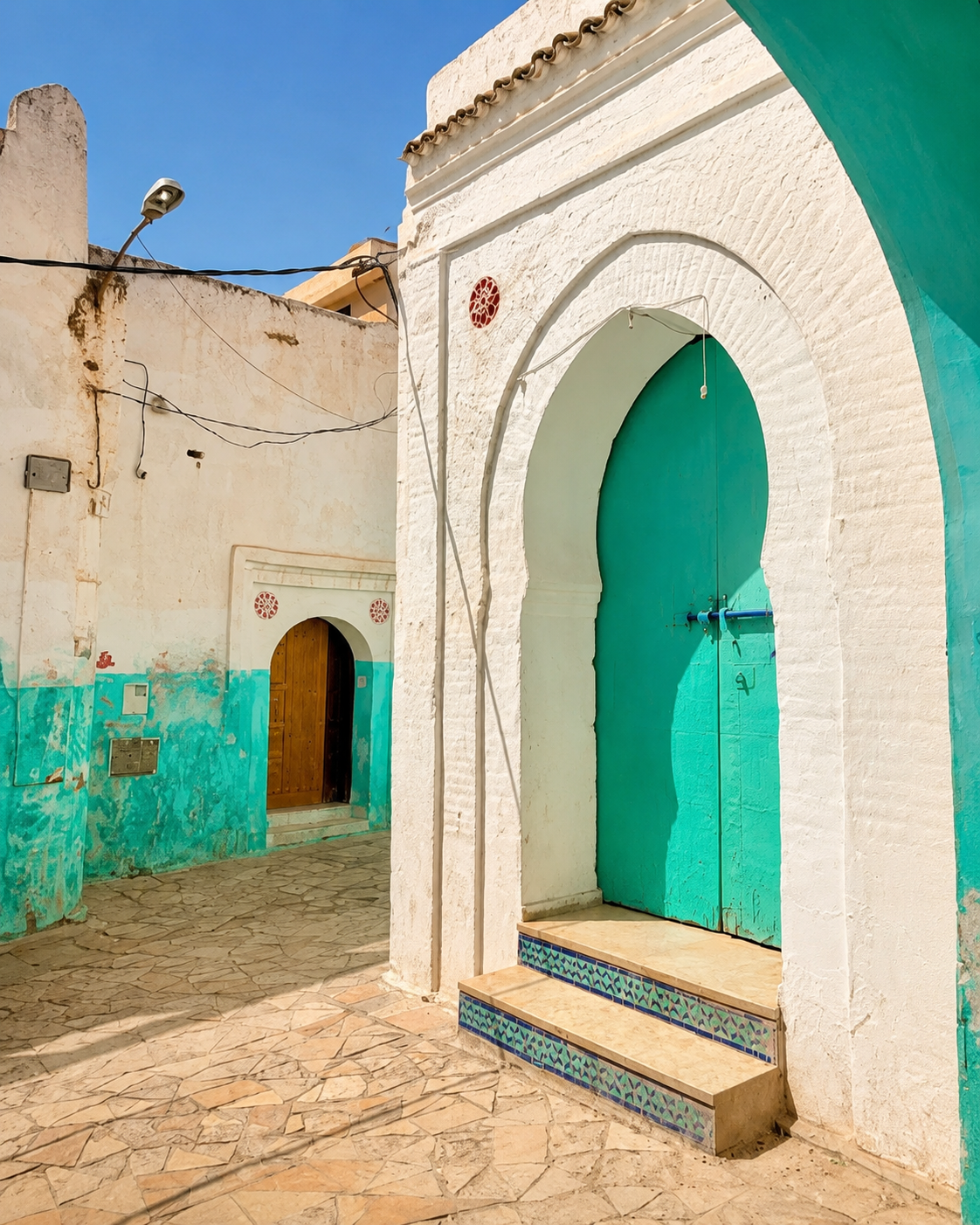
White facade with two green arched entrances and tiled thresholds
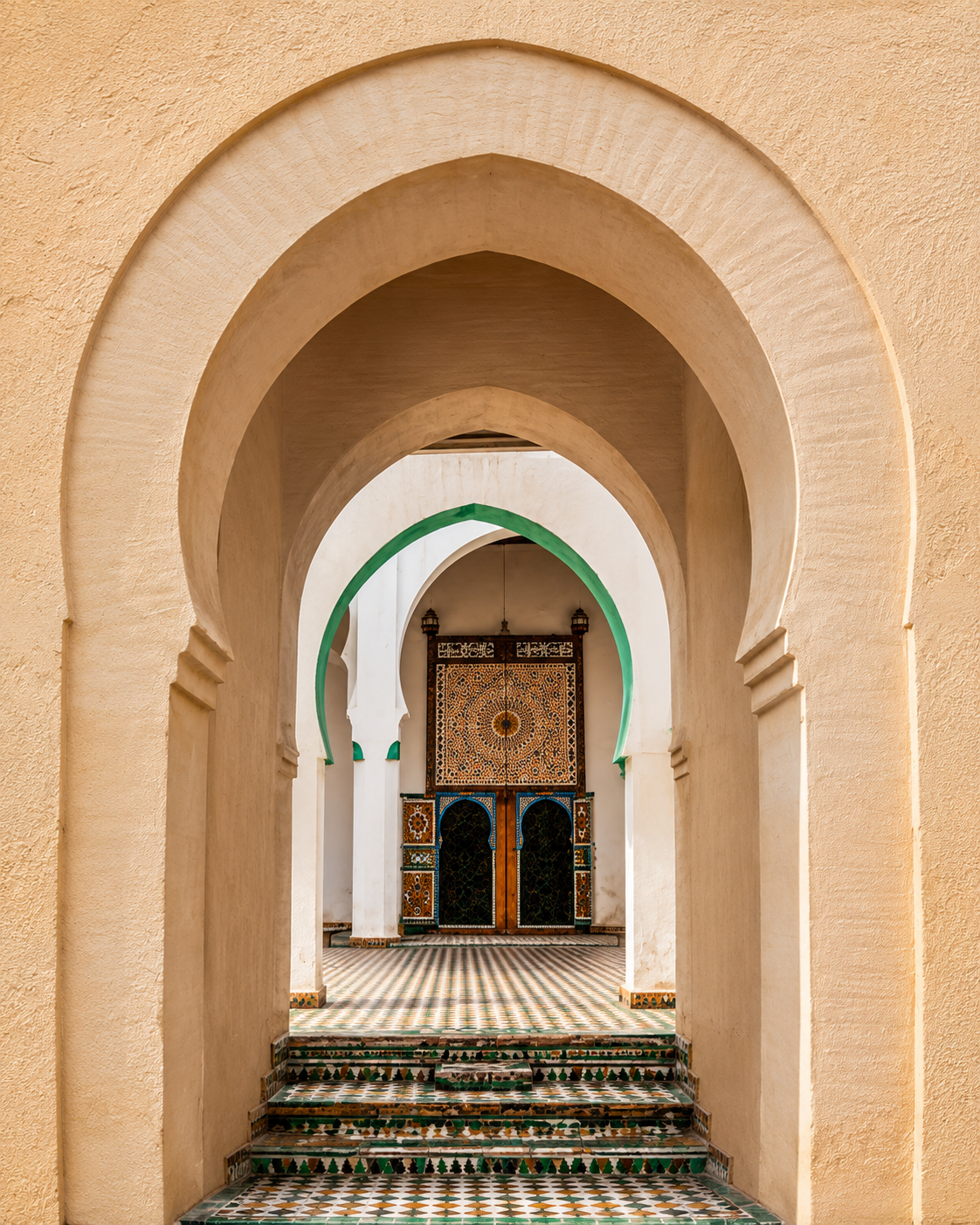
Receding decorated arches, tiled walls and a green doorway

A zaouia became a town

Arches, thresholds and spiritual memory

Bejaad's strongest identity comes from the Cherkaouia zaouia. Historical accounts describe it as a centre of religious learning, Sufi practice, social mediation and regional influence. That is why the town should not be reduced to a quick craft stop: its textile reputation, moussem and old medina all sit around a deeper spiritual memory.

  • The zaouia is historically linked to teaching, devotion and the Cherkaouia network.
  • The moussem keeps family return, religious remembrance and local commerce connected.
  • Visitors should ask before photographing sacred or residential spaces and avoid treating worship areas as decorative backdrops.

Architectural reading

Three visual languages to notice

Zaouia thresholds

Bejaad's sacred architecture is best approached through thresholds: entrance, courtyard, prayer space, mausoleum memory and the respectful boundary between visitor curiosity and living devotion.

Medina fabric

The old town speaks in smaller measures: narrow lanes, plain walls, doors, shade, turns, domestic scale and the lived texture of a place that was not built primarily for tourism.

Craft surfaces

Woven colour, market displays, zellige, carved wood and household objects bring beauty into daily use. In Bejaad, material culture is part of how memory stays visible.

Visual atmosphere

Colour, thresholds and quiet transitions

Nearby highlights

Nearby towns and landscape

Bejaad fits naturally into an inland route through Khouribga province, Tadla and the Beni Mellal-Khenifra region. Treat nearby stops as context rather than as interchangeable attractions: each one changes the tone of the journey.

Kasba Tadla

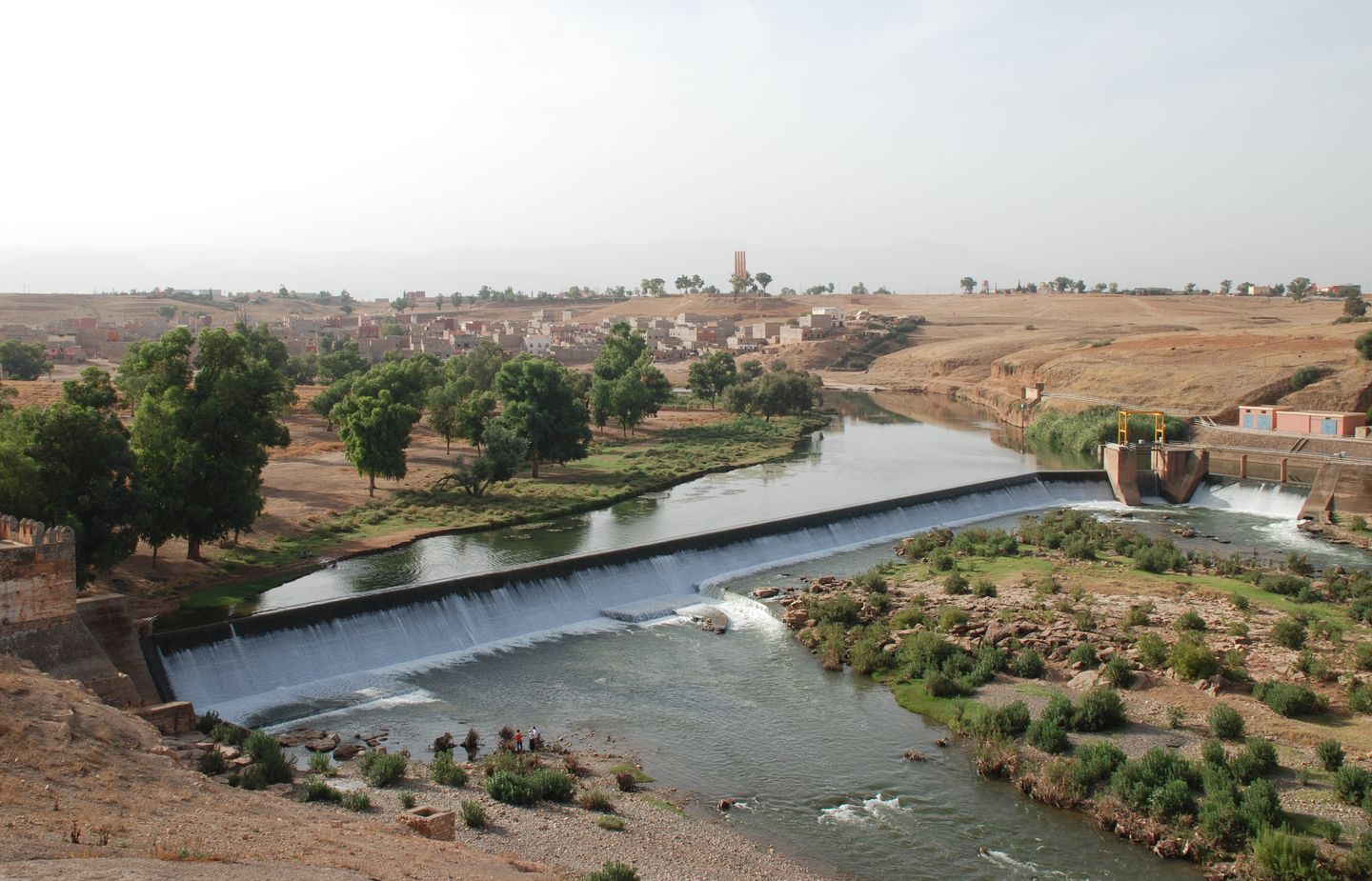
A useful historic and route reference on the Tadla plain, associated with the Oum Er-Rbia corridor and the inland movement between central Moroccan towns.

Oum Er-Rbia river and green banks at Kasba Tadla

Khouribga

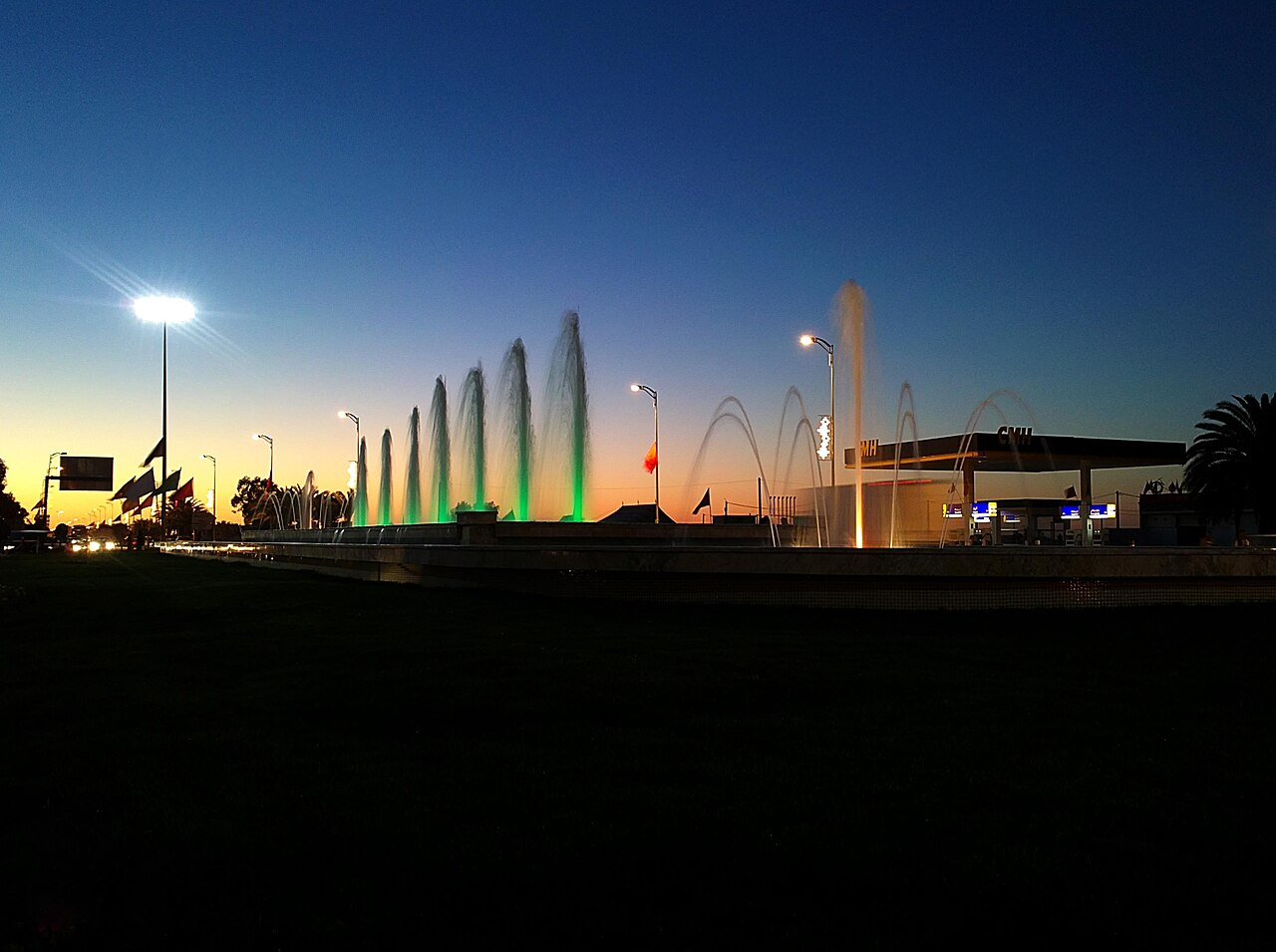
The provincial anchor gives practical context to Bejaad and the wider phosphate region. It is more useful for orientation than for a conventional postcard-style itinerary.

Large fountain and city surroundings in Khouribga

Beni Mellal and Ain Asserdoun

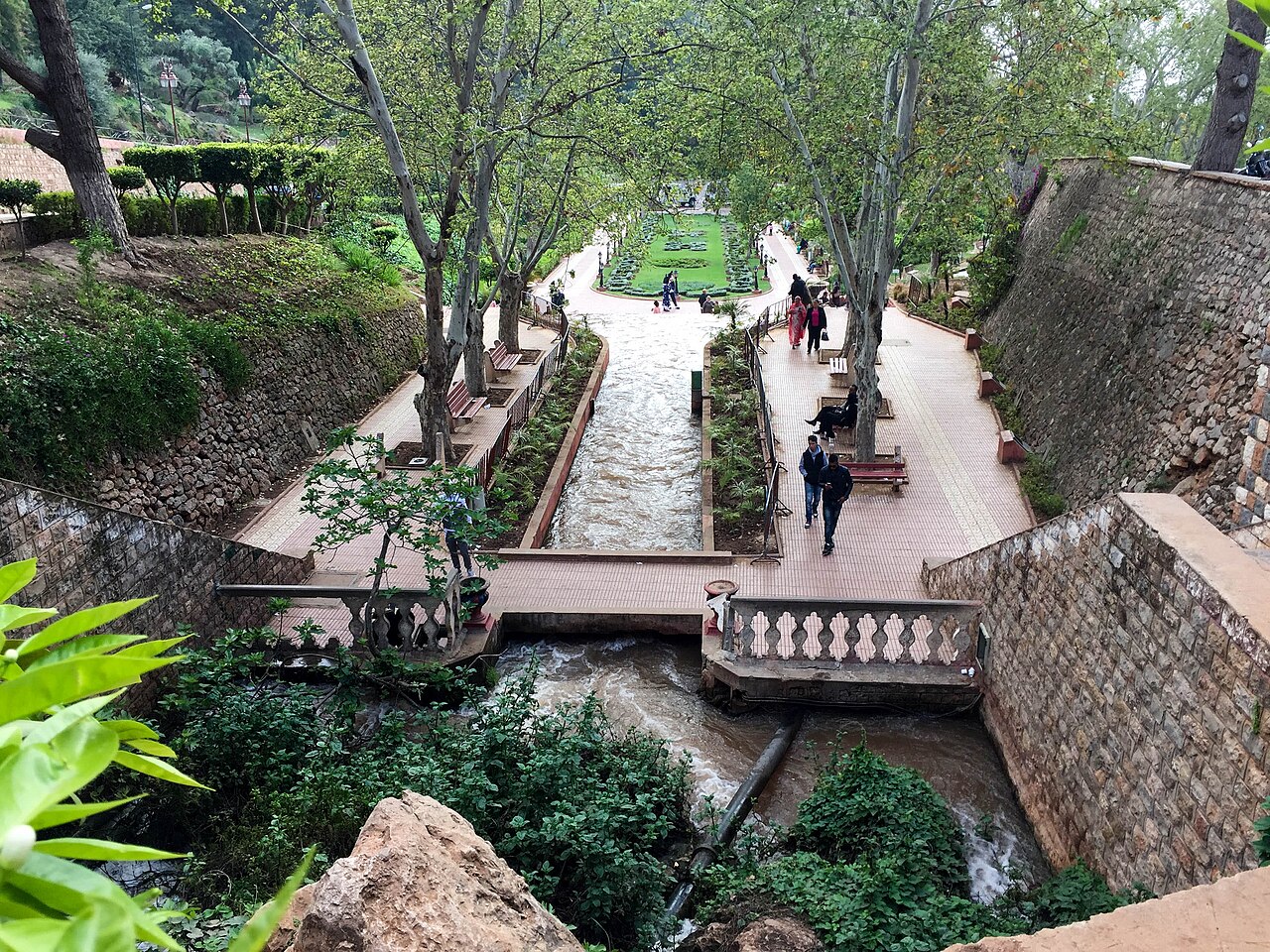
Continue toward Beni Mellal for the gardens and water channels of Ain Asserdoun. The spring and hillside setting offer a change of pace from Bejaad's medina, with the Tadla plain and mountain routes forming the wider regional context.

Ain Asserdoun gardens and water channels in Beni Mellal, seen from above
Travel note: opening hours, religious access, moussem dates, transport conditions and local visitor arrangements can change. Check current official or trusted local information before travelling. Image credits.

Practical orientation

How to experience Bejaad well

  • Begin around the Cherkaouia zaouia and old medina, but ask locally about access and respectful conduct.
  • Do not expect a polished mass-tourism circuit; Bejaad rewards context, patience and good manners.
  • Take rug and textile culture seriously: ask about origin, materials, age, repair and whether a piece is truly Boujaad work.
  • Avoid intrusive photography during prayer times, moussem activity, private lanes or family spaces.
  • Place Bejaad within a wider inland route linking Khouribga, Kasba Tadla, Beni Mellal and the Tadla plain.

A strong first visit

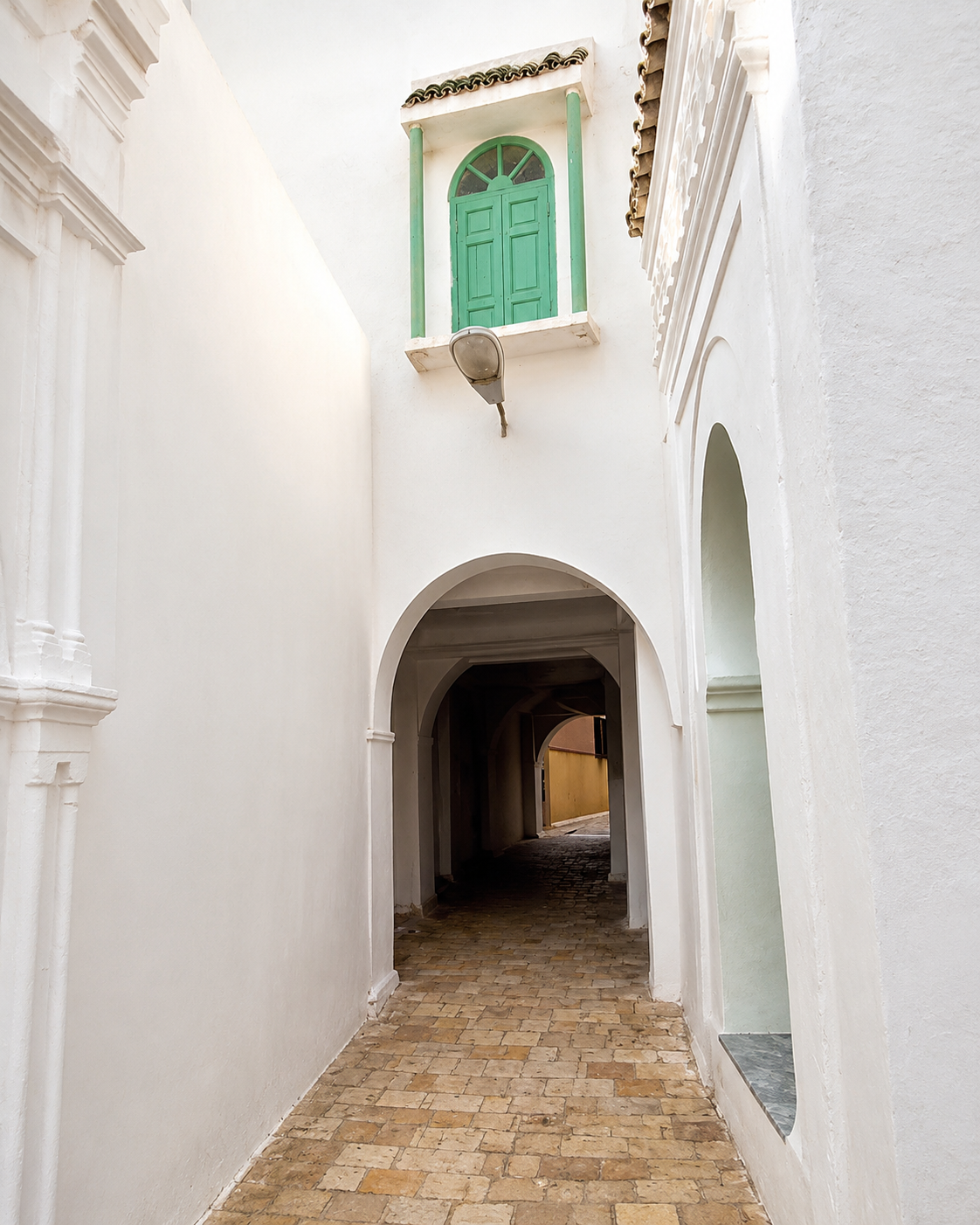
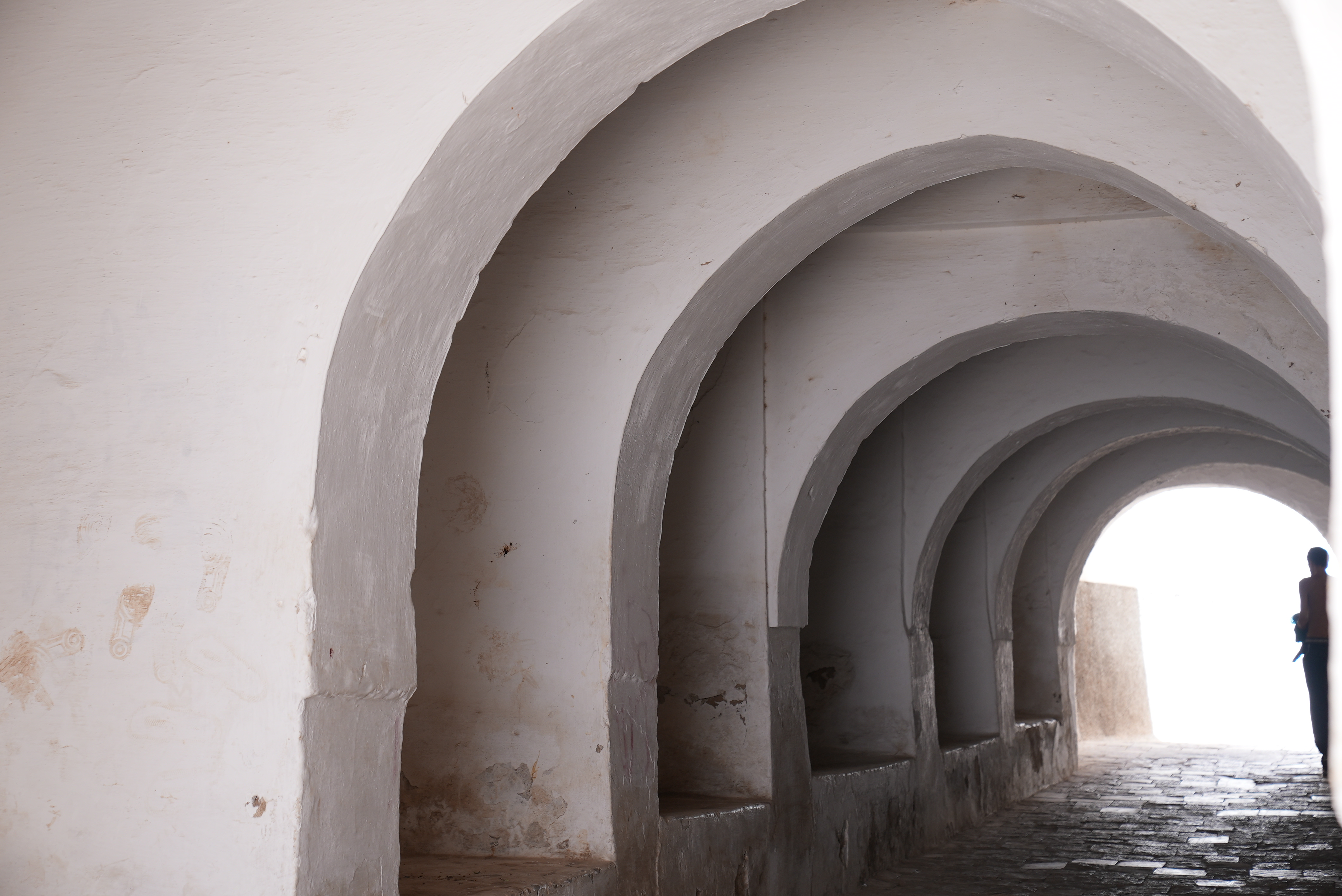
Vaulted white passage opening onto daylight in Derb Arbaoua, Bejaad

Start with the zaouia area and old medina, then read the town through craft, market life and the surrounding Tadla plain. Bejaad works best as an attentive cultural stop rather than a rushed detour.

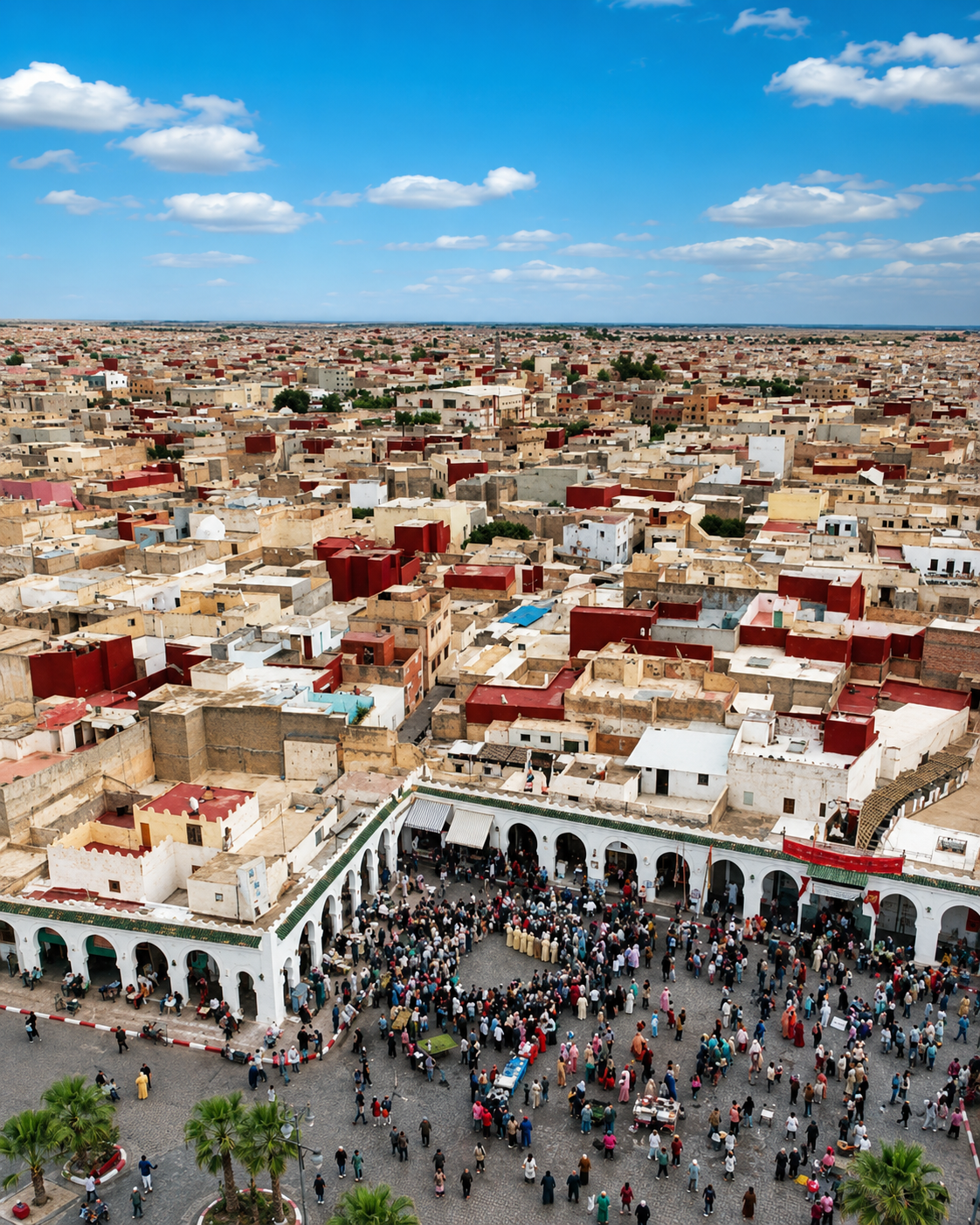
Supplied aerial view of a town square and surrounding Bejaad-Boujaad rooftops

Go deeper with Exotic Morocco

Bejaad - Editorial City Notes

Use this guide page as a first orientation to the town's Cherkaouia heritage, medina memory, craft culture, practical etiquette and wider Tadla-region context. For broader Morocco publications, continue through the Exotic Morocco guide shop.

✓ Spiritual context✓ Real reference points ✓ Craft & textile culture✓ Medina etiquette ✓ Practical travel guidance✓ Nearby route context

Continue the journey

Continue the journey through Bejaad

Move from zaouia to old medina, from woven colour to local market life, and from the Tadla plain toward the wider Beni Mellal-Khenifra region.