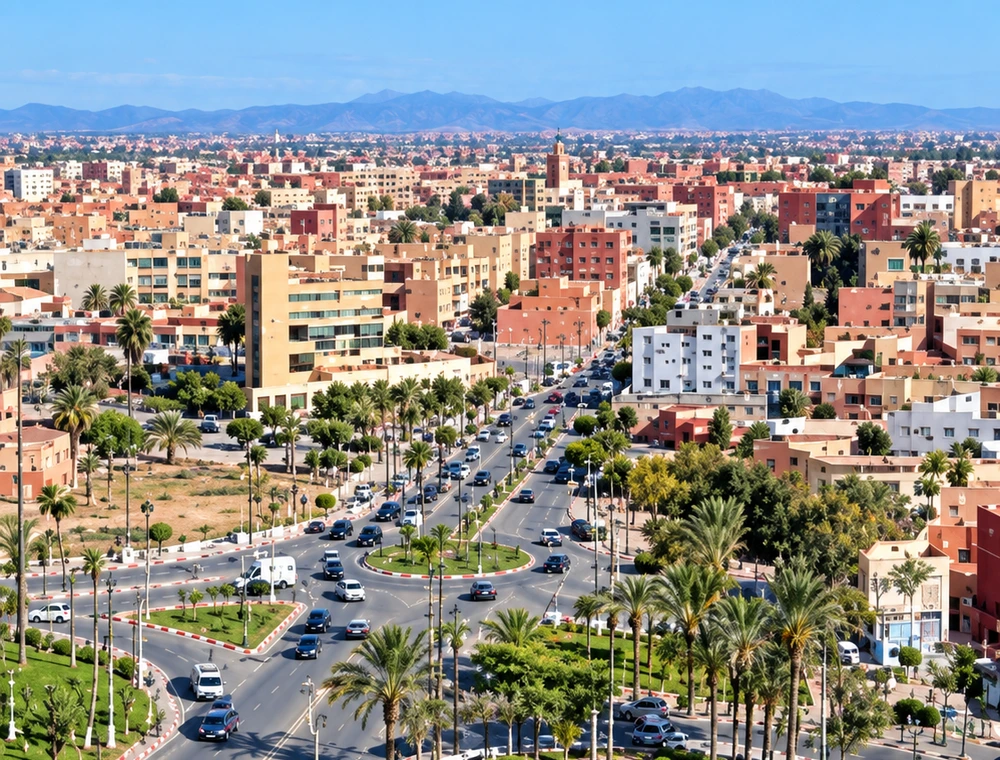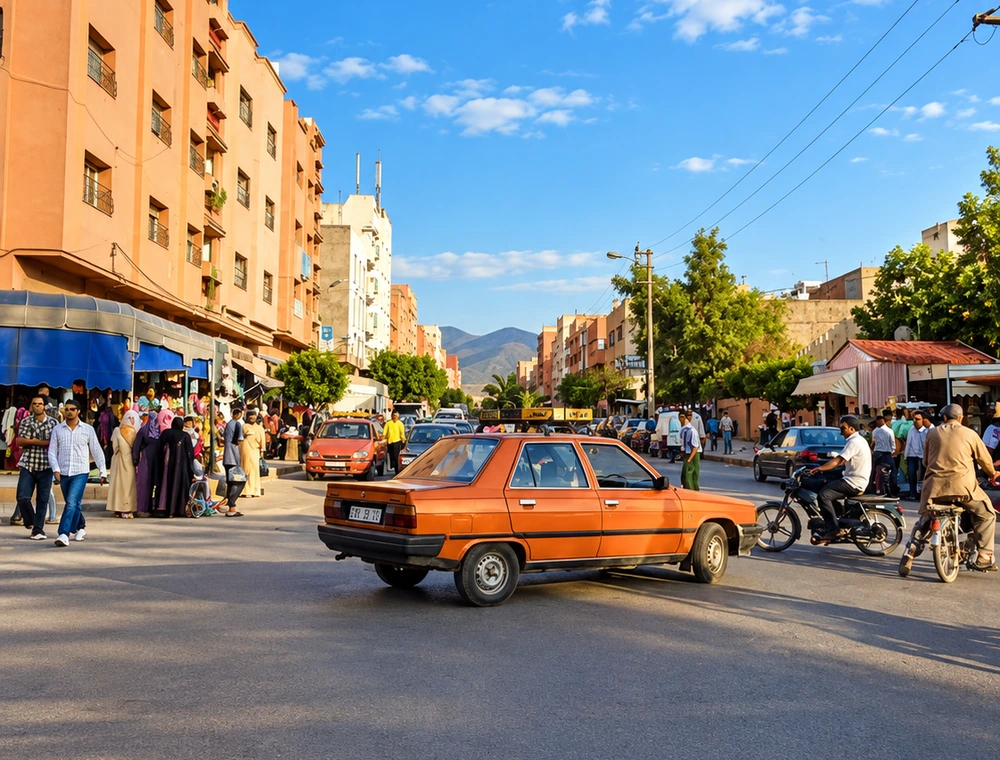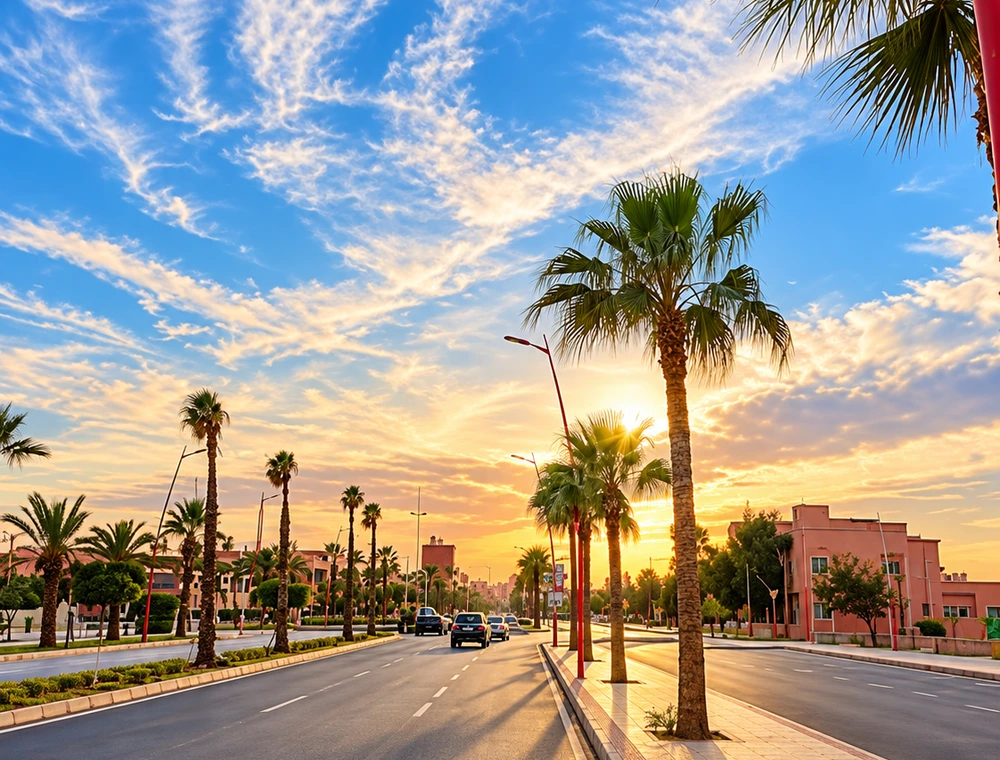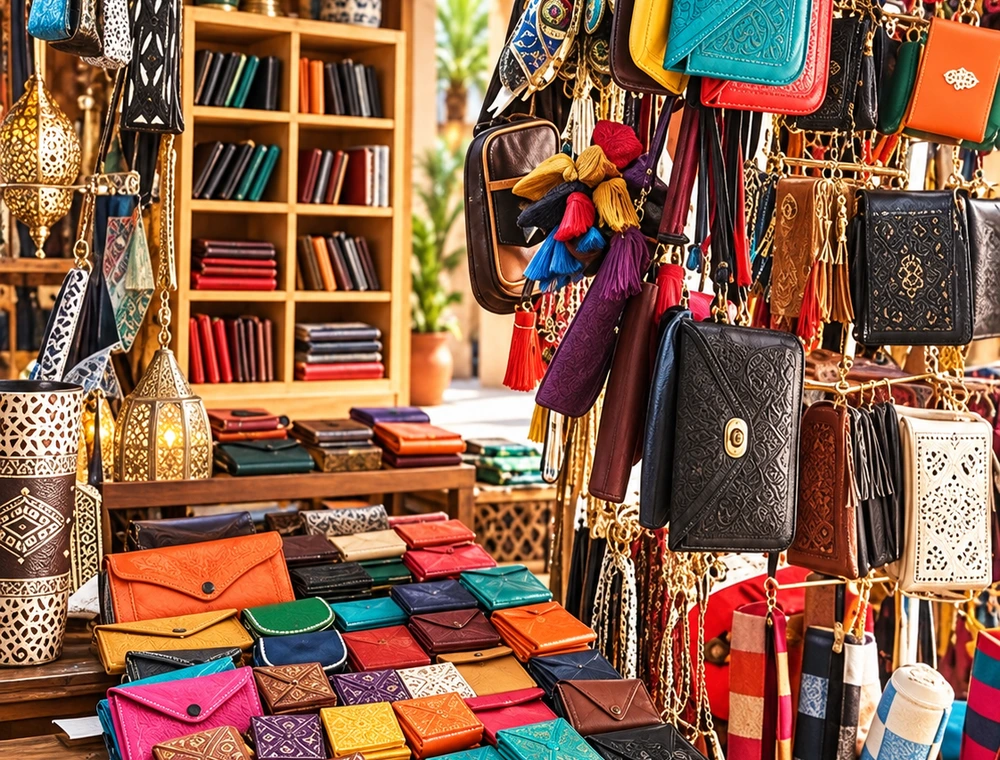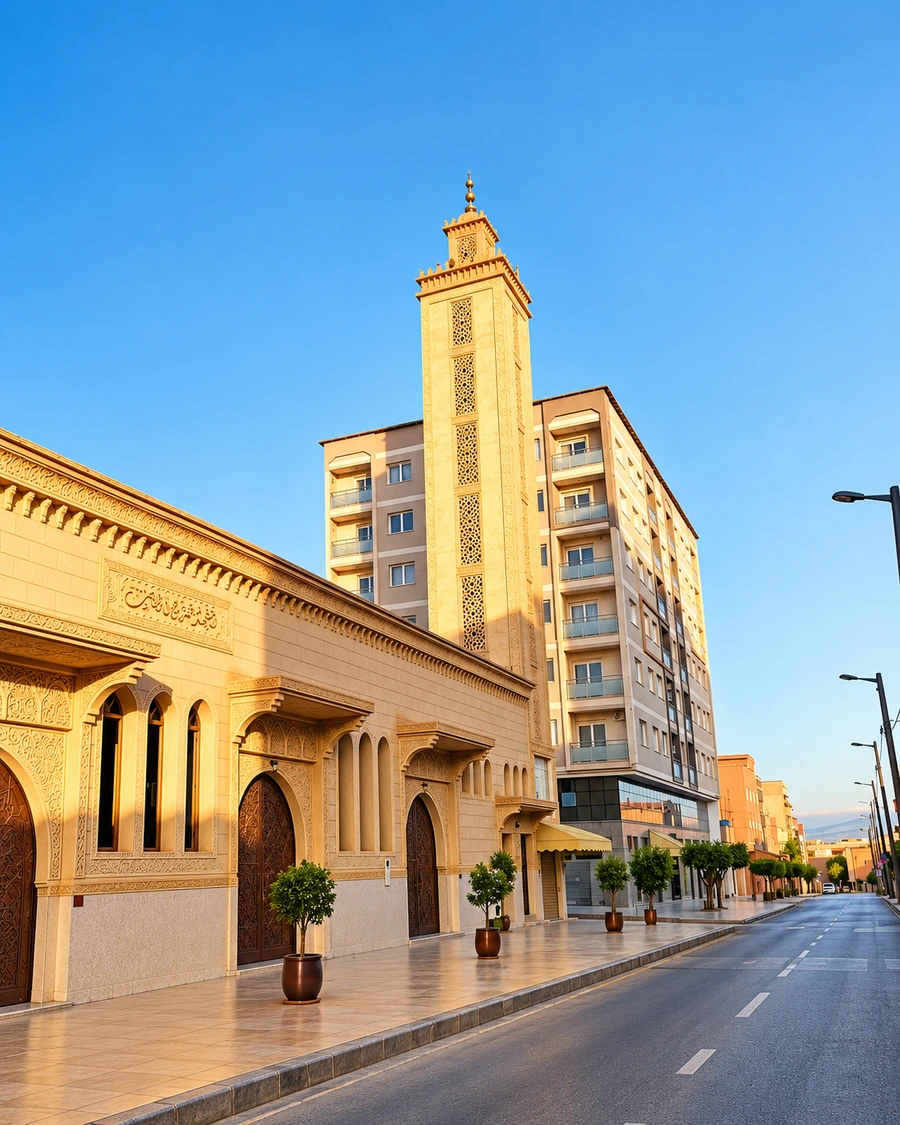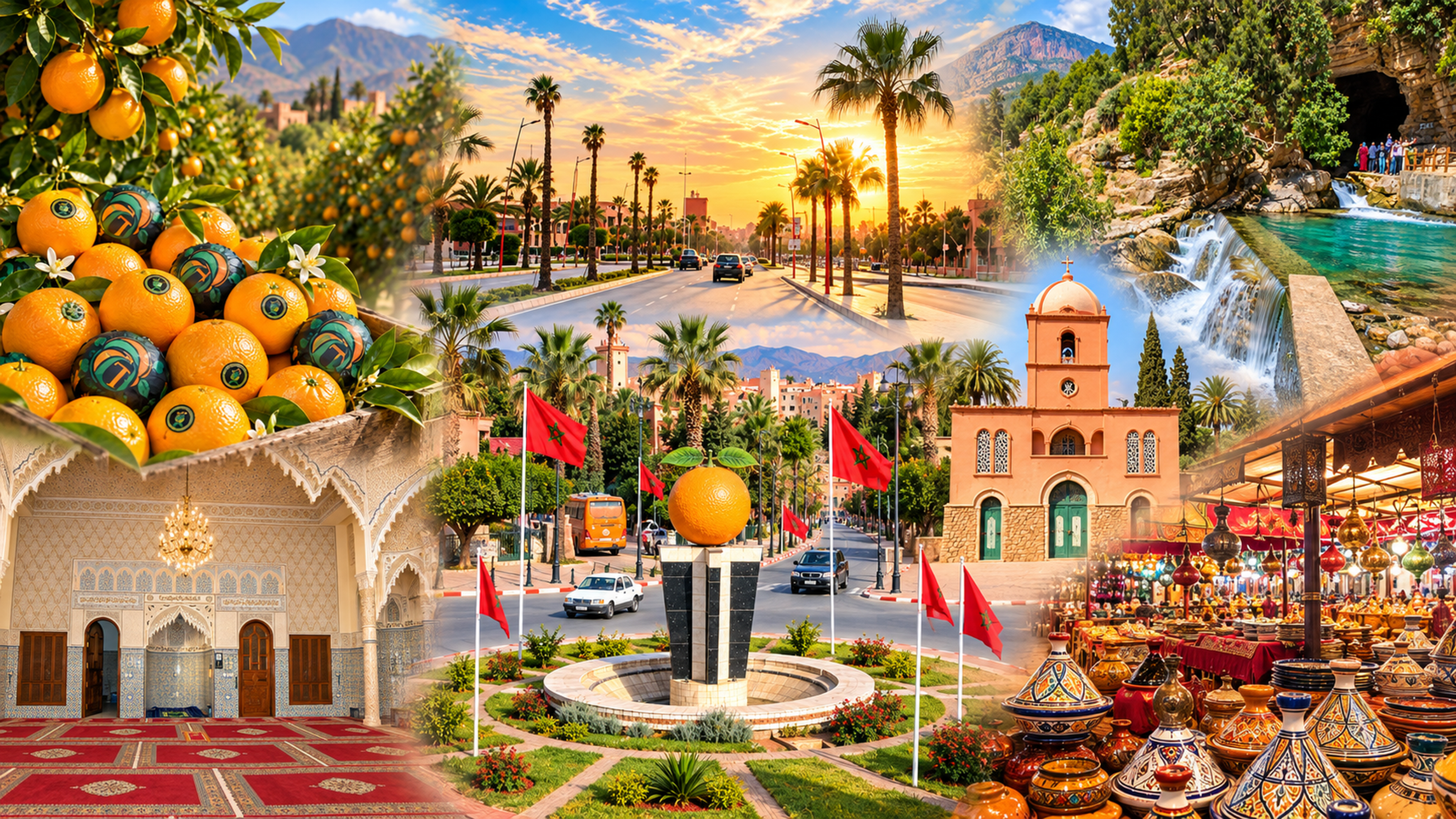
Berkane citrus groves, city centre and Beni Snassen landscape

Citrus City of Oriental Morocco

Berkane Citrus, Beni Snassen landscapes and a grounded eastern rhythm

Berkane is read through oranges, market streets, civic boulevards, nearby mountain valleys and the Mediterranean horizon beyond Saidia. It is not an imperial showpiece; it is a practical, generous city whose identity comes from agriculture, movement and the landscapes around it.

Why Berkane matters

Where the citrus plain meets the Beni Snassen

Berkane is one of eastern Morocco’s most recognisable city names because the surrounding plain is closely associated with citrus, especially the clementine. The city’s identity is therefore practical and territorial: orchards, markets, transport routes and local services connect the urban centre to the countryside around it.

Its position gives visitors more than one reading. In a short radius, Berkane shifts from city streets to the Beni Snassen foothills, from Zegzel valley landscapes to the Mediterranean coast at Saidia. The result is a useful base for understanding the Oriental region at human scale.
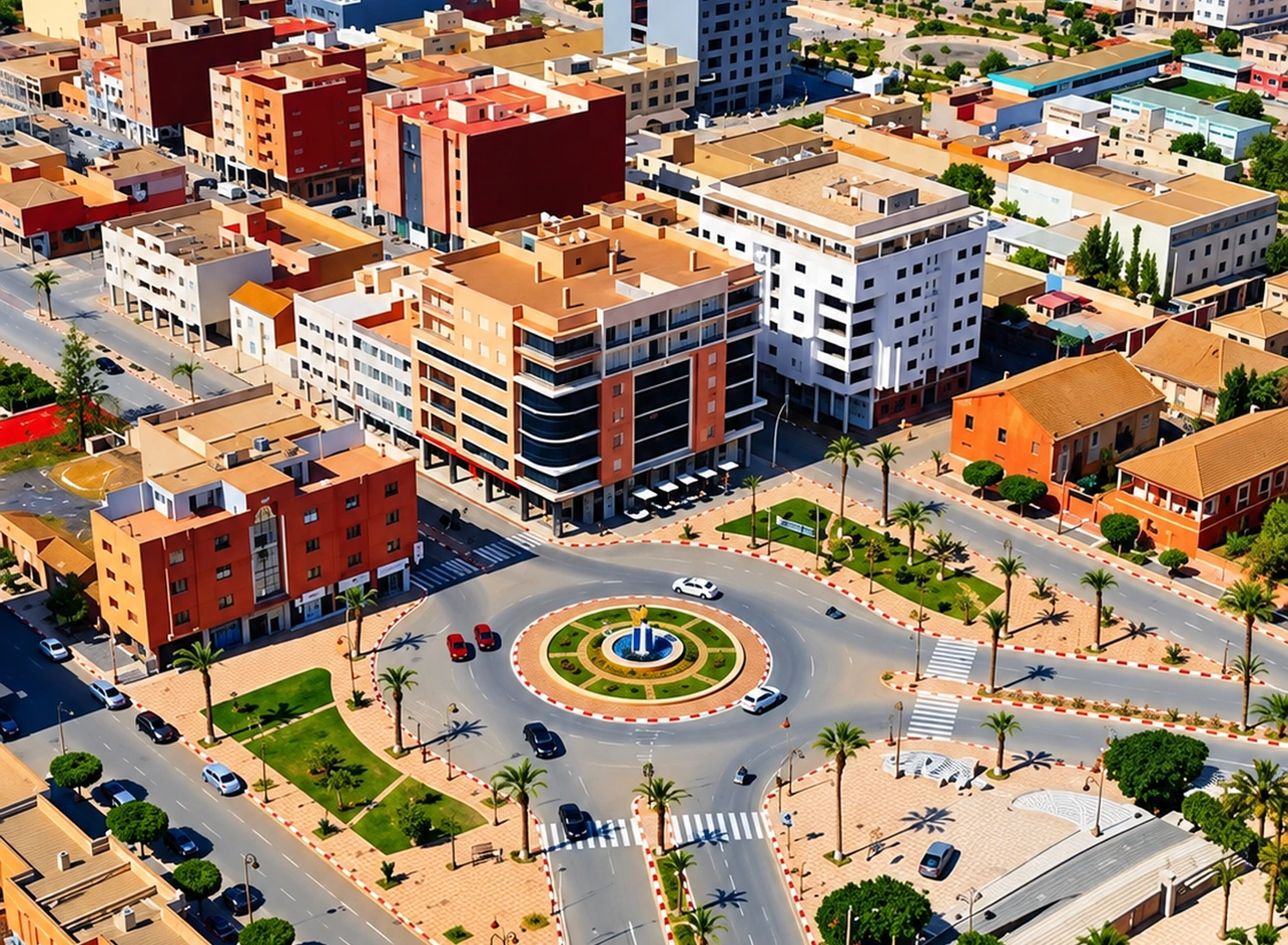
Aerial view of Berkane city centre

A city of plain, road and mountain edge

Berkane works best when seen as a city connected to orchards, valleys, coast roads and the wider Oriental region.

EXPLORE

Berkane

Historical orientation

From mountain territory to citrus city

Berkane’s story is not built around one monumental dynasty. It is better understood through territory: the Beni Snassen mountains, long regional movement, agricultural development on the Triffa plain, and a modern city that became closely tied to citrus production and eastern Morocco’s road network.

01Deep time

Tafoughalt context

The wider Beni Snassen area includes important prehistoric landscapes, especially around Tafoughalt, showing that this mountain edge has been inhabited and crossed for a very long time.

02Regional routes

Beni Snassen setting

Mountain paths, valleys and plains shaped movement between inland settlements, agricultural zones and the Mediterranean edge before the modern city expanded.

0320th century

Urban and agricultural growth

Berkane’s modern identity strengthened around services, trade, irrigated agriculture and the citrus economy that made the city name familiar across Morocco.

04Today

Oriental gateway

The city now works as a base for market life, orchard country, Beni Snassen landscapes, Zegzel and Tafoughalt, with Saidia and the Mediterranean within easy reach.

A visual bridge

Three glimpses between plain, mountain and market

These images connect Berkane’s clearest identities: citrus culture, the Beni Snassen edge and the everyday produce markets that keep the city tied to its agricultural surroundings.

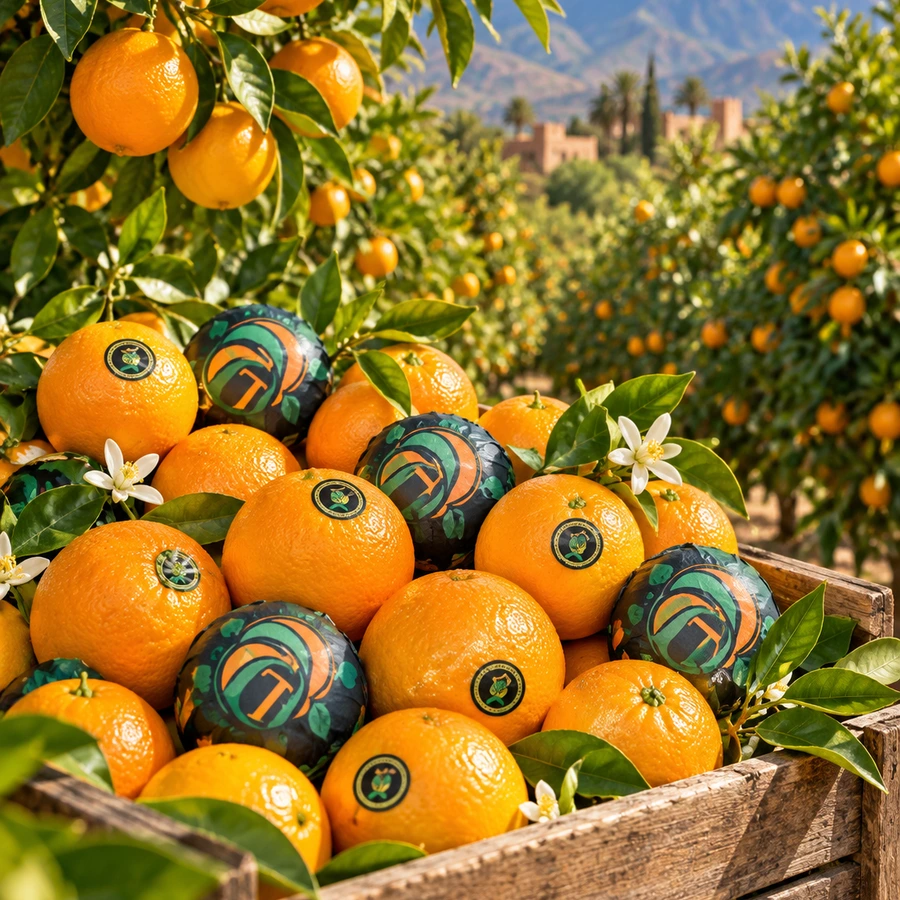
Berkane citrus and clementines

Citrus identity

Oranges and clementines are not decoration here; they are central to how Berkane is known.

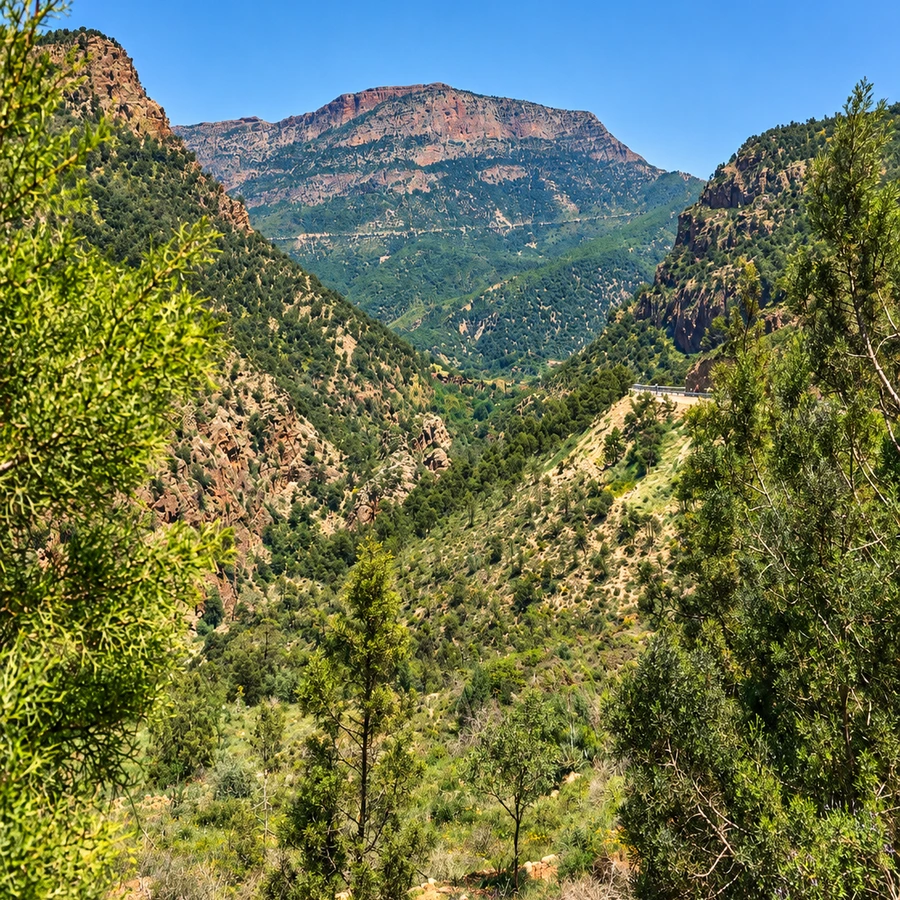
Beni Snassen mountain landscape near Berkane

Mountain edge

The Beni Snassen landscape gives the city its nearby relief, valleys and outdoor context.

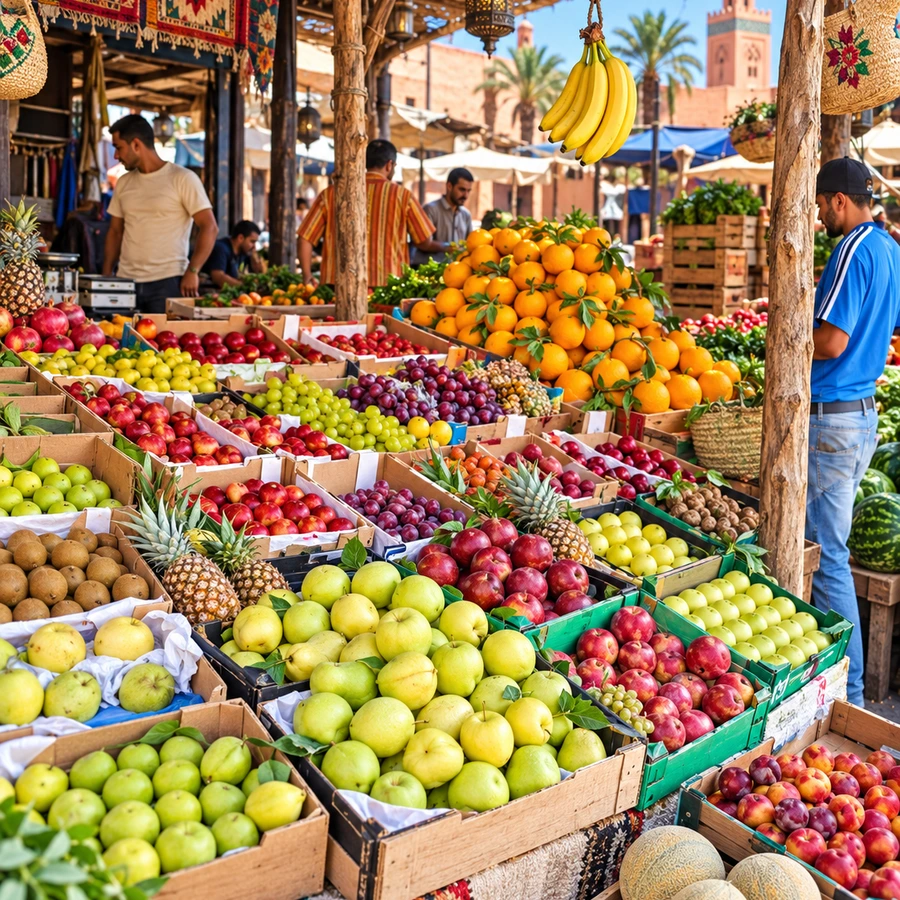
Berkane produce market with fruit and vegetables

Market abundance

Local produce, daily buying and practical trade keep Berkane’s agricultural identity visible.

Berkane at a glance

Citrus capital identity

Berkane is strongly associated with citrus, especially clementines and oranges from the surrounding agricultural plain. This gives the city a clear economic and visual identity.

Beni Snassen foothills

The nearby mountains and valleys frame Berkane as more than an urban stop. Zegzel, Tafoughalt and the surrounding countryside are part of how the city is understood.

Oriental Morocco base

The city sits in the Oriental region, within reach of Oujda, the Mediterranean coast and inland landscapes. It works well as a practical base for short regional extensions.

City of everyday rhythm

Berkane’s value lies in markets, boulevards, local services, cafés, agriculture and nearby nature, not in pretending to be an imperial museum city.

A clearer reading of the city

A city shaped by produce, roads and regional landscape

To understand Berkane, read the city and its surroundings together. The centre, the market, the citrus plain, nearby valleys and the Mediterranean road all explain different parts of the same place.

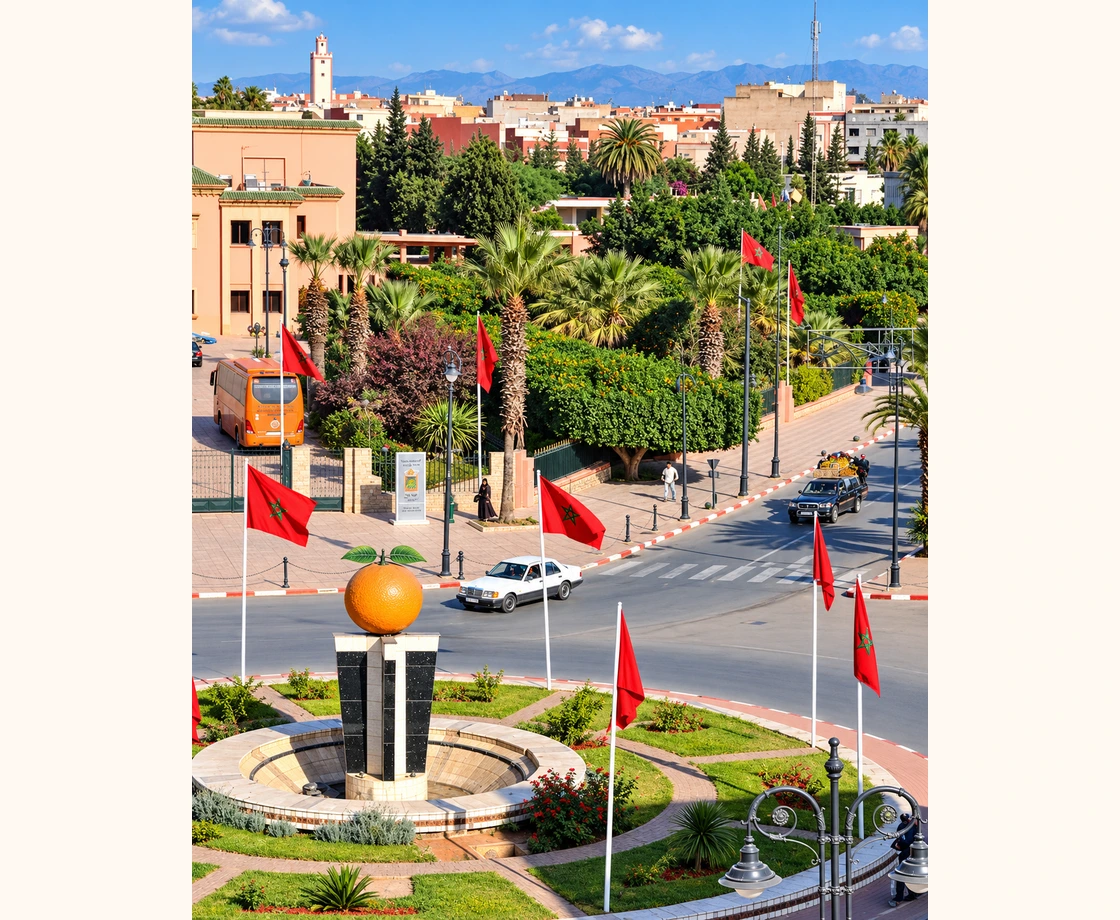
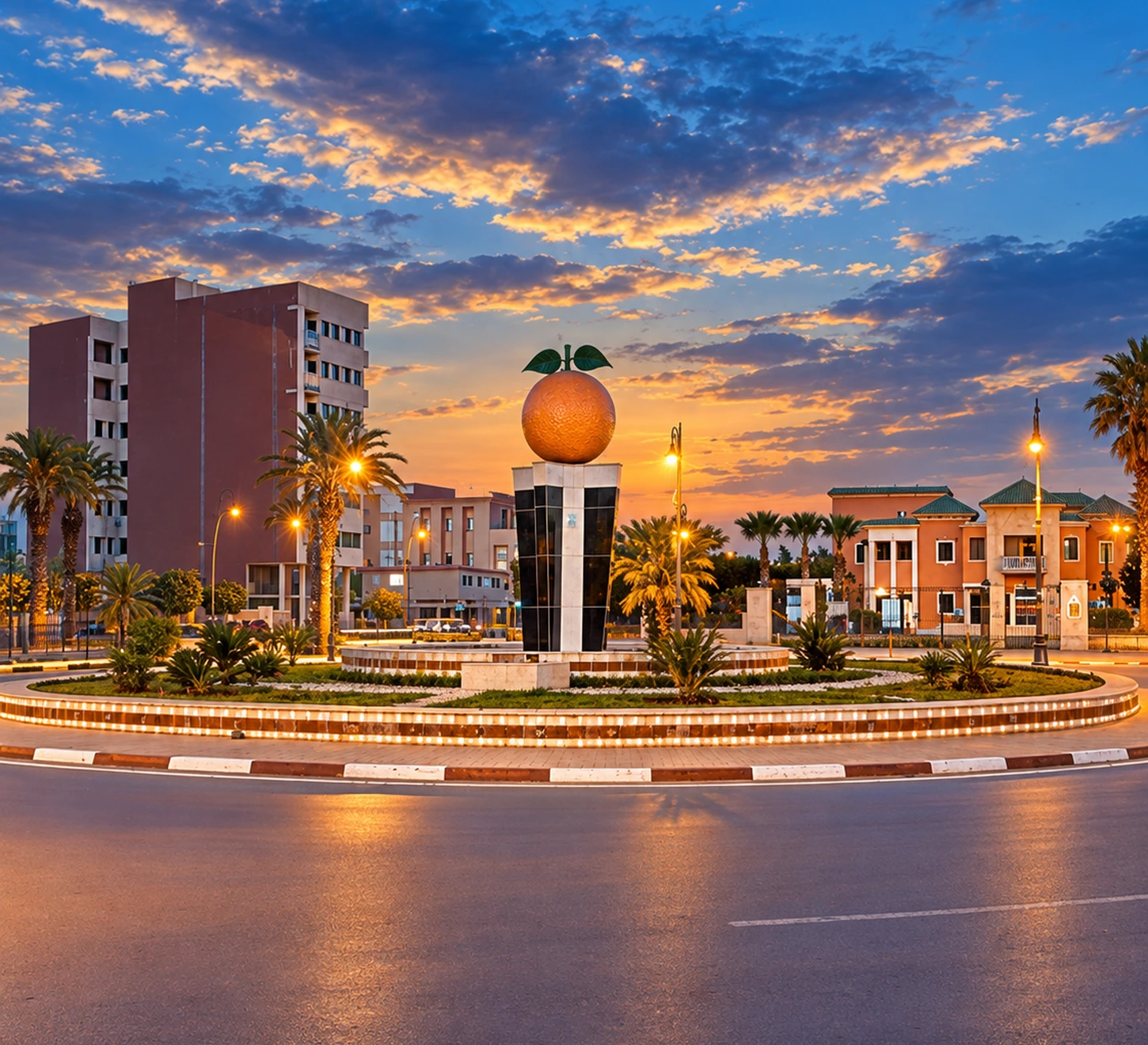
Berkane city centre and orange monument
Layer 1

Urban centre

Boulevards, civic buildings, roundabouts and local traffic show a city that functions as a service centre for a wider agricultural region.

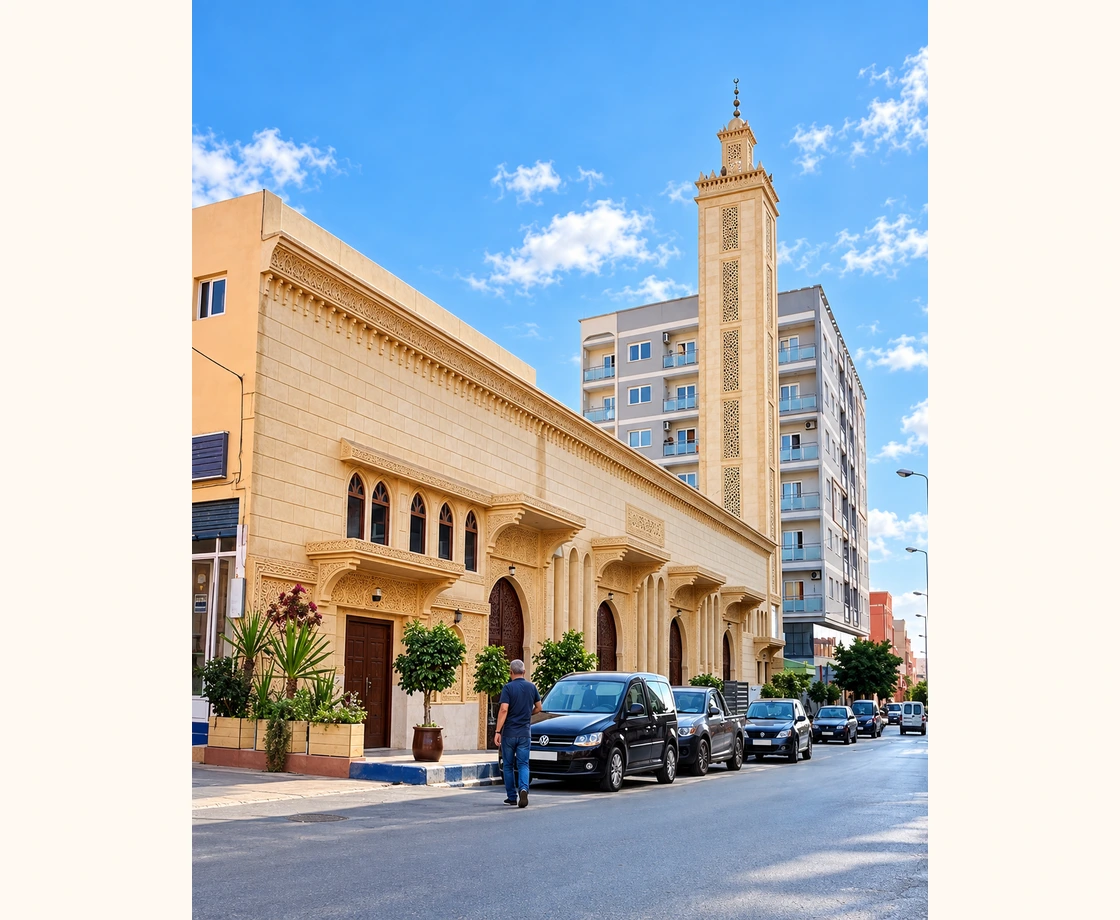
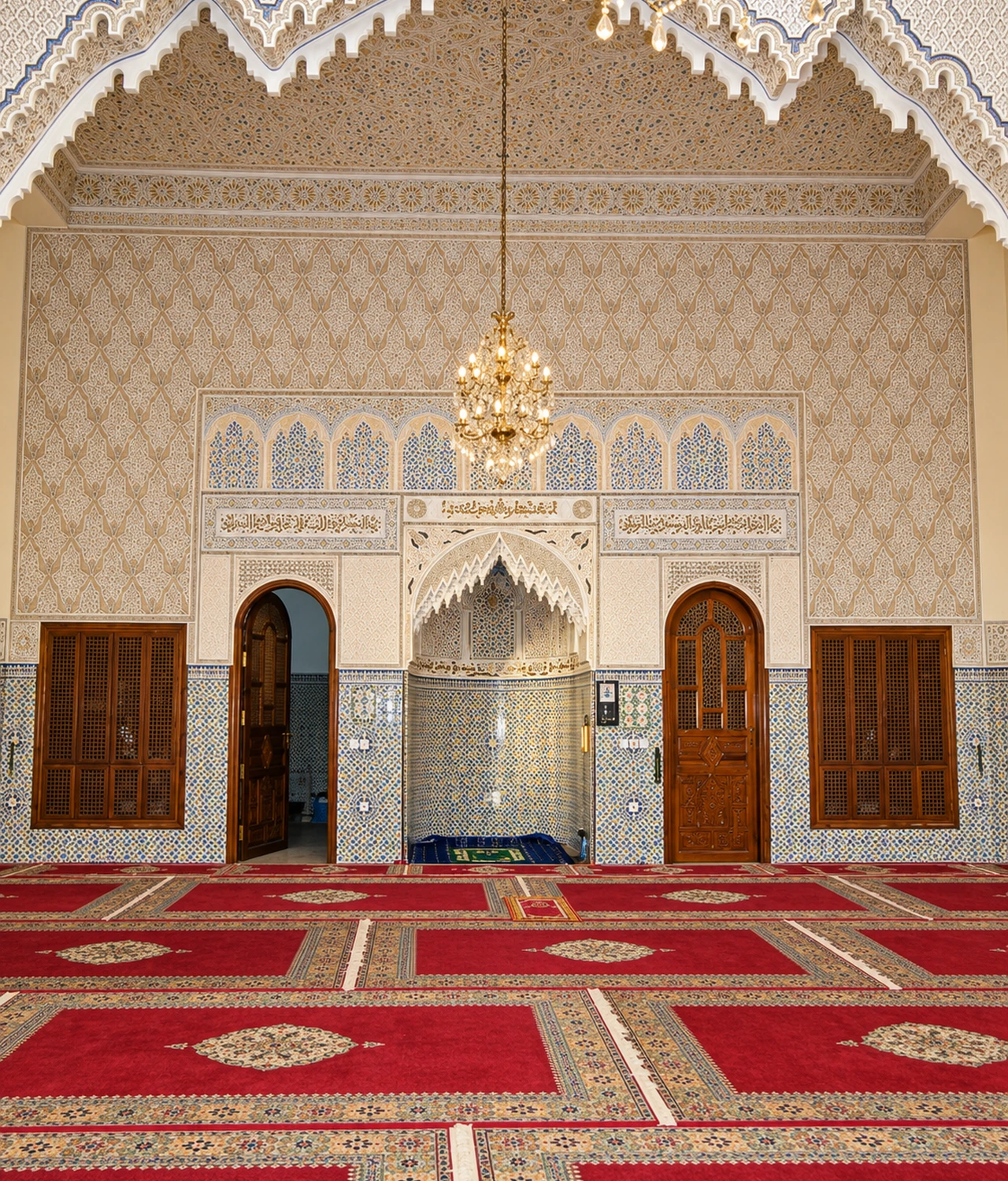
Mosque and street life in Berkane
Layer 2

Everyday city fabric

Streets, mosques, shops and ordinary movement give Berkane its lived rhythm. The city is best approached through daily life rather than one isolated monument.

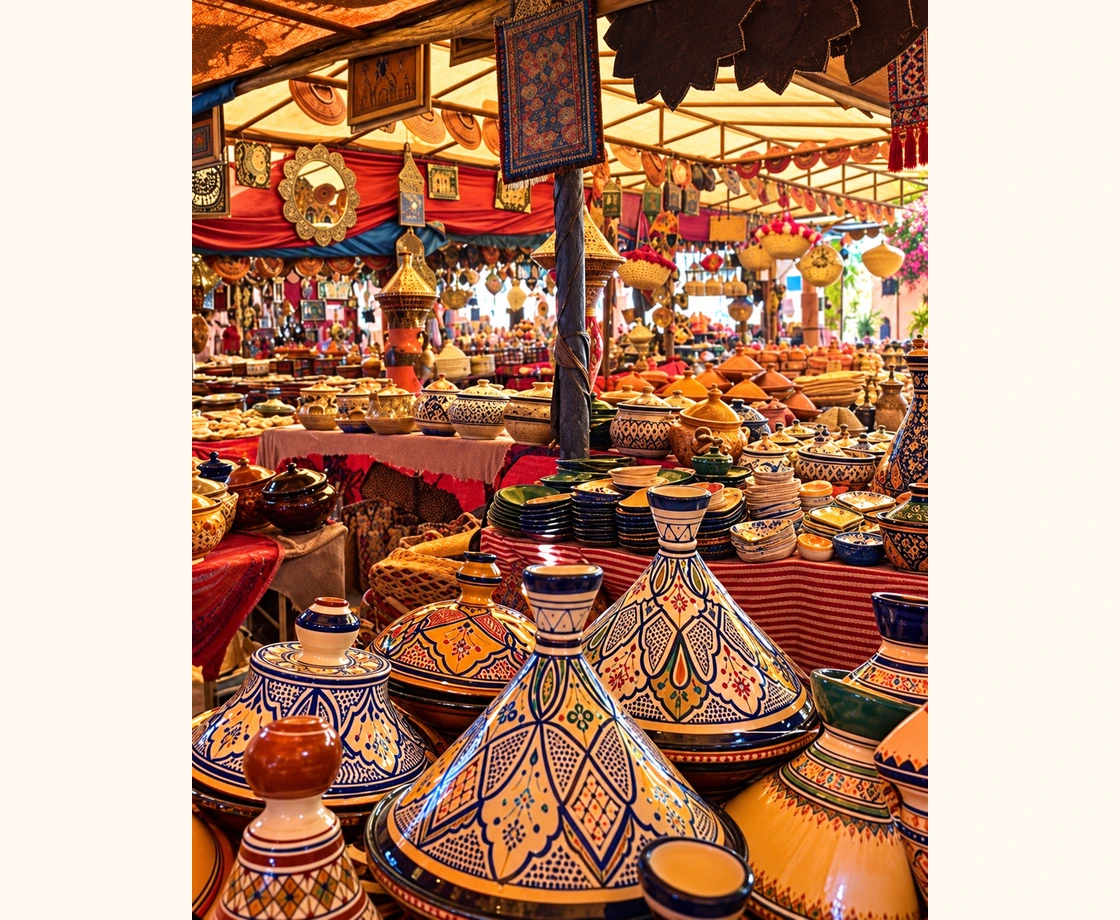
Ceramics and market display in Berkane
Layer 3

Market texture

Produce, ceramics, household goods and local stalls keep the visitor’s eye close to material culture and practical exchange.

Landmarks & orientation

Read Berkane through six defining places

Berkane is explained by a set of connected places rather than by one monument. The city centre, citrus plain, Beni Snassen foothills, Zegzel, Tafoughalt and Saidia together give the clearest orientation.

1
Berkane city centre

The practical heart of the city, with civic routes, roundabouts, cafés, shops and everyday movement.

2
Citrus plain

The agricultural identity that makes Berkane widely recognisable and connects the city to orchards and produce markets.

3
Beni Snassen foothills

The mountain edge that frames the city and gives nearby routes their landscape character.

4
Zegzel valley

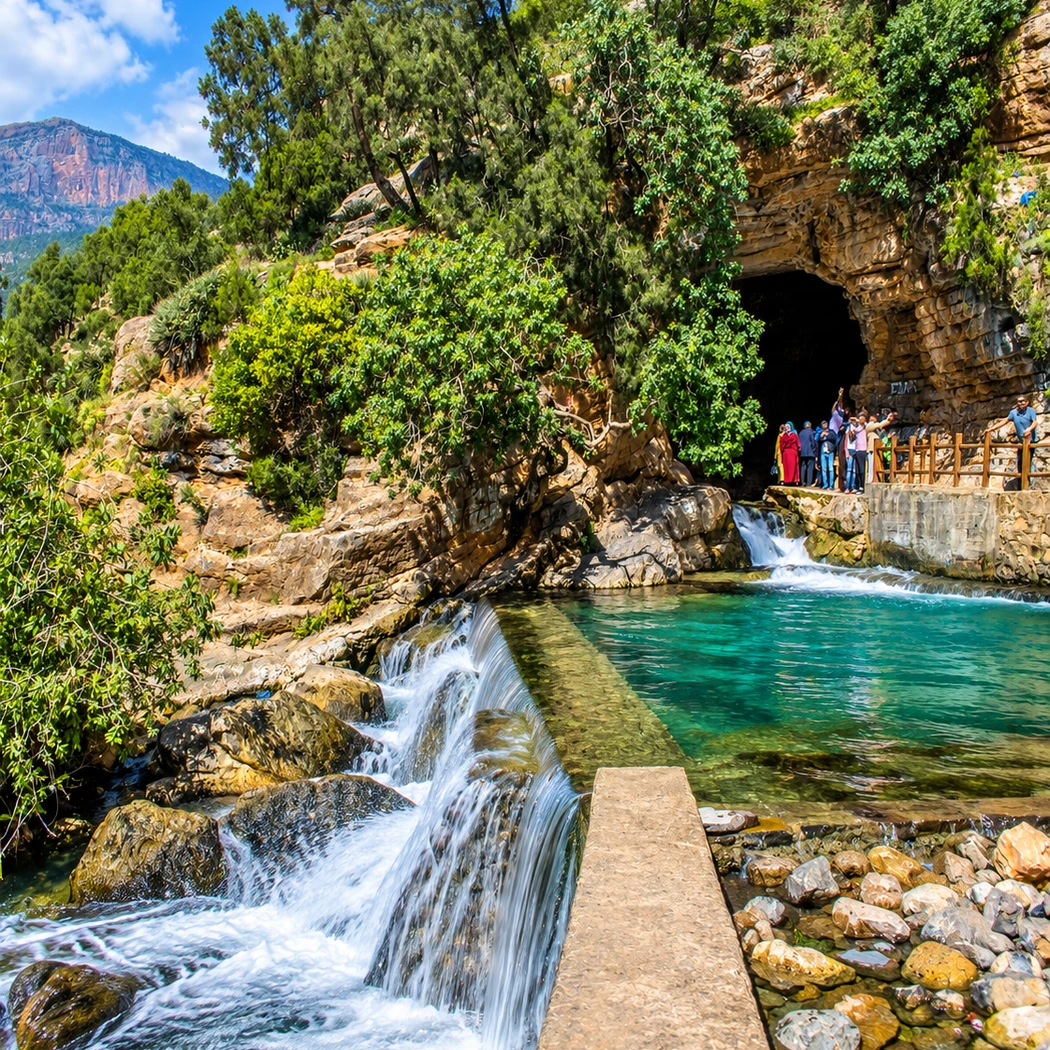
A green valley and gorge landscape close to Berkane, useful for understanding the natural setting beyond the plain.

5
Tafoughalt area

A nearby mountain village and prehistoric context that add cultural and landscape depth to a Berkane visit.

6
Saidia coast

The Mediterranean extension that links Berkane to beaches, coastal roads and the wider eastern shoreline.

Zegzel valley and mountain water near Berkane
Mosque interior in Berkane

Interior calm

Quiet interiors, civic streets and the scale of daily worship

Berkane’s architectural reading is modest and grounded. Mosque interiors, civic facades, shaded streets and market passages offer a quieter kind of visual culture than Morocco’s monumental capitals. The value is in proportion, cleanliness, use and the way public life gathers around familiar routes.

  • Look for calm interior geometry, light, carpets and repeated arches.
  • Read civic buildings and boulevards as part of the city’s modern service role.
  • Keep the surrounding landscape in mind: mountains and orchards are part of the urban story.

Architectural reading

Three visual languages to notice

Plain and boulevard

Berkane’s centre is read through open roads, roundabouts, civic buildings and everyday services. The architecture is practical, modern and connected to movement.

Market and material culture

Fruit displays, ceramics, textiles and household goods carry much of the city’s colour. These details explain local identity better than a single landmark photo.

Mountain and water

Nearby valleys, springs and Beni Snassen slopes add the landscape language: limestone, green corridors, agricultural edges and short escapes from the city.

Visual atmosphere

Citrus colour, clean streets and eastern light

Nearby highlights

Nearby coast, valleys and mountain context

Berkane becomes clearer when paired with short extensions. Saidia gives the Mediterranean edge; Zegzel and the Beni Snassen bring valley landscapes; Tafoughalt adds mountain-village and prehistoric context.

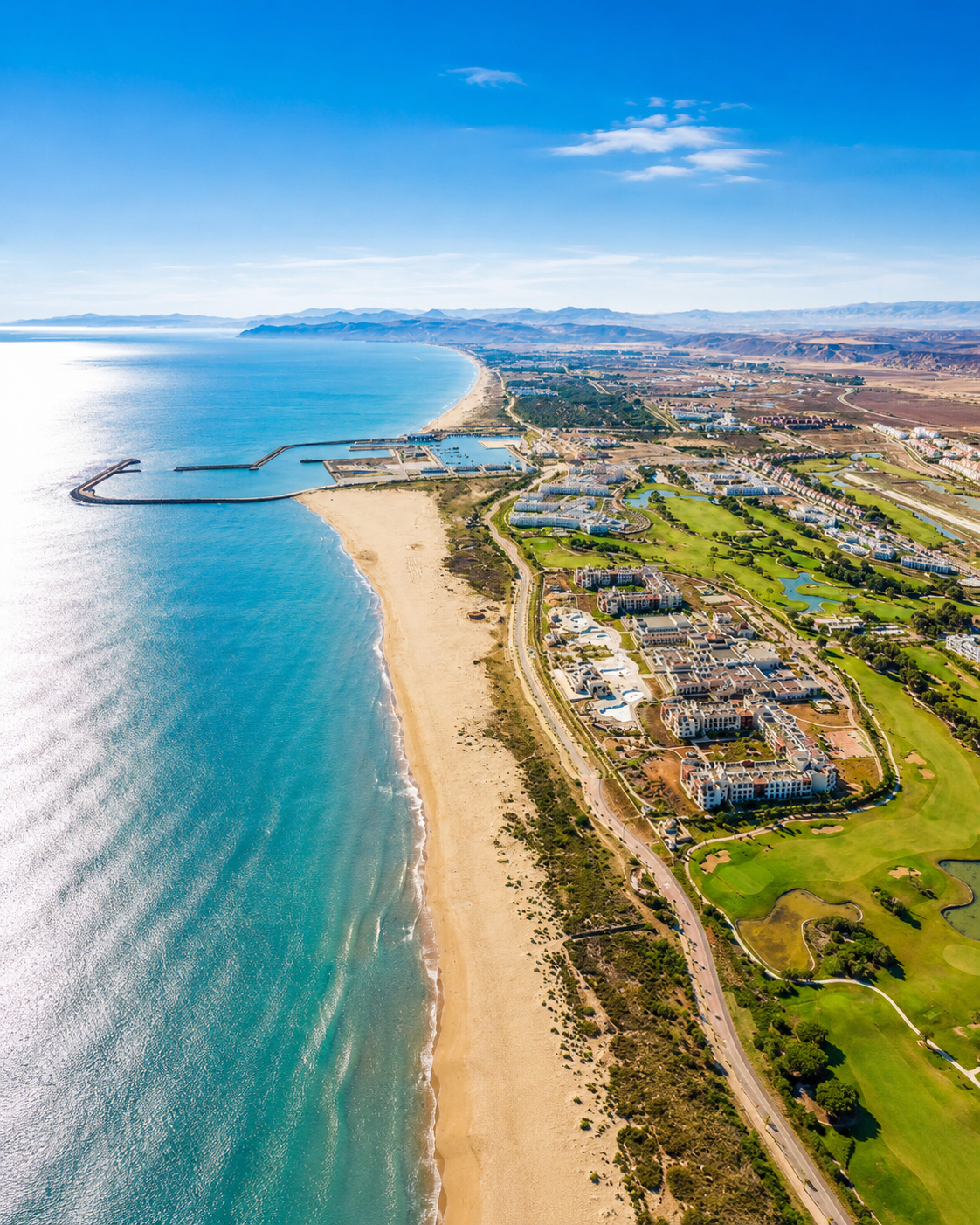
Saidia

A Mediterranean coastal extension east of Berkane, useful for beach time, sea views and a different reading of the Oriental region.

Aerial view of Saidia beach, marina and Mediterranean coastline

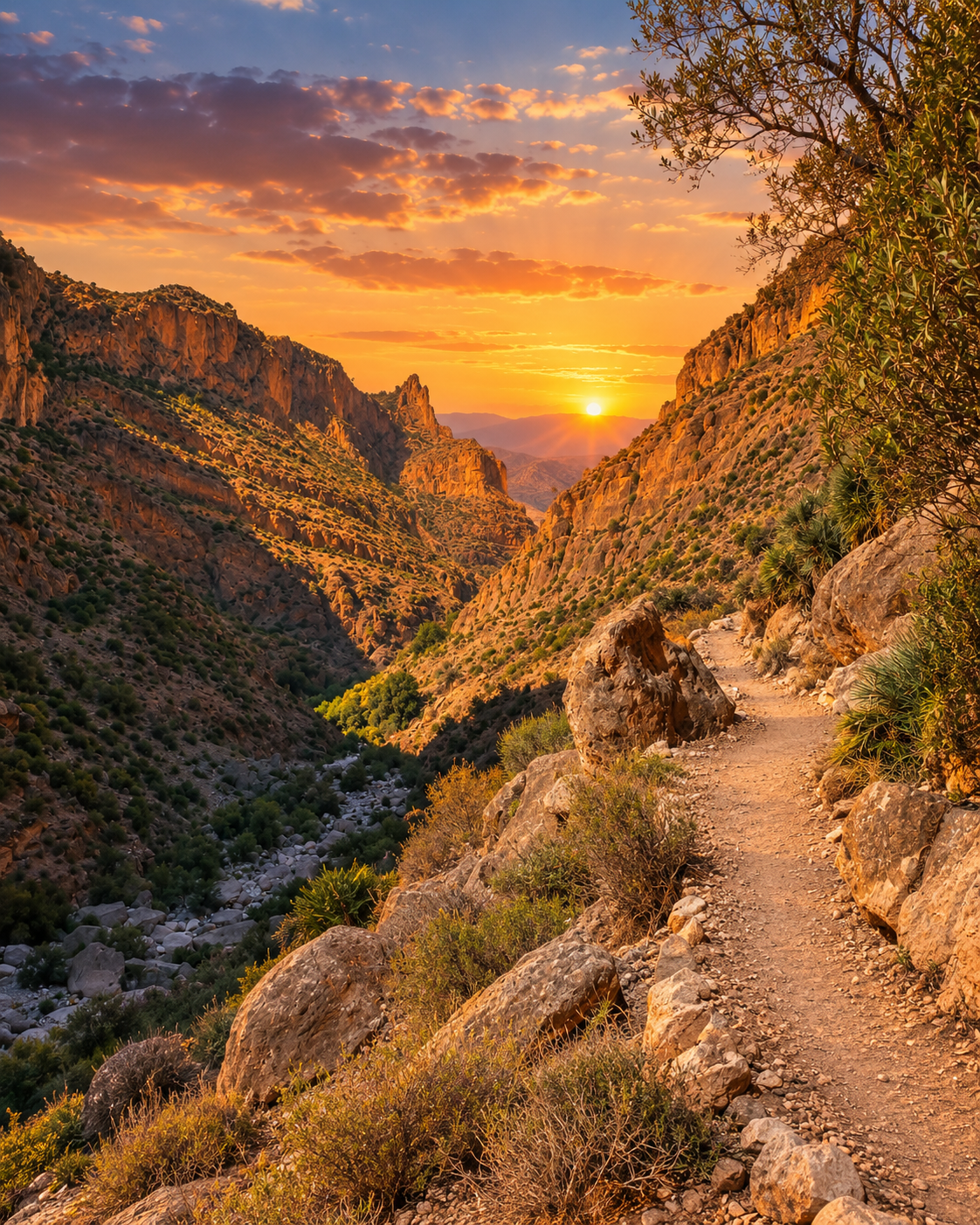
Beni Snassen routes

Mountain and foothill routes give Berkane its relief, green breaks and sense of a city backed by landscape rather than only by roads.

Rocky walking trail through the Beni Snassen mountains at sunset

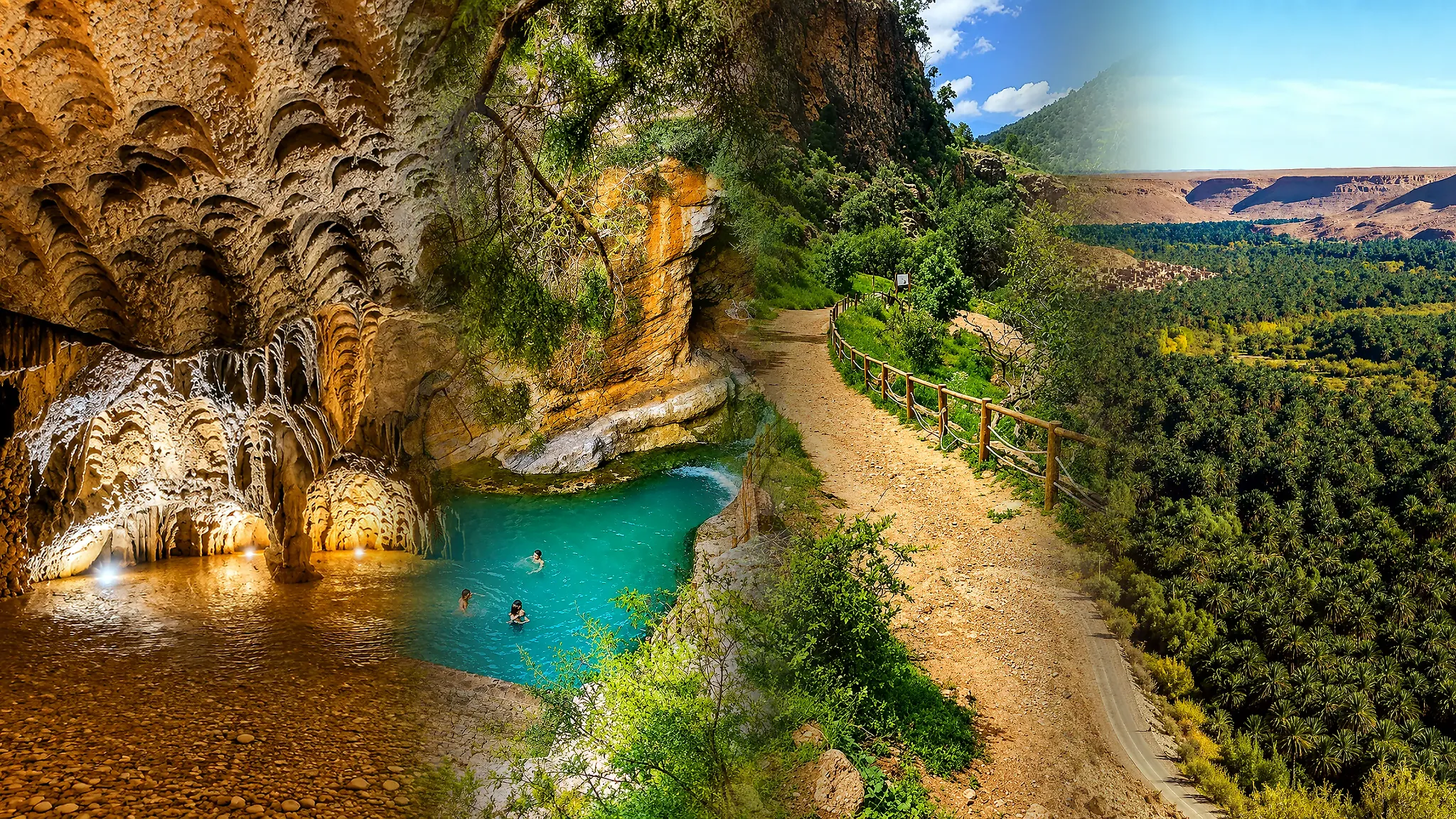
Tafoughalt and Zegzel

Pair Tafoughalt’s mountain setting with Zegzel’s valley landscape for a fuller day outside the city centre.

Composite view of caves, water, paths and valley scenery for Tafoughalt and Zegzel
Travel note: opening hours, access rules, road conditions, seasonal water levels and local visitor arrangements can change. Check current official or trusted local information before travelling.

Practical orientation

How to experience Berkane well

  • Start with the centre, market streets and civic boulevards before moving outward.
  • Connect the city to citrus culture rather than treating the orchards as a side note.
  • Use the Beni Snassen and Zegzel context to understand the landscape around Berkane.
  • Keep Saidia as a separate coastal extension rather than rushing it into a city walk.
  • Plan around heat, market rhythm, transport timing and seasonal landscape conditions.

A strong first visit

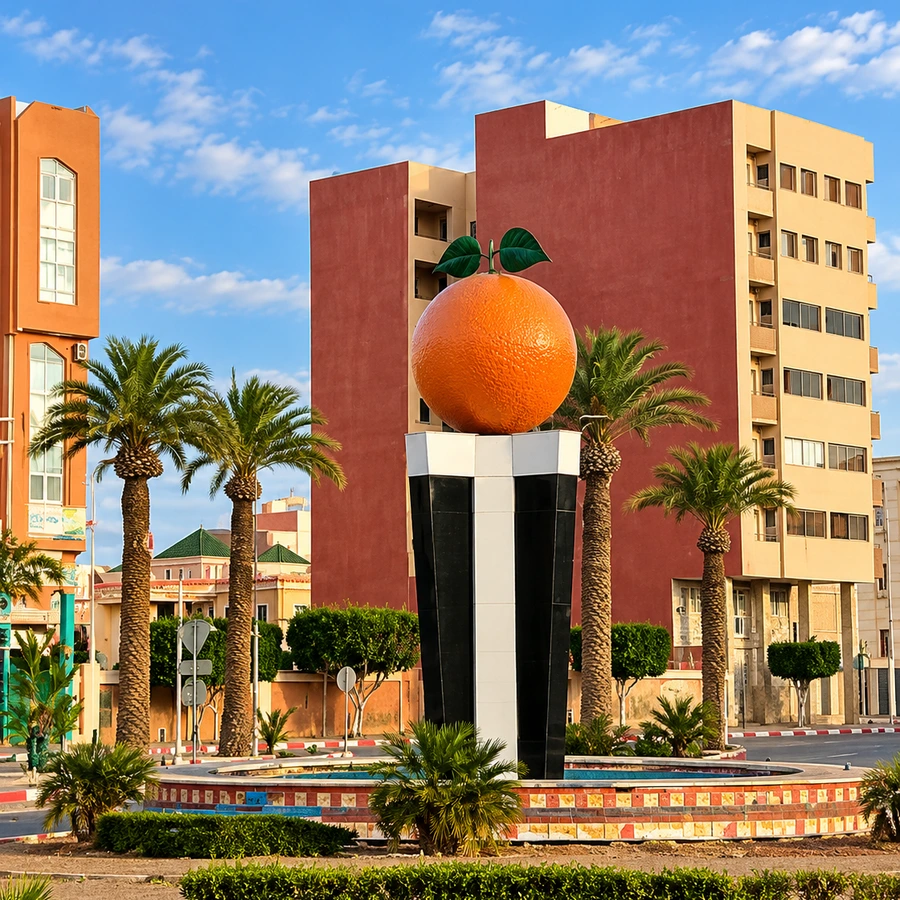
Berkane orange monument and civic centre

Begin in the centre, read the citrus symbolism and market life, then plan a separate loop toward Beni Snassen, Zegzel or Saidia depending on season, transport and daylight.

Cover image for the Berkane Premium Visual City Guide

Go deeper with Exotic Morocco

Berkane — Premium Visual City Guide

Continue with a complete visual publication designed to connect the city’s citrus identity, markets, civic streets, mountain context, nearby valleys, Mediterranean extension and practical orientation into one carefully structured journey.

✓ City context✓ Essential orientation ✓ Citrus culture✓ Market and local life ✓ Practical travel guidance✓ Nearby highlights

Continue the journey

Continue the journey through Berkane

Look beyond the citrus symbol and encounter a city of markets, mountain edges, regional routes, clean streets and nearby Mediterranean light.