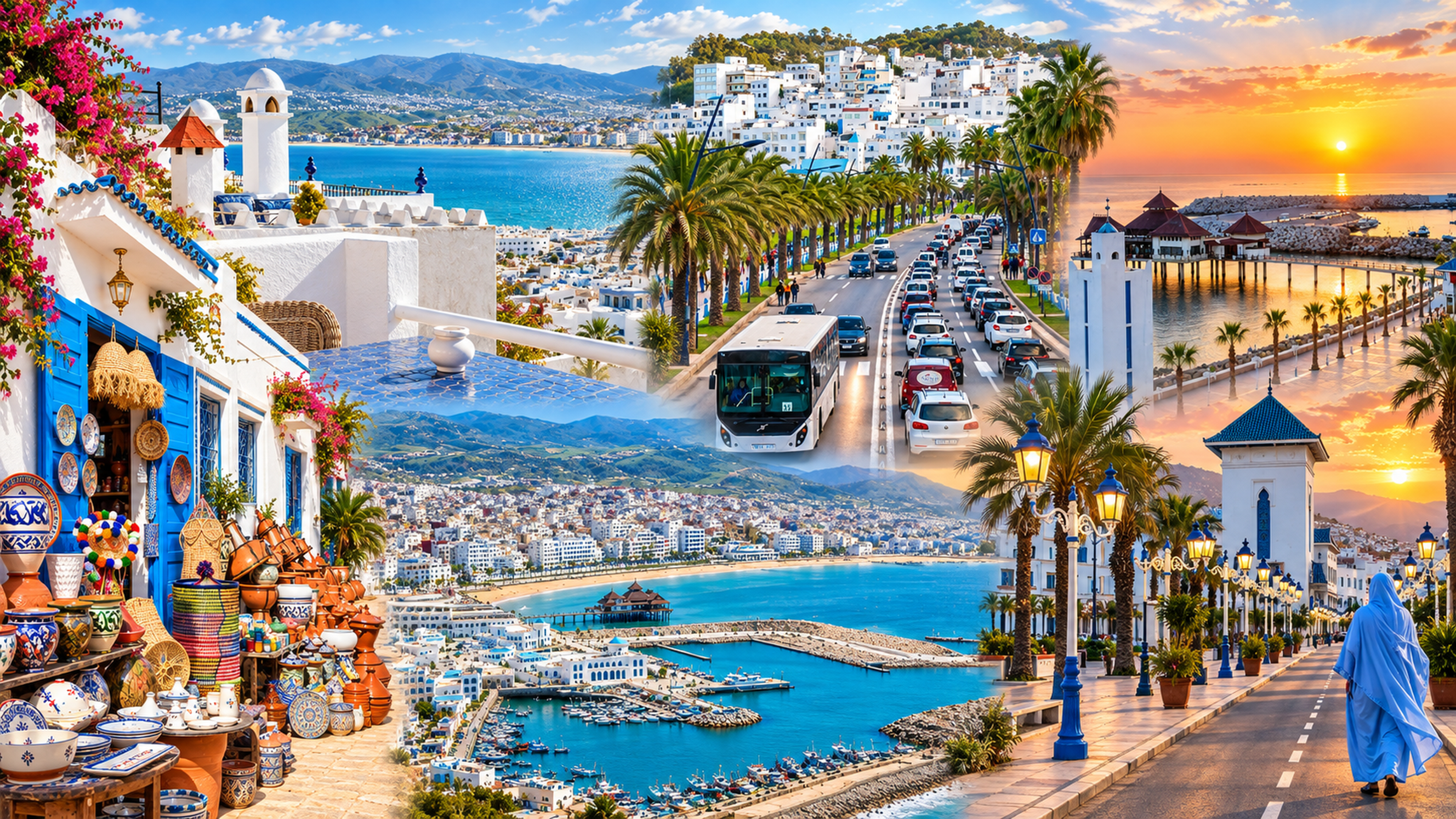
M’diq-Rincón collage with the bay, palm-lined streets, crafts and sunset waterfront

Mediterranean Morocco

M’diq-Rincón Mediterranean light, harbour life and the northern coast

Walk the seafront, watch the fishing boats and explore the white-and-blue streets. M’diq-Rincón brings the Mediterranean coast and the Rif hills into one unhurried visit.

Why M’diq-Rincón matters

Where the Rif meets the Mediterranean

M’diq-Rincón opens onto a Mediterranean bay in northern Morocco. Its beach, corniche and harbour are closely connected, while white buildings climb the hills behind the waterfront. This compact setting makes it easy to combine a walk by the sea with cafés, shops and everyday street life.

The wider journey reaches beyond the town: Cabo Negro lies along the coast, Fnideq is farther north, and Tétouan adds an inland cultural stop. Leave time to enjoy M’diq itself before extending the route.
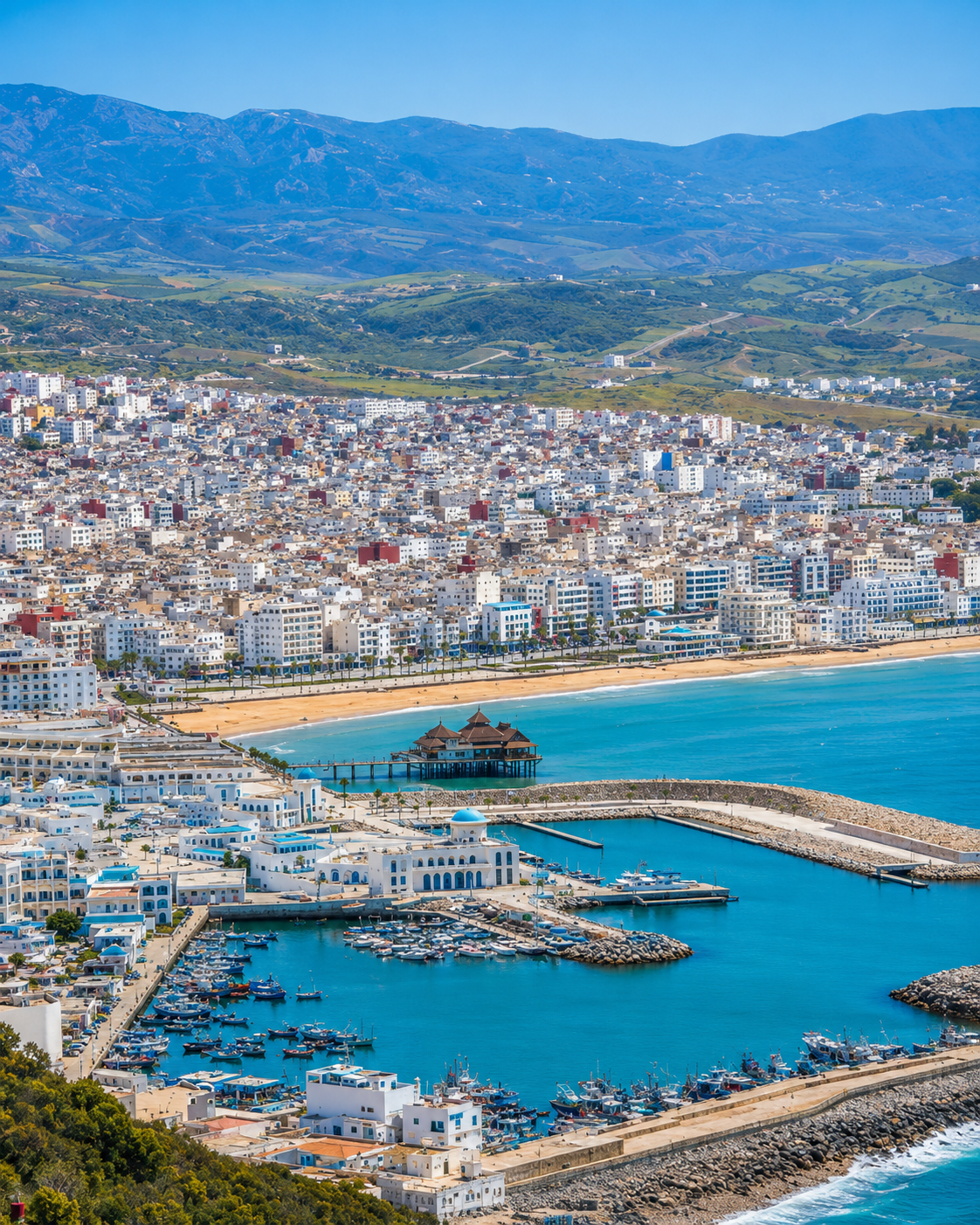
M’diq-Rincón bay, harbour and Mediterranean shoreline

A bay, a harbour, a lived-in city

Follow the curve of the shore: fishing boats, café terraces, beach walks and hillside streets each reveal a different part of M’diq.

EXPLORE

M’diq

Historical orientation

From Rincón identity to a modern coastal hub

M’diq-Rincón is not an imperial city and should not be read like one. Its story is coastal: a northern settlement with an older Rincón name, a working maritime edge, and a modern role inside the M’diq-Fnideq prefecture. Its importance comes from location, mobility and the way everyday local life meets seasonal Mediterranean tourism.

01Coastal setting

Rif and sea

The city occupies a narrow Mediterranean position where mountains, roads, beaches and harbour movement remain visually connected.

02Older name

Rincón memory

The name Rincón still signals the city's northern Mediterranean identity and its layered local memory.

03Maritime life

Harbour rhythm

Fishing activity, marina edges, cafe terraces and waterfront traffic keep the city tied to the sea in practical ways.

04Today

Bay corridor

Modern M’diq connects beach visits, Cabo Negro, Fnideq and Tétouan into one compact northern route.

A visual bridge

Three glimpses of the northern coast

Read the city through its long promenade, its marina waterline and the white-blue details that connect M’diq-Rincón to a broader Mediterranean vocabulary.

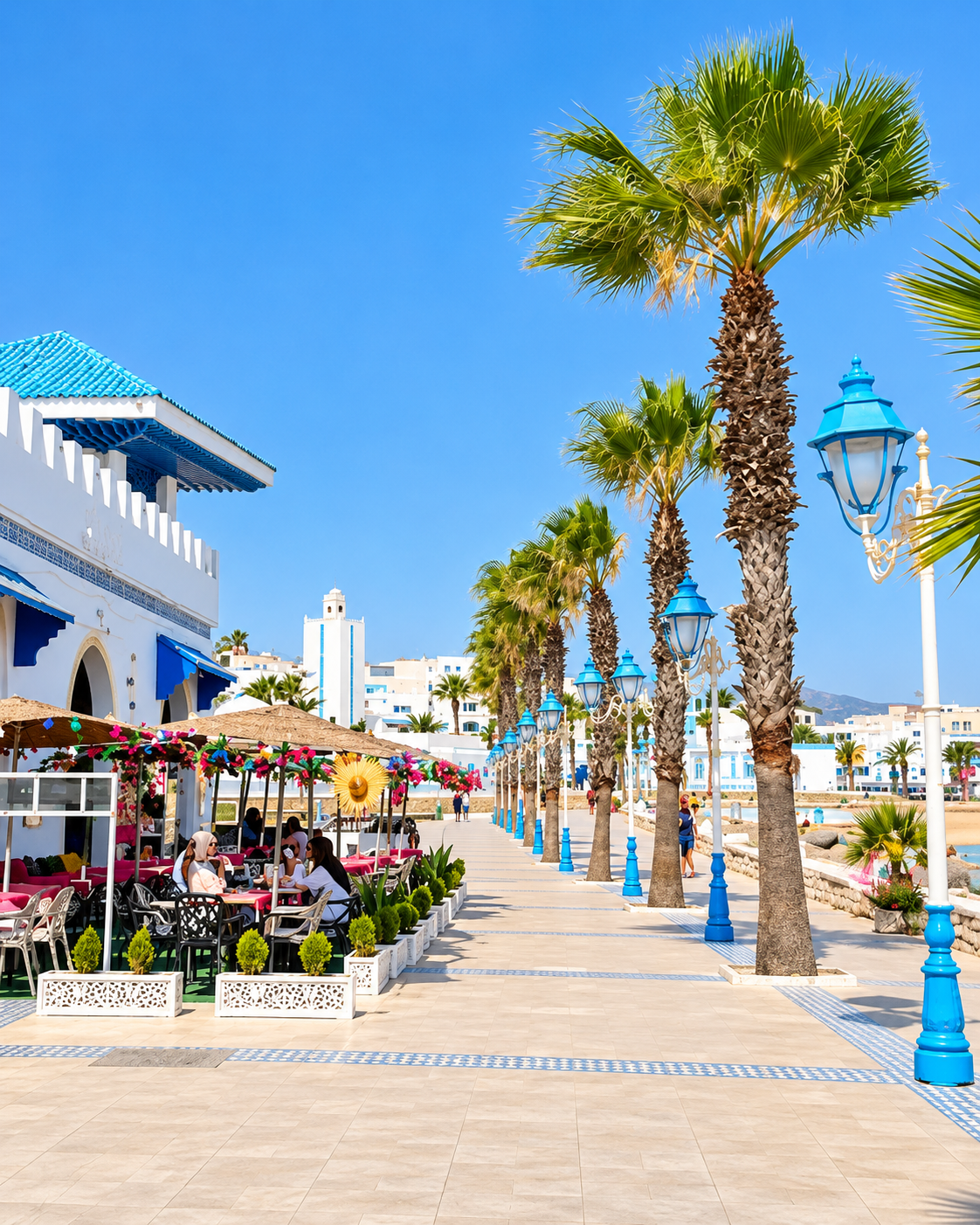
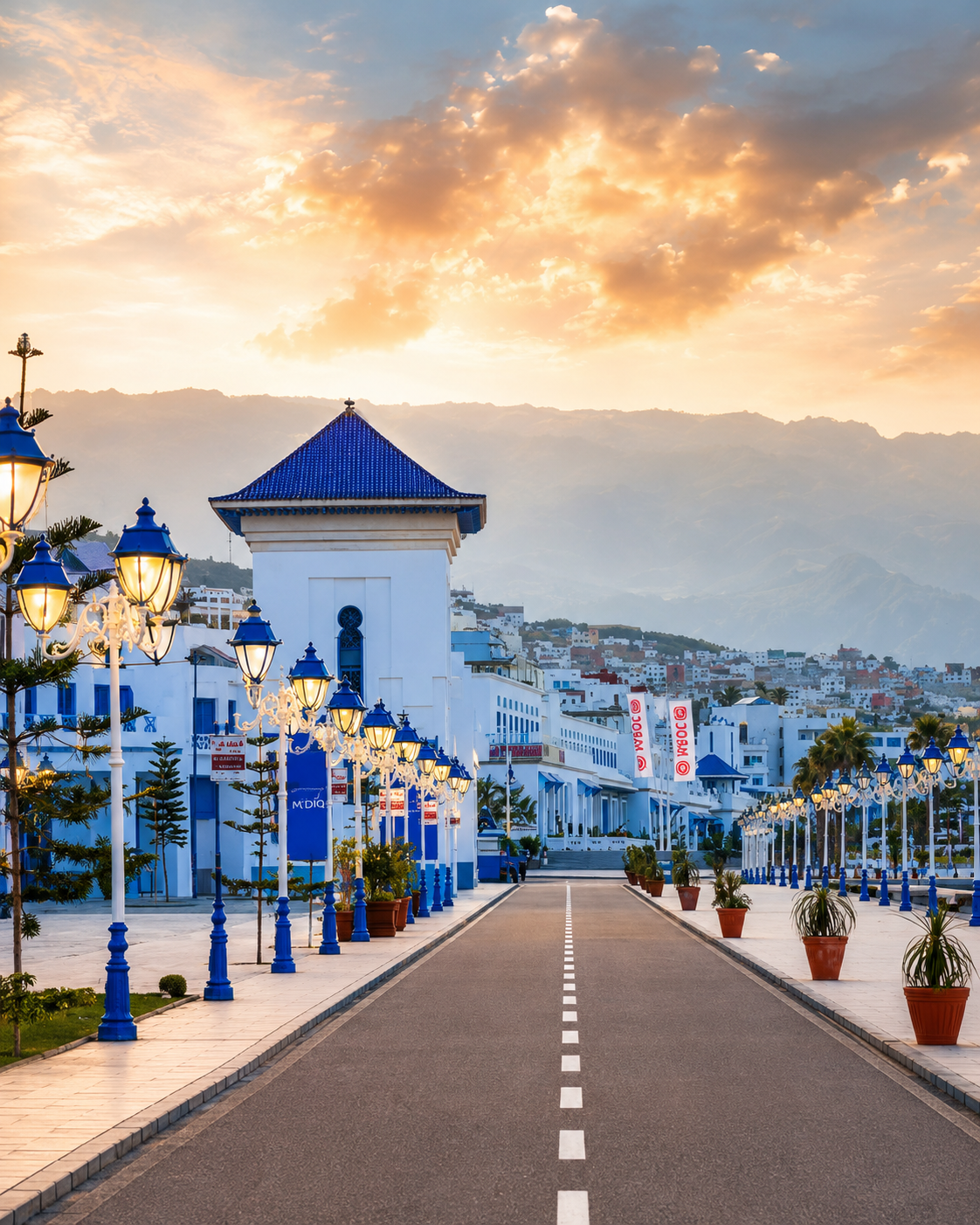
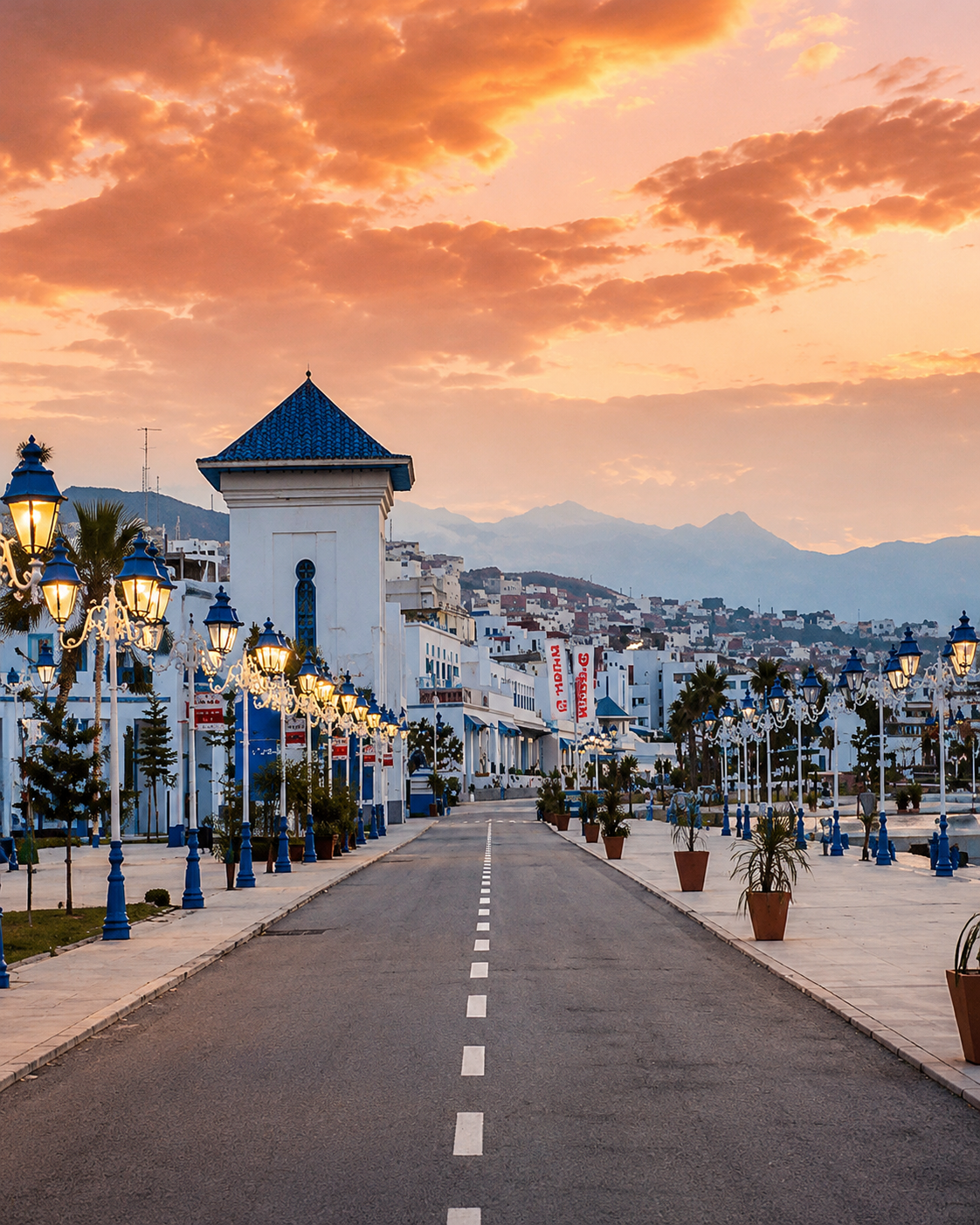
M’diq-Rincón promenade axis at sunset

Promenade axis

The waterfront gives the city its public rhythm: walking, evening light, cafes and slow coastal movement.

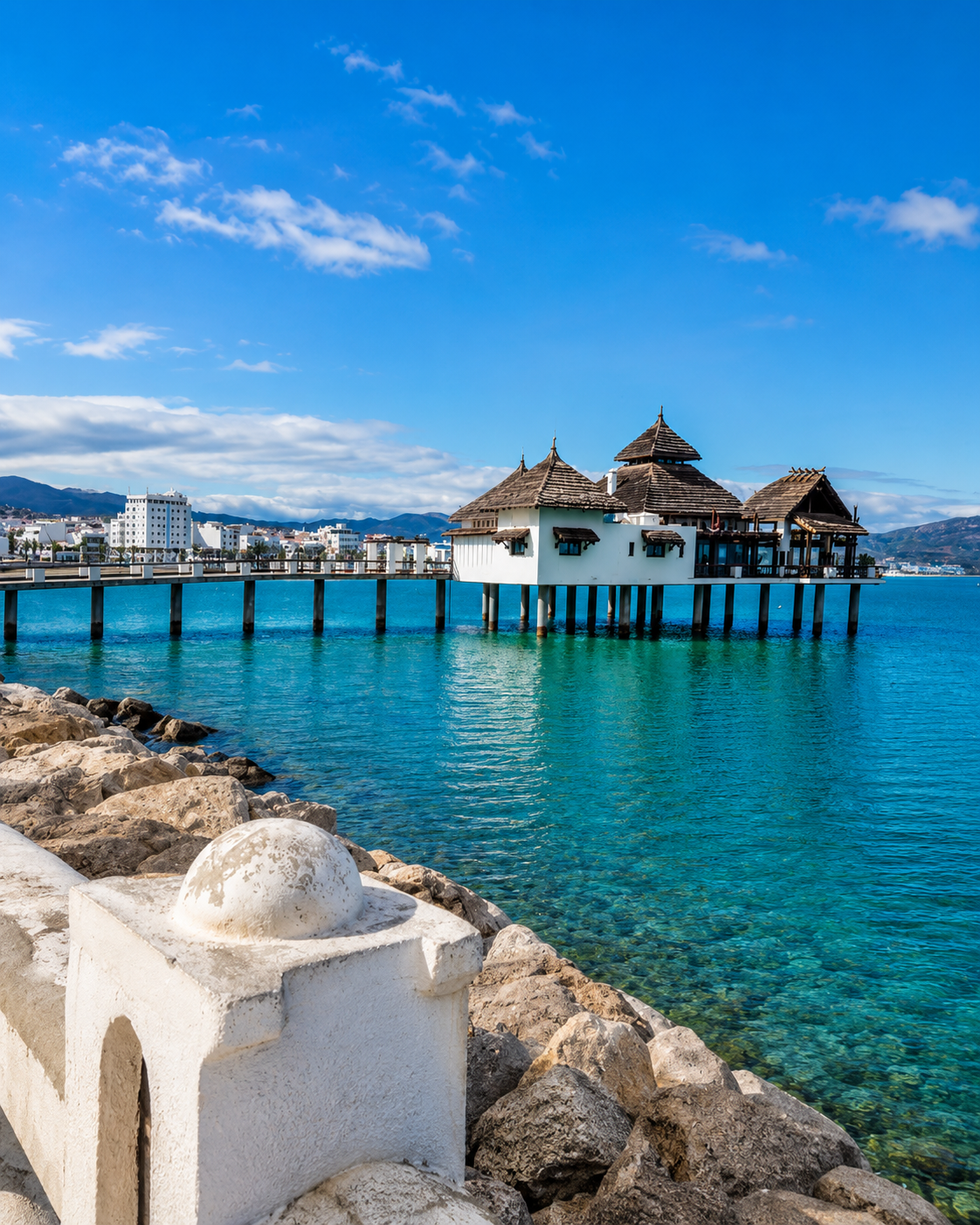
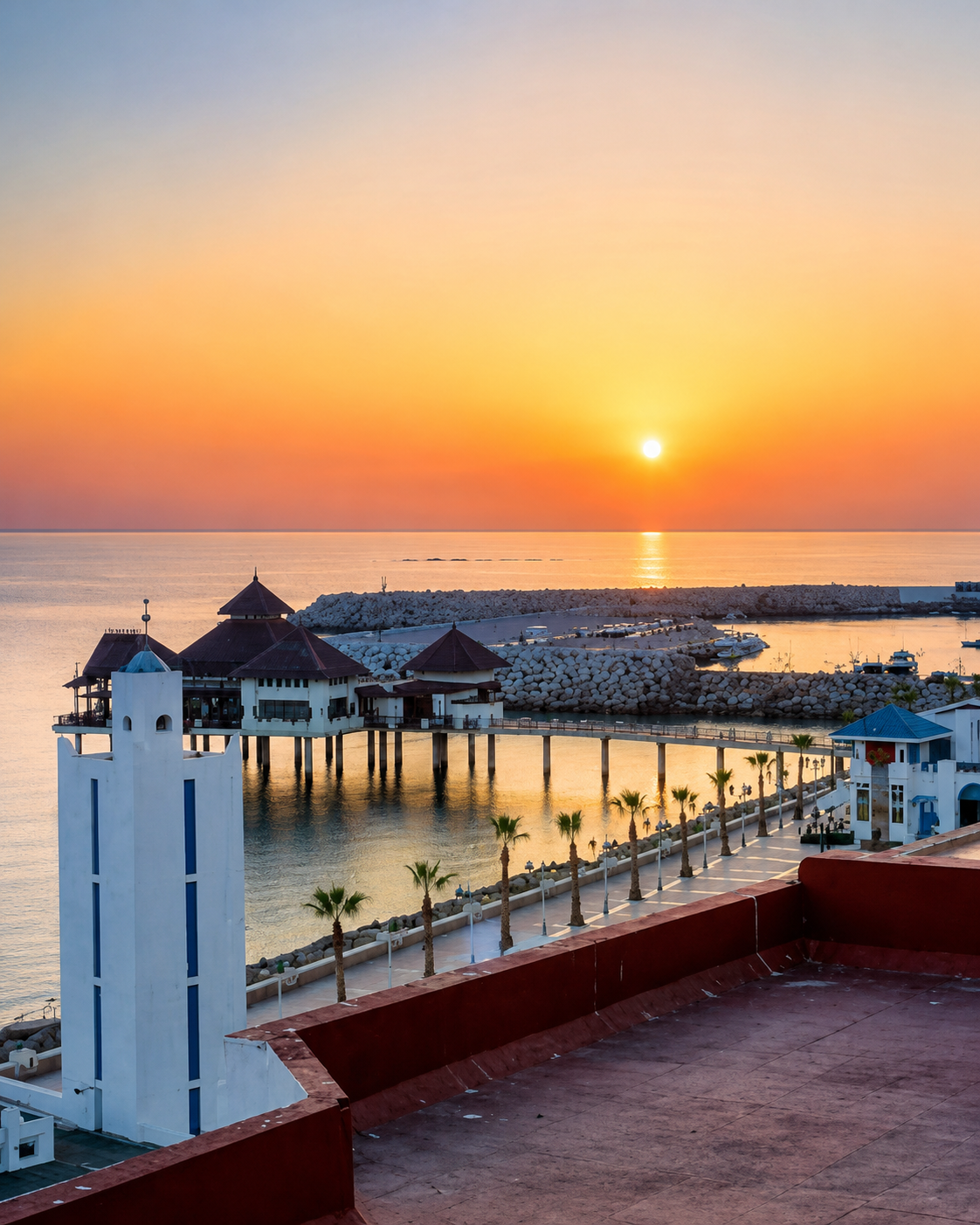
M’diq-Rincón marina pavilion and waterfront

Pavilion by the water

A pier and open water bring the seafront into focus at walking pace.

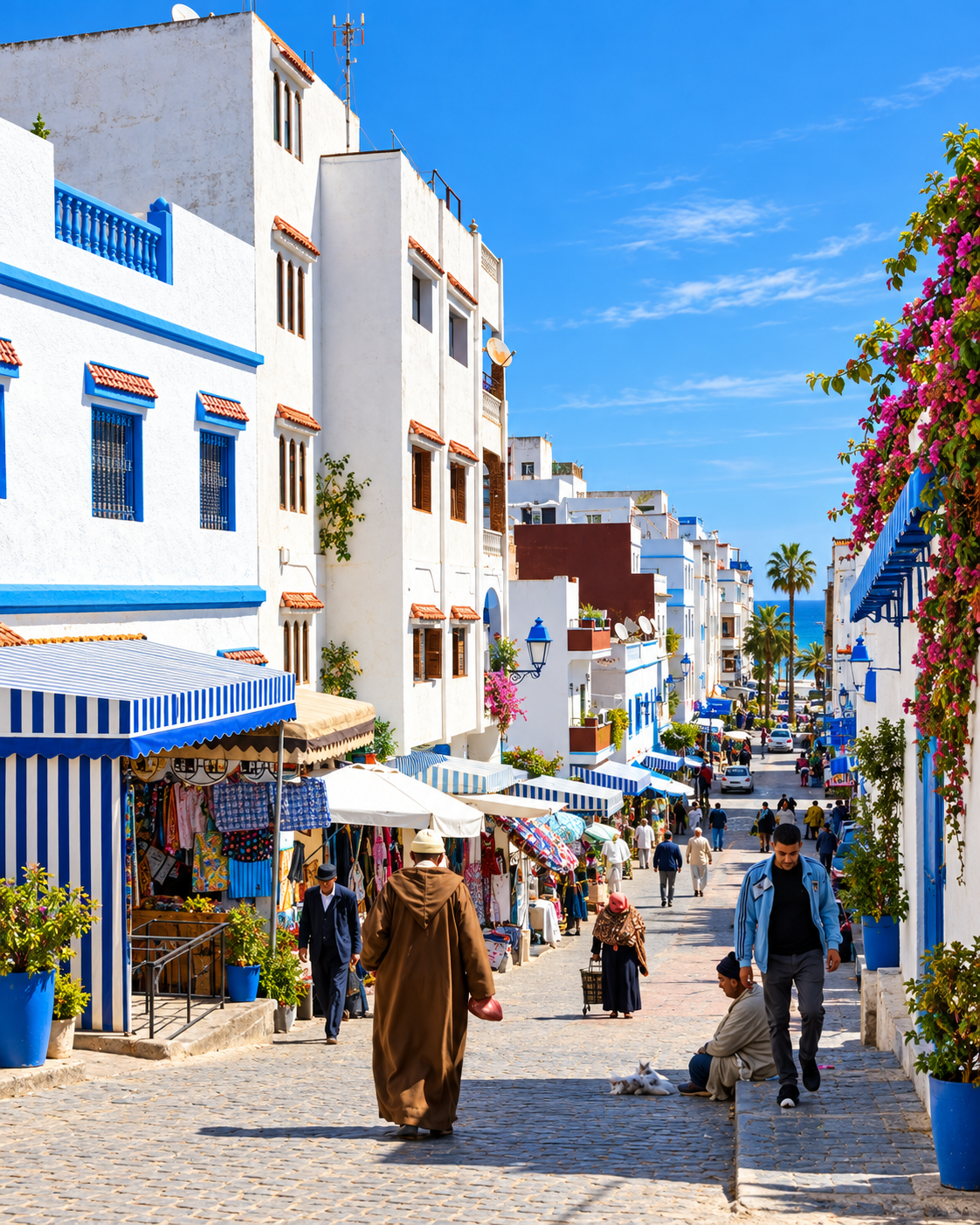
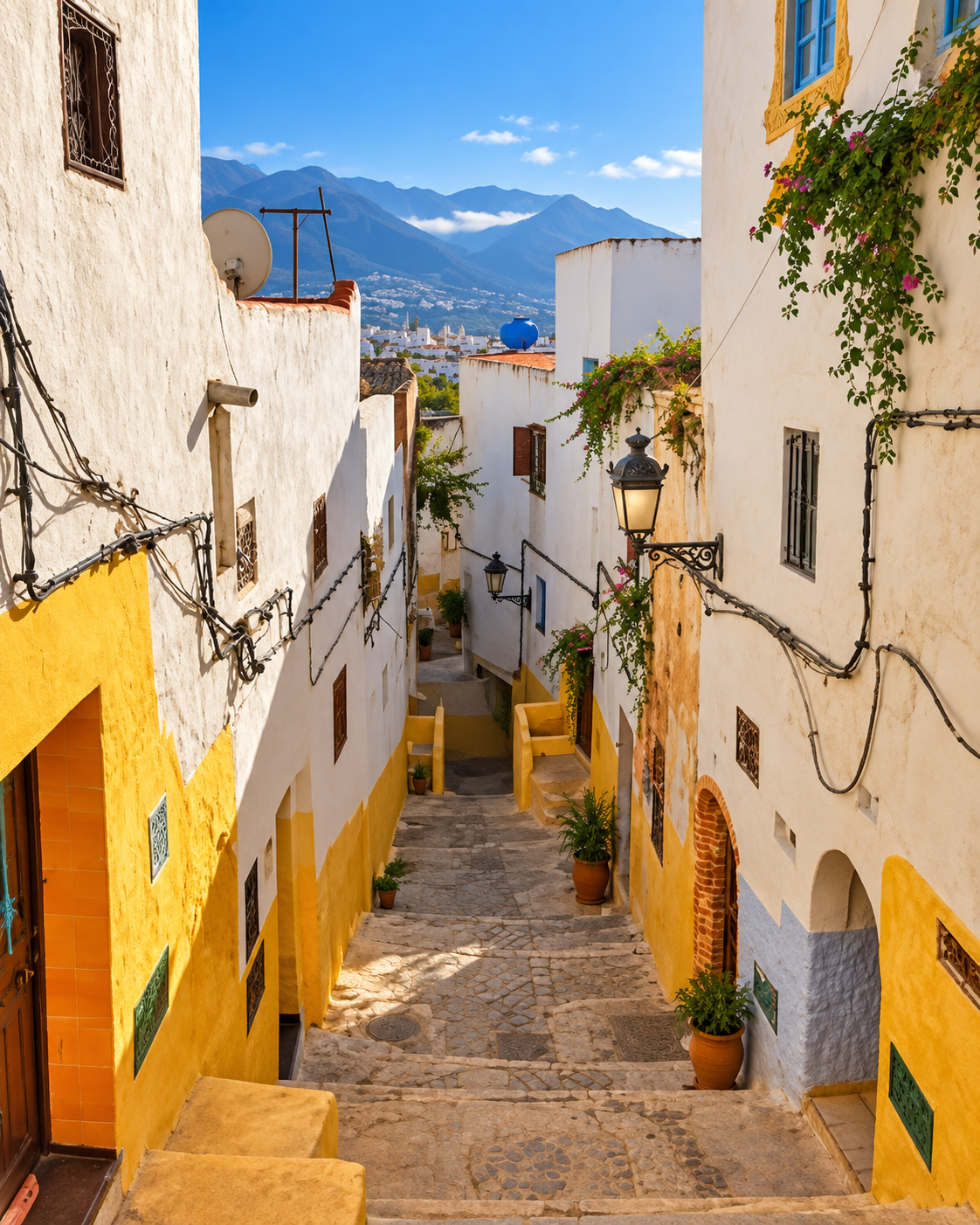
White and blue coastal street life in M’diq-Rincón

Blue-white detail

Painted facades, shutters and small streets keep the city's coastal identity present beyond the beach.

M’diq-Rincón at a glance

Mediterranean city

M’diq-Rincón is oriented toward the sea. Beach, harbour, marina and promenade sit close enough to be understood together during a first visit.

Harbour and marina

The waterfront is not only decorative. Fishing boats, moorings, arrivals, cafes and local traffic make the city feel active rather than staged.

Tamuda Bay setting

Cabo Negro, Fnideq and nearby resort areas turn M’diq into a practical base for a broader bay itinerary.

Tétouan connection

The city should also be read with Tétouan inland: Andalusi heritage, mountain approaches and Mediterranean movement meet in the same regional map.

A clearer reading of the city

Coast, movement and everyday texture

Read the waterfront, the streets and the small details together. Palm-lined approaches, local traffic, cafés and craft displays show how a coastal destination also works as an everyday town.

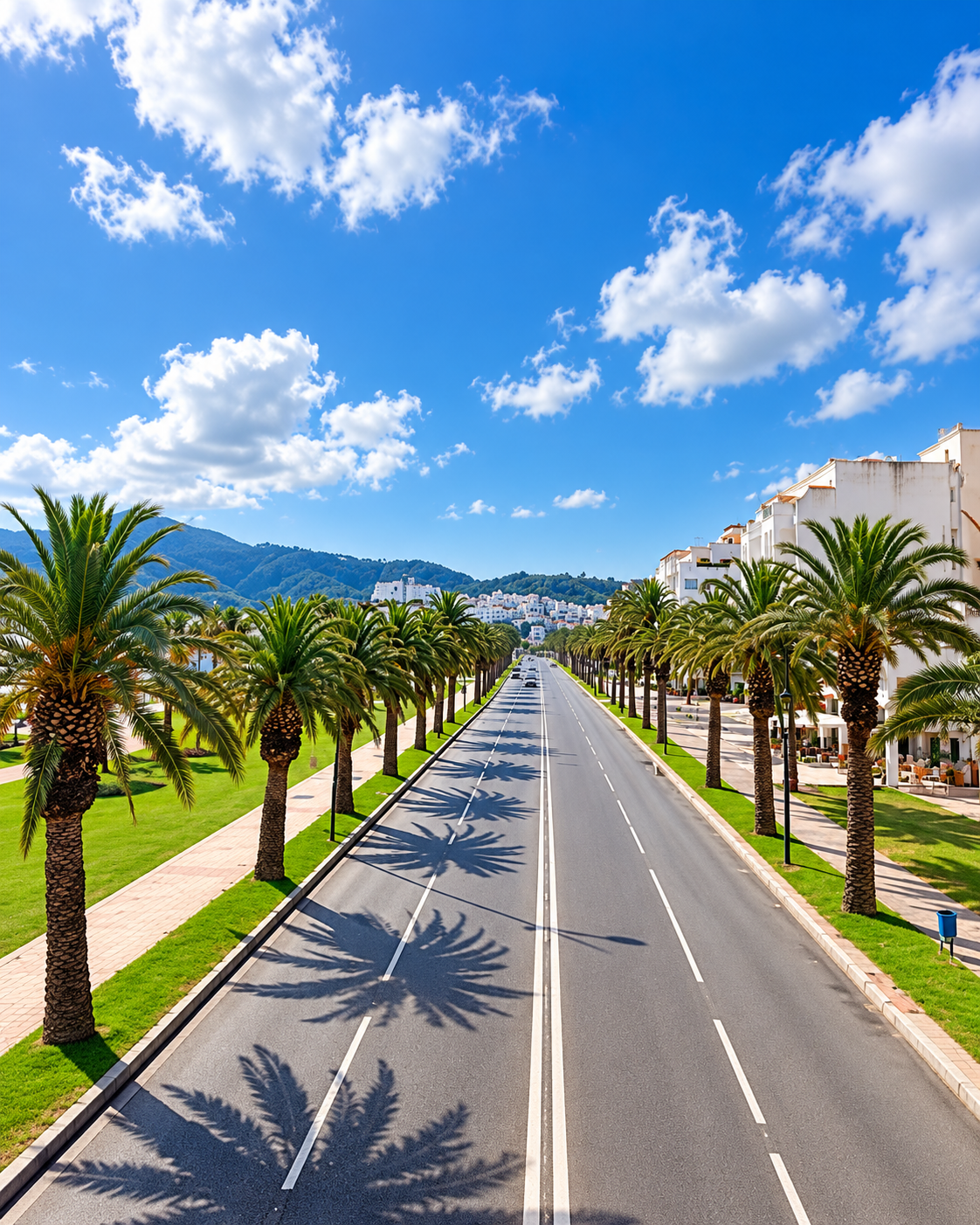
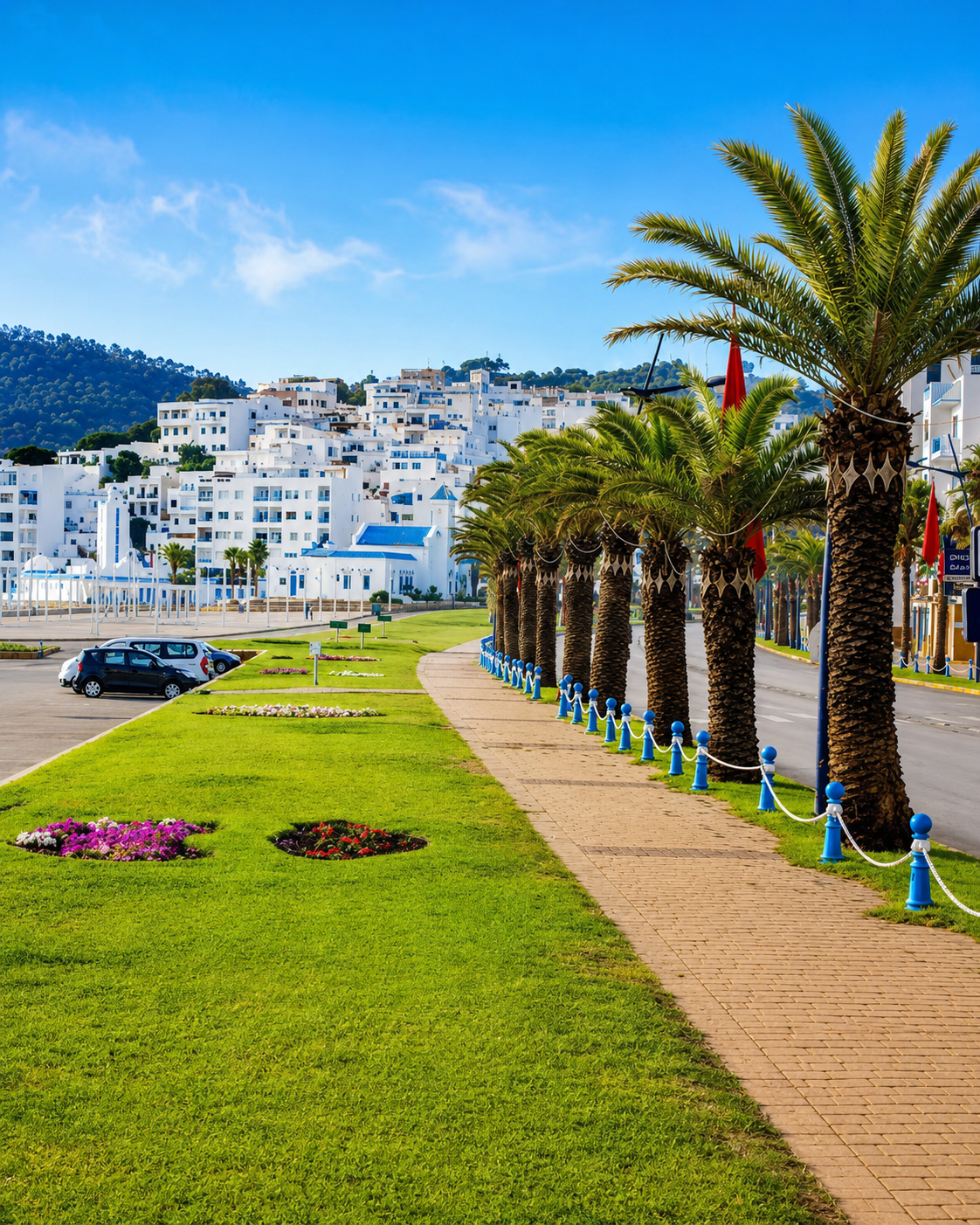
Palm-lined boulevard and mountain backdrop in M’diq-Rincón
Layer 1

Coastal approach

Palm-lined avenues, hills and water create the first orientation. The city is easy to read because the landscape remains visible.

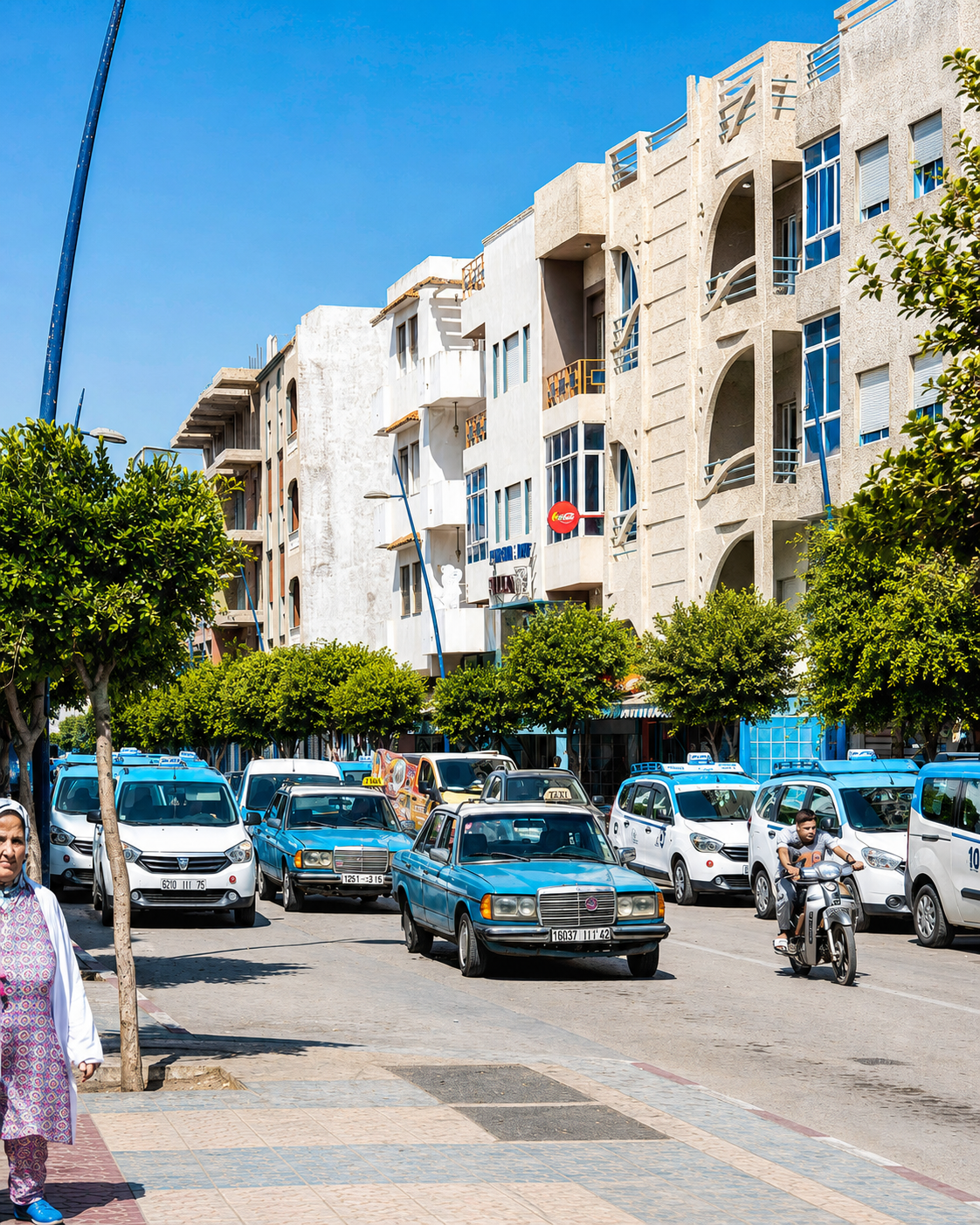
Urban street movement in M’diq-Rincón
Layer 2

Urban movement

Traffic, shops, taxis, residents and summer visitors share the same streets, giving M’diq-Rincón a working-city rhythm.

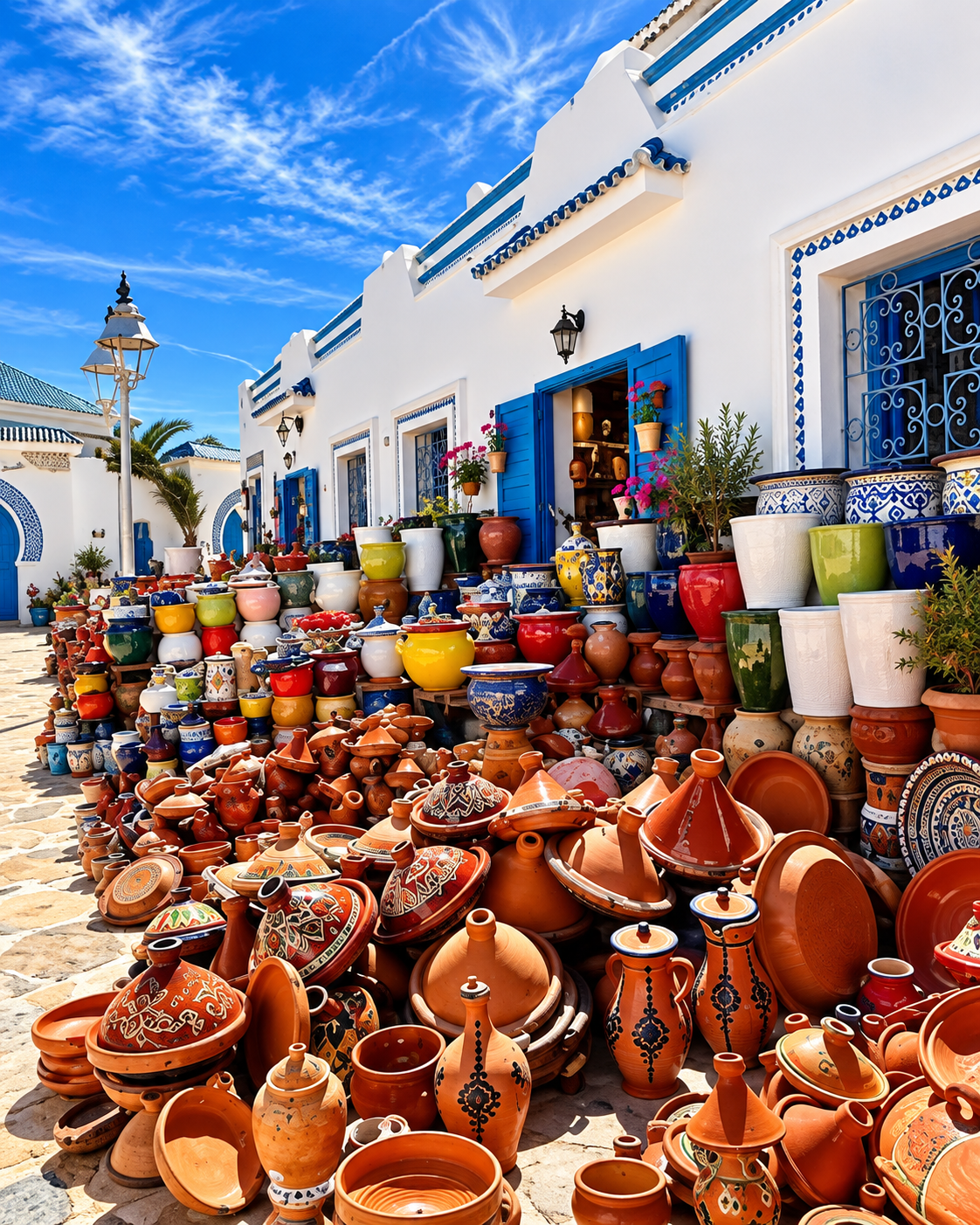
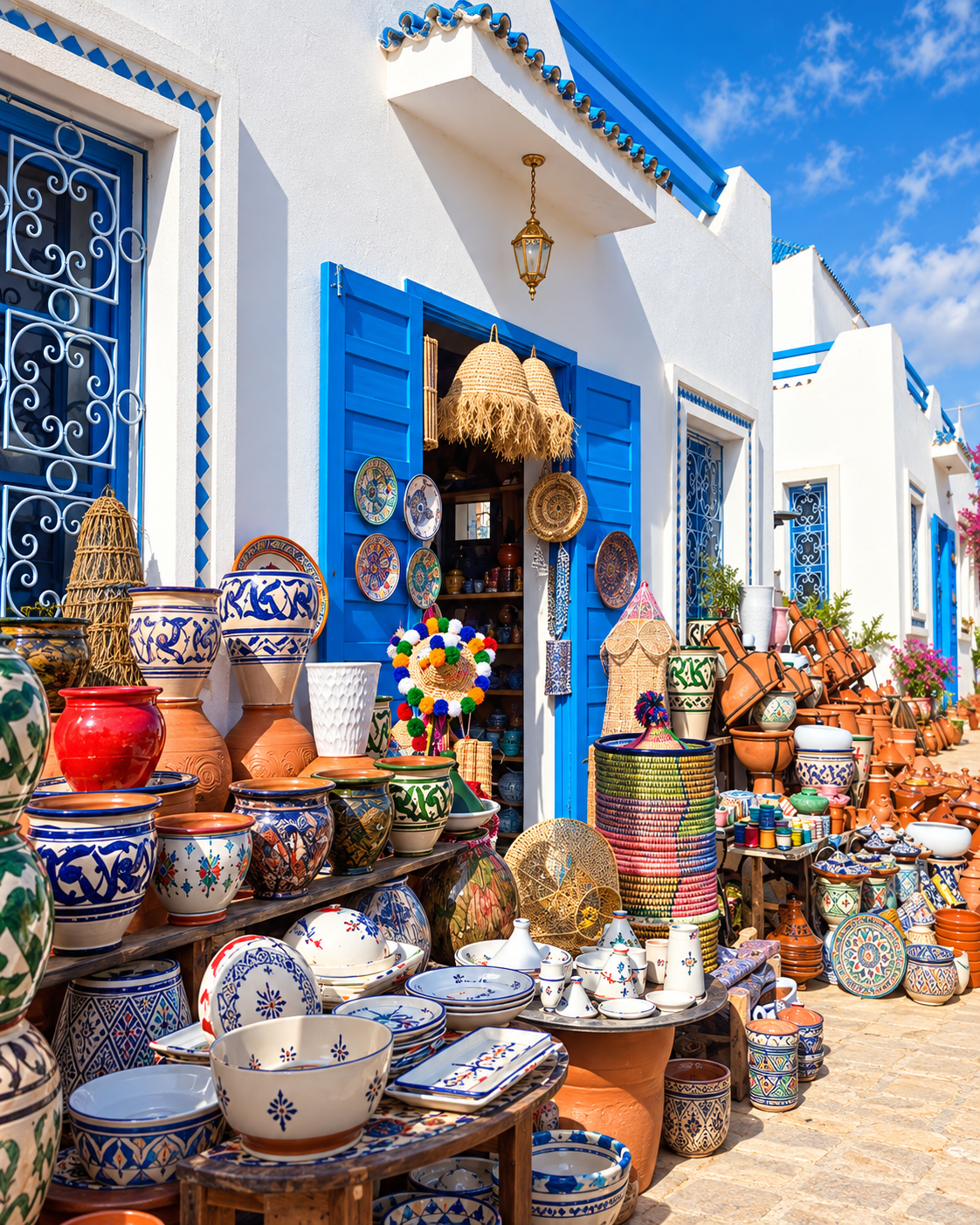
Coastal craft and ceramics display near M’diq-Rincón
Layer 3

Craft and display

Ceramics, souvenirs, textiles and small storefronts add local colour without replacing the city's main identity: sea, movement and daily life.

Landmarks & orientation

Read M’diq-Rincón through six defining places

These are not isolated monuments. They are orientation points that help visitors understand how the city works along the coast.

1
M’diq Beach

The main beach gives the city its public face and explains the evening promenade rhythm.

2
Promenade and corniche

The seafront walk links cafes, family movement, viewpoints and the wider urban edge.

3
Fishing harbour

Boats and practical maritime activity keep the city connected to work as well as leisure.

4
Seafront pavilion

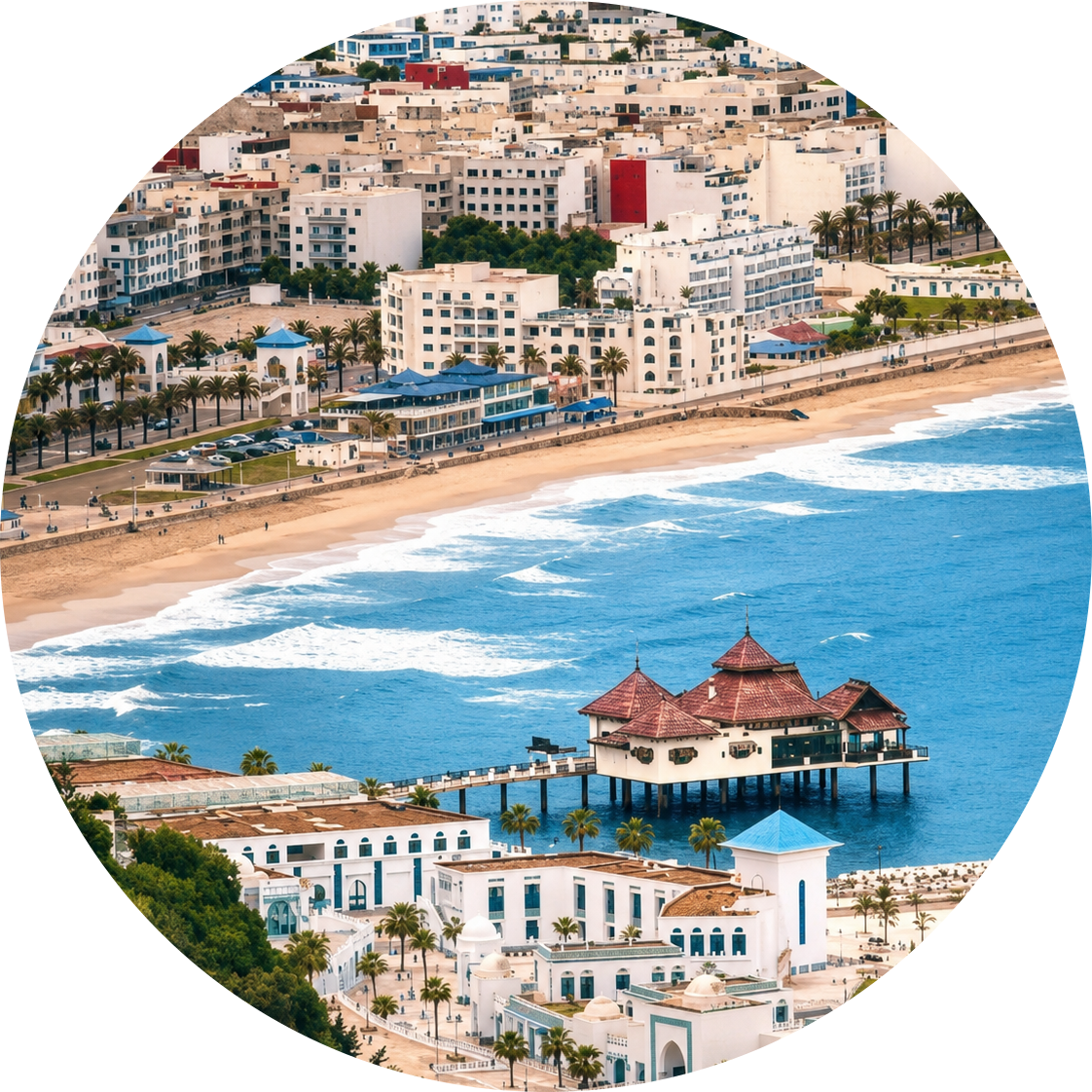
The pavilion and pier form a distinctive waterfront view, with the beach and hillside town behind them.

5
White-blue streets

Small streets, painted facades and storefronts carry the city's Mediterranean visual language inland.

6
Tamuda Bay road

The route toward Cabo Negro and Fnideq turns M’diq into a base for a wider northern itinerary.

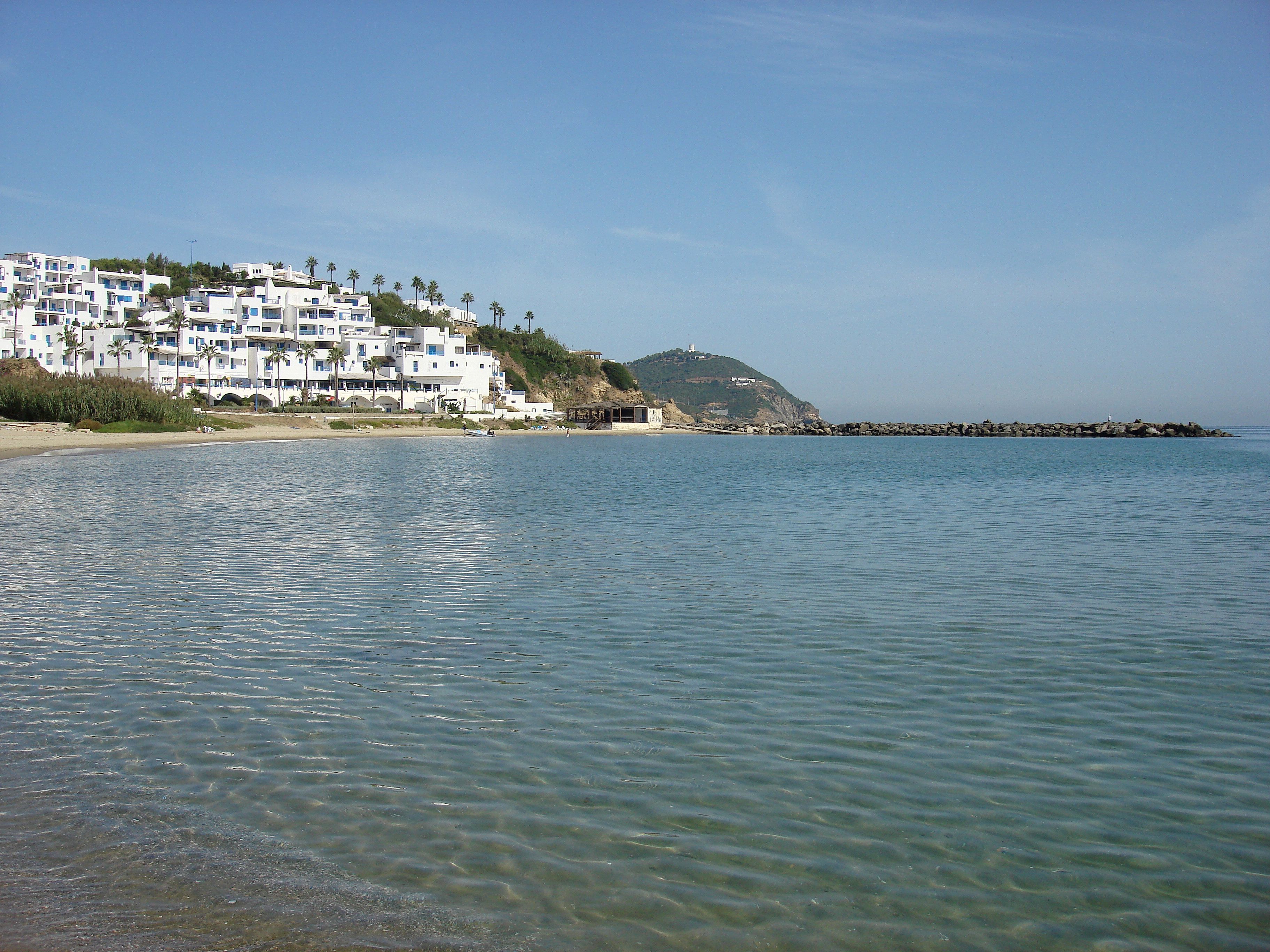
Coastal hillside, beach and waterfront pavilion in the supplied M’diq view
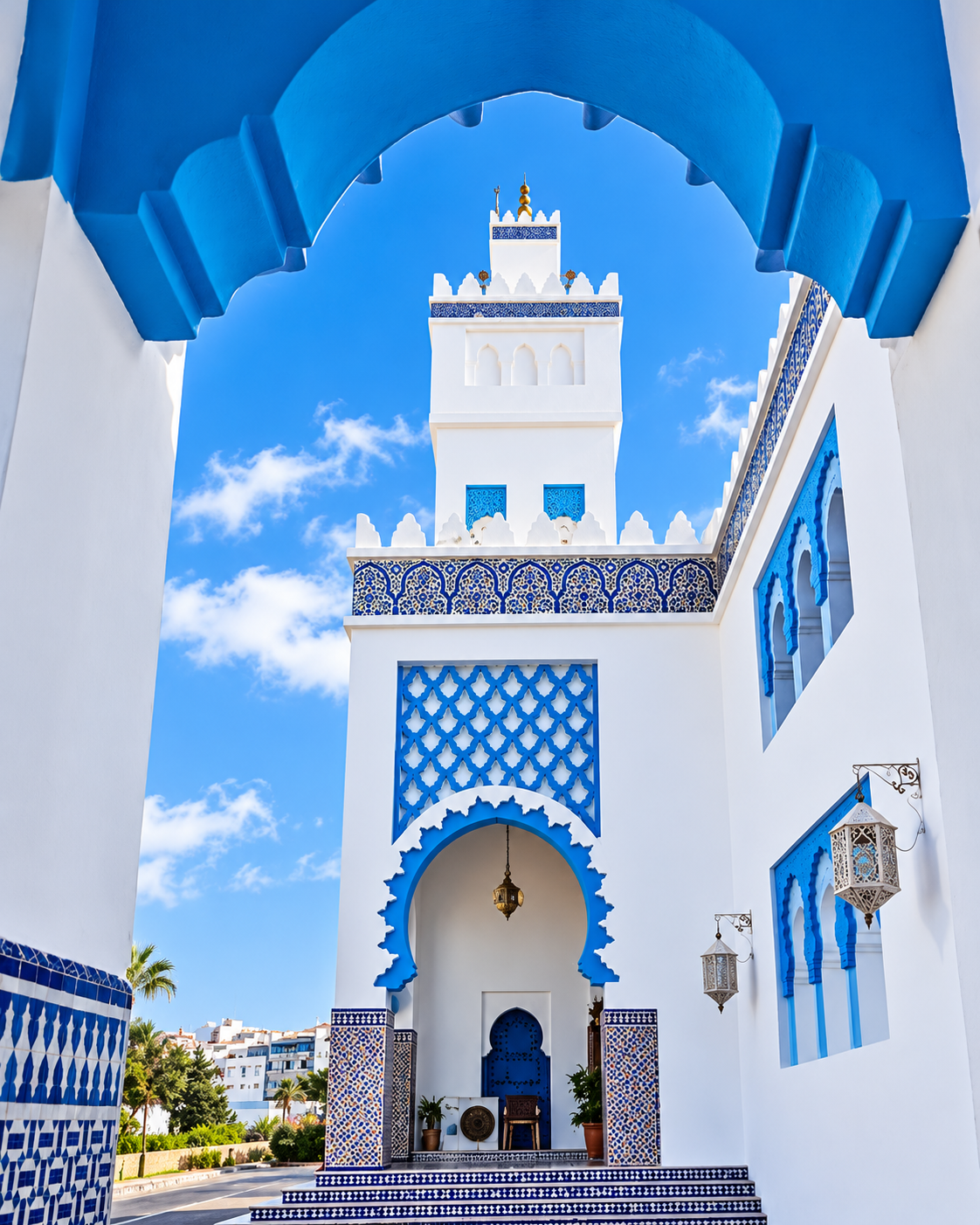
Blue and white architectural threshold in M’diq-Rincón

Feature / interior / identity

White walls, blue details and coastal restraint

M’diq-Rincón does not need heavy monumentality to be understood. Its architectural identity is lighter: white surfaces, blue shutters and railings, tiled thresholds, shaded cafes, small commercial fronts and views that repeatedly return to water and hills.

  • Look for how streets open toward sea views instead of monumental squares.
  • Notice the repeated blue-white vocabulary across small facades and waterfront details.
  • Read the city at walking speed; its character sits in transitions rather than one single landmark.

Architectural reading

Three languages to notice

Waterfront alignment

The city's strongest spatial line is the shore. Roads, cafes, parks and beach access points follow the bay and keep orientation simple.

Resort and working city

M’diq combines leisure infrastructure with everyday services. That mix is what gives it energy in high season and clarity outside it.

Rif backdrop

The nearby hills prevent the city from feeling flat. Mountain views compress distance and give the coast a distinctly northern Moroccan frame.

Visual atmosphere

Light, water and small urban moments

Nearby highlights

Nearby coast and cultural heritage

Choose an extension to suit the day: Cabo Negro for a beach stop, Fnideq for the northbound coast, or Tétouan for medina streets and Andalusi heritage. Each belongs to a different part of the northern journey.

Cabo Negro

A nearby coastal extension known for bay views, resort movement and a different angle on the same Mediterranean landscape.

Cabo Negro beach and its Mediterranean shoreline

Fnideq

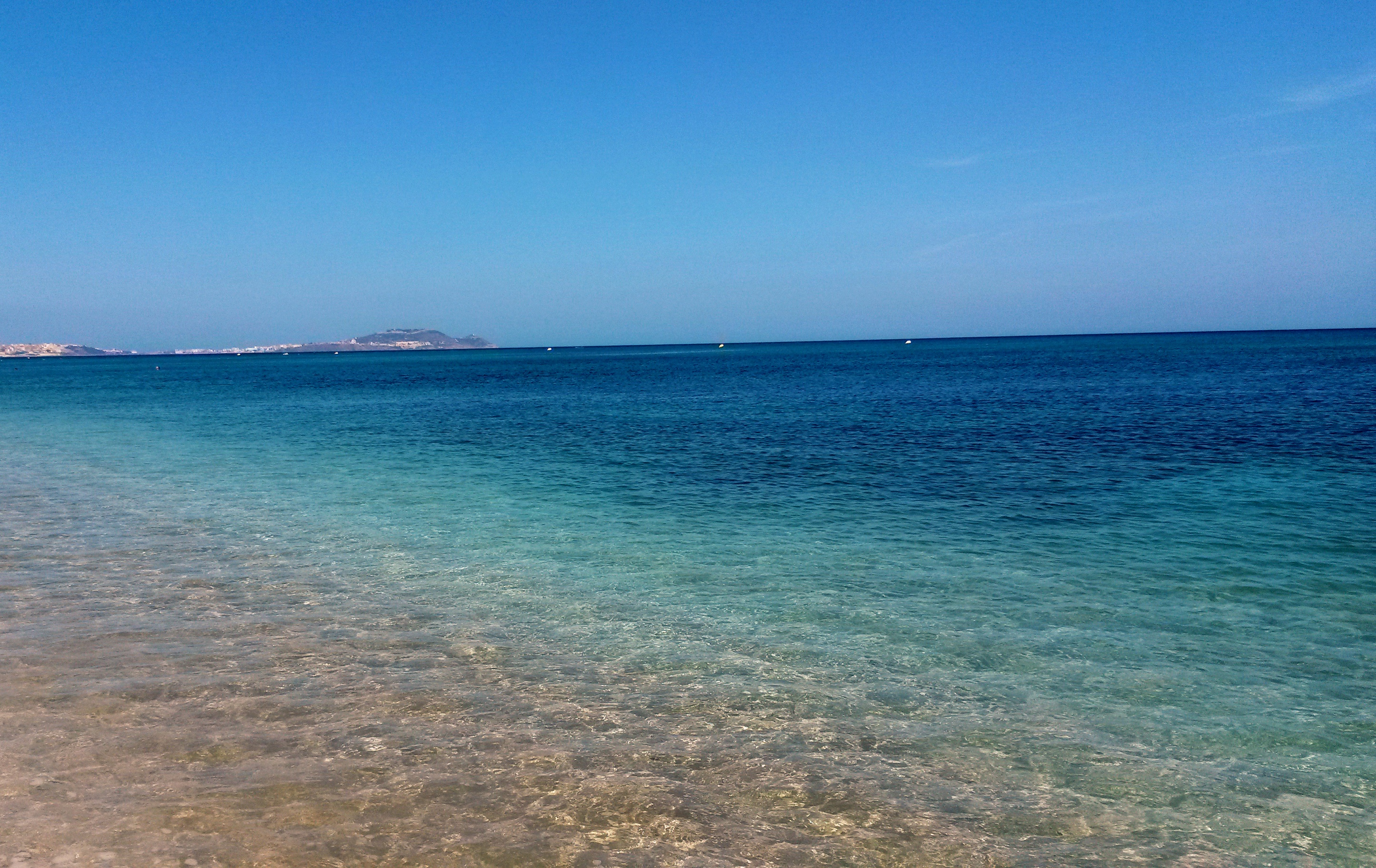
Continue north to Fnideq for a separate coastal stop, with beaches and a town waterfront along the route toward Ceuta.

Clear Mediterranean water viewed from Fnideq beach

Tétouan

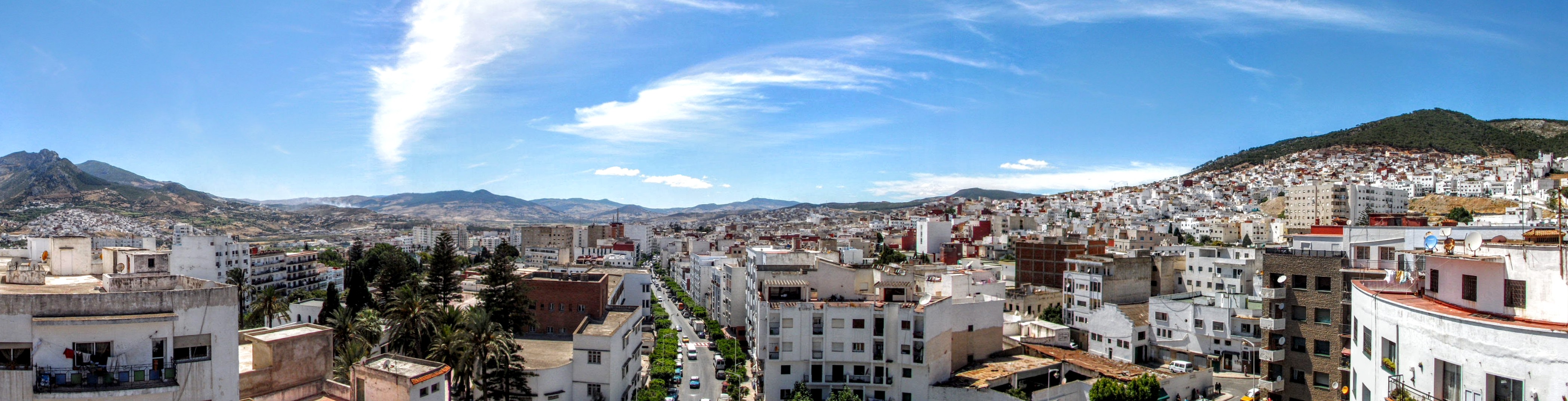
Use Tétouan as the inland cultural counterpoint: medina heritage, Andalusi influence and Rif setting deepen the reading of the coast.

Panorama of Tétouan with the surrounding Rif hills
Travel note: Keep nearby excursions separate from a relaxed town walk. Check local access and transport arrangements when planning your day. Photo sources and licences are included in PHOTO_CREDITS.txt.

Practical orientation

How to experience M’diq-Rincón well

  • Begin with the beach and corniche to understand the shape of the bay.
  • Allow time for the harbour frontage as well as cafés and local streets.
  • Take a slower seafront walk in the softer light toward the end of the day.
  • Choose Cabo Negro for a coastal extension or Tétouan for a cultural visit.
  • Keep the itinerary manageable so that travelling between places does not fill the day.

A strong first visit

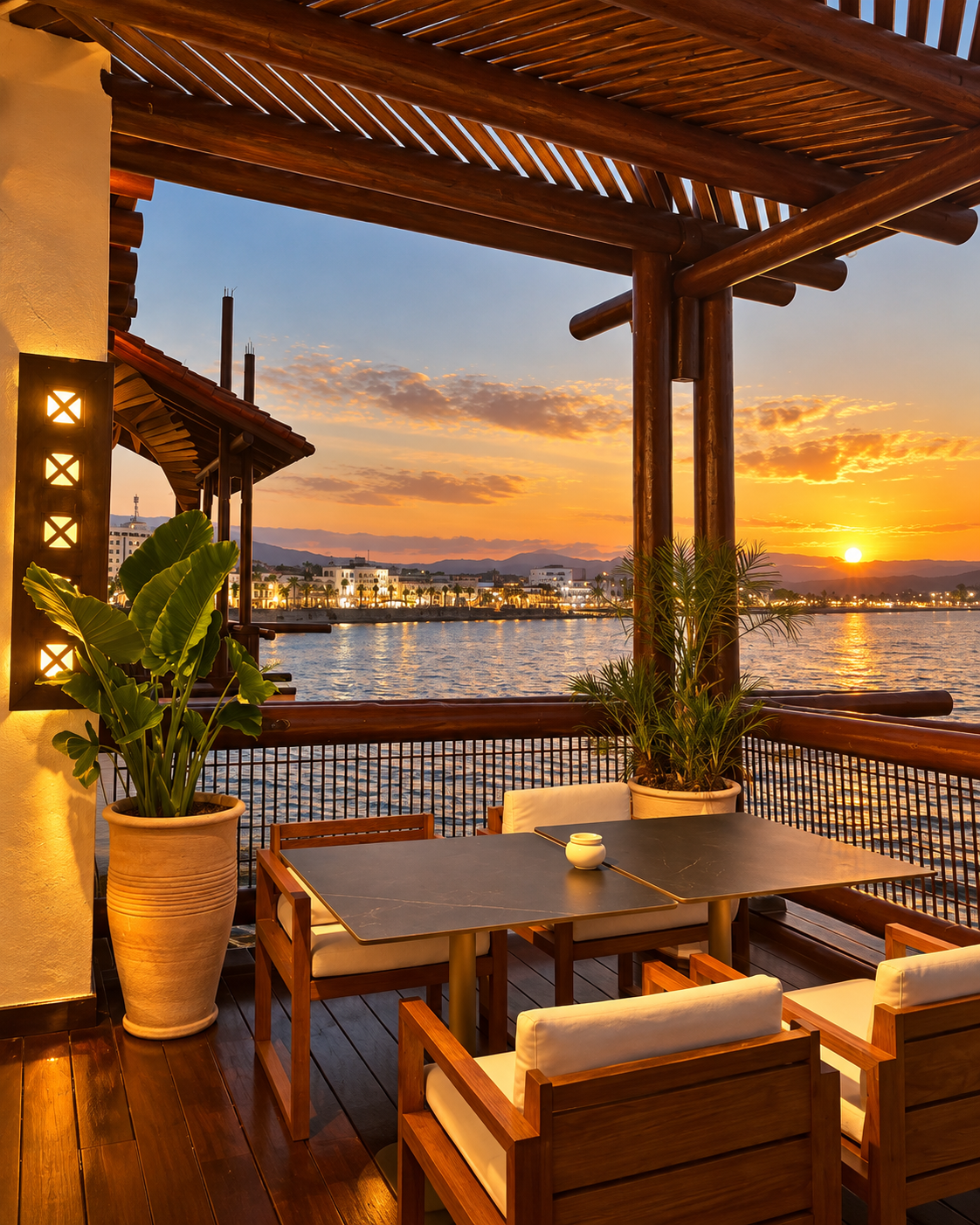
Evening terrace atmosphere on the M’diq-Rincón waterfront

Start at the beach, follow the promenade and pause near the harbour. Return through the streets for a café stop, then finish beside the sea. Save a longer visit to Tétouan or Fnideq for another part of the itinerary.

M’diq-Rincón Premium Visual City Guide cover

Go deeper with Exotic Morocco

M’diq-Rincón — Premium Visual City Guide

Explore the Exotic Morocco guide collection for a deeper visual journey through destinations, architecture, local culture and practical travel orientation across Morocco’s north.

✓ Coastal context✓ Essential places ✓ Architecture & design✓ Culture & local life ✓ Practical orientation✓ Nearby highlights

Continue journey

Continue the journey through M’diq-Rincón

Use M’diq-Rincón as a clean Mediterranean base, then widen the route toward Cabo Negro, Fnideq, Tétouan and the Rif-framed coast.