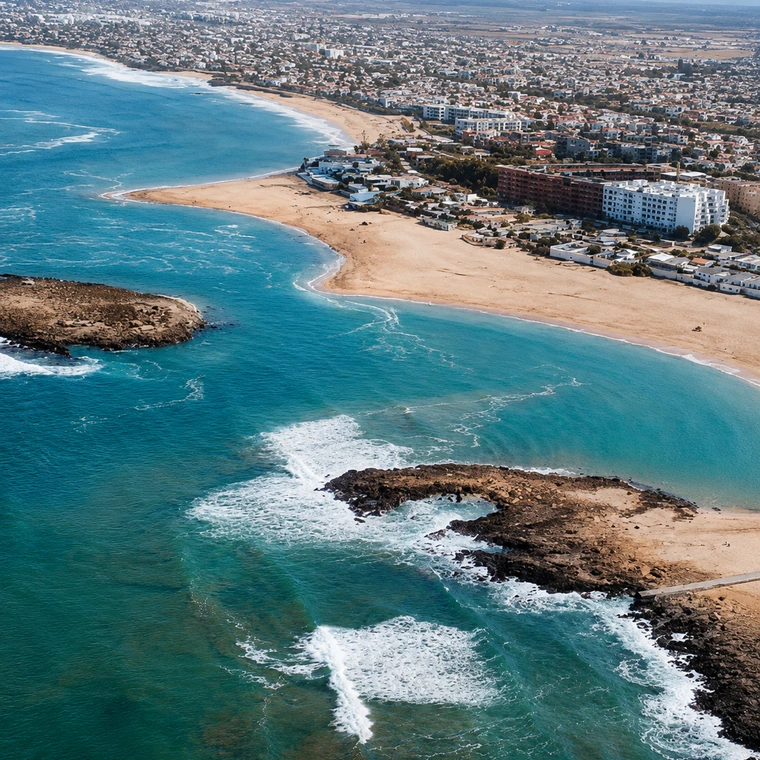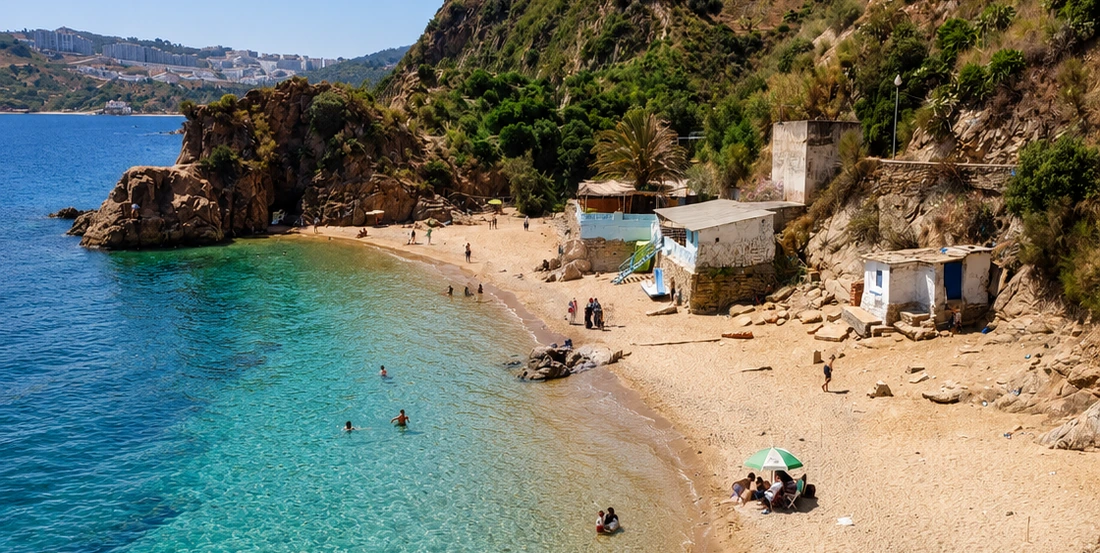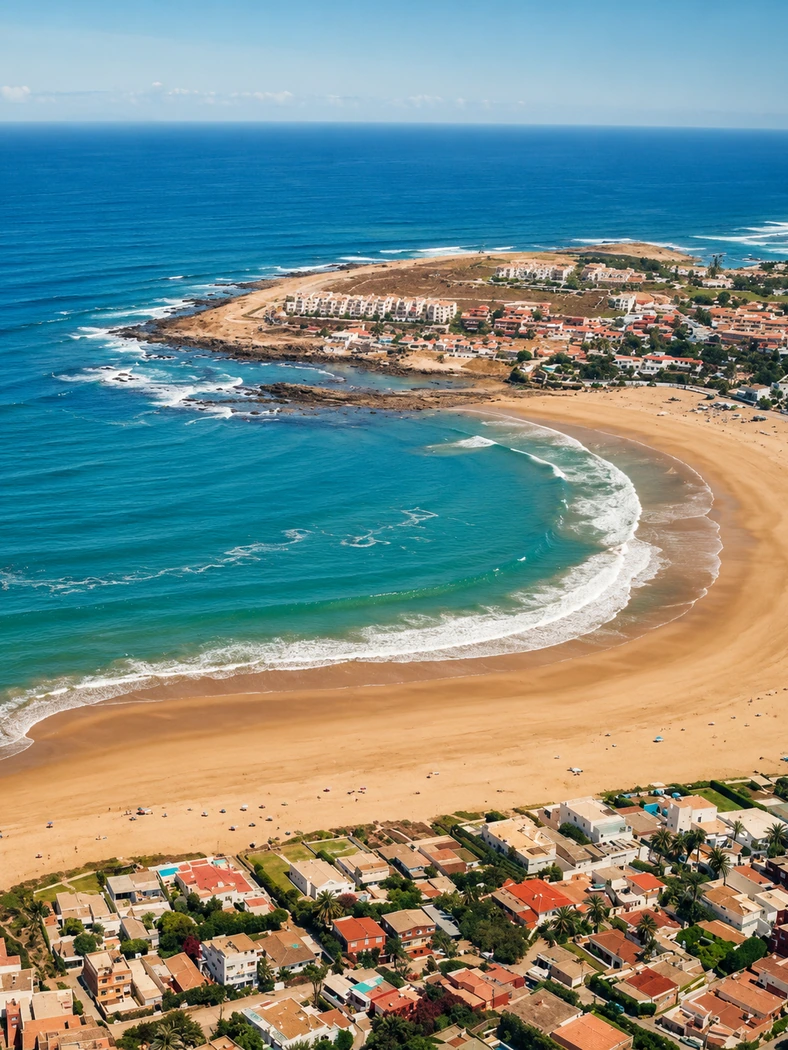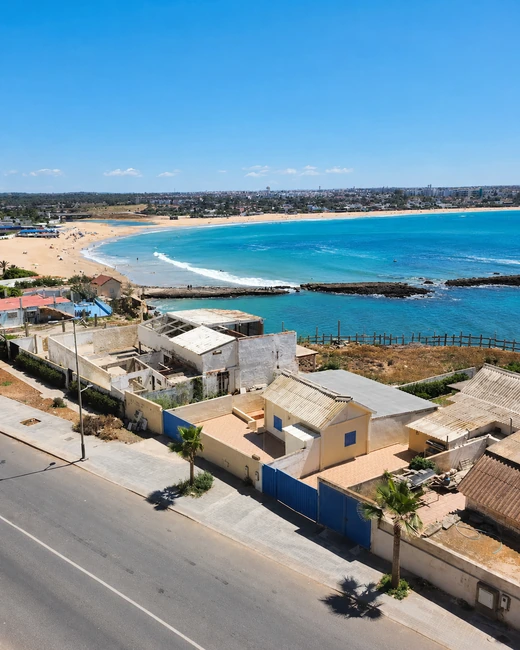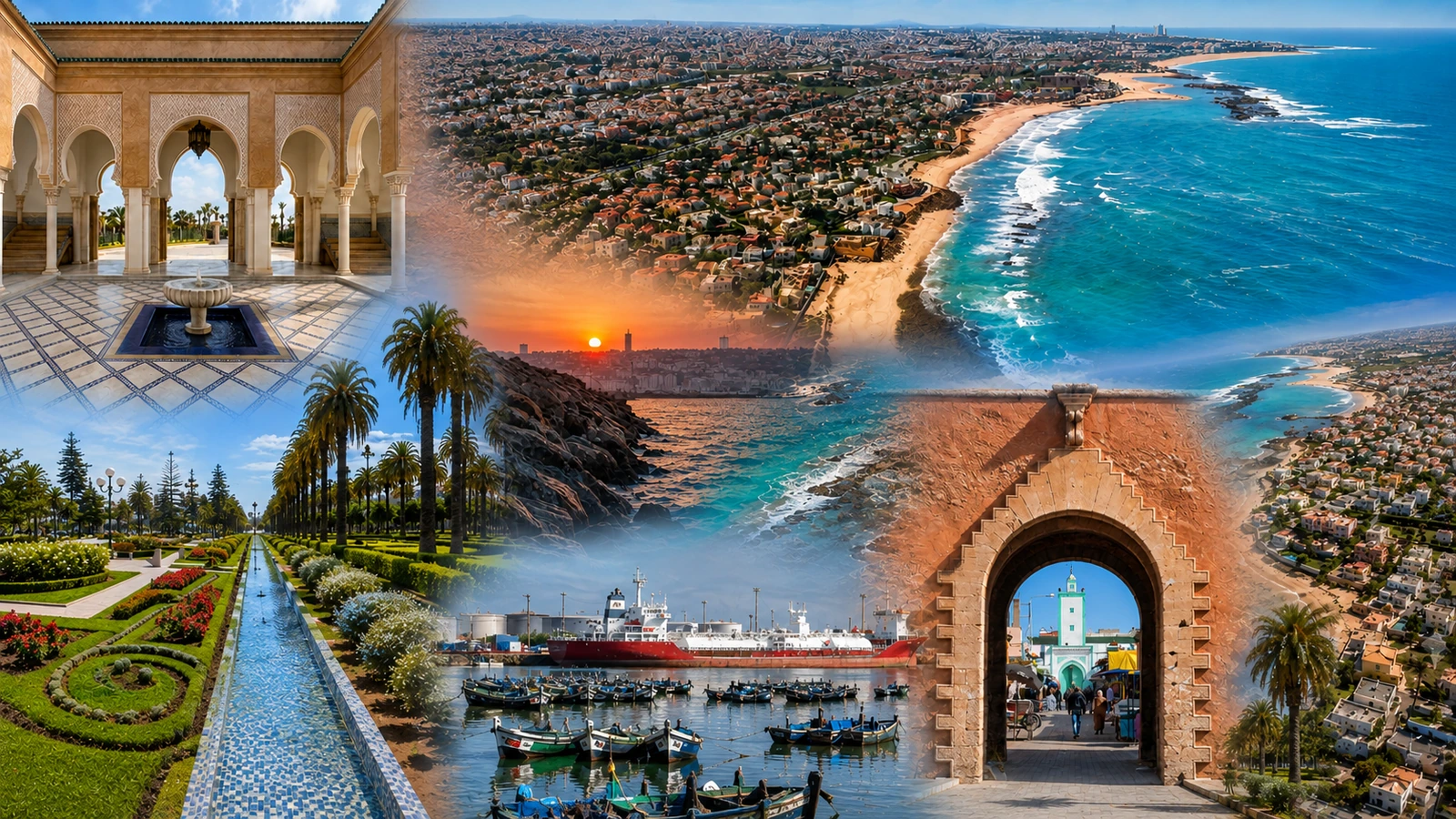
Miramar Beach and Atlantic horizon in Mohammedia

Atlantic City of Fedala

Mohammedia Fedala memory, Atlantic beaches and garden-city rhythm

Mohammedia is often crossed between Casablanca and Rabat, yet its older name, Fedala, gives the city a deeper reading: a coastal kasbah, a working port, long Atlantic beaches, gardens, sport clubs and a calmer urban rhythm beside Morocco’s most active corridor.

Why Mohammedia matters

Beyond the Casablanca corridor

Mohammedia is not only a coastal pause near Casablanca. Its older identity as Fedala still shapes how the city should be read: through the kasbah and harbour, the Atlantic edge, public gardens, sport clubs and the practical movement of a port city.

The result is a different kind of Moroccan city page: less about a single monument, more about the meeting of fortified memory, seaside leisure and the industrial geography that made Mohammedia important in the Casablanca–Settat region.
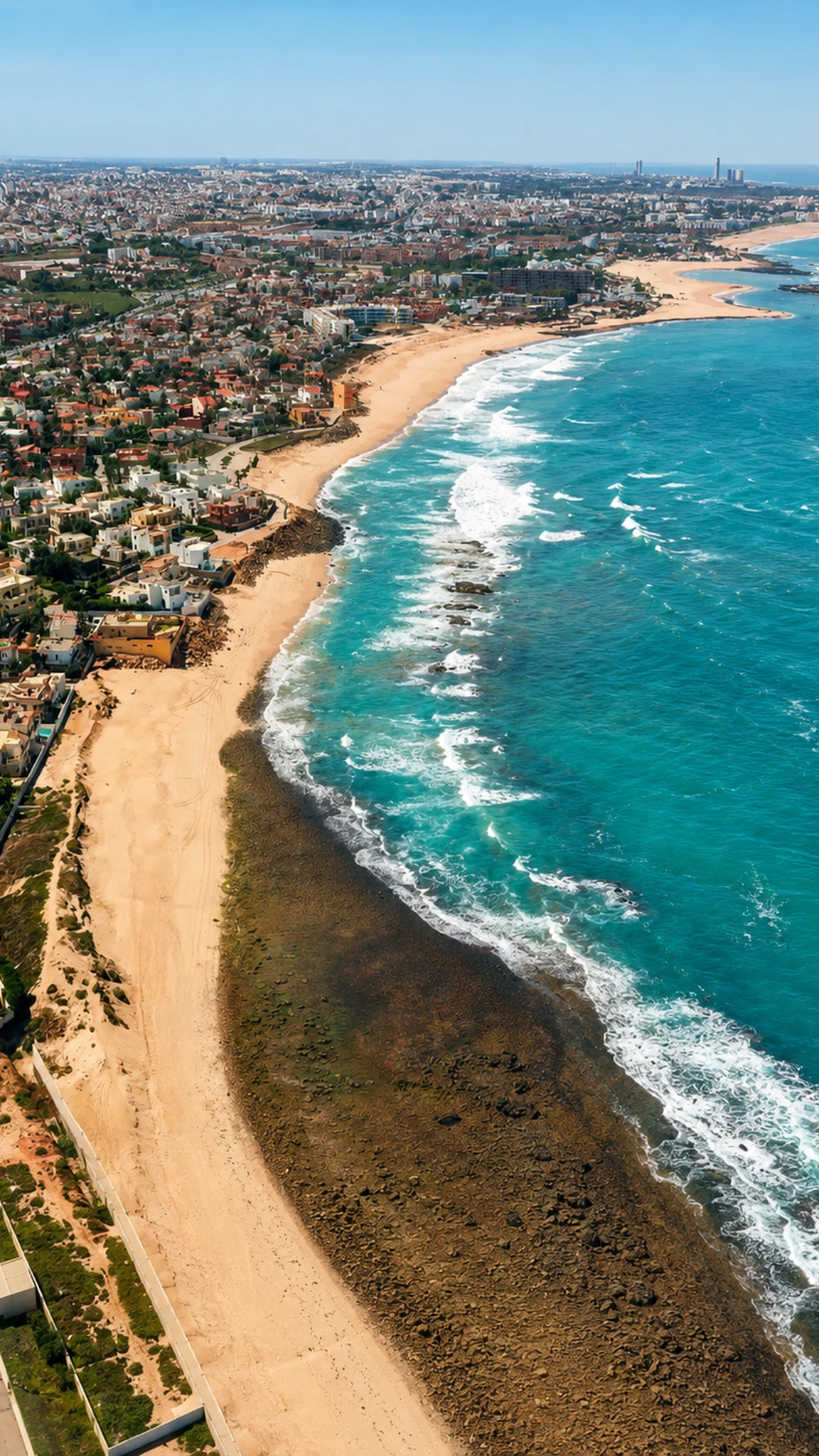
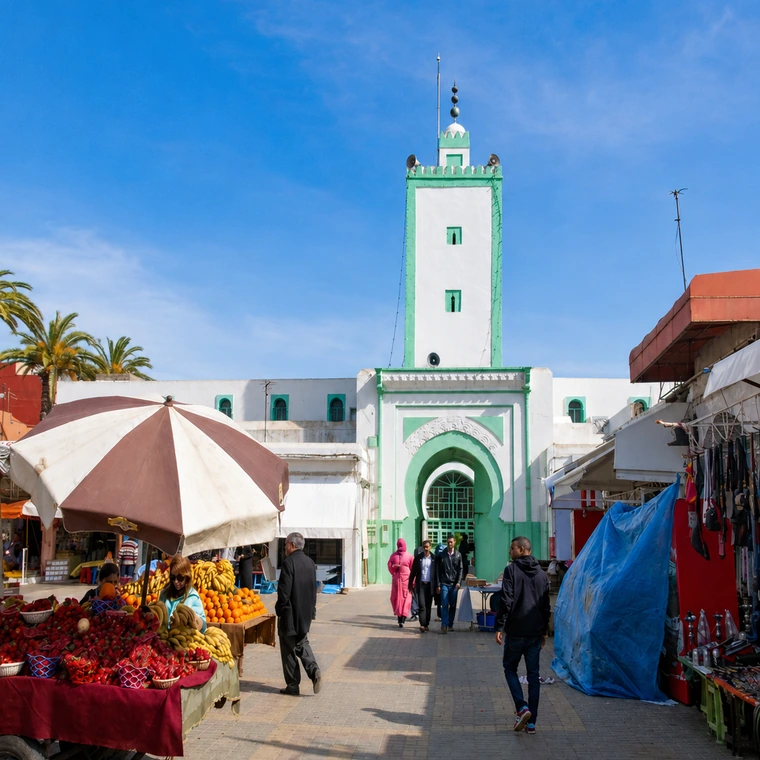
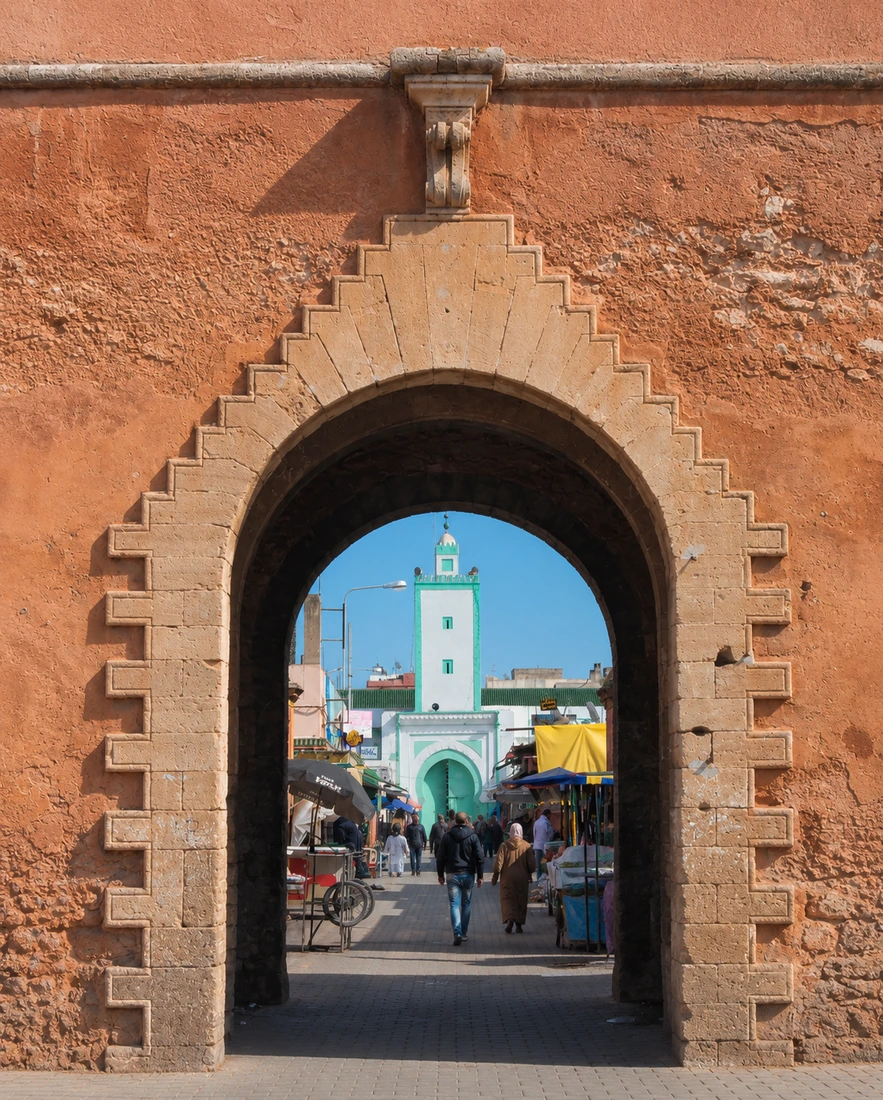
Bab el Kasbah and the old Fedala core in Mohammedia

A coast city with two readings

Fedala gives Mohammedia its historic depth; the Atlantic gives it its daily atmosphere. Read both together and the city becomes clearer.

EXPLORE

Mohammedia

Historical orientation

From Fedala harbour to Mohammedia

Mohammedia is best understood through the continuity of Fedala. Sources describe an Atlantic harbour known to merchants from the fourteenth century, a fortified coastal kasbah associated with Sultan Sidi Mohammed Ben Abdallah in the late eighteenth century, a twentieth-century port city, and a new national name adopted in 1960 in honour of King Mohammed V.

0114th century

Fedala harbour

Fedala appears in the city’s memory as a coastal harbour on the Chaouïa shore, linked to maritime trade rather than to an imperial-medina story.

02Late 18th century

Kasbah and grain trade

The Kasbah of Fedala anchors the old core, recalling a fortified place built to protect commercial stores and organise trade beside the coast.

0320th century

Port and seaside city

The modern port changed the scale of the city, while beaches, gardens, villas and sport clubs gave Mohammedia a separate seaside rhythm.

0425 June 1960

Fedala becomes Mohammedia

Fedala was renamed Mohammedia in tribute to King Mohammed V, making the city’s modern name part of Morocco’s independence-era memory.

A visual bridge

Three glimpses between Fedala and the sea

These views connect the historical story to the city visitors encounter today: an old kasbah entrance, Atlantic beach light and the gardens that soften Mohammedia’s urban rhythm.

Kasbah of Fedala gateway in Mohammedia

Kasbah of Fedala

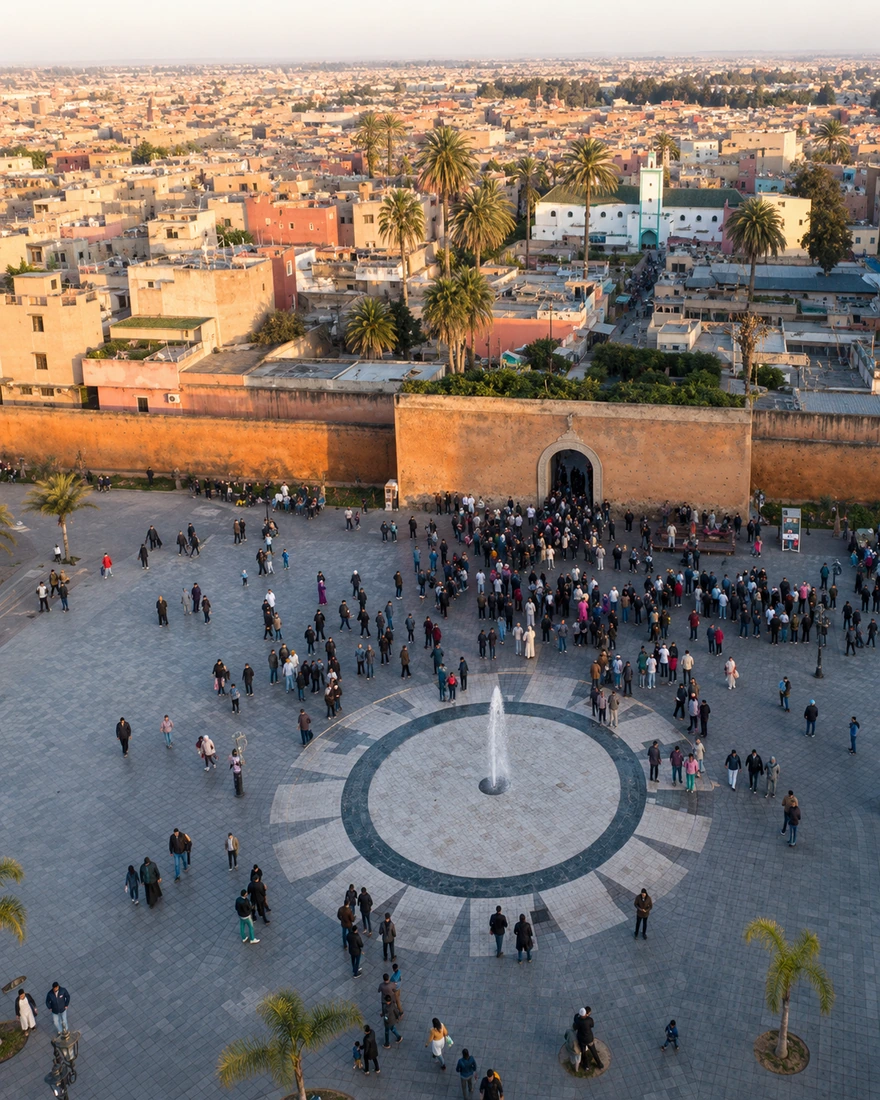
The old name remains legible around the fortified core and its everyday streets.

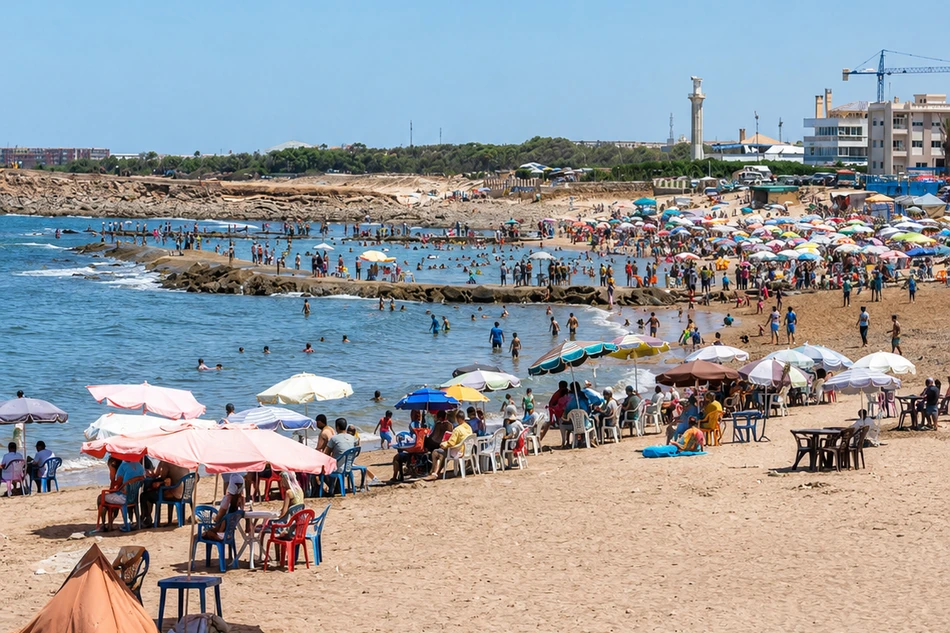
Atlantic beach light on the Mohammedia coast

Atlantic beach rhythm

Miramar, Manesmane, Sablettes and nearby beaches make the coast part of daily life as much as leisure.

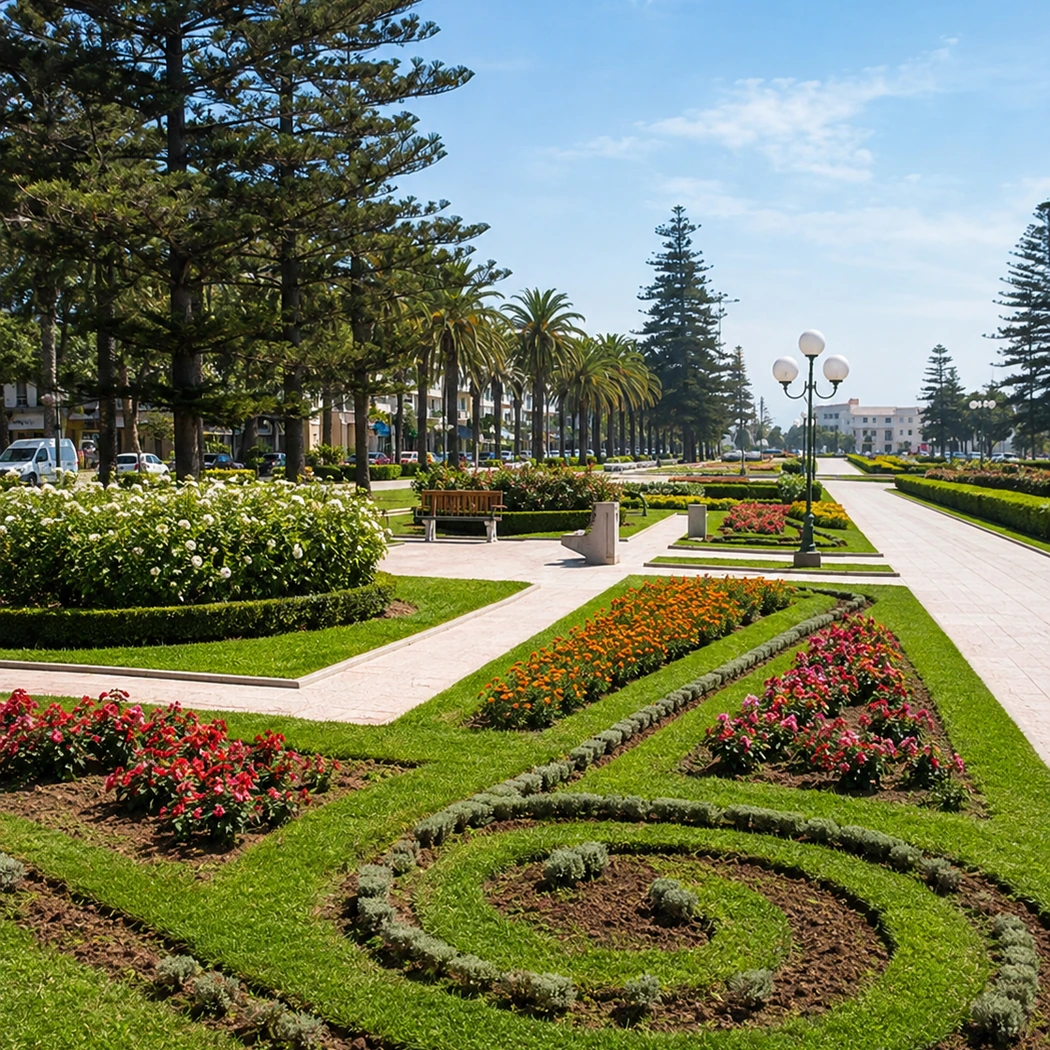
Garden paths and palms in Mohammedia

Gardens and sport culture

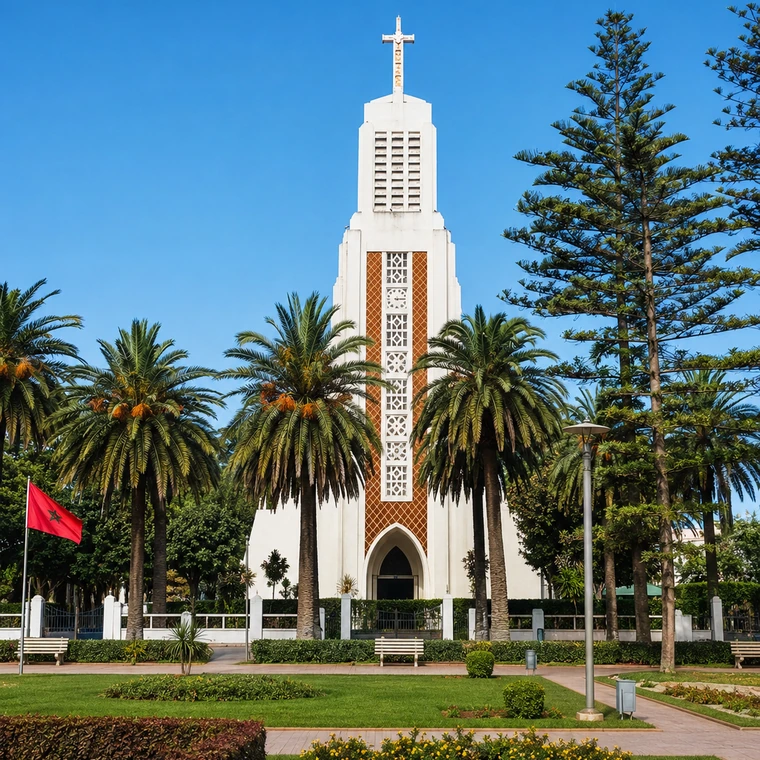
Parks, palms and club landscapes give the city a calmer, greener face beside the port corridor.

Mohammedia at a glance

Fedala, the older name

The name Fedala is essential to understanding Mohammedia. It connects the modern city to its harbour, kasbah and coastal trade memory.

Between Casablanca and Rabat

Mohammedia sits on the Atlantic corridor between Morocco’s economic capital and administrative capital, making it easy to approach but easy to misread as only a transit stop.

Beach and garden city

The city combines central beach life, rocky coves, public gardens and sport-club culture rather than the dense medina rhythm found elsewhere.

Working port identity

The port and industrial horizon are real parts of Mohammedia. They should be read honestly alongside the beaches and the older Fedala core.

A clearer reading of the city

A city shaped by coast, port and Fedala memory

To understand Mohammedia, do not separate the old kasbah, the harbour, the beaches and the gardens. Each layer explains why the city feels different from nearby Casablanca while still belonging to the same Atlantic region.

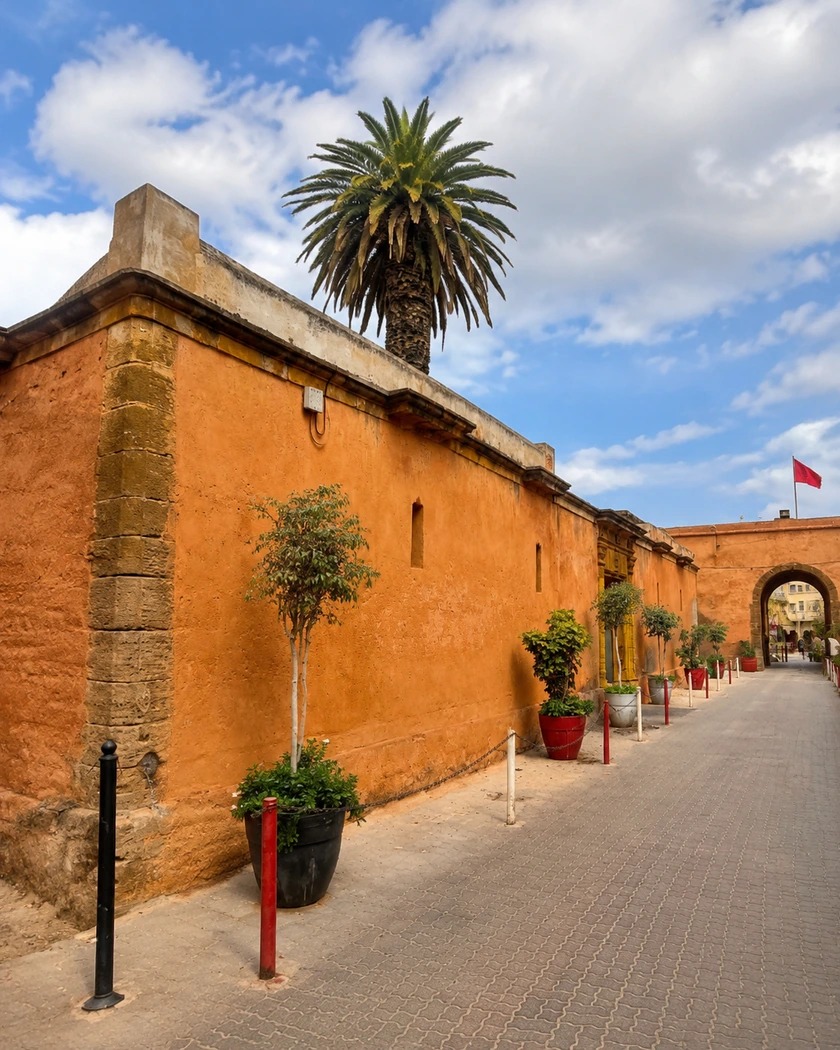
Kasbah walls and gateway in the old Fedala core
Layer 1

The Fedala core

Around the kasbah, Mohammedia keeps the memory of Fedala in walls, gateways, whitewashed surfaces and ordinary streets shaped by local movement.

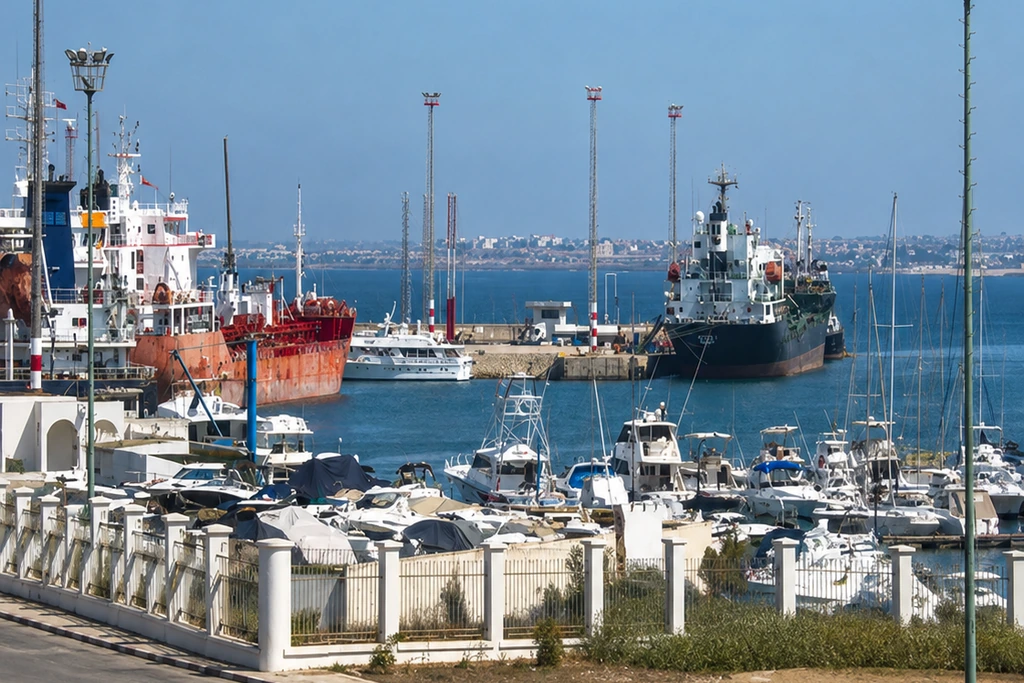
Port of Mohammedia and working Atlantic harbour infrastructure
Layer 2

Port and industrial horizon

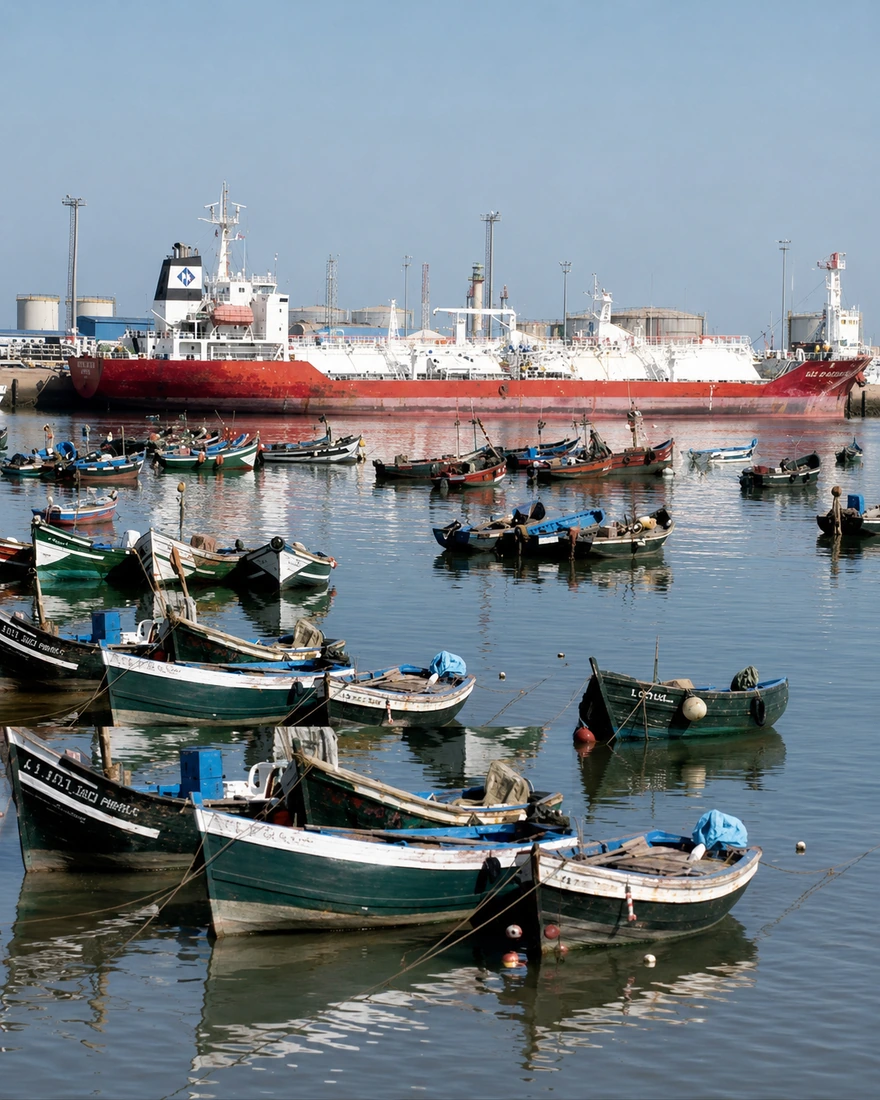
The port gives the city a working edge. It is not a decorative backdrop, but part of the geography that made Mohammedia strategically important.

Palm-lined garden and civic leisure landscape in Mohammedia
Layer 3

Beaches, parks and sport

Miramar, Manesmane, Sablettes, gardens and golf create the city’s softer reading: open air, Atlantic light, walking routes and weekend leisure.

Landmarks & orientation

Read Mohammedia through six defining places

Mohammedia is best read through Fedala’s older core and the Atlantic spaces around it. These six places show the city without pretending it is an imperial medina.

1
Kasbah of Fedala

The historic core and most important name-memory of the city: Fedala remains essential here.

2
Bab el Kasbah

A gateway reading of the old town, where the kasbah entrance frames everyday movement and local streets.

3
Miramar Beach

A central Atlantic beach that helps explain Mohammedia’s seaside identity close to the city centre.

4
Parc des Villes Jumelées

A planted civic landscape of palms, paths and public leisure that softens the urban scale.

5
Port of Mohammedia

The working harbour and industrial edge that shaped the modern city’s strategic role.

6
Royal Golf Anfa Mohammedia

A coastal golf landscape where sea air, forest edges and sport form part of the city’s leisure heritage.

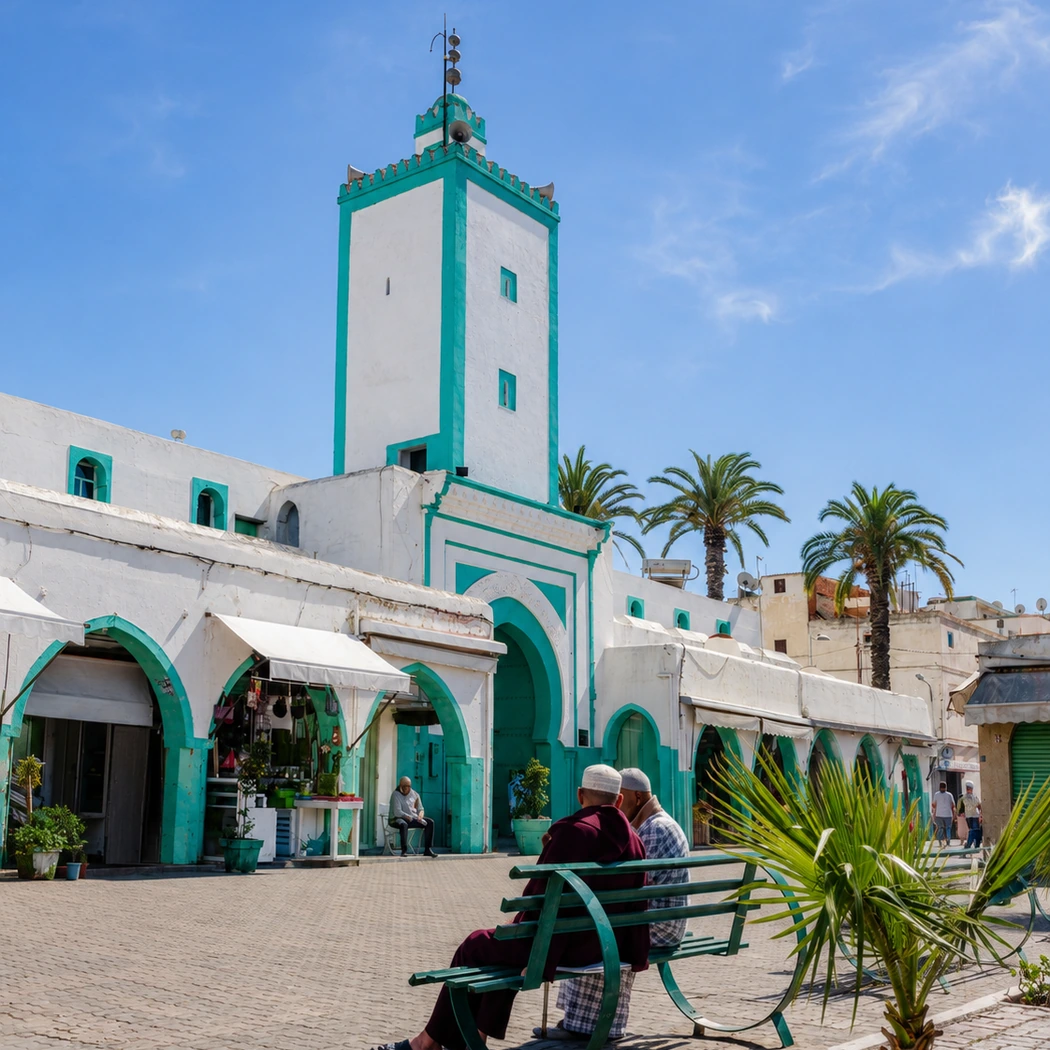
Mosquée Al Ridouane and urban identity in Mohammedia
Bab el Kasbah in the historic Fedala core of Mohammedia

The Kasbah of Fedala is the page’s anchor because it prevents Mohammedia from being reduced to beach or transit. Its walls and gateways carry the older name that still matters to the city’s identity.

The Kasbah of Fedala — the city’s older name in stone

Read it as a compact historic core, not as a staged monument: shops, small streets, mosque views and daily passage all keep the place connected to ordinary urban life.

  • Fedala is the crucial historical name and must remain part of any serious reading of Mohammedia.
  • The kasbah connects coastal trade, protection, worship and neighbourhood life.
  • Its modest scale is part of its value: the experience is about orientation, texture and continuity.

Architectural reading

Three urban languages to notice

Fortified Fedala

The historic language is modest and compact: ochre walls, gateways, mosque views, thresholds and small streets rather than monumental imperial display.

Port and industrial edge

The port reads in tanks, breakwaters, working quays and maritime infrastructure. It gives Mohammedia a contemporary coastal profile that should not be erased from the story.

Garden-city leisure

Palms, parks, beaches, club grounds and corniche movement create a softer architecture of shade, air and public pause.

Visual atmosphere

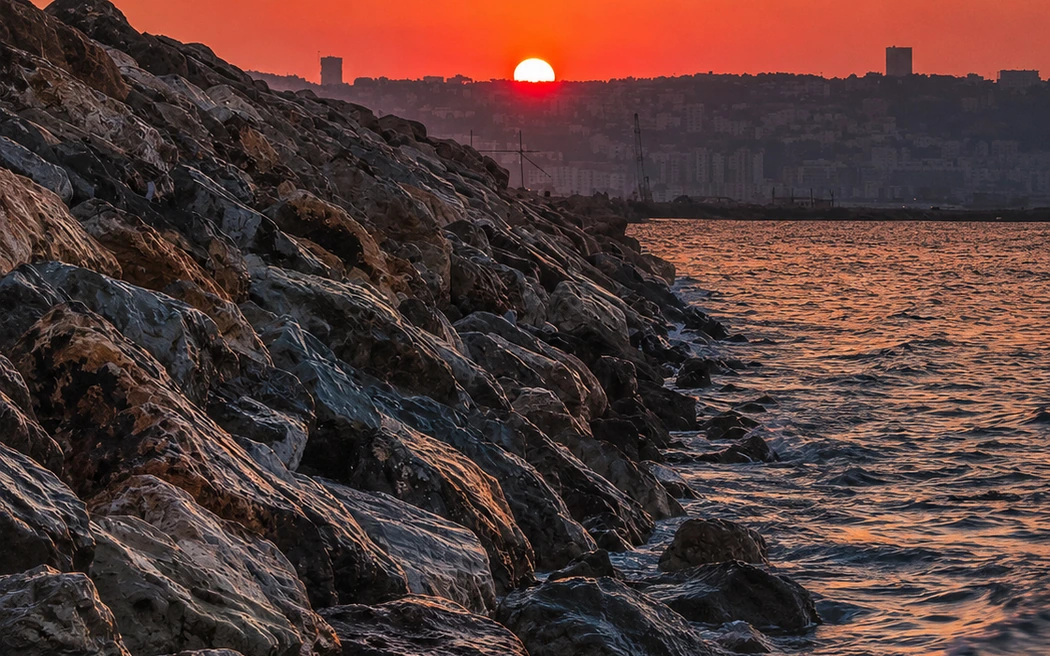
Sea light, low walls and port horizons

Nearby highlights

Beyond Mohammedia

Mohammedia works best as part of the Casablanca–Rabat Atlantic corridor. Keep the city’s Fedala core and beaches as the main focus, then extend outward only when the rhythm of the visit allows it.

Casablanca

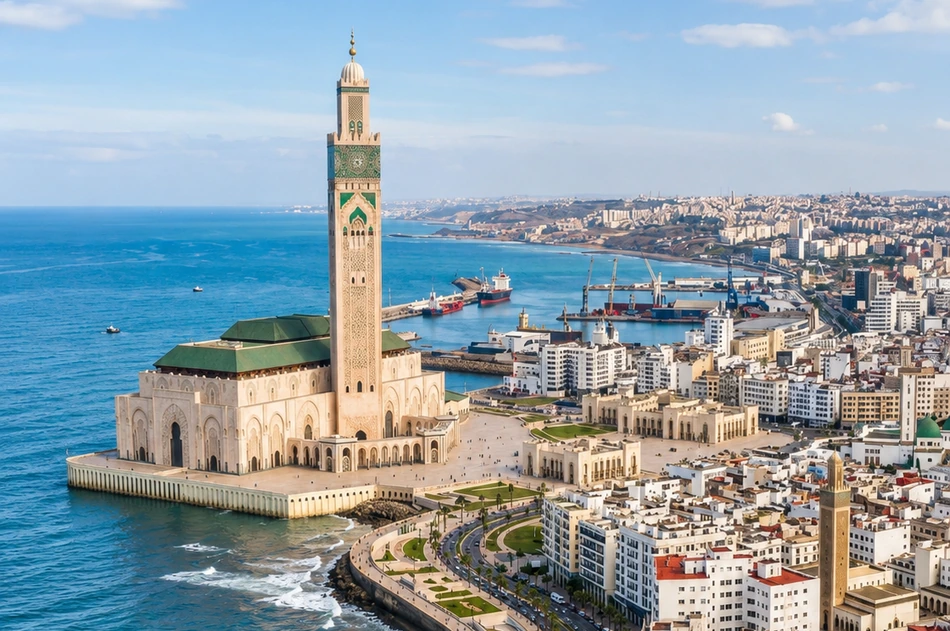
Morocco’s economic capital is the natural urban counterpart: dense, modern, coastal and close enough to pair with Mohammedia without making the two cities feel the same.

Casablanca Atlantic waterfront and Hassan II Mosque near Mohammedia

Rabat

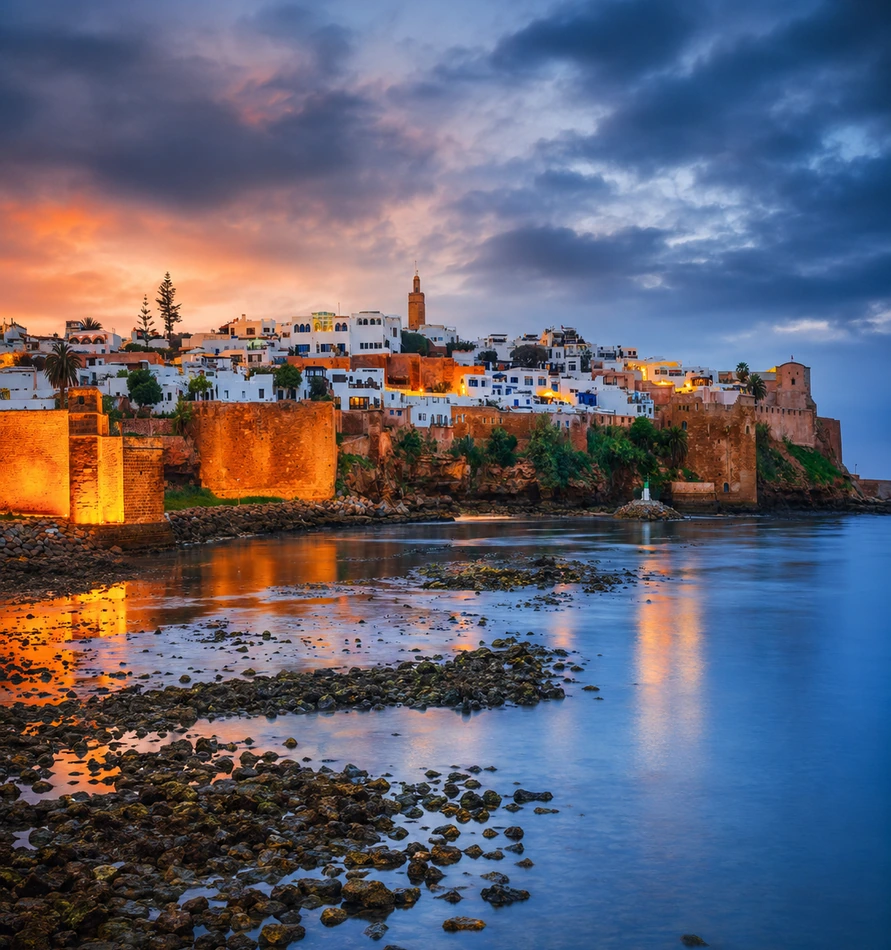
The capital adds a calmer heritage reading: ramparts, gardens, Hassan Tower, the river edge and a different Atlantic scale north of Mohammedia.

Hassan Tower in Rabat north of Mohammedia

Mansouria and Zenata coast

For a lighter coastal extension, look along the Atlantic edge toward nearby beaches, new urban development and open stretches beyond the city centre.

Atlantic coast extension toward Mansouria and Zenata
Travel note:

Practical orientation

How to experience Mohammedia well

  • Begin with the Kasbah of Fedala before moving to the beach: the older name gives the visit its structure.
  • Use Miramar or the corniche for the city’s Atlantic rhythm, especially if you are coming from Casablanca.
  • Separate beach time from port orientation; the working harbour is part of the story, not a promenade-only backdrop.
  • Add Parc des Villes Jumelées or another garden pause to soften the route.
  • Treat Rabat, Casablanca and the wider coast as extensions, not replacements for Mohammedia itself.

A strong first visit

Palm paths and garden pause in Mohammedia

Start in the Kasbah of Fedala, walk outward toward the Atlantic, pause at Miramar or a nearby beach, then finish with gardens, cafés or a coastal drive. The city is strongest when read as Fedala plus sea, not as a quick suburb of Casablanca.

Cover image for the Mohammedia and Fedala Atlantic City Guide

Go deeper with Exotic Morocco

Mohammedia / Fedala — Atlantic City Guide

Continue the route with a clear visual reading of Fedala, the kasbah, beaches, port identity, gardens, sport culture and nearby Atlantic extensions.

✓ Fedala context✓ Essential places ✓ Coastal orientation✓ Culture & local life ✓ Practical travel guidance✓ Nearby highlights

Look beyond the Casablanca corridor and encounter a city where Fedala memory, Atlantic beaches, gardens and a working port meet in a quieter rhythm.

Continue the journey through Mohammedia

Look beyond the gateway and encounter a city of imperial scale, lived heritage, quiet streets, refined interiors and nearby landscapes.