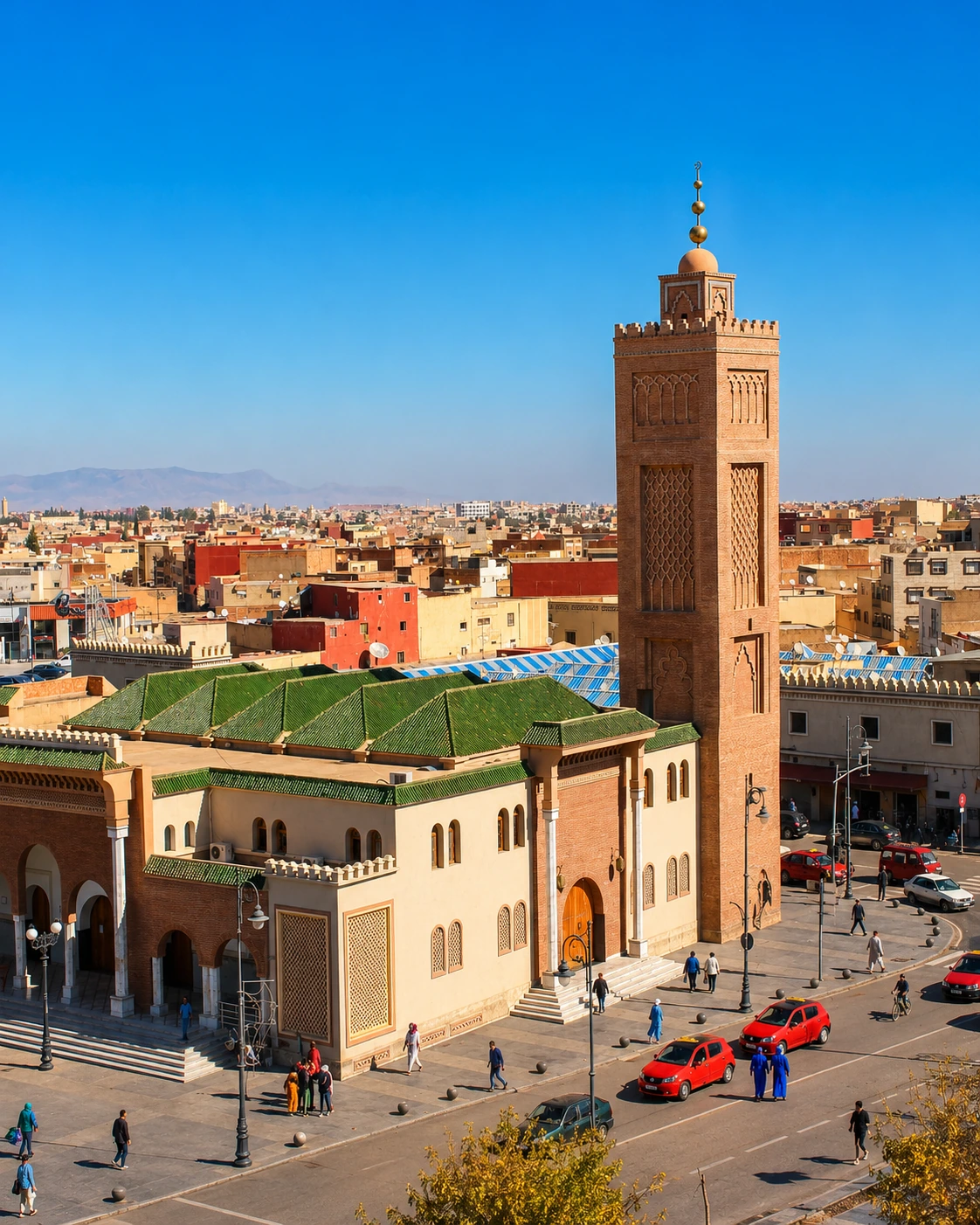
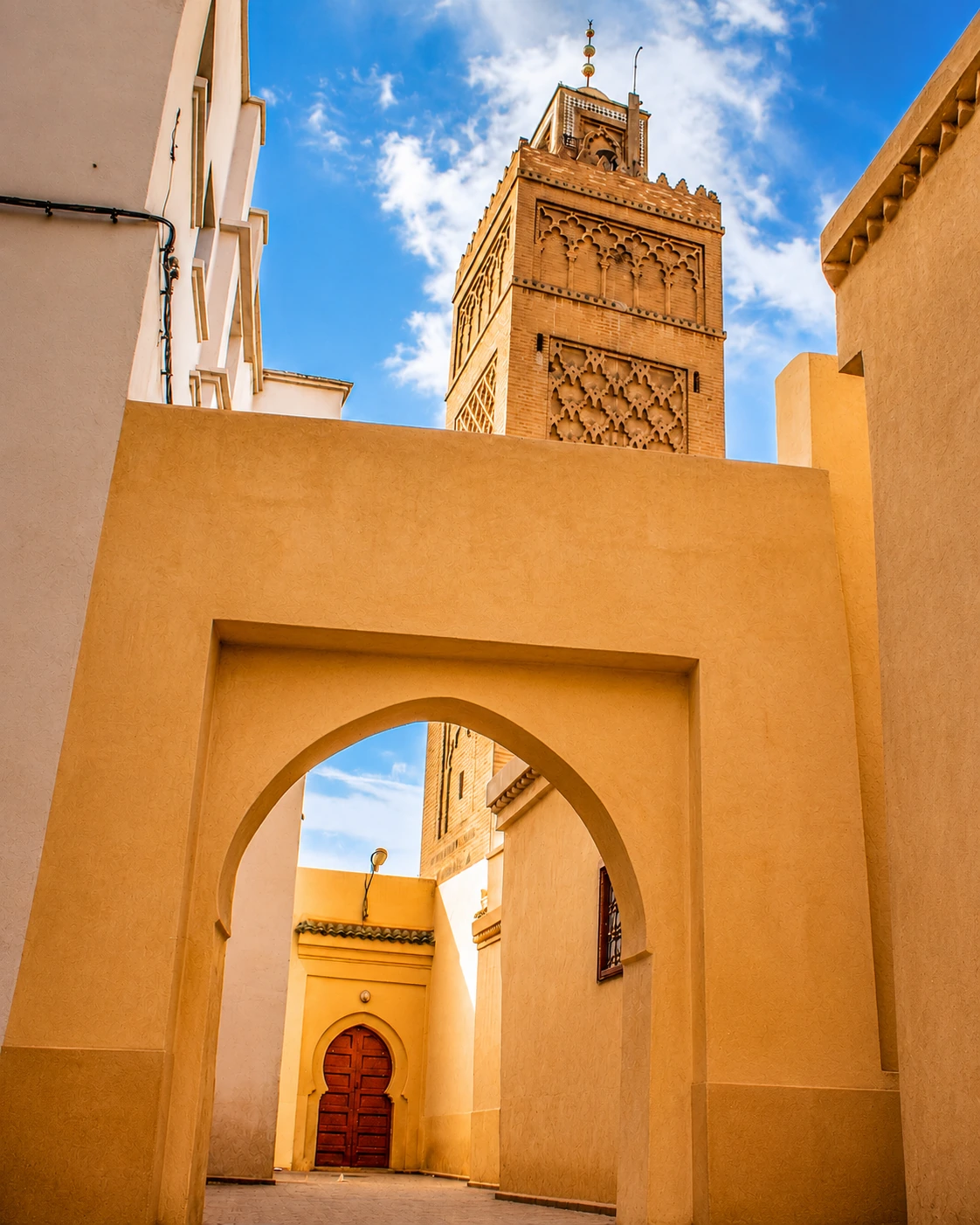
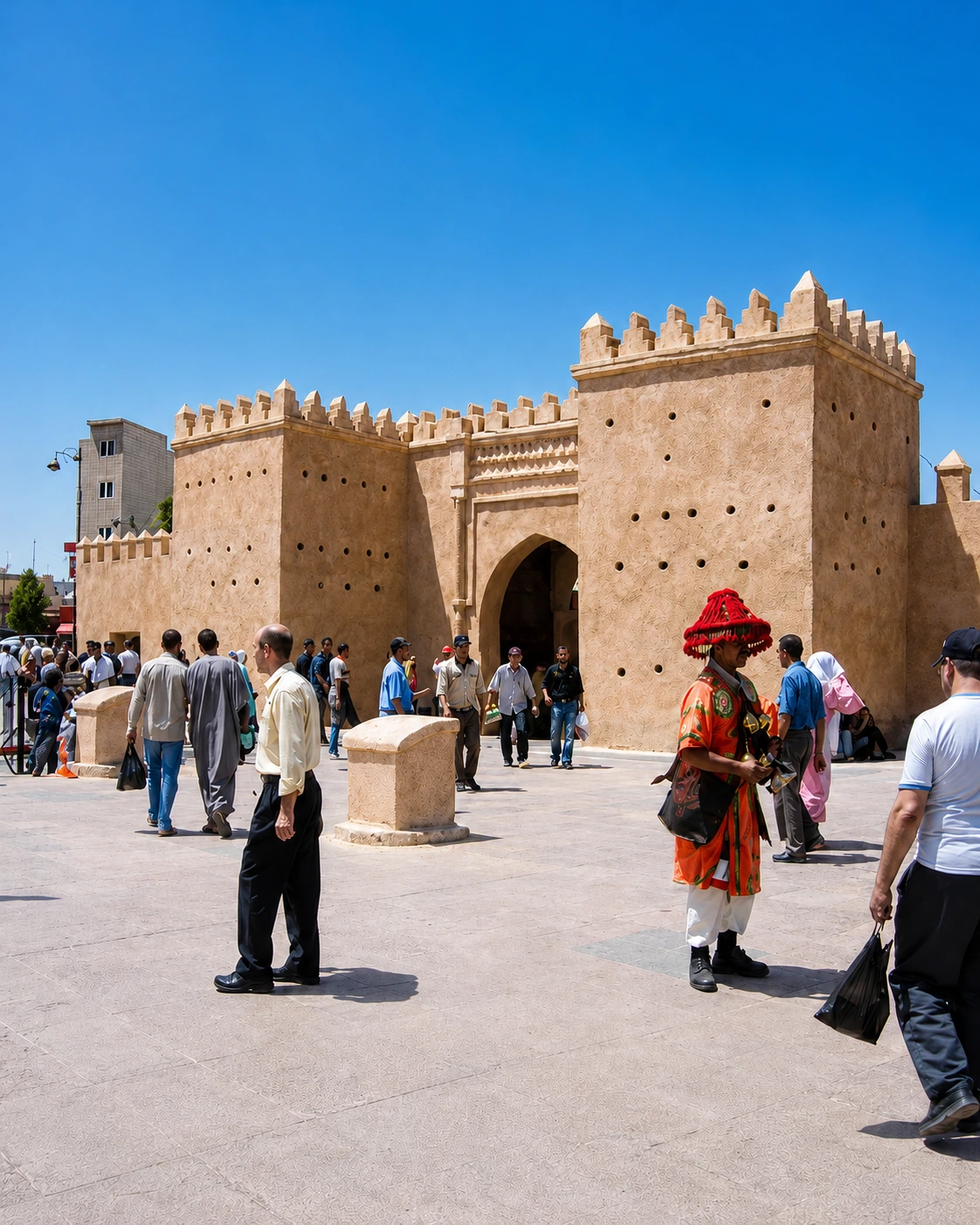
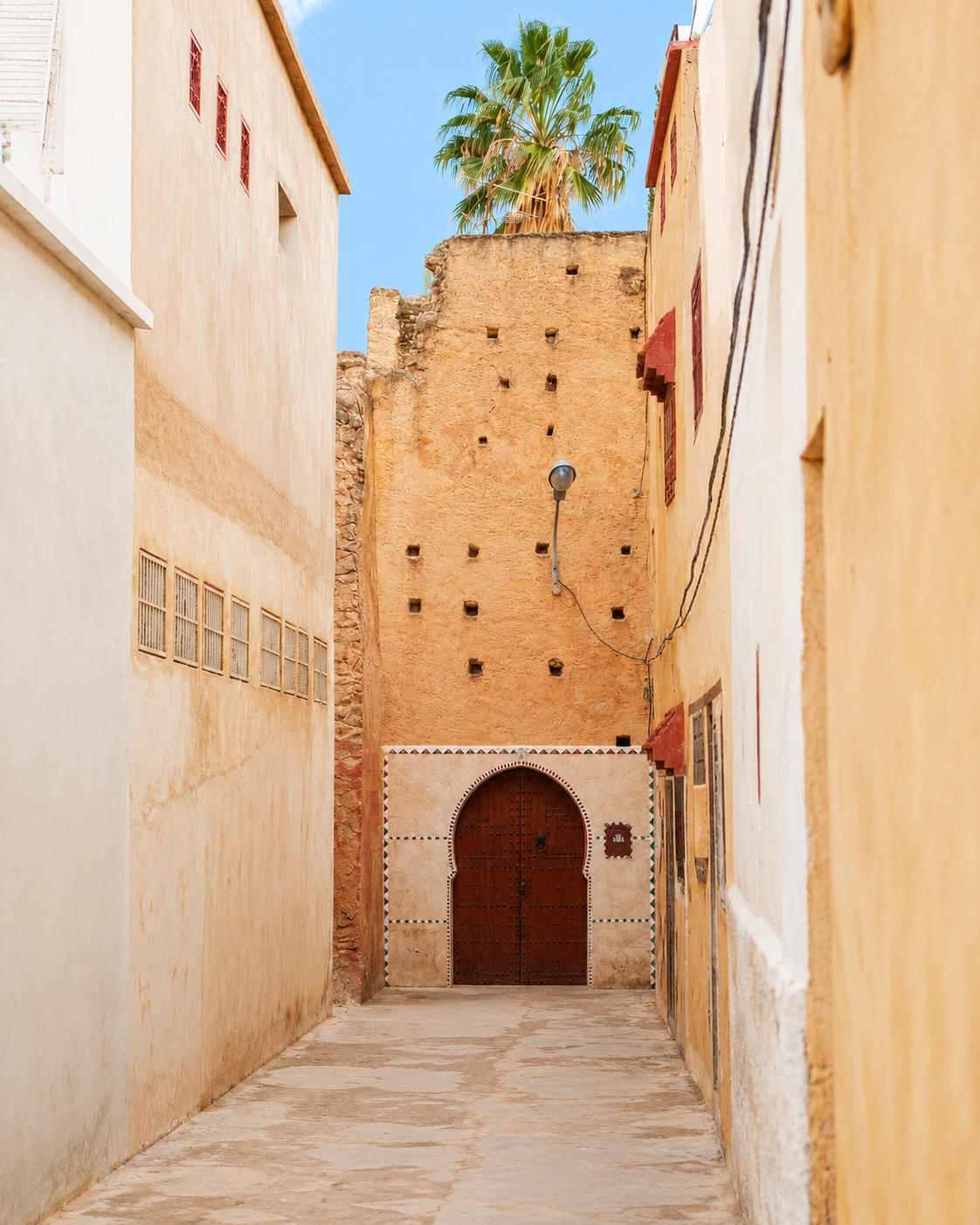
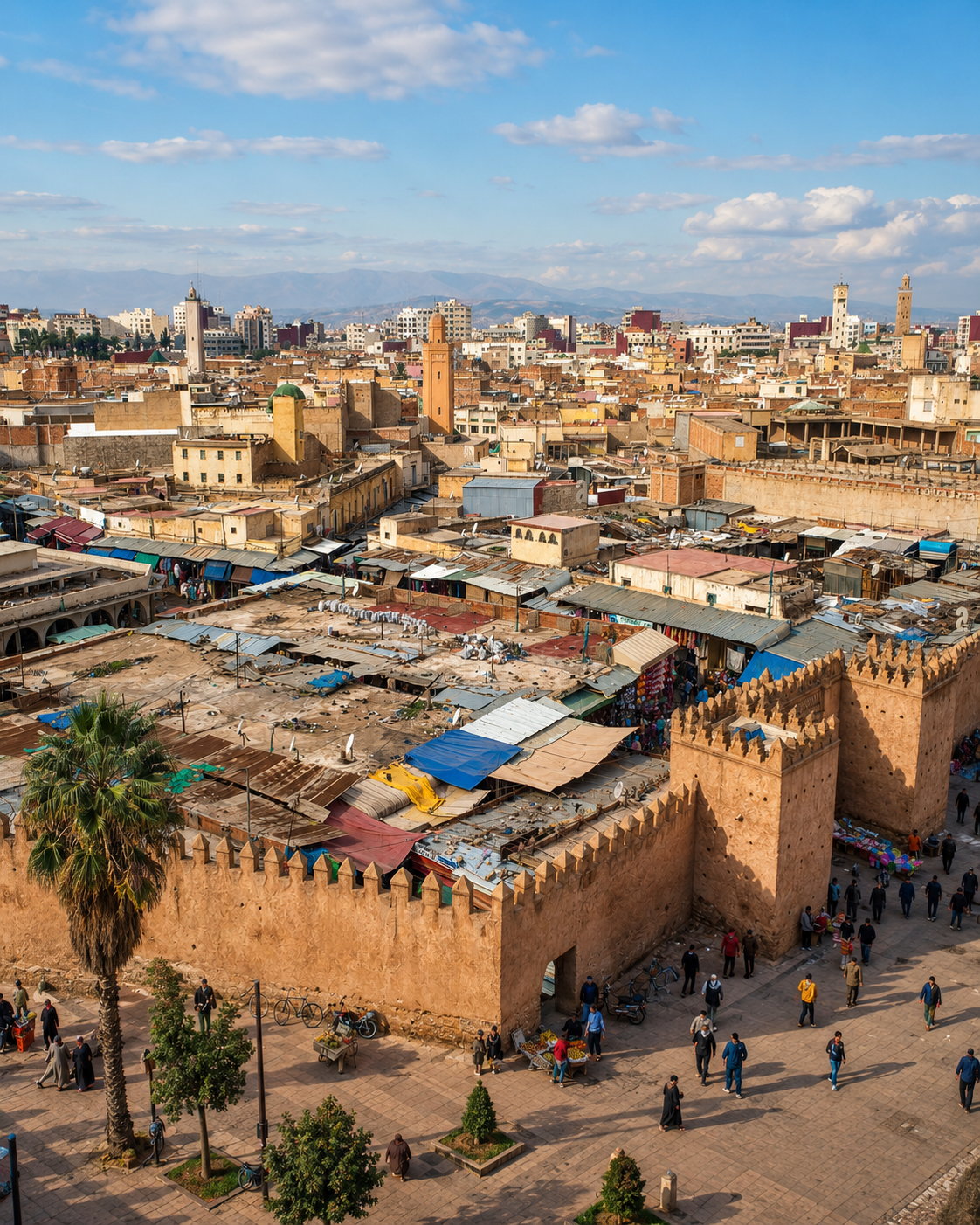
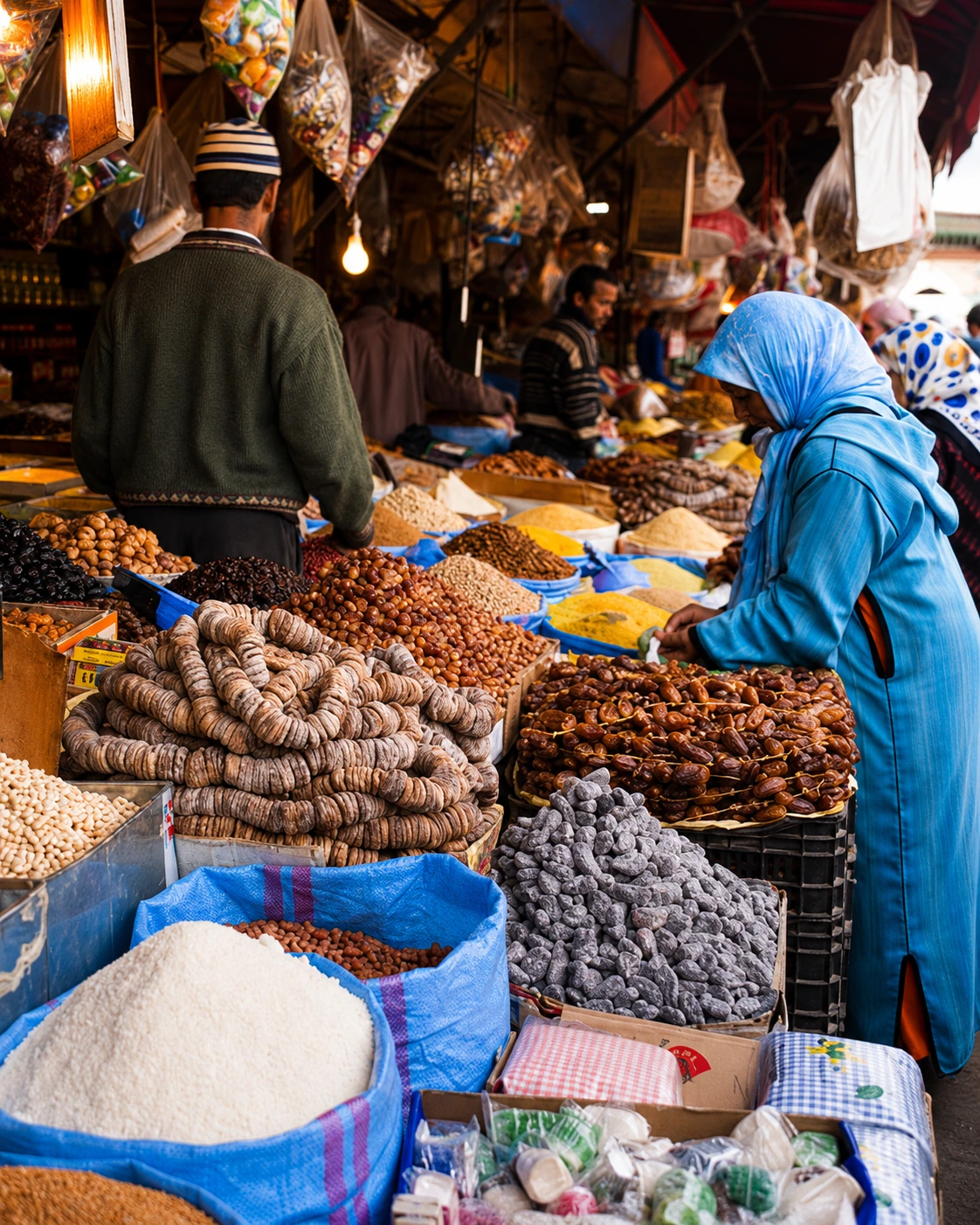
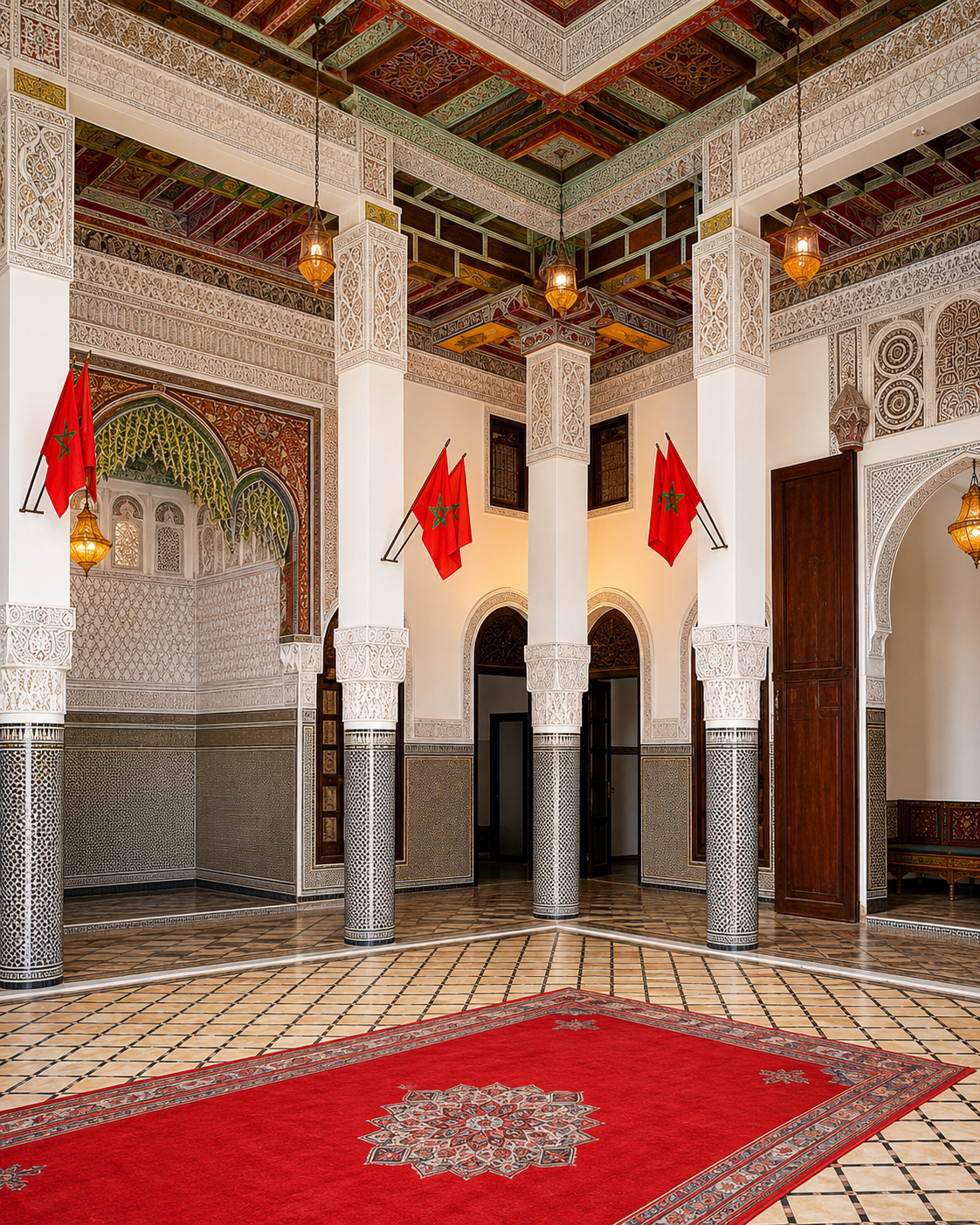
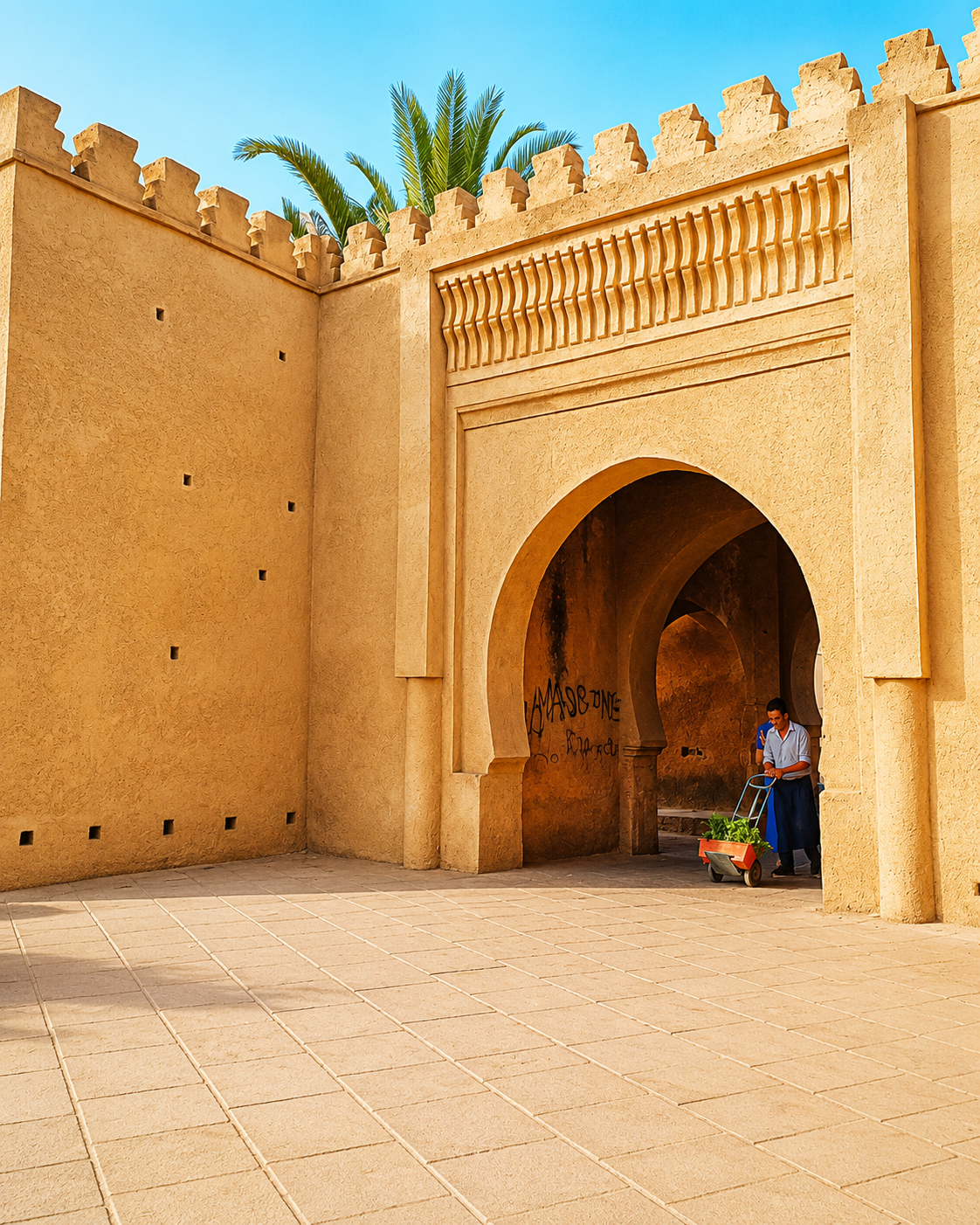
Editorial hero collage of Oujda gates, medina atmosphere, markets and Moroccan city landmarks

Eastern Gateway of Morocco

Oujda Medina gates, Andalusian echoes and Oriental crossroads

Oujda stands where Morocco turns toward the east: a city of ochre gates, active kissariats, Gharnati musical memory, Lalla Aïcha’s shade and routes that continue toward Saïdia, Tafoughalt and the Beni Snassen landscapes.

Why Oujda matters

Where Morocco opens east

Oujda is the capital of the Oriental region and a true threshold city. It is read through old gates, market streets, Andalusian musical memory and the light of the Angad plain rather than through the imperial spectacle of Morocco’s better-known historic capitals.

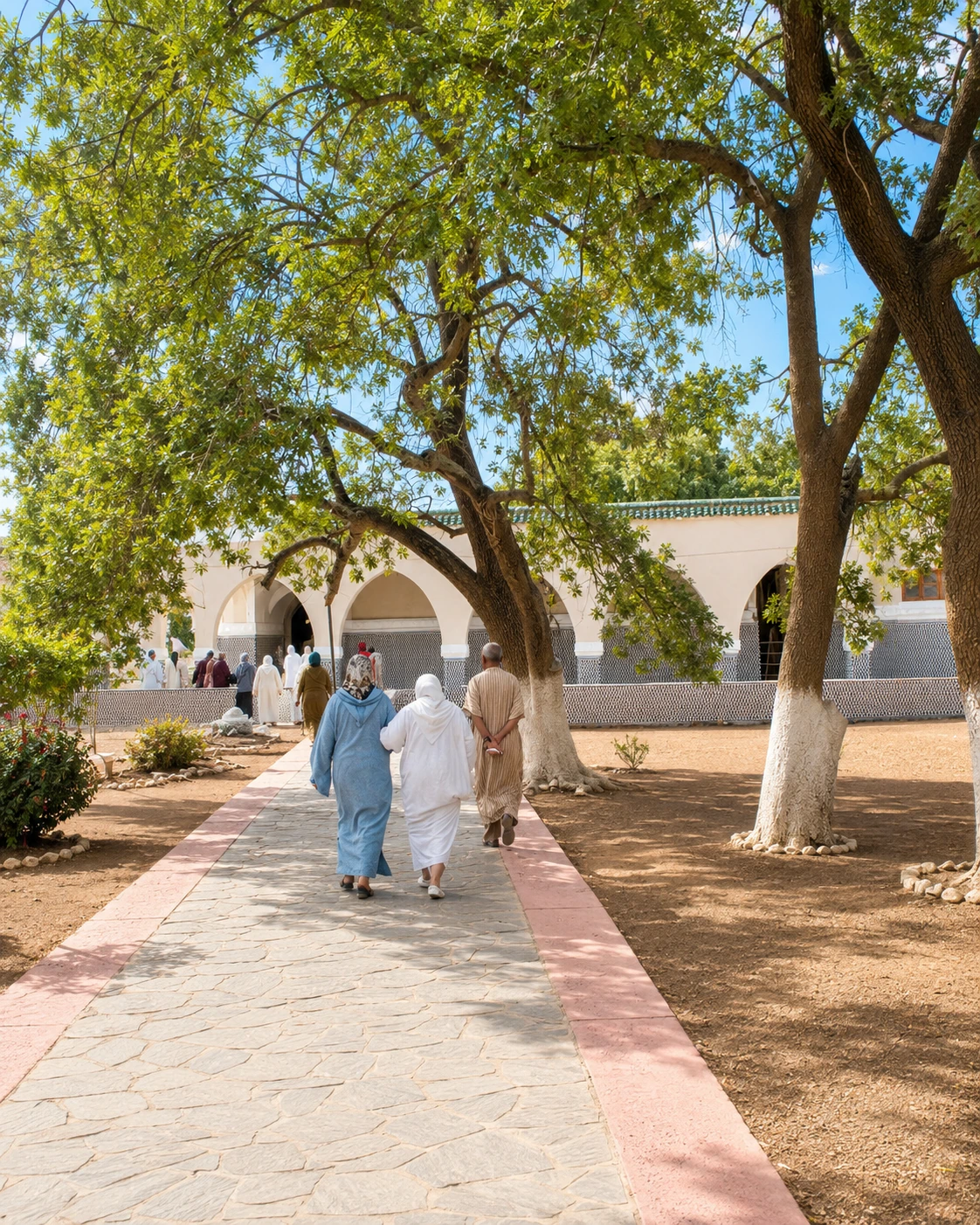
Its medina is active and compact: Bab Sidi Abdelwahab, Bab Gharbi, Souk El Ma, small arcaded corners and crowded kissariats place the visitor close to the city’s everyday life. Oujda rewards attention to rhythm, not only monuments.

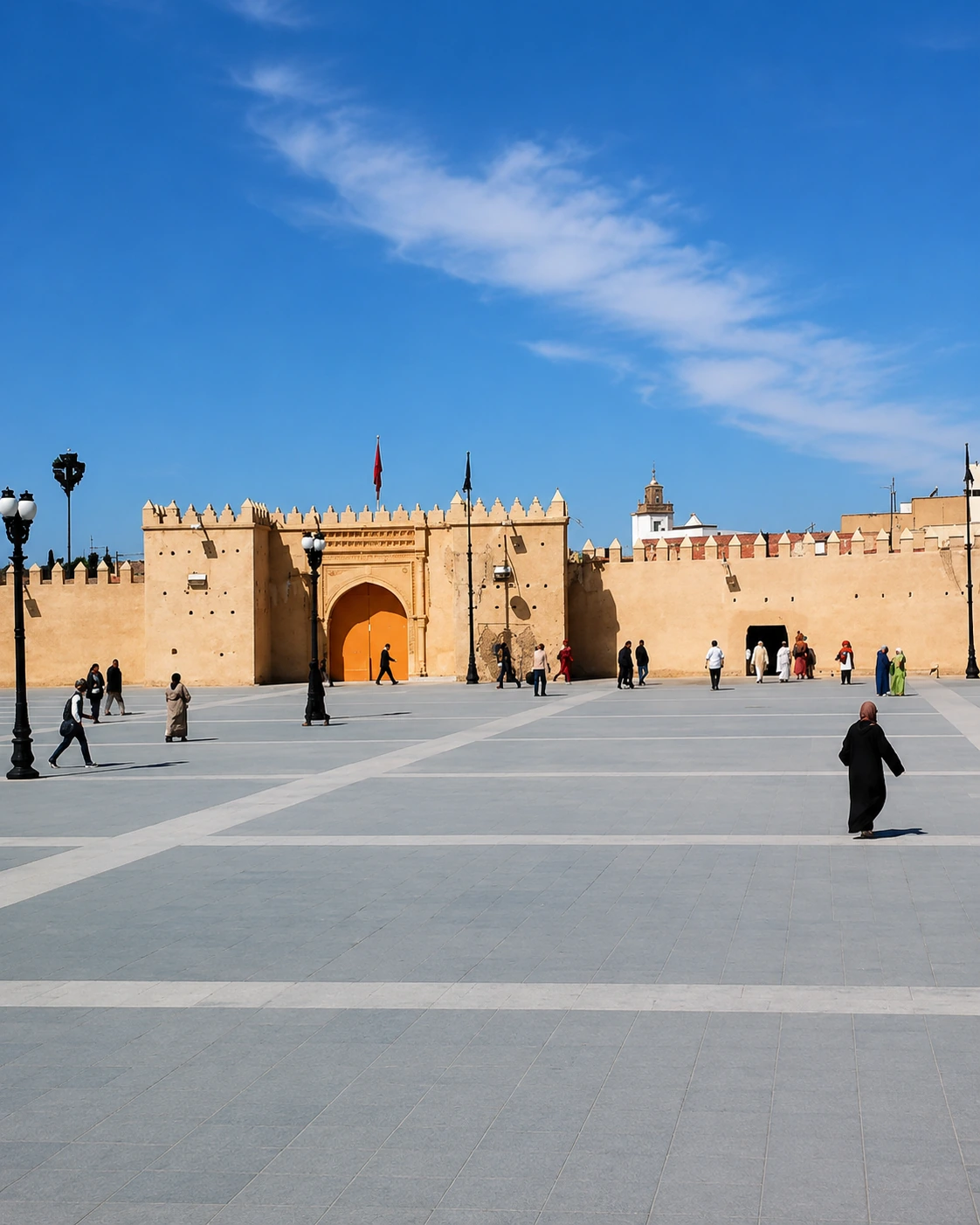
Oujda old-city gate and eastern gateway atmosphere

A city of thresholds and memory

Oujda’s power is quiet: an old gate, a lively market, an interior palace, a park of shade, a music tradition and a road leading further into the Oriental.

EXPLORE

Oujda

Historical orientation

From 10th-century foundation to Oriental capital

Oujda is best understood as a city of frontier layers. Founded in the late tenth century on the Angad plain, it grew as an eastern Moroccan city close to routes, borders and exchange. Its old medina, gates, religious memory, Andalusian musical culture and modern role as the Oriental capital give the city a distinct voice inside Morocco.

01994

Foundation on the Angad plain

Oujda’s early urban story begins in eastern Morocco, near Oued Isly and the Angad plain, at a point where movement, defence and regional trade mattered.

02Medieval centuries

Medina and gates

The walled city developed around quarters, souks and thresholds. Bab Sidi Abdelwahab remains the most recognisable old-city gate and gathering place.

03Andalusian memory

Gharnati and regional sound

Oujda’s cultural life carries Andalusian echoes through Gharnati music, while Reggada and other Oriental rhythms give the region its own pulse.

04Today

Capital of the Oriental

The contemporary city anchors Morocco’s northeastern region and connects visitors with Saïdia, Sidi Yahya, Tafoughalt and the Beni Snassen landscapes.

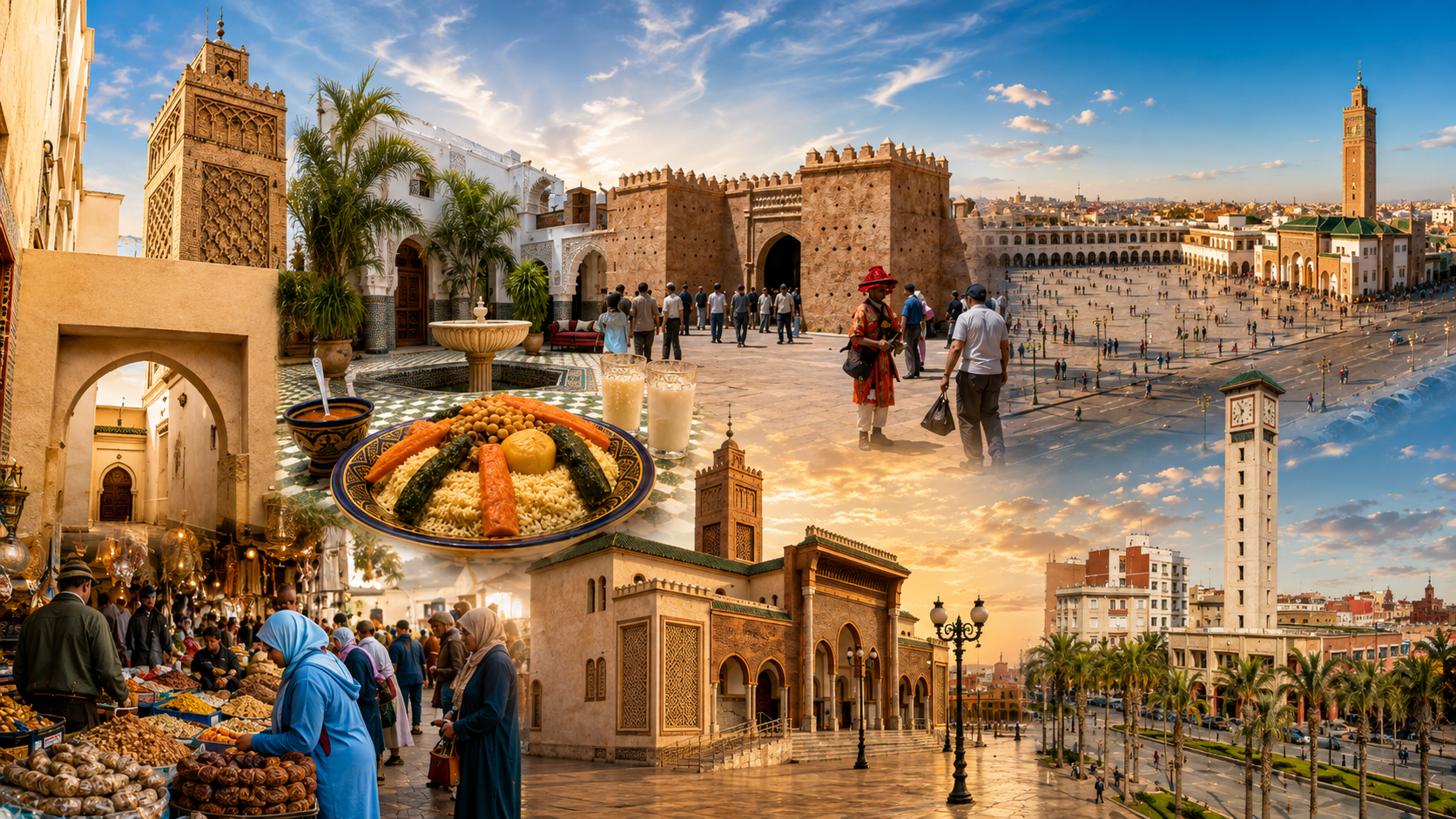
A visual bridge

Three glimpses of the eastern city

These images hold together the city’s main readings: the gate as threshold, the medina as lived movement and music as a form of cultural memory.

Oujda historic medina memory and old gate silhouette

Gateway identity

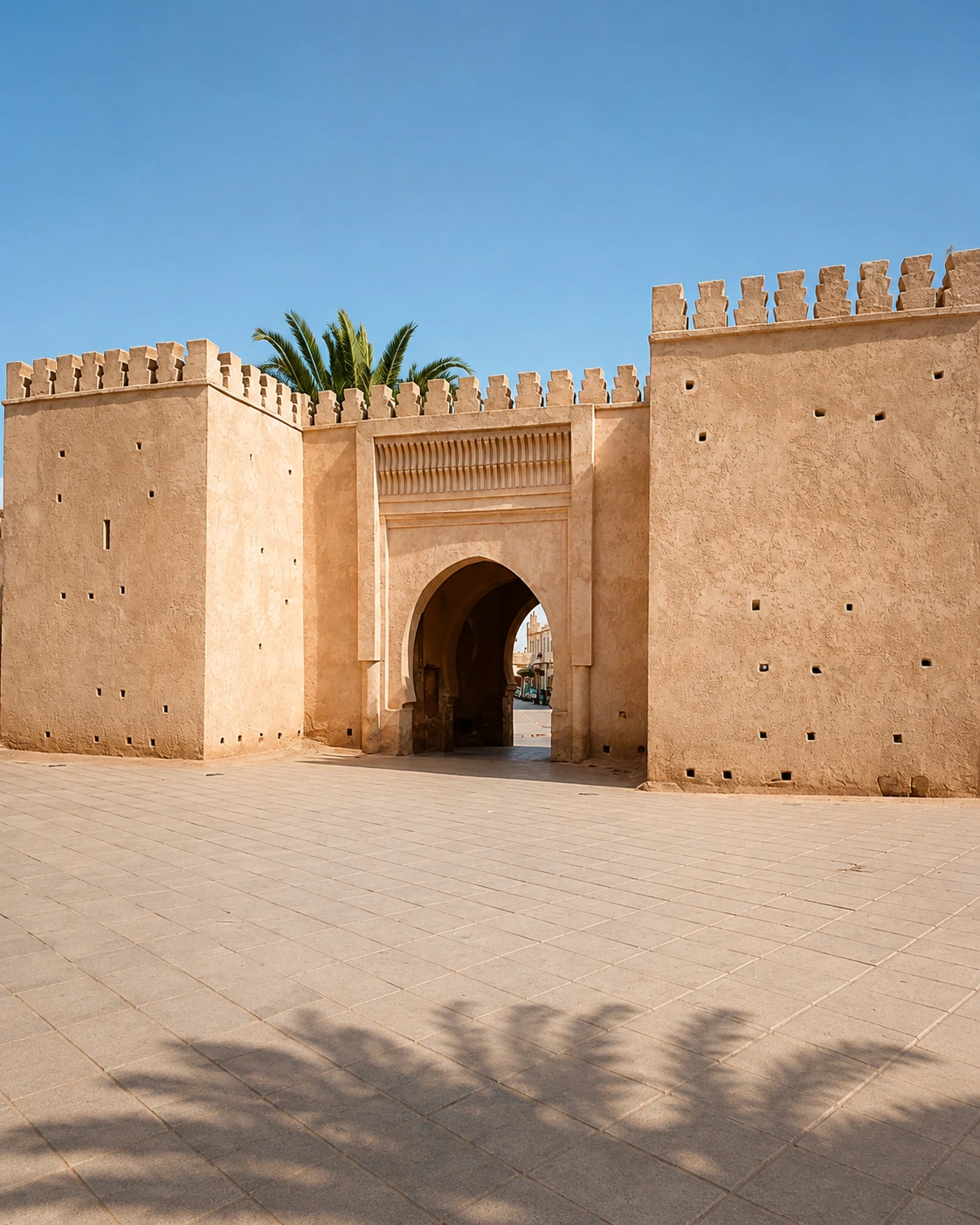
Bab Sidi Abdelwahab and the old walls frame Oujda as a city of arrival, passage and exchange.

Bab Sidi Abdelwahab square and daily movement in Oujda

Medina movement

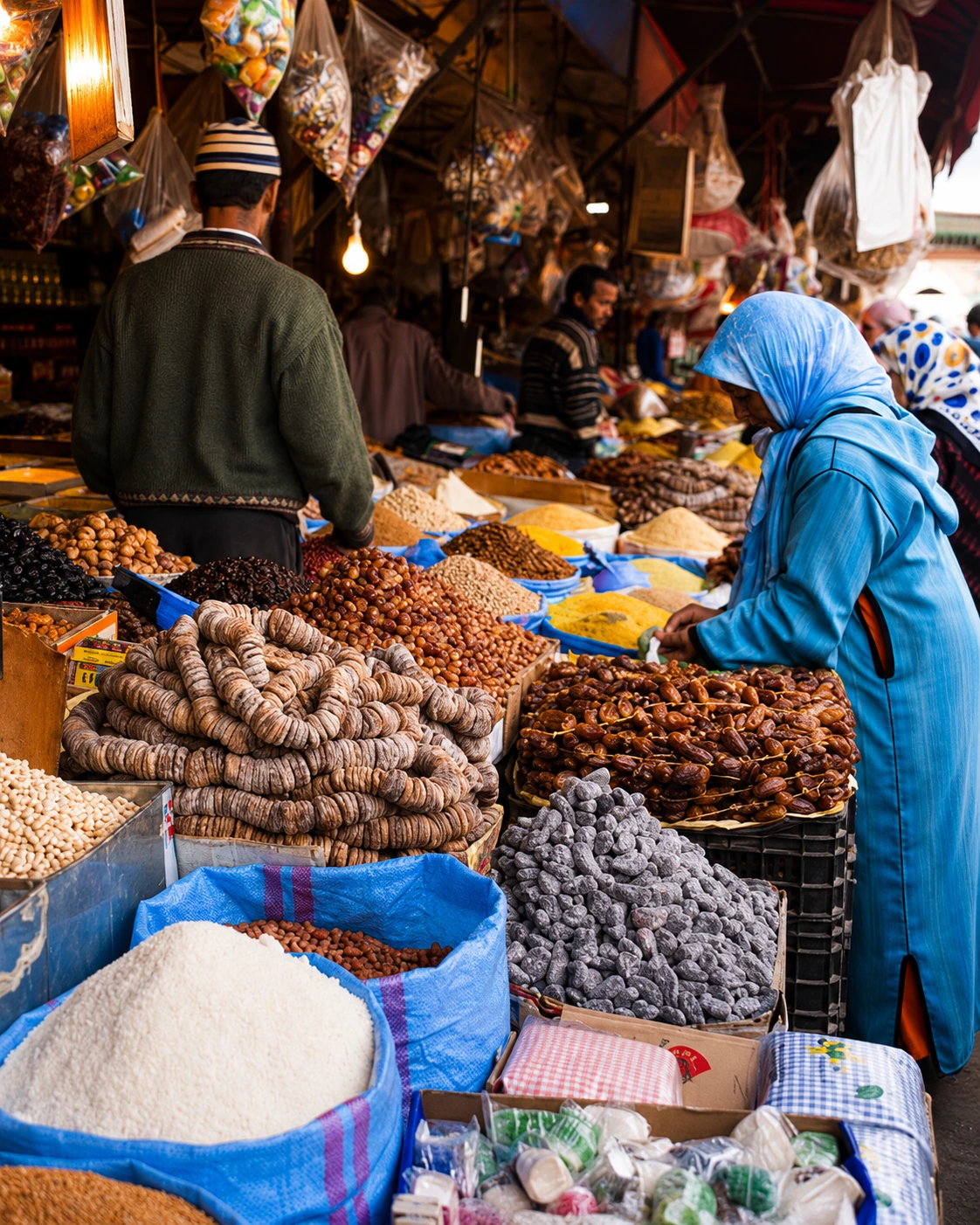
Kissariats, small streets and market routines keep the historic centre active rather than frozen.

Oujda medina lane with market light and narrow passage

Andalusian echoes

Gharnati memory, refined interiors and local rhythm give the Oriental capital its cultural texture.

Oujda at a glance

Capital of the Oriental

Oujda anchors Morocco’s northeastern region, giving the city a practical and symbolic role as a gateway toward the country’s eastern landscapes and Mediterranean coast.

Old medina and gates

The medina is read through Bab Sidi Abdelwahab, Bab Gharbi, Souk El Ma, kissariats and small urban corners where trade, passage and memory overlap.

Music and urban memory

Gharnati music, Reggada rhythms and local festivities connect the city to Andalusian inheritance and the wider culture of the Oriental region.

Eastern excursions

Saïdia, Sidi Yahya, Tafoughalt and the Beni Snassen landscapes extend the city visit into coast, oasis memory and mountain valleys.

A clearer reading of the city

A city shaped by gates, markets and regional culture

To understand Oujda, read its thresholds, daily trade and cultural memory together. The city’s identity is not built around a single monument: it gathers around gates, lanes, music, gardens and the regional roads that meet in the Oriental.

Bab Gharbi gate and old city threshold in Oujda
Layer 1

Thresholds and ramparts

Bab Sidi Abdelwahab and Bab Gharbi show the old city as a sequence of entrances. The gate is not only a photo subject: it organises arrival, memory and movement.

Oujda medina market streets and kissariat atmosphere
Layer 2

Kissariats and Souk El Ma

The medina’s passages bring spices, jewellery, textiles, daily shopping and older place names into close contact. Oujda’s heritage stays visible through use.

Oujda musical memory with Gharnati and Oriental rhythm motifs
Layer 3

Music, parks and interiors

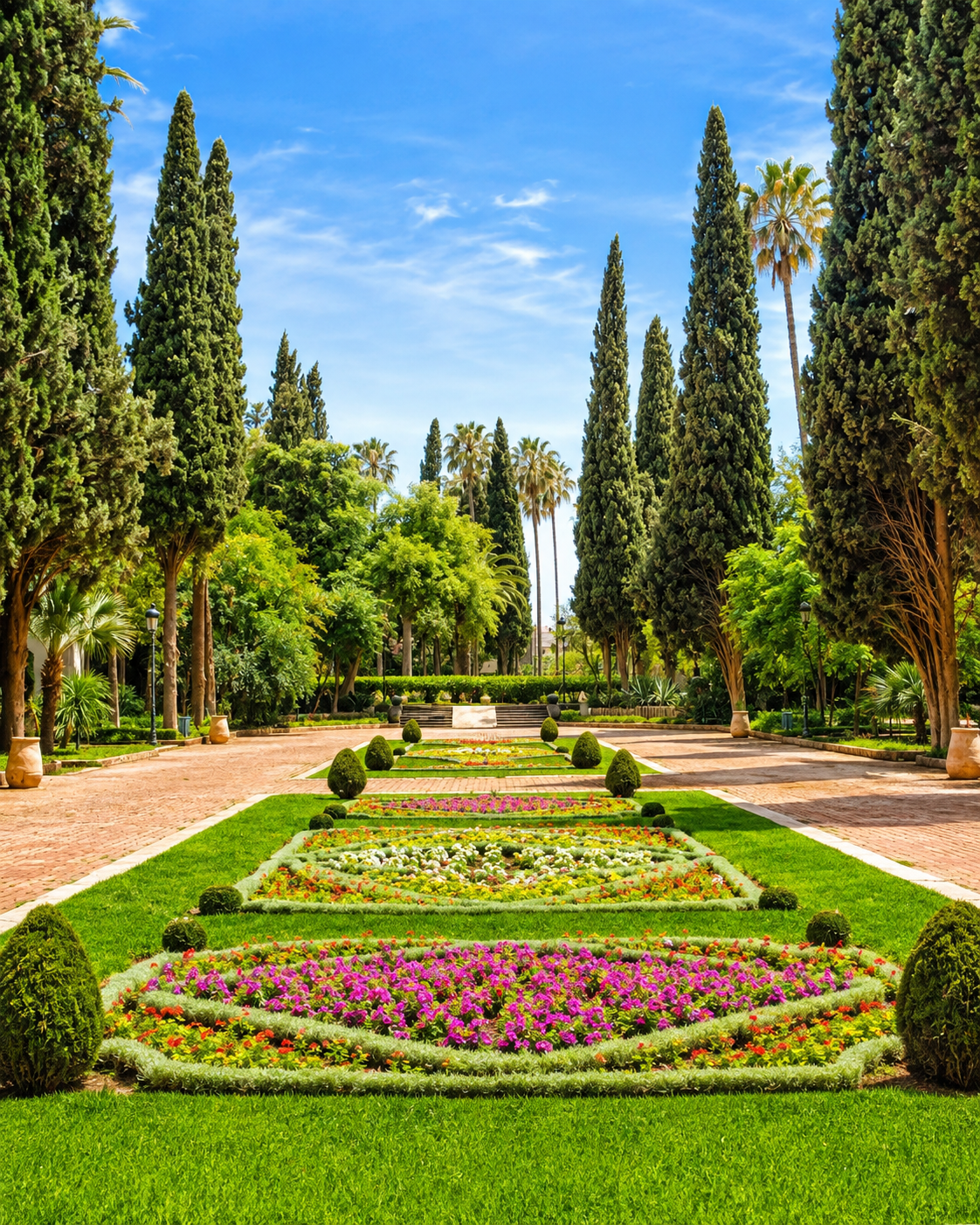
Dar Sebti, Lalla Aïcha Park and Gharnati memory soften the city’s urban edge, revealing a quieter cultural register behind the busy market rhythm.

Landmarks & orientation

Read Oujda through six defining places

No single place explains Oujda. These six stops reveal the relationship between the old medina, monumental gates, interior culture, urban shade and the eastern oasis memory just beyond the city.

1
Bab Sidi Abdelwahab

The emblematic gate of the old city and the natural starting point for reading Oujda’s medina, market life and sense of arrival.

2
Oujda Medina

A compact historic fabric of quarters, kissariats, arcaded corners and daily trade, described by regional tourism as the oldest medina of the Oriental.

3
Bab Gharbi

A western threshold of the old city, useful for understanding how the medina connects to modern Oujda and its wider urban movement.

4
Dar Sebti

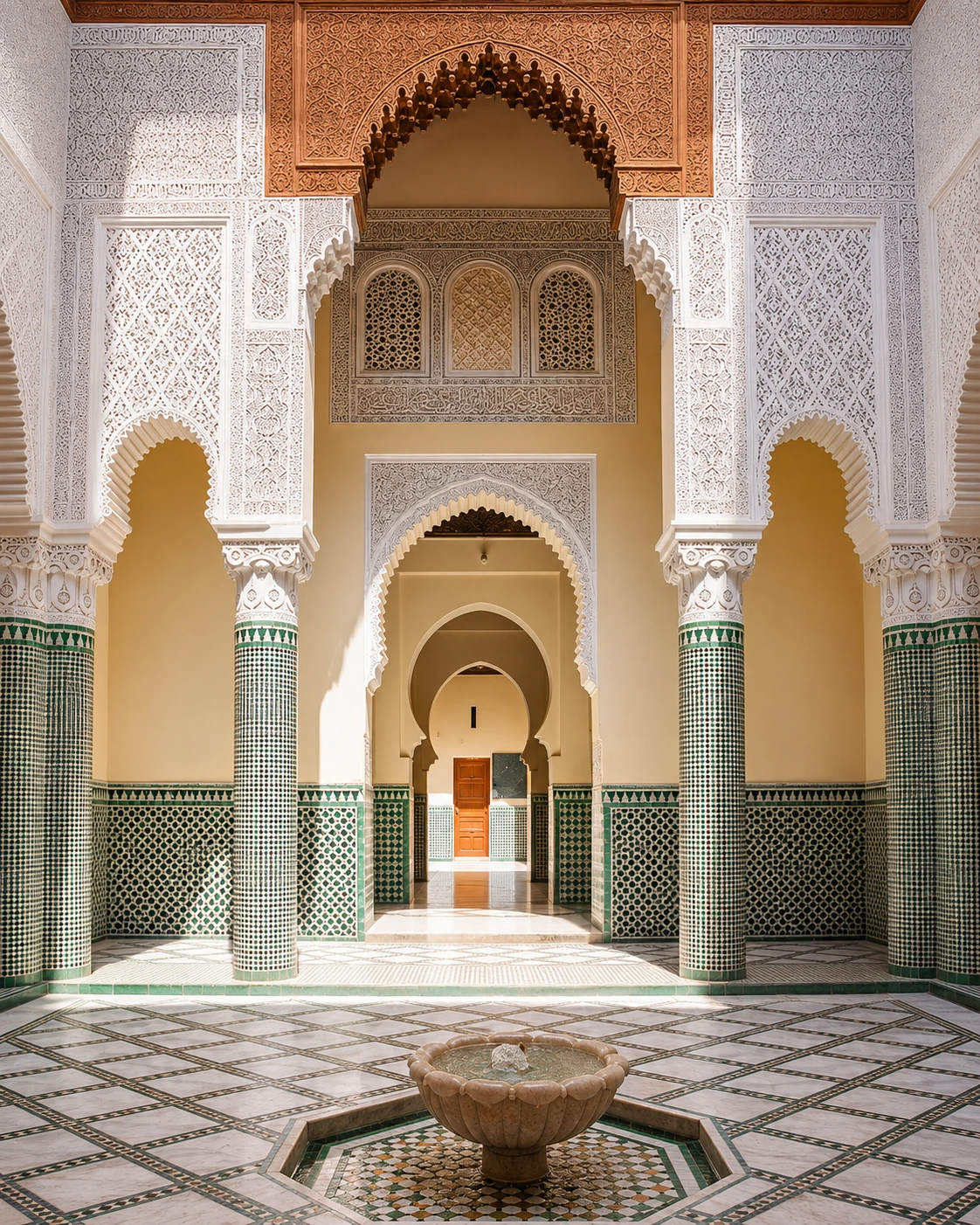
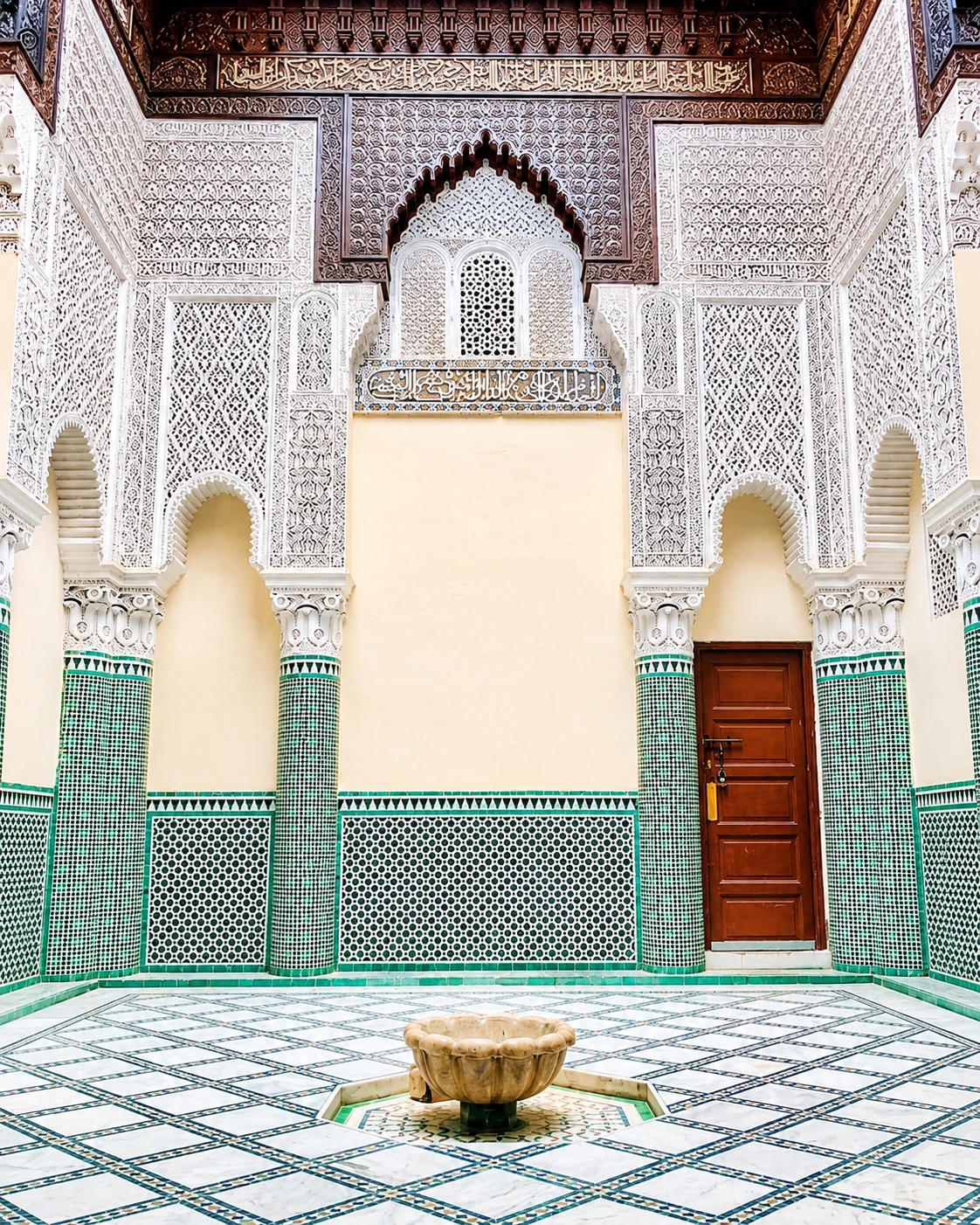
A refined palace-like interior associated with Oujda’s cultural life, where zellige, arches and Andalusian memory give the city another register.

5
Lalla Aïcha Park

A green pause inside the city, valuable for balance after medina walking and for seeing Oujda beyond gates and markets.

6
Sidi Yahya Oasis

A palm-filled former oasis landscape outside the centre, connecting Oujda with older spiritual memory and the wider Oriental environment.

Bab Sidi Abdelwahab gate and public square in Oujda
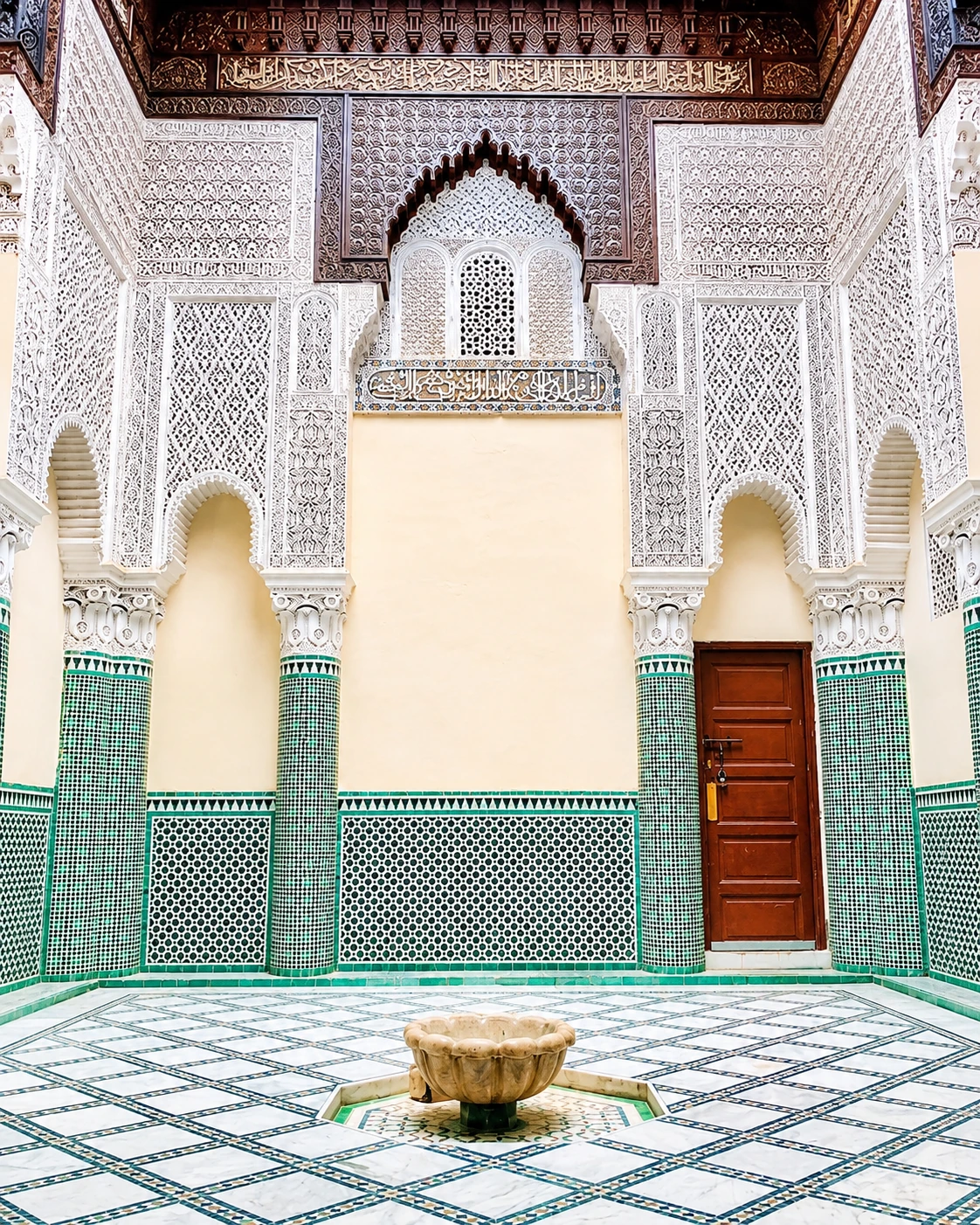
Dar Sebti Andalusian interior and zellige detail in Oujda

An Andalusian interior

Dar Sebti — Oujda’s refined cultural house

Oujda is often approached through its gates and markets, but Dar Sebti changes the scale. The house-like palace reveals a more intimate language of carved surfaces, tiled rhythm and interior proportion. It helps connect the city’s eastern position with the Andalusian echoes that still matter in its musical and cultural identity.

  • Zellige and white arcades shift the visitor from street movement into a calmer interior world.
  • The building gives Oujda a cultural register that complements Bab Sidi Abdelwahab and the medina.
  • Its atmosphere makes Gharnati memory, craft detail and urban refinement easier to understand together.

Architectural reading

Three architectural languages to notice

Gates and earth colour

Oujda’s old-city gates speak through ochre mass, crenellated silhouettes and shaded openings. They make the city legible as a threshold between medina, modern streets and eastern routes.

Courtyards and Andalusian line

Dar Sebti and refined interiors replace the hard exterior of the gates with proportion, tilework, arcades and musical memory, a different kind of urban elegance.

Market fabric and everyday craft

In the medina, architecture is practical and close: passages, small squares, market fronts and names such as Souk El Ma keep heritage attached to daily use.

Visual atmosphere

Ochre gates, shaded parks and medina passages

Nearby highlights

Nearby Oriental routes and landscapes

Oujda is a practical base for three very different extensions: the Mediterranean coast around Saïdia, the mountain valleys and caves near Tafoughalt, and the palm landscape of Sidi Yahya close to the city.

Saïdia and the Mediterranean coast

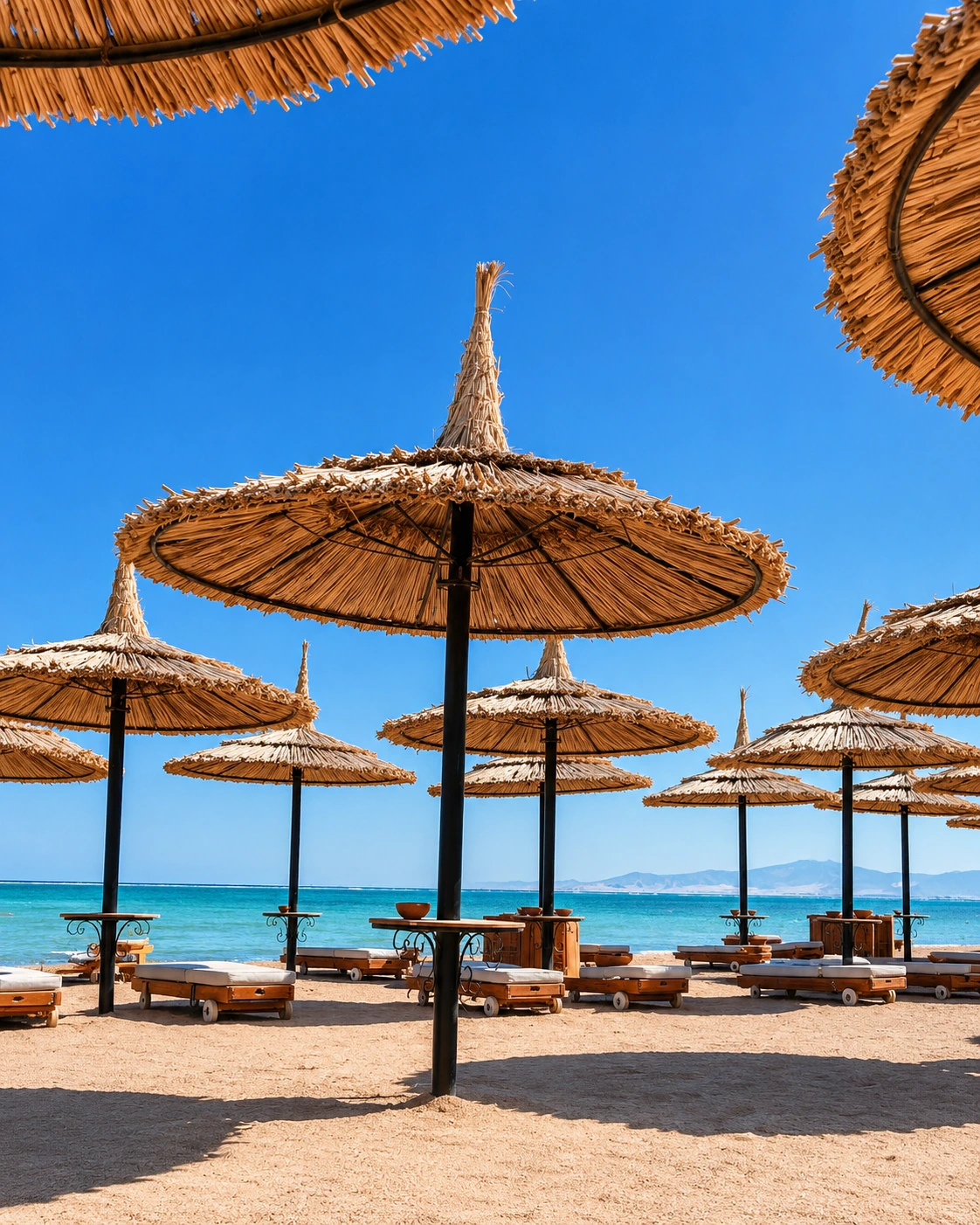
Continue north toward the coast for beach, marina and resort landscapes. It changes the mood completely: Oujda is inland and urban, Saïdia is sea-facing and seasonal.

Saïdia Mediterranean coast as a nearby extension from Oujda

Tafoughalt and the Zegzel Valley

The Beni Snassen side of the region brings mountain relief, cave landscapes and valley scenery, giving the Oriental a natural counterpoint to Oujda’s medina.

Tafoughalt and Zegzel valley mountain landscape near Oujda

Sidi Yahya and oasis memory

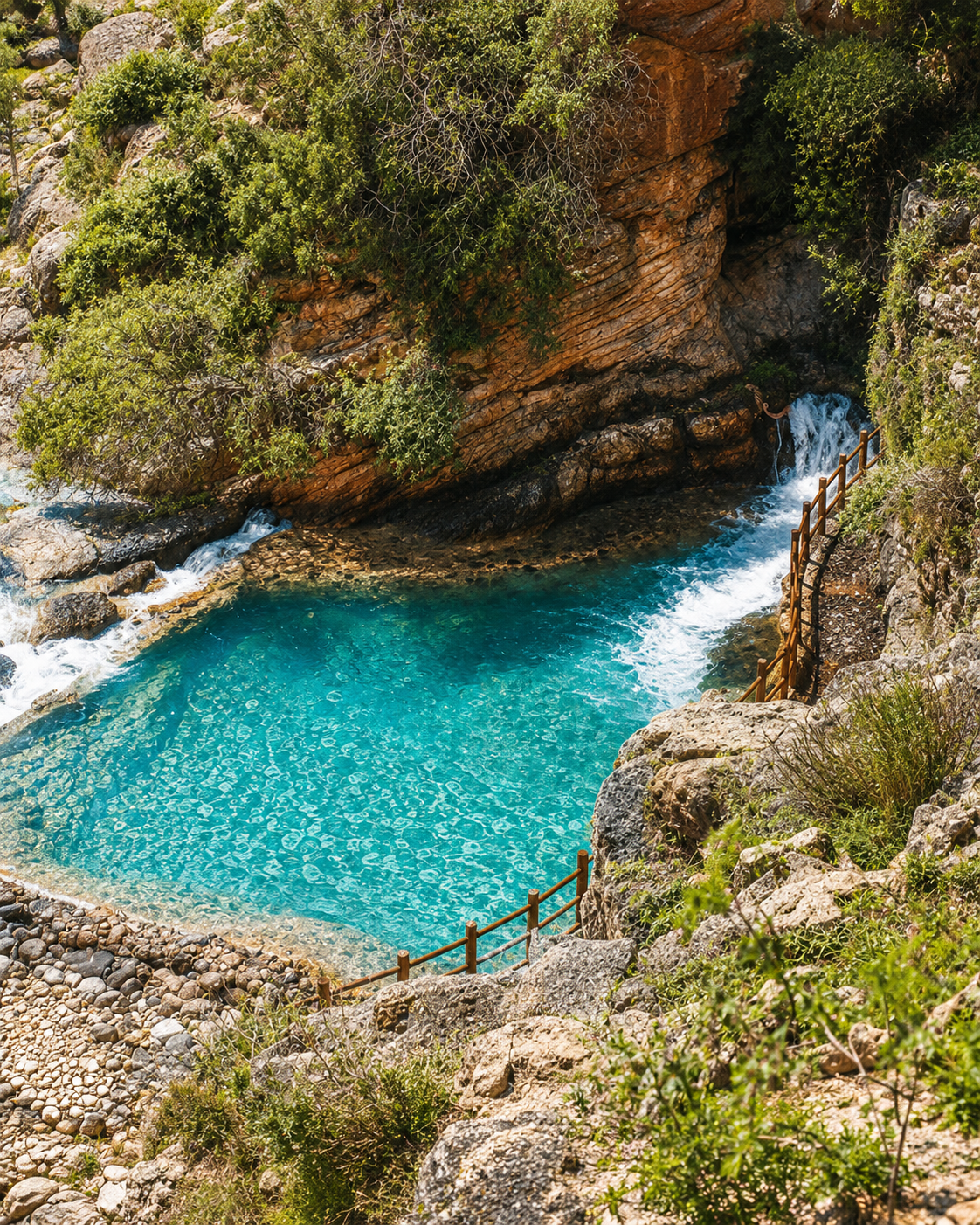
A short regional extension from the city, Sidi Yahya keeps the feeling of palms, water, memory and pilgrimage close to Oujda’s urban identity.

Sidi Yahya oasis palms near Oujda
Travel note: opening hours, access rules, restoration work, transport conditions and local visitor arrangements can change. Check current official or trusted local information before travelling.

Practical orientation

How to experience Oujda well

  • Start at Bab Sidi Abdelwahab, then move slowly into the medina instead of treating the gate as a quick photo stop.
  • Pair Bab Gharbi and the old quarters with Dar Sebti and Lalla Aïcha Park for a balanced city day.
  • Leave time for Souk El Ma and the kissariats; Oujda is read through everyday movement as much as monuments.
  • Use the city as a base for Saïdia, Tafoughalt or Sidi Yahya when you want the wider Oriental landscape.
  • Do not confuse Oujda with the resort rhythm of Saïdia; the city’s character is urban, inland and deeply regional.

A strong first visit

Oujda first visit interior and courtyard atmosphere

Begin at Bab Sidi Abdelwahab, continue through the medina and Souk El Ma, pause at Dar Sebti or Lalla Aïcha Park, then leave a separate window for Sidi Yahya or the wider Oriental landscape.

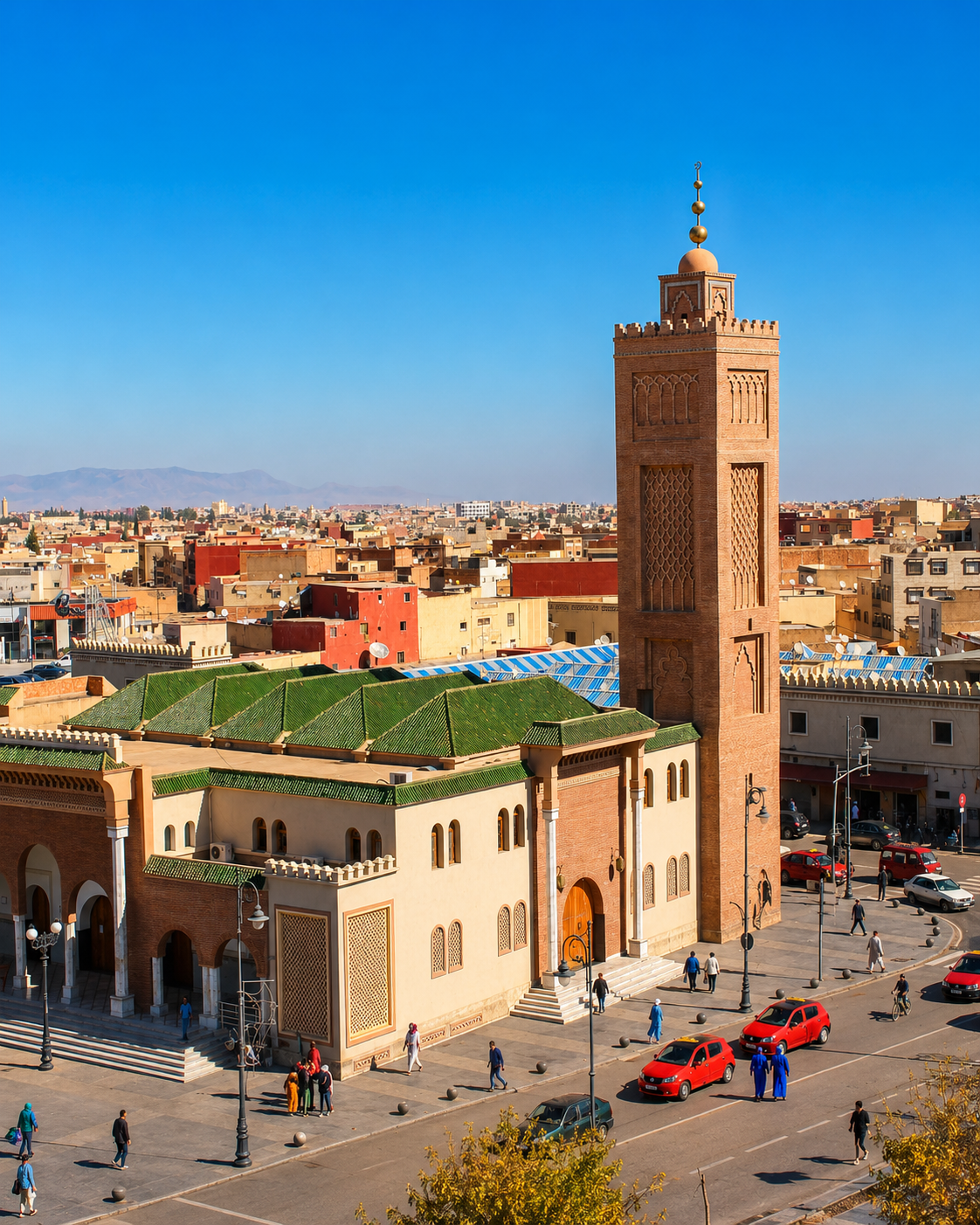
Oujda mosque tower and city view for the Exotic Morocco guide section

Go deeper with Exotic Morocco

Oujda — Premium Visual City Guide

Continue with a carefully structured visual guide to Oujda’s medina gates, cultural interiors, musical memory, practical orientation and nearby Oriental landscapes.

✓ Historic context✓ Essential landmarks ✓ Architecture & design✓ Culture & local life ✓ Practical travel guidance✓ Nearby highlights

Continue the journey

Continue the journey through Oujda

Follow the city eastward into gates, medina quarters, Gharnati sound and the wider Oriental landscapes that lead toward Saïdia, Tafoughalt and the Beni Snassen.