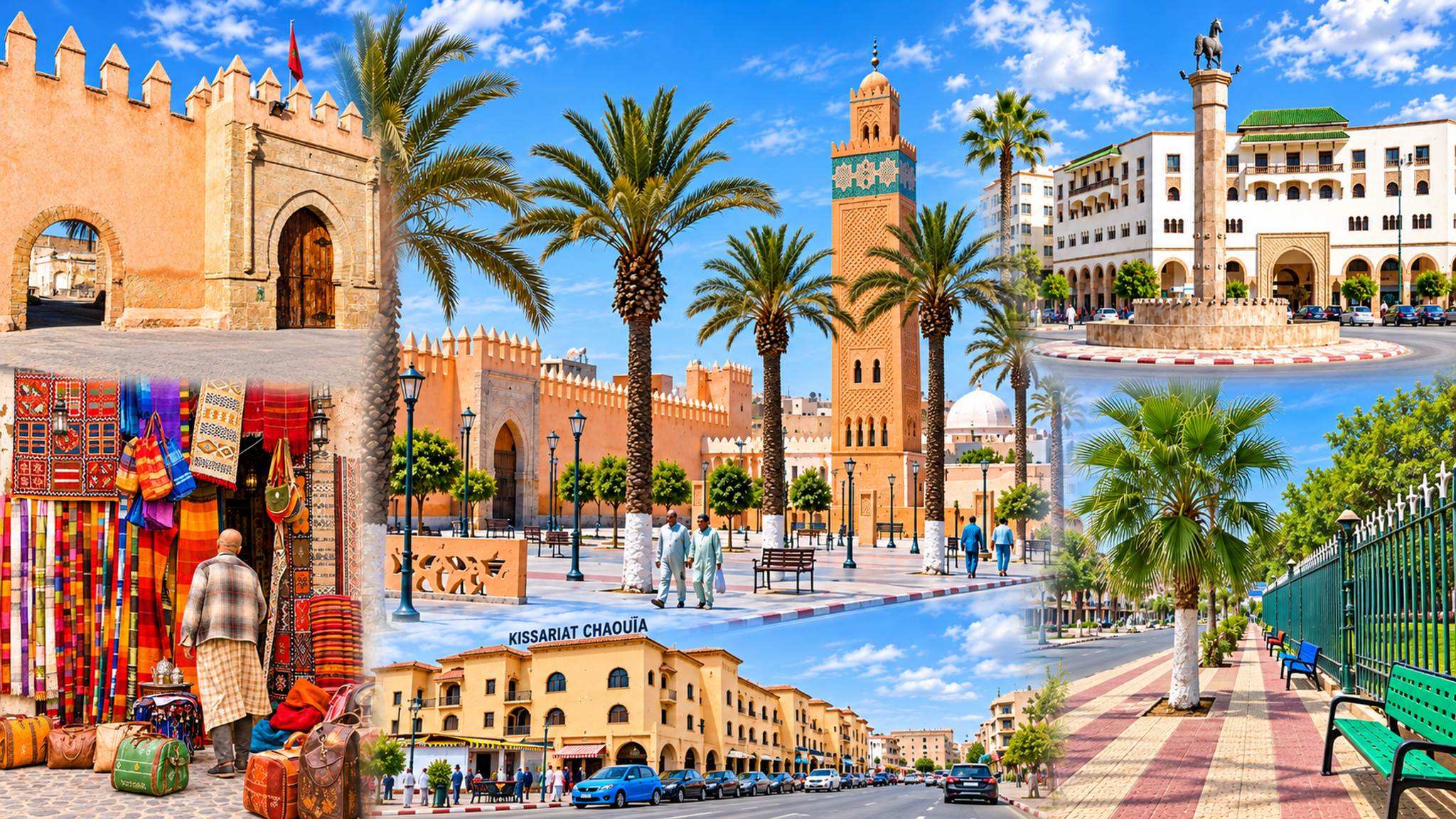
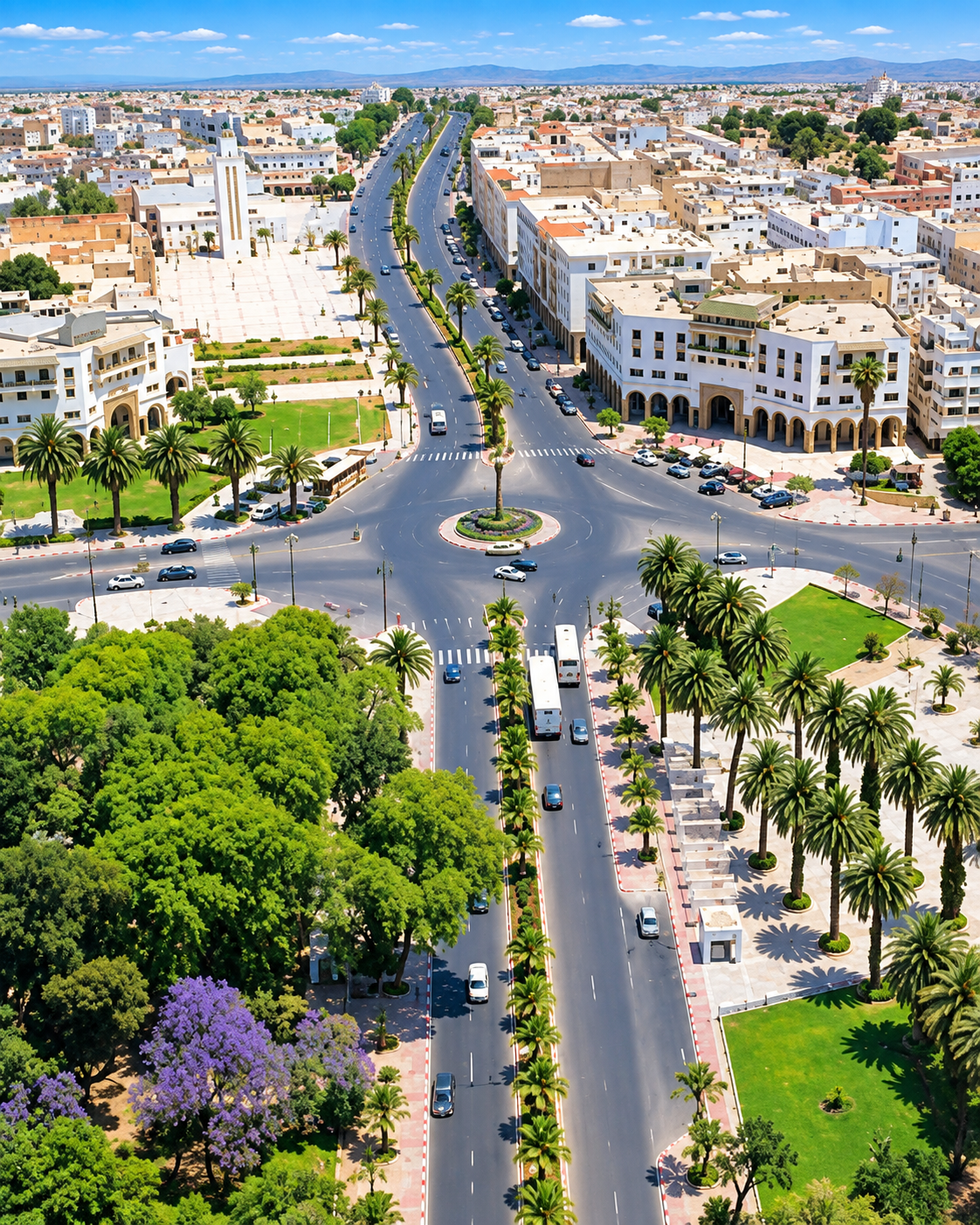
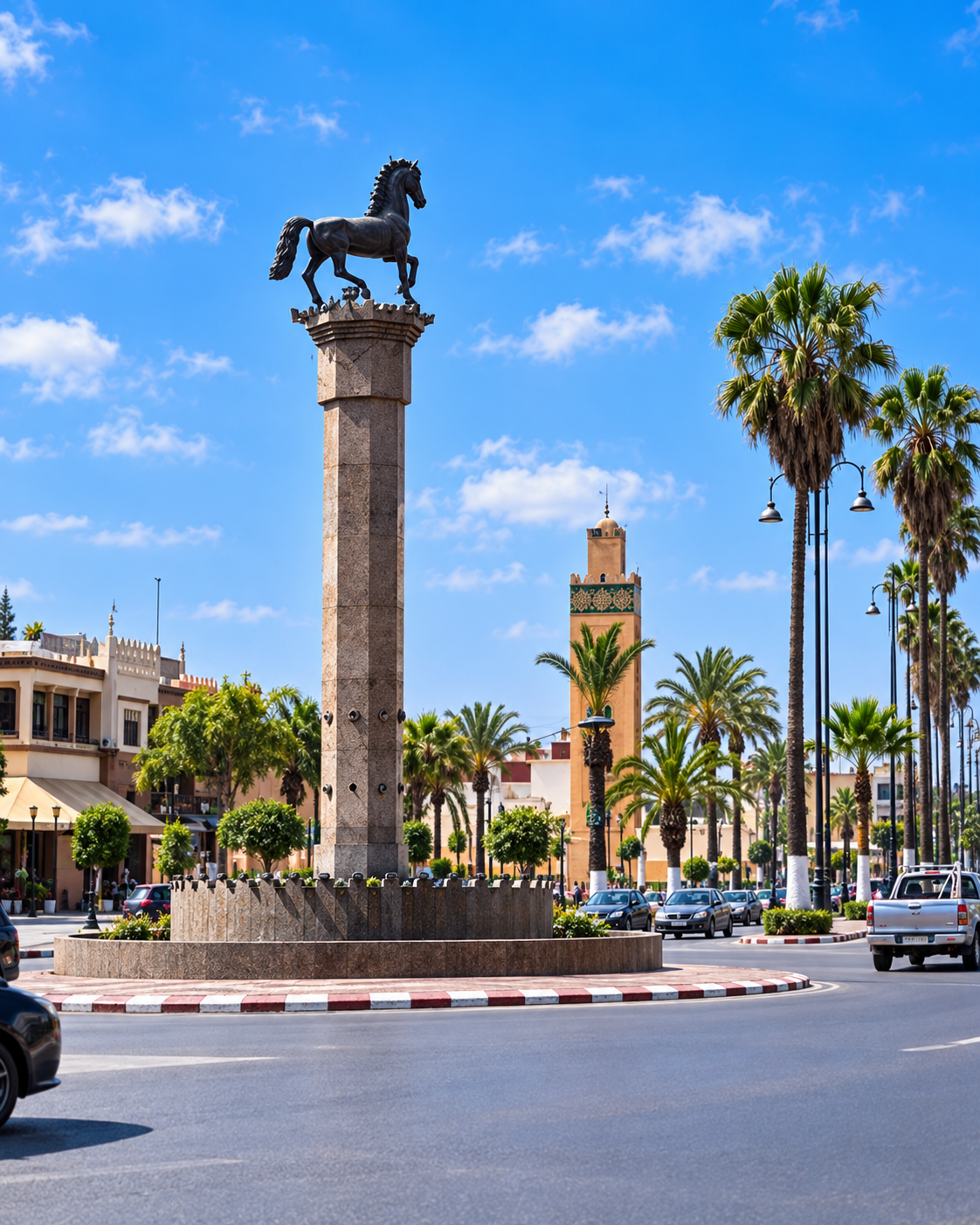
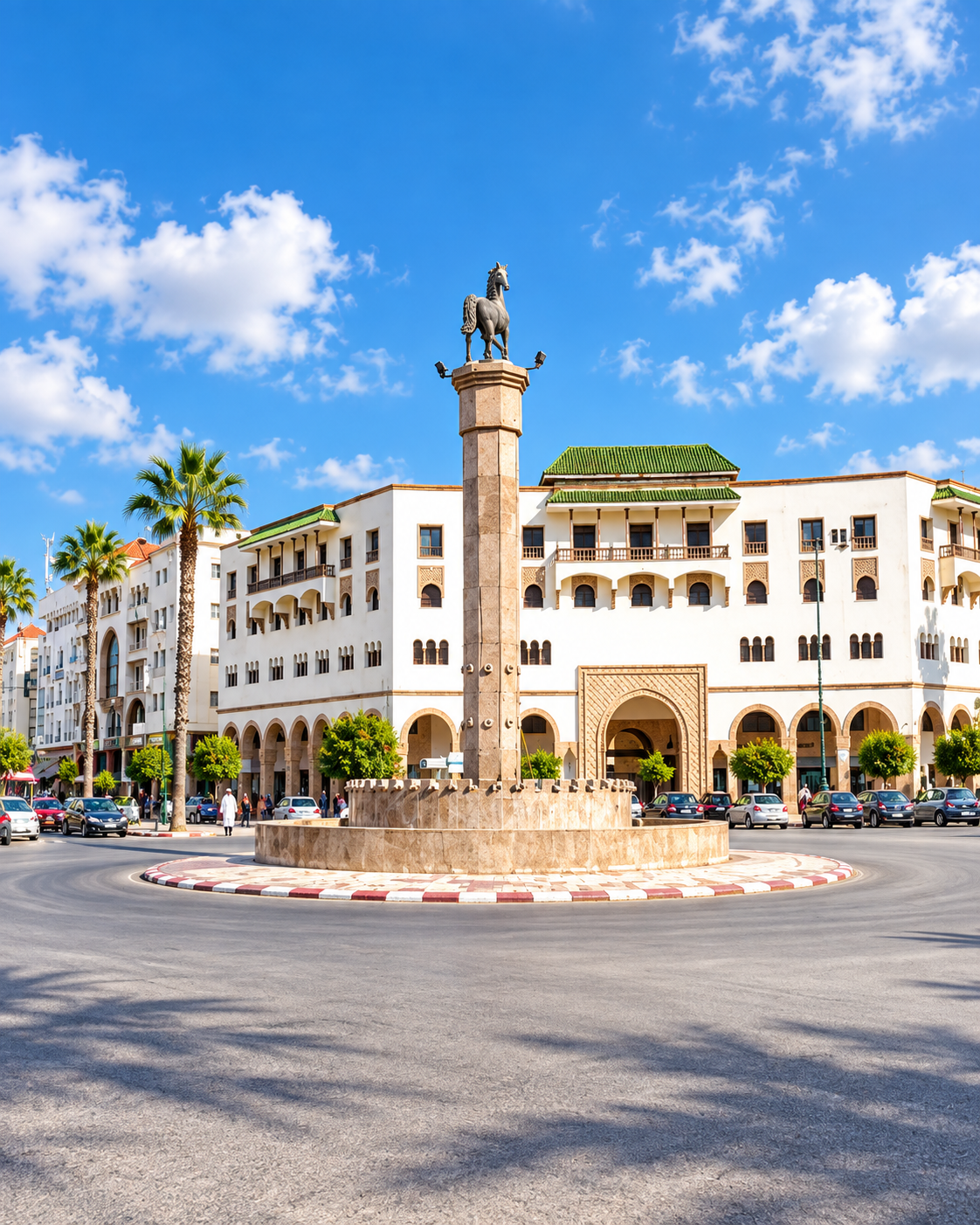
Settat developed because its position mattered. The hilly plateau setting, the road between north and south, and the agricultural richness of Chaouia helped turn a guarded stopping place into an administrative and commercial centre. The city is therefore not an isolated monument, but a practical urban node shaped by security, land, movement and modern regional functions.
01Chaouia settingA plateau landscape
Before the modern city took shape, the wider Chaouia country was defined by routes, pasture, cultivation and tribal territories. Settat’s later importance cannot be separated from that inland landscape.
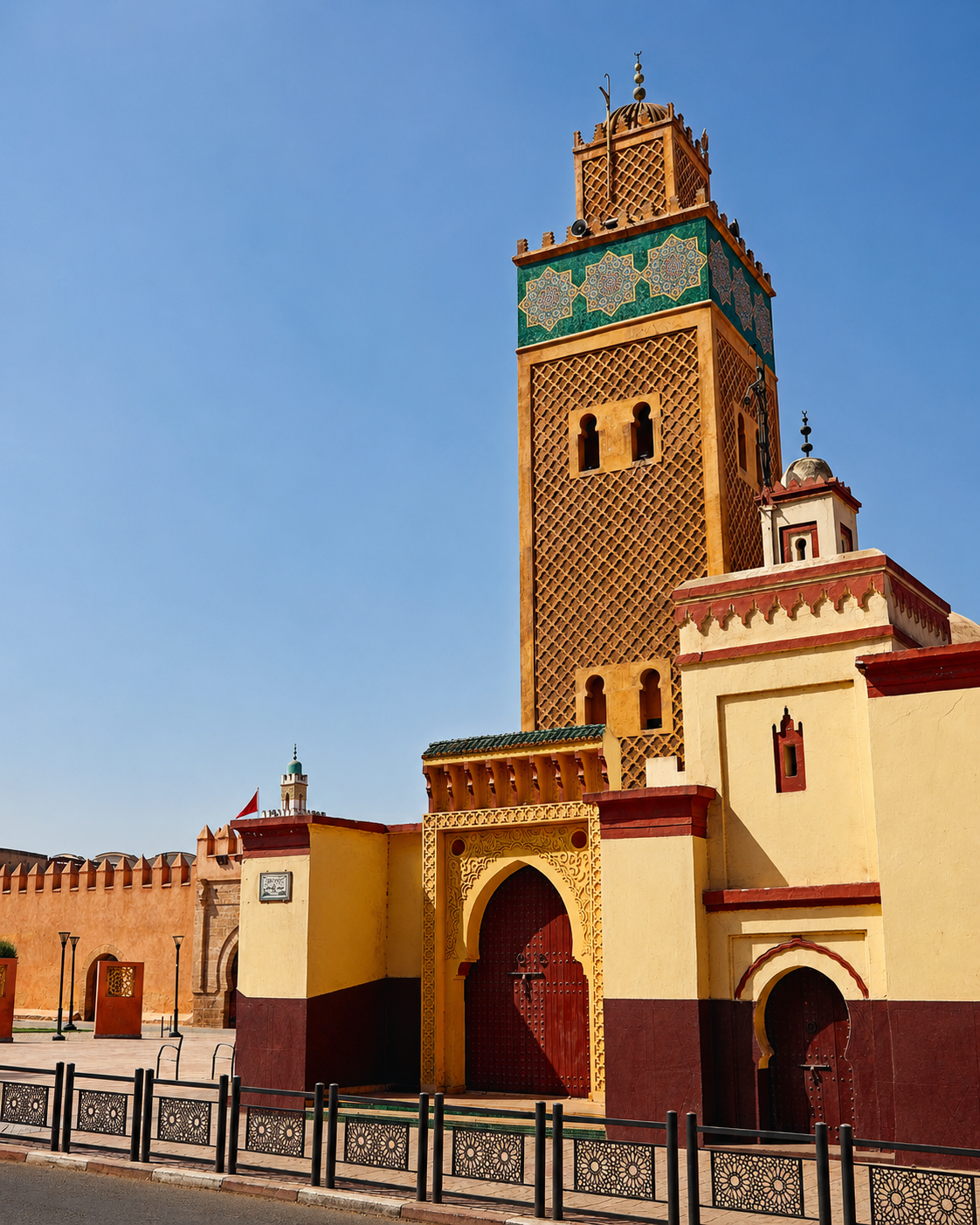
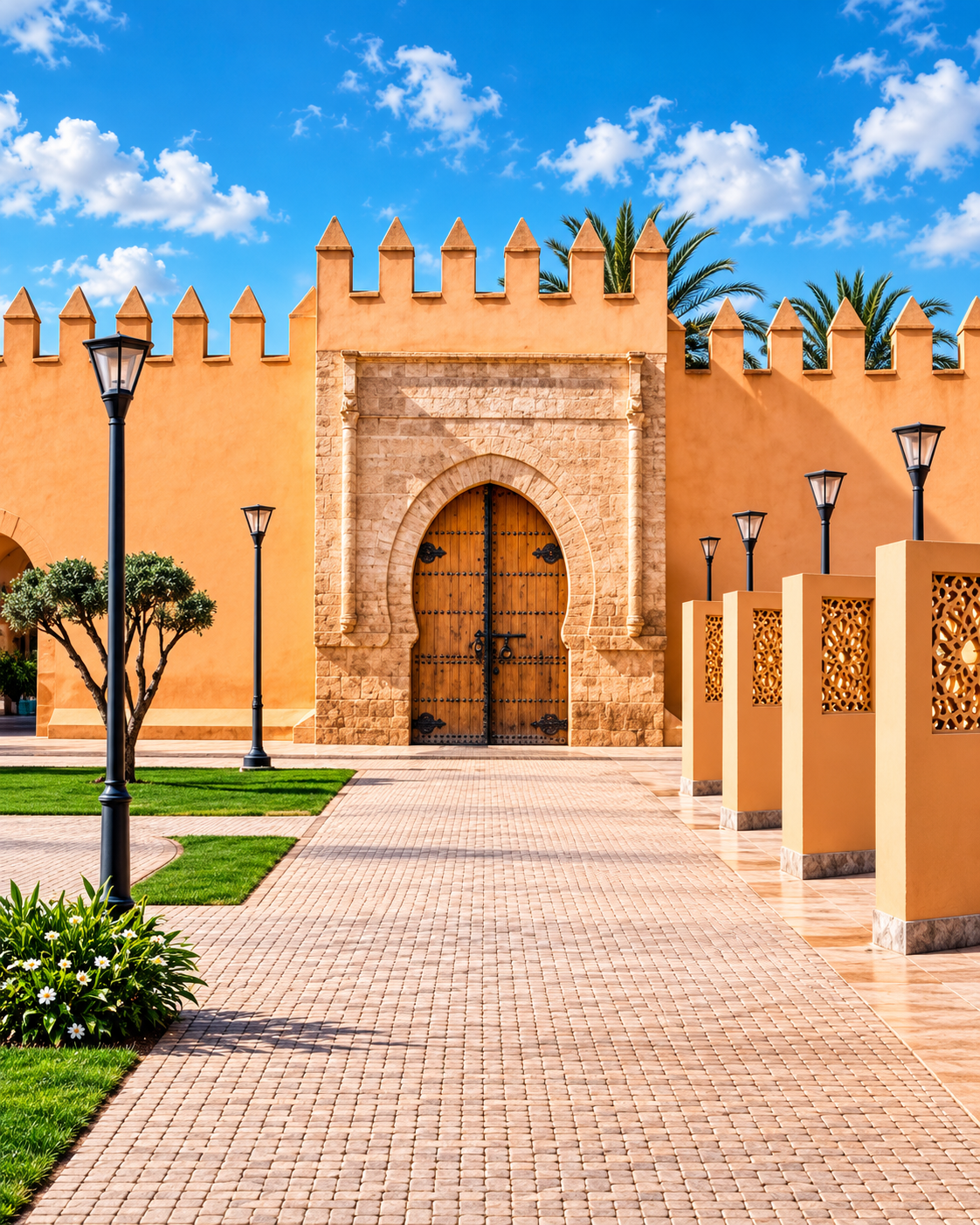
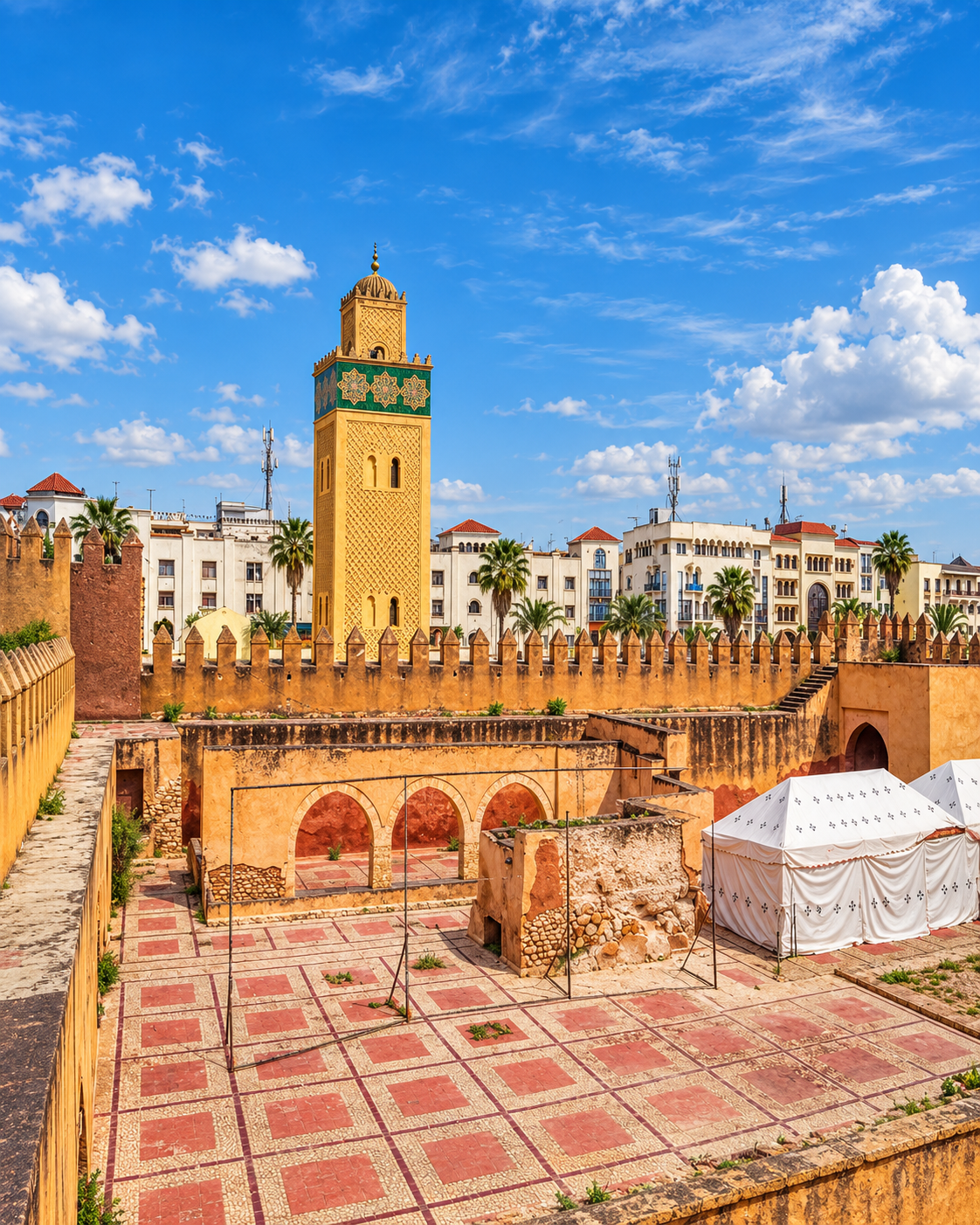
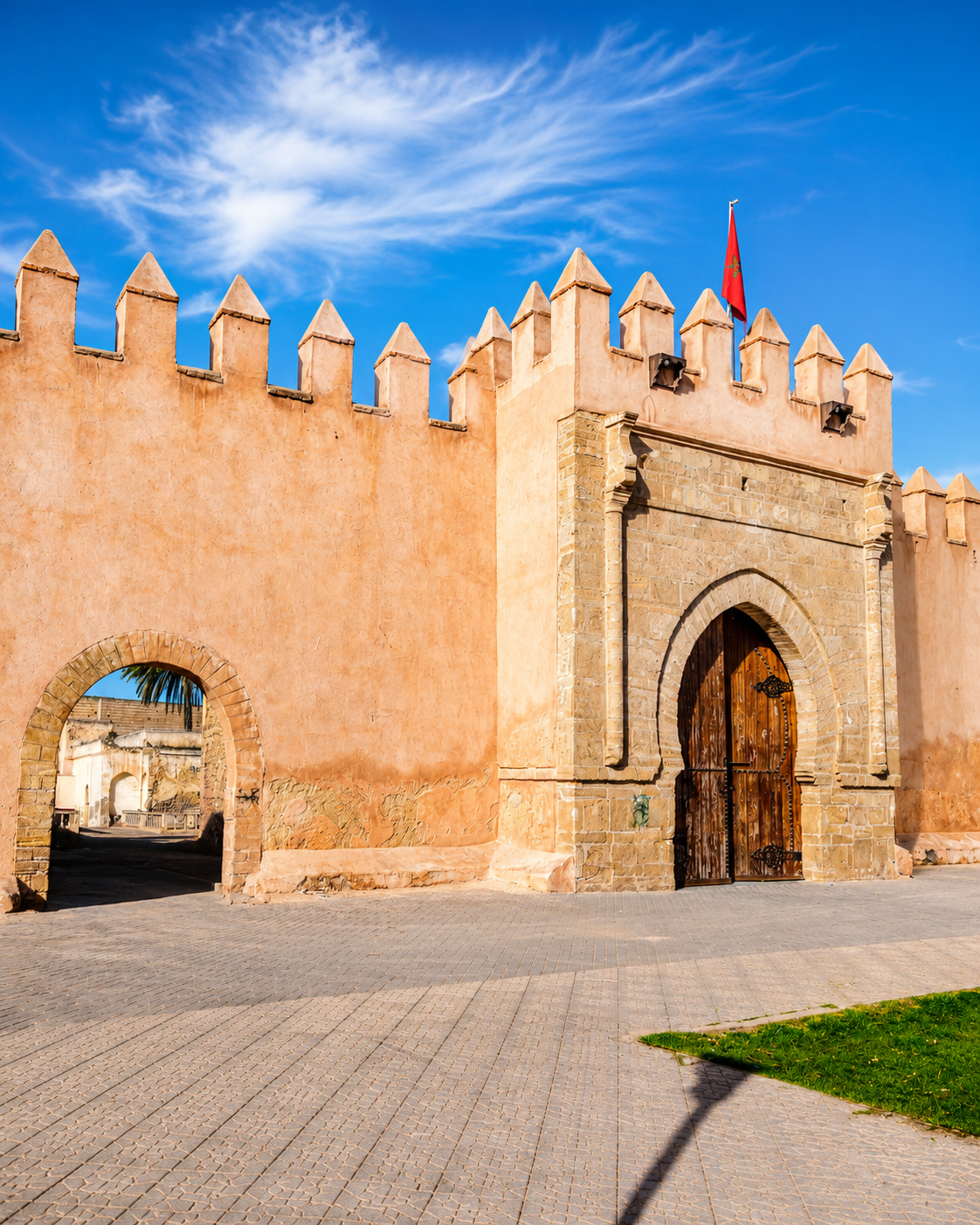
02Alaouite periodThe Ismailia kasbah
The kasbah established Settat as a controlled stopping point on a strategic route. Its purpose was practical: security, order and the organisation of movement across the plateau.
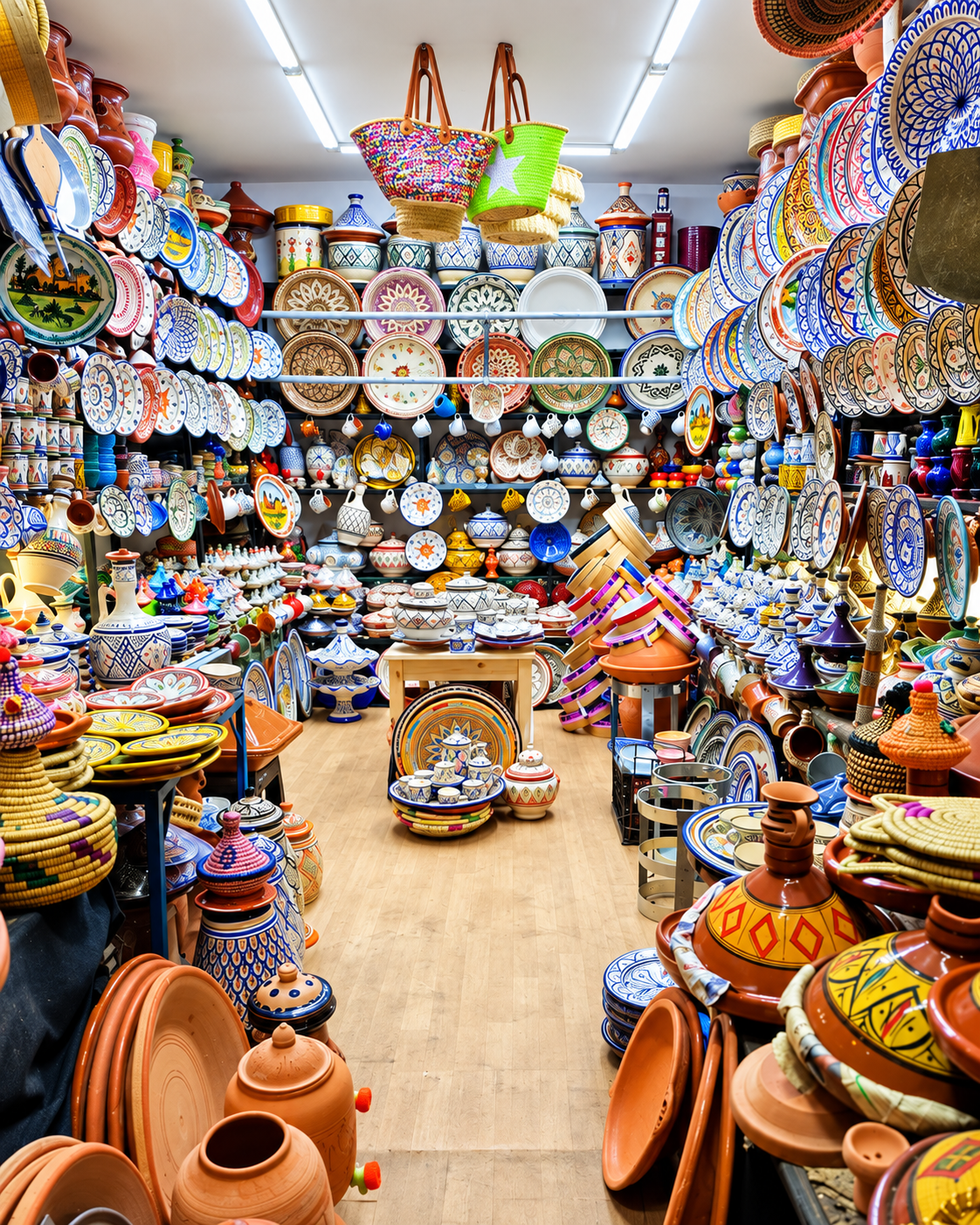
0318th-19th centuriesAgricultural exchange
The fertile surroundings helped Settat grow as a market and service centre for agricultural products, linking rural production with urban administration and trade.
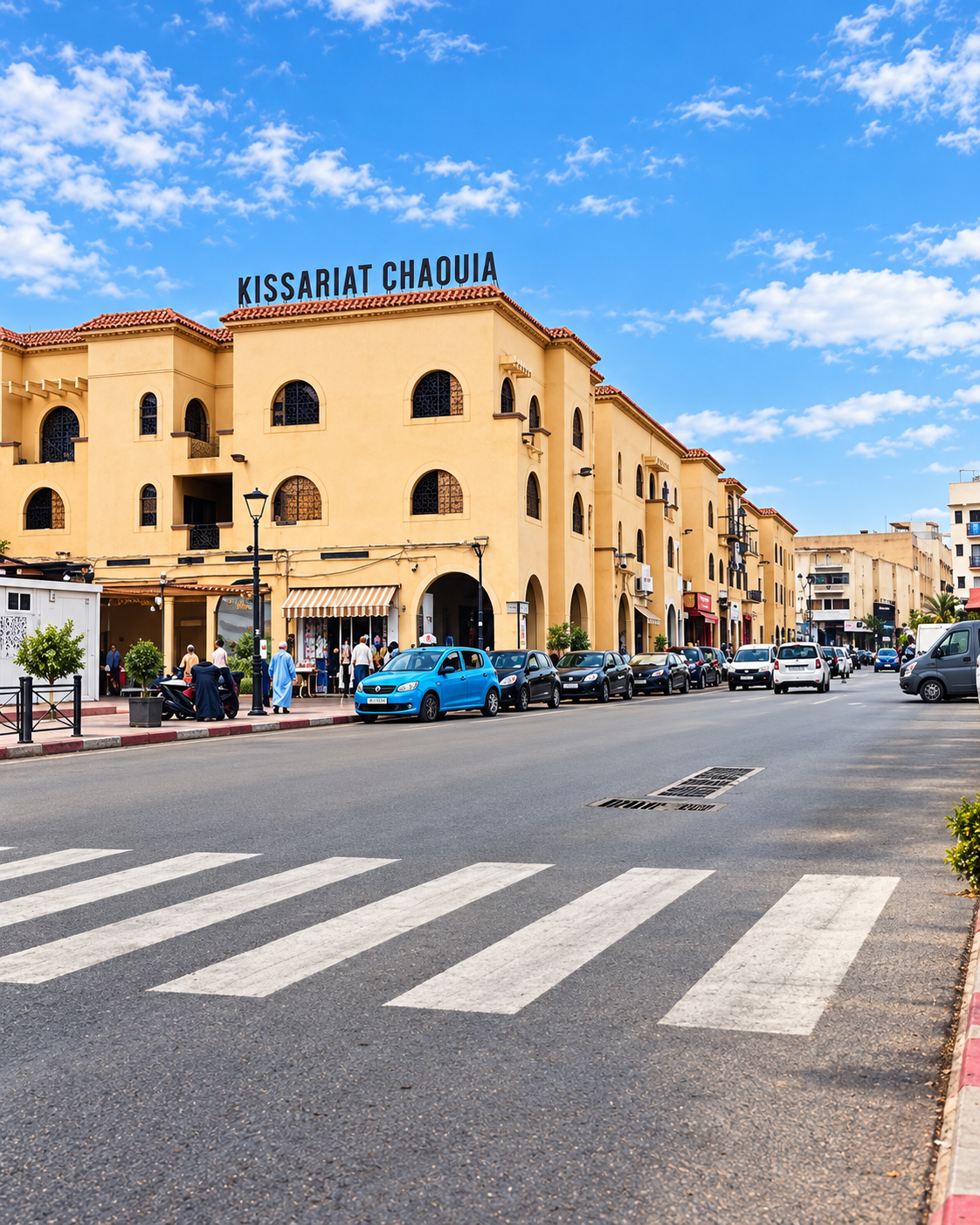
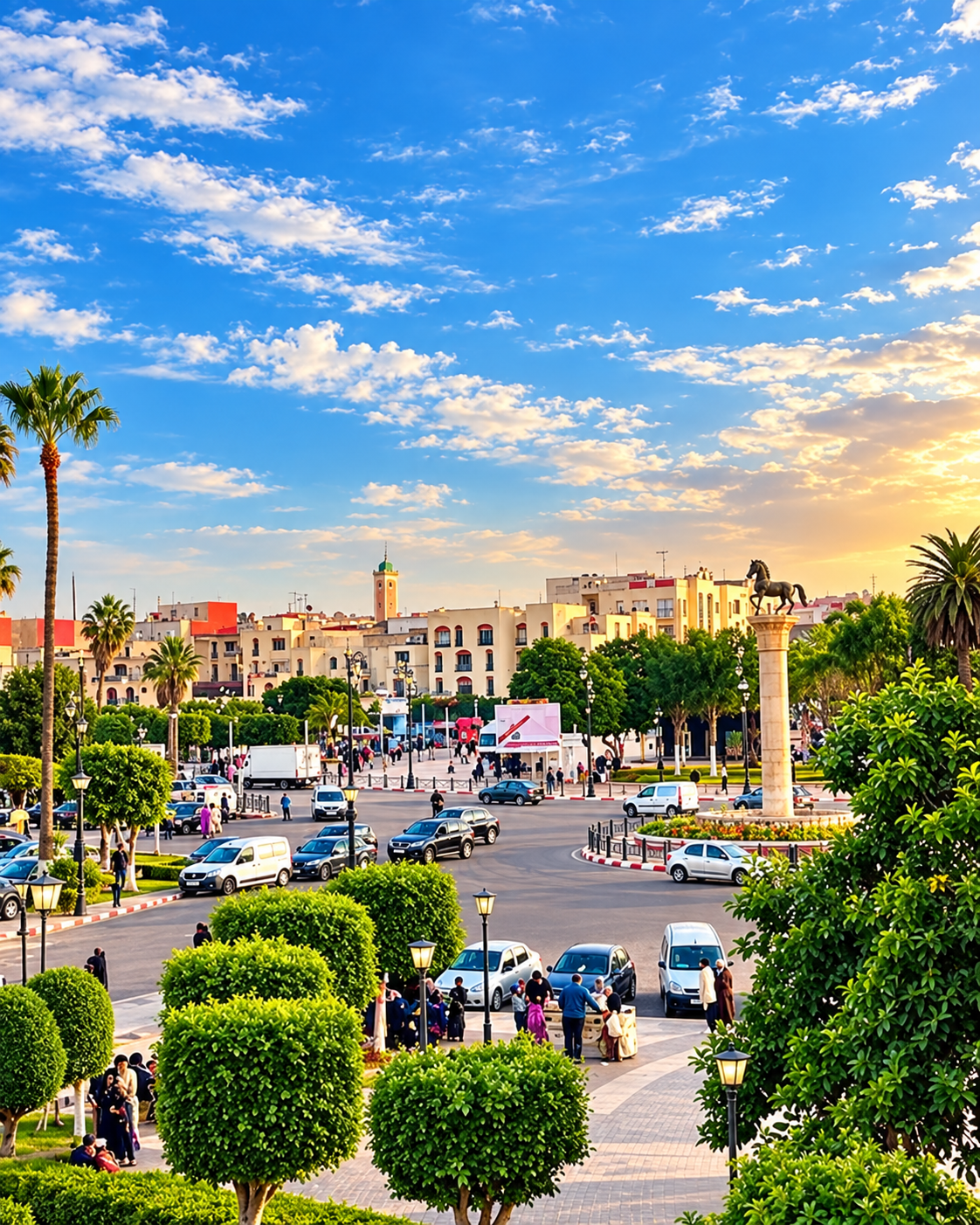
04Modern SettatEducation and regional services
From the late twentieth century, higher education, transport links and regional institutions strengthened the city’s role as a serious inland centre within Casablanca-Settat.