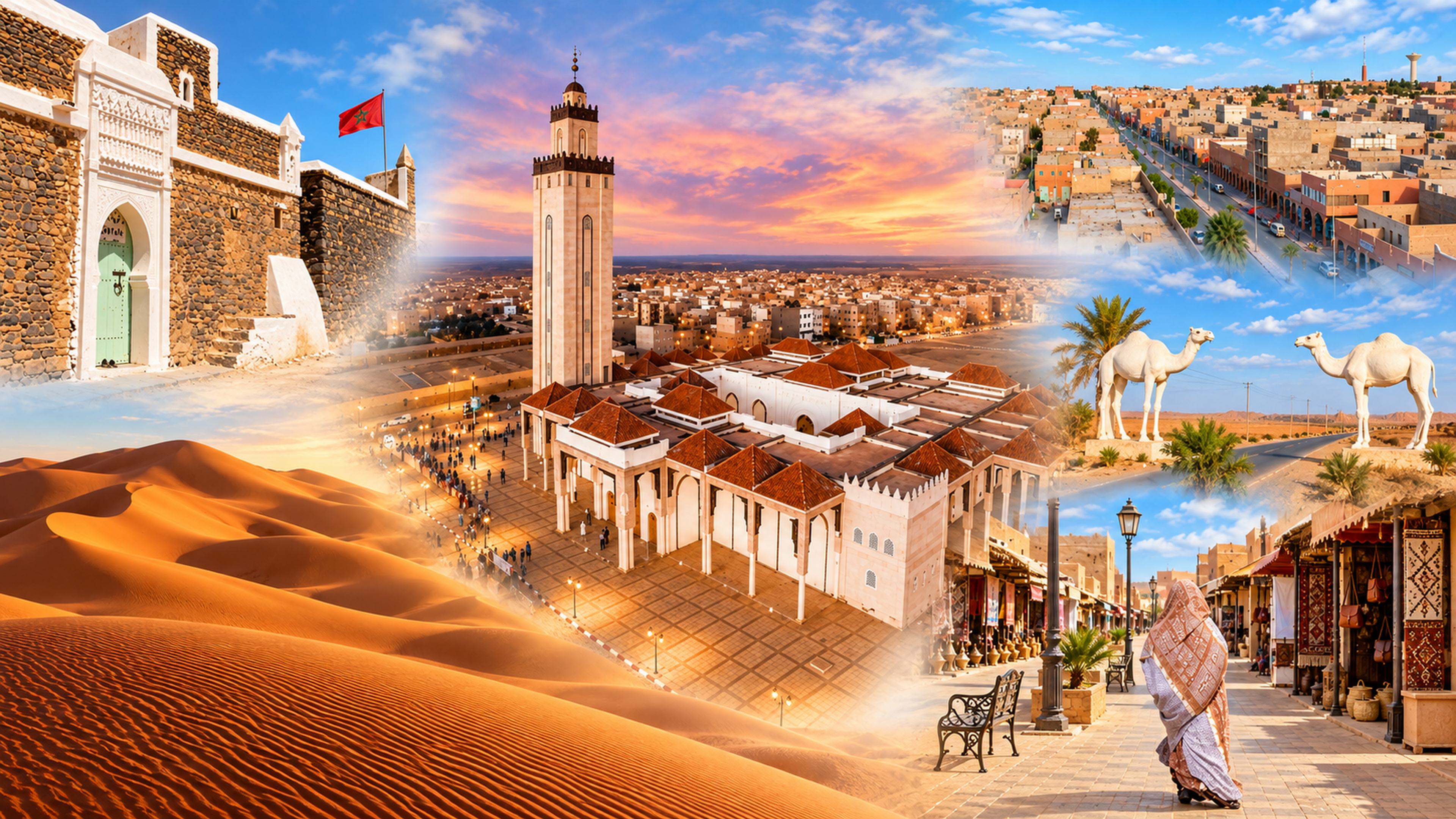
User-supplied Smara collage with the mosque, zawiya entrance, city avenue, camel sculptures, dunes and market scene

Saharan heritage & Hassani culture

Smara Saharan scholarship, Hassani memory and wide desert horizons

Smara brings together the Zaouia of Sheikh Ma El Ainin, Saharan scholarship, Hassani culture and a modern town set against an open desert horizon. Its historic stone complex and everyday streets offer two different readings of the city.

Why Smara matters

Beyond the desert stop

Smara is often approached as a remote point on the Saharan map, but its meaning is more precise than distance. The city is tied to Sheikh Ma El Ainin, to religious learning, to manuscripts and oral memory, and to a Hassani world where poetry, hospitality and movement across open land carry real cultural weight.

Its character is visible in dark stone walls, whitewashed thresholds, broad avenues and desert light. Alongside the historic complex, shops, cafés and neighbourhood streets reveal a contemporary Saharan town with a rhythm of its own.
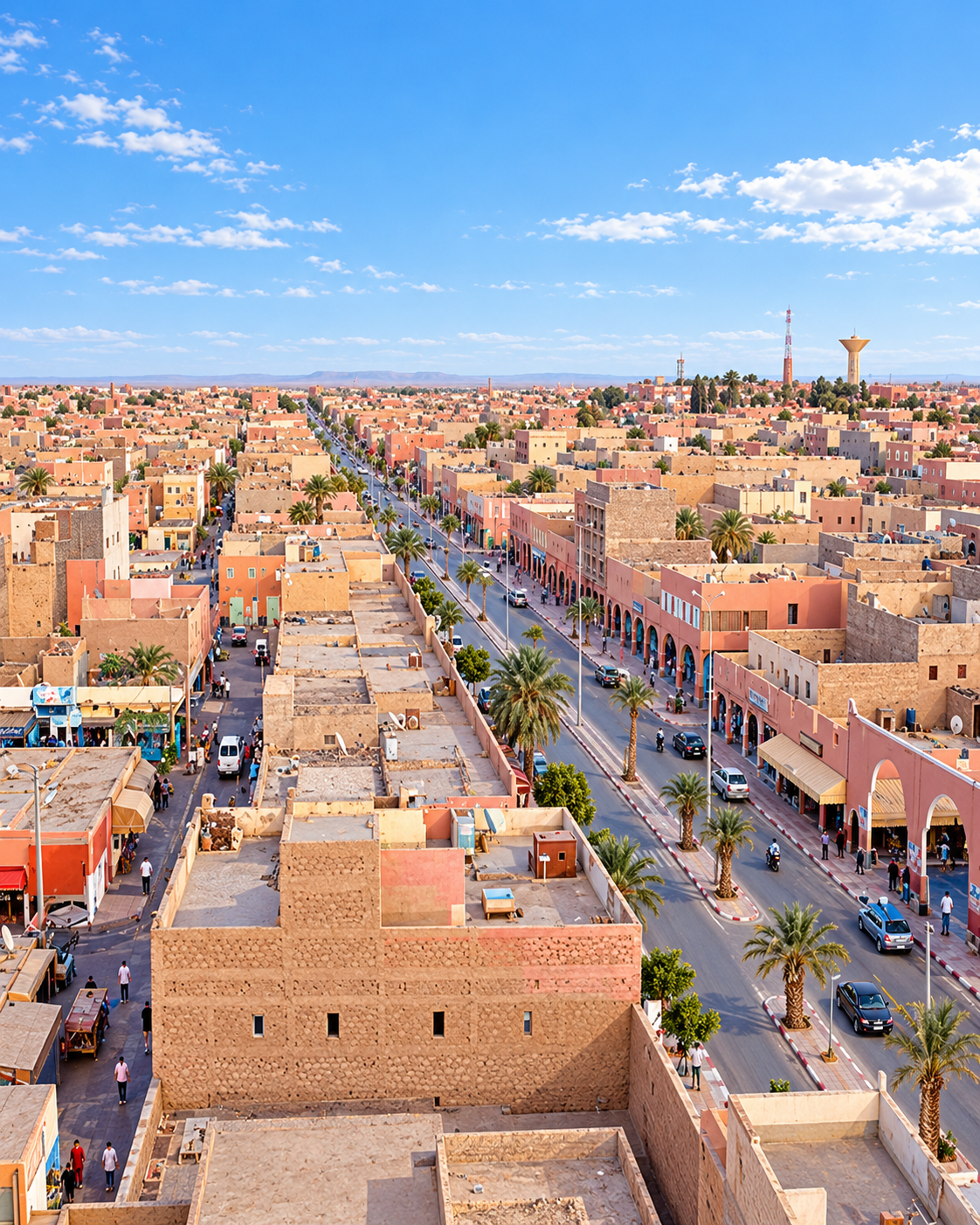
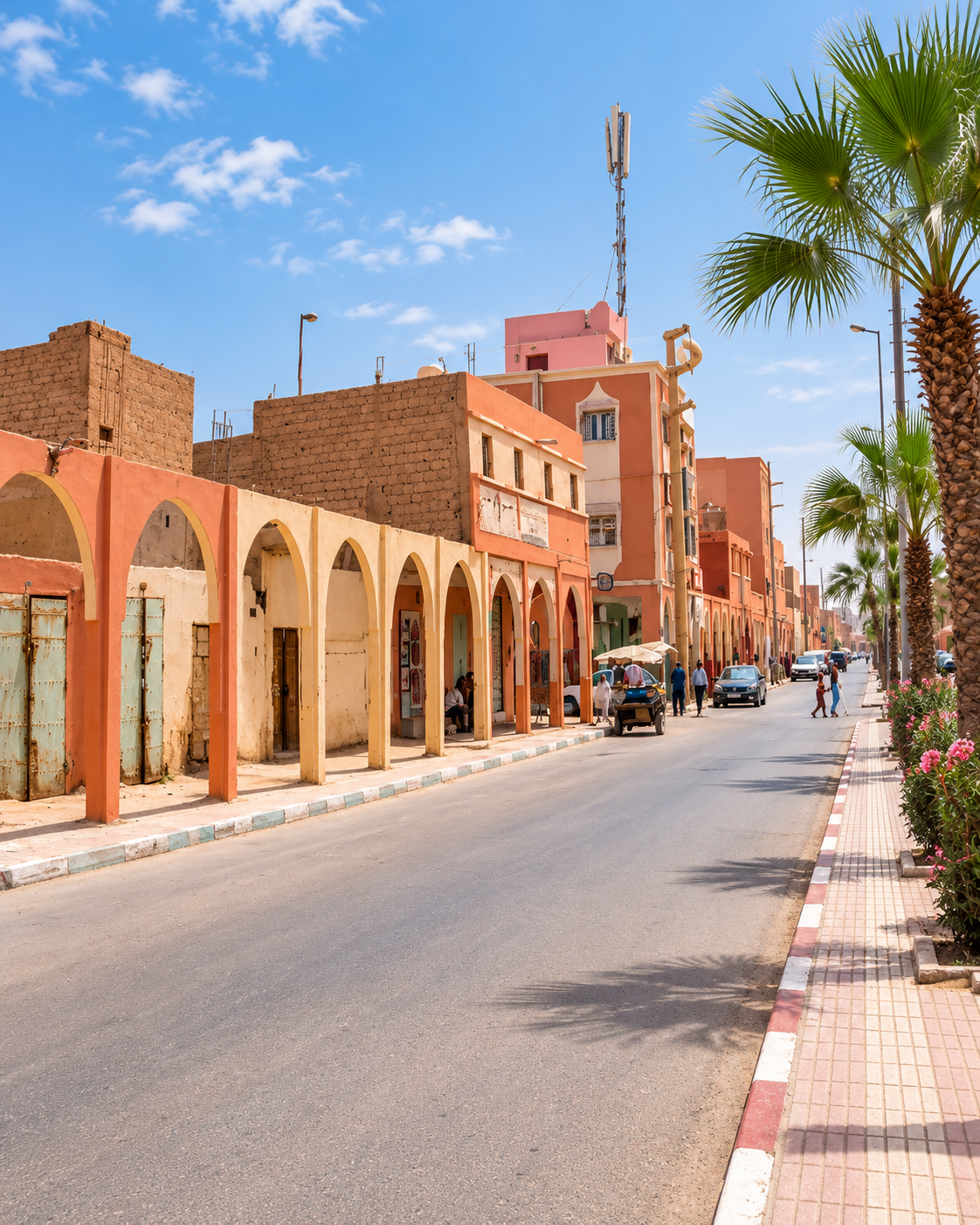
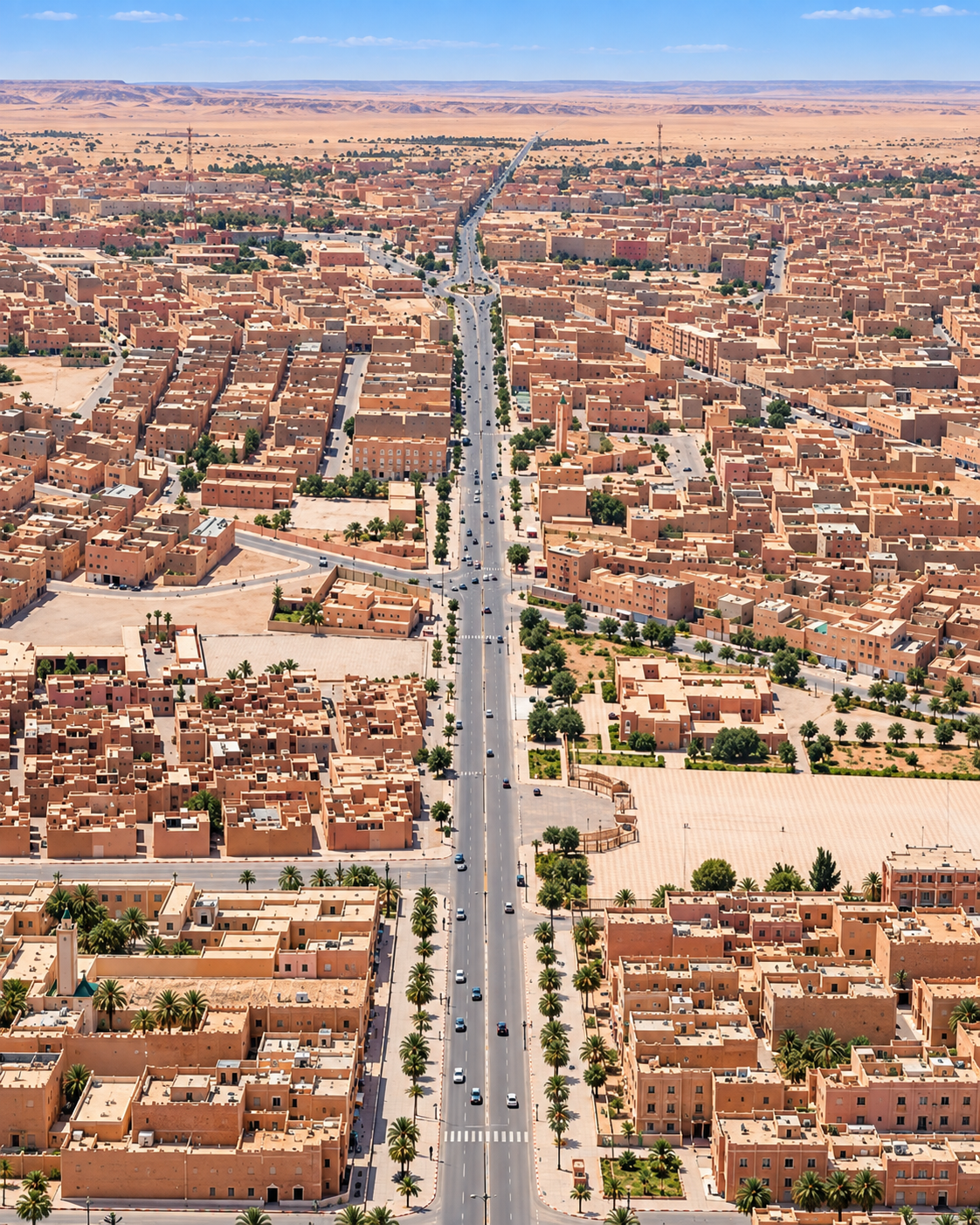
Long avenue through the low-rise neighbourhoods of Smara

A city of horizon and memory

Low-rise neighbourhoods, long avenues and a broad horizon reveal the scale of modern Smara beyond its historic religious complex.

EXPLORE

Smara

Historical orientation

From Saharan routes to a centre of learning

Smara is best understood through scholarship, movement and desert authority. In the late nineteenth century, Sheikh Ma El Ainin developed it as a religious, educational and political centre. The historic qasba and zawiya preserve that connection, while the modern town belongs to a much later urban landscape. Smara is in Moroccan-administered Western Sahara, a disputed territory.

01Before the town

Saharan routes

The wider landscape was shaped by movement, pastoral life, trade routes, oral tradition and the practical knowledge needed to cross open desert territory.

02Late 19th century

Sheikh Ma El Ainin

Smara became associated with Sheikh Ma El Ainin, whose zawiya, teaching and spiritual authority made the city a recognised centre of Saharan learning.

03Early 20th century

Memory and resistance

The city's story is also tied to anti-colonial resistance and to the wider political pressures that shaped the Moroccan Sahara during the colonial period.

04Today

Hassani heritage

Smara remains a southern city where religious memory, Hassani culture, desert routes and contemporary public life meet without losing the seriousness of place.

A visual bridge

Three glimpses between scholarship and desert

An entrance to the zawiya, the camel sculptures on the approach road, and a market scene connect Smara’s historic identity with arrival and everyday life.

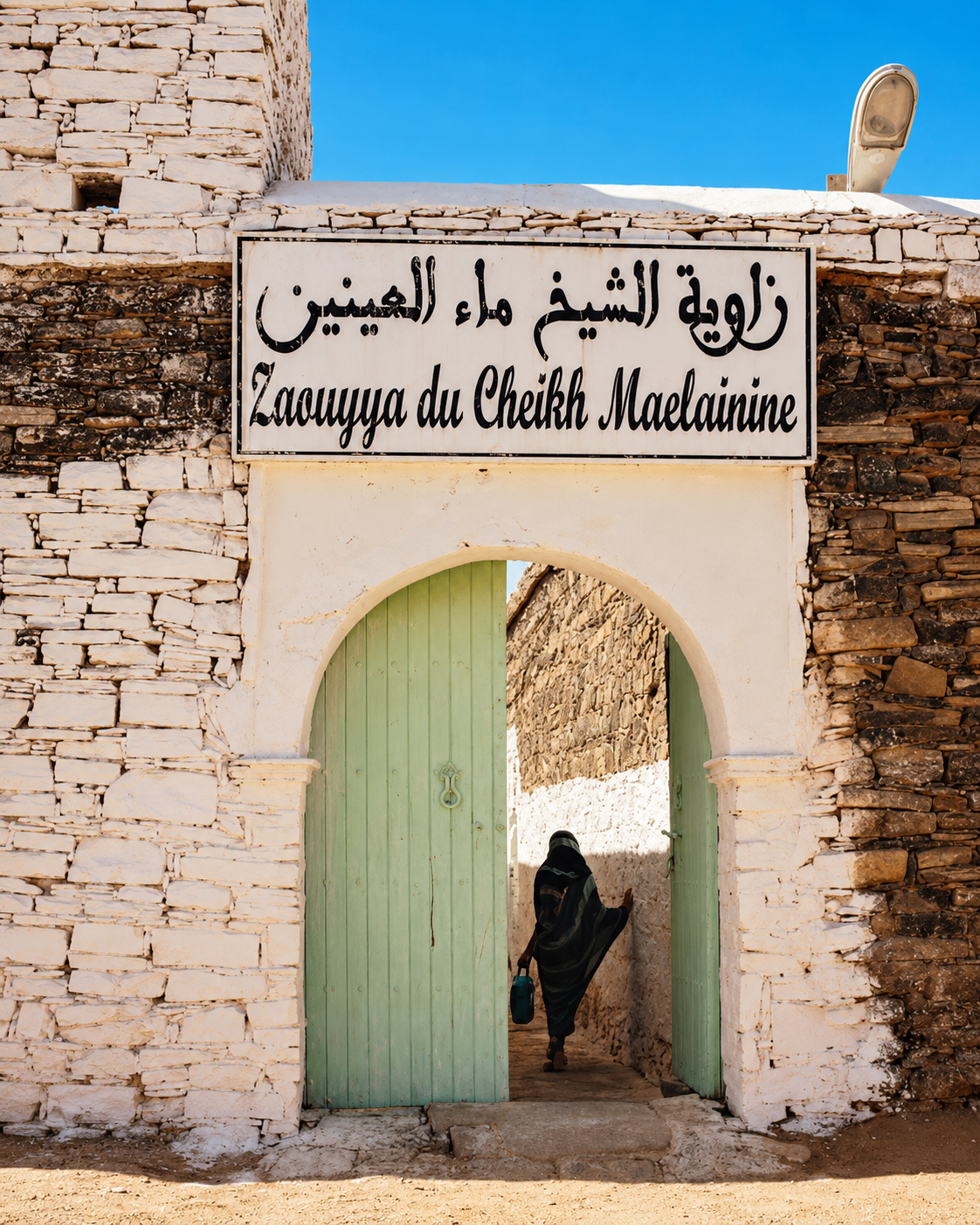
Signed entrance to the Zaouia of Sheikh Ma El Ainin

A scholarly threshold

The signed entrance introduces the institution associated with Sheikh Ma El Ainin and the city’s scholarly memory.

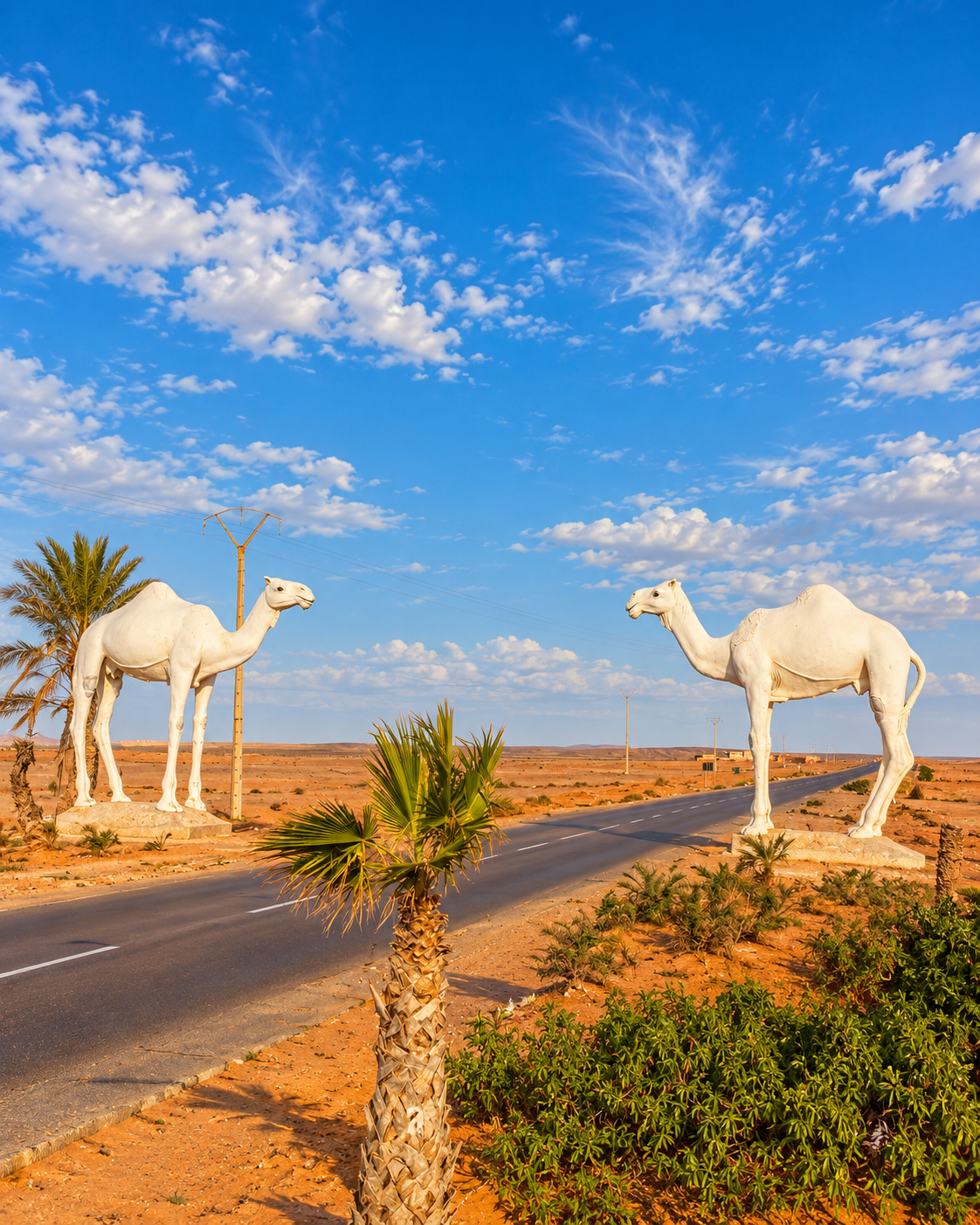
Two white camel sculptures beside the road approach to Smara

Arrival from the desert

Camel sculptures mark an approach to the town and recall the place of pastoral life in Saharan culture.

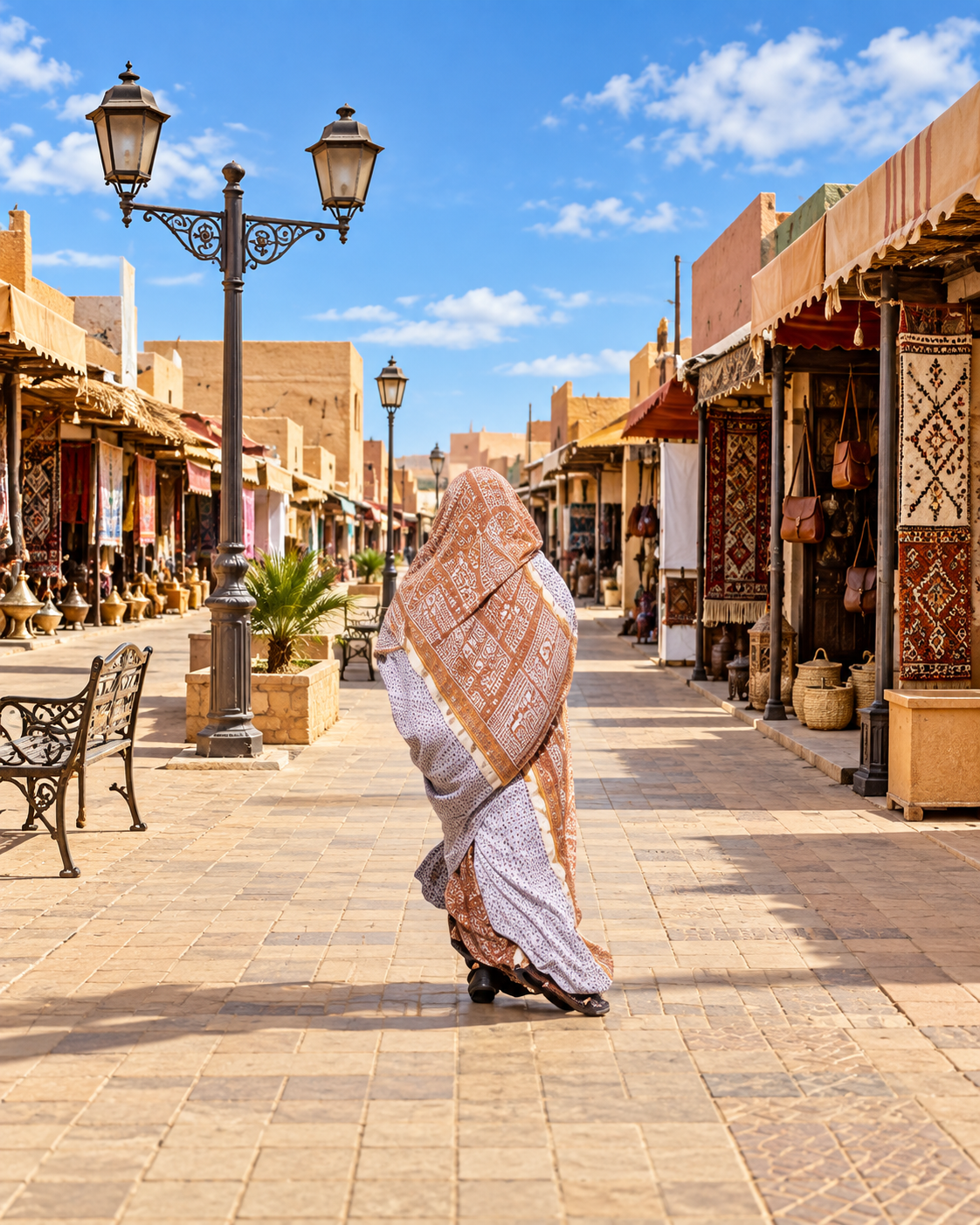
Woman in a flowing melhfa in a shop-lined passage

Dress and daily life

A flowing melhfa and shop-lined passage offer a closer view of everyday cultural expression.

Smara at a glance

A Saharan city

Smara lies inland in Moroccan-administered Western Sahara. Its surrounding landscape is largely stony desert; do not confuse the town with the dune resorts of southeastern Morocco.

A spiritual landmark

The Zaouia of Sheikh Ma El Ainin is the key heritage anchor. It gives the city a scholarly and religious profile that should be explained with respect, not reduced to a photo stop.

Hassani identity

Smara's cultural reading belongs to Hassani poetry, hospitality, oral memory, dress, tea, craft and the social codes of the Moroccan Sahara.

Check current advice

As checked on 16 September 2026, the UK FCDO advises against all travel to Es Semara (Smara). Consult current official advice before making any travel plans.

A clearer reading of the city

A city shaped by learning, distance and Hassani life

Read the historic religious complex, contemporary streets and material culture together. The city’s identity is carried by places of learning and worship, but also by shopfronts, markets, clothing and ordinary movement.

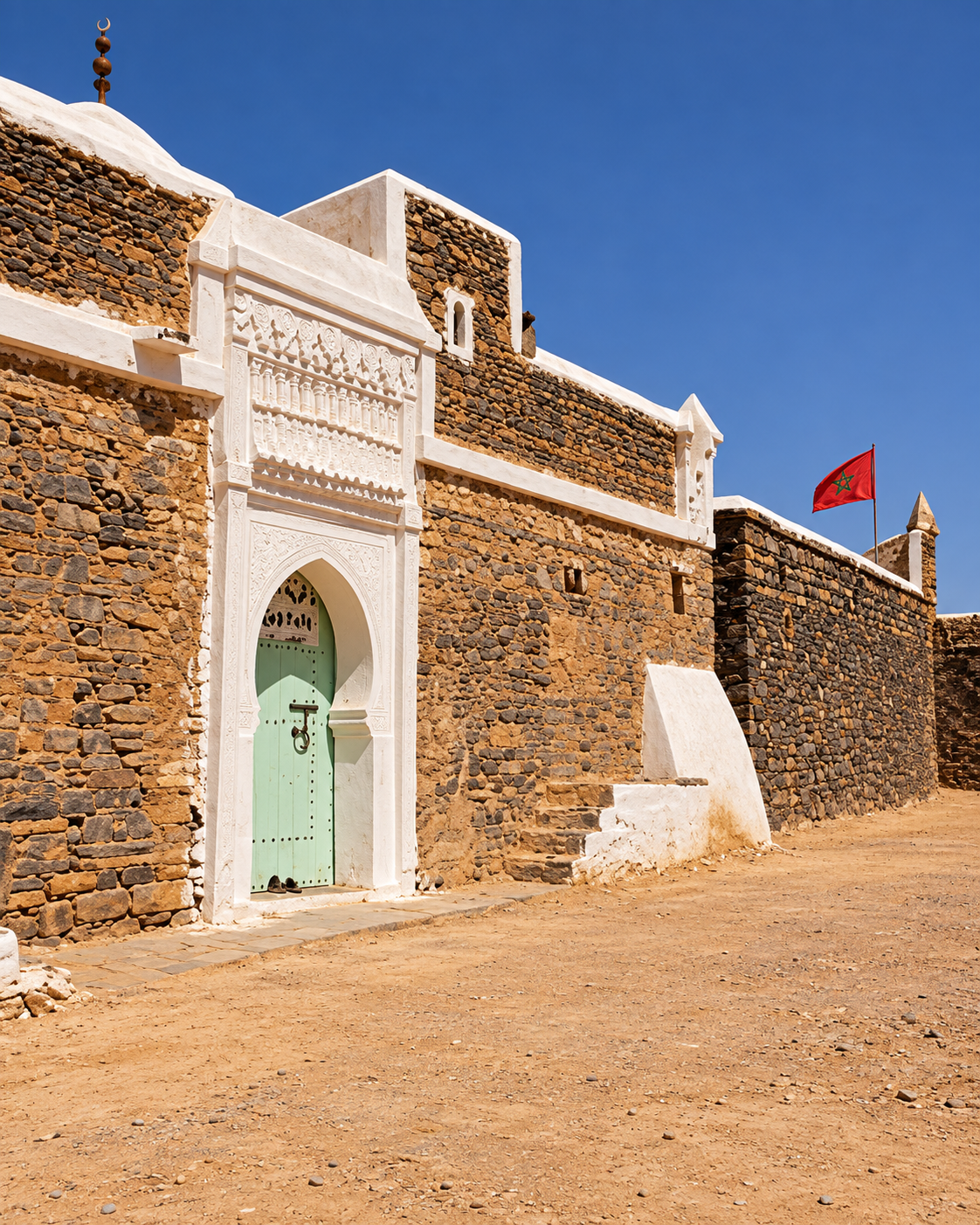
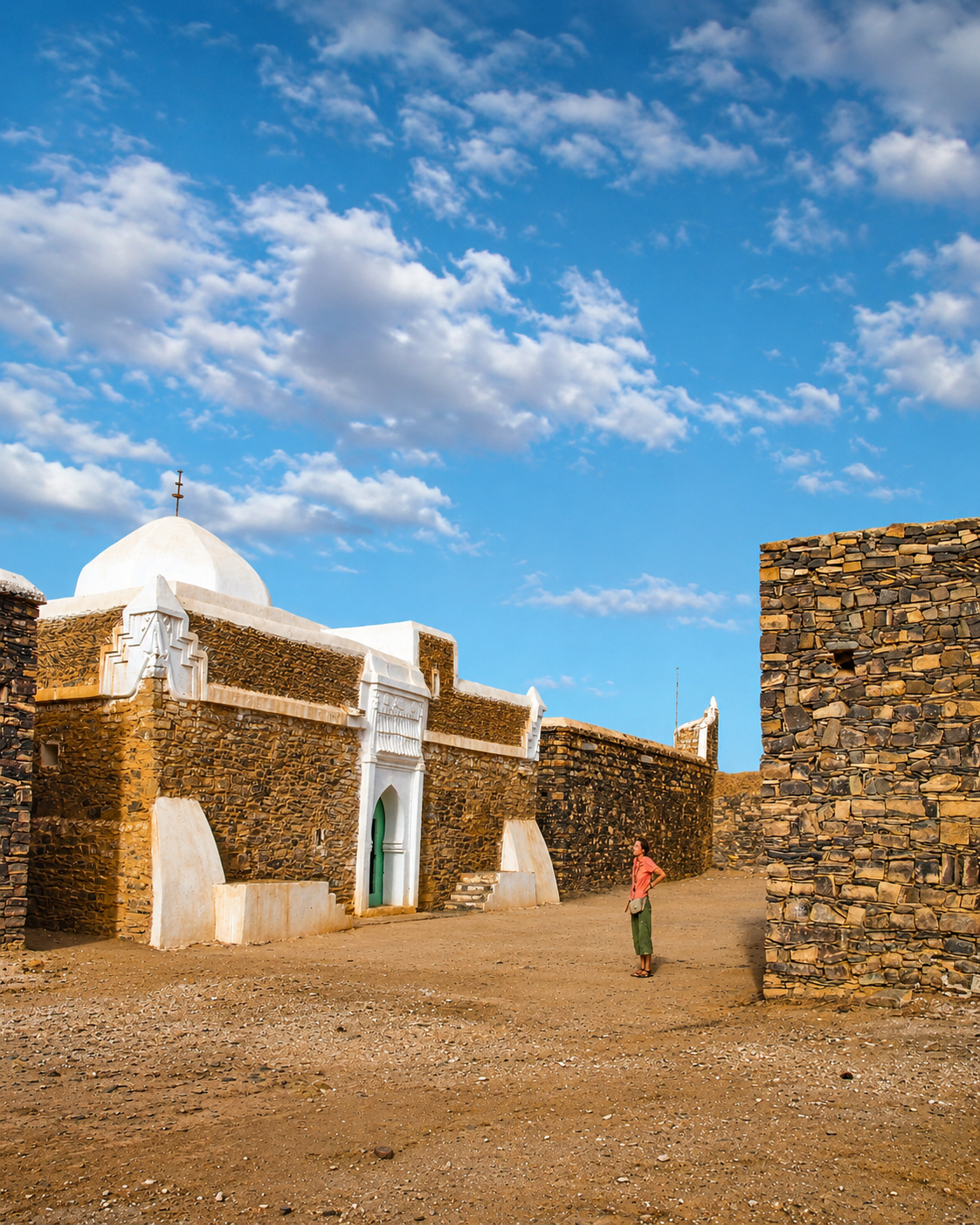
Stone wall and pale green doorway at the zawiya
Layer 1

Spiritual geography

The Zaouia of Sheikh Ma El Ainin gives Smara a centre of gravity. It connects worship, teaching, gathering and historical memory in a city where faith and scholarship are inseparable from place.

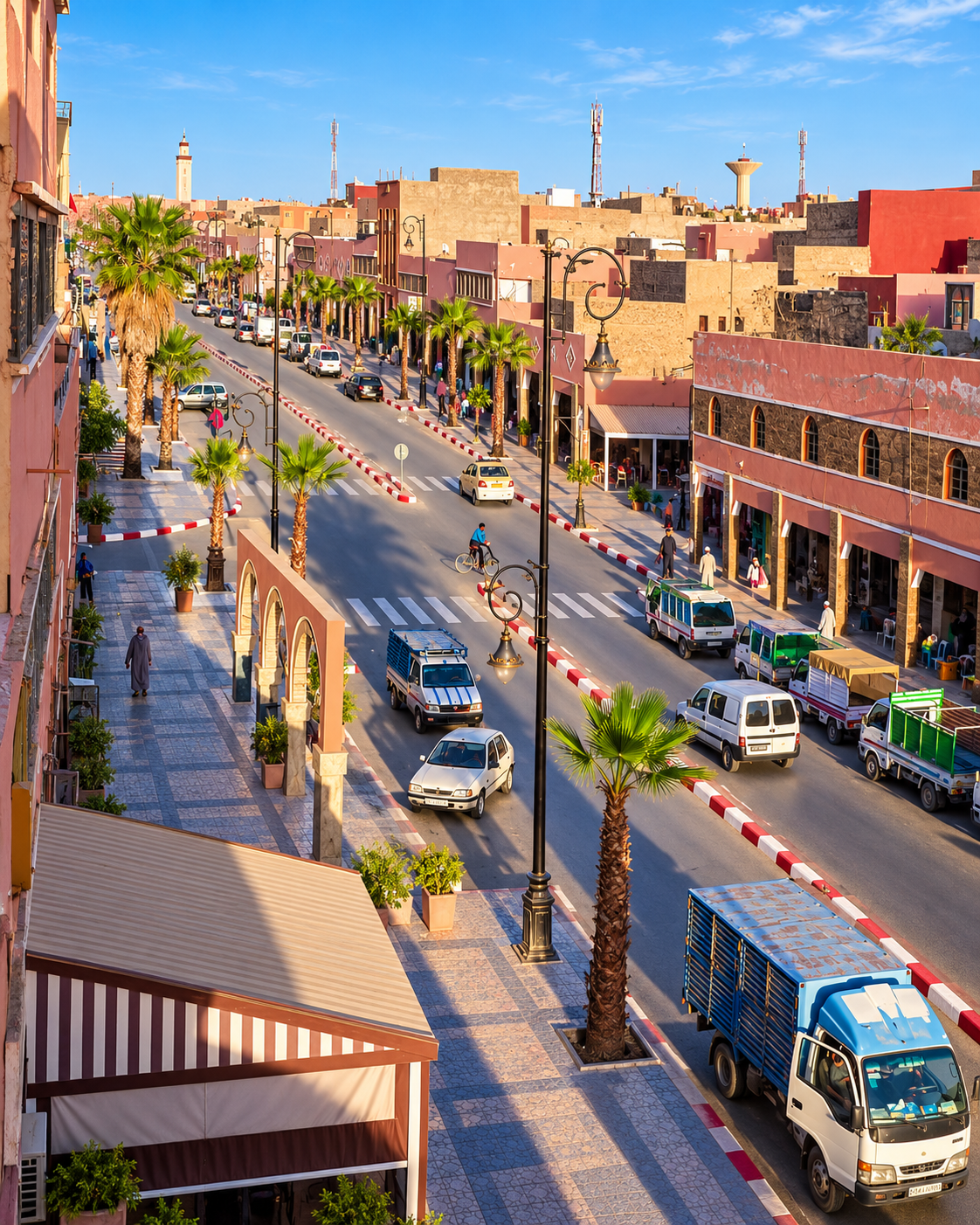
Arcaded shopfronts along a palm-lined street
Layer 2

Everyday desert town

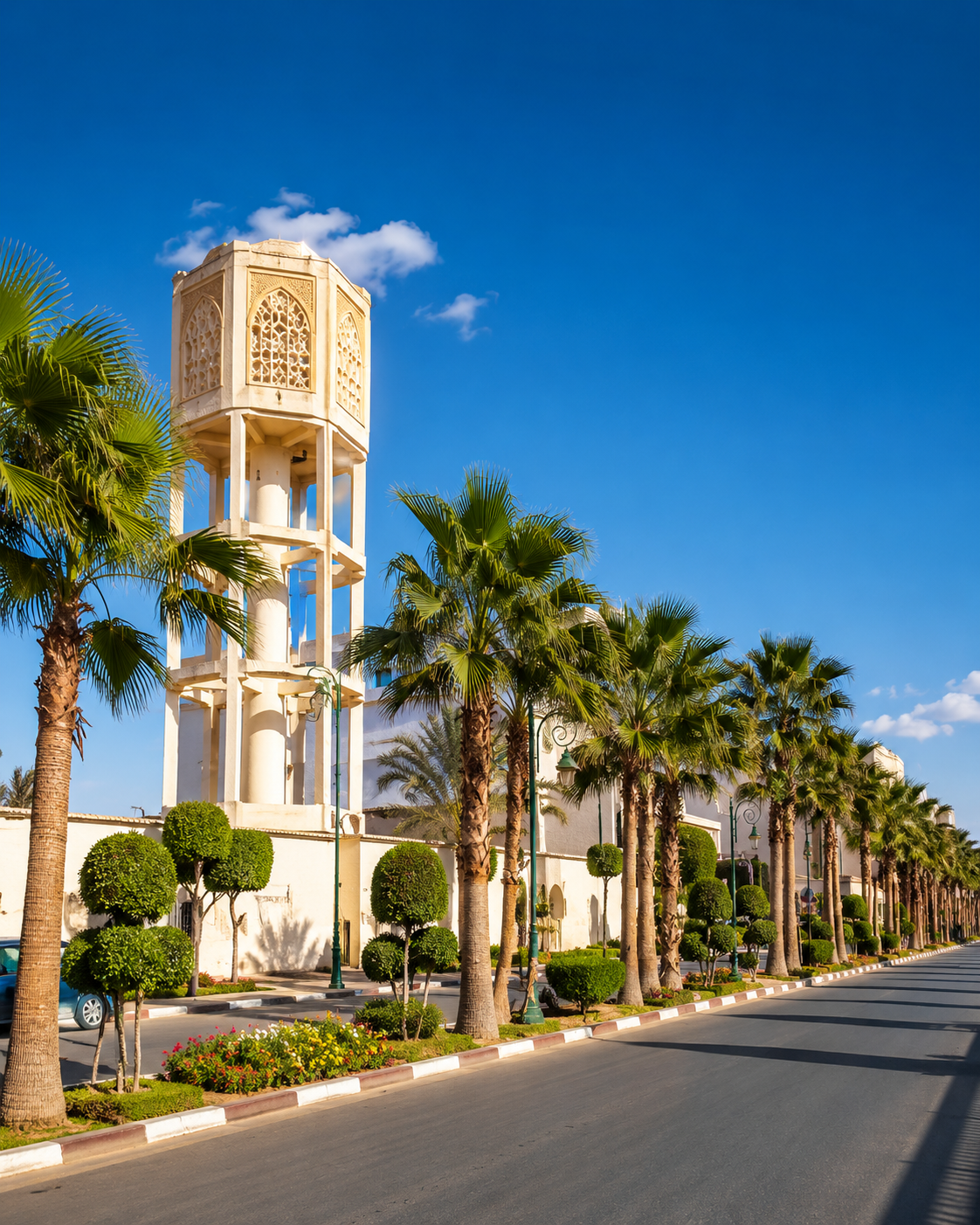
Smara's urban rhythm is practical and understated: low streets, strong sun, open edges, simple services and daily movement shaped by climate and distance.

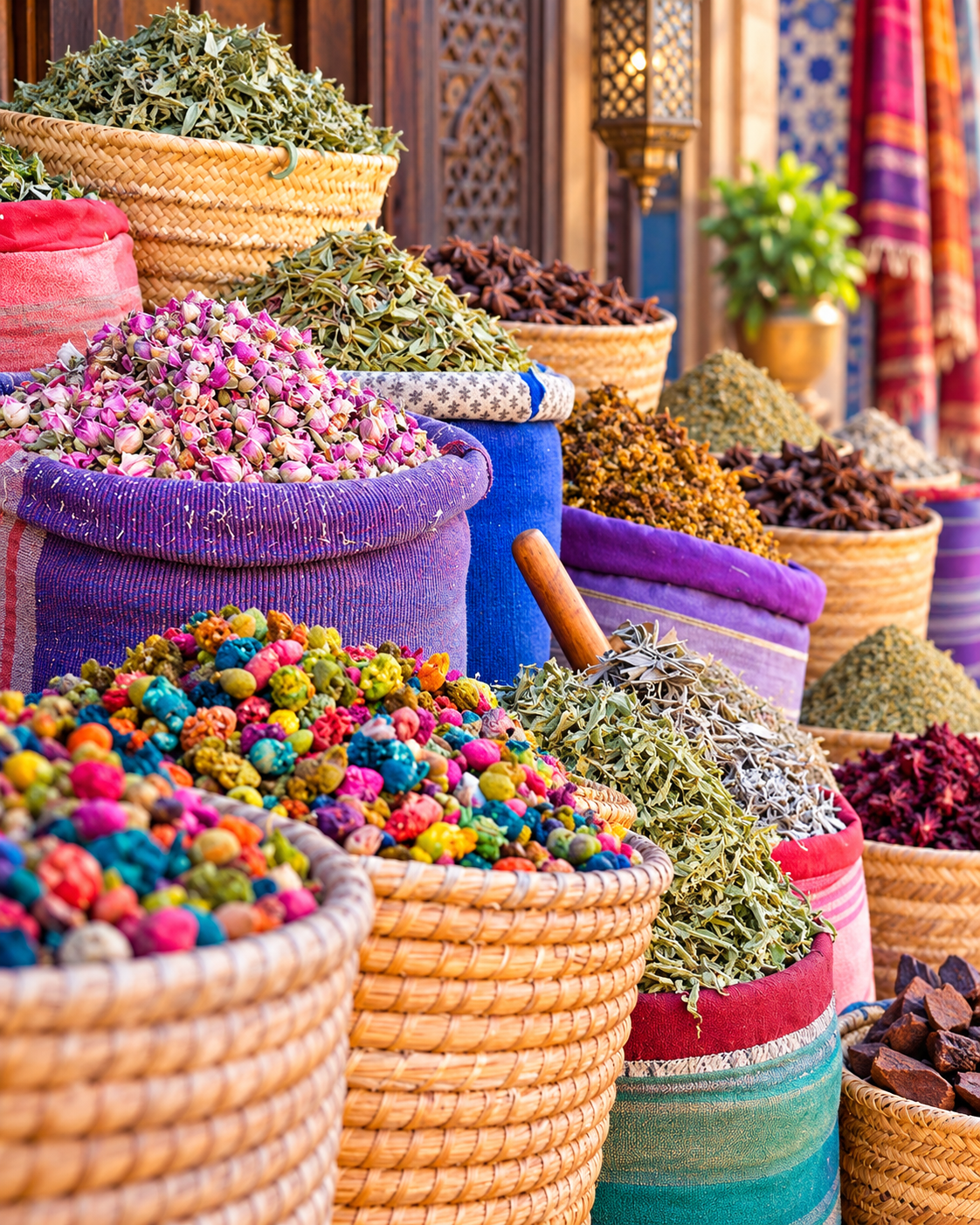
Woven baskets displaying herbs and dried flowers in a market
Layer 3

Markets and material culture

Market displays of herbs, spices and household goods show another scale of daily life. Read the objects and their uses carefully, and ask before photographing traders or customers.

Landmarks & orientation

Read Smara through six defining anchors

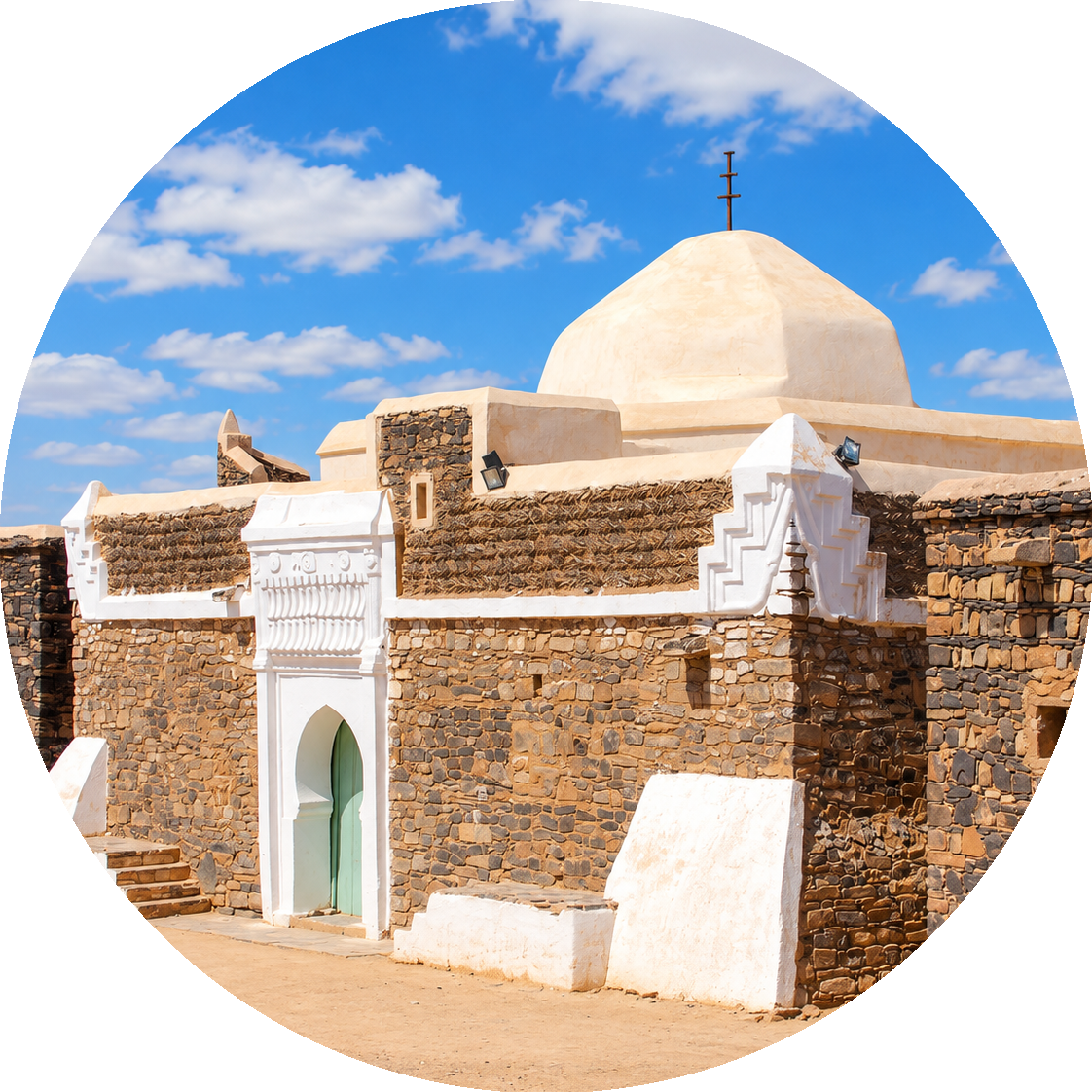
These six points distinguish Smara’s historic complex from its modern town, markets and desert setting. The photograph shows the white dome and stone walls of the zawiya.

1
Zaouia of Sheikh Ma El Ainin

The city’s main heritage anchor: a religious and scholarly institution associated with Sheikh Ma El Ainin.

2
Historic qasba and mosque

The stone-built compound and the historic mosque remains explain the original settlement. Access and interpretation need local confirmation.

3
Modern mosque and civic streets

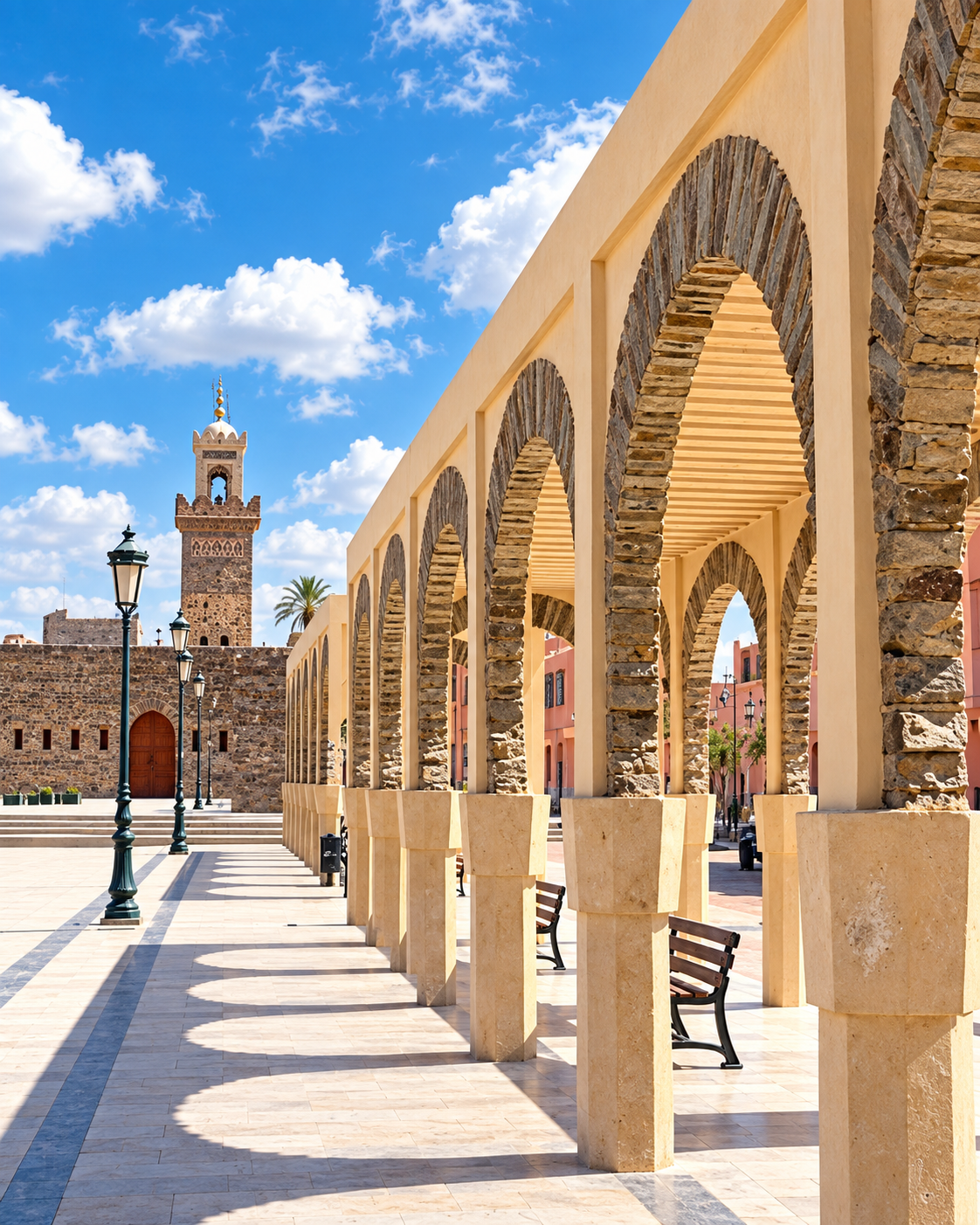
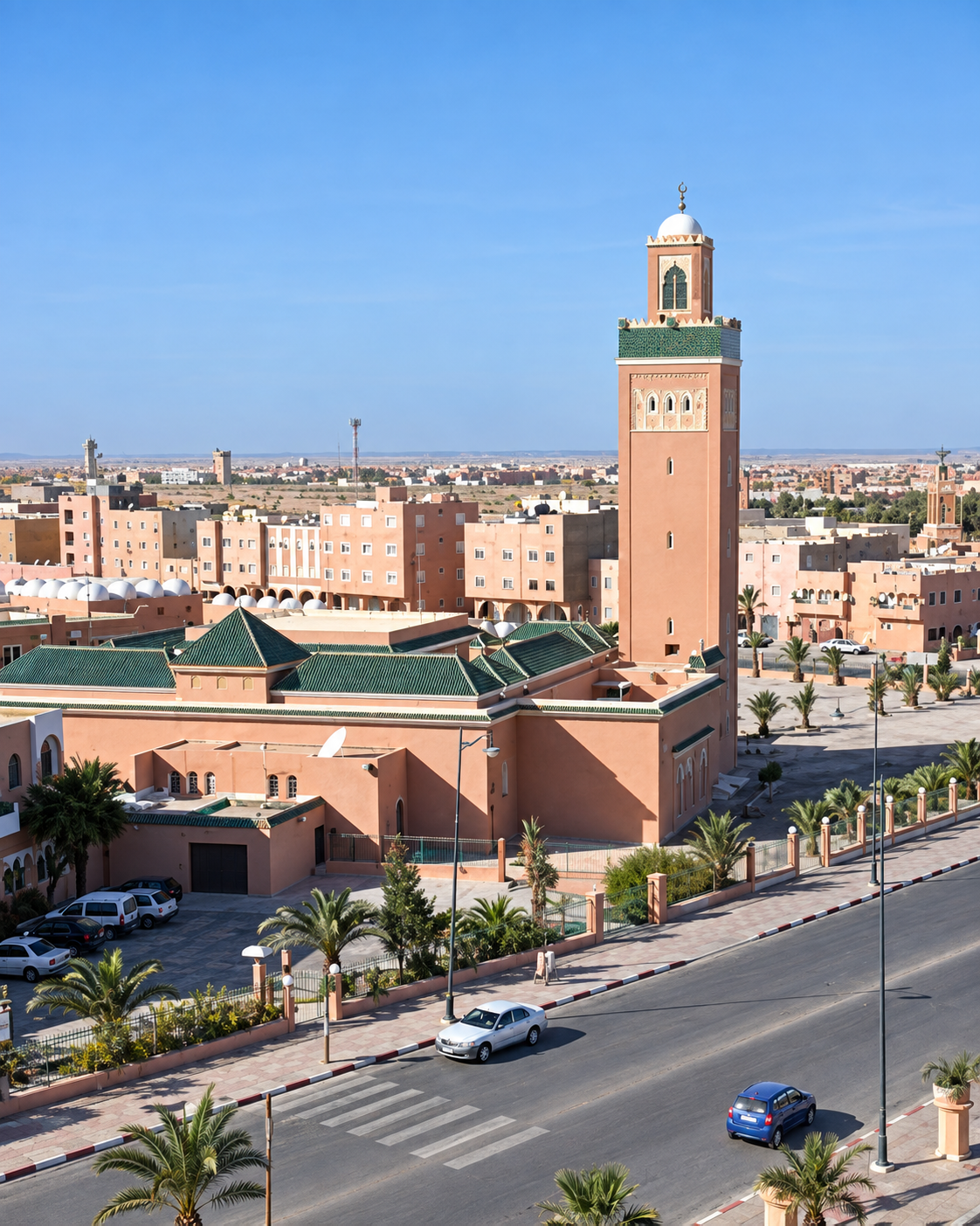
A tall minaret, arcades and broad streets form a different, modern layer of Smara’s urban landscape.

4
Market streets

Shops, household goods, clothing and everyday exchanges show how the city is lived beyond its monuments.

5
Desert approaches

The road approaches and open stony plains reveal the city’s inland setting. They are not an invitation to travel off-road.

6
Regional context

Laâyoune and the Atlantic towns belong to a wider regional journey, with substantial distances and separate travel considerations.

White dome and stone walls of the Zaouia of Sheikh Ma El Ainin
The zawiya courtyard with stone walls and a white domed building

A Saharan scholarly centre

The Zaouia of Sheikh Ma El Ainin — learning in a stone-built complex

Smara’s historic centre grew around Sheikh Ma El Ainin and his zawiya. The institution brought religious teaching, manuscripts, gathering and political authority together. Its dark stone masonry, white plaster surrounds and domed building differ from the earthen kasbah imagery often used for the Sahara. The complex matters for the life of learning associated with it as much as for its architecture.

  • Look closely at the contrast between stone walls, white plaster and the domed building.
  • Distinguish the zawiya and historic mosque remains from the city’s modern mosques.
  • Ask about access and manuscript interpretation; do not assume every room is open to visitors.

Architectural reading

Three visual languages to notice

Stone and white plaster

The historic qasba-zawiya is marked by dark local stone and pale plaster surrounds. Texture, wall thickness, modest openings and the white dome are more useful clues here than a generic image of an earthen desert kasbah.

Avenues and arcades

Modern Smara has another scale: long roads, low-rise shopfronts, shaded arcades and prominent minarets. Read these buildings as part of the contemporary city, without assigning them the age or purpose of the historic complex.

Climate and daily use

Shade, covered passages and transitions between bright streets and sheltered interiors shape daily use. The relationship between building, climate and social life is visible in small details as well as in major monuments.

Visual atmosphere

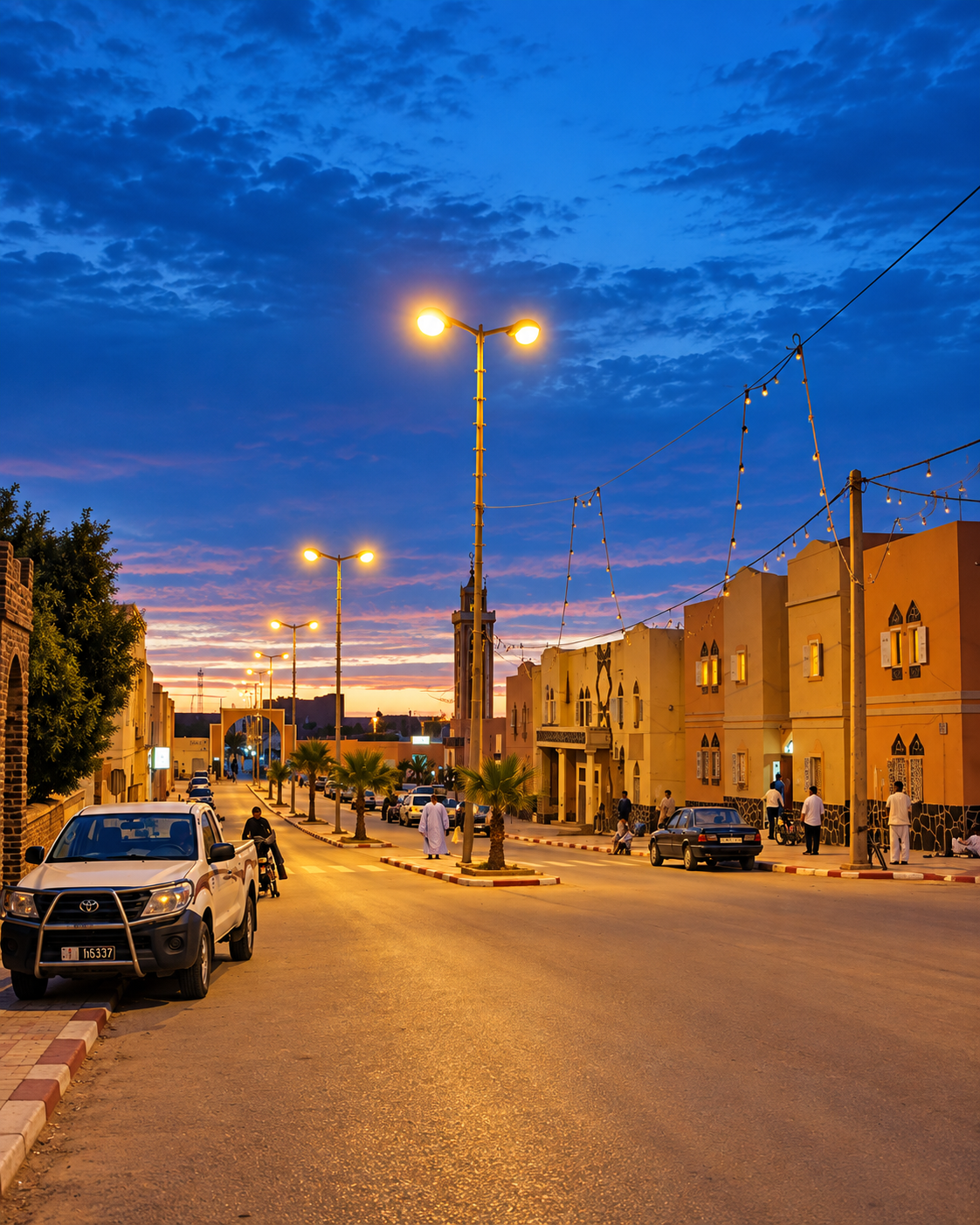
Stone, streets and evening light

Nearby highlights

A wider regional perspective

These are separate regional destinations, not sights on Smara’s doorstep. Laâyoune provides an urban comparison; Tarfaya introduces Atlantic heritage; and Khnifiss adds a protected coastal landscape. Any itinerary must be assessed against current official travel advice.

Laâyoune

The regional centre has broad avenues, public squares and prominent mosques. Its urban scale offers a useful comparison with inland Smara; treat the road journey as a separate stage.

Mosque and minaret in Laâyoune

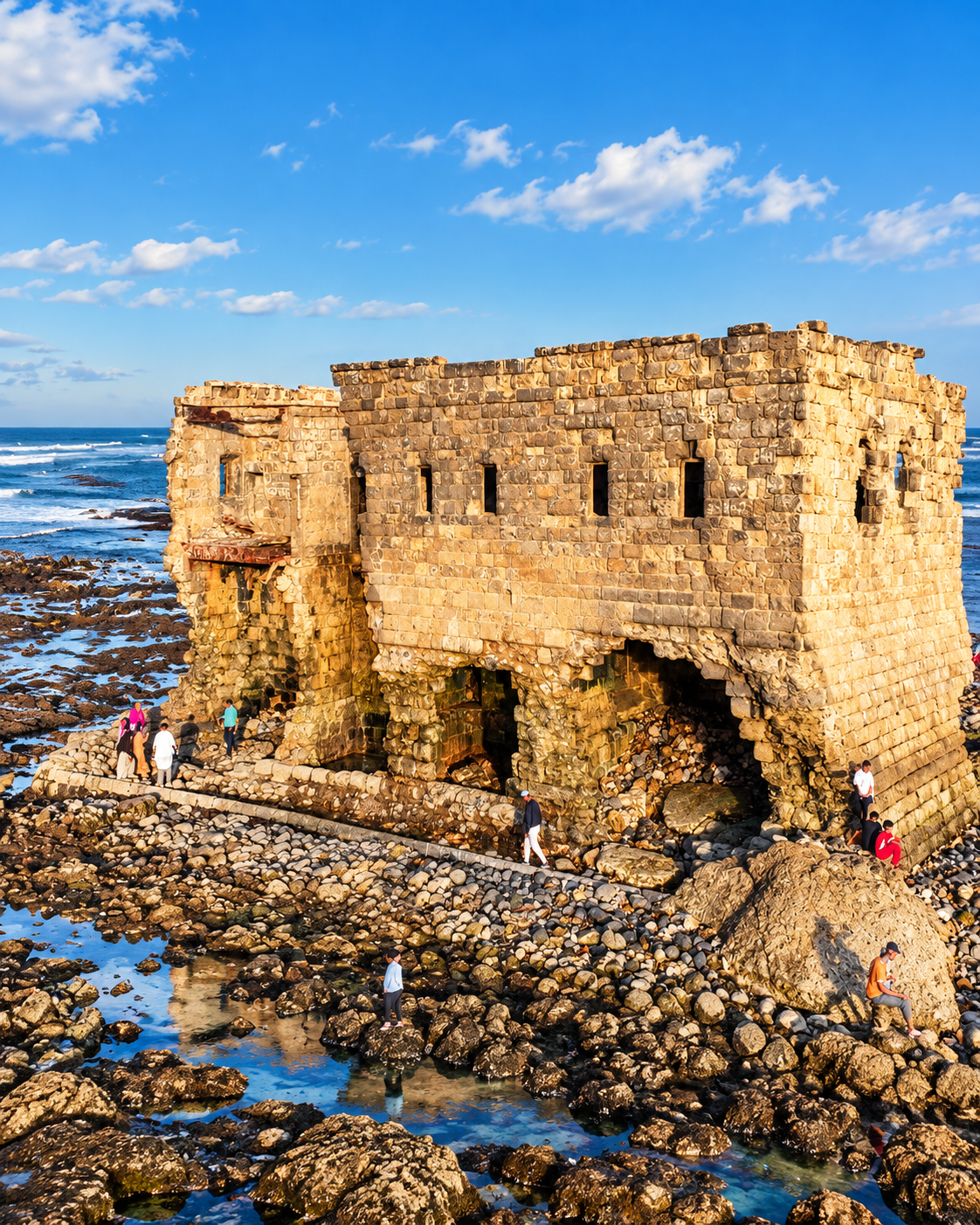
Tarfaya and Casa del Mar

Casa del Mar, the harbour and the town’s aviation history introduce an Atlantic chapter. Tarfaya lies well beyond a short excursion from Smara and deserves its own place in a coastal itinerary.

Stone walls of Casa del Mar above the rocky Atlantic shore in Tarfaya

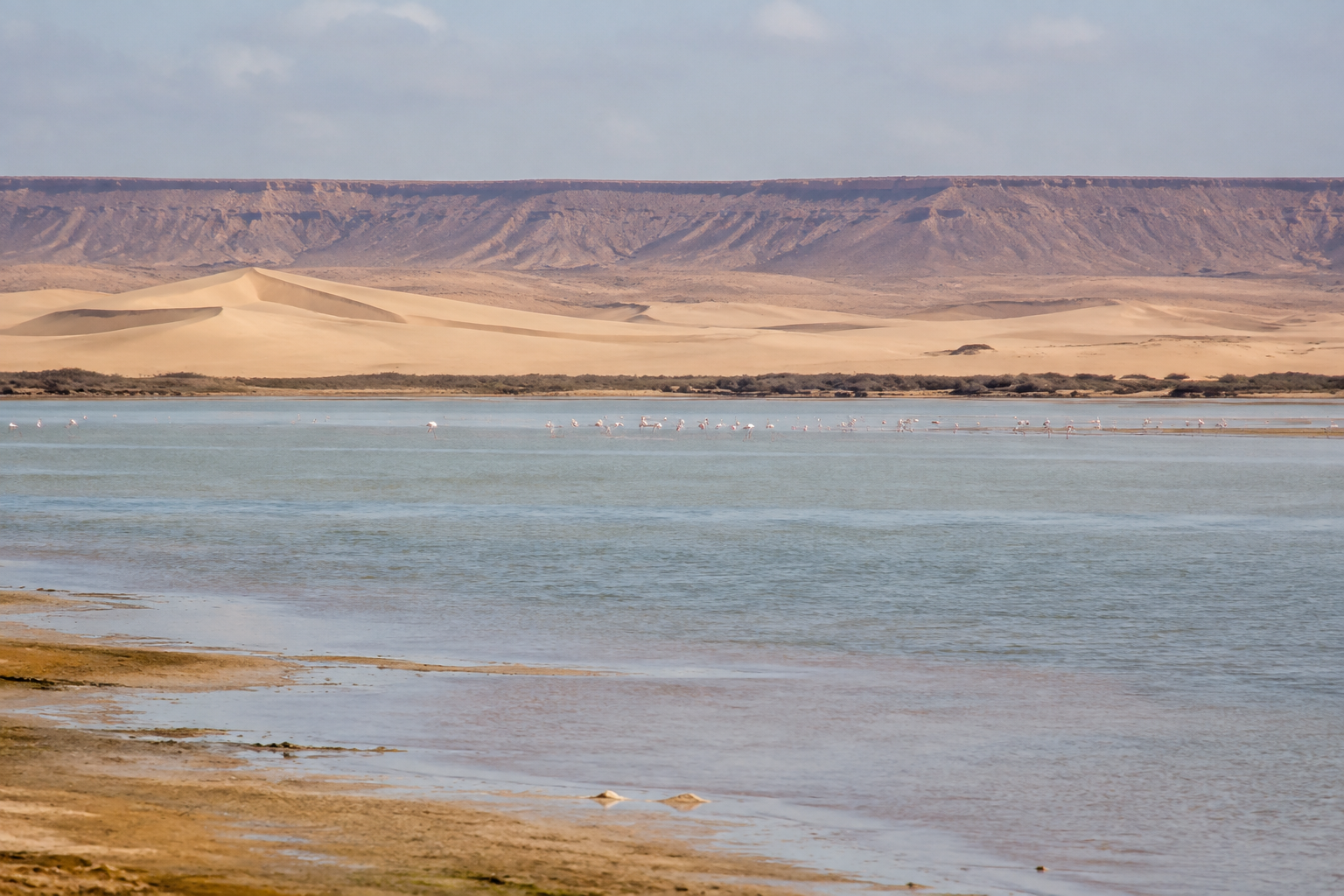
Khnifiss and Naïla Lagoon

Near Akhfennir, the lagoon meets dunes and tidal flats within Khnifiss National Park. This is a separate coastal destination; arrange access locally and respect the protected habitat.

Naïla Lagoon and the dunes of Khnifiss National Park
Travel advice — checked 16 September 2026: the UK FCDO advises against all travel to Es Semara (Smara). These regional descriptions are cultural orientation, not a recommendation to undertake a road trip. Check current official guidance and insurance conditions.

Practical orientation

Read the current travel advice first

  • The UK FCDO currently advises against all travel to Es Semara (Smara); check your own government’s advice as well.
  • Review insurance and transport conditions before considering any journey.
  • Do not treat desert roads, rock-art locations or the wider province as unrestricted visitor routes.
  • Religious sites have their own access rules. Ask before entering or photographing people.
  • Use this page to understand the city’s heritage; local arrangements and official guidance take precedence over an itinerary.

A clear first reading

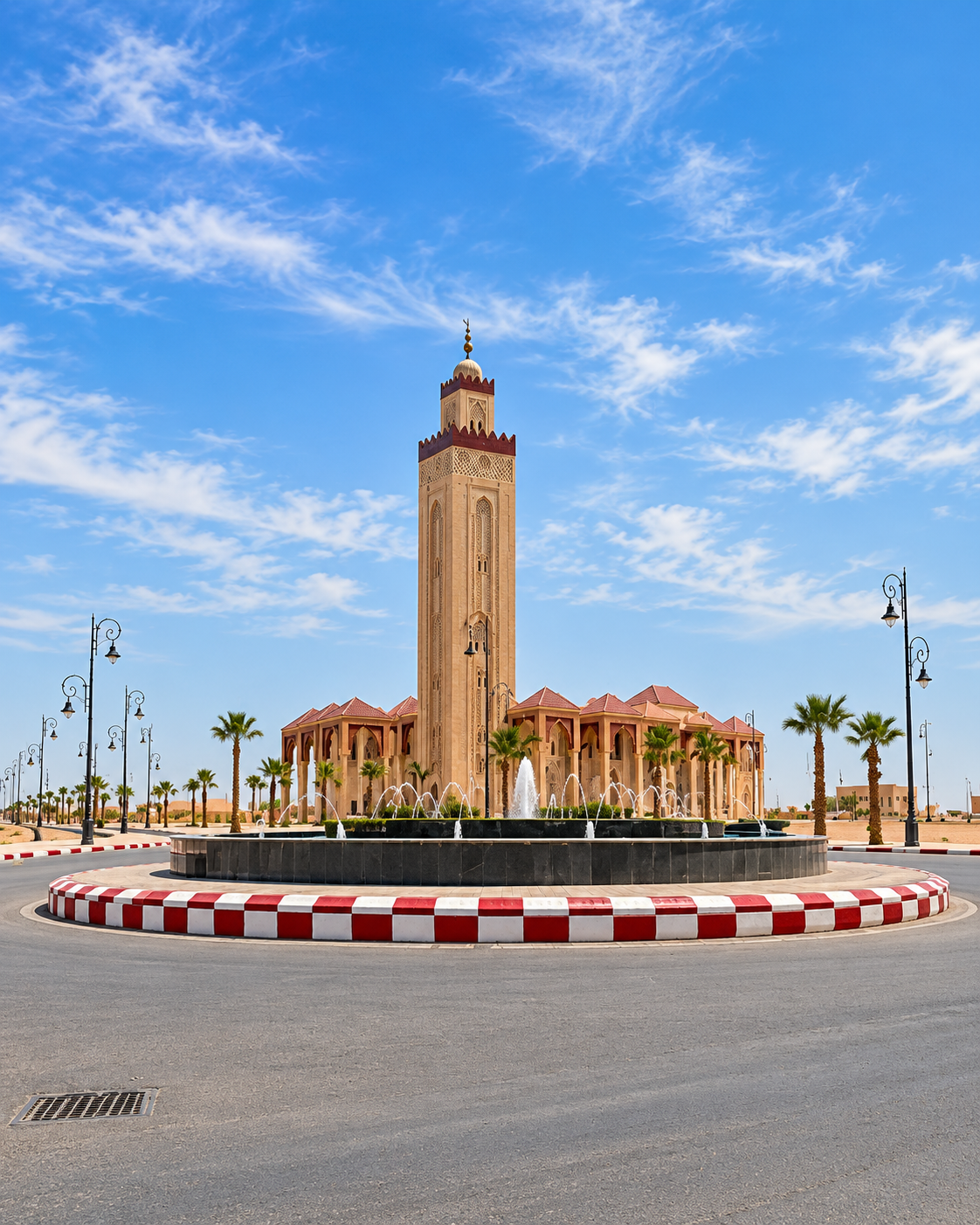
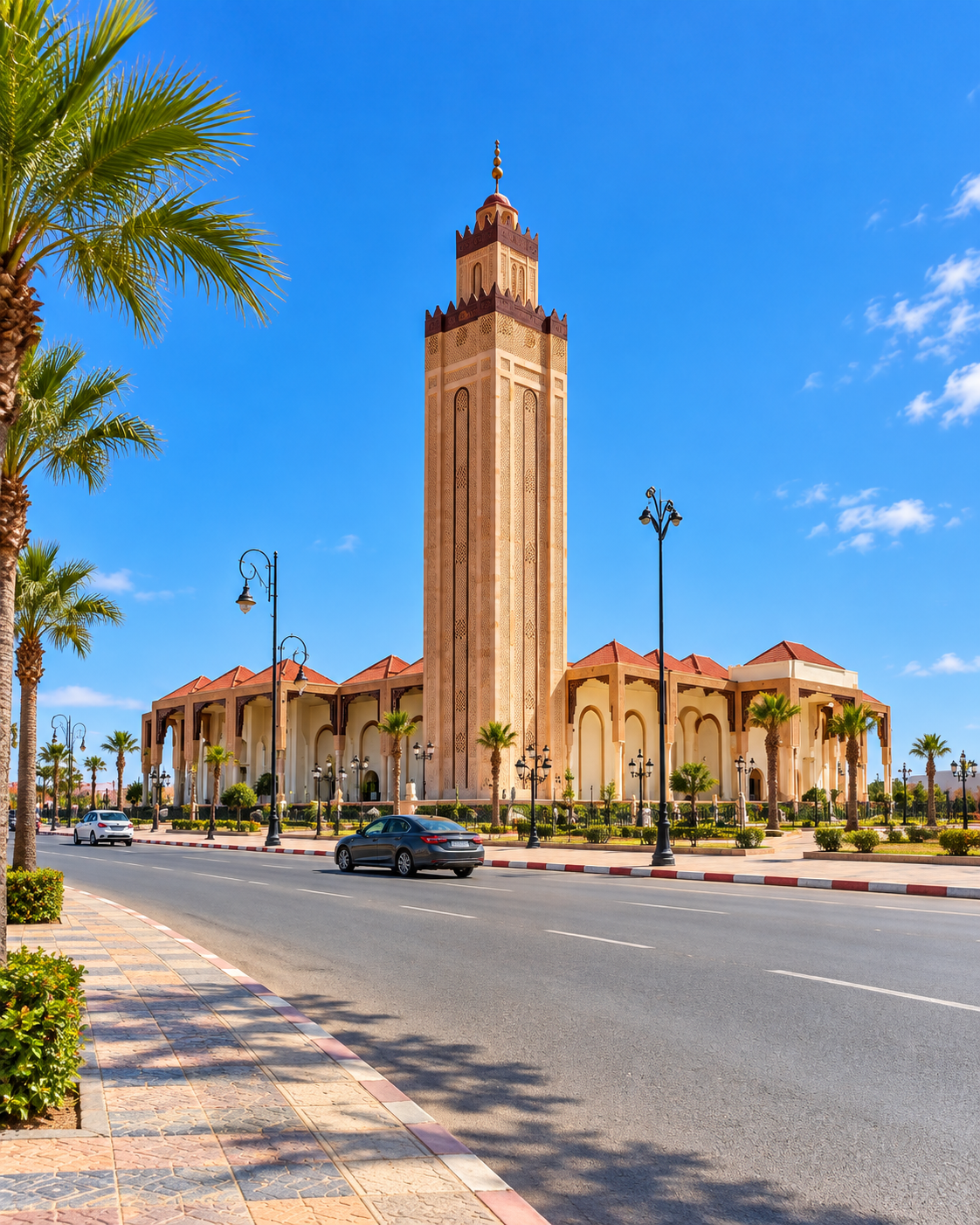
Modern mosque and tall minaret beside a roundabout in Smara

Begin with the distinction between the historic zawiya and the modern town. The photograph shows the modern mosque; it is not the old scholarly complex. Streets, markets and the desert horizon add context, while current travel advice determines whether a visit should be considered.

Smara mosque framed by palm trees beside a broad city street

Go deeper with Exotic Morocco

Smara — Premium Visual City Guide

Explore the Exotic Morocco guide collection for a deeper reading of Saharan heritage, architecture and cultural life. This Smara page introduces the zawiya, modern city, regional context and practical questions that need current verification.

✓ Historical context✓ Heritage anchors ✓ Saharan landscapes✓ Hassani culture ✓ Practical travel awareness✓ Nearby route context

Continue the journey

Continue the journey through Smara

Continue exploring the city’s scholarly heritage, Hassani culture and architectural detail, with a clear distinction between cultural discovery and present-day travel conditions.