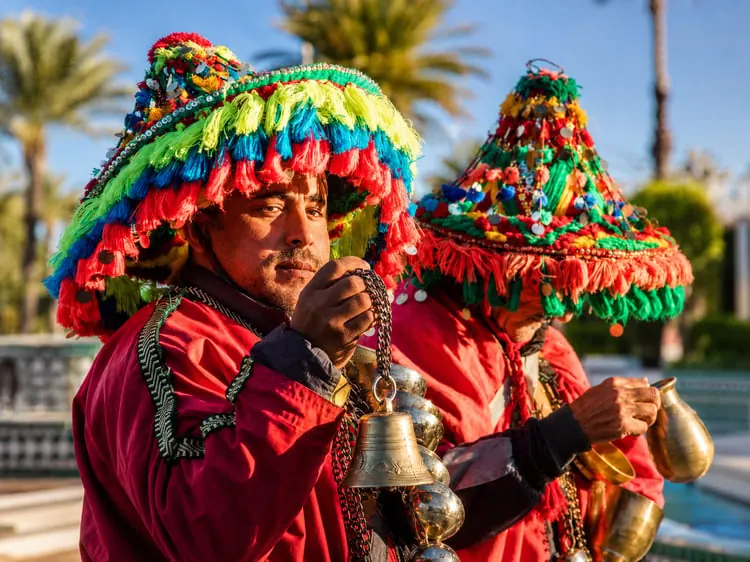
Open Places
Move from regions into cities, towns, landscapes and cultural places.
Continue →
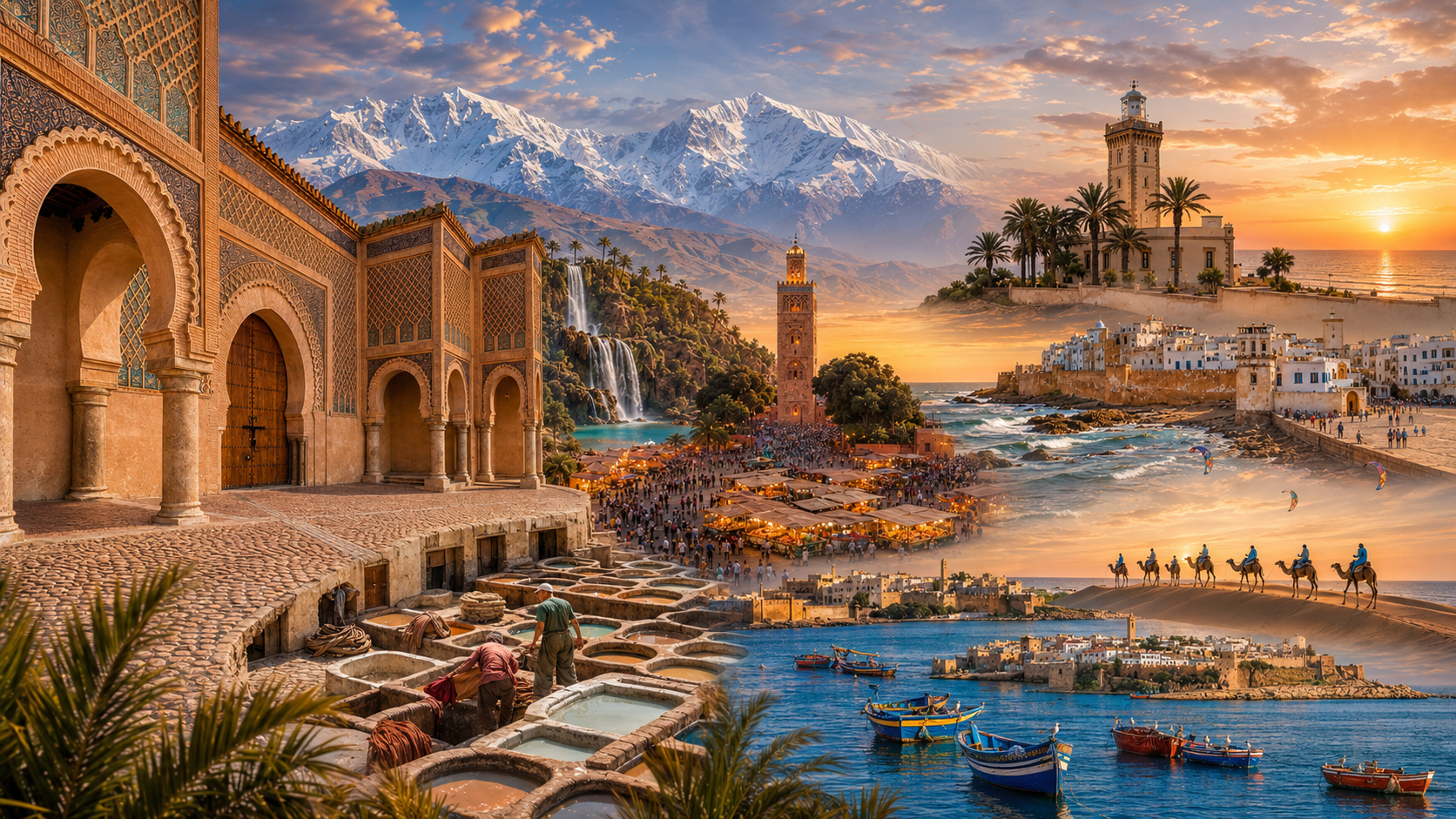
Browse Morocco through regional worlds: imperial cities, Atlantic ports, northern mountains, eastern gateways, Atlas interiors, southern oases and hidden places.
Start with Morocco as a whole: Atlantic edge, Mediterranean north, Rif and Atlas ranges, interior plains, oases and Sahara routes. Use the map first, then move through the country the Exotic Morocco way: by regions, routes, cities, culture, landscapes and travel moods.
Search the map or start with Morocco as a whole. Then read the country through regional worlds: Atlantic coast and ports, Rif and Mediterranean north, Atlas and interior, oases, Sahara edges and hidden routes.
Seven editorial doors: six major travel-cultural regions plus one discovery layer for hidden and underrated places. This section uses the Home Regions slider style, with real visual cards instead of flat placeholders.
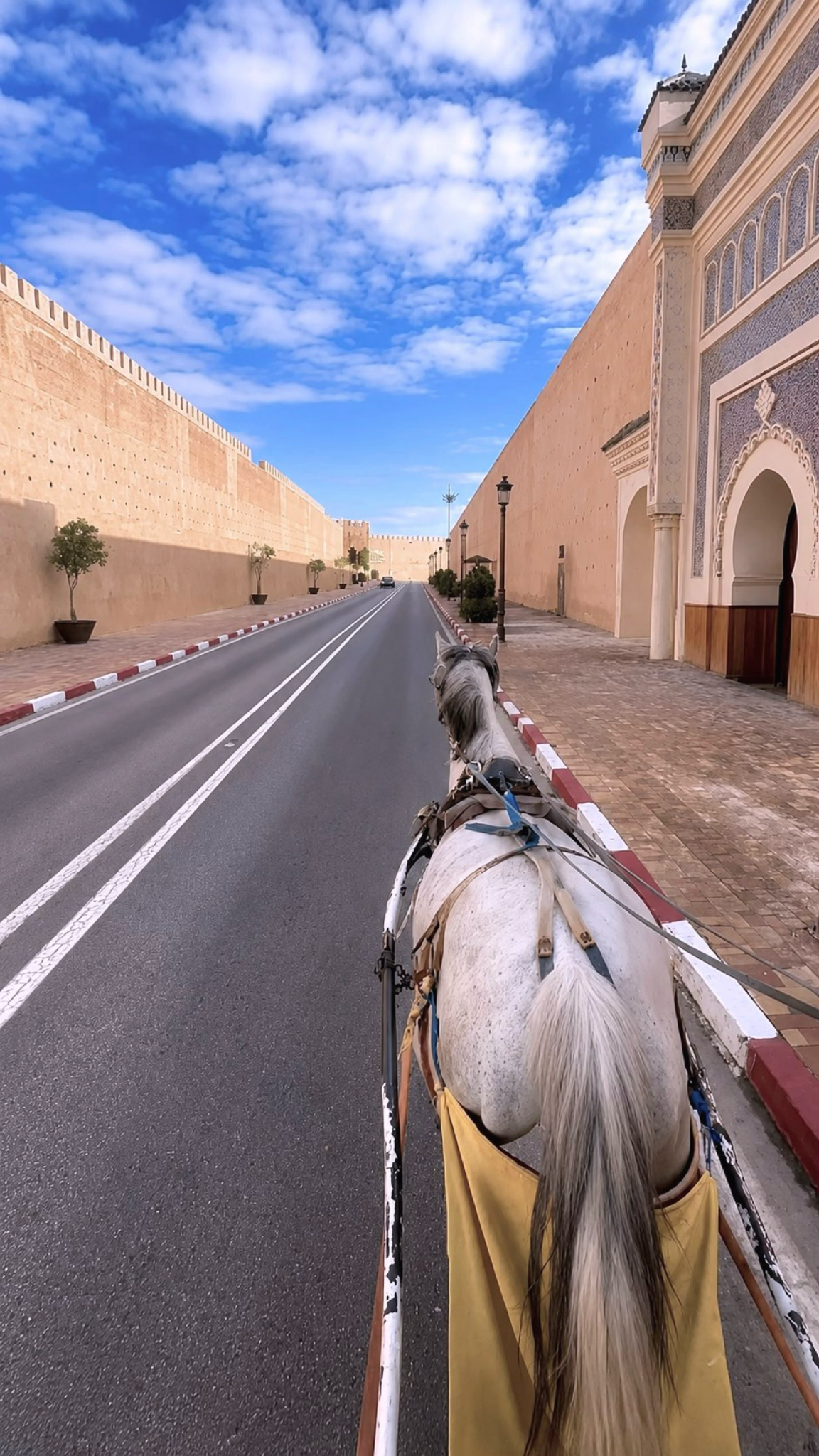
Meknès, Fès, Marrakech and Rabat form the ceremonial spine of Morocco: dynasties, madrasas, gates, gardens, palaces and statecraft in one powerful historical arc.
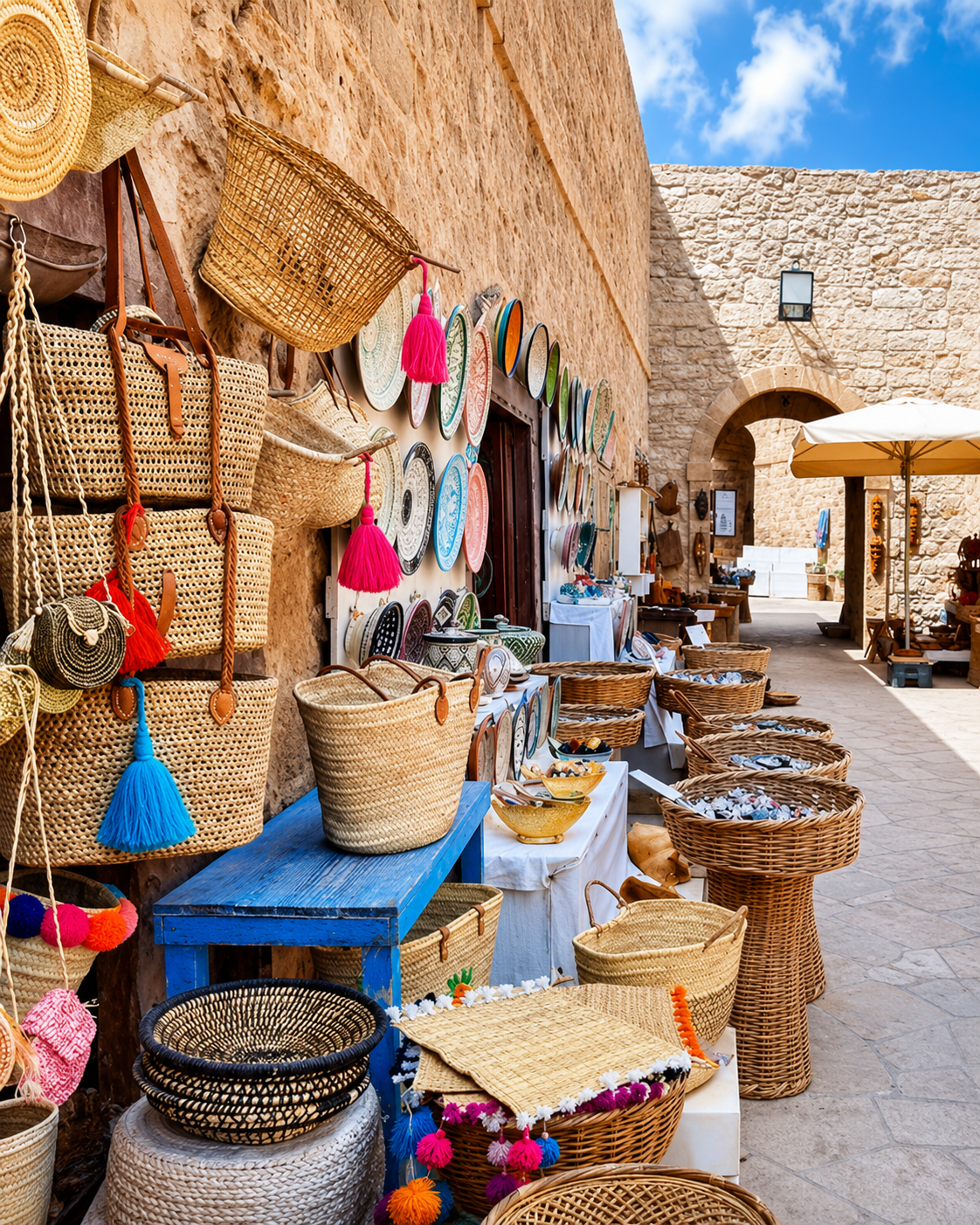
From Tangier and Asilah to Rabat, Casablanca, El Jadida, Essaouira and Agadir, this region is shaped by ocean light, ramparts, seafood, ports and Atlantic memory.
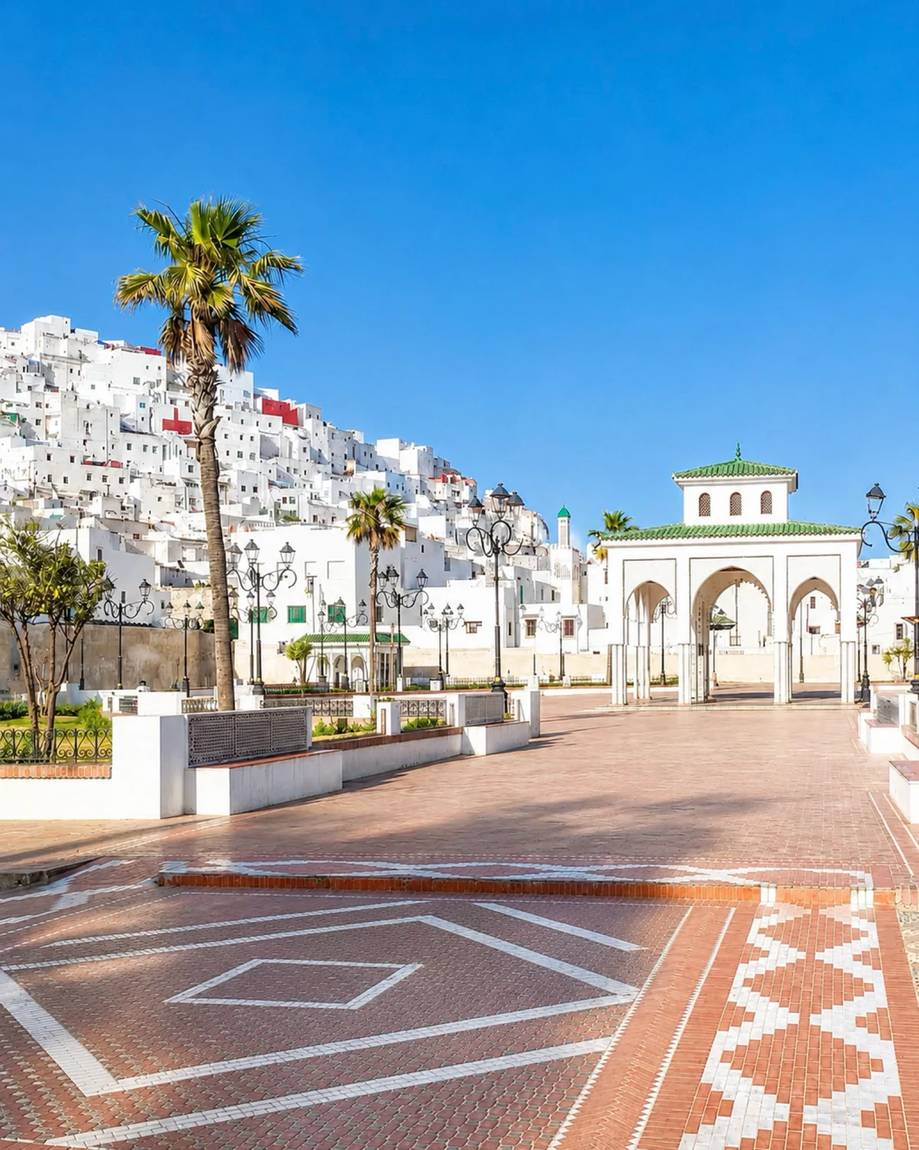
Tétouan, Chefchaouen, Ouazzane, Al Hoceima and the Rif routes carry Andalusian echoes, mountain identity, blue medinas and a distinct northern atmosphere.
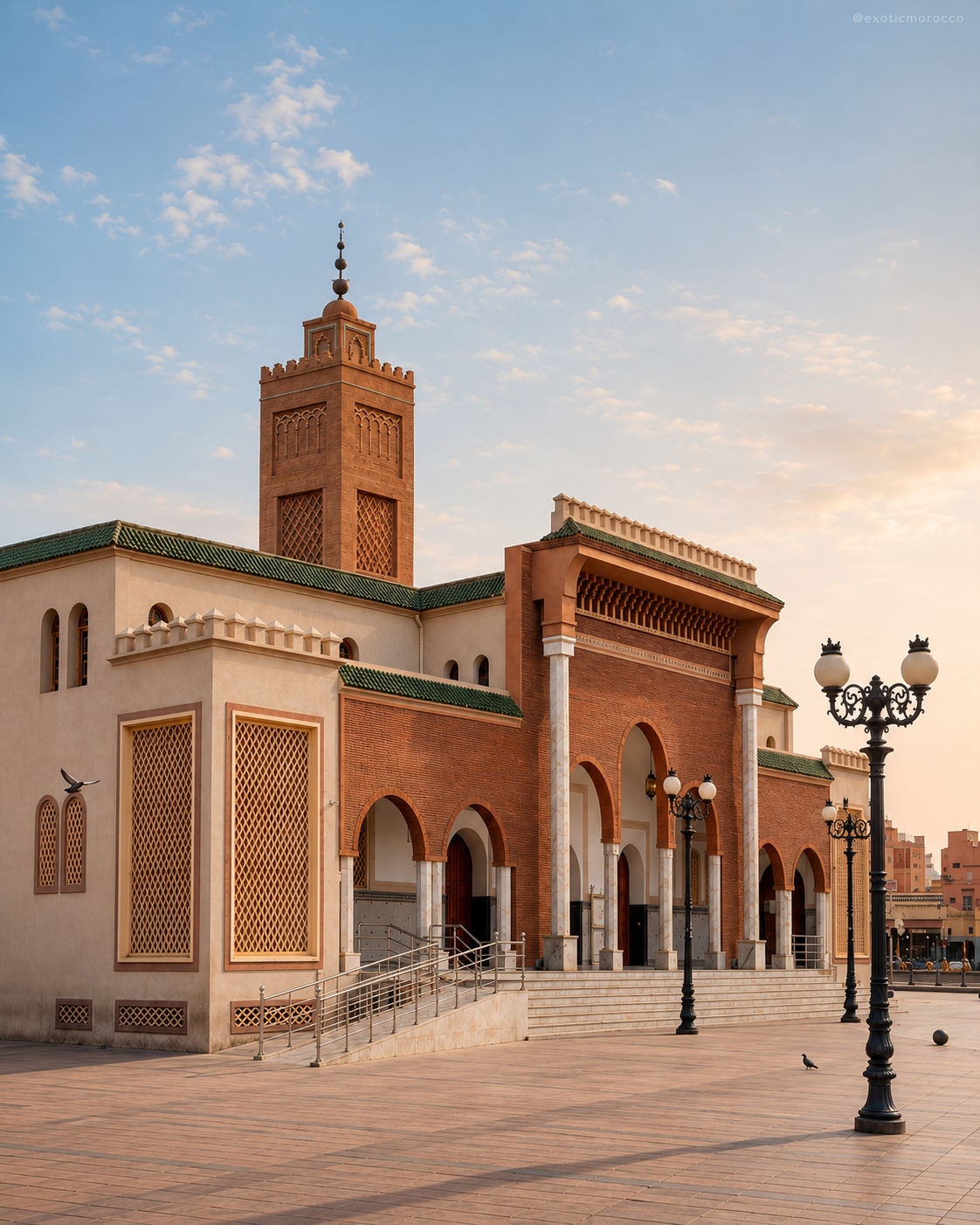
The Mediterranean corridor and eastern gateways connect Tangier, Nador, Saïdia, Oujda, Berkane, Figuig, Errachidia and frontier histories.
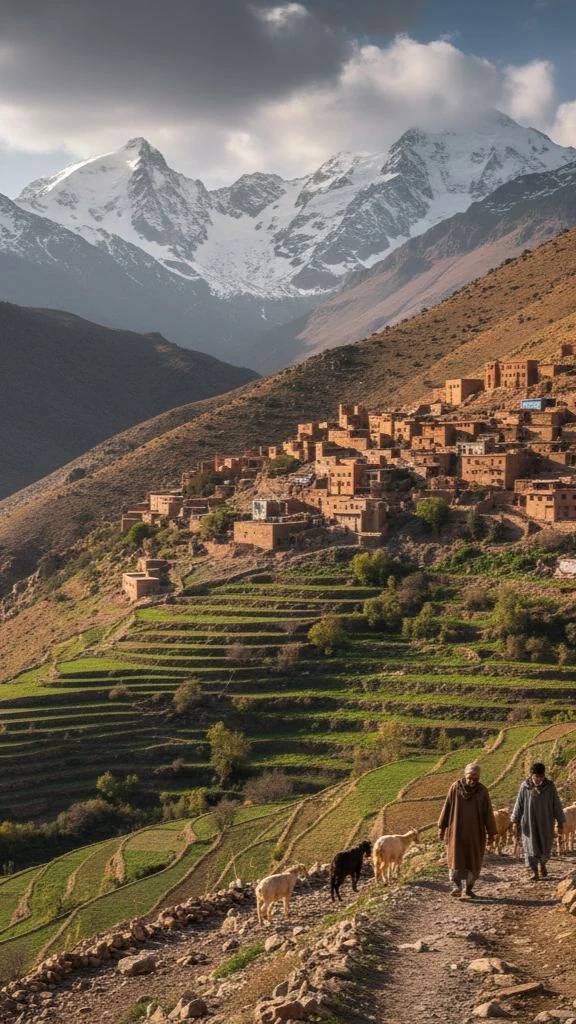
Ifrane, Azrou, Sefrou, Khénifra, Béni Mellal, Azilal, Tafraout and interior routes reveal Morocco through altitude, valleys, forests and craft towns.
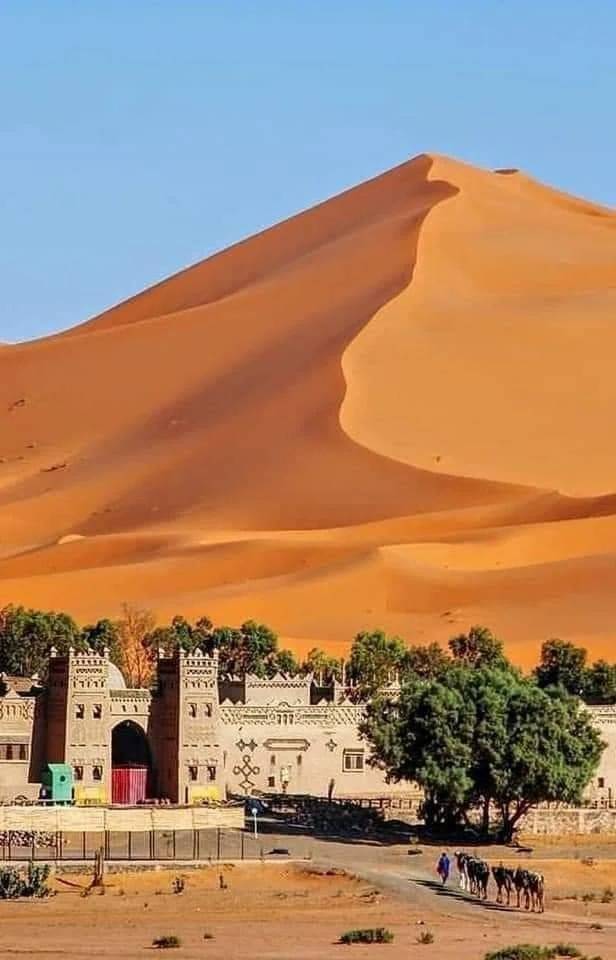
Taroudant, Tiznit, Guelmim, Ouarzazate, Tinghir, the Drâa Valley, Zagora, Merzouga and Tan-Tan form Morocco’s oasis and desert imagination.
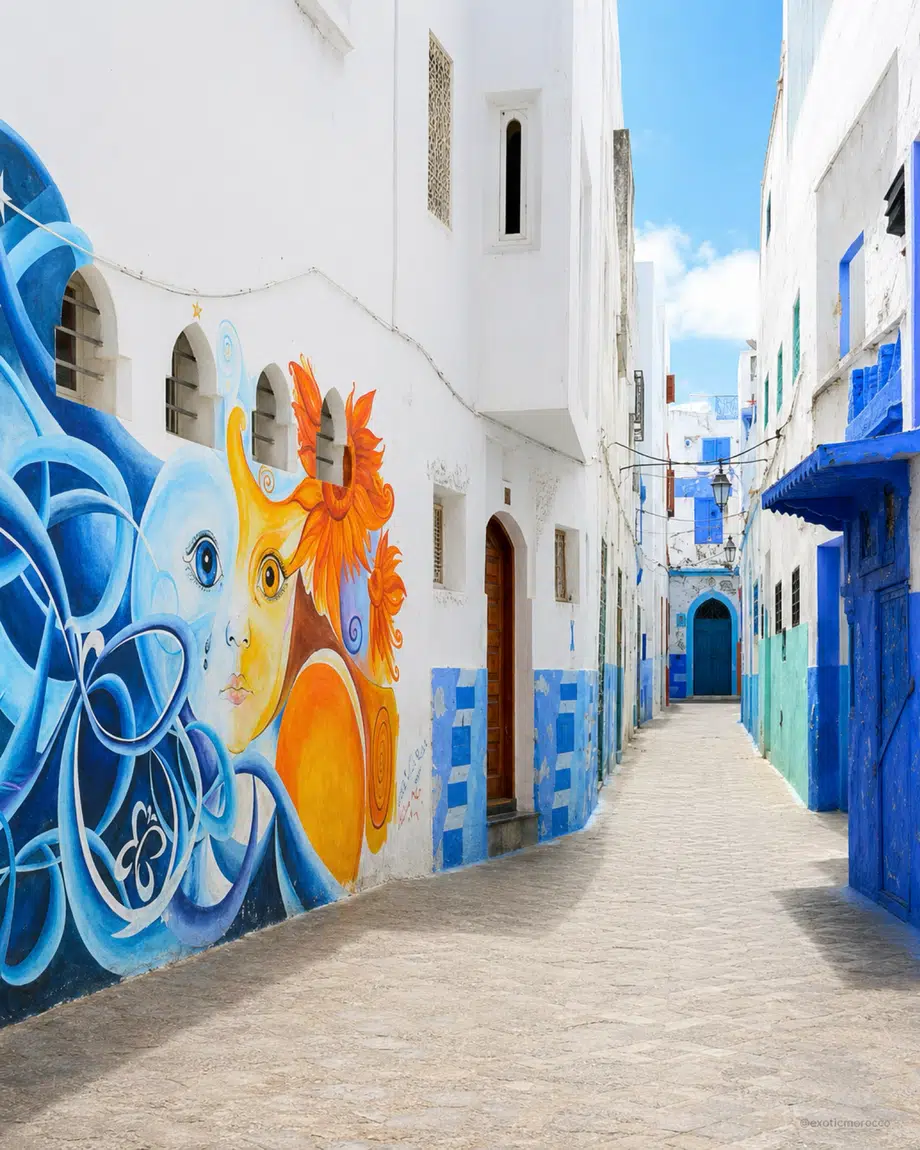
Quiet medinas, small ports, spiritual towns, painted lanes, palm valleys and overlooked cultural routes for readers who want more than the obvious itinerary.
Regions should not feel like theory. These route cards connect geography to actual movement through Morocco.
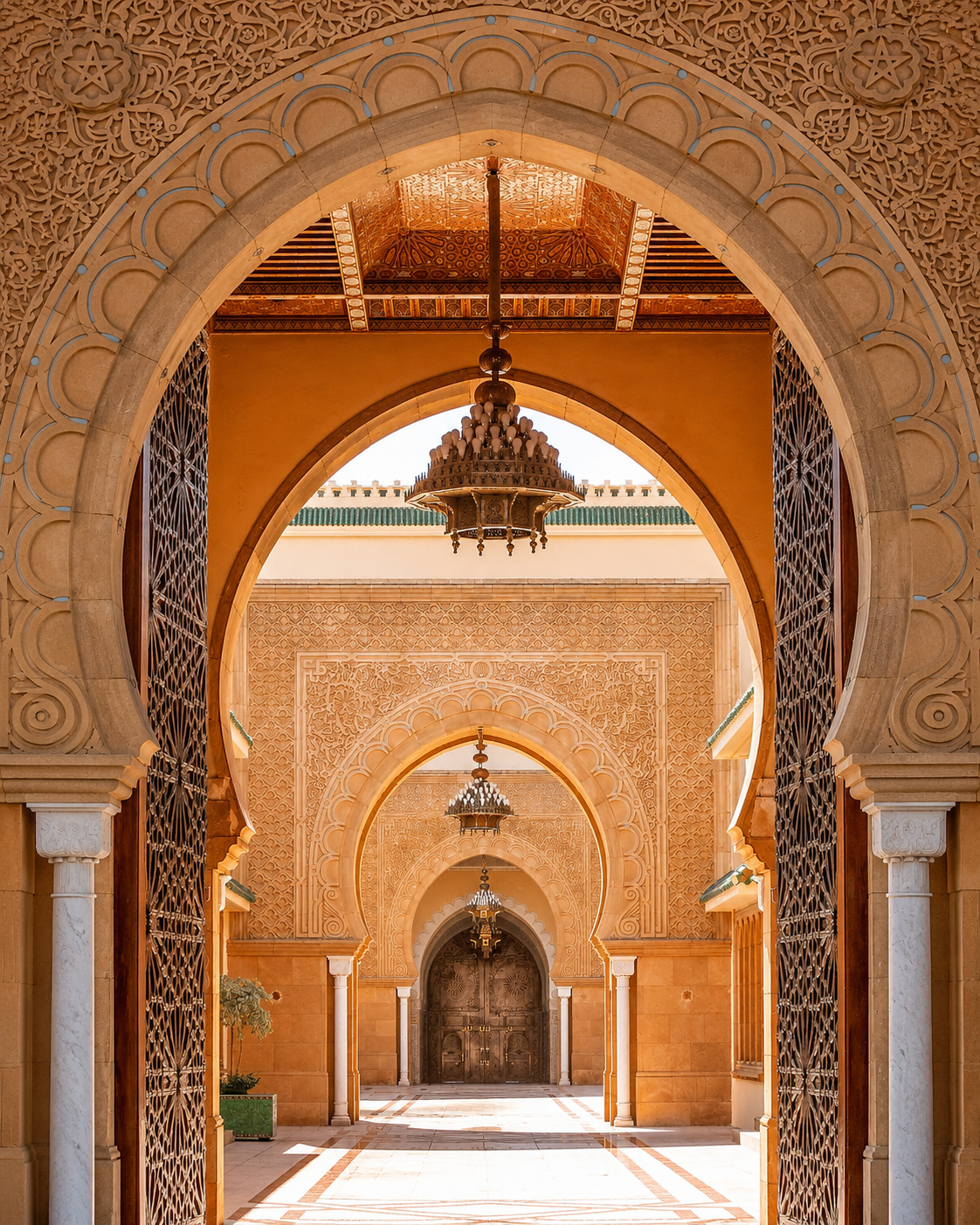
A dynastic route through capitals, gates, madrasas, gardens and ceremonial architecture.
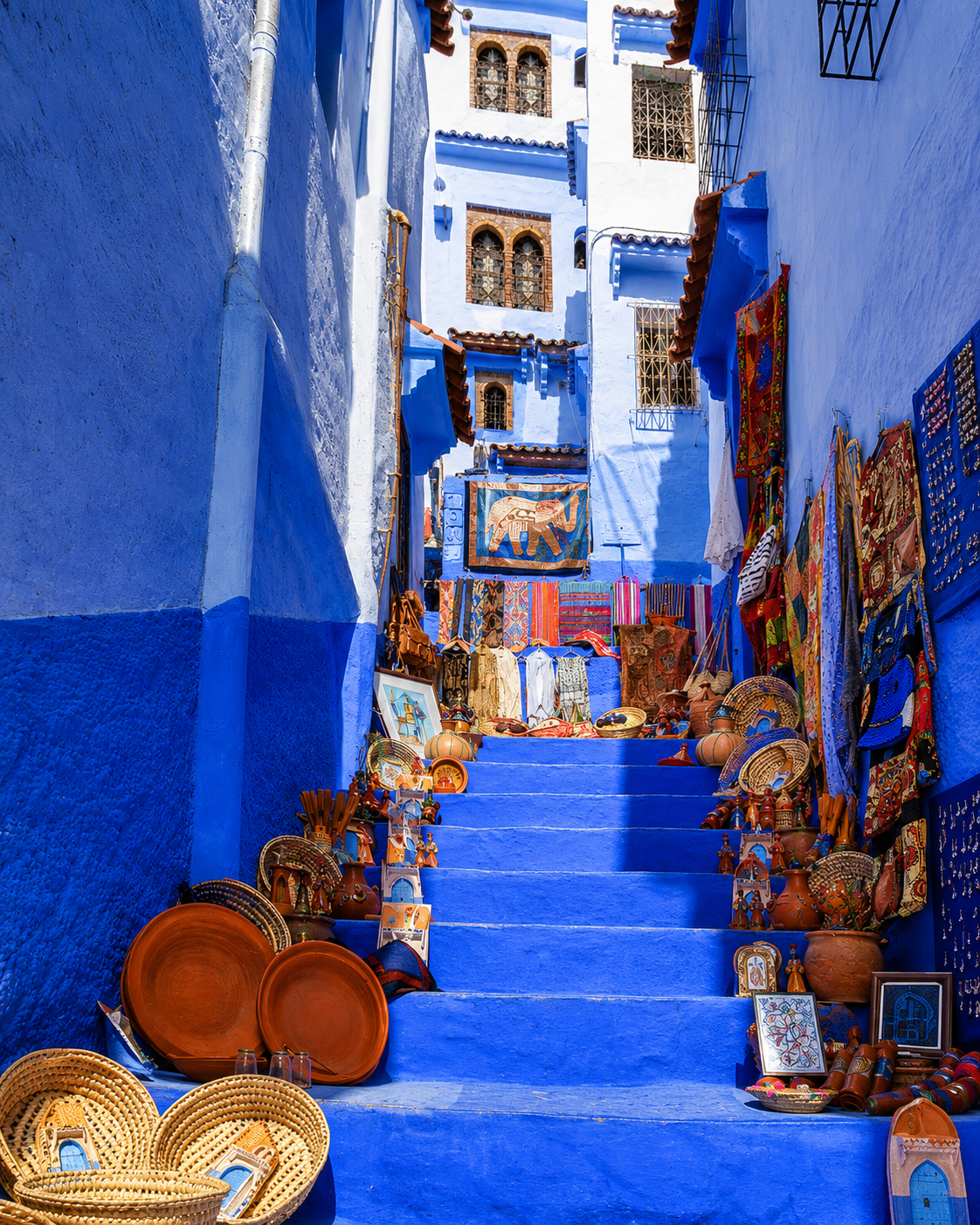
White cities, mountain roads, blue lanes, coastal cliffs and northern identity.
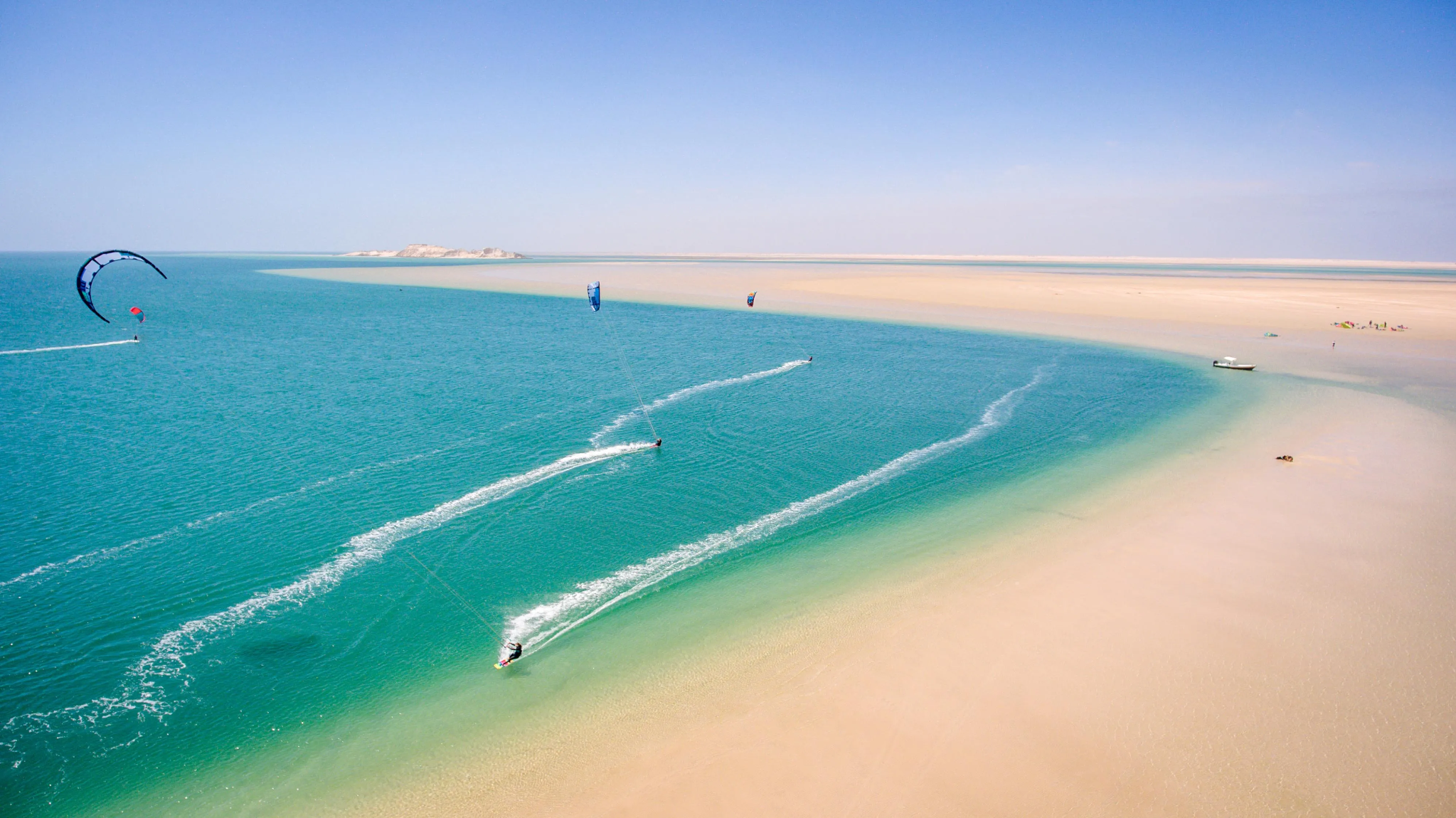
Ocean air, port histories, ramparts, seafood, surf and sunset medinas.
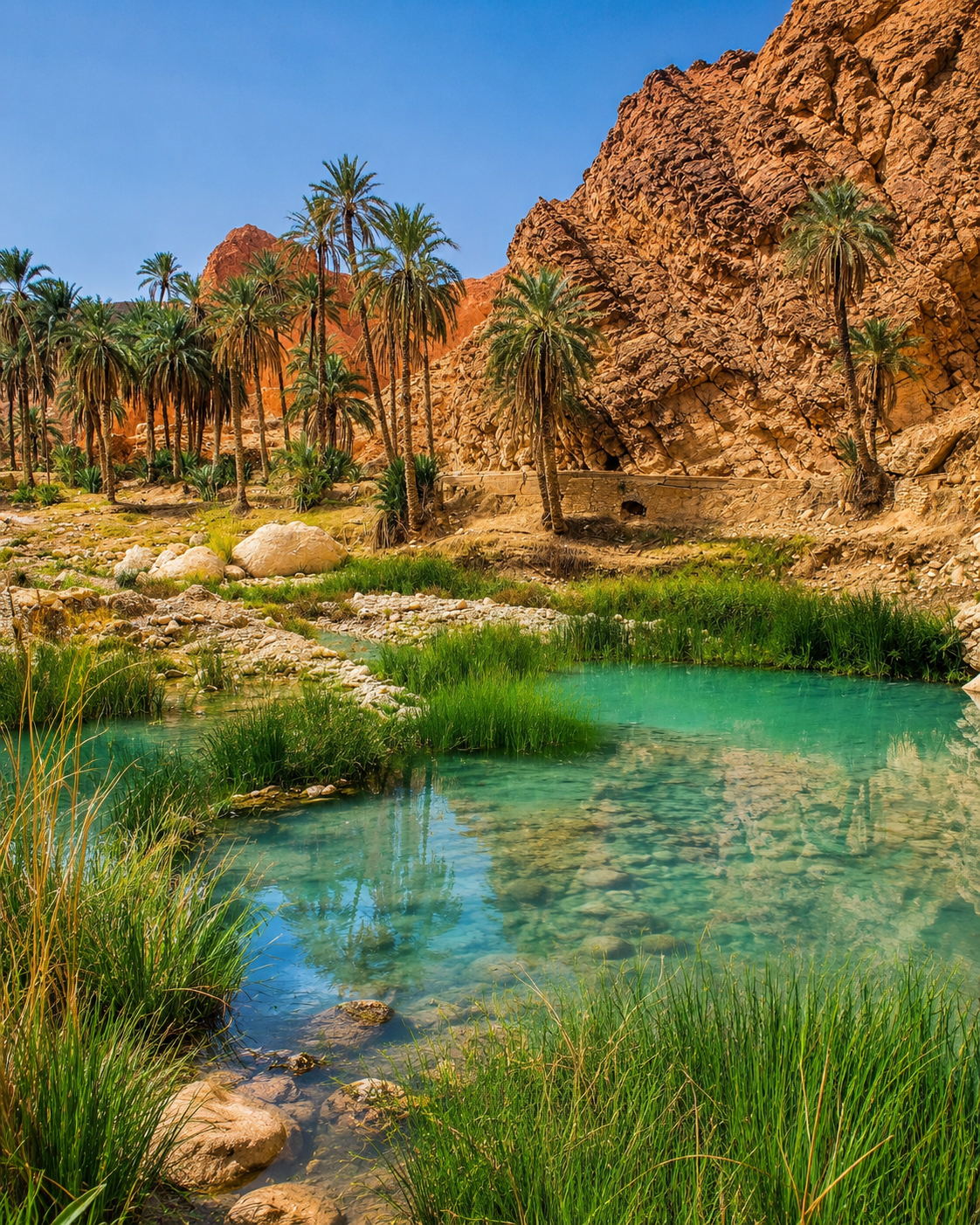
Kasbah walls, palm valleys, desert edges and slow southern routes.
Some visitors know they want coast, mountains, heritage, desert, craft towns or quiet places. This circle slider keeps the Home feeling while making regional discovery more human.
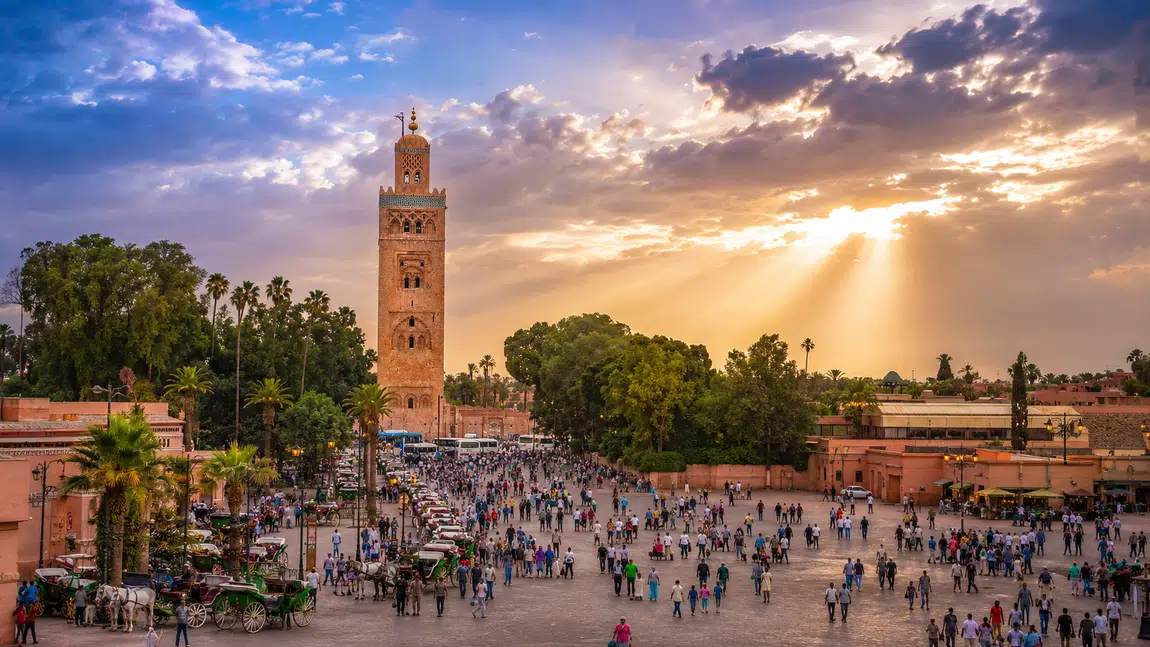
Dynasties, monuments, medinas and historic capitals.
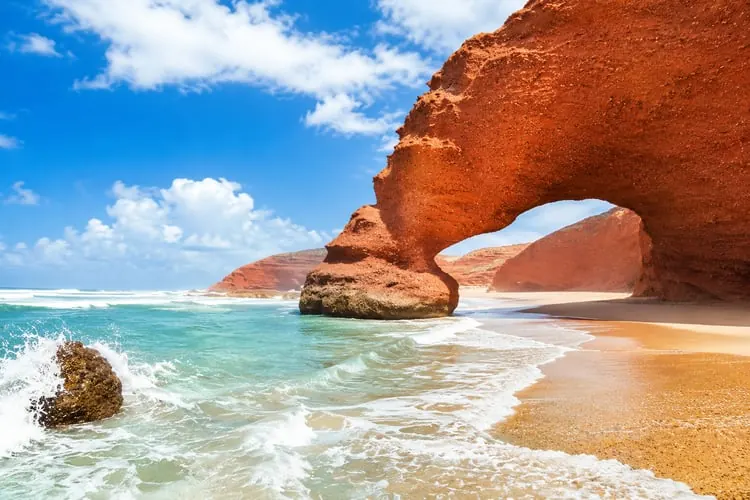
Atlantic and Mediterranean towns shaped by water.
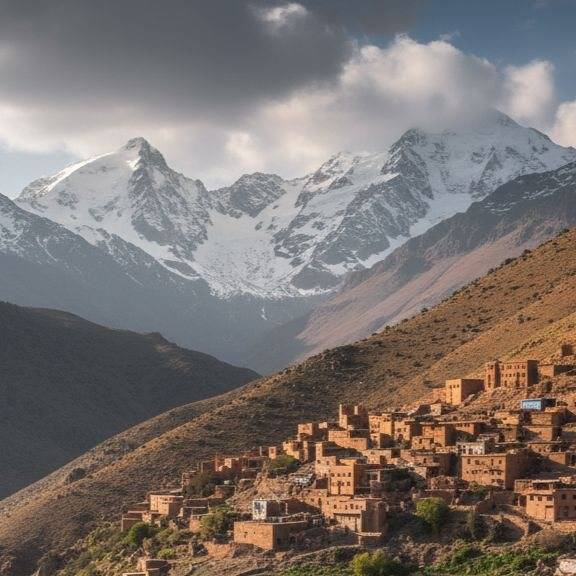
Rif, Middle Atlas, High Atlas, valleys and lakes.
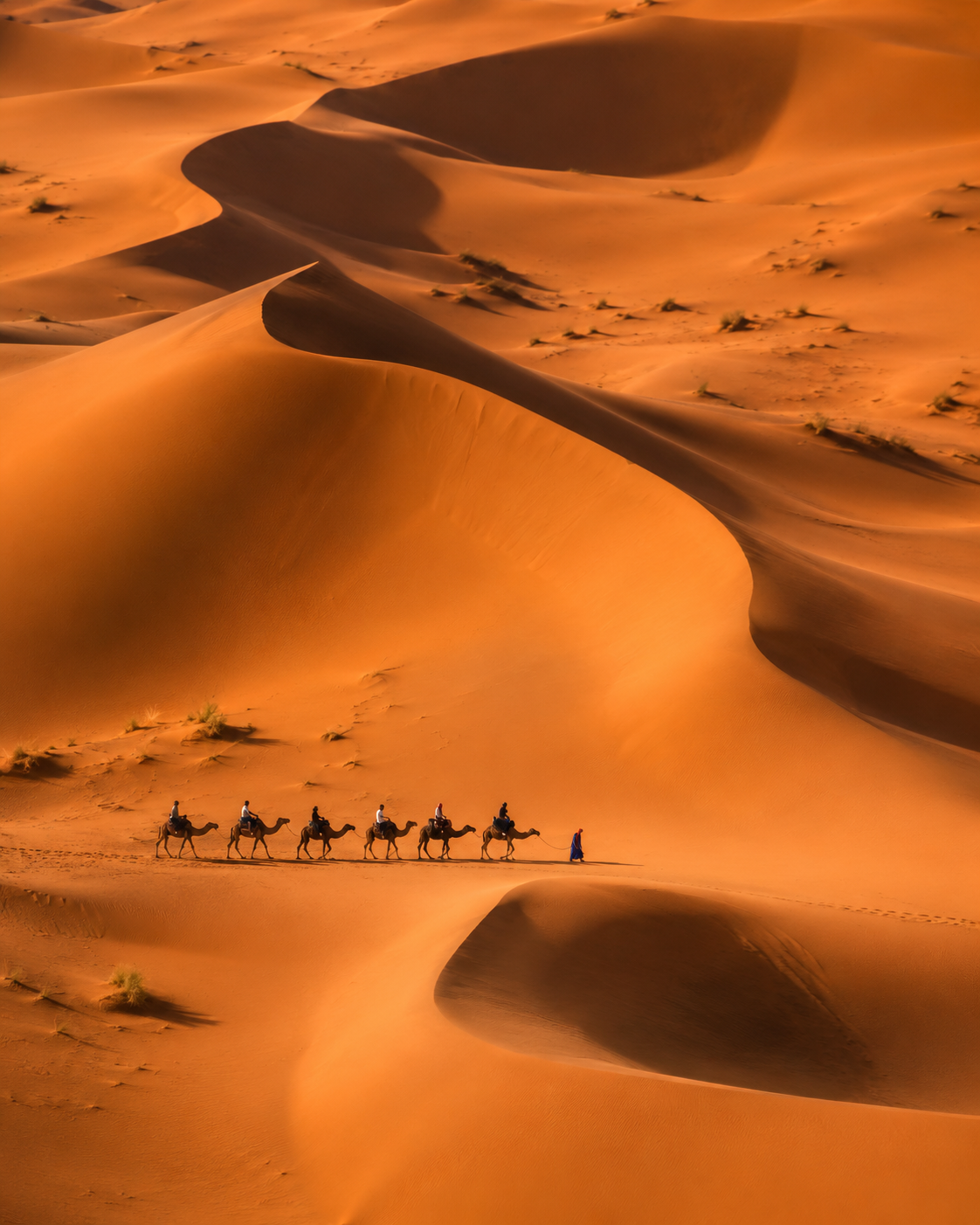
Kasbah routes, palm valleys and Sahara edges.
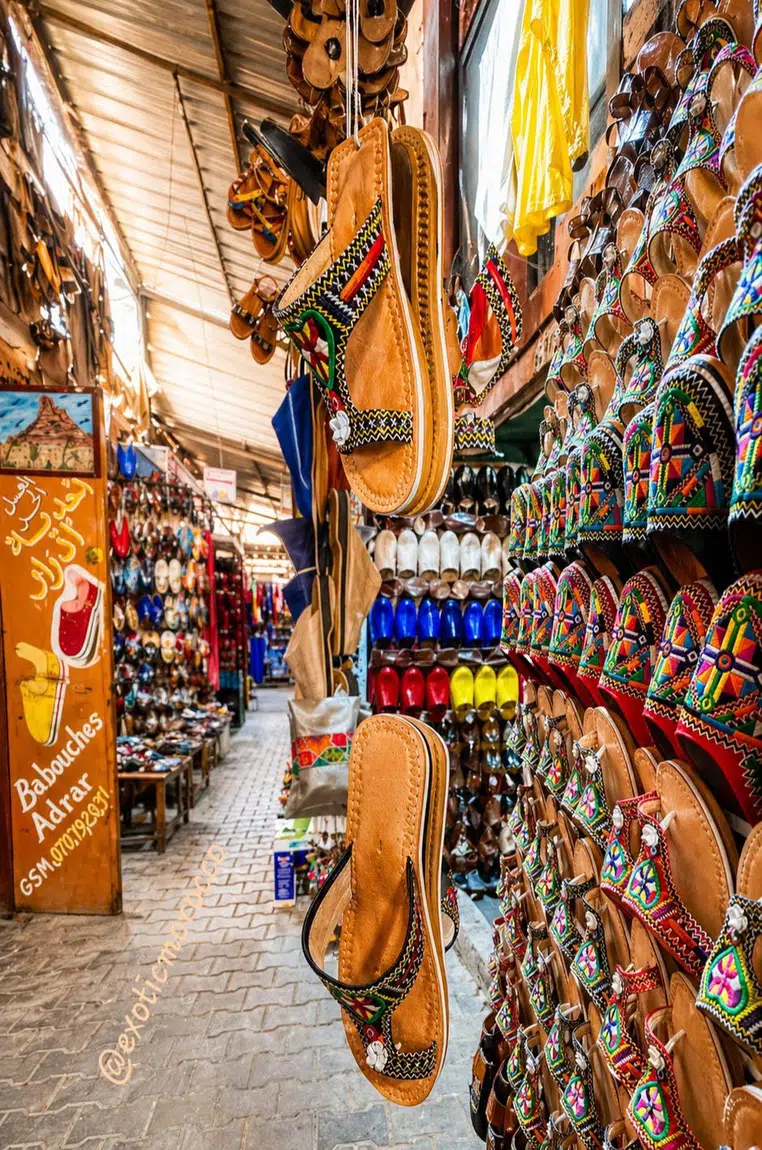
Ceramics, leather, wood, textiles and zellige cities.
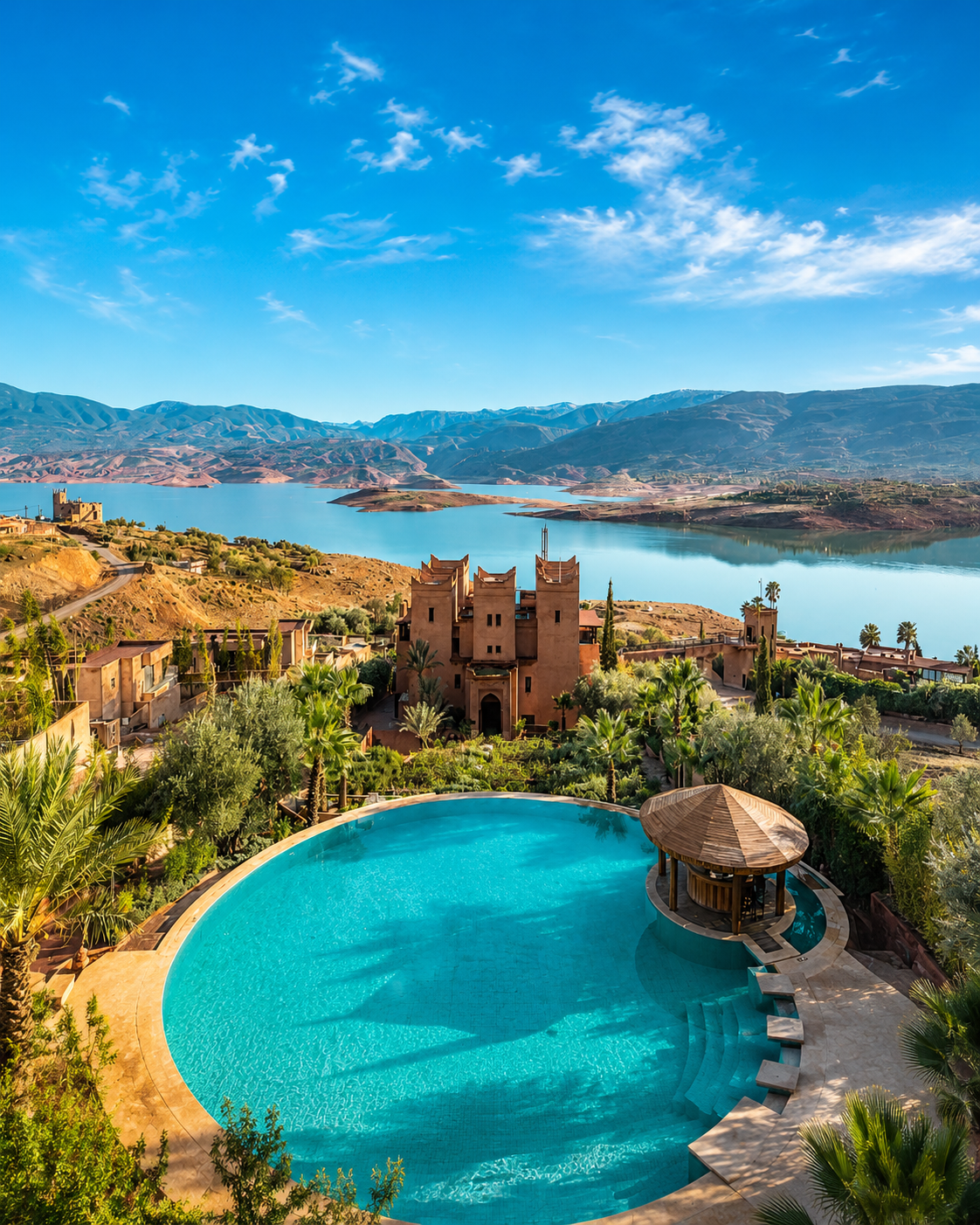
Quiet towns and lesser-known cultural routes.
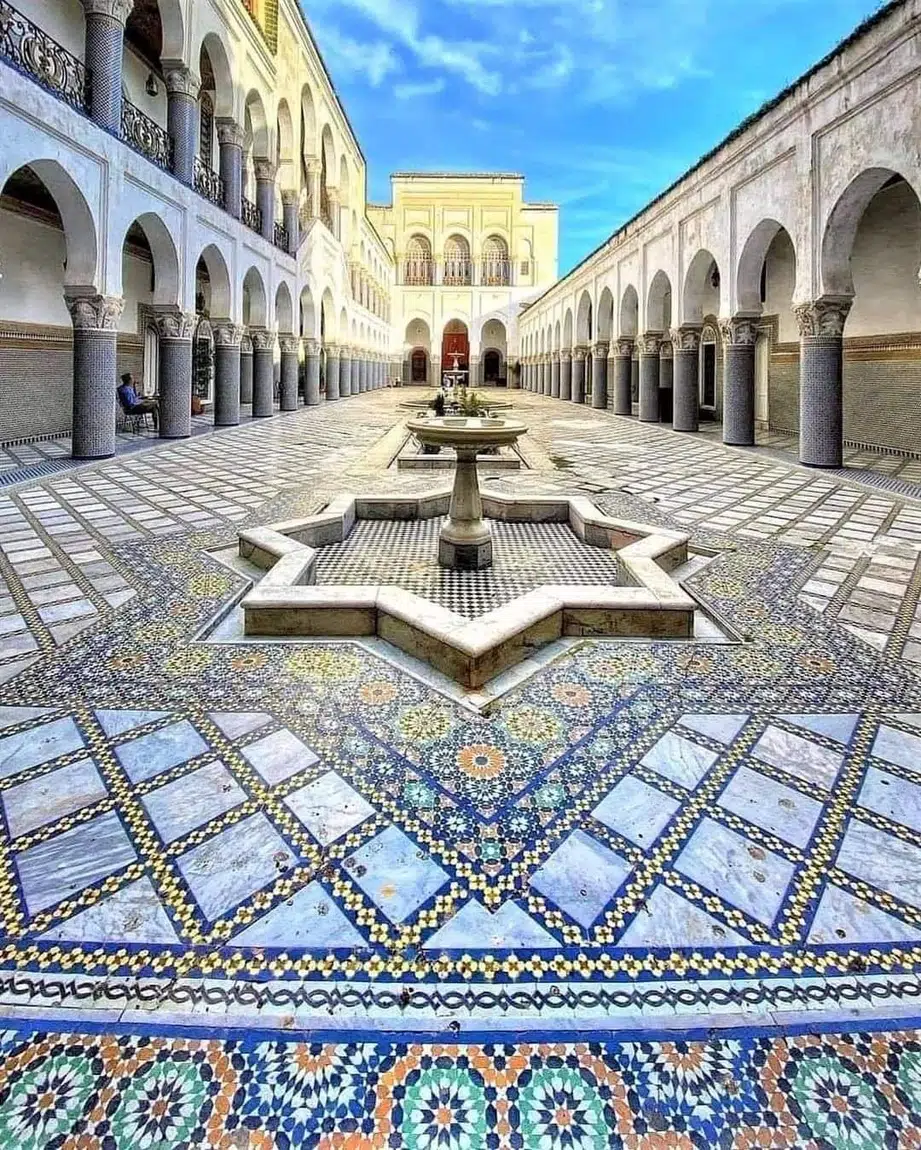
Easy learning routes, places and stories for families.
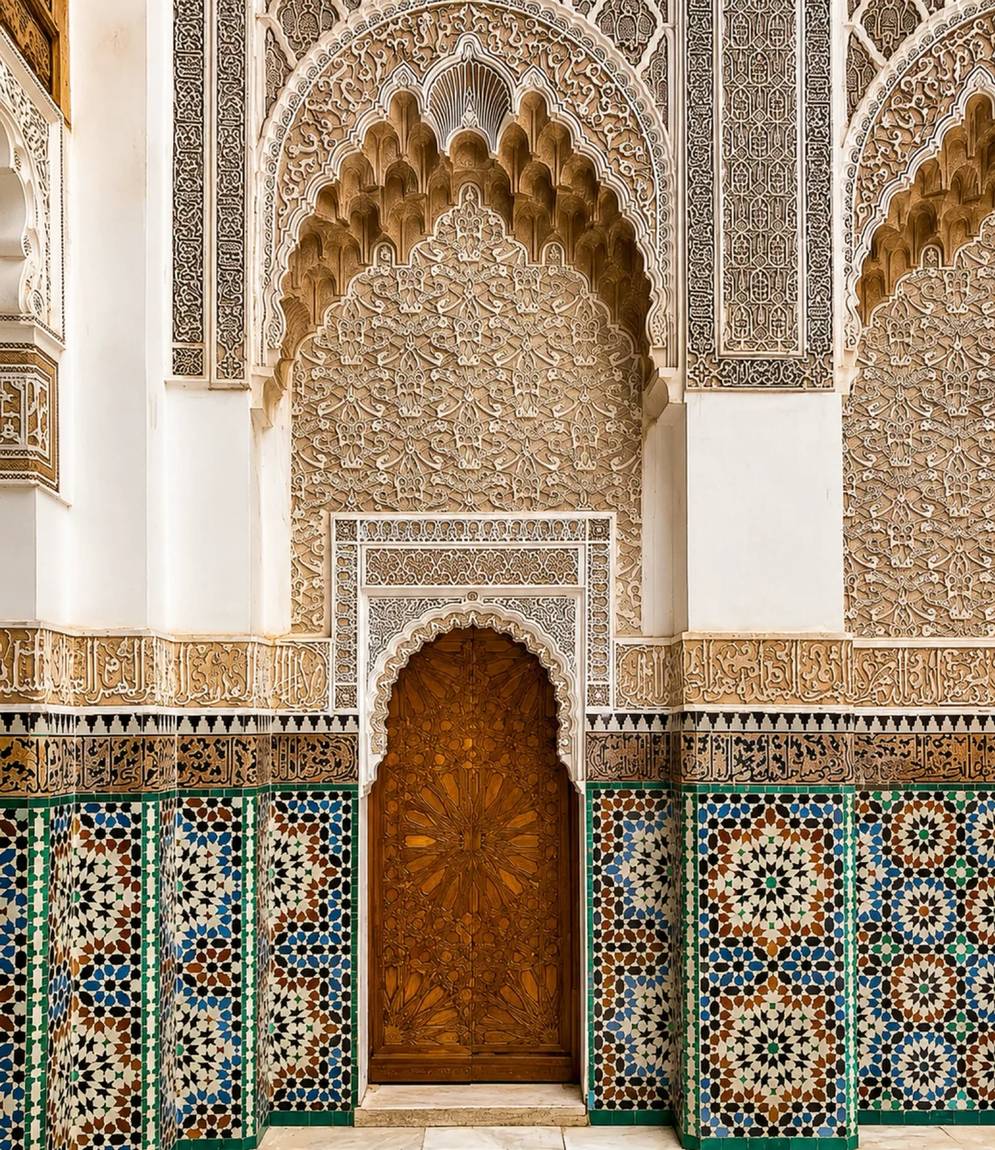
Color, light, architecture and ethical visual storytelling.
Beyond the big map, regions become meaningful through architecture, craft, food, water, altitude and memory.
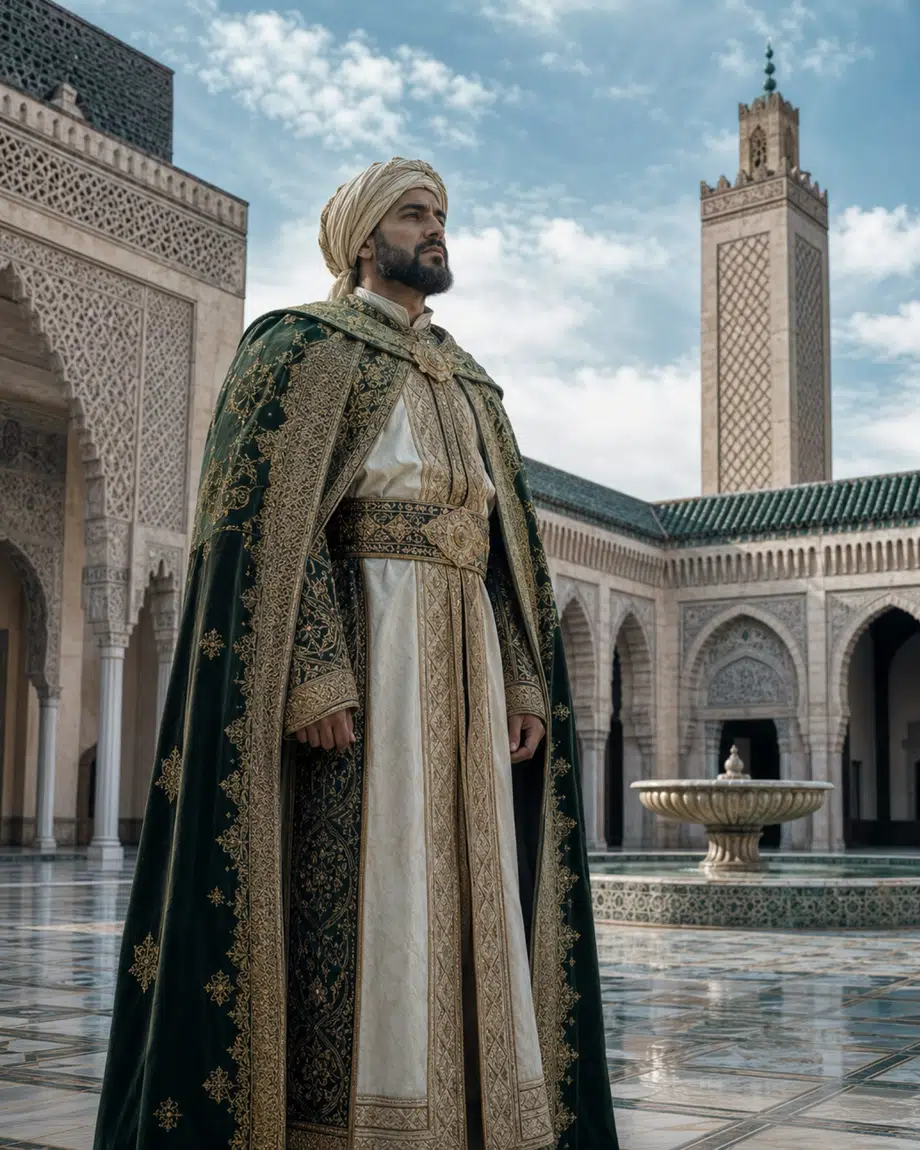
Regions help readers see which cities belong to which historical powers, styles and ceremonial routes.
Explore layer →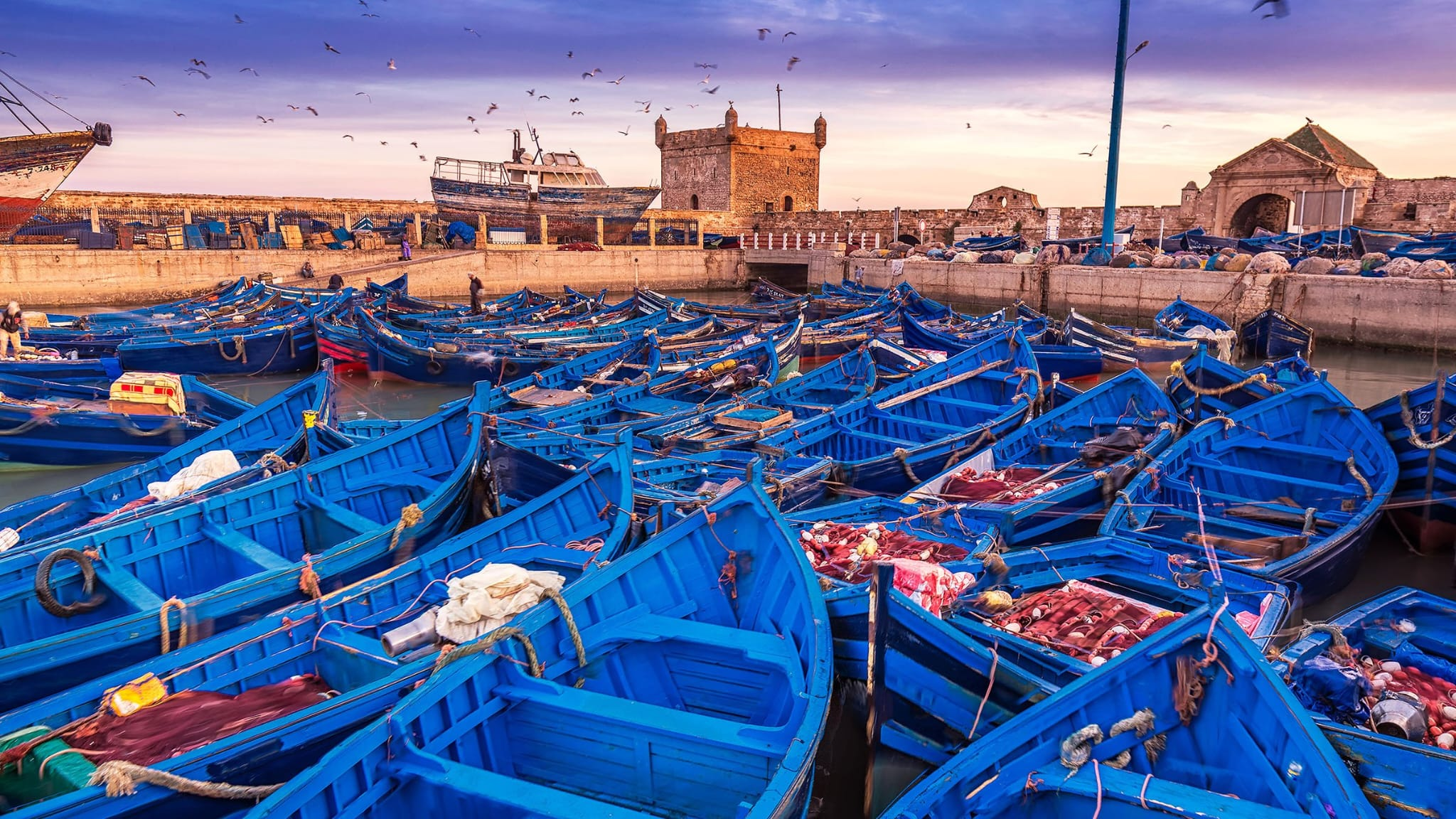
Coastal regions carry trade, migration, fortifications, seafood culture and open Atlantic light.
Explore layer →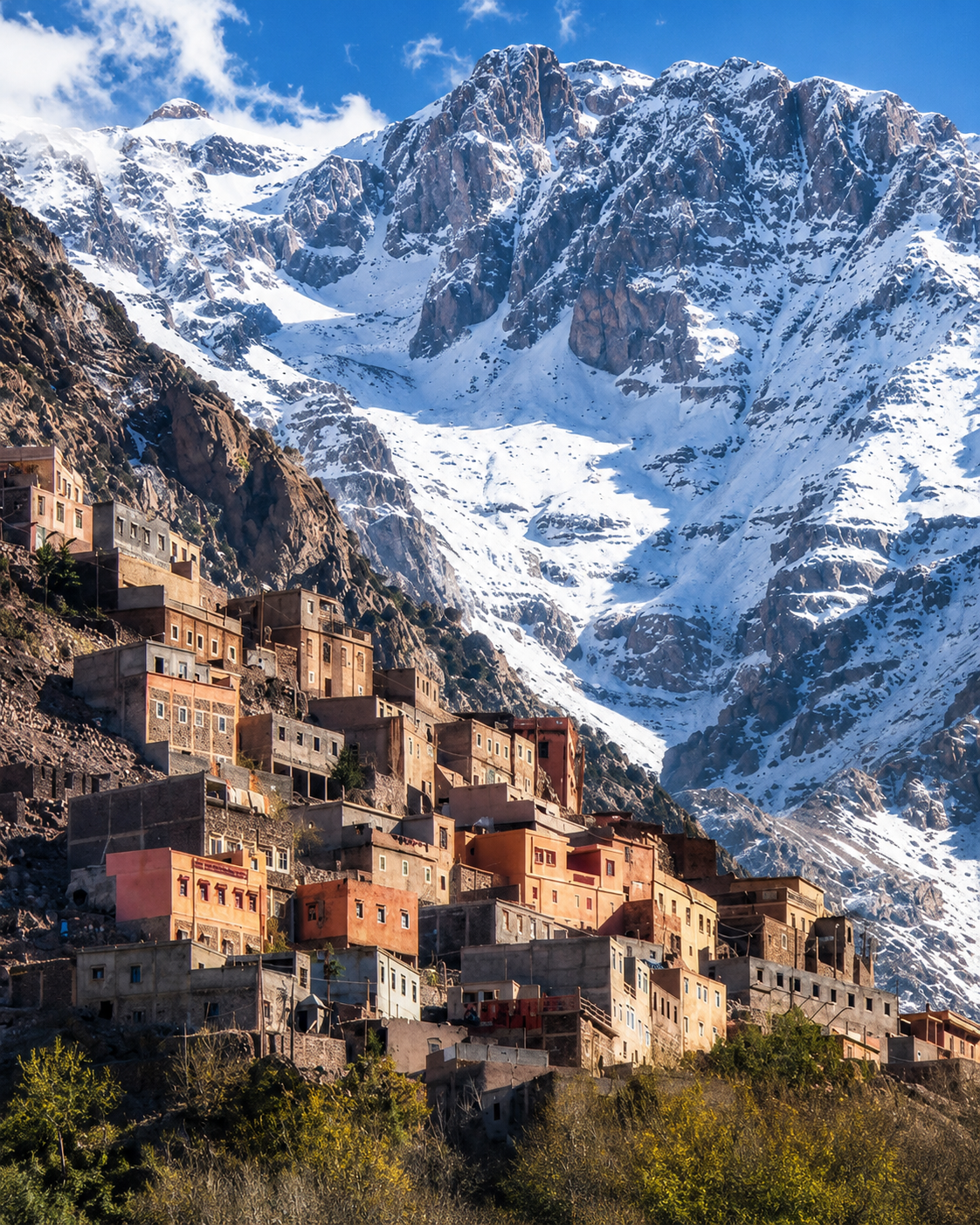
Mountain regions change the rhythm: terraces, stone, valleys, forests, lakes and seasonal movement.
Explore layer →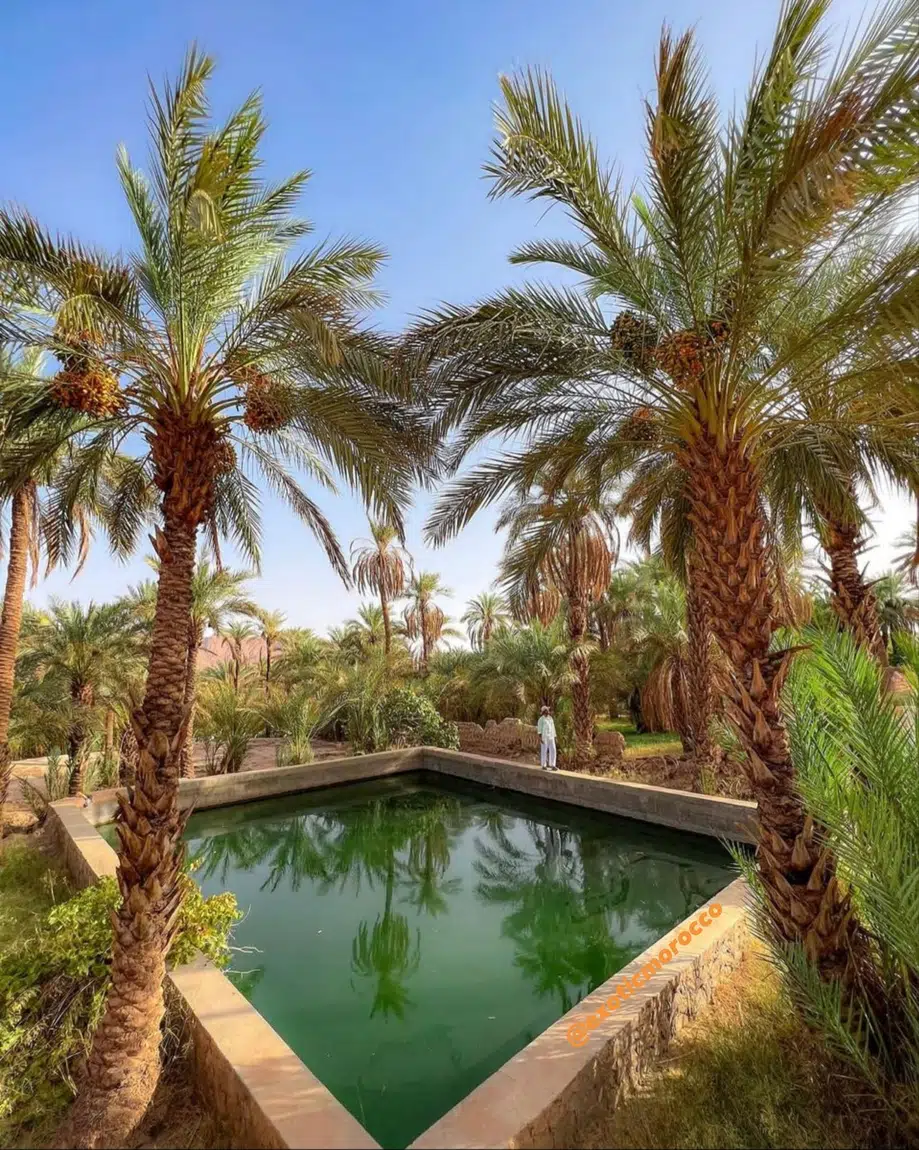
Palm groves, kasbahs, water systems and caravan routes create a different Moroccan geography.
Explore layer →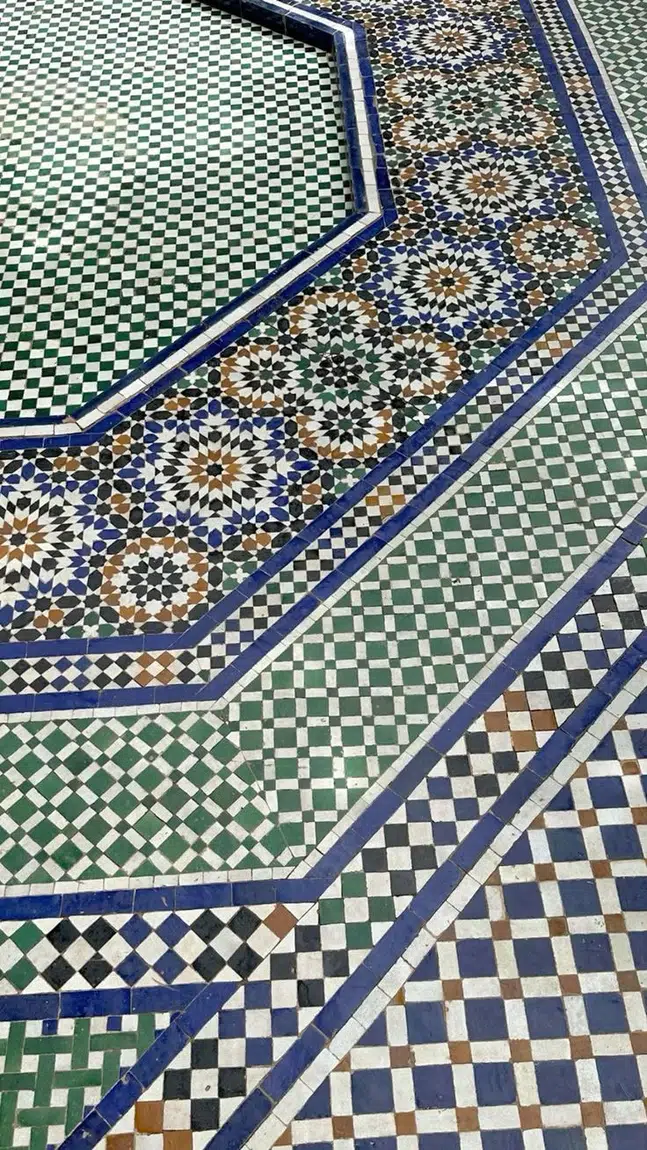
Craft details link places together: zellige, leather, ceramics, wood, textiles and medina workshops.
Explore layer →They help visitors understand where a city belongs, why a landscape feels different and what to explore next.
Move from regions into cities, towns, landscapes and cultural places.
Continue →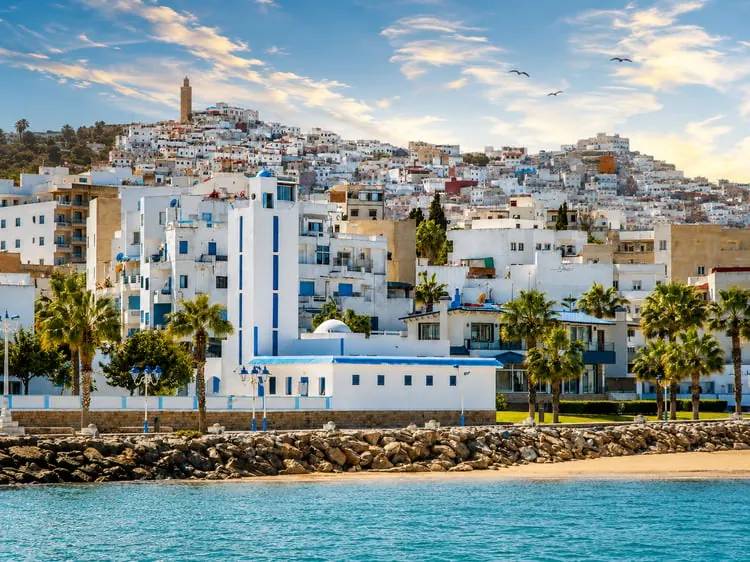
Let regional atmosphere become short editorial pieces and visual context.
Continue →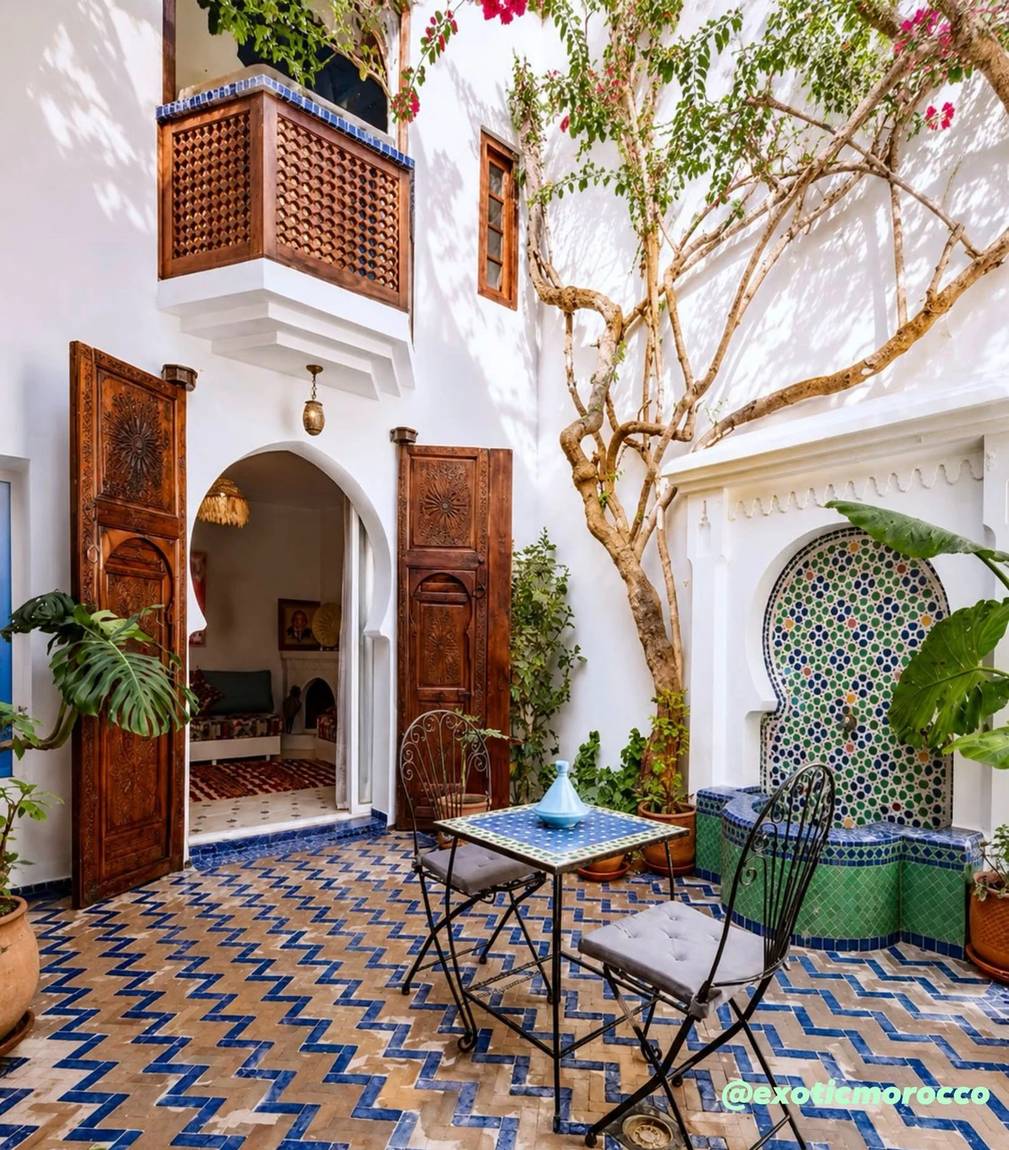
Connect regions to deeper city guides and future curated collections.
Continue →Turn a region into a route that visitors can actually follow.
Continue →