Why Dayet Aoua matters
A lake that teaches visitors to notice season, water and restraint.
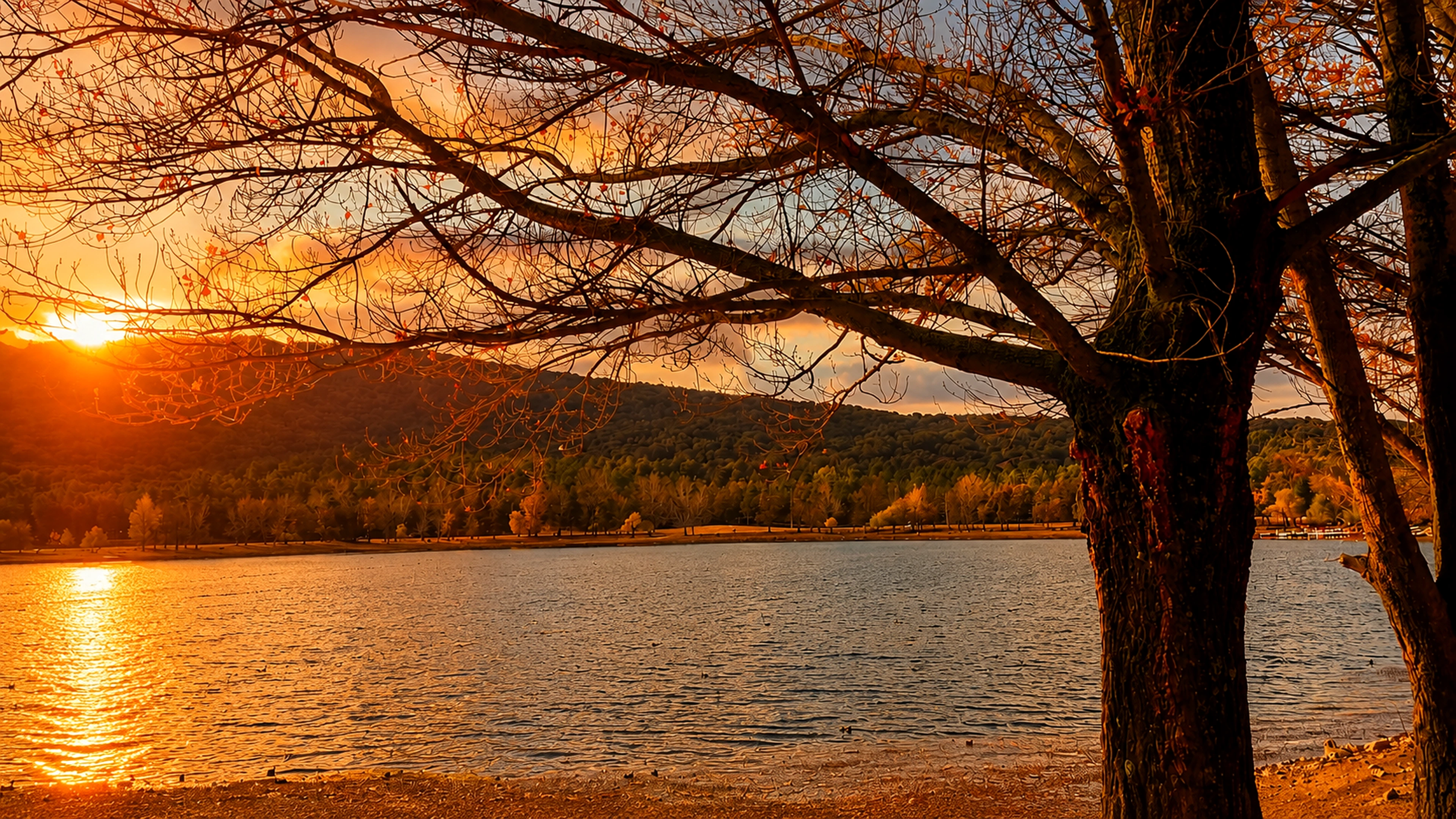
Dayet Aoua matters because it makes the Middle Atlas visible through water. Around Ifrane, the landscape is often described through cedar forests, winter air and mountain-town atmosphere; the lake adds another layer: open surface, reed edges, grazing margins, autumn trees and a shoreline where weather is felt immediately.
The official Moroccan tourism presentation of Ifrane places Dayet Aoua among the area's important natural sites and large lakes. That context is useful because the lake is not only a scenic stop. It belongs to a wider highland environment where forests, springs, wetlands, picnic routes and colder mountain seasons shape how people experience the region.
Dayet Aoua is also important as a sensitive wetland landscape. Ramsar Site Information Service material for the Lacs d'Imouzzer du Kandar records Dayet 'Awwa, also written Aoua, within the wetland context of the area. For visitors, that means the lake should be read as habitat and hydrology before it is treated as a backdrop.
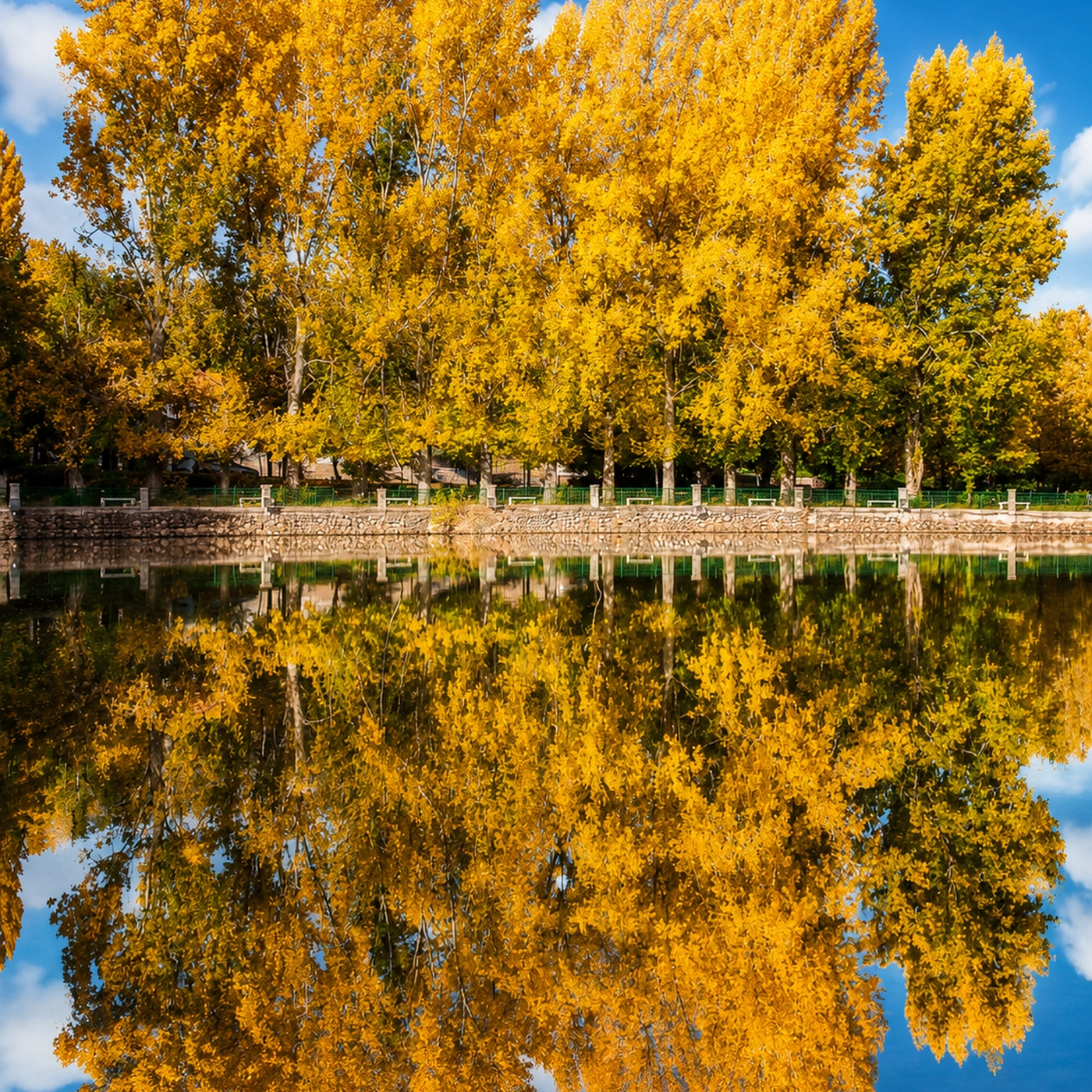
The lake's surface can change strongly. In wetter periods it reads as a broad reflective sheet, with trees and sky mirrored across the water. In drier periods, edges become more exposed and the wetland character becomes easier to understand. A careful page should not promise a single permanent image of the place.
The richest visit is visual and ecological at the same time: look at the water line, the reeds, the exposed margins, the wind on the surface, the birds crossing low over the lake and the way the surrounding trees frame the shore without turning it into a formal garden.
Core orientation is grounded in the Moroccan National Tourism Office Ifrane nature page and the Ramsar Site Information Service profile for Lacs d'Imouzzer du Kandar. Current access, water levels and on-site conditions should be checked locally.