
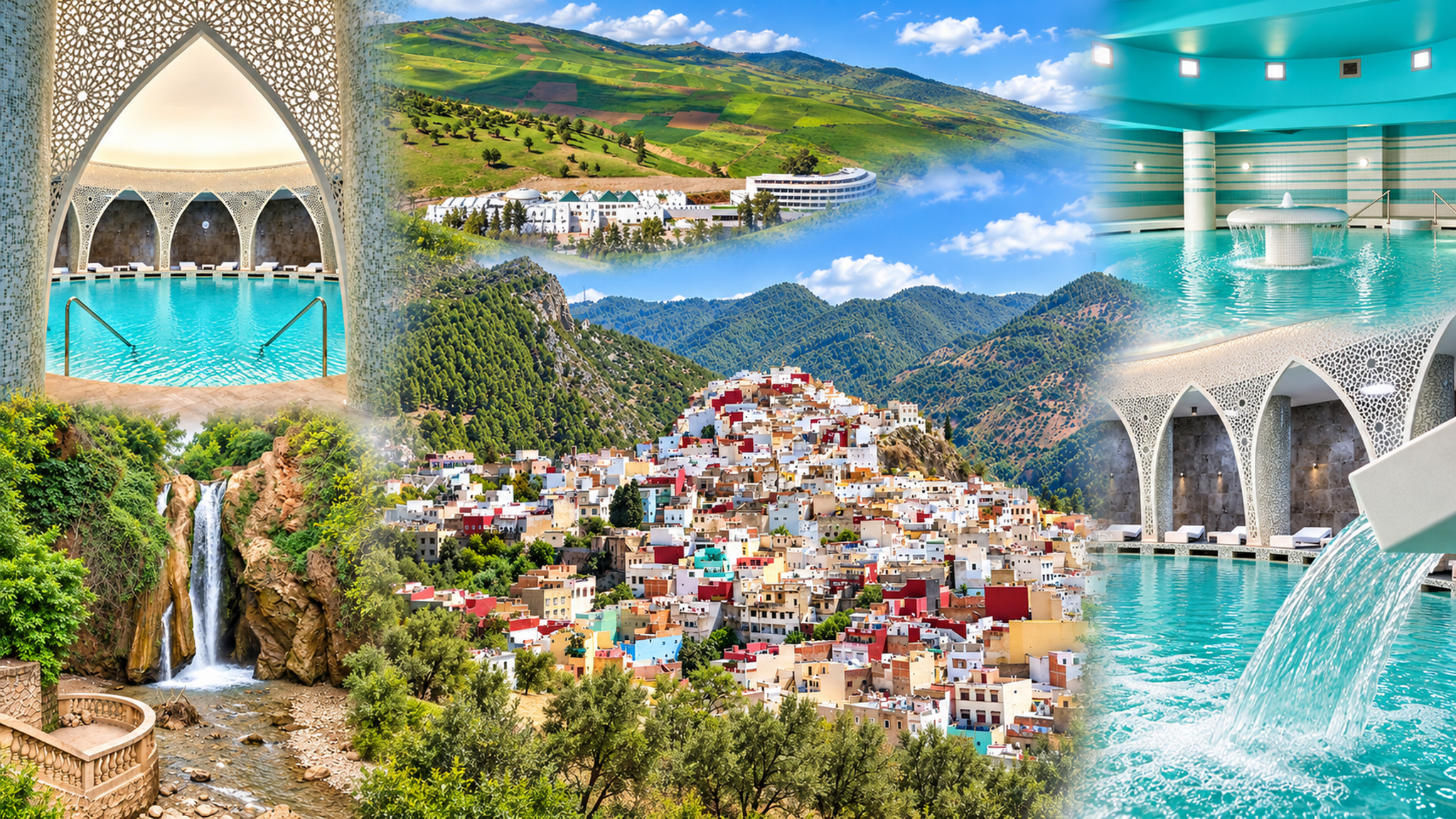
Composite view of Moulay Yacoub Springs with thermal pools, hillside buildings and surrounding countryside

Visit / Place · Thermal springs · Near Fez

Moulay Yacoub Springs Thermal waters and a hillside bathing town near Fez

In the hills northwest of Fez, Moulay Yacoub brings mineral-rich hot water, Moroccan bathing traditions and contemporary thermal care into one distinctive place.

Give the waters their own place in your Fez journey: choose your bath, leave time to rest, and discover the town around the thermal visit.

Why Moulay Yacoub Springs matters

Water has made this a destination.

Moulay Yacoub is a thermal town in the Fès-Meknès region, northwest of Fez. Its identity begins underground, with hot, sulphurous mineral water. At the surface, that resource connects baths, visitor services and a hillside settlement whose name has become closely associated with taking the waters in Morocco.

The distinction between the spring and the places where people bathe is essential. The water is naturally hot, while the pools and treatment rooms are managed facilities. A visit here is organised around a bath or a thermal appointment; the word “springs” should not be read as a promise of unrestricted outdoor swimming.

The historic baths and the contemporary Vichy Thermalia complex belong to the same destination, but offer different settings and arrangements. The regional tourism council describes the modern complex alongside the historic Thermes. Choosing between them is part of understanding the place, as well as planning the visit.

For a traveller based in Fez, the interest is also cultural. A bath asks for a different kind of attention from a medina walk: less movement, more time given to warmth, water and shared space. The surrounding town deserves the same consideration as the establishment that brings you here.

The best reason to come is therefore specific: an interest in thermal bathing and the landscape around it. Choose the experience that suits your expectations, then allow enough room in the day to enjoy it without treating the appointment as another landmark to tick off.

For background, see the Meknès tourism council’s Moulay Yacoub profile. The thermal operator describes the spring water; individual establishments provide their own visitor arrangements.
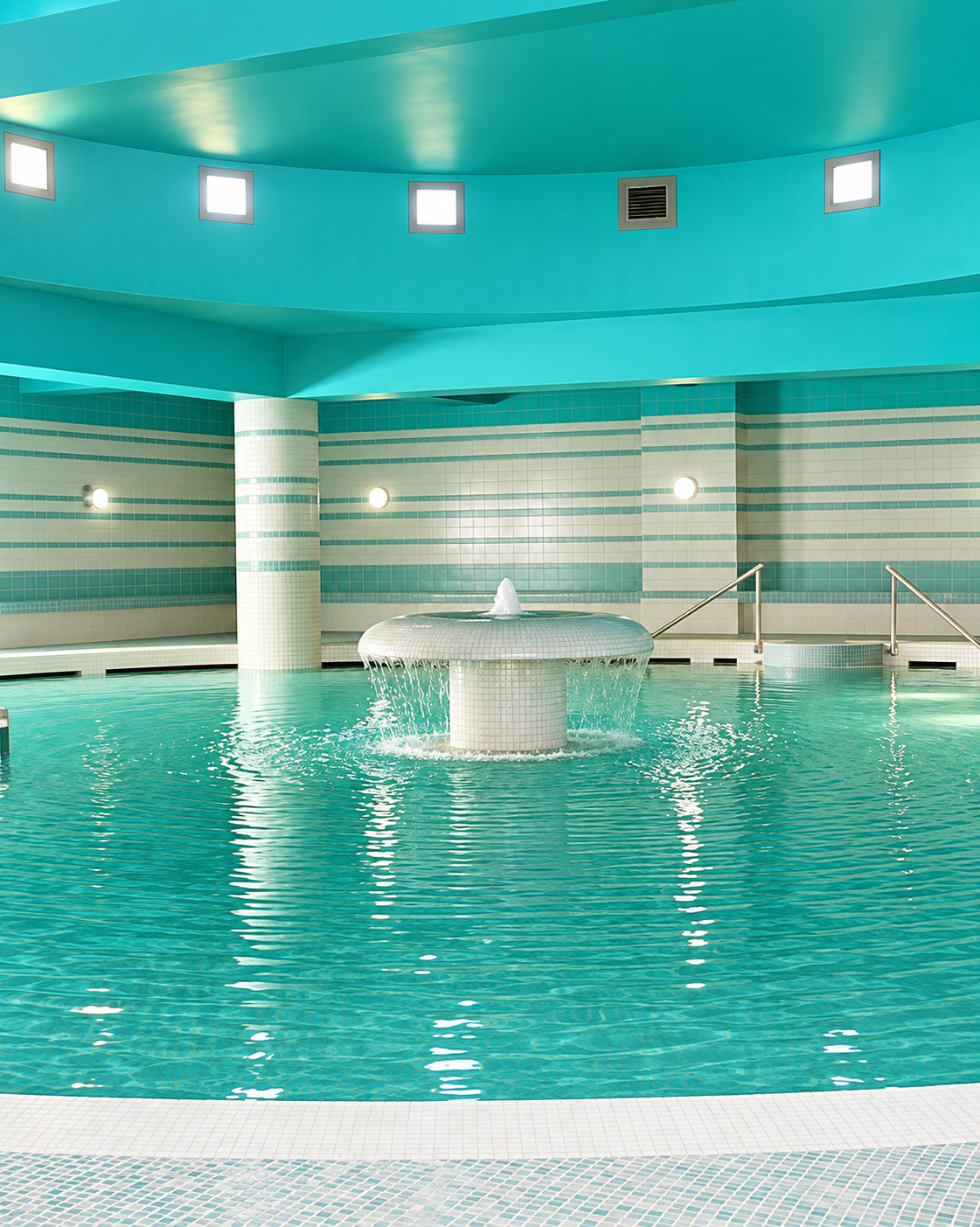
Turquoise indoor thermal pool with a central fountain at Moulay Yacoub Springs

Find your thermal stop

Map centred on the thermal town. Confirm the entrance with your chosen bath. Open map.

Editorial reading

A town gathered around the waters.

Look first at the change in scale. The hills provide a broad setting, the town gathers buildings into tighter groups, and the bath brings attention down to a pool edge, a handrail or the sound of flowing water.

This sequence gives Moulay Yacoub its particular character. The landscape remains present even when the visit moves indoors; the contrast between open ground and enclosed rooms is part of the experience.

In the pool interior, geometry becomes easy to notice. Repeated tile bands, round forms and points of light organise the room around water rather than around a distant view.

The people using those spaces have their own reasons for being there. Some come for an ordinary bathing visit, others for a booked programme. Their privacy shapes what a visitor can observe or photograph.

Outside, leave room for everyday movement. Entrances, nearby businesses and places to pause belong to a working town with rhythms beyond your itinerary.

The setting invites a close reading of how water changes a place: where visitors arrive, where they wait and how buildings bring them toward the baths.

Carry that sense of scale through the visit, from the hills to the room and back into the town. It is the connection between these spaces that gives the journey substance.

Thermal and cultural orientation

A bathing tradition with a contemporary chapter.

Moulay Yacoub brings an established thermal identity into a changing visitor landscape. Historic baths and modern facilities are both part of the story. Morocco’s tourism office documented the new hotel and thermal complex in its May 2018 project report; that chapter does not mark the beginning of bathing here.

01Natural resource

Sulphurous hot water

The spring’s heat and dissolved minerals are the basis of Moulay Yacoub’s thermal identity. The visible pool is the visitor end of a water system whose source lies below the surrounding landscape.

02Bathing heritage

The historic Thermes

The older baths give the destination a context beyond contemporary spa travel. Their presence helps explain why Moulay Yacoub is recognised as a bathing town, with local services and repeat visits forming part of its character.

03Modern development

The Vichy Thermalia chapter

The modern thermal complex and connected hotel introduced a different framework for stays and appointments. Accommodation, leisure facilities and thermal programmes can form parts of one trip, while remaining distinct services to confirm when booking.

04Cultural reading

Reputation and personal experience

The waters have a strong reputation in Moroccan thermal culture. That reputation is meaningful as part of the place’s identity; choosing a therapeutic programme requires a separate conversation with the professionals responsible for it.

A visual bridge

From the hillside to the pool’s edge

Three changes in scale make the place easier to read. Begin with the land around the town, notice how a bathing building receives visitors, then let the movement of water draw attention to the smaller details.

01

Landscape

The hillside frame

Look at how buildings sit against the slope. The contrast between their compact outlines and the broader ground around them makes the town legible before individual façades come into focus.

  • Follow the relationship between roofs and rising ground.
  • Notice the space around the settlement.
  • Keep wide views to public paths and safe stopping places.
02

Threshold

From street to bath

An entrance changes the pace of the visit. Reception, changing areas and the passage toward water gradually narrow attention from the town outside to the shared space within.

  • Notice where public space becomes private.
  • Read entrances before moving through them.
  • Let the room’s use guide where you pause.
03

Water

Still lines, moving reflections

Tile joints and pool edges remain fixed while reflected light breaks across them. Watching that small contrast can reveal more about the atmosphere of a bath than searching for an elaborate decorative feature.

  • Follow a reflection across the surface.
  • Compare curved basins with straight tile bands.
  • Observe quietly without interrupting bathers.

Quick orientation

Type of place

A thermal spring destination with historic baths and contemporary spa facilities. Best approached through a chosen bathing experience and time in the surrounding town.

Landscape context

Moulay Yacoub province, in the Fès-Meknès region northwest of Fez. A hillside setting within Morocco’s northern interior. Explore Morocco’s regions.

Best for

Thermal bathing, a considered spa visit and a change of pace between city walks. The travel mood is unhurried, with room to rest before continuing your route.

Closest city context

Fez is the natural city base for this page: combine its medina and craft heritage with a separate visit to the waters outside the city.

What visitors experience here

Open hills, enclosed rooms and time in the water.

Your experience depends on the establishment you choose. Keep that choice in mind when looking at photographs: a thermal basin, a treatment room and a hotel leisure pool describe different parts of a visit.

Arrival

A town shaped by the slope

The approach gives the first impression of buildings gathered against rising ground. Once you arrive, look for the entrance you need before setting off through the town; the name Moulay Yacoub covers more than one facility.

Light

Reflections on tiled surfaces

Where daylight reaches an indoor pool, water carries it across walls and ceilings. Repeated tile patterns give the eye a steady reference, making small ripples and shifts in brightness unusually noticeable.

Sound

Water gives the room its rhythm

A flowing inlet or fountain can become the main sound in an enclosed bath. Listen to how it changes with your position in the room, allowing conversation and other visitors their space.

Touch

Warmth changes the pace

The move from a dry changing area toward warm water encourages a slower rhythm. Allow time for the practical parts of the visit too: getting ready, following the attendant’s directions and settling before the next stage.

Setting

Beyond the bath itself

A pause outside reconnects the enclosed pool with its surroundings. Notice the contrast between the room’s ordered surfaces and the less regular lines of roofs, roads and hills around the town.

Afterward

Leave an interval in the day

A bath fits better into an itinerary with breathing room around it. Keep your next commitment flexible enough for changing, a quiet pause and the return journey, rather than rushing straight into another activity.

Place details and orientation

Six details that clarify the destination

Knowing what each part of a thermal destination does makes planning easier. These distinctions also keep the landscape, the baths and the services around them in proportion.

1
The spring water

Naturally hot and mineral-rich, it supplies the thermal identity of the place. Its source temperature is different from the temperature prepared for bathing.

2
The historic baths

These form part of the town’s established bathing context. Ask specifically about their entrance and arrangements if this is the experience you want.

3
The modern thermal centre

A managed setting for thermal bathing and booked programmes. Confirm the facilities included in your chosen pass or appointment.

4
The hotel connection

Accommodation can make a longer stay possible. Check the room package separately from treatment bookings and thermal access.

5
The hillside town

The settlement around the baths brings shops, entrances and local movement into the visit. Allow for changes in level when choosing where to walk.

6
The Fez connection

The city provides a broader cultural base and a departure point for the journey. Arrange your return as carefully as your arrival.

A careful eye

A pool photograph tells only part of the story.

A striking interior can show the form of a basin and the colour of a room. It cannot tell you which ticket gives access, what happens during a treatment or whether the space suits the people travelling with you.

Use visual details to understand atmosphere, then let the establishment explain the actual experience. The most useful question is precise: which pool, room or service will my visit include?

That clarity leaves more freedom to enjoy what is there. Once the arrangements are understood, attention can return to the room’s proportions, the water’s movement and the setting beyond the entrance.

Water and landscape intelligence

The journey from hot spring to bathing water.

The operator describes Moulay Yacoub’s water as sulphurous and rich in mineral salts. It reports a source temperature of 54°C, with water cooled to 38°C before use in its thermal centre. These are the operator’s figures for its system, rather than a temperature promise for every pool. Read the water profile.

That change of temperature makes a useful point about the landscape: a natural resource reaches visitors through managed infrastructure. The bath depends on the relationship between supply, preparation and the spaces where water is used. Its appearance alone cannot explain how that system works.

What to notice slowly

  • Distinguish the spring’s temperature from the water prepared for a particular pool.
  • Notice how basins, steps and handrails organise entry and movement.
  • Look for the separation between wet circulation areas and places to rest.
  • Treat service doors and water infrastructure as working areas.
  • Use the facility’s instructions to understand the bathing sequence.
  • Keep questions about individual therapeutic needs for the qualified team.

Spatial reading

Three ways a bath organises space

The basin as a centre

A pool draws the room inward. Its outline determines where people gather, where circulation remains clear and how the surrounding surfaces are seen. Read the edge as carefully as the water at the centre.

Levels and approach

Steps and changes in floor level connect dry ground with the basin. Handrails make that transition visible. Together these details explain how a bathing room is used, beyond its colours or ornament.

Privacy and separation

Changing areas and treatment rooms require different boundaries from reception or a public entrance. Doors, screens and controlled access are part of the building’s everyday purpose; respect them when exploring the space.

Visual atmosphere

A restrained palette, brought alive by water

Colour and reflection

Blue and turquoise surfaces can intensify the visual presence of water. Look for the quieter tones beside them: pale tile joints, muted stone and the metal of a handrail. Those restrained details give a bright room its balance.

Curves and repetition

A curved basin or central fountain interrupts the regular rhythm of tiled walls. The contrast is simple but effective: repetition makes the circular form easier to read, while small moving reflections keep the geometry from feeling still.

The return to daylight

Leaving an enclosed bath changes the way the surroundings appear. Open sky, the texture of an outdoor wall and the wider horizon become distinct again. This transition can be as memorable as the room you have just left.

Nearby places and onward links

Continue through Fez and the wider region

Fez is the closest city context for this visit. The links below also open broader reading and planning routes, so the thermal stop can sit comfortably within a journey of your own.

Fez

Return to the city for medina walks, craft workshops and architectural detail. Give the thermal visit a separate place in the day so both experiences have room.

Open the Fez city guide

Morocco’s regions

Place the Fès-Meknès setting within the wider country, then choose onward travel by geography and interest rather than simply adding more stops.

Explore the regions

Architecture & Heritage

Continue the study of courtyards, fountains, tiled surfaces and the ways Moroccan buildings organise light, movement and shared space.

Read the theme

Visit Morocco places

Browse other natural sites and cultural landmarks when shaping the next part of your route. Allow each place the time its experience needs.

Browse Visit places

Plan your journey

Bring accommodation, transport and appointments into one workable day. For Moulay Yacoub, the chosen entrance and return arrangements are especially useful details to settle.

Plan your journey

Stories from Morocco

Extend the journey through writing on culture, landscapes and everyday life, with space to reflect on the people and places behind the visual experience.

Read stories

How to visit respectfully

Respect the privacy of a bathing place.

Bathers, changing rooms and treatment spaces deserve privacy. Keep cameras put away in those areas, and ask staff before photographing an empty interior. Permission to enter a facility does not automatically include permission to record it.

In the town, give residents and businesses the same consideration. Keep entrances clear, agree service prices beforehand and ask before photographing people. If you encounter a religious or private threshold, follow the access guidance given there.

  • Follow the establishment’s clothing, showering and pool-use instructions.
  • Wear suitable footwear around wet surfaces and keep circulation routes clear.
  • Use a quiet voice and leave calls outside bathing and treatment areas.
  • Confirm step-free access, changing arrangements and assistance before travelling if needed.
  • Place litter in bins and keep personal belongings out of shared walkways.

A strong first visit

Before leaving Fez, choose the traditional baths or the modern thermal centre and confirm the exact entrance. Book any treatment you particularly want, and ask what your reservation includes: pool access, appointments and accommodation may involve separate arrangements.

Pack for that facility’s requirements. The Vichy Thermalia visitor information specifies swimwear and non-slip sandals, and lists balneotherapy access from age 18. Check the policy for your chosen service when booking, especially for a family visit.

Arrive with time to understand the bathing sequence and changing arrangements. Follow the staff’s directions during the visit, then allow an interval to get ready and rest before setting off again.

Confirm your return transport and meeting point before the appointment begins. If you also want to walk around the town, plan that separately from your booked session so neither part of the visit becomes rushed.

  • Choose the establishment and confirm its entrance.
  • Check what the booking includes and any age requirements.
  • Bring the clothing and footwear requested by the facility.
  • Leave time for changing and an unhurried pause afterward.
  • Agree the return meeting point before your session.

Before booking: confirm current hours, prices and service conditions directly. See the operator’s visitor information. For a therapeutic programme, ask its qualified team about suitability for you.

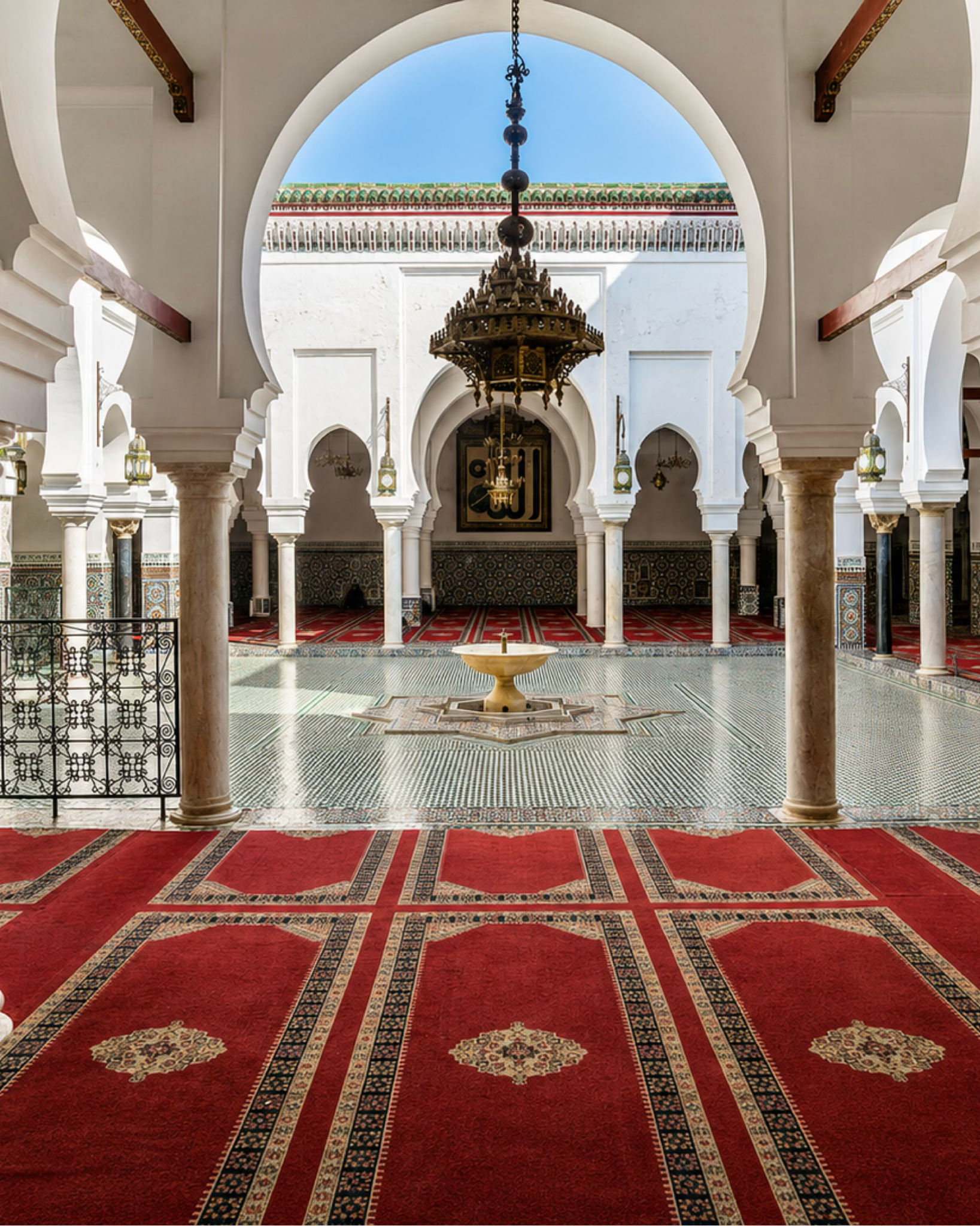
Arched interior in Fez with a courtyard fountain, zellige, carved details and hanging lamps

Continue through the nearest city

Fez — the city base for Moulay Yacoub

Fez gives this thermal visit a wider cultural setting. Its medina, craft traditions and richly worked interiors offer a different rhythm of discovery, with attention moving between streets, workshops, courtyards and small architectural details.

Use the city guide to organise that part of the journey, then leave Moulay Yacoub room to stand on its own. A thoughtful pairing gives time both to walking through Fez and to the quieter pace of a booked bathing visit outside it.

Medina orientationCraft and workshop culture Courtyards and fountainsArchitecture and heritage A practical city baseA separate thermal visit

Continue the journey

From the waters of Moulay Yacoub to Fez.

Make room for the bath, then continue with a closer reading of Fez, its craftsmanship and its place in the wider Moroccan journey.