
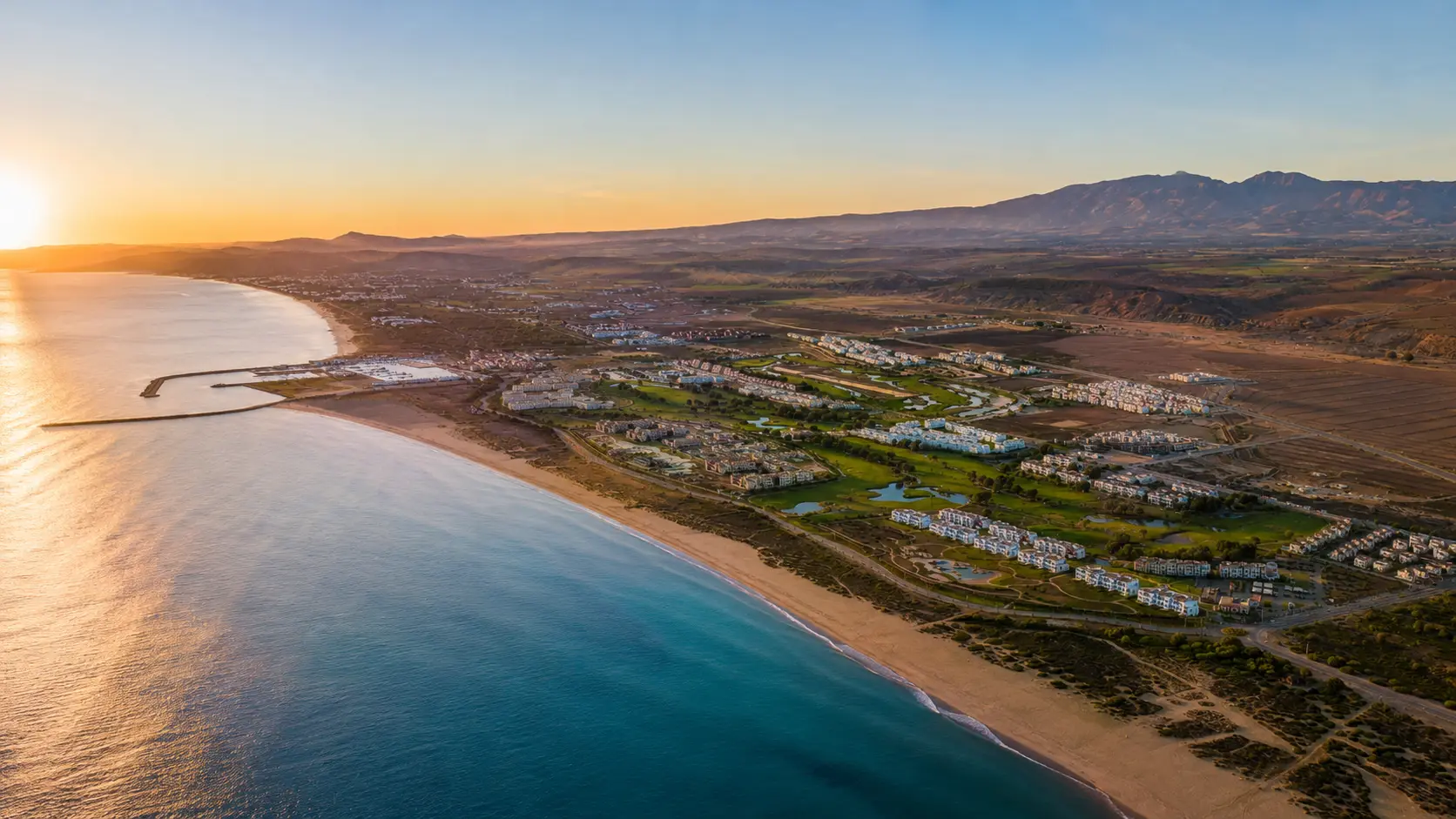
Wide sunset view over Saïdia Beach, the Mediterranean shore and eastern Moroccan coastal landscape

Visit / Place · Mediterranean coast · Oriental Morocco

Saïdia Beach a long eastern shoreline where blue water, sand and river light meet

Saïdia Beach is Morocco's far-eastern Mediterranean coast: a bright sweep of sand where resort life, open sea and the nearby Moulouya river mouth shape one layered visitor experience.

Begin with the full shoreline before narrowing your attention. The beach reads best as a meeting point: Mediterranean water in front, the Oriental hinterland behind, and the Moulouya estuary close enough to change the way the coast should be understood.

Why Saïdia Beach matters

A beach before it is a resort image.

Saïdia is often introduced through sand and summer, but the stronger reading begins with position. This is one of Morocco's clearest Mediterranean edges, set in the Oriental region near the Algerian border and close to the mouth of the Moulouya River. The beach is therefore not only a place to swim; it is a coastal threshold between sea, river, town and hinterland.

Official Moroccan tourism describes Saïdia as a seaside resort with an impressive 14 kilometres of fine white-golden sand, water-based activities, golf nearby and a marina used as an evening focus. That gives the visitor a useful practical frame, but it does not explain the whole place. The length of the beach matters because it changes the pace: wide, open, walkable, and visually connected to a much broader eastern coastline.

The Moulouya estuary gives Saïdia a second layer. Local destination material identifies the river mouth as both a Ramsar Wetland and a Site of Biological and Ecological Interest, and river-focused reporting describes the estuary as a fragile place where freshwater, marine, estuarine and wetland habitats meet. That context asks visitors to treat the coast with more care than a simple beach label might suggest.

Oujda adds the regional lens. The city sits inland from Saïdia and gives the beach a cultural and travel base: medina gates, civic memory, markets, gardens and the wider Oriental route. A visit to Saïdia becomes more complete when the shore is connected back to Oujda rather than treated as an isolated holiday strip.

For visitors, the value is this combination: long sand, Mediterranean water, marina rhythm, river-mouth ecology and a city context strong enough to hold the journey together. Saïdia rewards sunlight and relaxation, but it also rewards a careful eye for boundaries: public beach and sensitive nature, resort architecture and open coast, leisure and responsibility.

Core orientation is grounded in Moroccan National Tourist Office material for Oujda-Saïdia, Saïdia Mediterrania's Moulouya estuary guidance and river-context reporting by Initiatives for the Future of Great Rivers. Exact access conditions and beach services should be checked close to travel.
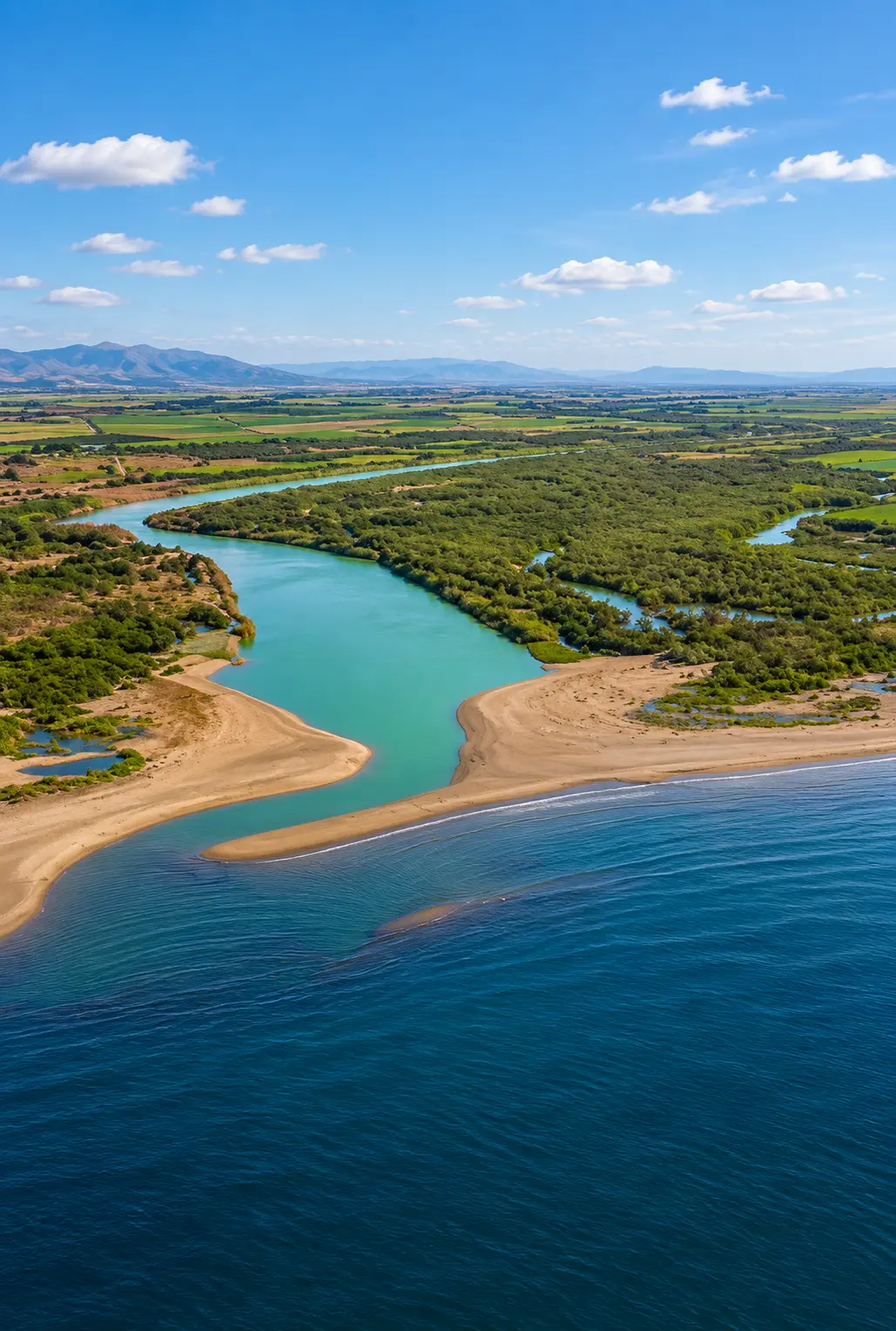
Aerial view of the Moulouya river mouth meeting the Mediterranean near Saïdia

Map orientation

Use the map to place the beach along Morocco's eastern Mediterranean shore, with Saïdia town, the marina area and the Moulouya river mouth forming the main coastal reading.

Editorial reading

Its beauty is coastal, ecological and regional.

The first impression is generous: a long pale beach, low Mediterranean water, resort edges and open sky. But Saïdia becomes more interesting when the eye moves beyond the beach towel view and starts reading the shoreline as a system.

Look west and the coast begins to suggest the Moulouya mouth, where river water, reeds, sandbanks and sea create a different rhythm from the managed resort strip. Look inland and the beach reconnects to the road network toward Berkane and Oujda. Look along the shore and the length itself becomes part of the experience.

This is why the page treats Saïdia as a place, not just a facility. The beach has leisure infrastructure, but the best visit keeps space for the natural edge and for the wider Oriental identity behind it. The Mediterranean here should feel bright and relaxed without becoming careless.

The most rewarding reading is slow: distance first, then waterline, then sand texture, then the changing line of buildings, palms, dunes and river-mouth landscape. Each layer changes the tone of the place. A resort view becomes a coastal geography.

Saïdia also asks for restraint. Sensitive wetland areas near the Moulouya should not be treated like empty land, and busy summer spaces still require ordinary respect for families, workers and local users. A better visitor leaves the beach cleaner, quieter and more legible than they found it.

By the end, connect the shore back to Oujda. The city gives Saïdia depth: not only a place for sea and sun, but an eastern Moroccan coastal chapter attached to urban heritage, inland markets and the culture of the Oriental region.

Historical and natural orientation

Read the beach through coast, river and regional movement.

Saïdia Beach is best understood as a coastal landscape rather than a single attraction. Its visitor identity comes from a long Mediterranean shore, modern resort infrastructure, the nearby Moulouya estuary and the inland relationship with Oujda. The page avoids fixed claims about prices, opening hours or seasonal services because those details can change; the durable facts are position, landscape and visitor rhythm.

01Place type

Mediterranean beach

The main experience is a long sand beach on Morocco's eastern Mediterranean coast, used for swimming, walking, family leisure and coastal resort stays.

02Coastal focus

Marina and shore life

Official tourism material points to the marina and water-based activities as part of Saïdia's visitor identity. Treat them as context, not as the whole meaning of the place.

03Natural context

Moulouya estuary

A few kilometres from Saïdia, the Moulouya river mouth brings wetland, sandbank and estuary ecology into the coastal story. It is a recognised sensitive site and should be approached carefully.

04City context

Oujda connection

Oujda provides the nearest major city reading for Saïdia: heritage gates, urban life, regional culture and the inland route that makes the beach part of a fuller eastern Morocco journey.

A visual bridge

Three readings between sea, estuary and city

Before Saïdia becomes a summer image, it is a set of coastal relationships. These three readings help visitors slow down and see why the beach feels open, bright and regionally connected.

01

Waterline

Mediterranean calm

The beach is shaped by low horizons, luminous water and a more sheltered sea mood than Morocco's Atlantic coast. Read the shore through light, colour and the long horizontal line of sand.

  • Start with the whole beach length before choosing a spot.
  • Notice how morning and late light change the water tone.
  • Keep the horizon wide; it gives the place its calm scale.
02

Estuary

River meeting sea

The nearby Moulouya mouth gives the coast ecological depth. Sand, freshwater influence, reeds, wetlands and sea belong to the same wider landscape, even when the main beach feels urban and easy.

  • Treat wetland edges as sensitive, not empty.
  • Keep noise, litter and disturbance low near natural areas.
  • Understand the river mouth as part of Saïdia's identity.
03

Region

Oujda behind the coast

Saïdia is stronger when connected to Oujda and the Oriental region. The city brings heritage, markets, urban rhythm and inland routes into balance with the beach's open Mediterranean face.

  • Use Oujda as the deeper city context.
  • Connect beach time with regional food and street life.
  • See Saïdia as eastern Morocco, not only seaside leisure.

Quick orientation

Type of place

A Mediterranean beach and coastal resort area in Morocco's Oriental region, best read through shoreline, water, marina rhythm and nearby estuary context.

Landscape context

Long sand, open sea, coastal development and the Moulouya river mouth nearby. The setting shifts from leisure beach to sensitive natural edge within a short coastal frame.

Best for

Beach walking, swimming seasons, sunset views, marina evenings, coastal photography, nature-aware detours and an eastern Morocco itinerary linked to Oujda.

Closest city context

Oujda is the strongest city base for understanding Saïdia beyond the shore, especially for heritage gates, markets, gardens and broader Oriental Morocco orientation.

What visitors experience here

A beach that opens in long horizontal layers.

Saïdia works through width and light. The first layer is the beach itself: pale sand, blue water and a horizon that stays visually open. Then come the human edges: promenades, resort buildings, marina movement and families using the coast. The quieter reading appears when you connect that beach mood to the Moulouya estuary and Oujda behind it.

Arrival

The first wide view

The strongest arrival is not a single monument but a broad release of space. Let the full sweep register before focusing on hotels, beach furniture or the marina edge.

Light

Blue water, warm sand

Saïdia's visual appeal depends on clean contrasts: Mediterranean blue, pale sand, white buildings, palms and low shadows. Avoid reading it only through saturated holiday colour; the quieter tones are often more elegant.

Movement

Walking the line

The length of the beach changes the visitor's rhythm. A short stop gives sea and sun; a longer walk reveals changes in crowding, sand texture, built edges and the shape of the bay.

Water

Sea as foreground

The water is the visual foreground of the place. Read it through depth, wind, seasonal conditions and the way the colour shifts from near-shore shallows to darker offshore blue.

Nature

The Moulouya horizon

The river-mouth context adds a more fragile note to the visit. Even when you stay on the main beach, knowing the estuary is nearby changes the ethical frame: coast and wetland belong together.

Evening

Marina and promenade mood

As the light softens, Saïdia becomes more social. The marina and promenade context can turn the visit from a beach day into an evening rhythm of walking, food, conversation and coastal air.

Place details and orientation

Read Saïdia Beach through six defining elements

No single detail explains Saïdia. Its identity comes from the relationship between the long beach, Mediterranean water, resort infrastructure, the Moulouya estuary, careful visitor behaviour and the inland connection to Oujda.

1
Long sand line

The beach's length gives Saïdia its open character. It is a place to read by walking, not only by stopping at one fixed view.

2
Mediterranean water

The sea sets the colour and pace: calmer visual horizons, bright blue surfaces and a softer coastal mood than many Atlantic-facing Moroccan beaches.

3
Marina context

The marina gives the resort area an evening focus and connects the beach to restaurants, strolling and coastal leisure without defining the whole place.

4
Moulouya mouth

The nearby estuary adds ecological value and fragility. River, wetland, sandbank and sea context should shape how visitors behave around natural edges.

5
Eastern position

Saïdia's location gives it a distinctive eastern Moroccan identity, with Oujda and the Oriental region behind the coast.

6
Seasonal rhythm

The beach can feel very different across seasons and times of day. Plan with current local conditions rather than assuming every service or mood is constant.

Coast, not backdrop

The place asks for a wider frame.

Stand back before choosing a spot on the sand. The first lesson is horizontal: beach, water, sky, buildings and inland landforms all stretch across the same frame. Saïdia's scale becomes clear only when the full line is visible.

Then move closer. Sand texture, wave edge, small fishing or leisure details, promenade life and the sound of people using the beach bring the place back to human scale. It should feel alive, not staged.

Finally, place the coast in its wider setting. The Moulouya mouth and Oujda route prevent the visit from becoming only a resort image. They turn Saïdia into a coastal chapter of eastern Morocco.

Landscape and water intelligence

The shoreline is shaped by more than the sea.

Saïdia's beauty is easy to recognise, but its intelligence lies in the relationship between water systems. Mediterranean light gives the beach its colour and calm; the Moulouya estuary nearby adds freshwater influence, wetland habitats, seasonal pressure and a reminder that coastlines are living systems.

That reading matters because leisure landscapes can make fragile places look effortless. Sand, reeds, river mouth, marine edge and built resort zones each ask for different behaviour. A visitor who understands those differences sees more and damages less.

What to notice slowly

  • Look first at the full shoreline before focusing on individual resort details.
  • Notice how the water colour changes with depth, wind, cloud and time of day.
  • Distinguish the managed beach zone from sensitive natural areas near the estuary.
  • Read the marina as one layer of Saïdia, not as the whole coastal identity.
  • Connect the beach back to Oujda and the wider Oriental region.
  • Keep litter, noise and disturbance low, especially around dunes, reeds or wetland edges.

Visual reading

Three coastal languages to notice

Length and openness

Saïdia speaks first through scale. The beach's long horizontal line gives the visitor a sense of release before smaller details begin to matter.

River and wetland edge

The Moulouya mouth brings a different vocabulary: sandbanks, reeds, water movement and ecological sensitivity. It adds depth to the beach's simple blue-and-gold surface.

City and resort rhythm

Oujda and the marina keep the coast connected to human life: arrival routes, evening walks, food, families, markets and the wider identity of eastern Morocco.

Visual atmosphere

Light, water and quiet transitions

From distance to detail

Start with the aerial feeling of the coast: the beach line, sea surface and inland land. Then move down to small textures: footprints, wet sand, foam, shade, palms and the changing density of people along the shore.

From blue to gold

The strongest visual contrast is not heavy colour grading but the natural meeting of blue water, pale sand, warm low sun and clear sky. Saïdia should feel bright, open and believable.

From beach to memory

The deeper memory comes from connecting relaxation with place: the long walk, the softer evening, the knowledge of the river mouth nearby and the sense that Oujda is holding the regional story behind the coast.

Nearby places and onward links

Connect Saïdia to eastern Morocco

Saïdia belongs to a wider Oriental itinerary. Oujda gives the clearest city context, while the Moulouya mouth and the broader Visit collection help place the beach inside Morocco's coastal and natural map.

Oujda

The strongest city context for Saïdia: heritage gates, medina walks, gardens, markets and the inland rhythm of Morocco's east.

Open Oujda city guide

Mediterranean & Eastern Morocco

Use the Regions section to connect Saïdia with Morocco's eastern coast, inland cities, borderland routes and natural landscapes.

Explore regions

Visit Morocco places

Continue through lagoons, beaches, national parks, caves, monuments, valleys and other place-based guides beyond the city pages.

Browse Visit places

Nature and coast

Read Saïdia through water, wetlands, responsible access and the fragile meeting of leisure landscapes with natural systems.

Browse themes

Plan your journey

Treat Saïdia as a coastal anchor within an eastern Morocco route, not only as a standalone beach stop.

Plan your journey

Stories from Morocco

Use the Stories section for slower cultural reading around place, memory, coastline, city life and regional identity.

Read stories

How to visit respectfully

Good coastal behaviour keeps the beach generous.

Saïdia is a social beach as much as a landscape. Give space to families, workers, swimmers and local visitors; avoid intrusive photography; keep noise reasonable; and treat public areas with the same care you would expect in a shared neighbourhood.

Respect also means understanding the natural edge. Around dunes, reeds, sandbanks or the Moulouya estuary, follow signage and local guidance, avoid disturbing wildlife, do not pick plants, and keep motorised activity away from sensitive areas. The beach is easier to enjoy when its fragile parts remain protected.

  • Ask before photographing people, private moments, workers or families on the beach.
  • Carry waste out with you, especially after sunset or away from serviced areas.
  • Respect swimming flags, weather conditions and local safety guidance where posted.
  • Keep to appropriate routes near dunes, reeds and wetland edges.
  • Check current beach services, access conditions and seasonal arrangements close to travel.

A strong first visit

Begin with a long look at the whole shore. Saïdia is not best understood from one chair or one photo angle; the beach needs width. Walk first, choose your rhythm later, and let the sea, sand and built edge settle into one frame.

If you have time, make the Moulouya context part of your mental map even if you do not enter sensitive zones. Knowing the river mouth is nearby changes the visit in a good way: it encourages lighter movement, lower noise and more attention to the natural coast.

Use the marina and promenade for evening orientation, then connect the beach back to Oujda. That city context gives the visit more substance after the sea: gates, streets, food, markets and the inland identity behind Saïdia's blue horizon.

Keep the day simple but not careless. Shade, water, sun protection and patience matter on a bright coast. So does restraint around crowded spaces and sensitive natural edges.

  • Start with a shoreline walk before settling into one beach spot.
  • Use late light for the most elegant colour and softer photography.
  • Treat estuary-adjacent areas as living habitat, not empty scenery.
  • Leave room for local movement, families, workers and beach services.
  • Finish by connecting Saïdia back to Oujda and the wider Oriental route.

Careful planning note: exact services, beach conditions and access arrangements can change. Verify local guidance before travelling.

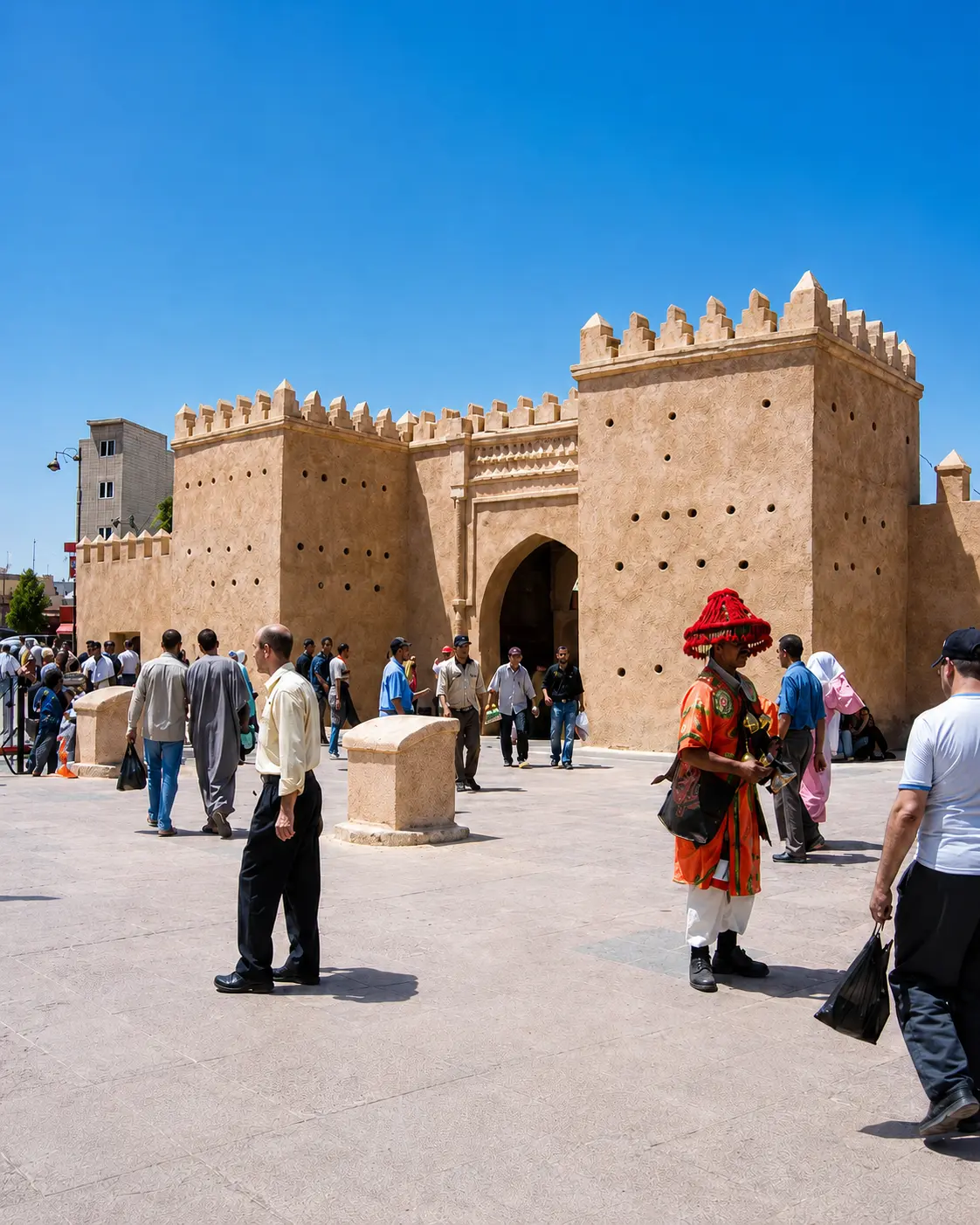
Oujda city gate and public square, the nearest major city context for Saïdia Beach

Go deeper through the nearest city context

Oujda — the city gateway to Saïdia Beach

Saïdia becomes richer when it is connected to Oujda. The city gives the beach a stronger base: monumental gates, medina life, gardens, music memory, market rhythm and the practical structure of an eastern Morocco journey.

Use Oujda to widen the context after the shore itself. The beach gives light and water; the city gives texture, streets, food, heritage and a sense of how the Oriental region continues inland.

Eastern Morocco city contextOujda heritage orientation Coast and inland routeMarkets, gardens and gates Practical travel structureNearby Mediterranean highlights

Continue the journey

Continue from Saïdia Beach into eastern Morocco.

Read the coast slowly, then connect it to the Moulouya mouth, Oujda, Mediterranean routes and the wider natural map of Morocco.