Why Martil Coast matters
A coast before it is a beach day.
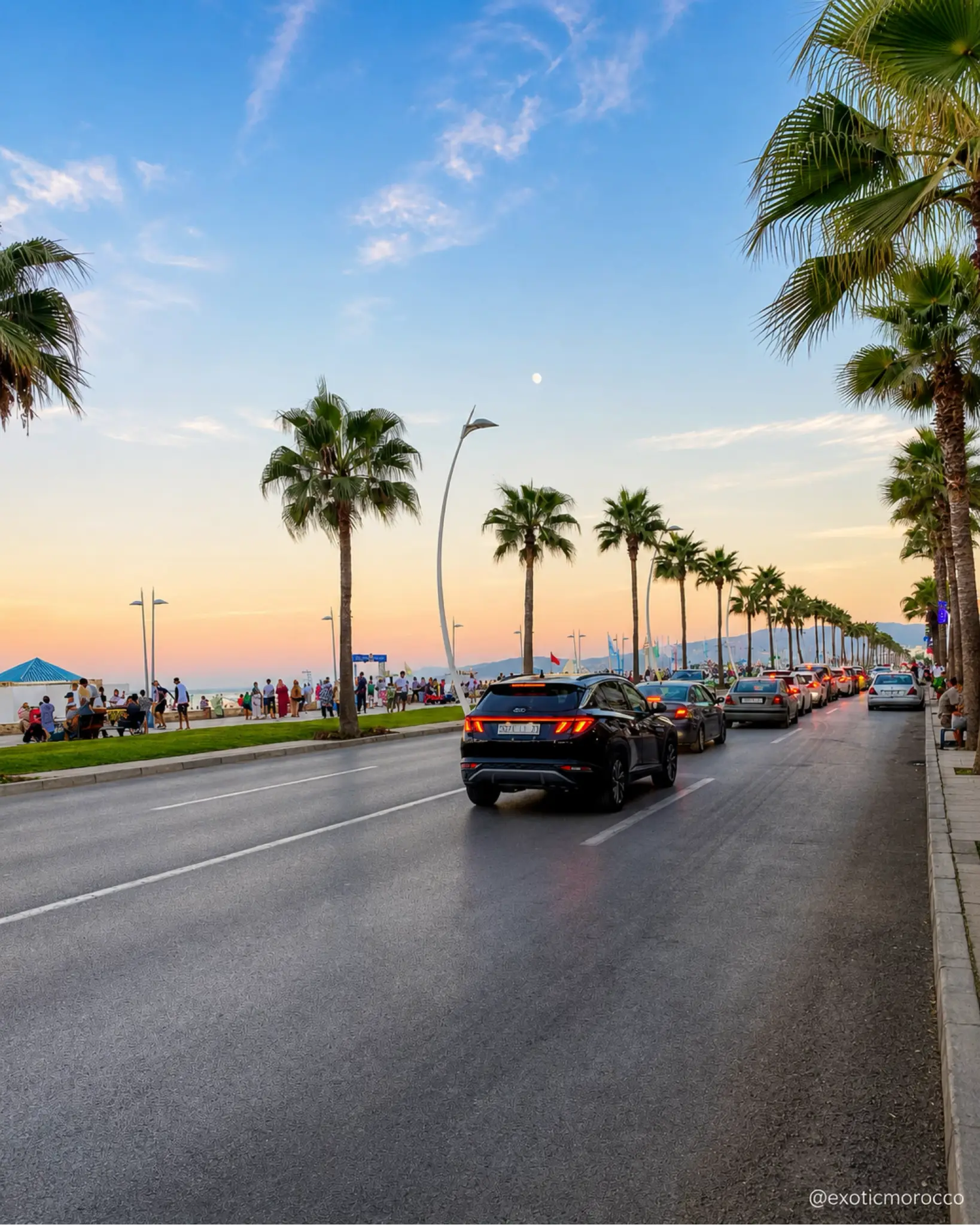
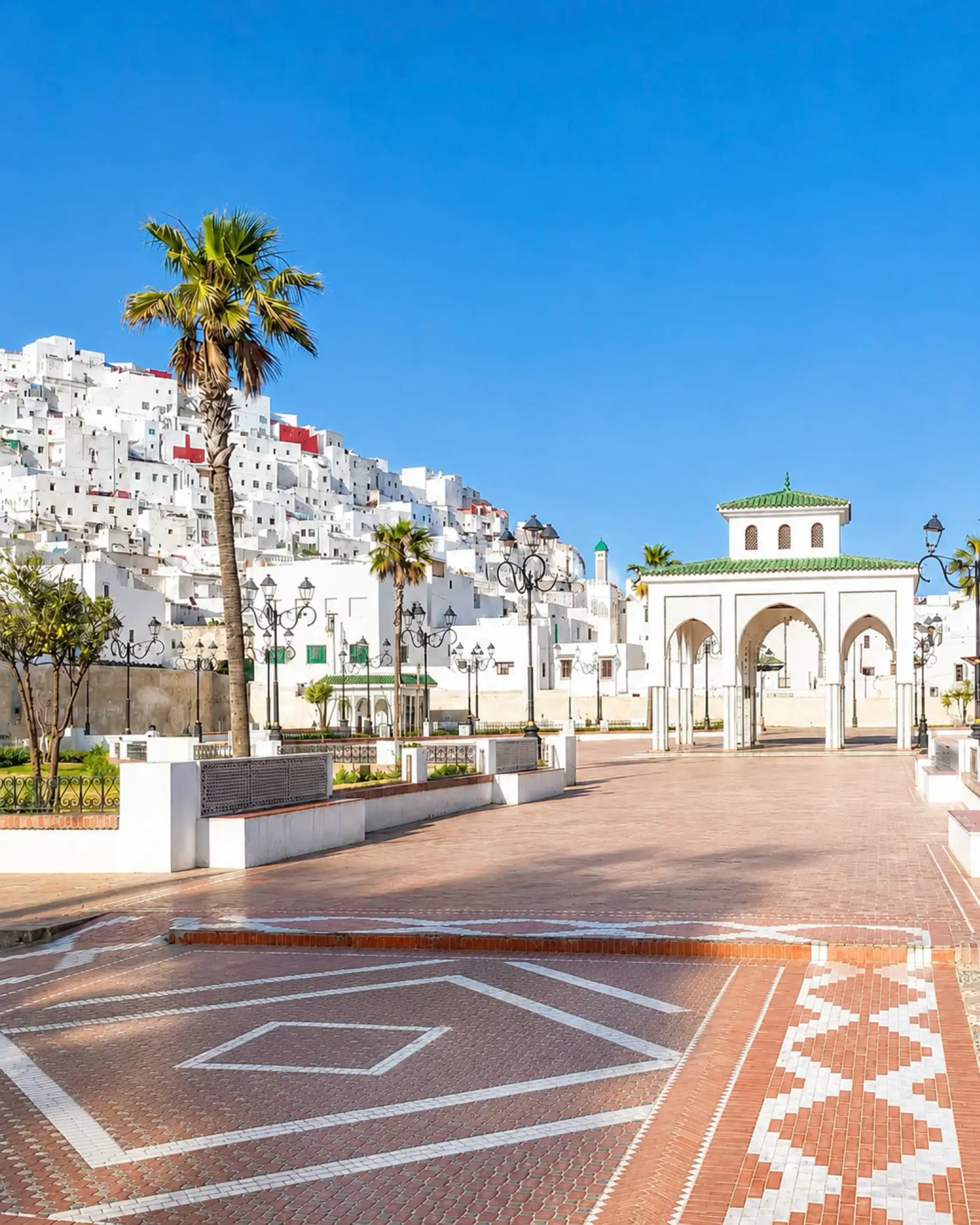
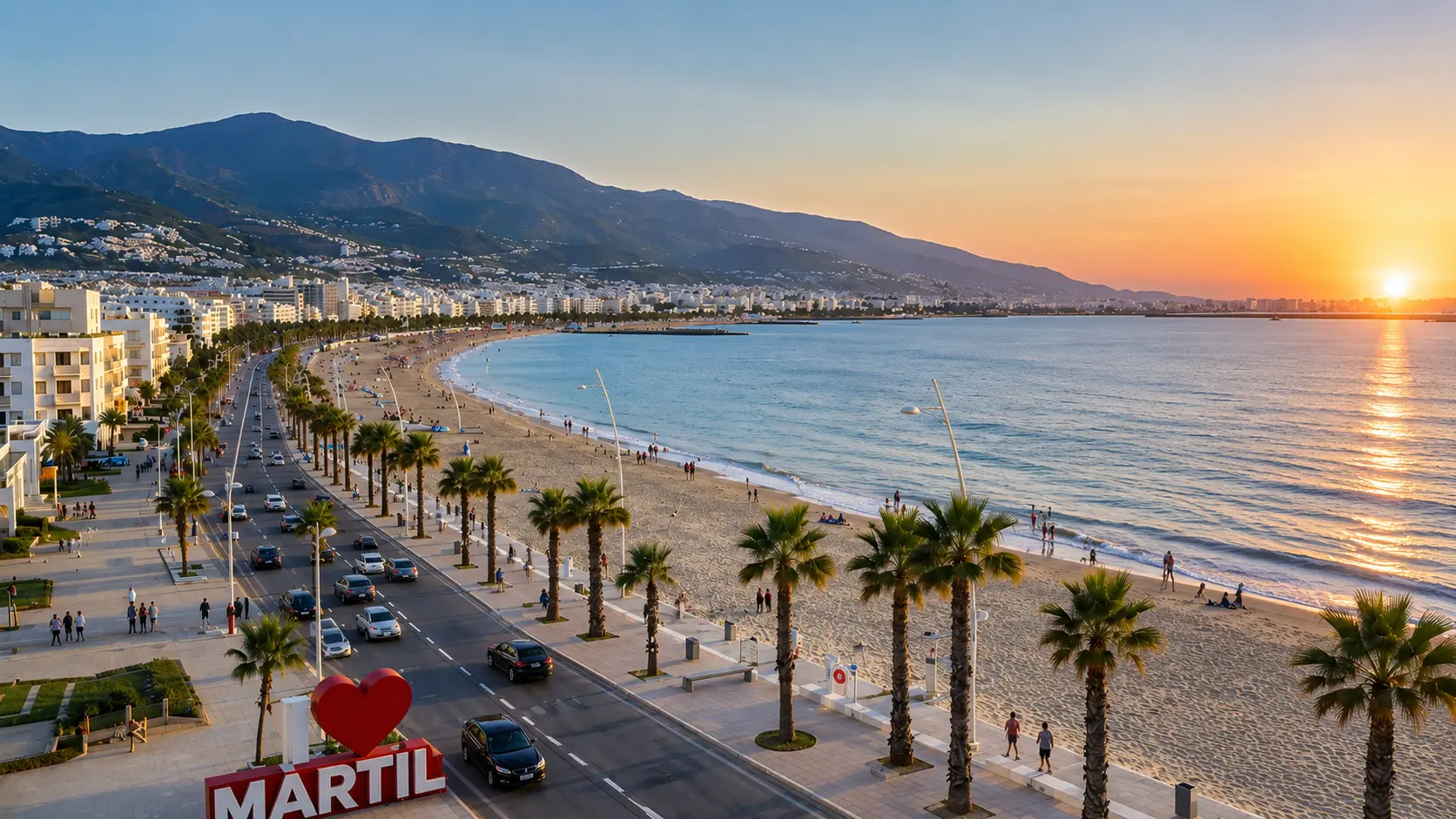
Martil matters because it gives Tétouan a direct conversation with the Mediterranean. The city is often read through its UNESCO-listed medina, Andalusian urban fabric and mountain setting, but Martil adds the missing coastal register: open water, public promenade, family beach rhythm and the everyday movement of a seaside town.
The place is not a remote natural escape and not a luxury resort bubble. Its character comes from a more interesting mix: apartment blocks and cafés, sand and palms, a fishing-port edge, evening walkers, summer density, off-season calm and the Oued Martil landscape that ties the inland plain to the sea.
That makes Martil useful for real visitors. It is easy to understand quickly, but it rewards slower looking. The beach line teaches scale; the corniche reveals social rhythm; the river context explains why the coast is also an urban and environmental threshold rather than only a leisure strip.
Martil also belongs to the wider northern coastal arc. Cabo Negro lies along the direction of the coast, Tétouan sits inland as the cultural base, and the Rif gives the horizon its weight. The strongest visit keeps those layers visible instead of reducing the place to sand and water.
For Exotic Morocco, Martil is valuable because it shows a familiar Moroccan coast with intelligence: relaxed, public, bright and lived-in, with enough visual order to be beautiful and enough local rhythm to avoid feeling staged.
Core orientation is grounded in the Visit Tetouan Martil Beach overview, the UPFI Oued Martil valley project context and UNESCO's Medina of Tétouan listing. Practical beach conditions should still be checked locally close to travel.