Why Akchour matters
A river landscape before it is a day trip.
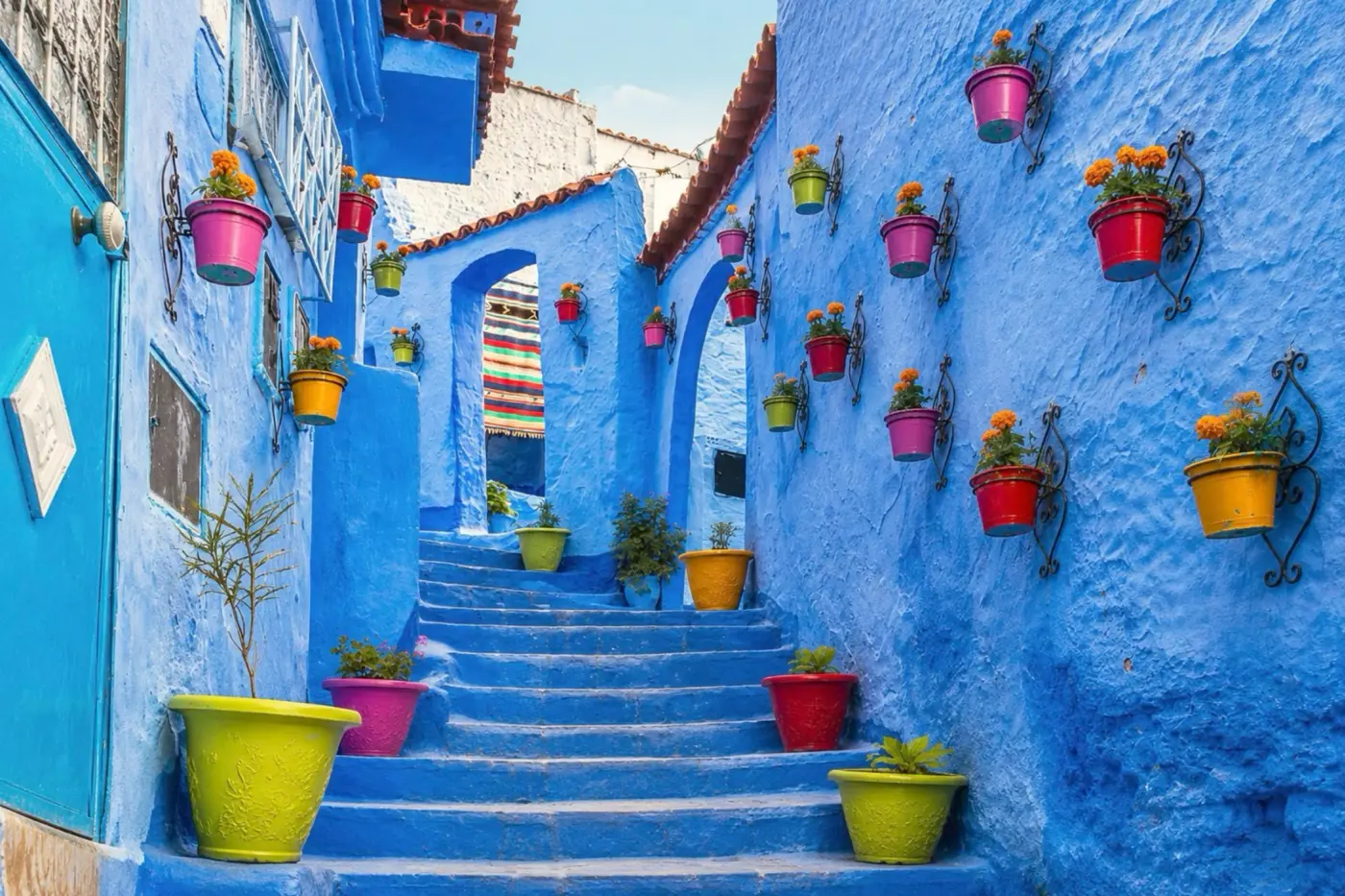
Akchour matters because it changes the way visitors understand Chefchaouen. The famous blue city is only one face of this part of northern Morocco; beyond it, the Rif becomes a landscape of gorges, mountain paths, clear running water and shaded stone. Akchour gives that wider geography a direct, physical rhythm.
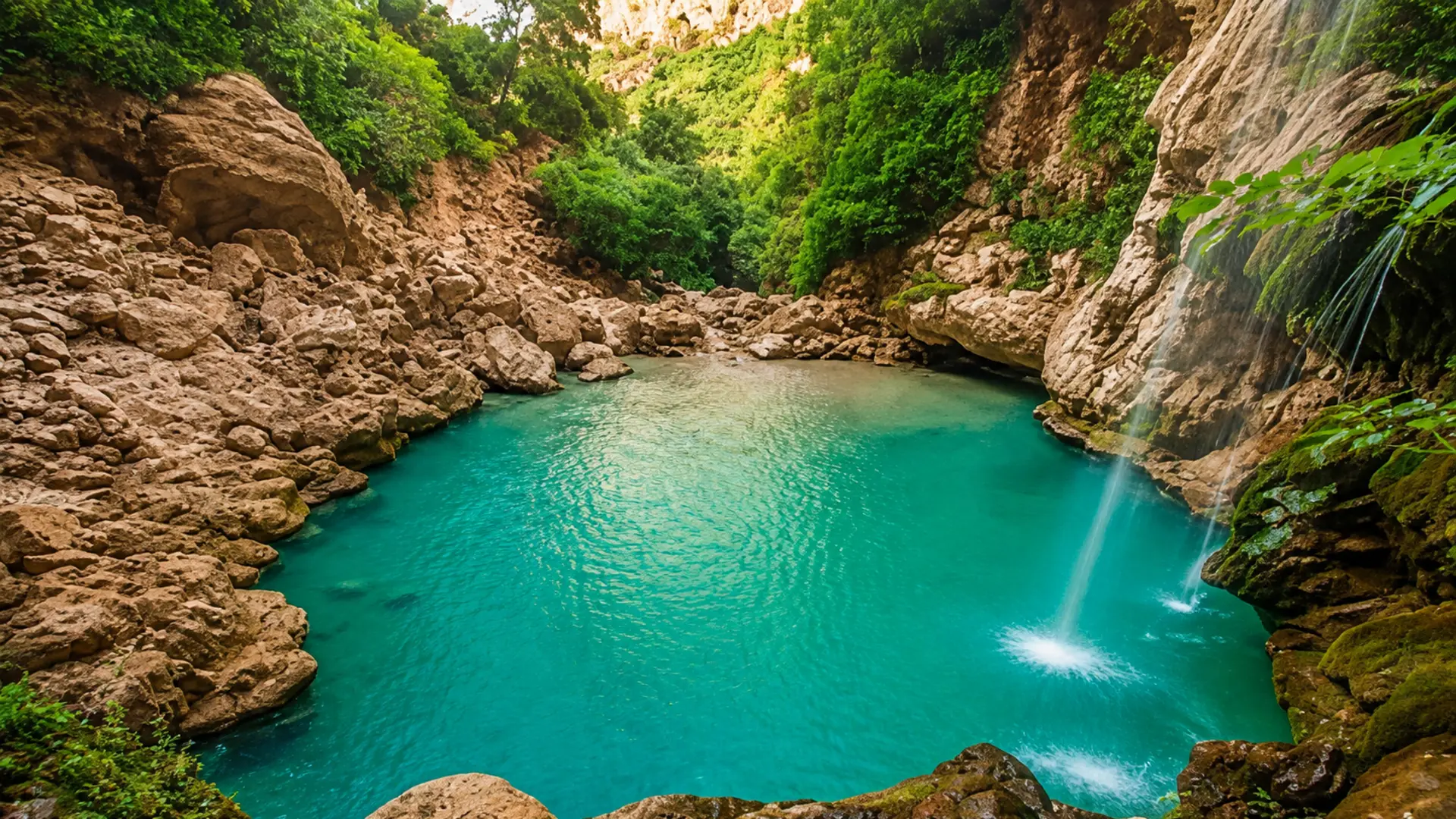
The Moroccan National Tourist Office places Akchour among the natural highlights around Chefchaouen, alongside Talassemtane National Park and the well-known Pont Dieu natural arch near Akchour. That context matters: this is not an isolated waterfall image, but part of a mountain environment where water, rock, forest, rural movement and visitor pressure meet.
The place is powerful because the experience unfolds through walking. Pools appear between rocks, water changes colour with depth and light, cliffs frame the route, and the sound of the river often arrives before the full view does. Akchour rewards visitors who pay attention to transitions, not only to the final cascade.
It also asks for care. Paths can be uneven, stone can become slippery, and water levels or access conditions may change with weather and local guidance. A beautiful visit here is not only about reaching a viewpoint; it is about moving through a natural place without damaging it or turning local space into a disposable backdrop.
For Exotic Morocco, Akchour belongs to the northern mountain map: a clean, vivid counterpoint to medina streets, coastal cities and imperial architecture. It shows Morocco through water, scale, shade and terrain, while Chefchaouen gives travellers the cultural base from which the landscape can be understood more fully.
Core orientation is grounded in the Moroccan National Tourist Office's Chefchaouen nature guide and the Protected Planet profile for Parc National de Talassemtane. Weather, trail access and local arrangements should be checked close to travel.