
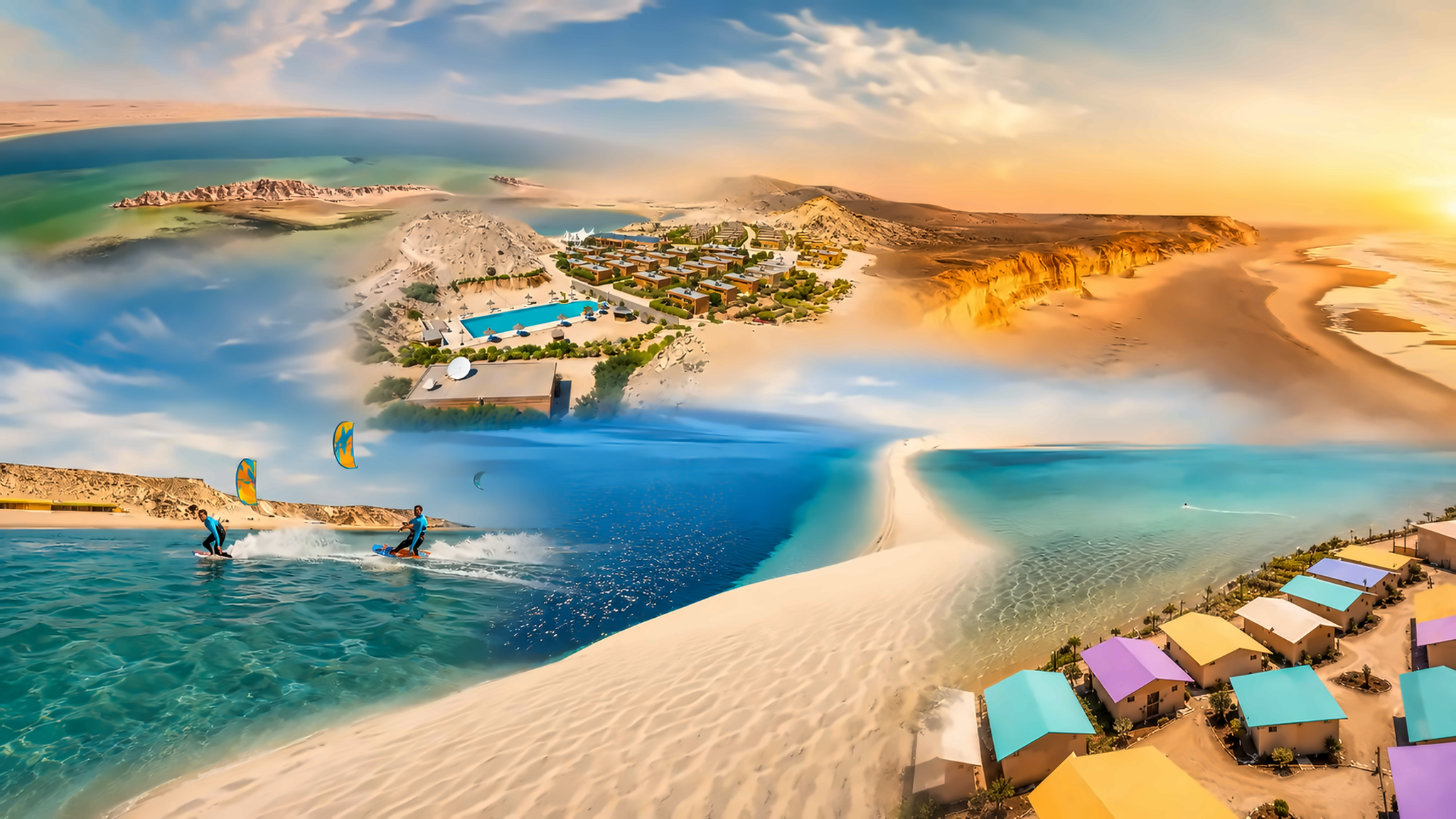
Dragon Island and Dakhla Lagoon landscape with pale sand, blue water and Sahara light

Visit / Place · Dakhla Lagoon · Dakhla-Oued Ed-Dahab

Dragon Island A lagoon islet where Sahara sand, Atlantic water and wind-shaped light meet

Dragon Island is one of Dakhla's most memorable lagoon landmarks: a pale, low island read through wind, water colour, open horizon and the quiet drama of desert meeting sea.

Keep the first view wide. The island is not about monuments or built spectacle; its force comes from scale, light, tide lines, sand texture and the way Dakhla Lagoon changes around it.

Why Dragon Island matters

A lagoon landmark before it is a viewpoint.

Dragon Island matters because it makes Dakhla's geography instantly legible. The eye reads a thin island, shallow blue water, pale sand and a huge sky in one frame. It is a small place, but it explains the wider Dakhla experience: Atlantic edge, Saharan light, wind, tide and silence held together by the lagoon.

The Moroccan National Tourist Office lists Dragon Island among the popular places around Dakhla, while Visit Dakhla presents L'Ile du Dragon as one of the destination's named natural wonders. Those references are useful because they place the island inside a real visitor map, not as an invented postcard scene.

The island also matters as a lesson in restraint. There are no grand walls, gates or formal monuments to decode. The structure is natural: a sand-coloured profile, water that changes tone with depth, wind moving across the surface, and a horizon that lets the visitor understand why Dakhla is so strongly associated with lagoon travel and water sports.

Seen well, Dragon Island connects several Dakhla readings at once. It belongs to the lagoon, to the Atlantic-facing peninsula, to desert light and to a visitor rhythm shaped by weather rather than fixed urban timing. That is why the best experience begins with orientation, not speed.

For visitors, the reward is visual clarity. The island teaches the difference between looking at a landscape and reading it: where water becomes shallow, where sand holds a ridge, where wind writes texture, and where distance makes the whole lagoon feel larger than a single stop.

Core orientation is grounded in the Moroccan National Tourist Office guide to Dakhla and Visit Dakhla destination material. Exact access, tide, wind and operator conditions should be checked locally close to travel.
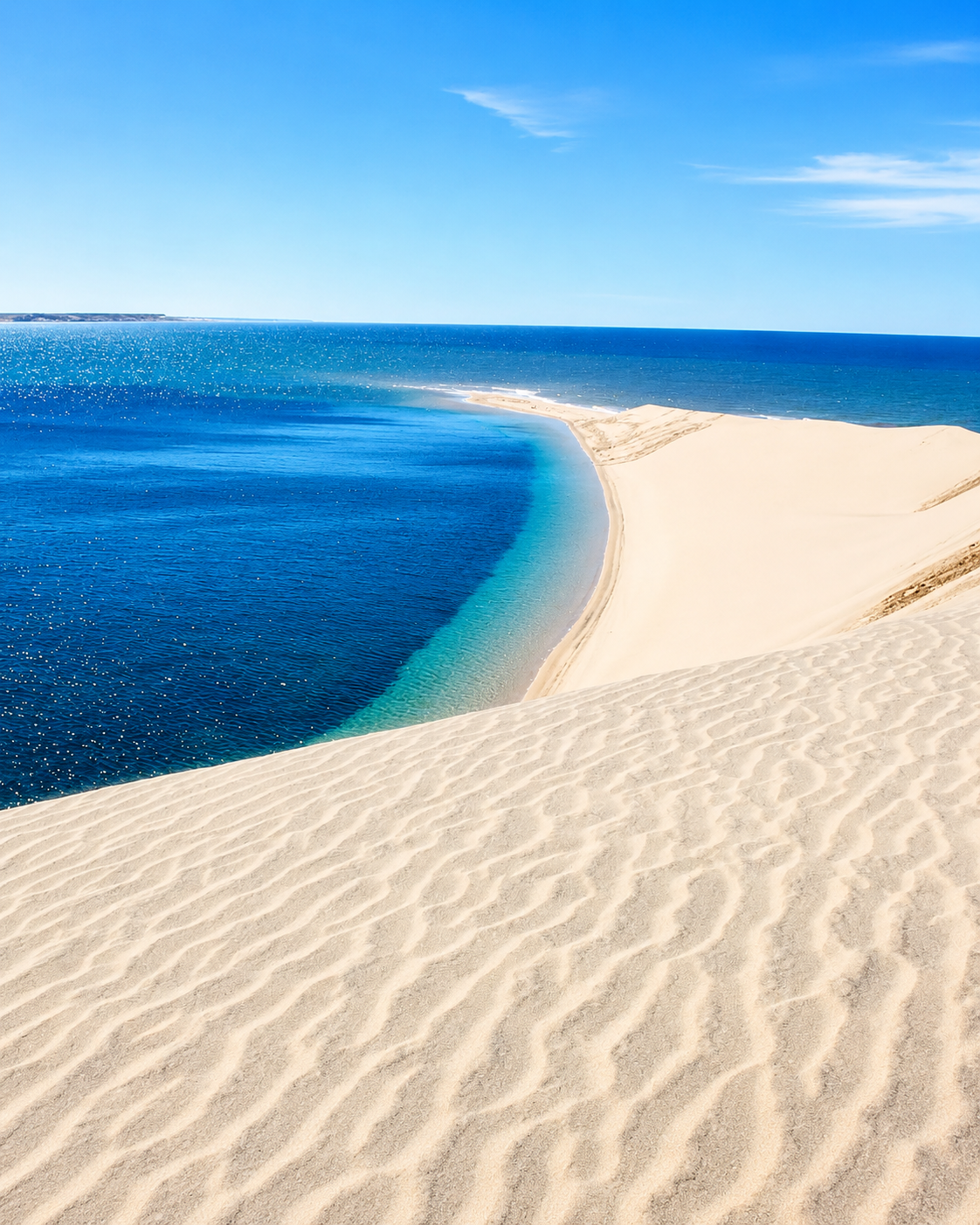
Pale sand and blue water in the Dragon Island lagoon landscape near Dakhla

Map orientation

Use the map first to place the island inside Dakhla Lagoon, between open water, sandbanks and the city context that gives the visit its practical base.

Editorial reading

Its beauty is spatial, not decorative.

Dragon Island is most powerful when seen as part of a wider system. The island itself is simple; the setting is complex. Pale sand cuts against blue water, wind alters the surface, and the desert horizon prevents the view from becoming small.

That is why the place should not be reduced to a quick photo stop. The stronger reading comes from understanding how shallow water, sand, sky and weather work together. The view is beautiful because the relationships are clear.

Look first for edges. The meeting of sand and water is the island's main line. Then look for tone: turquoise shallows, deeper blue, cream-coloured dunes, sunlit ridges and the slight haze that often softens distance in Dakhla.

The best visit keeps movement in mind. Boats, boards, kites and wind belong to the wider lagoon culture, but the island itself asks for calm. It should be approached with care, local guidance and attention to conditions.

Dragon Island also rewards a slower camera. A wide frame explains the geography; a closer frame records texture. Between those two scales, the island becomes less like a symbol and more like a precise Dakhla landscape.

Read it as a natural place under pressure from attention. Keep footprints light, avoid litter, respect wildlife if present, and let local conditions decide the rhythm of the visit.

Natural and place orientation

Read the island through wind, tide and lagoon scale.

Dragon Island is best understood as a natural lagoon landmark rather than a formal monument. Its meaning comes from position: a sandy islet inside Dakhla's water landscape, close enough to feel accessible, open enough to make the visitor aware of weather, tide, distance and exposure.

01Place type

Lagoon islet

The site is a low natural island within the Dakhla Lagoon setting. Its identity comes from sand, waterline, wind and the open relationship between desert and Atlantic coast.

02Dakhla context

Peninsula and bay

Visit Dakhla describes the city as lying on a long Atlantic peninsula forming the Bay of Rio de Oro. Dragon Island belongs to that larger geography of water, sand and coastal movement.

03Visitor rhythm

Weather-aware access

The island should be approached as a lagoon excursion shaped by local conditions. Wind, tide, visibility and operator judgement matter more than fixed assumptions made before arrival.

04Care

Fragile simplicity

Because the place looks open and empty, its fragility can be underestimated. Sand edges, shallow water, birdlife when present and the quietness of the setting all ask for a light footprint.

A visual bridge

Three readings between sand, water and wind

Before Dragon Island becomes a photograph, it is a relationship between water depth, sand profile and moving air. These three readings help visitors slow down and understand why the island feels simple at first, then quietly layered.

01

Waterline

The edge does the talking

The island's main visual grammar is the meeting of pale sand and lagoon water. That edge changes with light and tide, so the same outline can feel sharp, soft, near or distant.

  • Read the curve where sand meets water.
  • Notice turquoise shallows against deeper blue.
  • Let the wide view explain the island first.
02

Wind

Movement across a quiet place

Dakhla is strongly associated with wind and water activities, but Dragon Island itself is best read calmly. Wind marks the water, shapes sand texture and gives the horizon its restless energy.

  • Watch the surface before stepping forward.
  • Use local advice when conditions shift.
  • Keep distance from sensitive areas.
03

Looking

Distance before detail

The strongest visit begins with the whole lagoon. Distance shows why the island matters; closer attention reveals ripples, sand texture, shells, footprints, haze and the subtle shifts that make the scene feel alive.

  • Start with the full lagoon frame.
  • Move slowly across open sand if access is allowed.
  • Use photographs to remember scale, not to rush it.

Quick orientation

Type of place

A sandy lagoon islet and natural viewpoint in the Dakhla Lagoon area, best understood through water, wind, sand and open Atlantic-Sahara light.

Landscape context

The island sits within Dakhla's lagoon geography, where a long Atlantic peninsula, shallow water, sandbanks and desert exposure shape the visitor experience.

Best for

Lagoon views, calm nature travel, careful photography, water-and-desert contrast, wind culture context and a slower reading of Dakhla beyond the city.

Closest city context

Dakhla is the practical base and editorial gateway for Dragon Island, lagoon excursions, water sports, oysters, beaches and southern Atlantic travel.

What visitors experience here

A landscape that changes with light and water.

Dragon Island works in stages. First comes the shape: a low pale form surrounded by blue. Then come the edges: shallow water, sand curves, wind marks and the feeling that the whole lagoon is moving even when the island seems still.

Arrival

The island as silhouette

From a distance, Dragon Island reads as a simple line in the lagoon. That restraint is part of its authority: the eye understands the whole shape before it starts separating sand, shore and water.

Water

Blue in several depths

The lagoon is not one colour. Shallow areas can turn pale and transparent, while deeper water holds stronger blue. Those bands make the island feel mapped by light.

Wind

A visible force

Wind is part of Dakhla's identity. Around Dragon Island it appears in small surface changes: moving water, lifted sand, tilted kites in the distance and a horizon that never feels static.

Sand

Texture before drama

The details are quiet: ripples, soft ridges, wet edges, footprints and the slight change in tone where dry sand meets damp shore. The island rewards attention rather than spectacle.

Viewpoint

Dakhla from another angle

The island gives visitors a different reading of Dakhla: less city, more lagoon; less road, more water; less fixed itinerary, more weather-aware rhythm.

Pace

A slower kind of visit

The place loses meaning when treated as a checkbox. The better visit gives time to the changing edge, the sound of wind, the bright water and the quiet scale of the bay.

Place details and orientation

Read Dragon Island through six defining elements

No single detail explains the island. Its meaning comes from the relationship between sand profile, shallow water, wind, desert light, open viewpoints and Dakhla's wider lagoon culture.

1
Sandy island profile

The low pale outline gives Dragon Island its recognisable character and explains why a wide view is stronger than a tight crop.

2
Shallow lagoon edge

The island's edge is read through water colour, wet sand and shifting tone rather than through built boundaries.

3
Wind horizon

Dakhla's wind culture gives movement to the setting, from rippled water to distant kites and changing surface patterns.

4
Desert-water contrast

The force of the place comes from a rare visual meeting: Sahara-coloured sand beside clear Atlantic lagoon water.

5
Open viewpoints

Dragon Island is best understood from positions that keep the wider lagoon in view, because scale is the main story.

6
Dakhla base

The city gives the island its practical context: local operators, lagoon orientation, water activities and onward travel planning.

Island, not scenery

The place asks for a careful eye.

Stand back before focusing on detail. The first lesson is spatial: a small island held inside a much larger lagoon. The outline matters because it shows how water, sand and wind organise the view.

Then look closer. The texture is not loud: fine sand, wet margins, water transparency, surface ripples and slight changes in colour. This is where the visit becomes more than a viewpoint.

Keep Dakhla in mind as you look. Dragon Island is not isolated from the city, the peninsula or the wider Atlantic coast. It is one clean, memorable point inside a broad southern landscape.

Landscape intelligence

Wind and tide are part of the design.

The visual character of Dragon Island is not a style effect. It comes from natural relationships: sand holding shape, shallow water revealing colour, wind changing texture and light flattening or sharpening distance across the lagoon.

That intelligence is easy to miss because the island looks simple. But the simplicity is the point. Visitors who pay attention to edges, depth, exposure and movement understand Dakhla more clearly than those who arrive only for a quick frame.

What to notice slowly

  • Look at the whole island outline before focusing on sand texture or water detail.
  • Notice where the lagoon shifts from transparent turquoise to deeper blue.
  • Read wind as a visible force across water, kites, haze and sand ripples.
  • Keep the peninsula and wider bay in view; the setting is part of the meaning.
  • Move only where local access and conditions make it appropriate.
  • Leave no litter and avoid disturbing birds or quiet natural areas if encountered.

Visual reading

Three lagoon languages to notice

Line and outline

Dragon Island speaks first through outline: a pale form drawn against water. The line is quiet, but it controls the whole view.

Surface and depth

Water colour gives clues to depth, sandbanks and movement. The lagoon becomes readable when the visitor watches tone rather than only brightness.

Scale and restraint

The island is small inside a very large setting. Its best visual language is restraint: space, horizon, silence and a careful distance from fragile edges.

Visual atmosphere

Blue water, pale sand and moving air

From distance to detail

Start with the whole island and lagoon outline, then move closer to read wet sand, water bands, ripples and small marks left by wind. The shift from wide view to fine texture is essential.

From sand to sky

The strongest visual contrast is not artificial colour, but the meeting of pale sand, clear water and open southern sky. The same shore can feel bright, soft, sharp or almost abstract depending on light and wind.

From photo to memory

The image is beautiful, but the deeper memory comes from connecting it to weather, silence, water movement and the sense of Dakhla as a place between desert and ocean.

Nearby places and onward links

Connect Dragon Island to the wider Dakhla journey

Dragon Island belongs to a broader Dakhla itinerary. The city gives the clearest practical base, while the wider region opens toward lagoon travel, Atlantic beaches, desert landscapes and southern Morocco planning.

Dakhla

The closest city context for Dragon Island. Use it to frame lagoon excursions, water sports, oysters, beaches and the southern Atlantic-Sahara setting.

Open Dakhla city guide

Southern Morocco, Oases & Sahara

The regional home for desert-edge travel, Atlantic-Sahara landscapes, oases, southern routes and the visual scale of Morocco's south.

Explore the region

Visit Morocco places

Continue through lagoons, dunes, beaches, valleys, kasbahs, caves, monuments and natural heritage places beyond the city guides.

Browse Visit places

Nature and coast themes

Use the Themes section to connect Dragon Island with Morocco's coastal landscapes, desert light, ecology, craft, food and cultural routes.

Browse themes

Plan your journey

Treat Dragon Island as a weather-aware lagoon visit, not a fixed urban stop. Build time for local advice, conditions and a slower Dakhla rhythm.

Plan your journey

Stories from Morocco

Use the Stories section for richer cultural reading around place, memory, landscapes, water, wind and the human rhythm behind travel.

Read stories

How to visit respectfully

Good behaviour protects the quiet.

Dragon Island is open, bright and visually tempting, which makes respectful behaviour simple but important. Follow local guidance, pay attention to wind and tide, keep noise low, and avoid treating the island as an unlimited playground just because it looks empty.

Respect also means caring for a fragile natural surface. Do not leave litter, disturb birds or wildlife if present, damage vegetation or sand edges, or push into areas where local operators advise caution. A slower visitor sees more and harms less.

  • Use local guidance for access, weather, tide and appropriate landing or walking areas.
  • Ask clearly before photographing guides, operators, other visitors or local workers.
  • Keep footprints light and take all litter back with you.
  • Protect yourself from sun, wind and exposed light without rushing the place.
  • Check current access and operator conditions close to travel.

A strong first visit

Begin with orientation from Dakhla. Understand where the island sits in relation to the lagoon, the peninsula and the wider Atlantic-Sahara coast before focusing on the close-up beauty of sand and water.

If you visit by boat, kayak, paddleboard or another local excursion, let conditions guide the rhythm. Wind can make Dakhla spectacular, but it also makes timing and judgement important. The right pace is calm, observant and flexible.

Once near the island, keep the first frame wide. Notice the outline, then the waterline, then the sand texture. This sequence gives the visit structure and prevents the island from becoming only a quick social-media image.

Afterward, connect the visit back to Dakhla itself. The city context helps the island feel less isolated and more like part of a wider lagoon culture shaped by water sports, fishing, seafood, desert light and coastal travel.

  • Start from Dakhla's lagoon orientation, not only from the photo opportunity.
  • Keep the island's full outline and surrounding water in view first.
  • Move only where access is appropriate and conditions are safe.
  • Leave space for local operators, other visitors and natural quiet.
  • Finish by connecting Dragon Island back to Dakhla and the wider southern region.

Careful planning note: wind, tide, access, prices and excursion availability can change. Verify practical arrangements locally before travelling.

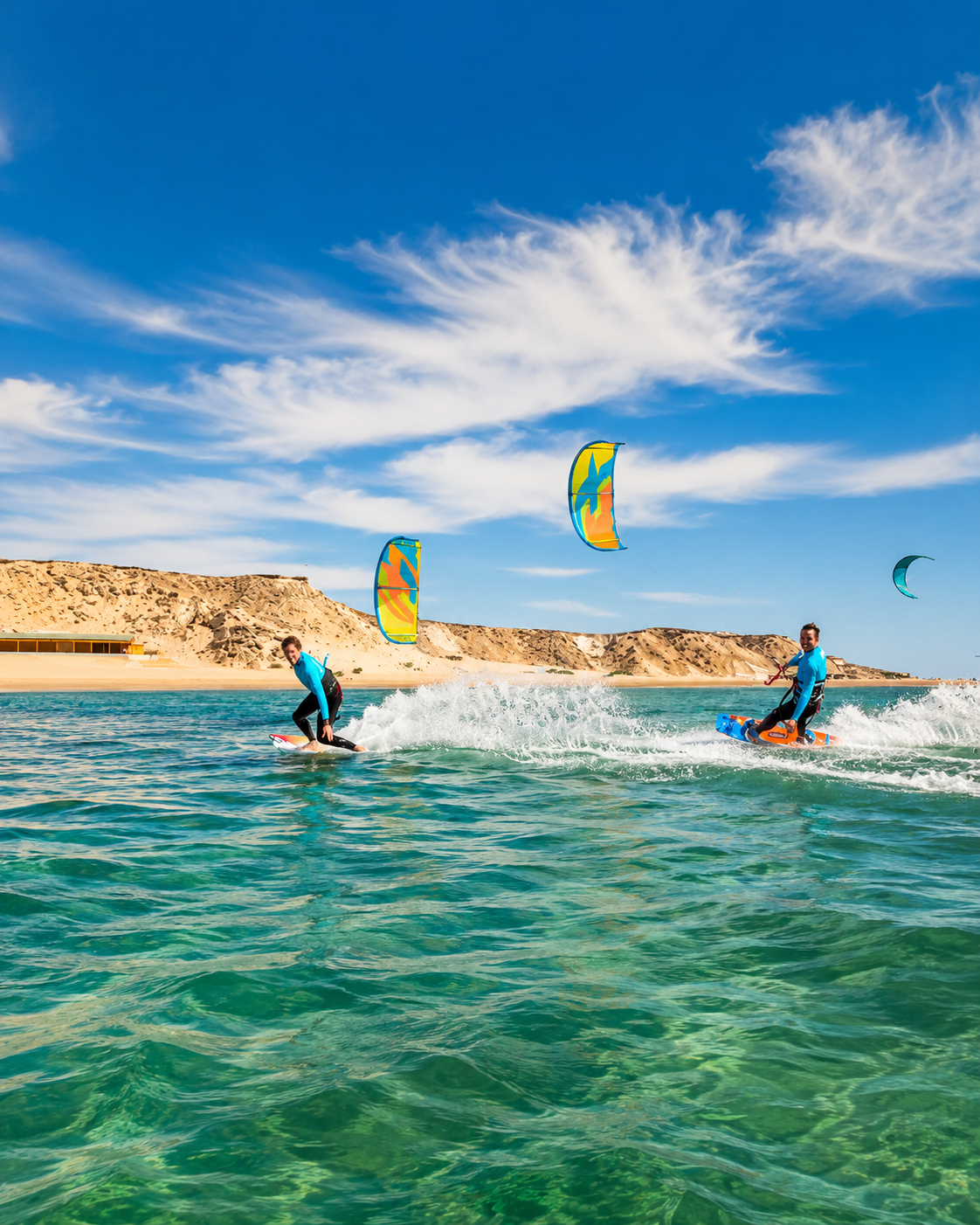
Kitesurfers on clear lagoon water near Dakhla, the city gateway for Dragon Island

Go deeper through the nearest city context

Dakhla - the city gateway to Dragon Island

Dragon Island belongs naturally inside a wider Dakhla journey. The city gives visitors the strongest base for reading the lagoon: water sports, boat trips, seafood culture, beaches, desert edges and the rare visual meeting of Atlantic water and Saharan sand.

Use Dakhla to widen the context after the island itself. The island becomes more meaningful when it is treated as part of a living lagoon destination rather than a detached viewpoint.

Lagoon orientationDakhla city context Water sports and wind cultureBeaches and sandbanks Seafood and oyster contextSouthern Atlantic routes

Continue the journey

Continue from Dragon Island into the Dakhla lagoon journey.

Read the island slowly, then connect it to Dakhla, the lagoon, Atlantic water, Saharan light and the wider southern Morocco map.