
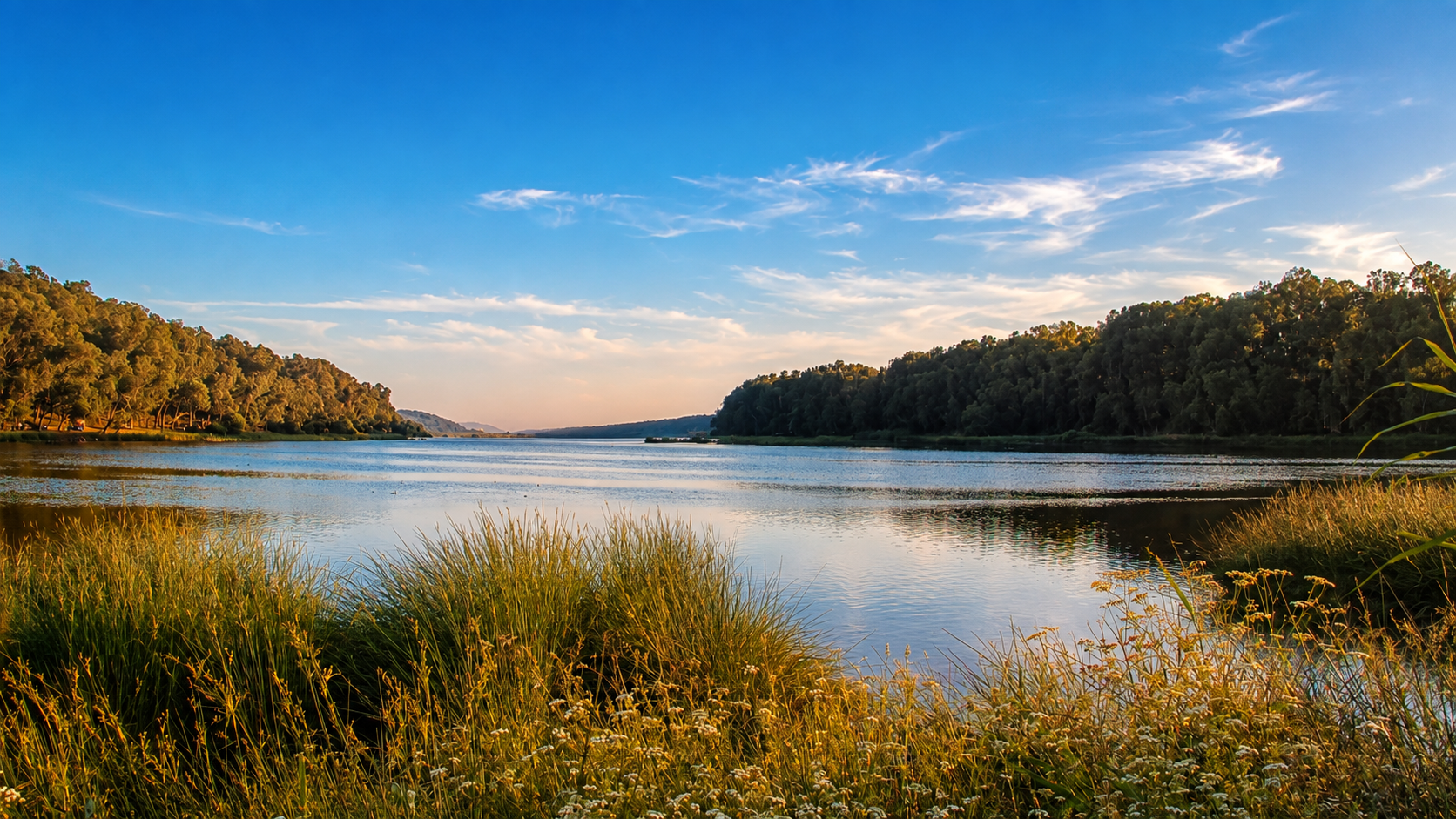
Sidi Boughaba Reserve lagoon with reeds, open water, forest edges and warm late-day light near Kenitra

Visit / Place · Kenitra · Atlantic wetland

Sidi Boughaba Reserve A Ramsar wetland of lagoon light, reeds, forest and Atlantic calm

Sidi Boughaba Reserve protects a narrow lake and wooded wetland edge near Kenitra and Mehdia, where birdlife, reeds, water and coastal light create one of the region's most accessible nature pauses.

Begin with the whole lagoon before looking for detail. The reserve is strongest when water, reeds, forest, dune edge and quiet observation are read together rather than rushed as a quick roadside stop.

Why Sidi Boughaba matters

A wetland before it is a picnic view.

Sidi Boughaba matters because it is one of the clearest wetland landscapes in the Kenitra coastal orbit: a natural lake held close to the Atlantic, framed by reeds and woodland, and close enough to the city to be visited without turning the day into a long expedition.

Reliable regional tourism material identifies Sidi Boughaba as a Ramsar site and a biological reserve, with a natural lake bordered by forest on the edge of the Atlantic. That status should shape the way visitors read the place: this is not simply open scenery, but a protected habitat where water, vegetation and birds are the central story.

The reserve is also important because it gives Kenitra a softer ecological counterpoint. The city, Mehdia, the Sebou mouth and the Atlantic coast all sit nearby, yet the lagoon slows the rhythm down. Its value is in the transition from urban movement to quiet observation.

For visitors, the strongest experience is visual and ecological at the same time. The lake surface, reed line, shaded edges and passing birds create a landscape that feels simple at first, then more precise when you stay long enough to notice movement, sound, distance and seasonal change.

The place asks for restraint. Wetland project material highlights visitor pressure as a management concern, so good behaviour is not decoration around the visit. Keeping distance from birds, staying on clear paths and carrying waste out are part of seeing the reserve properly.

Core nature facts are checked against Visit Rabat & Region, the Mediterranean Alliance for Wetlands project summary and Birdingplaces orientation notes. Practical access, centre activity and route details should be checked close to travel.
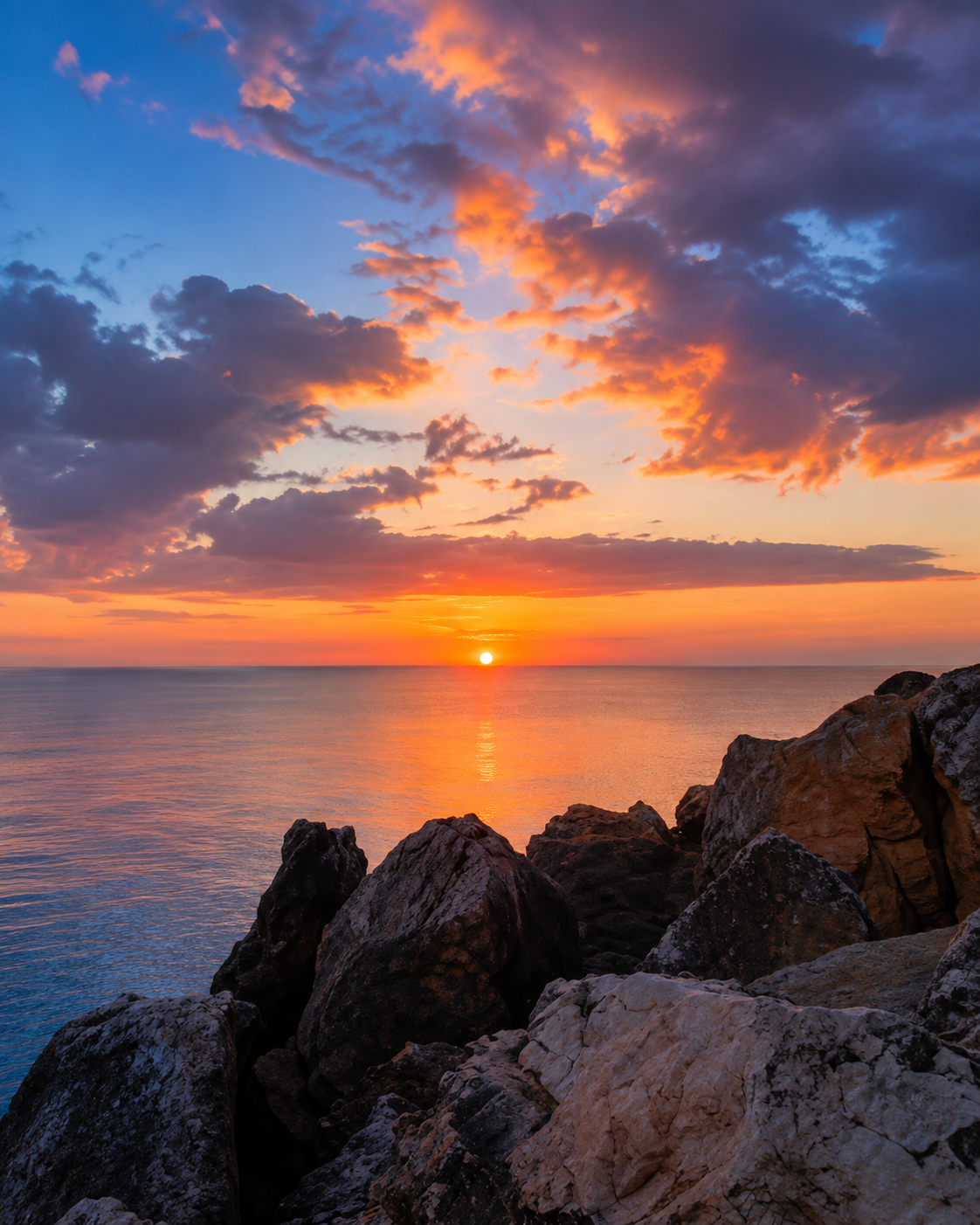
Kenitra Atlantic coast at sunset, used as the city and coastal context for Sidi Boughaba Reserve

Map orientation

Use the map first to place the lake between Kenitra, Mehdia and the Atlantic edge, then read the visit as a short city-to-wetland transition.

Editorial reading

Its beauty is quiet because its structure is ecological.

The reserve does not announce itself through monuments. Its force comes from a low sequence of water, reeds, forest and sky. The eye first sees calm, then begins to read habitat: where birds keep distance, where reeds thicken, where trees darken the edge, and where the Atlantic light opens the horizon.

That is why Sidi Boughaba rewards patience. A fast visit may see a lake; a slower one sees how the wetland is organised. Open water gives space, reed belts protect the margins, woodland cools the path, and the dune-side setting explains why this landscape feels so different from the nearby city streets.

The most useful reading keeps two ideas together: accessibility and fragility. The reserve is easy to reach, but that ease can create pressure. Visitors should not confuse a calm landscape with an endlessly resilient one.

Look across the water before approaching the edge. Distance protects birds and improves the view. The strongest photographs often come from restraint: wide water, low vegetation, reflected sky and enough space for the place to remain itself.

Listen as well as look. In a good visit, the soundscape is part of the design: wind in reeds, small movement in trees, water texture and the quieter rhythm that appears when groups keep their voices low.

Read Kenitra through the reserve too. Sidi Boughaba expands the city story beyond streets and facades, showing how Atlantic geography, wetland habitat and urban access can belong to the same day.

Leave with the whole system in mind. Lagoon, forest, birds, dune edge, visitors and management pressure are not separate details. Together they explain why this place deserves more than a casual stop.

Natural and heritage orientation

Read the reserve through water, protection and care.

Sidi Boughaba is best understood as a protected wetland landscape rather than a city park. Public sources identify it as a Ramsar site with a natural lake, forest edges and important bird habitat, while recent wetland-management material stresses biological-reserve protection and the need to manage visitor pressure carefully.

01Place type

A protected wetland

The site is a lake and wetland reserve near Kenitra and Mehdia. Its identity comes from water, reeds, woodland, birds and Atlantic proximity rather than from a single viewpoint.

02Water and forest

Lagoon edge and wooded shelter

Regional tourism material describes a natural lake bordered by forest on the Atlantic edge. The wooded frame gives the reserve shade, enclosure and a calmer rhythm than the nearby coast.

03Bird habitat

A place for quiet watching

Birding references point to wetland species such as white-headed duck, red-knobbed coot and purple swamphen. Visitors should treat birdlife as a reason to slow down, not to push closer.

04Conservation

Pressure is part of the story

Current wetland-management material notes visitor pressure as a concern. The practical lesson is simple: stay on clear paths, reduce noise and avoid disturbing nesting or resting areas.

A visual bridge

Three readings between lagoon, forest and Atlantic light

Before Sidi Boughaba becomes a photograph, it is a relationship between water, vegetation and coastal weather. These three readings help visitors slow down and understand why the reserve feels calm without becoming empty.

01

Water

The lake as orientation

The lake gives the whole reserve its structure. Start with the water surface, then notice how reeds, tree shade and bird movement arrange themselves around it.

  • Read reflections before details.
  • Watch the quiet edges from a distance.
  • Let the water line set the pace of the visit.
02

Edge

Reeds, forest and dune shelter

The reserve becomes most interesting at its boundaries: open water meeting reeds, reeds meeting trees, and trees meeting the Atlantic-side landscape.

  • Notice where habitat changes texture.
  • Keep to paths around sensitive margins.
  • Connect shade, wind and bird movement.
03

Looking

Distance before closeness

The best visitor rhythm starts wide. Distance keeps wildlife calmer and gives the eye enough room to understand the lagoon as a complete landscape.

  • Begin with the full water view.
  • Move slowly along the edges.
  • Use patience as part of the visual method.

Quick orientation

Type of place

A Ramsar wetland and biological reserve near Kenitra and Mehdia, best understood as a protected lagoon landscape rather than a general leisure park.

Landscape context

The reserve sits in Morocco's Atlantic coastal zone, where lake water, reeds, woodland, dune influence and urban access meet in a compact setting.

Best for

Slow walking, birdwatching, water reflections, forest-edge photography, quiet nature time and a more careful reading of the Kenitra coast.

Closest city context

Kenitra is the strongest city base, with Mehdia providing the immediate coastal context and Rabat-Sale-Kenitra giving the wider regional frame.

What visitors experience here

A reserve that becomes richer when you slow down.

Sidi Boughaba works in quiet stages. First comes the wide lake and its clean horizon. Then the eye begins to separate reeds, trees, open water, bird movement and the Atlantic brightness that changes the surface through the day.

Arrival

The first water line

The arrival feels gentle because the lake opens the space immediately. It gives visitors a clear orientation point before the smaller details of reeds, shade and birds begin to matter.

Light

Sky across a low lake

The reserve is visually strongest when light is allowed to stay natural. Blue water, gold reeds, green edges and soft cloud reflection give the place a calm palette without heavy contrast.

Movement

Edges and short paths

The walking rhythm is simple: follow clear edges, pause often, and let the habitat open gradually. This is not a place that benefits from rushing from point to point.

Texture

Reeds, bark and sand

The detail is tactile rather than ornamental. Look for dry reed heads, rough trunks, low grasses, water ripples and the way coastal dust softens the colour of the path.

Birdlife

Watching from respectful distance

Birds are part of the reserve's identity, but they should not be treated as close-up props. Binoculars, patience and distance produce a better visit than pushing into sensitive edges.

Pace

A slower city escape

The reserve works well as a quiet contrast to Kenitra and the coast. Its value is not in filling the day, but in changing the visitor's speed for an hour or two.

Place details and orientation

Read Sidi Boughaba through six defining elements

No single feature explains the reserve. Its meaning comes from the relationship between lake water, reed margins, wooded shelter, bird habitat, coastal weather and the responsibility created by easy access.

1
Narrow lake

The water body gives the reserve its main visual axis and creates the calm, horizontal composition visitors remember first.

2
Reed margins

Reeds are not background decoration. They are part of the wetland edge, where shelter, movement and sensitive habitat meet.

3
Wooded frame

Forest edges soften the Atlantic light, cool parts of the walk and make the lake feel more enclosed than the nearby beach landscape.

4
Bird observation

The reserve is valued by birdwatchers because water, reeds and open sightlines create conditions for watching wetland species without forcing closeness.

5
Kenitra connection

The city gives practical structure to the visit: arrival, food, accommodation and an urban contrast that makes the reserve feel more distinct.

6
Visitor pressure

Easy access is a gift and a risk. The reserve's calm depends on visitors keeping noise low, leaving no waste and respecting sensitive zones.

Wetland, not scenery

The place asks for a careful eye.

Stand back before moving along the edge. The first lesson is spatial: a lake held between vegetation, low landforms and Atlantic weather. That wider view explains the reserve more clearly than any single close-up.

Then move closer with restraint. Reeds, shade, bird movement and water texture make the place human in scale, but the sensitive margins should remain undisturbed. A careful visitor watches without pressing the habitat for a better photograph.

Look for the relationship between Kenitra and the lagoon. The reserve is close to urban life, but its character depends on quiet, light and distance. That contrast is what makes Sidi Boughaba feel like a true pause in the coastal map.

Landscape and ecological intelligence

Water and dune ecology are not decoration.

The visual character of Sidi Boughaba comes from ecological structure. Water gathers birds and reflection; reeds protect the margin; woodland holds shade and shelter; coastal weather changes the colour and texture of everything.

This is why the reserve should be read as a living system, not only a pleasant lake view. Beauty here depends on balance: enough water, enough quiet, enough vegetation, and enough visitor restraint for wildlife and habitat to remain present.

What to notice slowly

  • Start with the complete lagoon before focusing on individual birds or plants.
  • Notice where open water turns into reeds, and where reeds turn into shade.
  • Use binoculars or distance instead of pushing close to resting birds.
  • Read Kenitra and Mehdia as part of the reserve's access story.
  • Watch how wind changes the lake surface and reed movement.
  • Keep waste out of the reserve and avoid adding noise to sensitive edges.

Visual reading

Three landscape languages to notice

Horizontal water

Sidi Boughaba speaks first through the long calm of the lake. The low horizon makes the sky visible and gives birds enough space to become part of the landscape rather than isolated details.

Reed-edge habitat

The reed line is the reserve's most delicate visual boundary. It looks soft, but it is also where shelter, nesting pressure and visitor responsibility become easiest to understand.

City-to-coast threshold

The reserve sits between Kenitra, Mehdia and the Atlantic edge. Its meaning grows when visitors read it as a threshold between urban movement and protected wetland quiet.

Visual atmosphere

Light, water and quiet transitions

From distance to detail

Begin with the whole lake, then let the eye move toward reeds, grasses, bird silhouettes and tree shade. The shift from open water to fine edge detail is the reserve's most important visual movement.

From forest to sky

The strongest contrast is natural: dark green edges against open sky, reed gold against blue water, and warm coastal light changing the same view without forcing drama.

From photo to memory

The deeper memory comes from the slower senses: wind over reeds, quiet water, small bird movement and the relief of finding a protected landscape so close to the city.

Nearby places and onward links

Connect the reserve to the wider Atlantic coast map

Sidi Boughaba belongs to a clean Kenitra coast itinerary. Use the city as the base, Mehdia as the immediate coastal frame, and the wider Atlantic region for onward route planning.

Kenitra

The closest city context for Sidi Boughaba. Use it for arrival, food, accommodation and the urban rhythm that makes the reserve feel so quiet by contrast.

Open Kenitra city guide

Atlantic Coast & Historic Port Cities

The regional frame for coast, river mouths, port histories, city movement and Atlantic landscapes across Morocco's western edge.

Explore the region

Visit Morocco places

Continue through lagoons, reserves, beaches, caves, valleys, monuments and major landscapes beyond the city guides.

Browse Visit places

Themes

Use the Themes section to connect nature, coastal landscapes, heritage, cities and visual culture across the wider Exotic Morocco project.

Explore themes

Plan your journey

Treat Sidi Boughaba as a quiet route pause near Kenitra and Mehdia, not as a crowded checklist stop.

Plan your journey

Stories from Morocco

Use the Stories section for richer cultural and landscape reading around place, memory, cities, nature and the human rhythm behind travel.

Read stories

How to visit respectfully

Good behaviour protects the calm.

Sidi Boughaba is accessible enough to attract casual visits, especially from the Kenitra and Mehdia area. That makes respectful behaviour more important, not less. Move quietly, stay on clear paths, avoid disturbing birds and do not treat reed margins as shortcuts.

Respect also means understanding that wetlands can be fragile even when they look open and resilient. Do not leave litter, feed wildlife, push into sensitive vegetation, fly intrusive drones or turn a quiet reserve into a noisy social stop. A slower visitor sees more and harms less.

  • Use distance, patience and binoculars for birdwatching.
  • Keep sound low around water, reeds and wooded edges.
  • Stay on appropriate paths and avoid trampling vegetation.
  • Carry water and take every piece of waste back out with you.
  • Check current access, local guidance and centre activity close to travel.

A strong first visit

Begin with the open view of the lagoon so the reserve has a clear structure in your mind. Let the water line, reeds and forest edge settle before moving along the paths. This first pause changes the whole visit from sightseeing into observation.

Move slowly along the accessible edges and avoid pushing toward birds or dense reeds. The best rhythm is wide view, quiet pause, short walk, another pause. It is better to see fewer details well than to disturb the place trying to collect everything.

If you are coming through Kenitra, keep the route simple. Let the city handle the practical side of the day, then give the reserve a separate, quieter mood. Mehdia can add the Atlantic coast context after the lagoon.

Finish by looking back across the water. The reserve often makes most sense at the end, when reeds, forest, sky and city proximity start to read as one compact coastal system.

  • Start with the full lagoon before looking for individual bird activity.
  • Walk slowly and keep a respectful distance from sensitive margins.
  • Use Kenitra as the practical base and Mehdia as the coastal frame.
  • Do not rely on old opening, price or programme information without checking locally.
  • Leave the reserve quieter and cleaner than you found it.

Careful planning note: opening hours, centre programmes, access arrangements and practical facilities can change. Verify current details locally before travelling.

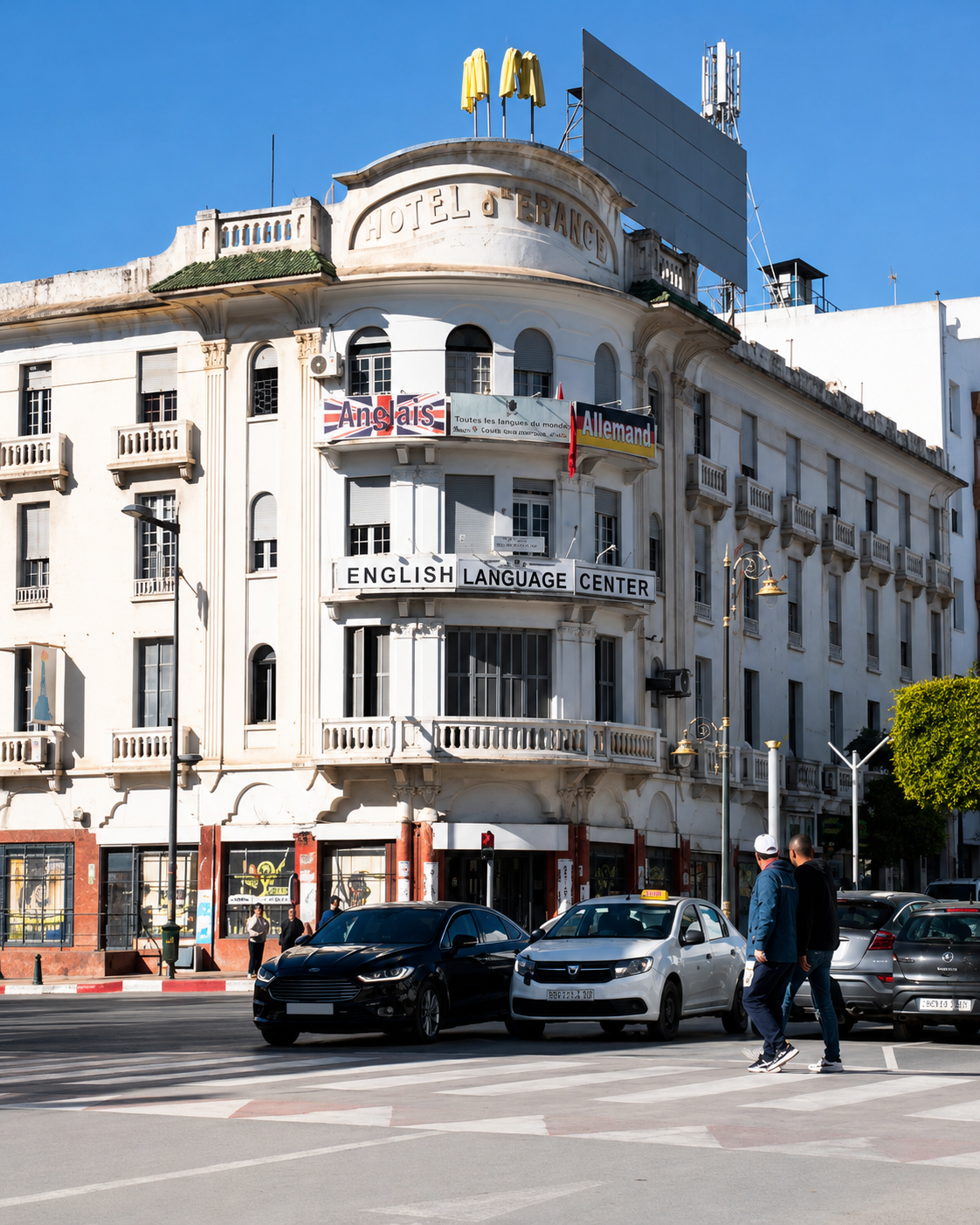
Historic Hotel de France facade in Kenitra, the closest city base for Sidi Boughaba Reserve

Go deeper through the nearest city context

Kenitra - the city base for Sidi Boughaba

Sidi Boughaba belongs naturally inside a wider Kenitra journey. The city gives visitors the practical base for reaching the reserve, while Mehdia and the Atlantic edge add coastal air, beach rhythm and a different kind of light after the lagoon.

Use Kenitra to widen the context after the reserve itself: city streets, river and coast connections, nearby Mehdia, and the larger Rabat-Sale-Kenitra region all help the wetland feel like part of a living coastal map rather than an isolated nature stop.

Kenitra city orientationMehdia coastal context Lagoon and wetland readingAtlantic route planning Practical travel structureNearby nature and city rhythm

Continue the journey

Continue from Sidi Boughaba into Morocco's Atlantic coast.

Read the reserve slowly, then connect it to Kenitra, Mehdia, coastal wetlands, Atlantic light and the wider nature map of Morocco.