Why Souss-Massa River matters
A river landscape before it is a view.
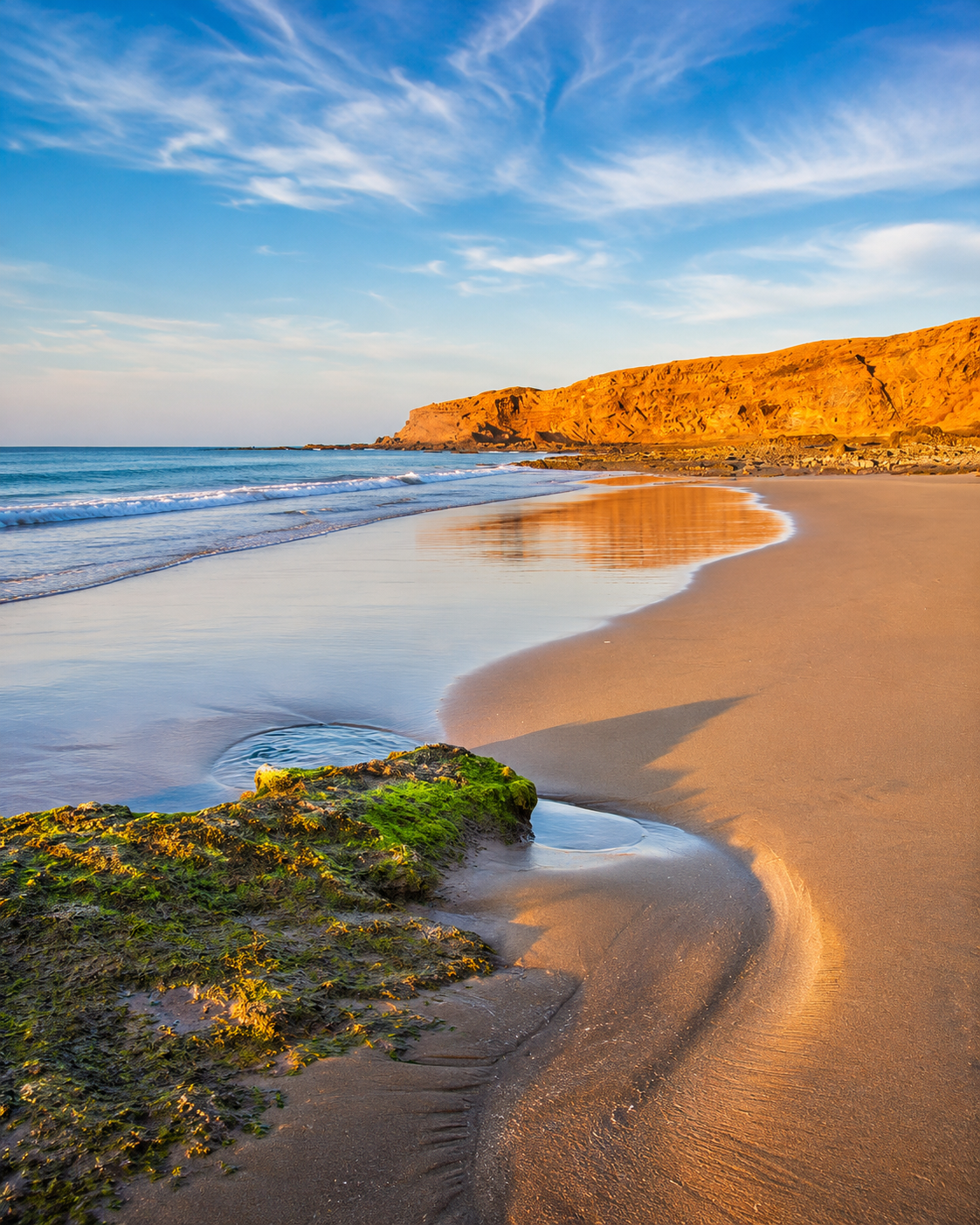
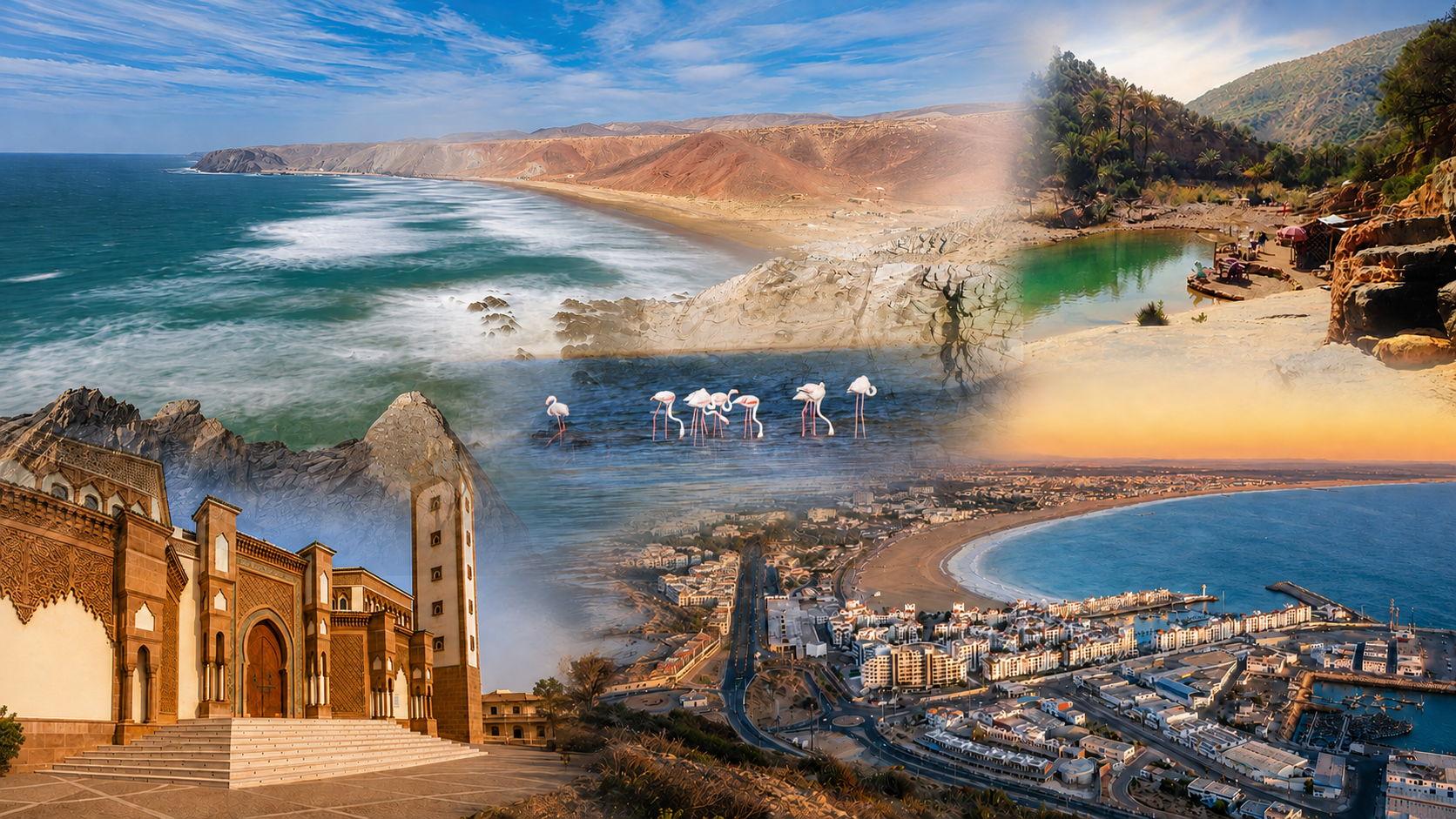
Souss-Massa is often understood through its national park, but the river experience begins with a simpler reading: water arriving inside a dry Atlantic landscape. Around Oued Massa, the coast, dunes, wetlands and open steppe meet in a way that makes the place feel both calm and ecologically important.
The official regional tourism account describes Souss-Massa National Park as a protected Atlantic coastal landscape between Agadir and Tiznit, created in 1991 and covering 33,800 hectares. It identifies two central aims for the park: safeguarding Saharan fauna and protecting the mouths of the Oued Souss and Oued Massa, major birdwatching areas in Morocco.
That context matters because the river is not isolated from the coastline around it. The value of the place comes from transitions: fresh water toward salt air, wetland toward sand, calm pools toward ocean movement, and open bird habitat toward nearby villages and routes.
Visitors should resist reading the site only as scenery. The deeper experience comes from noticing distance, quiet, wind, mud, reeds, cliffs, dunes and the way birds turn the landscape into a moving map. A good visit gives space to the place rather than pushing it into a rushed photo stop.
Agadir gives the strongest city context for many travellers, but the river itself asks for another pace. It belongs to a coastal conservation landscape where beauty is inseparable from restraint: keeping distance from wildlife, staying on appropriate paths, and treating the wetland as habitat before spectacle.
Core orientation is grounded in the Explore Agadir Souss Massa park presentation and the BirdLife Data Zone factsheet. Practical details such as guides, access and current conditions should be checked locally before travel.