Why Tafoughalt-Zegzel matters
A cave landscape before it is a viewpoint.
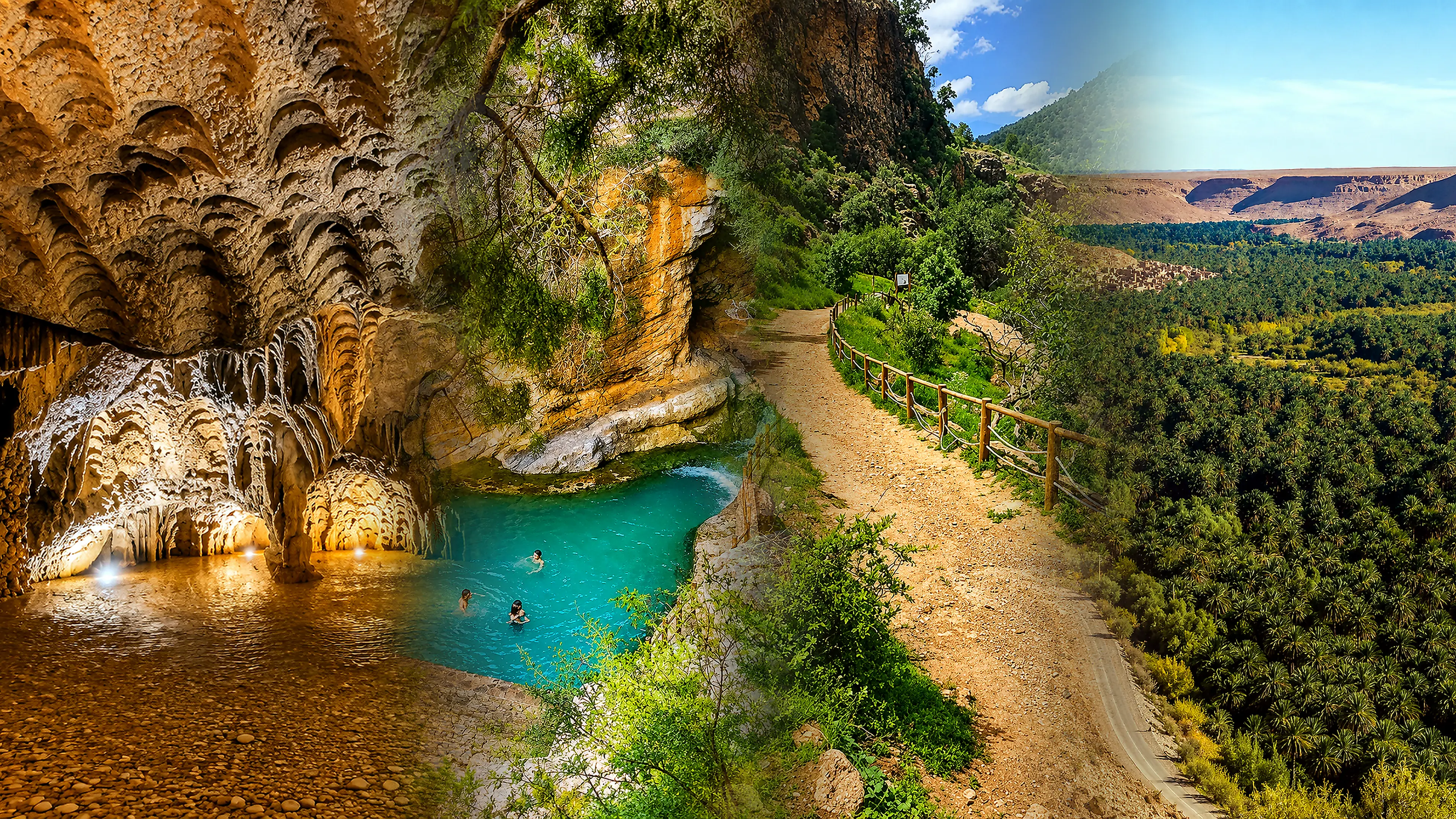
Tafoughalt-Zegzel is best understood as a linked cave and valley landscape around Tafoughalt village in eastern Morocco. The name draws attention to two readings at once: the cave heritage associated with Taforalt, also known as Grotte des Pigeons, and the green gorge system shaped by Oued Zegzel in the Beni Snassen Mountains.
Grotte des Pigeons matters far beyond a local scenic visit. Archaeological teams, including researchers connected with Oxford, INSAP and the Natural History Museum, describe Taforalt as a crucial North African prehistoric site. The cave has contributed evidence for Later Stone Age communities, early human burials and ancient DNA research that helps explain deep population histories in the region.
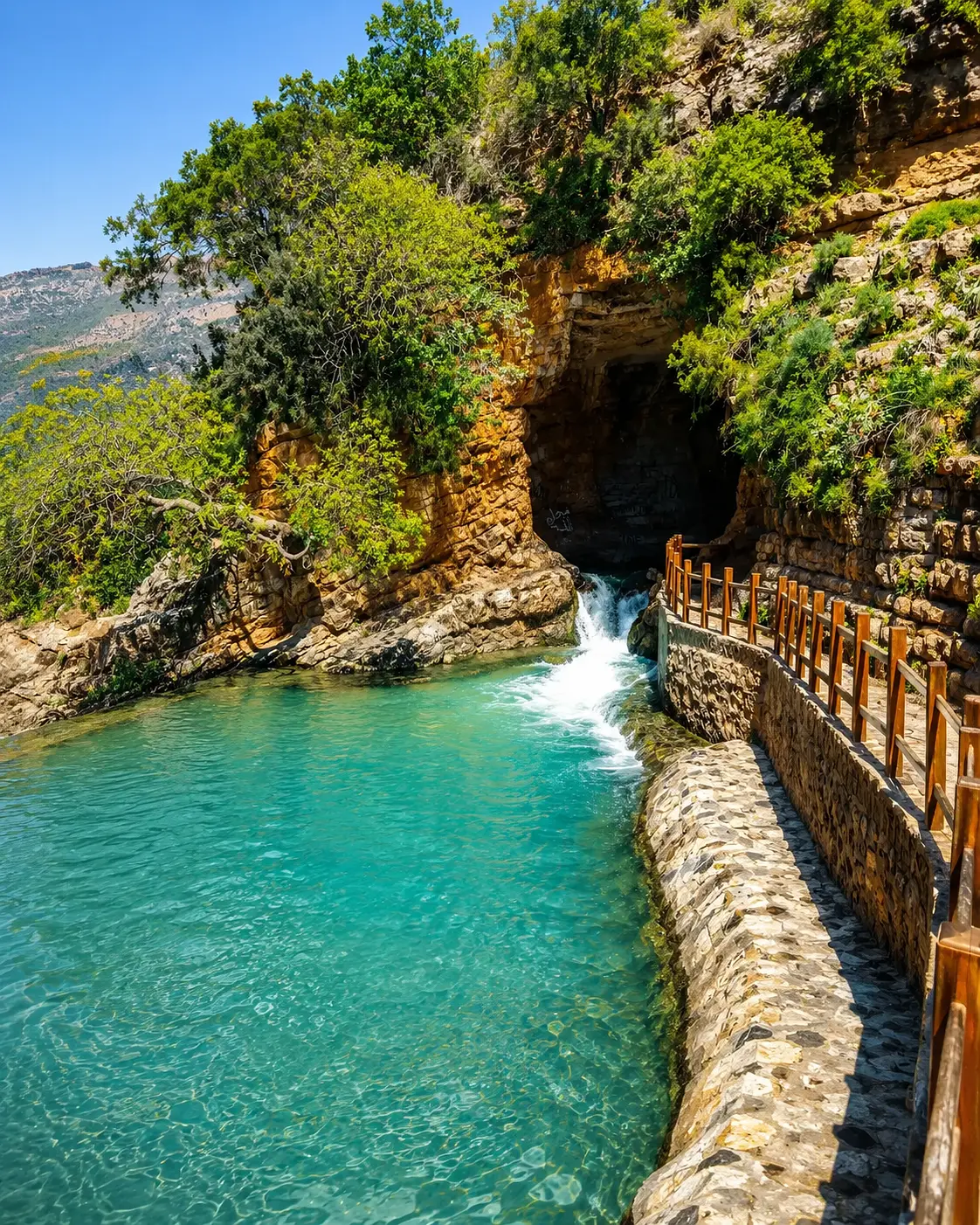
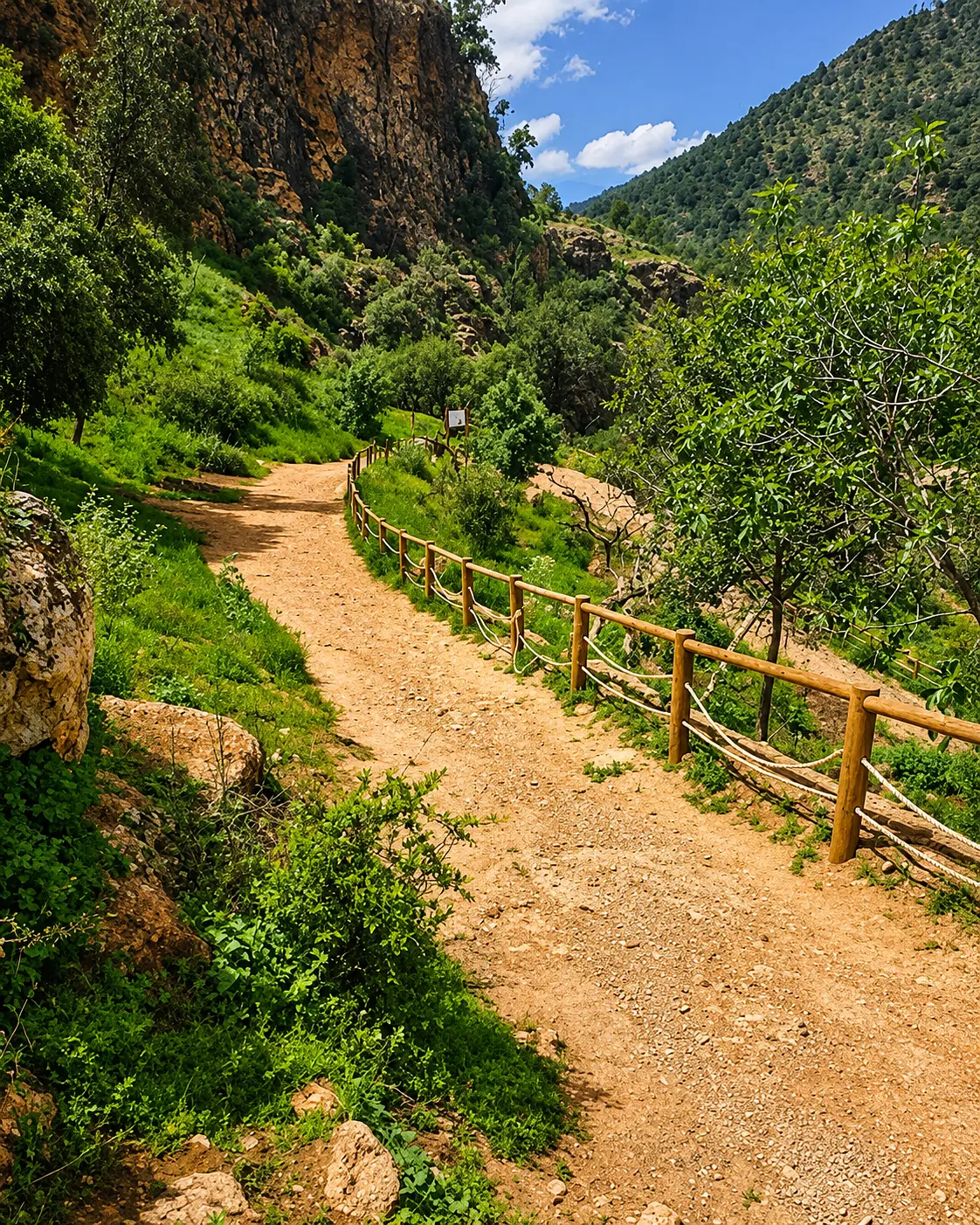
The valley matters differently. Zegzel is a place of limestone cliffs, narrow passages, vegetation and water-fed gardens. Regional tourism material describes the Oued Zegzel as the generous thread that gives the valley its green character, with orchards, terraced cultivation and mountain slopes making the landscape feel unexpectedly alive inside an otherwise rugged massif.
For visitors, the strongest experience comes from holding both meanings together. This is a place where natural form, archaeology, water and local mountain life meet. The cave is not only an interior, and the gorge is not only a pretty route: each gives context to the other.
Approach with a careful eye. Some archaeological areas may be protected, gated, guided or subject to changing access. It is better to verify locally, respect signs and read the setting slowly than to treat the caves as ordinary recreational chambers.
Core facts are grounded in the University of Oxford Taforalt fieldwork update, the Natural History Museum article on Grotte des Pigeons and regional Berkane material on Zegzel Valley and the Pigeon Cave. Practical access should be checked close to travel.