Fès
Architectural making joins several materials and kinds of expertise.


How material, technique and place meet in an object
Read regional craft identity through materials, making, provenance and use, with focused comparisons in Fès, Safi, Tétouan and Tiznit.
A craft signature is a recognisable relationship, not a guarantee stamped onto every object sold in a place. Material, technique, design, workshop practice and intended use can contribute to it. Makers travel, goods circulate and patterns are adapted. A regional name may refer to manufacture, style or a market category, and those meanings should not be confused.
This layer develops a way to look closely without turning regional craft into a fixed catalogue. Fès, Safi, Tétouan and Tiznit supply four settings in which to compare architectural making, ceramics, northern craft life and jewellery. The central question is what can be established about a particular piece. An object becomes more interesting when its actual work and context are known, even if it does not fit a simple regional label.
Begin with what is visible: form, surface, joints, weave or the arrangement of a pattern. Then distinguish the questions that require testimony or documentation, such as material composition, maker, date and provenance. A workshop, museum and shop offer different kinds of access to that information. The four city portraits form an analytical comparison; use Craft Routes when turning the interest into a practical journey.
Fès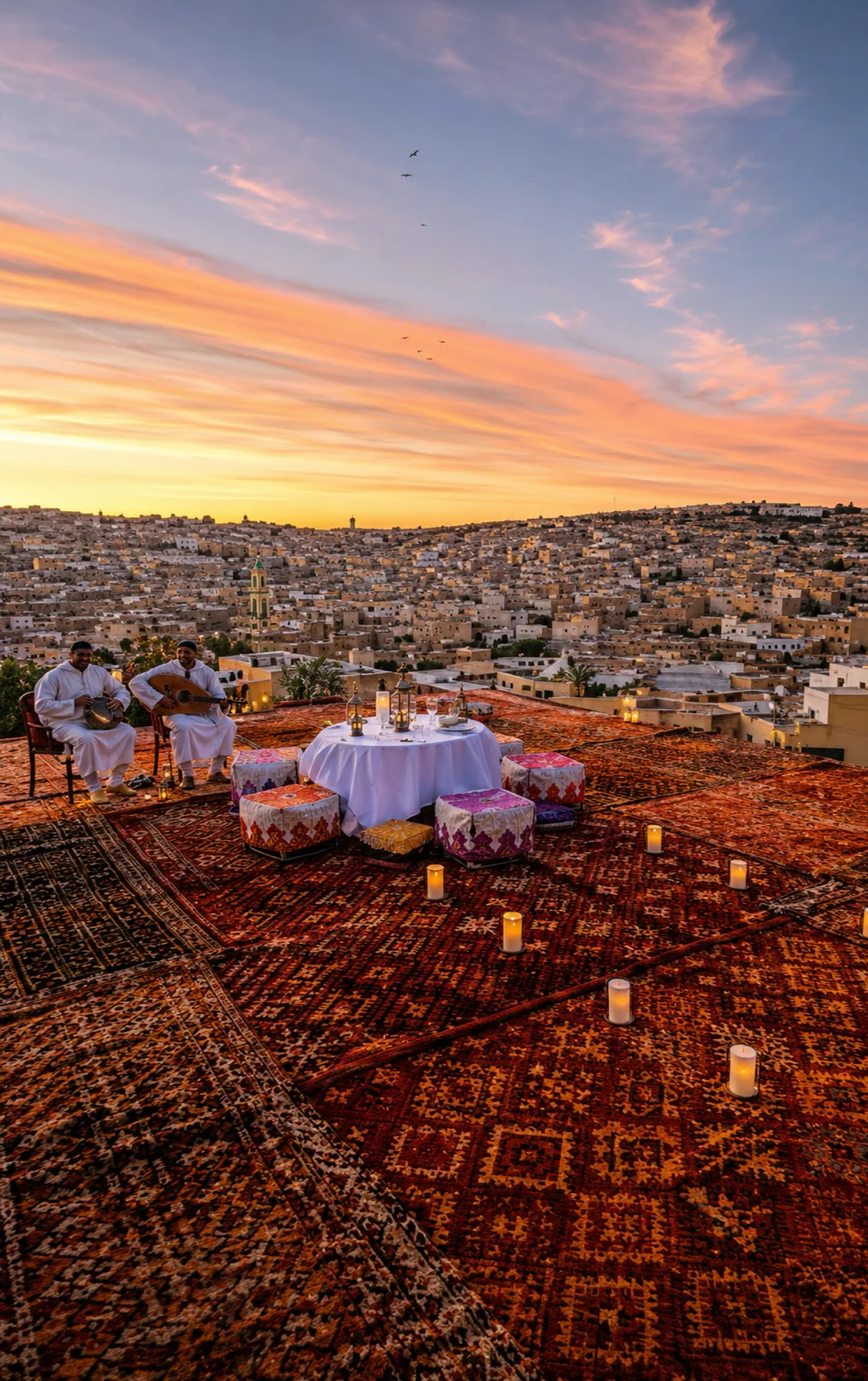 Fès
Fès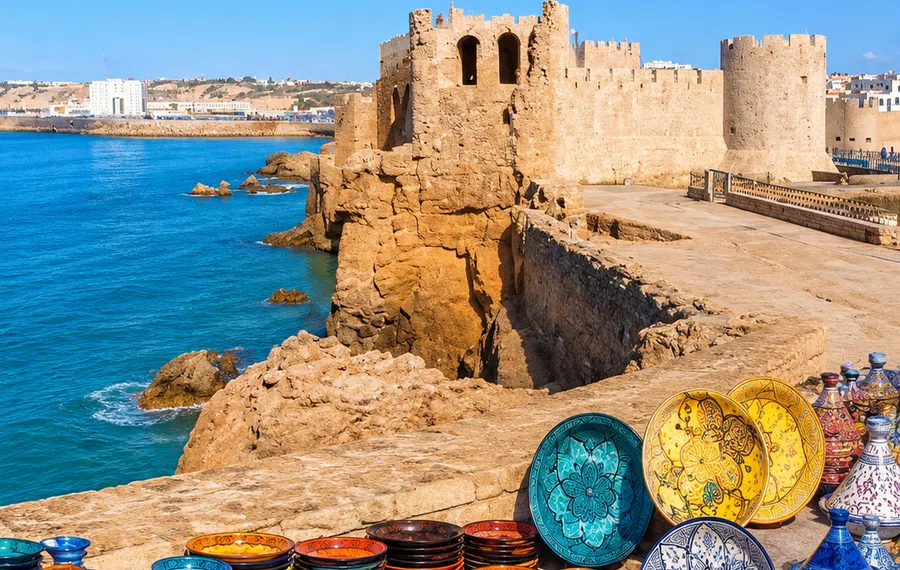 Safi
Safi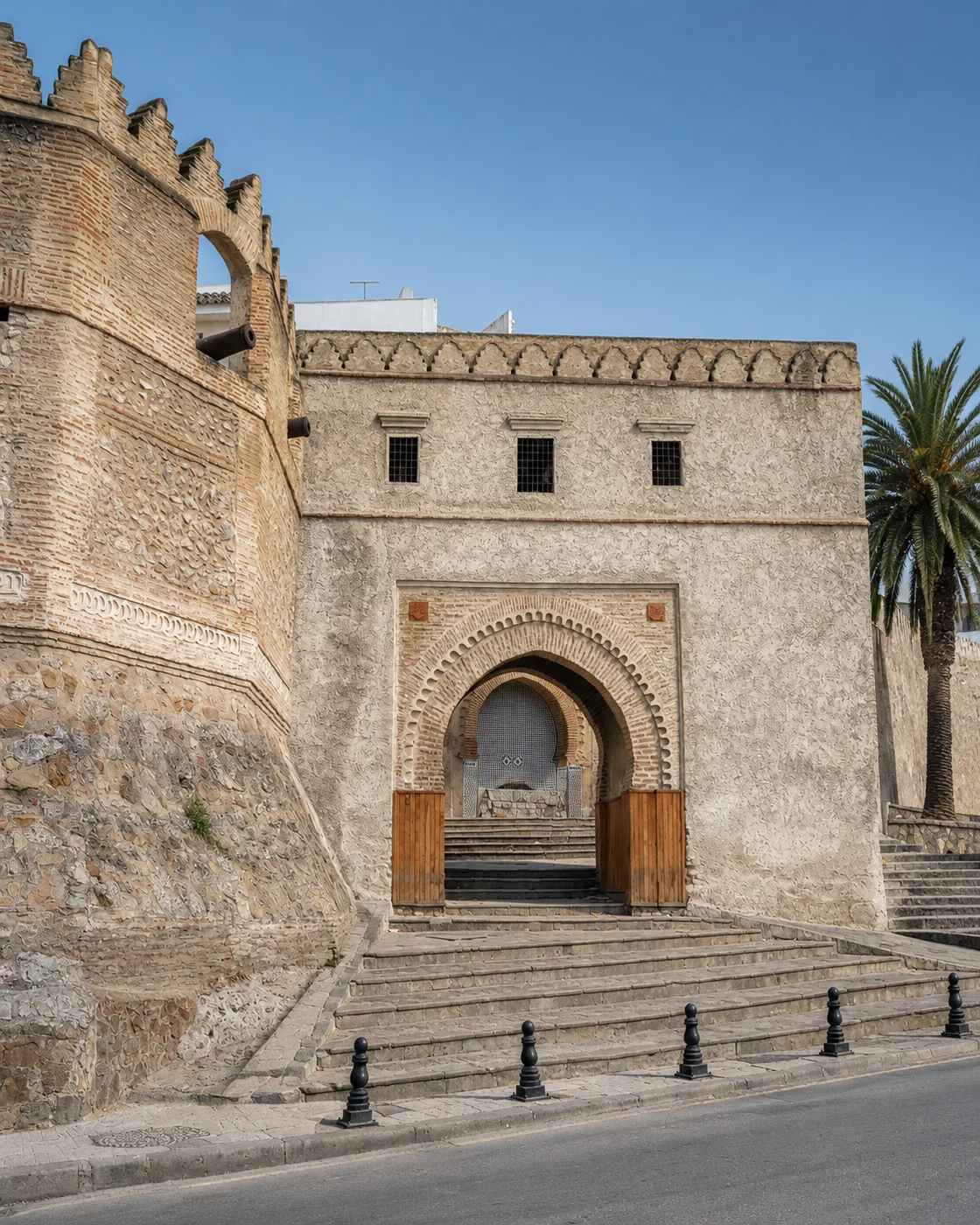 Tétouan
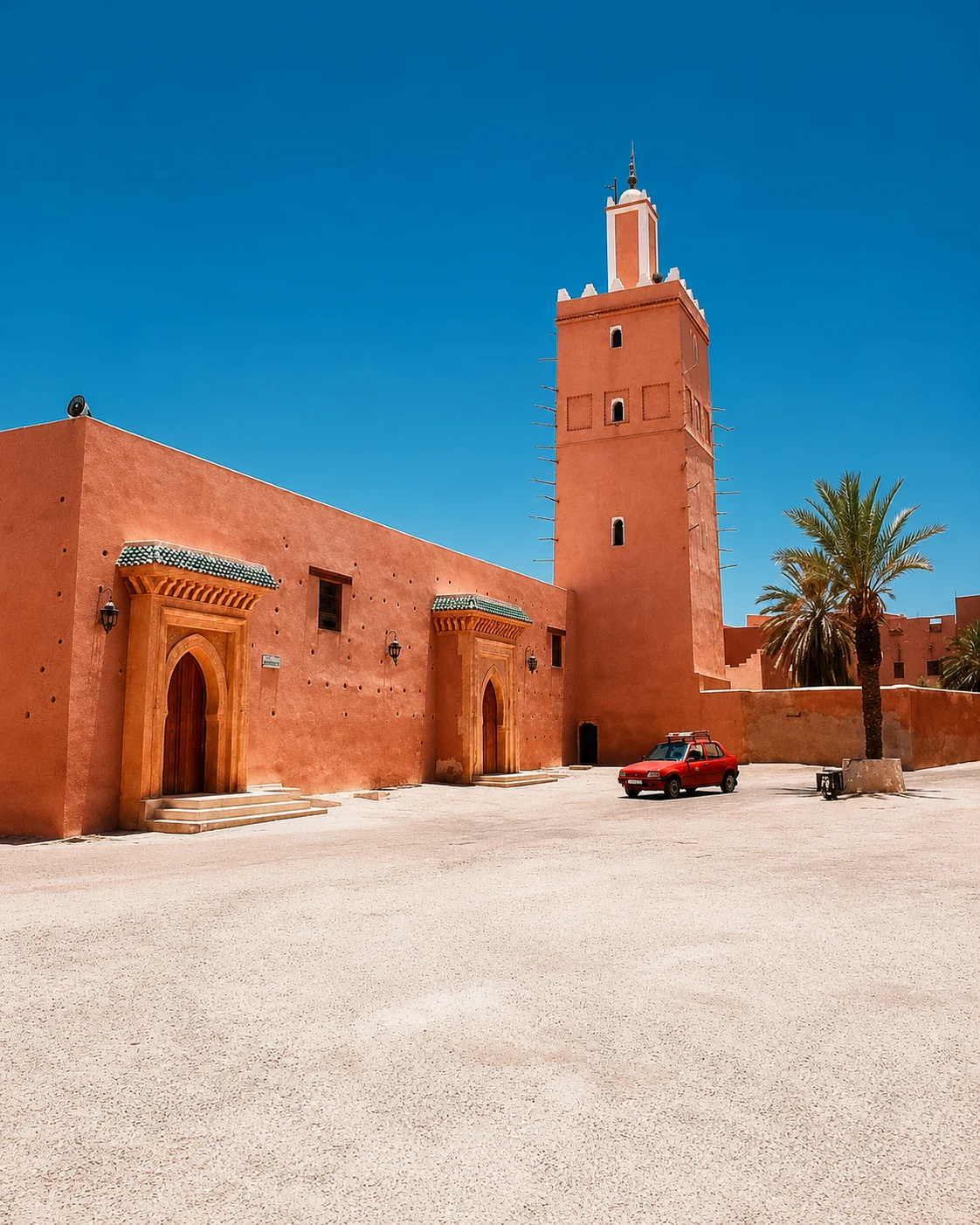 Tiznit
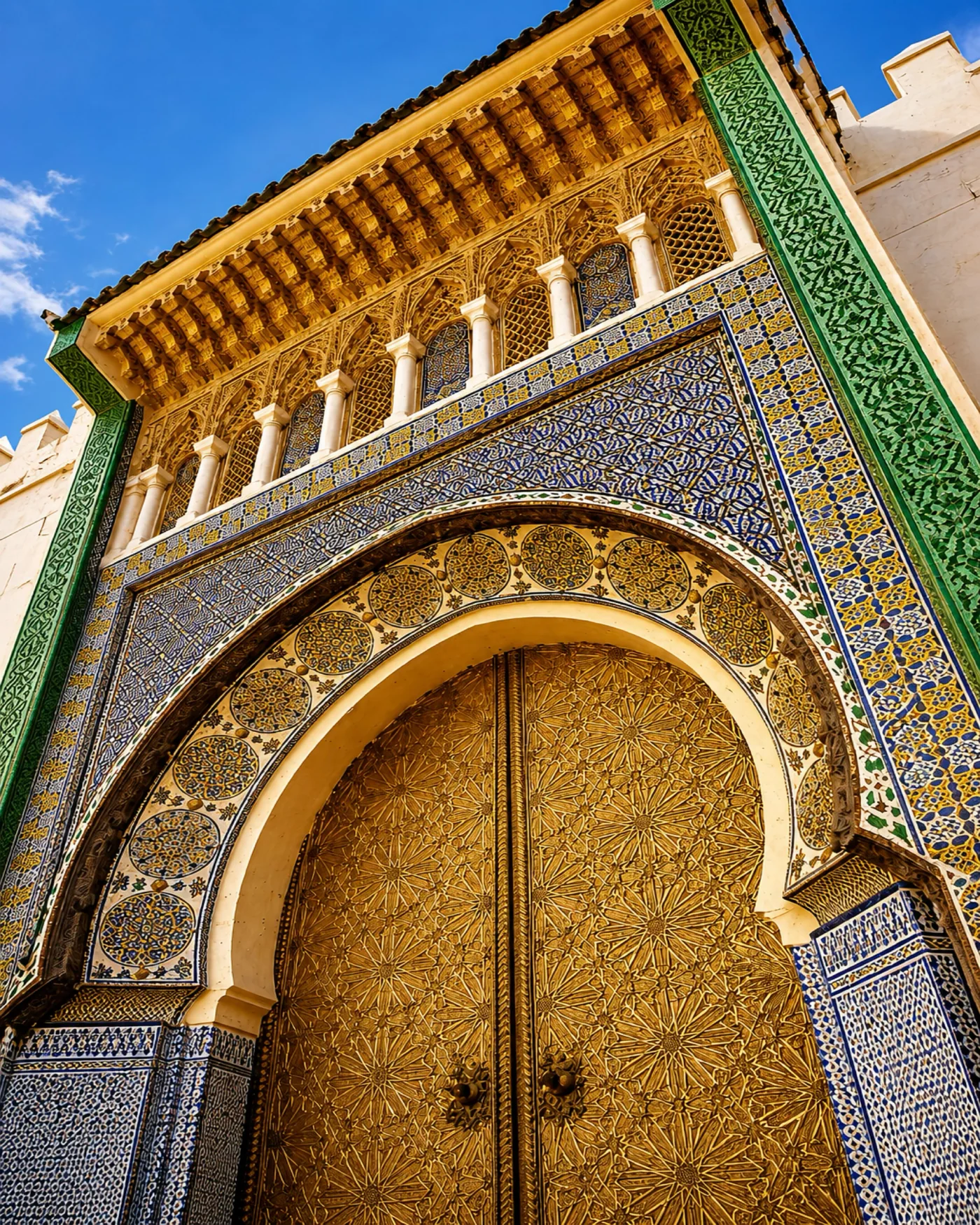 Fès
Fès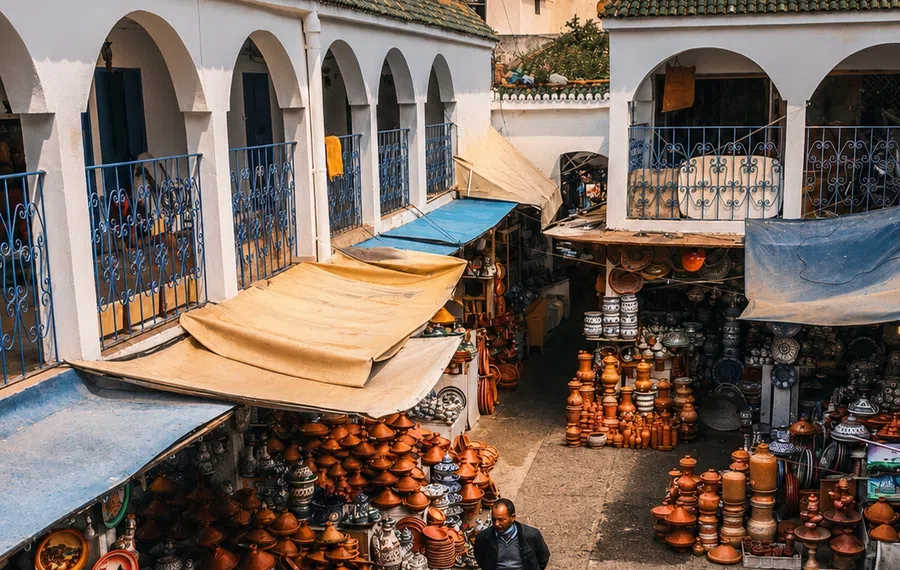 Safi
SafiLook for the relationships that make each place distinct.
Clay can be shaped and finished in several ways; timber can be carved, joined or inlaid; cloth can be woven and then embroidered. Describe the operation you can establish rather than using a material name as if it explained the work.
A pattern associated with a place may be made elsewhere, while a local maker may develop a new design. Neither fact alone settles quality or value. Ask where the particular object was made and what evidence supports any claimed origin.
A vessel's rim, a garment's fastening or a door's construction responds to use as well as visual effect. Looking at those relationships can explain details that seem merely decorative in a photograph. The object belongs to an activity and a setting.
Inherited knowledge is put into practice by individuals working under current conditions. Changes in tools, commissions or design need specific discussion rather than an automatic verdict about authenticity. Ask what the maker chose and why, when they are willing to explain.
Read regional craft identity through materials, making, provenance and use, with focused comparisons in Fès, Safi, Tétouan and Tiznit.
A signature can be collaborative
Separate ceramic body from surface
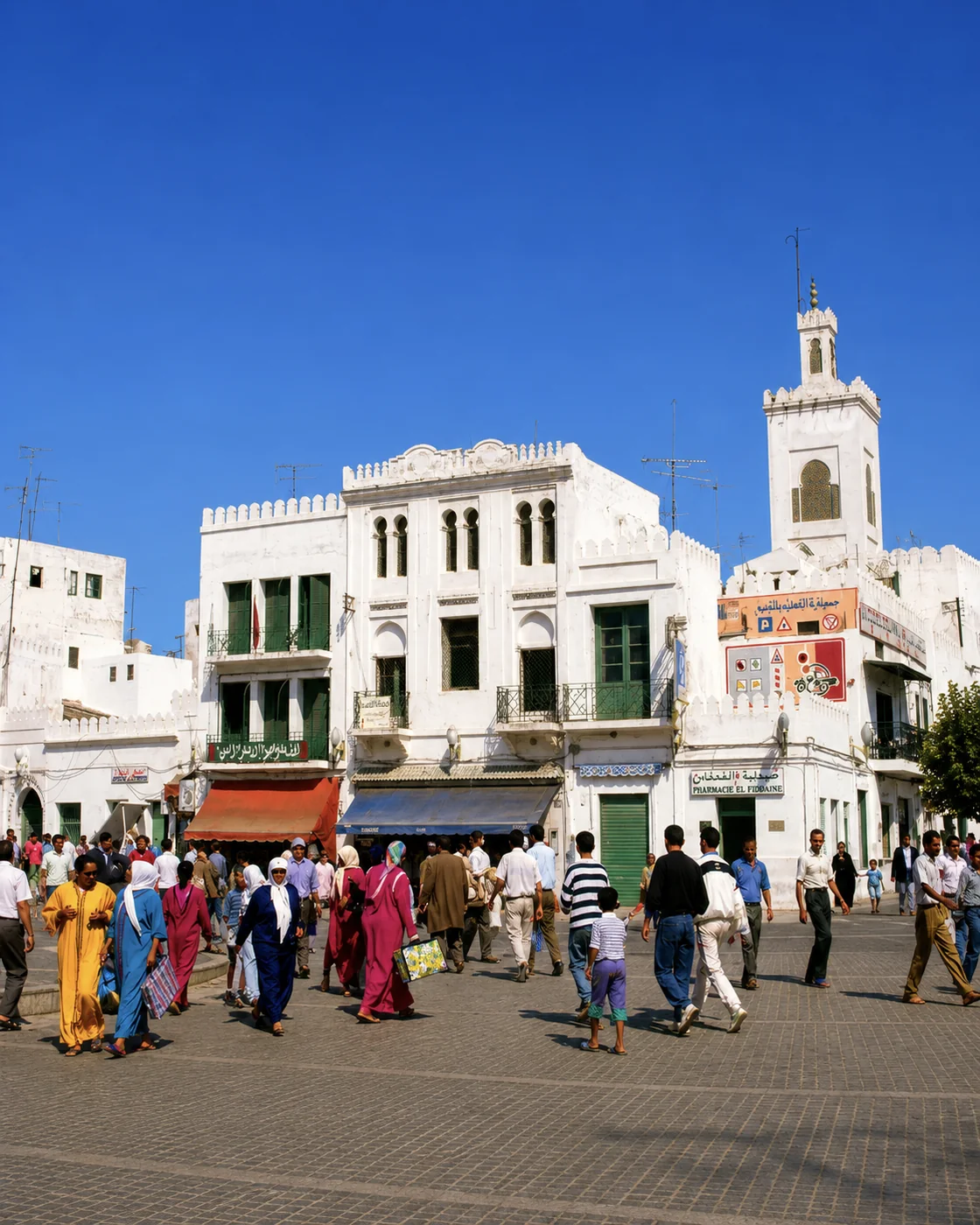
Craft knowledge within a living city
Jewellery needs more than a style name
A close description is the foundation. Historical and regional conclusions should follow the evidence rather than precede it.
Look at the underlying form and structure before the decoration. A vessel, panel or textile has thickness, edges and a way of holding together. Those physical properties help explain how it can be used, transported, repaired or displayed.
Distinguish a surface built into the material from one applied later. Carving, paint, glaze, inlay and embroidery produce different relationships between structure and appearance. Where you cannot identify a technique, ask instead of guessing from a distant image.
Follow a repeat, border or transition. Notice how a design meets an edge or changes direction. A pattern can have connections beyond one city or country; a familiar motif is not by itself evidence of exclusive origin or a fixed symbolic meaning.
Examine where parts meet: a seam, joint, handle, fastening or tiled corner. These points often reveal decisions hidden by a broad view of the finished piece. Ask which joins are structural and which belong mainly to the visual composition.
Record what is actually known about making and ownership. A seller's account, a maker's explanation and documented provenance carry different kinds of evidence. Keep them distinct, especially when a claim about age or origin substantially affects the purchase.
Care and repair are part of an object's life. Ask how the material should be cleaned, stored or used, and whether it is suited to the purpose you intend. A beautiful object need not be old or ceremonial to deserve a careful account.
Architectural making joins several materials and kinds of expertise.
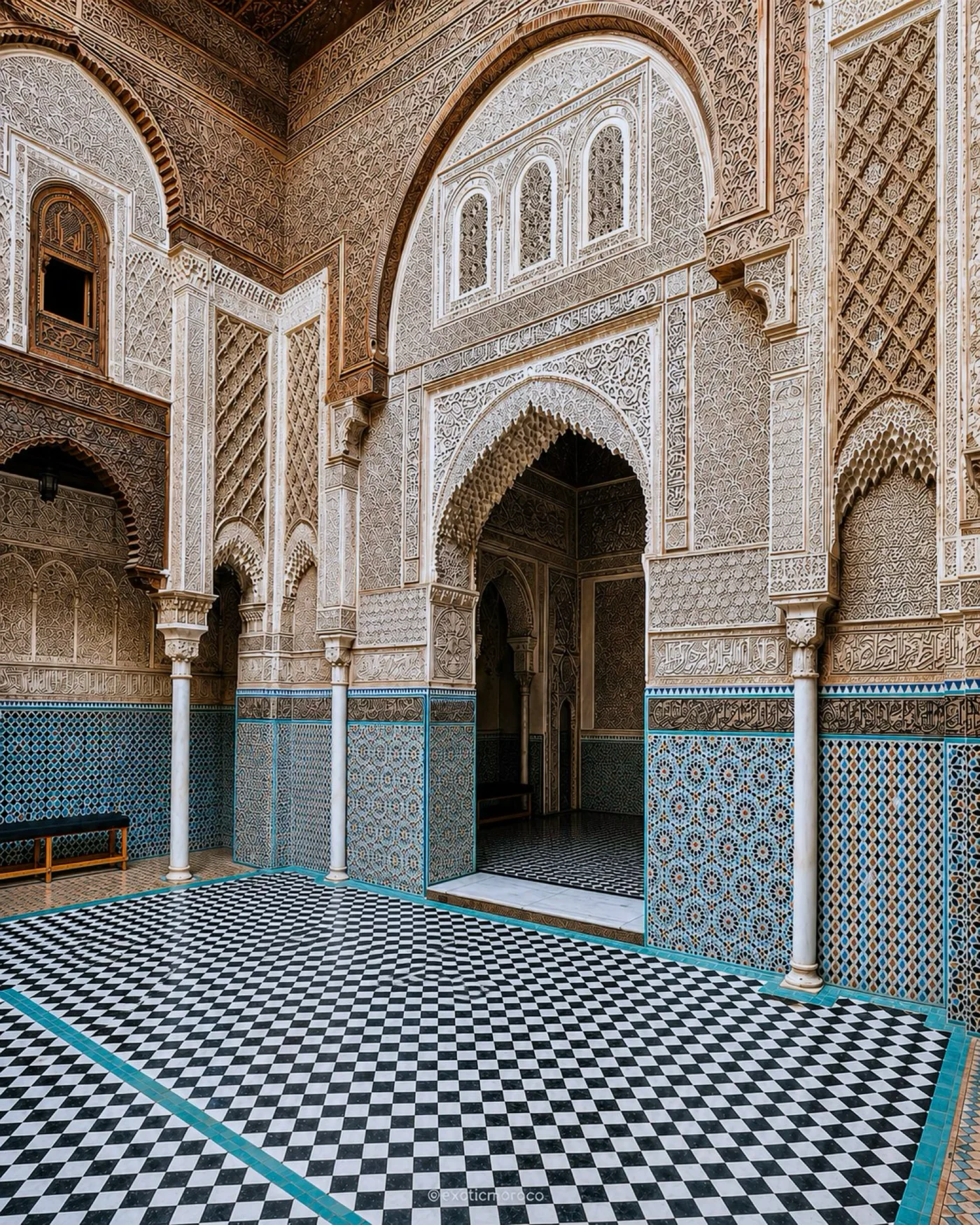
A finished Moroccan interior can bring tile, plaster, timber and metal into one composition. Fès offers a useful setting for thinking about that collaboration rather than attributing the entire effect to a single decorative technique. Follow the transitions: the top of a tiled surface, the edge of a carved panel or the meeting of a ceiling and wall. Those relationships show how separate kinds of work can be coordinated around a space.
The documented Moroccan Court project at the Met provides a contemporary example of specialist making associated with Fès. It helps challenge the assumption that craft knowledge belongs only to preserved historic buildings. In a local encounter, ask about the actual commission or object rather than expecting every maker to reproduce an identical regional style. The important connection is between expertise, choices and a finished setting. Keep the names and roles of contributors where they are known, allowing collaboration to remain visible in the account.
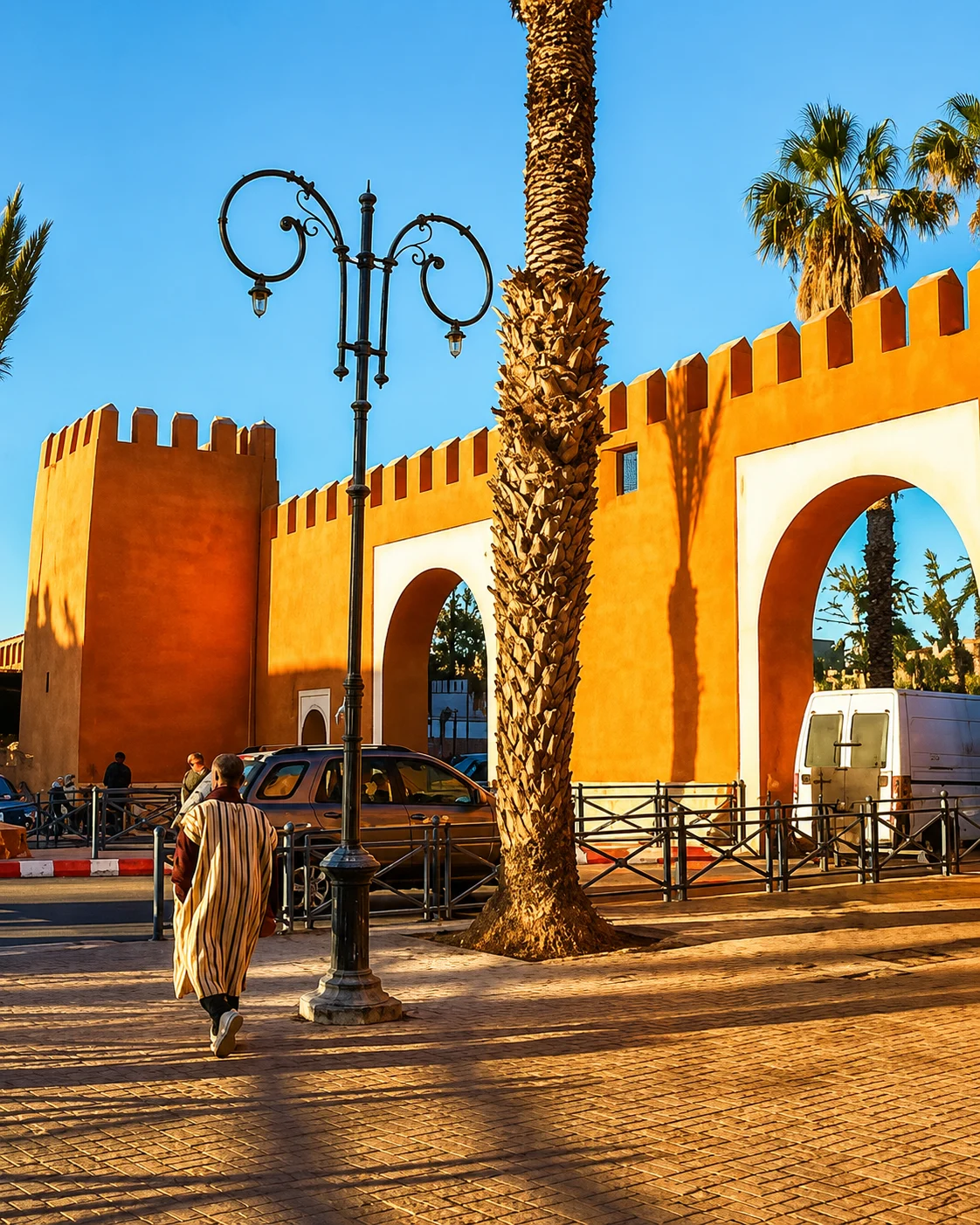
Madrasa courtyardMedina viewRoyal doors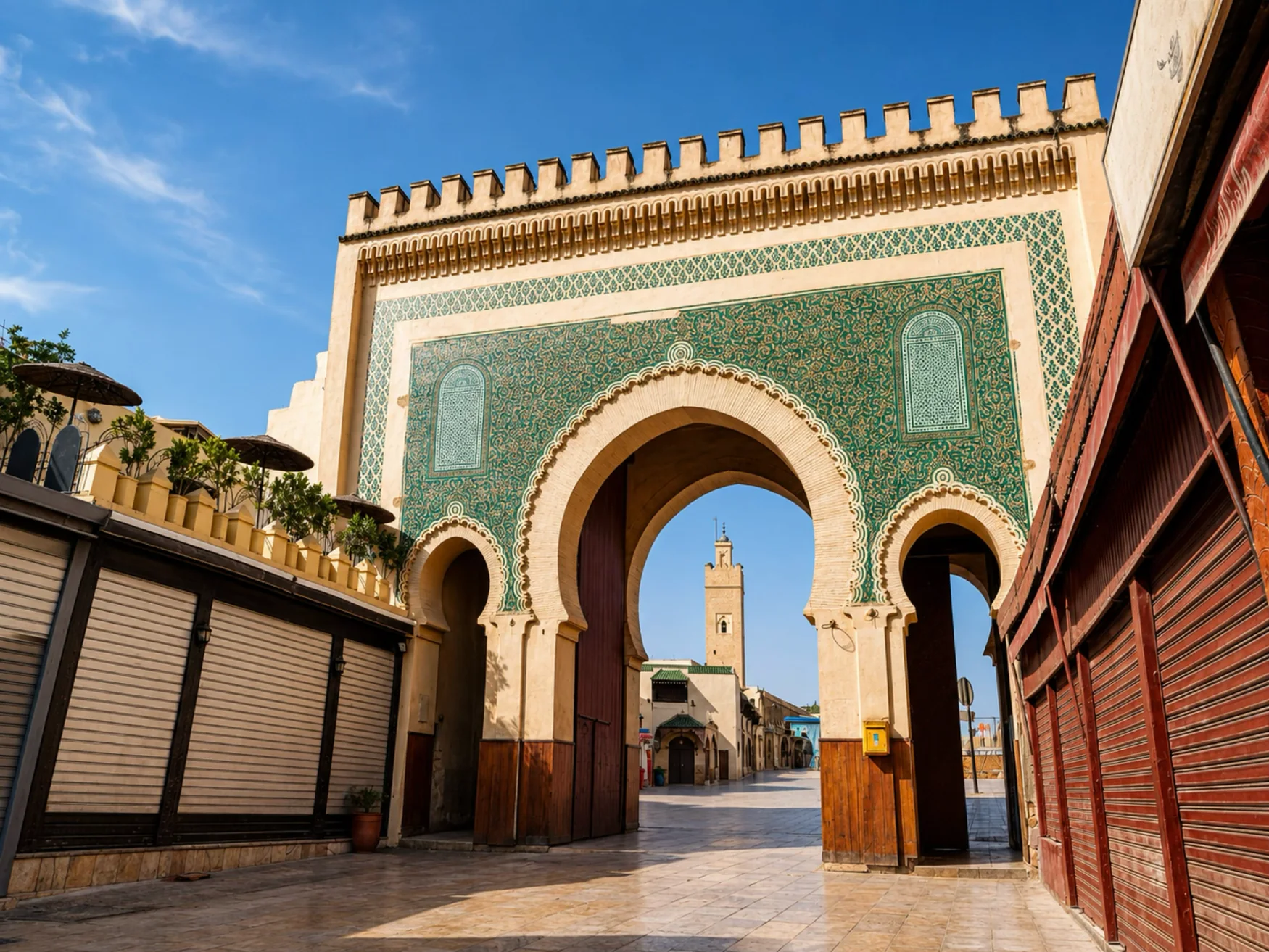 Bab Boujloud
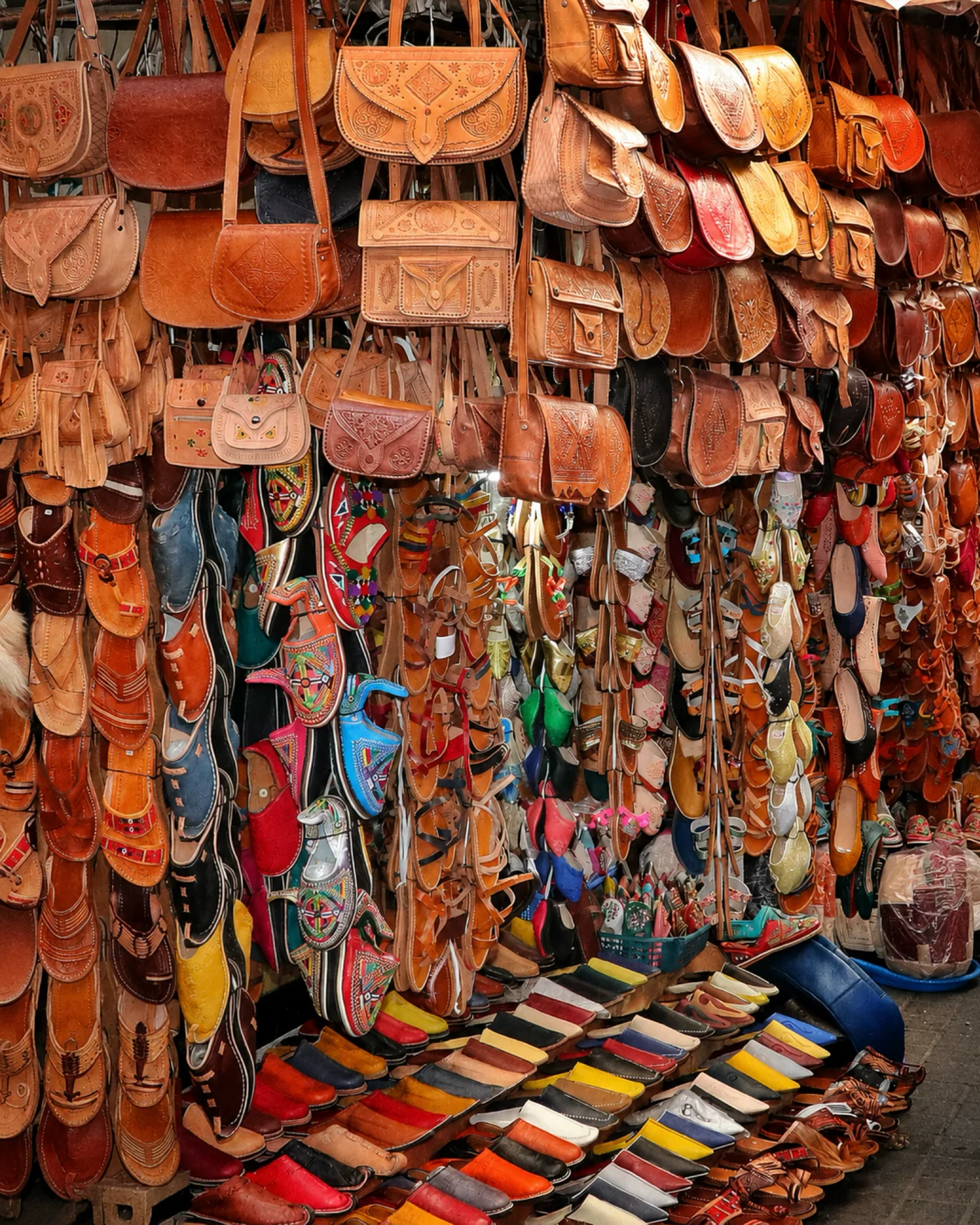 Craft detail
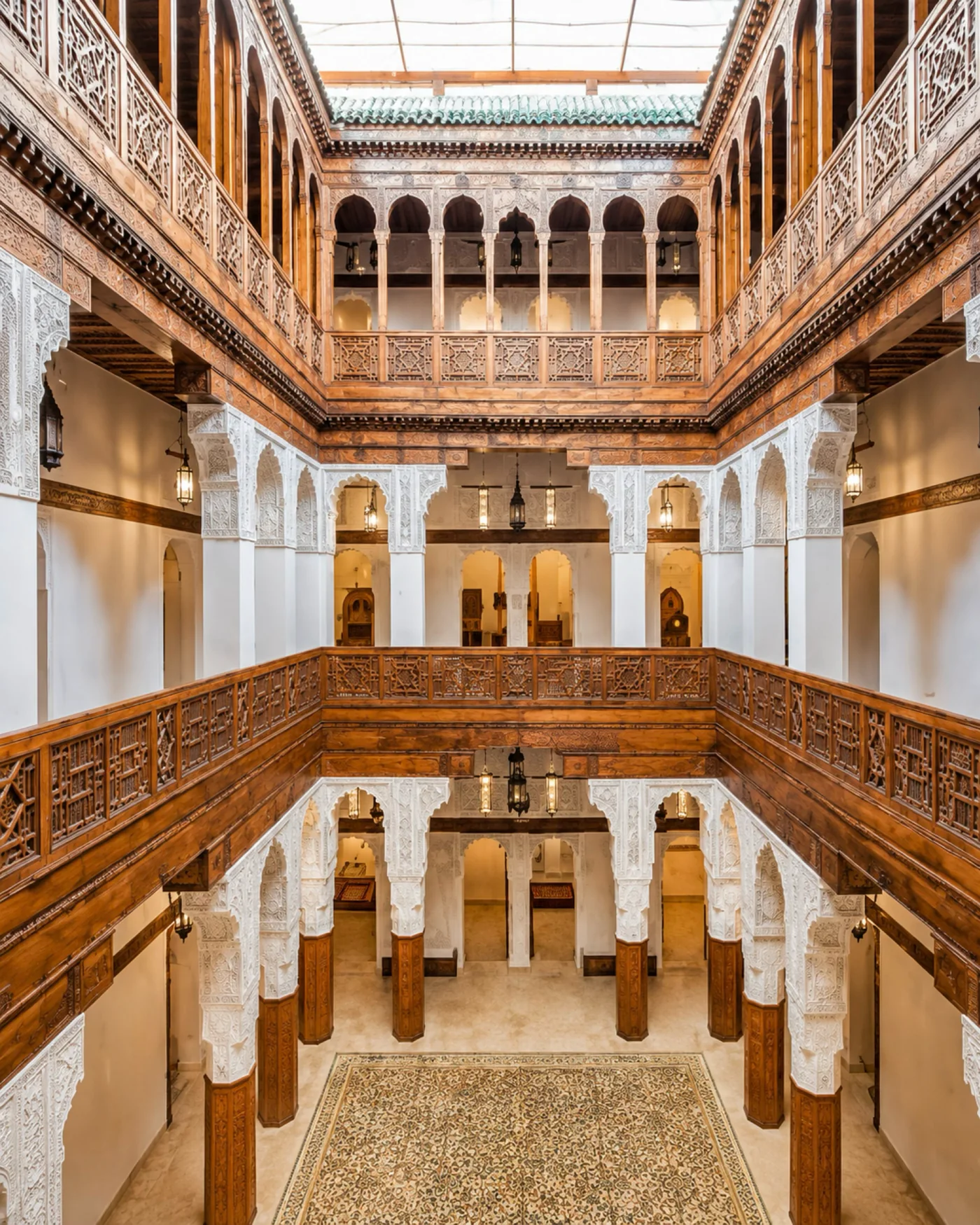 Nejjarine
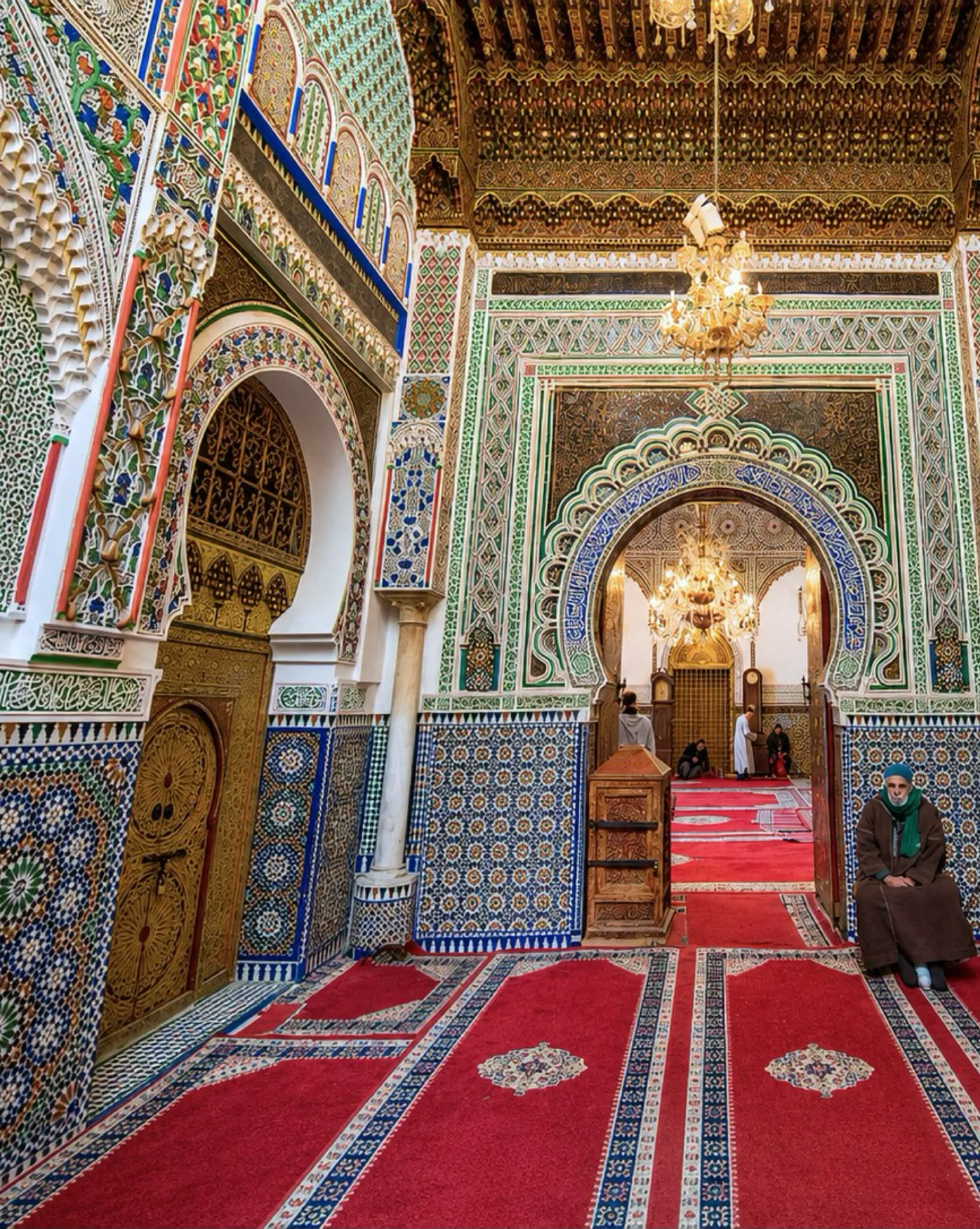 Moulay Idriss II Mausoleum
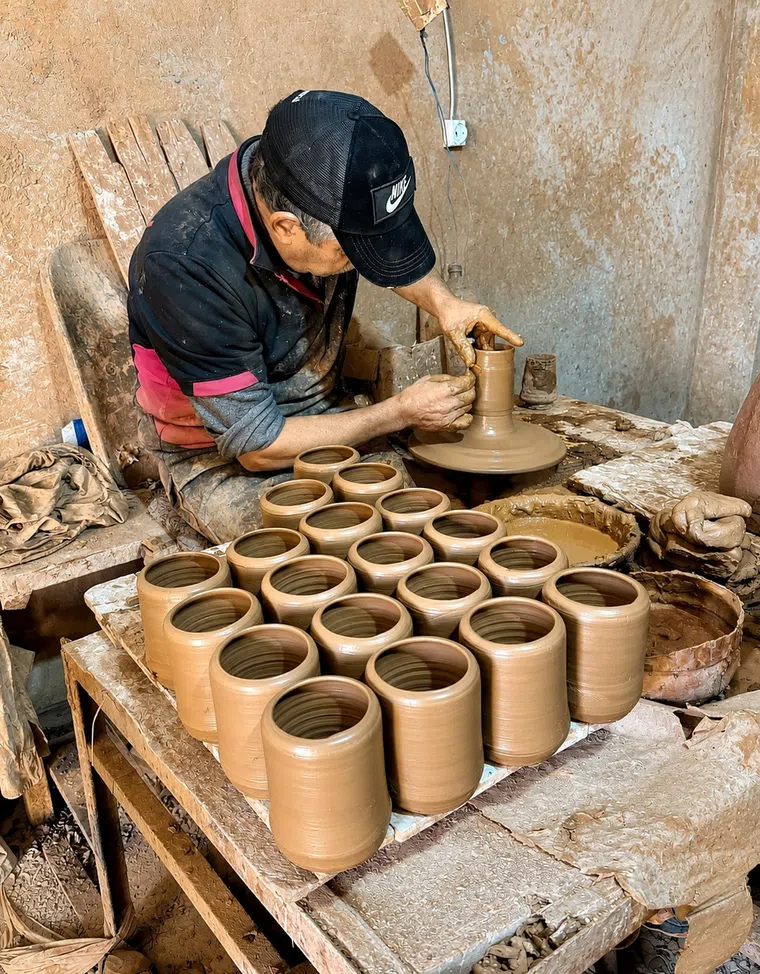 Ceramic craftAtlantic portPottery hill
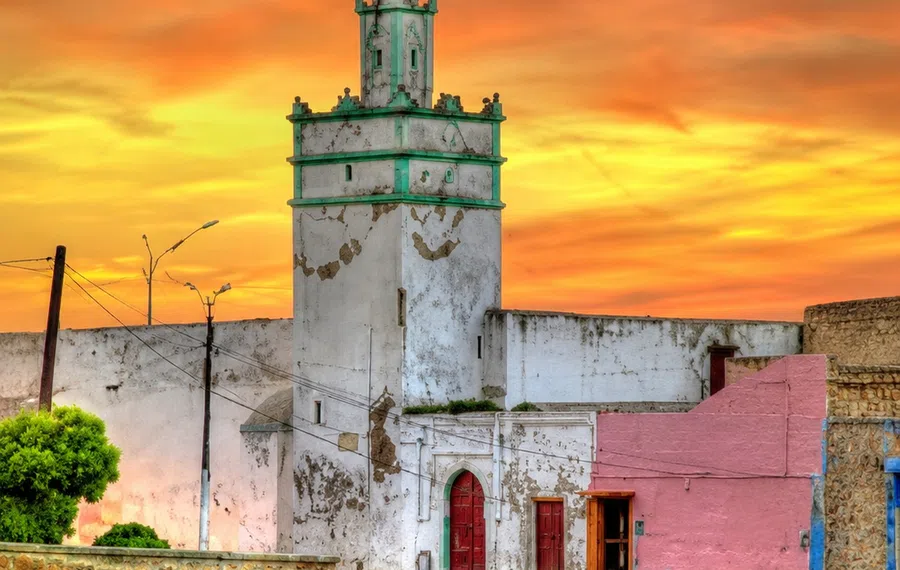 Sea castle
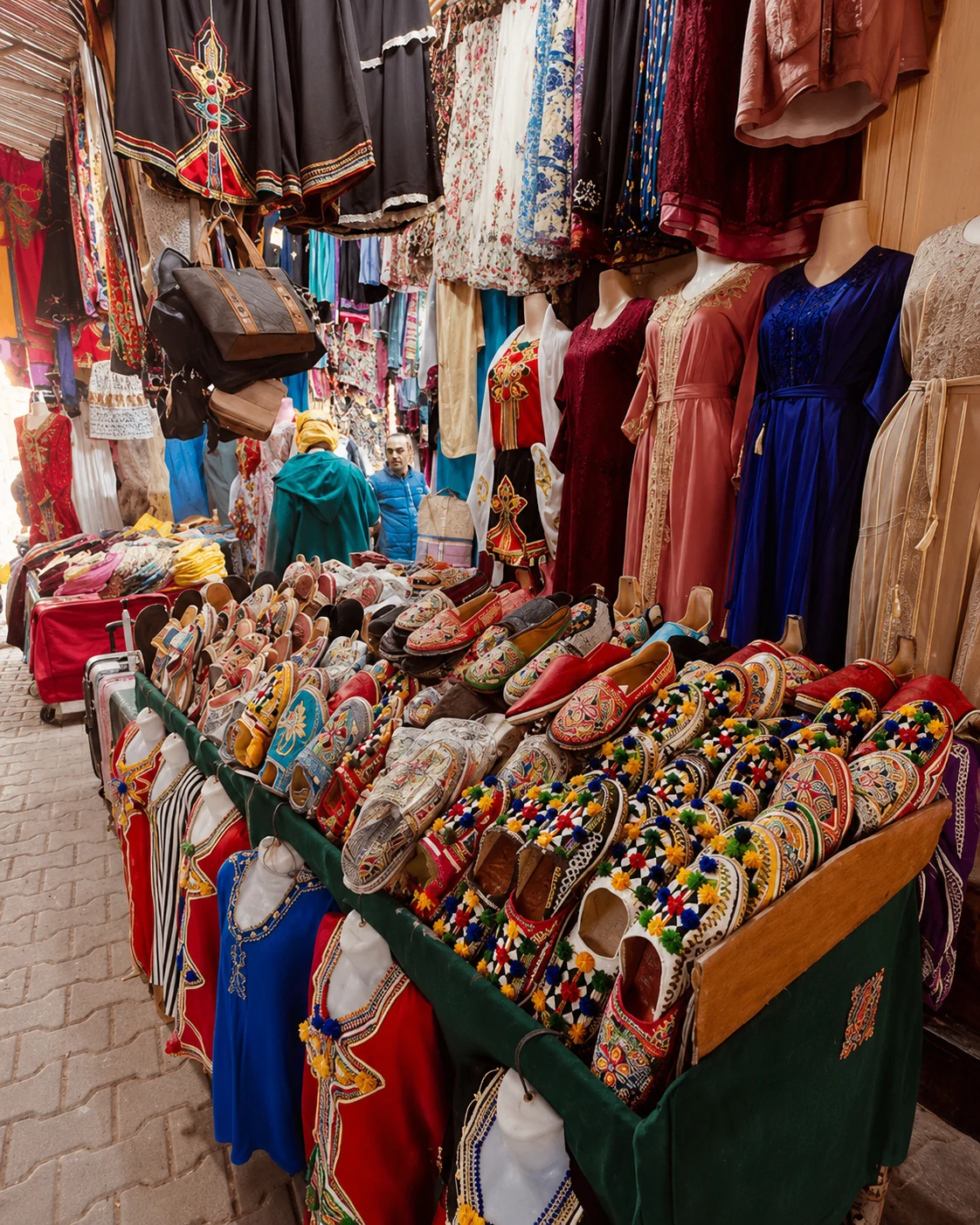
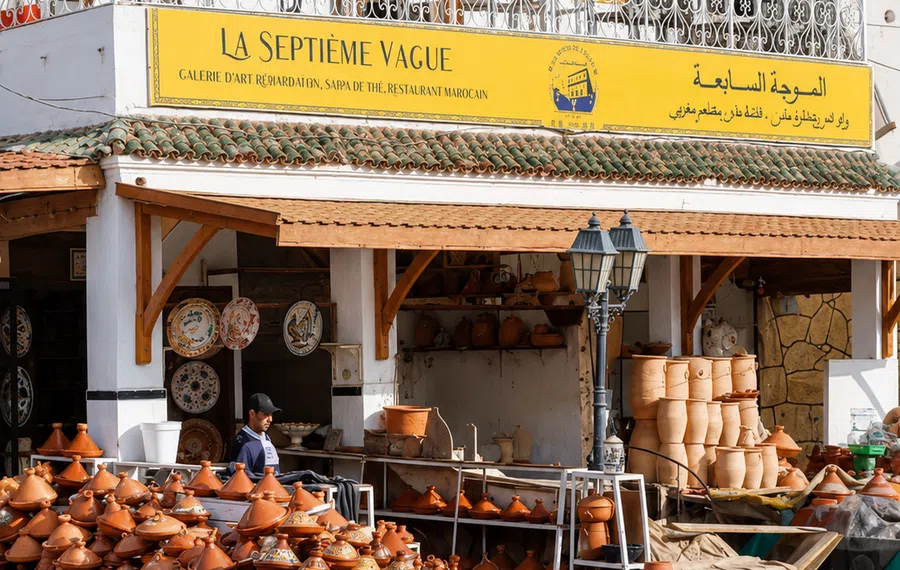 Medina craft
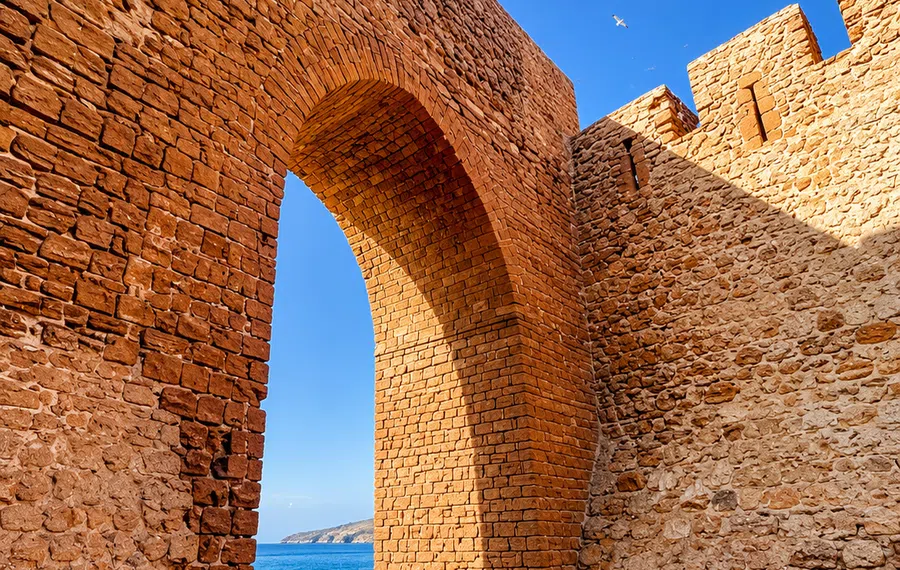 Coastal cliffs
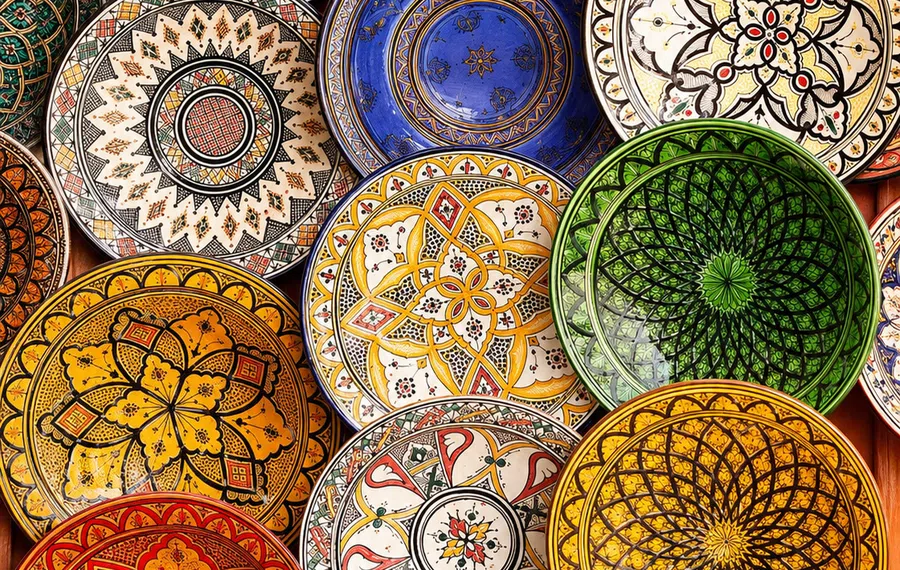 Craft detail
A colour alone cannot explain a pot's making or origin.
Safi's pottery identity makes ceramics a productive subject for close comparison. Start with the vessel's profile and construction, then turn to decoration and finish. The V&A's ceramic terminology explains that firing conditions affect the finished material and appearance; a glaze is therefore more than colour applied to an already complete object. That general technical context can improve the questions asked of a particular potter without assigning an unverified process to their work.
Compare two pieces through use as well as appearance. A serving form, a decorative object and a vessel intended for heat involve different practical requirements. Ask the maker or seller which applies and what evidence supports any claim of suitability. Regional colour associations may provide an introduction to a pottery tradition, but they cannot authenticate every item in a shop. A more useful signature combines the specific workshop, technique and object history, with uncertainty retained where those details are unavailable.
Training, design and urban context belong beside inherited skill.
UNESCO's Creative Cities account of Tétouan places craft within an active contemporary cultural and economic setting. It identifies fields including embroidery, woodwork, ironwork and zellige, alongside efforts to support training and creative exchange. This is a useful corrective to presenting the city's craft identity as a finished historical inventory. Knowledge continues through people and institutions making choices in the present.
Choose a specific encounter that allows one of those choices to be explained. A maker may discuss a pattern, a material or a new use; an institution may provide a broader historical comparison. Do not assume that a motif has one fixed meaning simply because it appears in more than one object. The surrounding medina can show how making enters architecture and everyday life, but the relationship still needs to be established for the particular feature. A careful account can hold regional continuity and individual invention together.
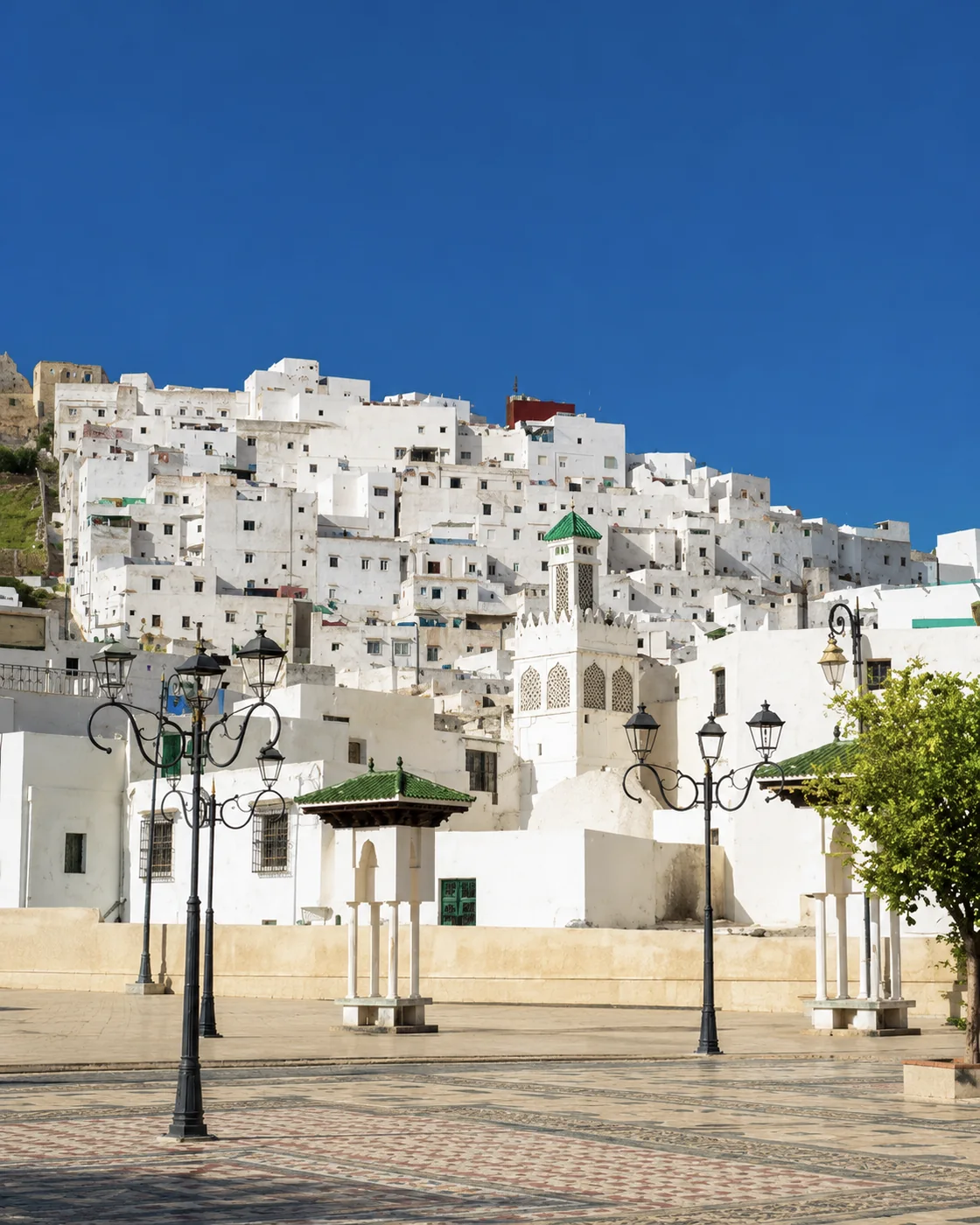 White MedinaBab OklaPlace Hassan II
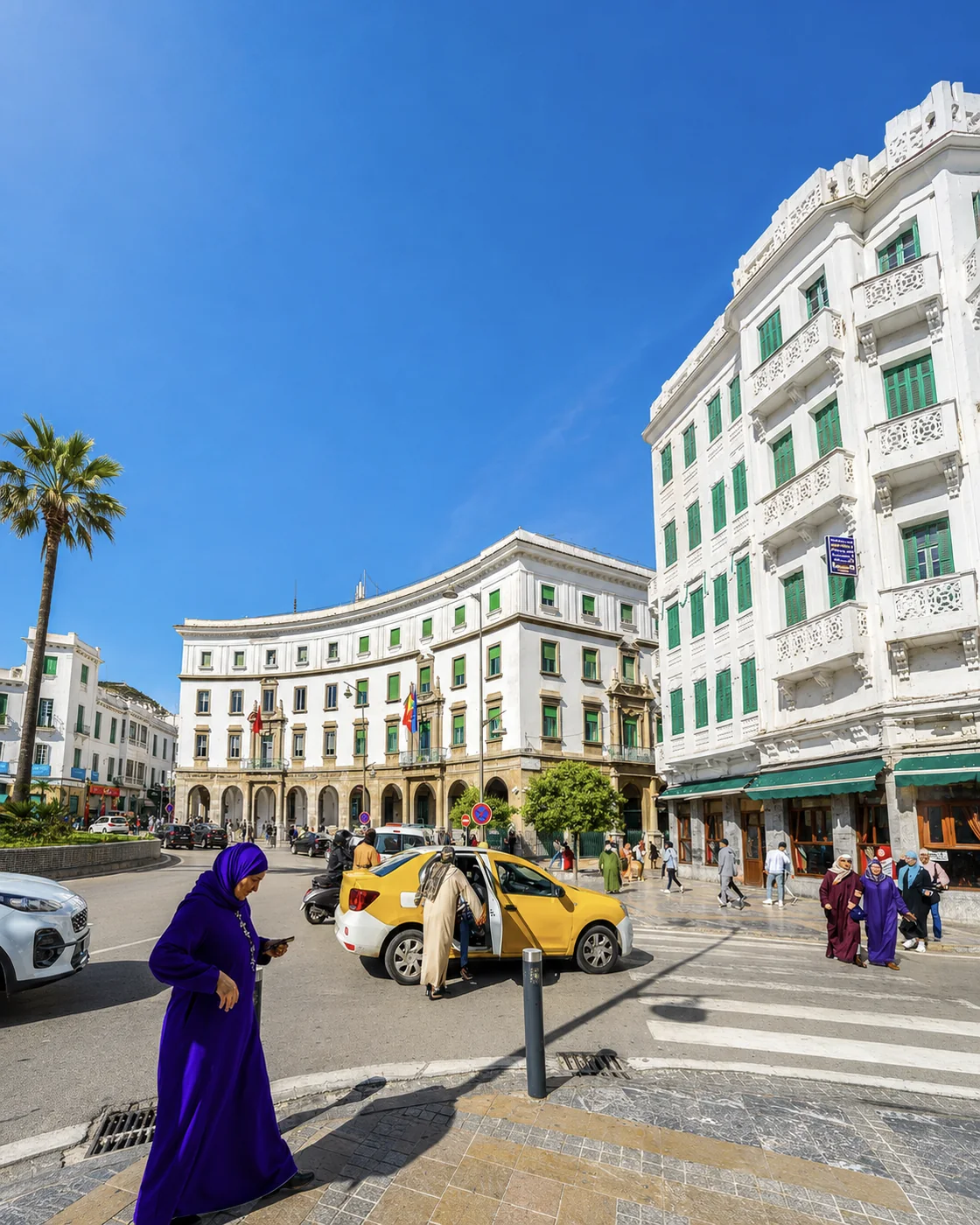 Ensanche
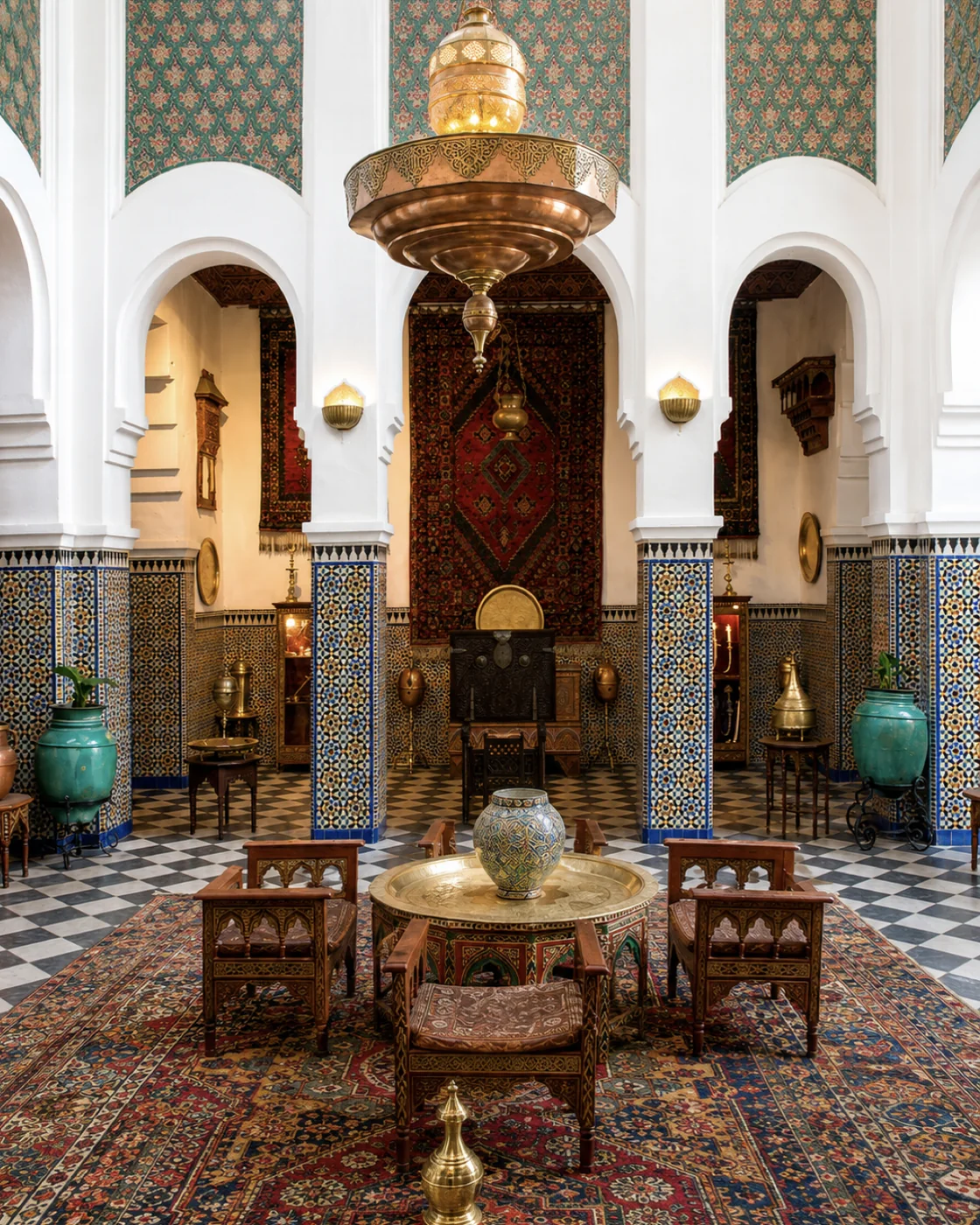 Heritage interior
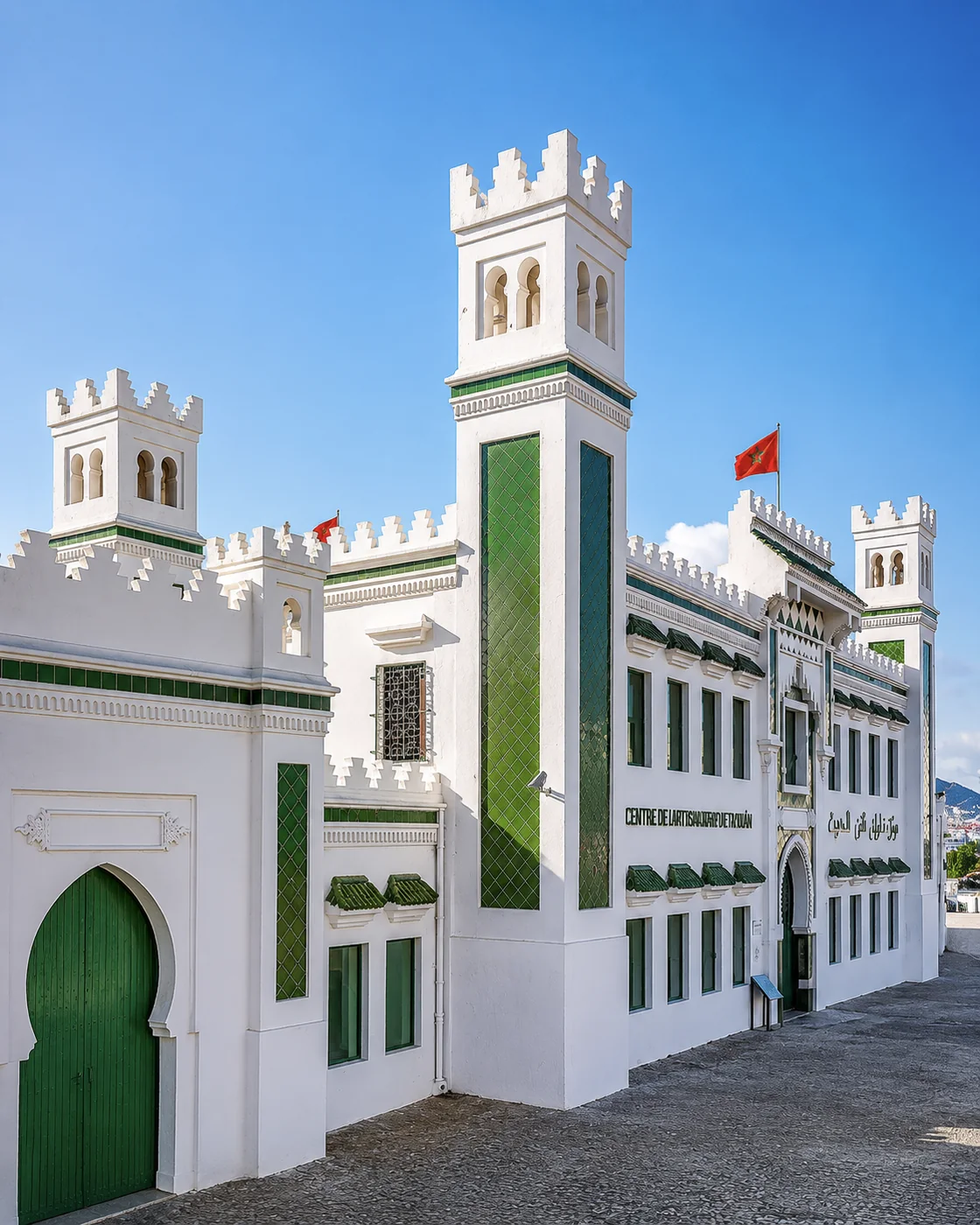 Dar Sanaa
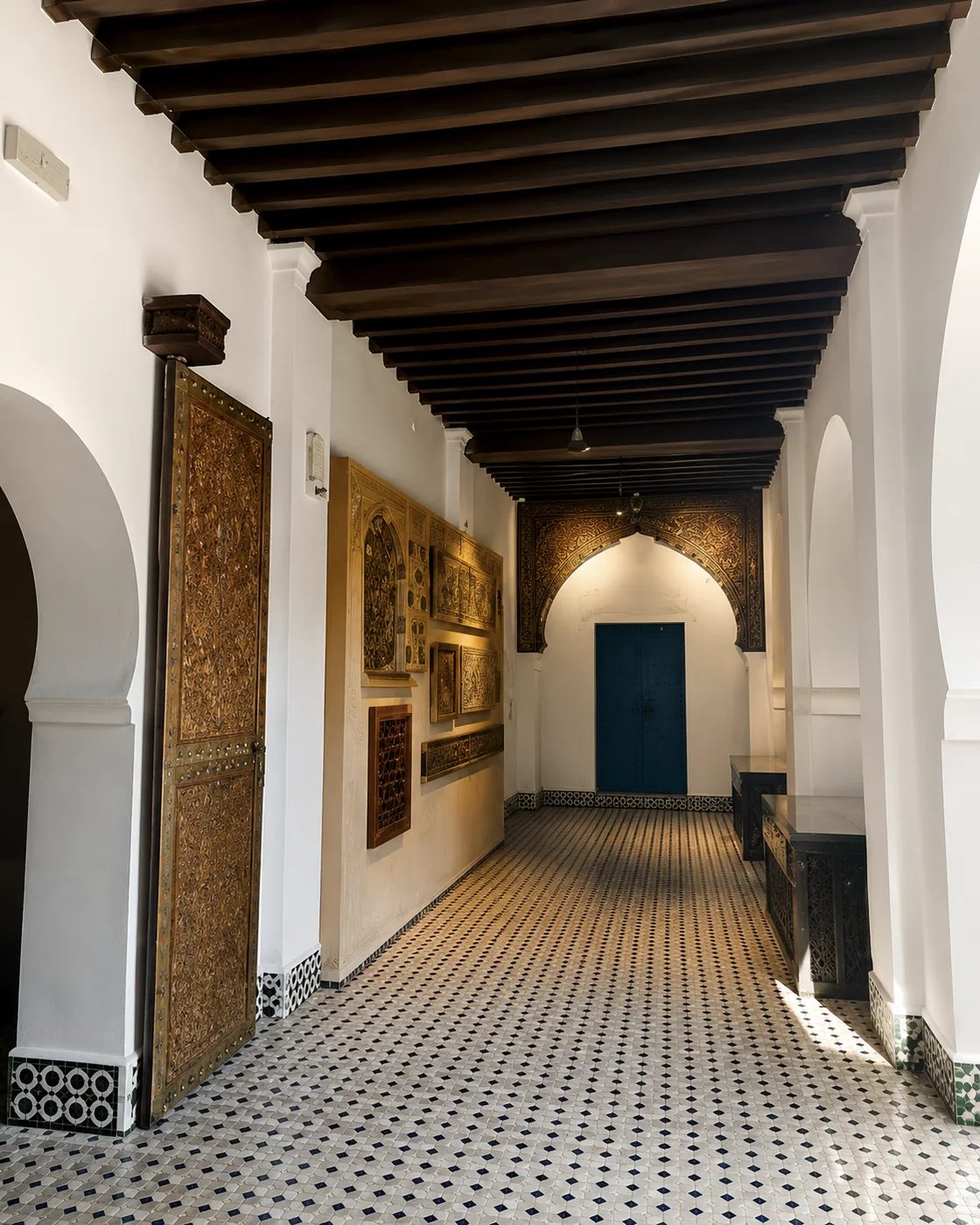 Museum corridor
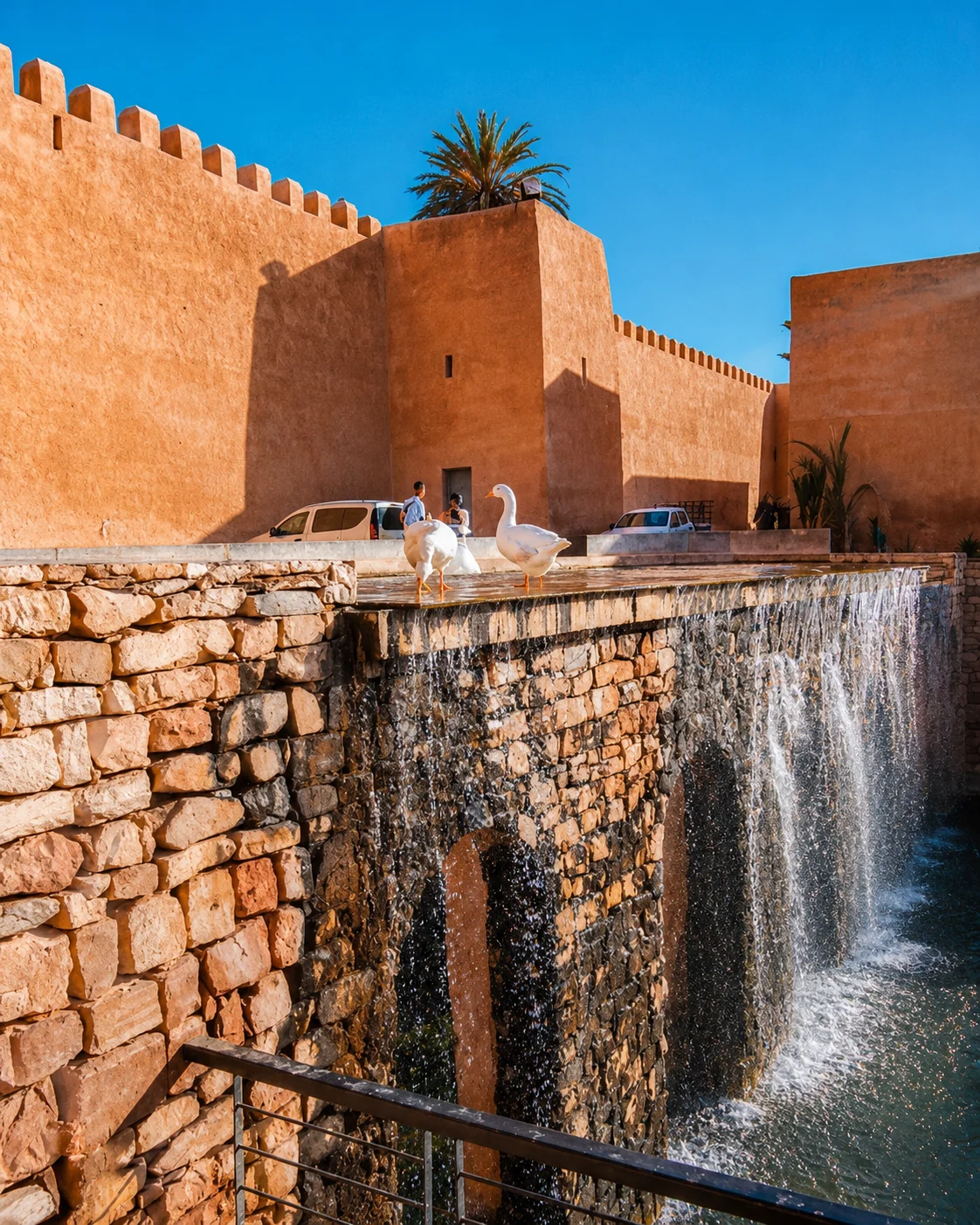
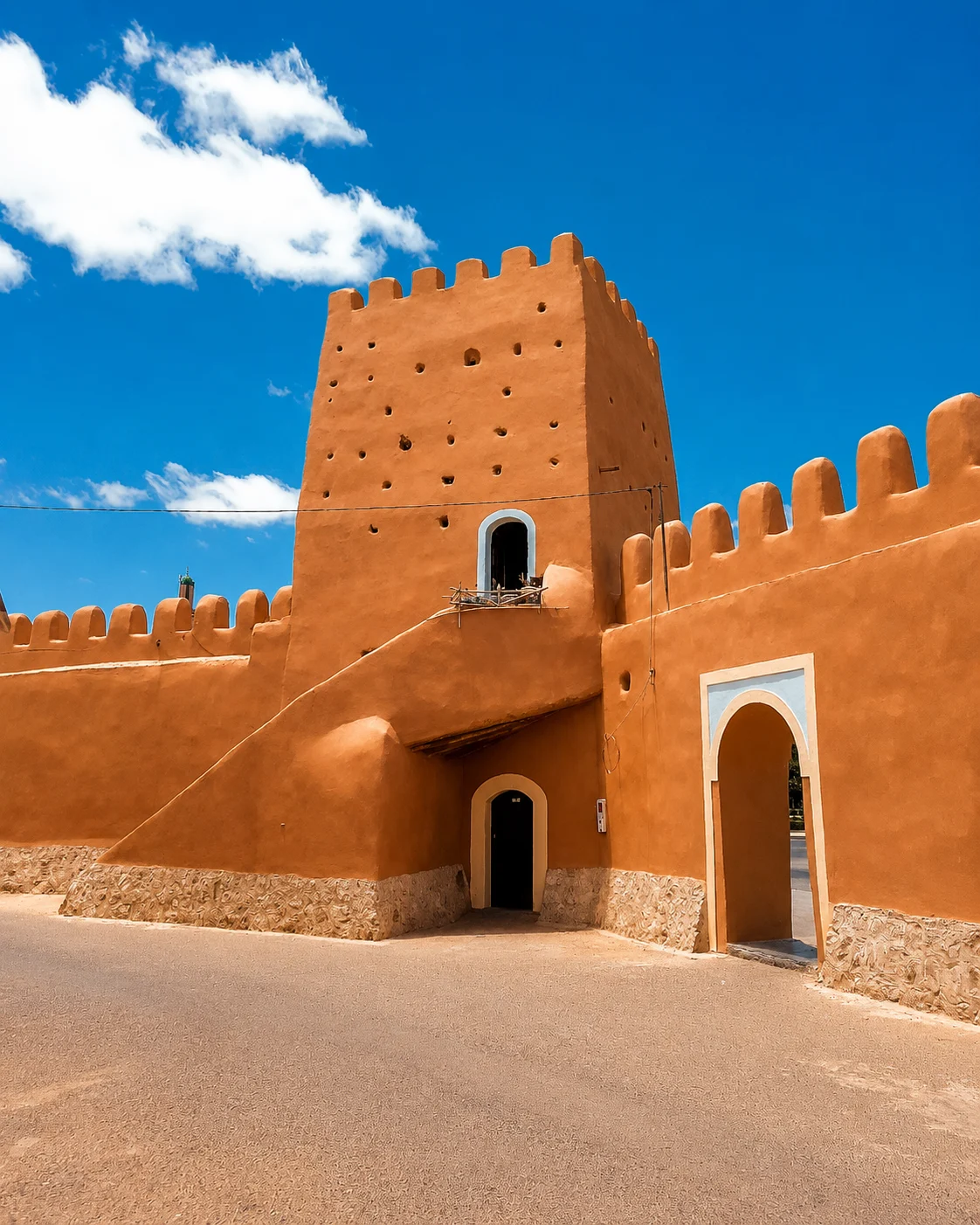 Silver cityTiznit wallsSilver souk
 Blue Spring / Aïn Zerka
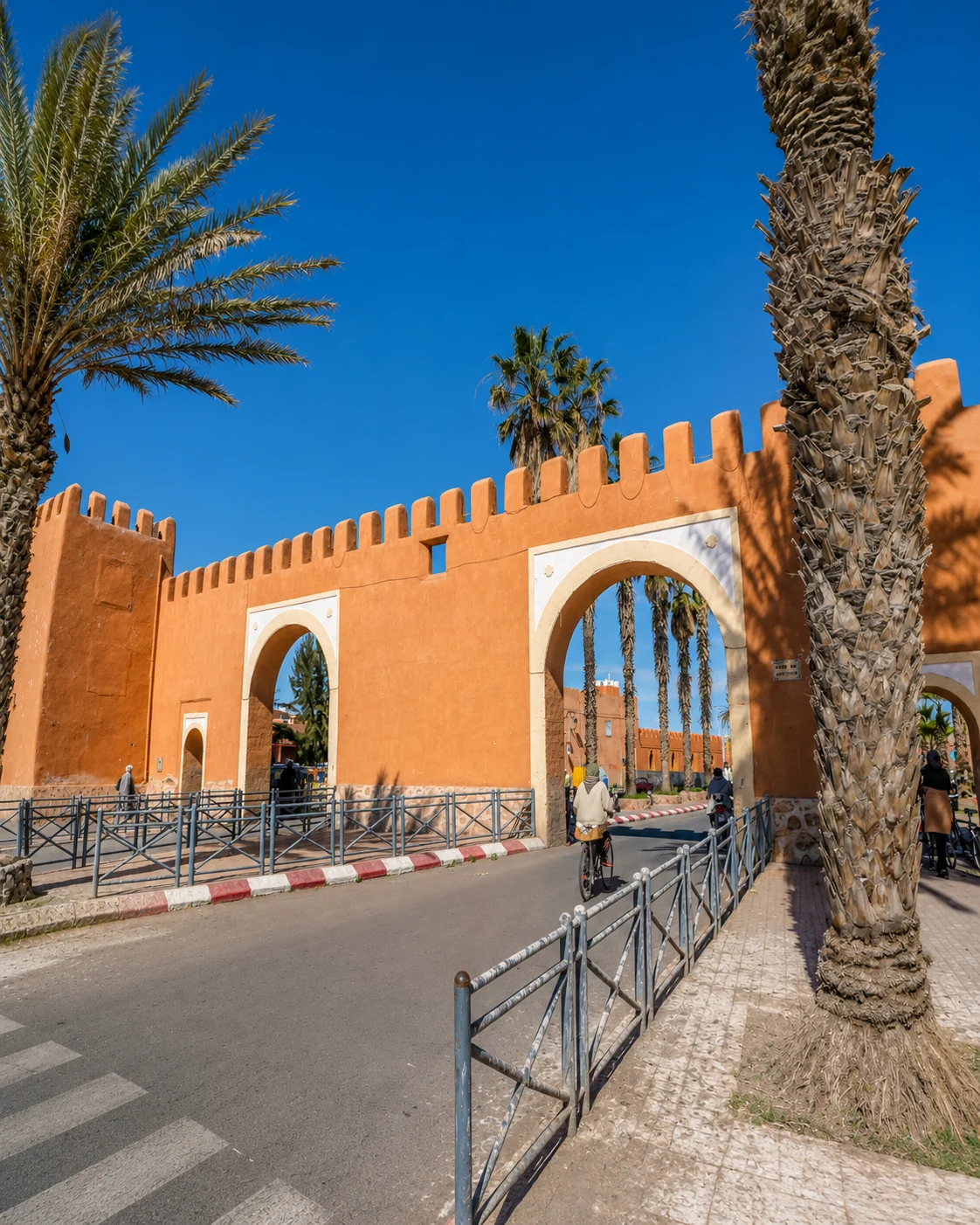
 Medina gates
 Aglou coast
 Anti-Atlas route
Construction, material and context should be examined separately.
Tiznit is a useful starting point for exploring jewellery associated with southern craft networks. Look first at how a piece is assembled and fastened, then at its surface treatment. A visual resemblance to a known form may prompt a question, but cannot establish metal content, age, place of manufacture or former ownership. Those are separate claims requiring appropriate evidence, particularly when they affect price or the story attached to the object.
Context also matters. Jewellery may relate to dress, occasion, personal preference or a contemporary design market; avoid imposing one universal explanation on all pieces described as Amazigh or southern. Ask about the individual work and credit the maker's account where known. A newly made object with clear provenance can carry a more informative story than an allegedly old piece supported only by a persuasive label. The town's ordinary commerce and wider regional connections help place specialised craft within a continuing economic and social life.
Fès · Bab BoujloudSafi · Sea castleTétouan · EnsancheTiznit · Blue Spring / Aïn ZerkaFès · Craft detailSafi · Medina craftTétouan · Heritage interiorTiznit · Medina gatesFès · NejjarineSafi · Coastal cliffsTétouan · Dar SanaaTiznit · Aglou coastGeometry, vegetal ornament and calligraphy can appear across media and places. Their broad artistic connections do not make every use identical. Look at scale, material, arrangement and the function of the setting before assigning a meaning to an isolated motif. A border that resolves a corner, a screen that filters light and a pattern on a portable vessel can share visual elements while answering different practical and compositional questions.
Tile, plaster, timber, metal
Form, firing, decoration, use
Making, training, contemporary design
Assembly, material, provenance, use
The schematic connects craft questions across cities rather than mapping a short shopping itinerary. A single workshop or museum visit, carefully understood, can support the whole method. Use Craft Routes to select feasible encounters within a wider journey, and the material and dress readings to deepen the object-specific context.
FèsCollaborative architectural workSafiCeramic structure and finishTétouanUrban craft and transmissionTiznitJewellery and evidenceA few considered choices make the connections between these places more useful.
Record form, material as identified, technique as explained and intended use. Then note the maker, place and any evidence of age or origin. This simple order reduces the temptation to let a compelling sales story determine everything you think you see in the object.
A regional, tribal or stylistic name can carry useful history, but may also be used broadly in a market. Ask what the term means in relation to the particular piece. Avoid inventing symbolism or ancestry when the available account does not establish it. Precision can increase appreciation without requiring certainty about every detail.
If you buy or photograph work, retain the maker's name when offered and confirm how they wish to be credited. Keep practical care information with the object. This connects the pleasure of ownership or image-making with the people and knowledge behind the work, rather than allowing the regional label to replace them.
Historical and geographical references reviewed in September 2026. Route pairings and looking suggestions are Exotic Morocco editorial guidance. Check current access and transport arrangements before travelling. Existing regional library imagery is retained; photographs and illustrations do not establish present-day access or conditions.
Open the individual place guides for local context and a more detailed visit. Return to Regions to compare other landscapes and cultural connections.