Fès
Let an architectural detail lead to a question about making.

Follow the object back to the work
Build a maker-focused journey through Fès, Safi, Tétouan and Tiznit, connecting materials, techniques, workshops and the places where objects are used.
A craft journey begins with curiosity about how something came to exist. A bowl, woven textile, carved panel or piece of jewellery contains choices about material, technique, labour and use. Looking at those choices makes a workshop visit richer and a purchase more considered. It also changes the way you see architectural surfaces and everyday objects throughout the journey.
Fès, Safi, Tétouan and Tiznit are four productive starting points, not four compulsory stops. Each contains more than one craft, and makers and goods move between places. Choose a material or process that interests you, then find a setting where it can be explained. The purpose is to meet particular work and knowledge, without reducing a whole city to a single souvenir.
Fès offers connections between medina making and architectural detail; Safi gives ceramics a strong urban setting; Tétouan brings craft into a northern city with an active artistic identity; Tiznit opens a southern jewellery thread. A northern Fès–Tétouan comparison is a different journey from an Atlantic pottery stop or a Souss and Anti-Atlas visit. Build the travel plan around real distances and the availability of the workshops you hope to visit.
Fès Fès
Fès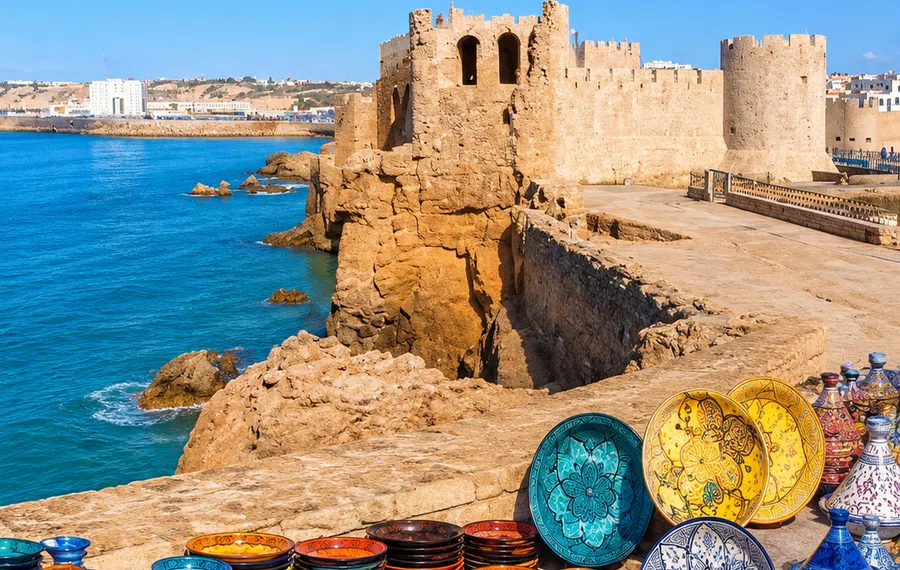 Safi
Safi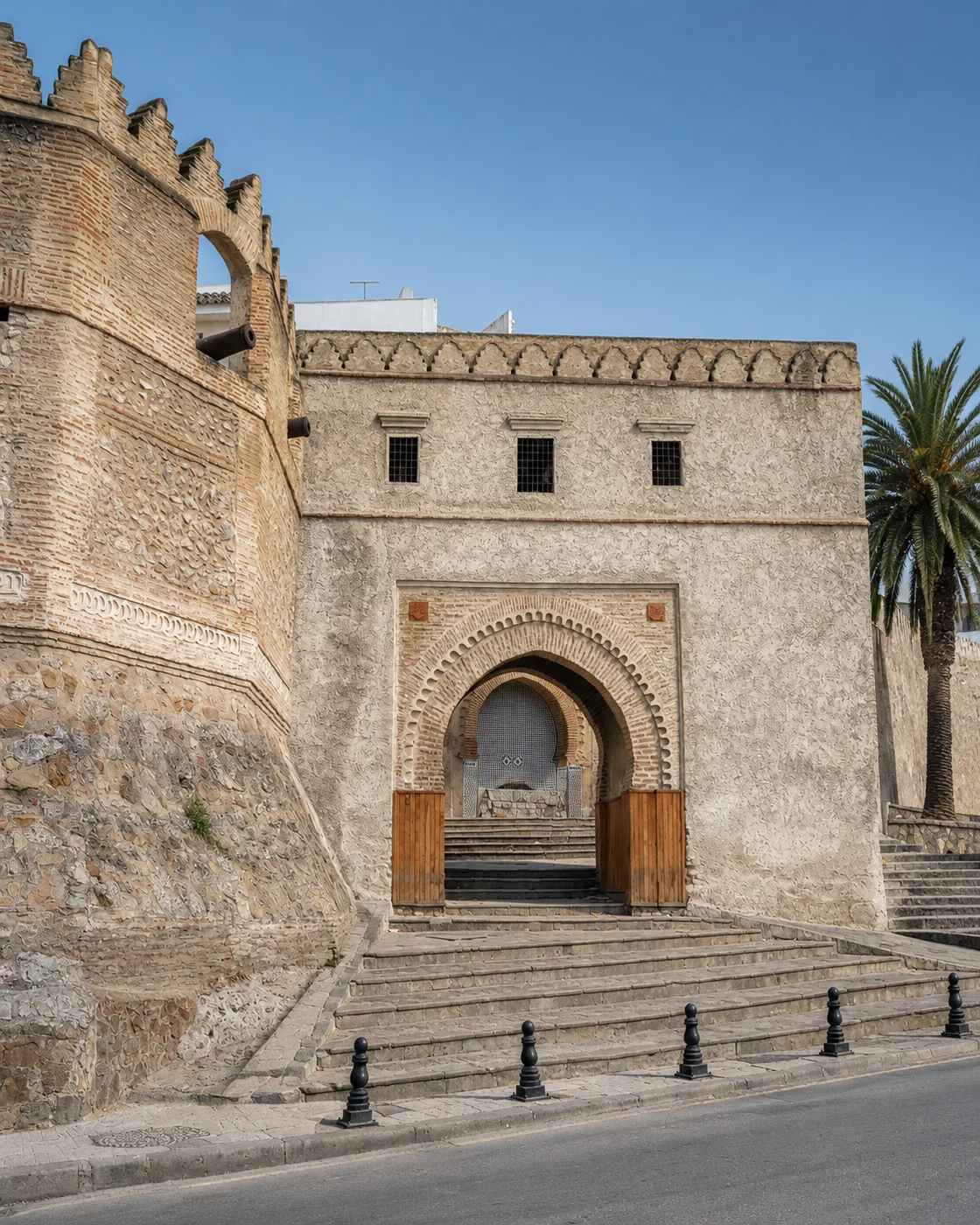 Tétouan
 Tiznit
 Fès
Fès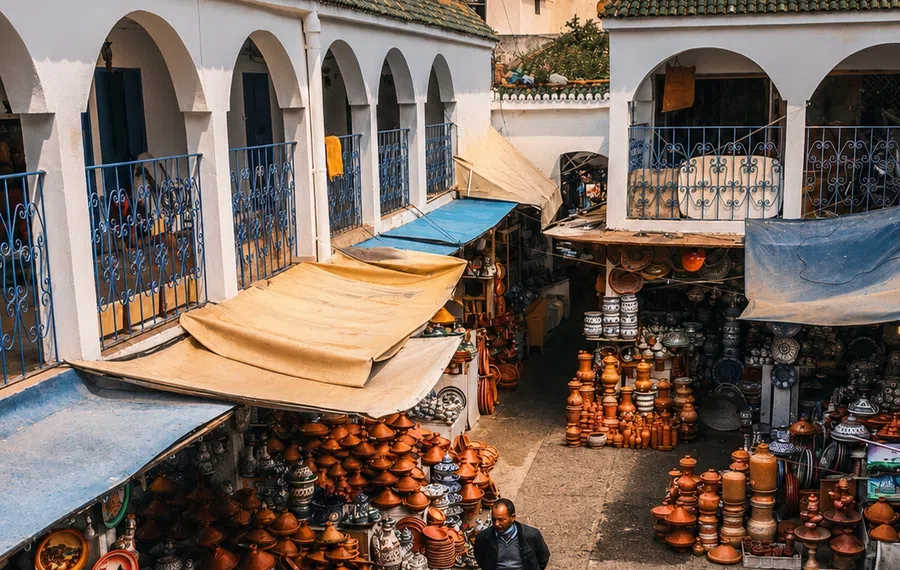 Safi
SafiLook for the relationships that make each place distinct.
Ask which stage is happening now. Shaping, drying, cutting, joining, finishing and selling need not happen in one room or on the same day. Understanding a small part of a process can be more valuable than expecting a complete demonstration on demand.
Craft knowledge is used by people with contemporary working lives, customers and choices. Ask about an actual piece or technique. Avoid requiring a maker to perform an imagined past in order for the work to count as authentic.
A regional label on a product may describe a style, a market category or its place of manufacture. Those are different claims. Ask what is known about the individual object and keep uncertainty visible when an origin cannot be established.
A decorative plate, a cooking vessel and a serving bowl may look related while serving different purposes. Ask about intended use and care. The practical answer belongs to the object's identity just as much as its pattern or colour.
Build a maker-focused journey through Fès, Safi, Tétouan and Tiznit, connecting materials, techniques, workshops and the places where objects are used.
Connect a workshop with a finished setting
Give ceramics a full sequence
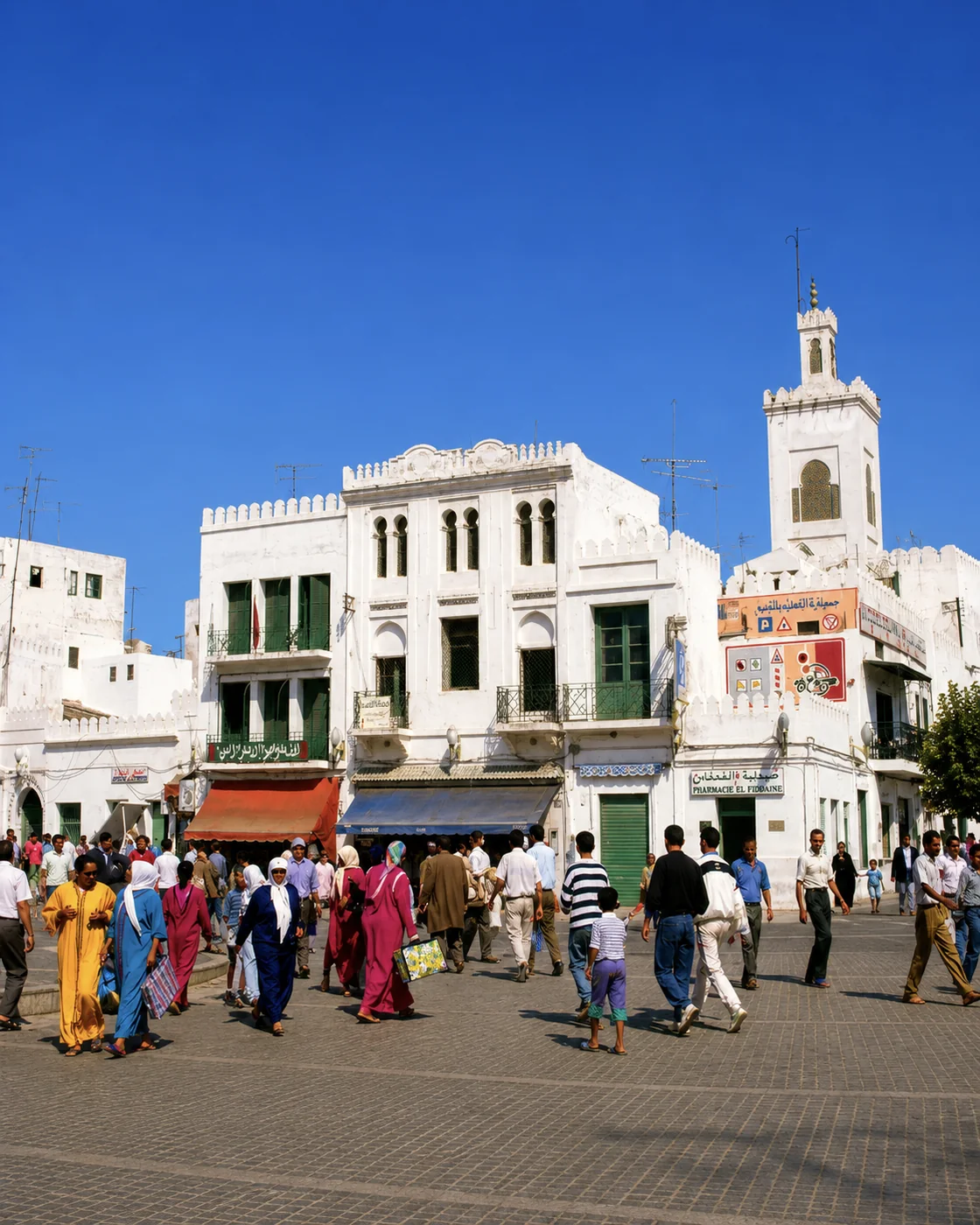
Look for continuity and new work
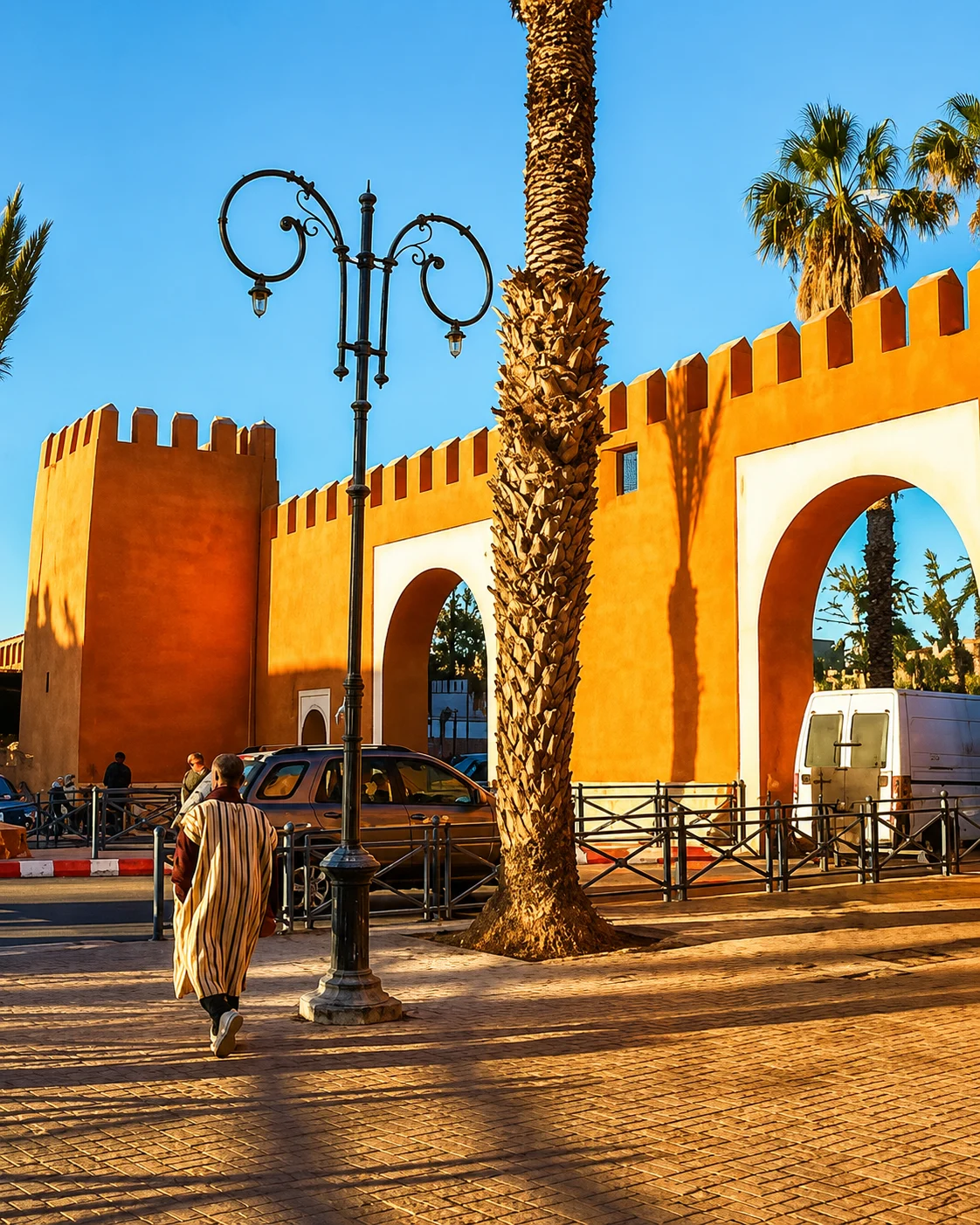
Read jewellery through the individual piece
These threads connect workshops with the architecture, markets and homes that give making a wider context.
Compare form, surface and intended use. A turned profile and painted decoration involve different decisions; firing introduces another stage. Ask a potter which aspects you are seeing and whether the finished piece is intended for food, heat or display.
Look beyond colour towards cutting, stitching, lining and finishing. A tannery view and a finished bag represent different parts of production. Understanding that separation helps you ask a retailer or maker precise questions about the object in front of you.
A carved panel, assembled screen and inlaid box organise wood differently. Follow joints and grain as well as ornament, and ask about the material rather than identifying it by scent or colour alone. Repair can be part of the object's continuing life.
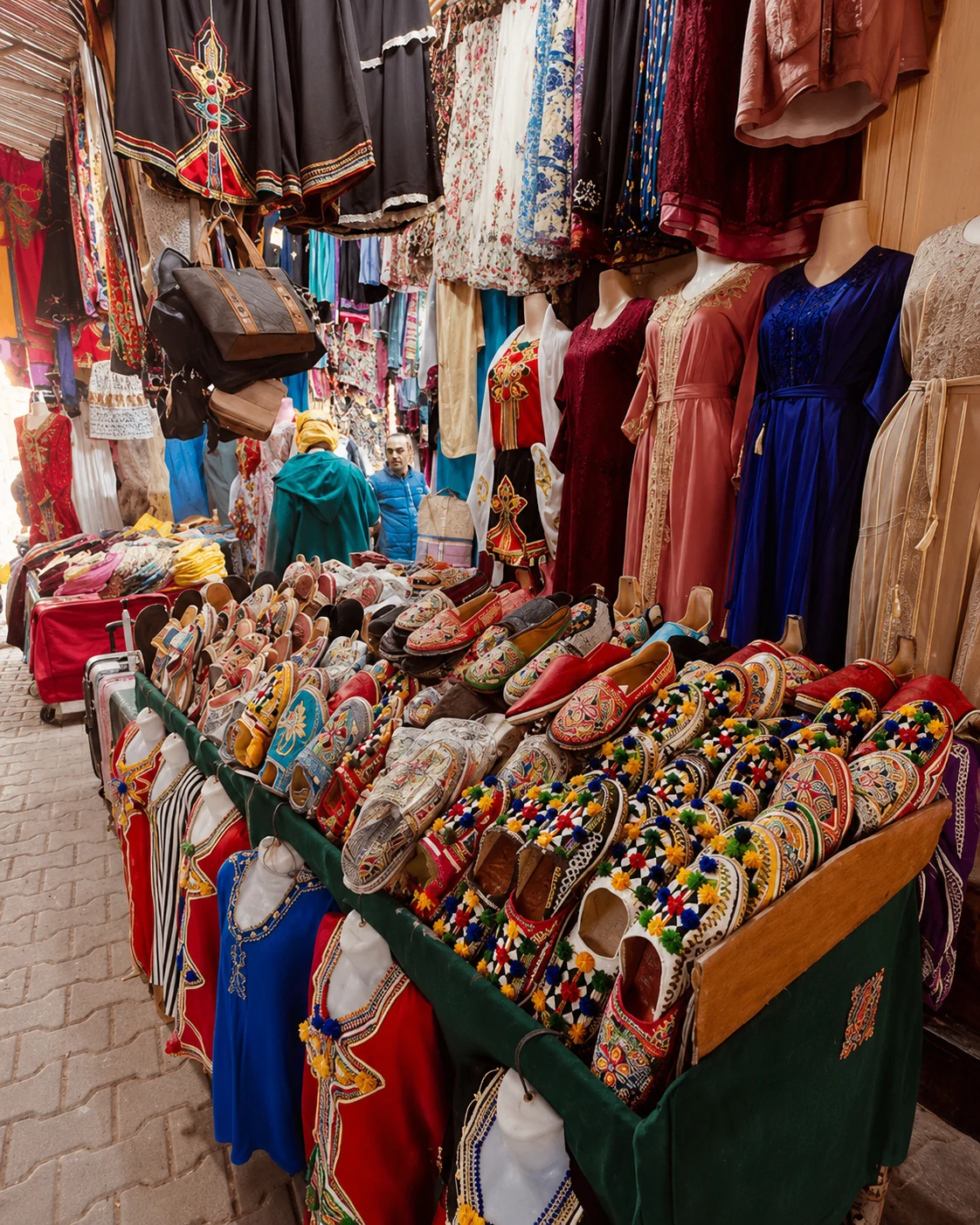
Weaving, embroidery and tailoring are distinct forms of work that can meet in one garment or furnishing. Notice where a pattern is built into the cloth and where it is added. The Dress family develops the relationship between clothing, occasion and identity.
A shape may be cast, hammered, cut, joined or finished through several operations. Ask which processes apply to the specific piece. For jewellery, a stylistic resemblance does not establish age, metal content or provenance; those need their own evidence.
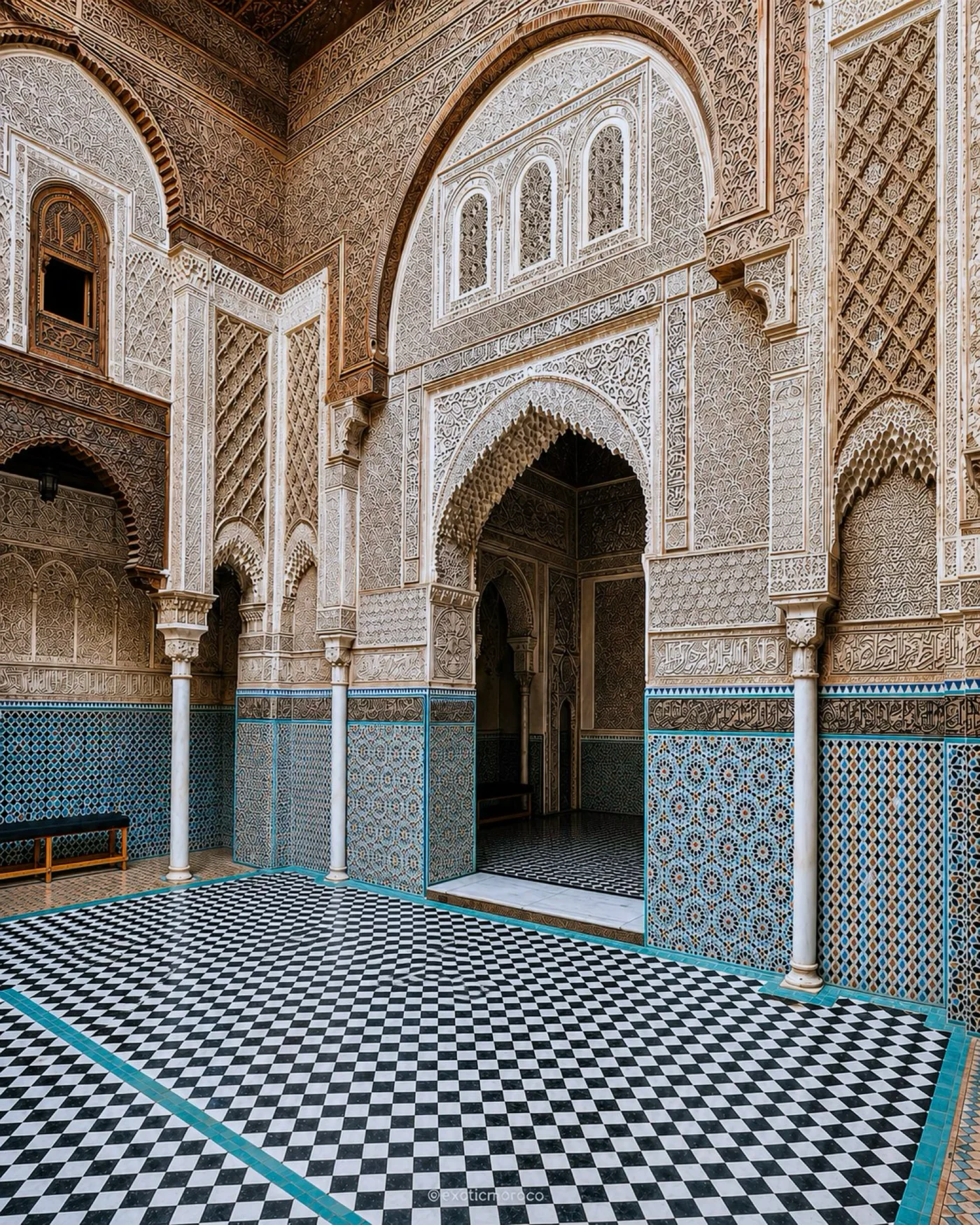
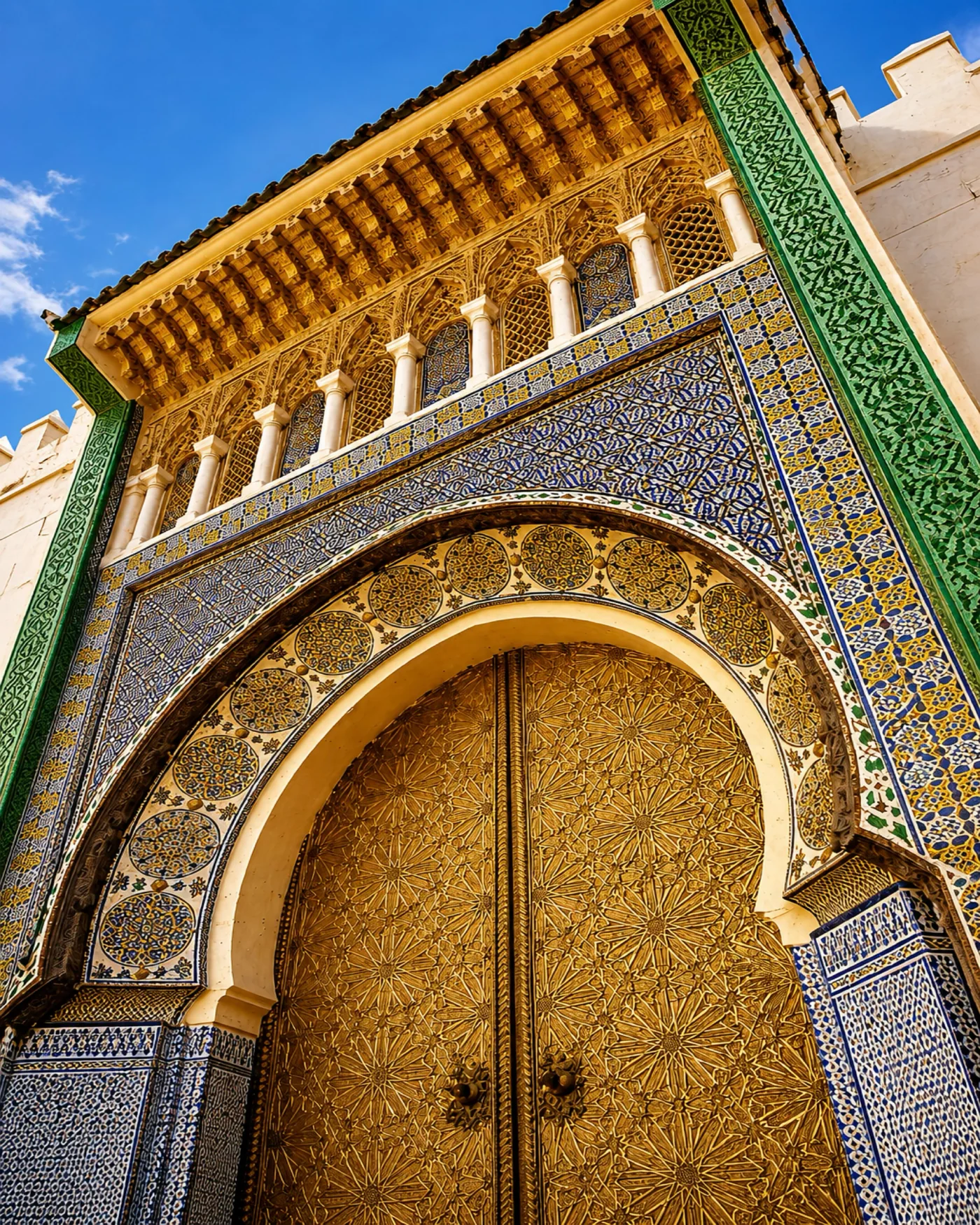
An assembled tile surface links small pieces with a larger geometric plan. Look at the edge, corner and transition to another material as well as the centre of a pattern. Those points reveal how a composition answers the dimensions of a real space.
Let an architectural detail lead to a question about making.
Begin in Fès with something you can examine in an accessible building or museum: a timber joint, tile border, carved surface or metal fitting. Note its scale and purpose before seeking a related craft encounter. This creates a more focused conversation than asking a workshop to explain all Moroccan craftsmanship. A guide or institution can help identify which questions are appropriate to the work actually taking place.
The Met's account of its Moroccan Court documents a collaboration with skilled makers from Fès, a useful reminder that established techniques also serve contemporary commissions. Carry that perspective into the medina. Ask about the piece being made, the stages involved and the intended customer when the maker is willing to discuss them. Keep viewing and buying separate enough that both can be honest. If you purchase something, retain a clear description of the material and care information, alongside any account of who made it.
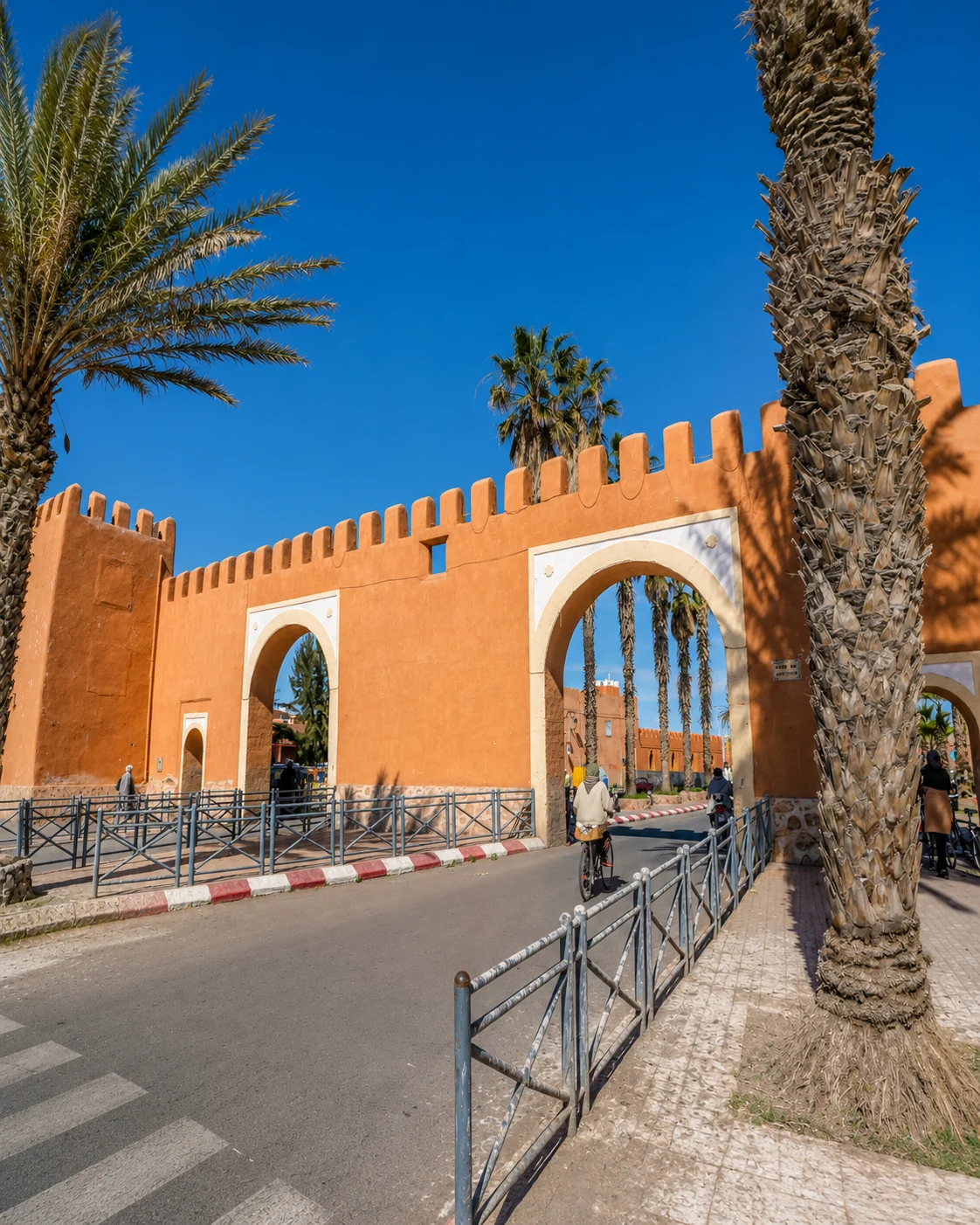
Madrasa courtyardMedina viewRoyal doors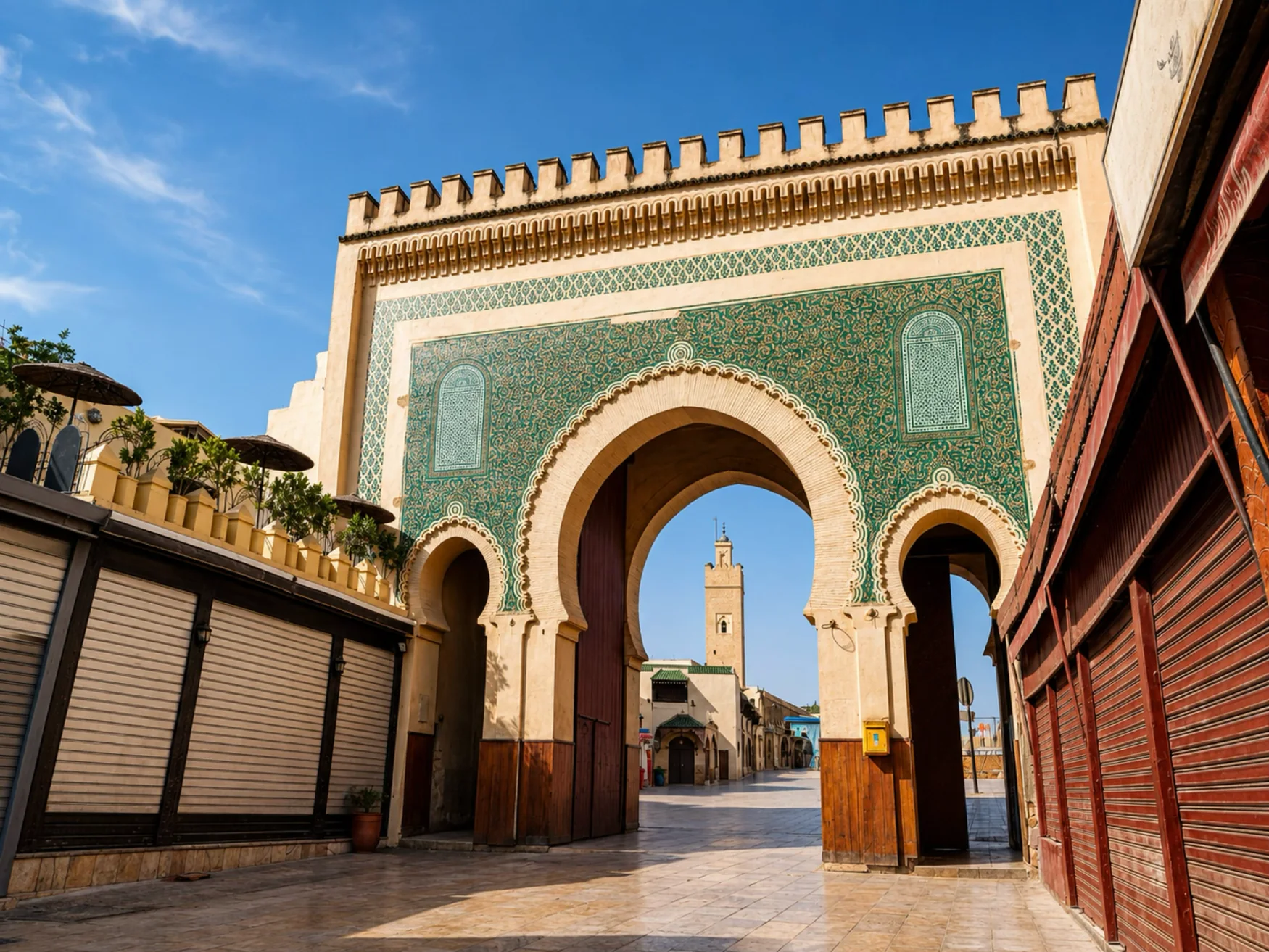 Bab Boujloud
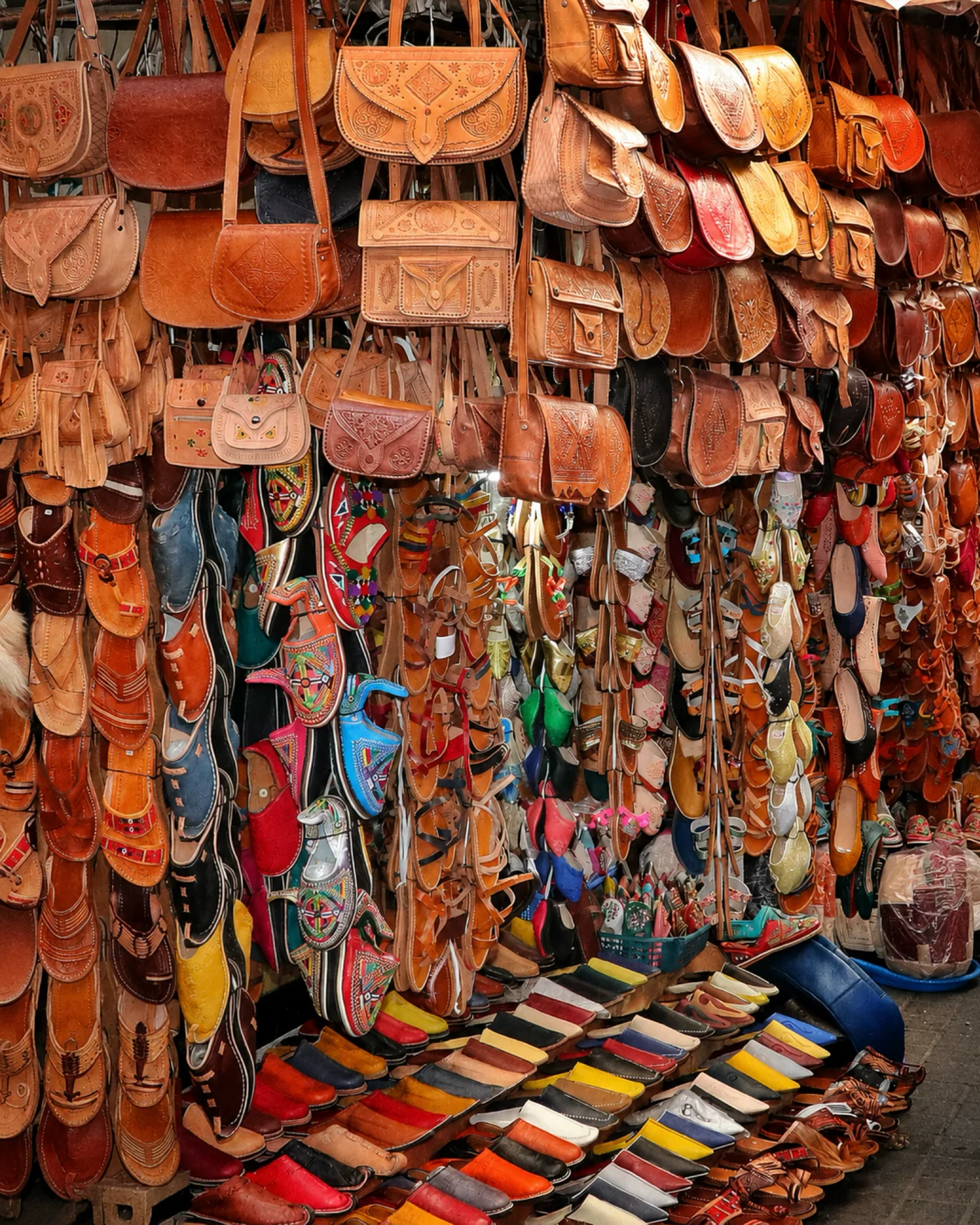 Craft detail
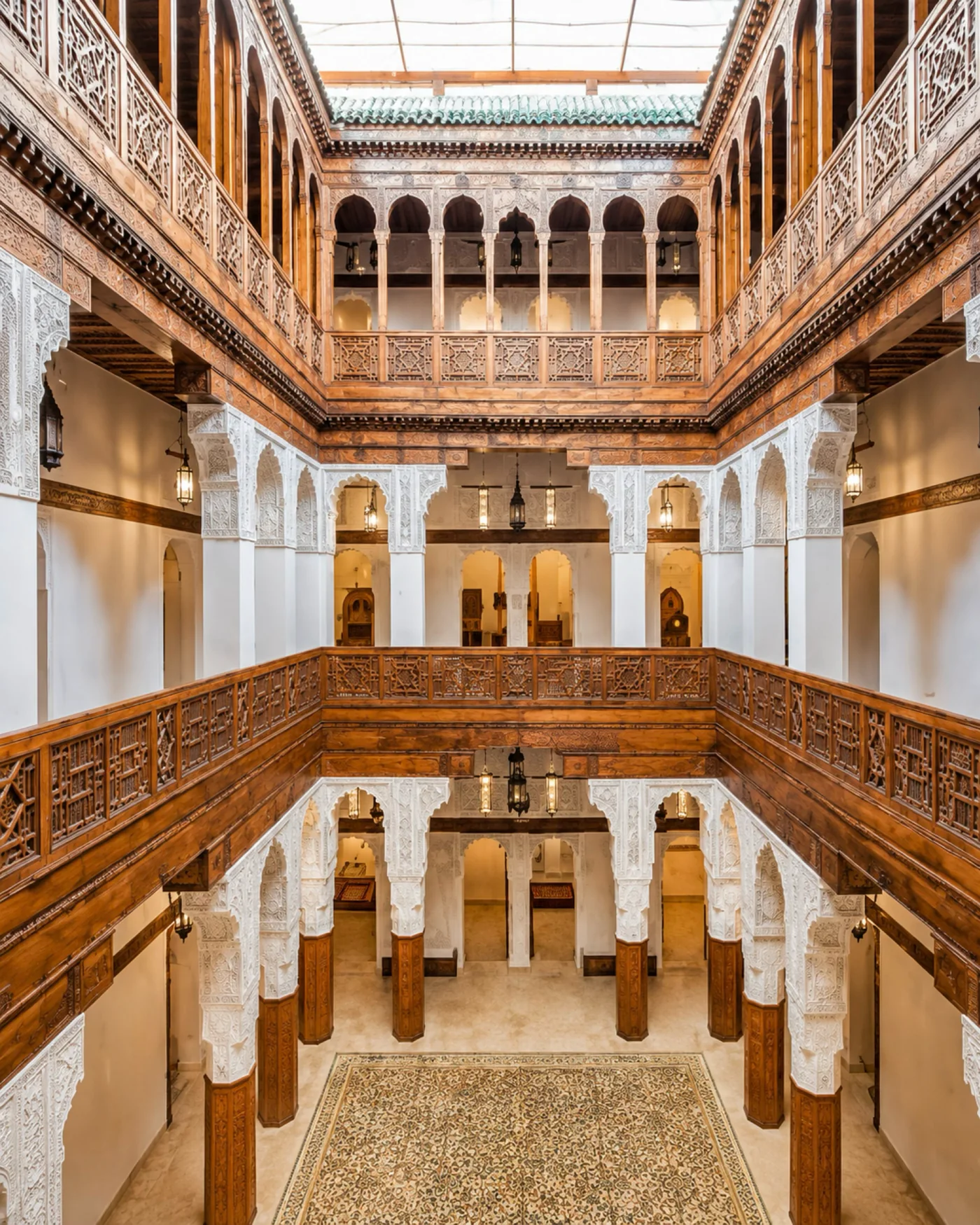 Nejjarine
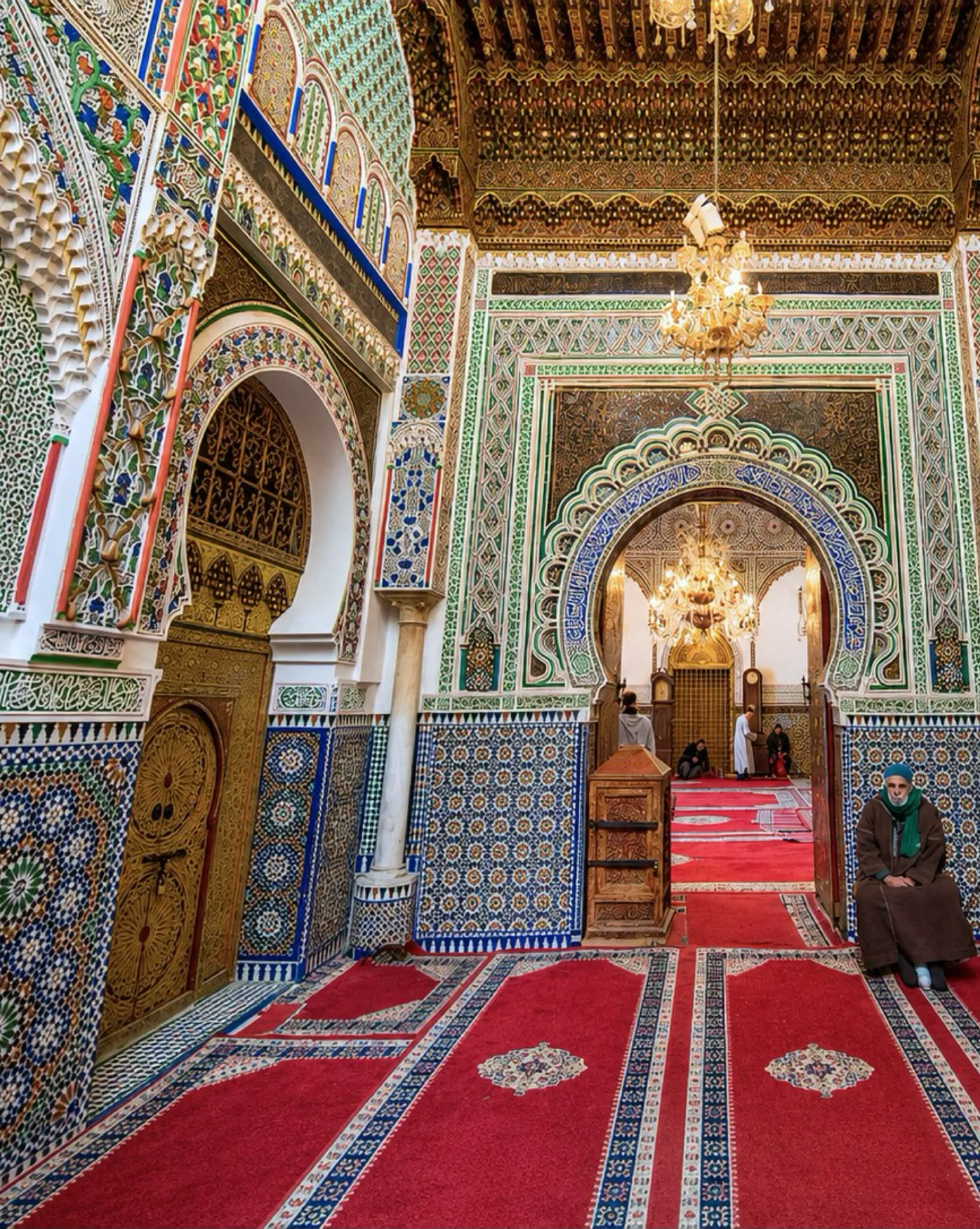 Moulay Idriss II Mausoleum
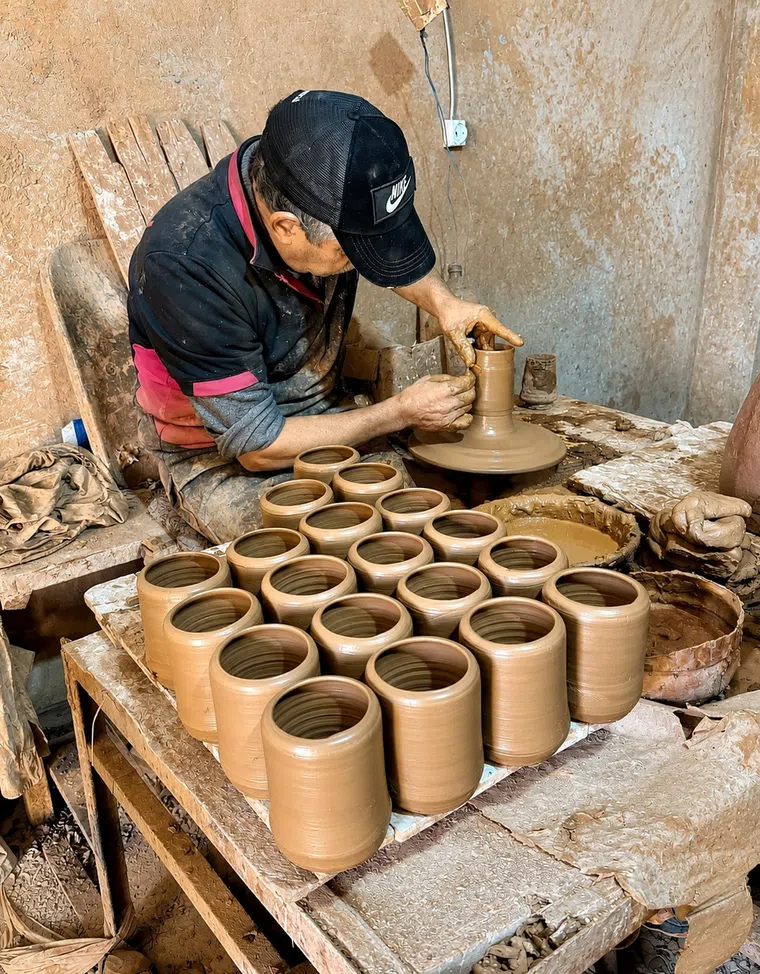 Ceramic craftAtlantic portPottery hill
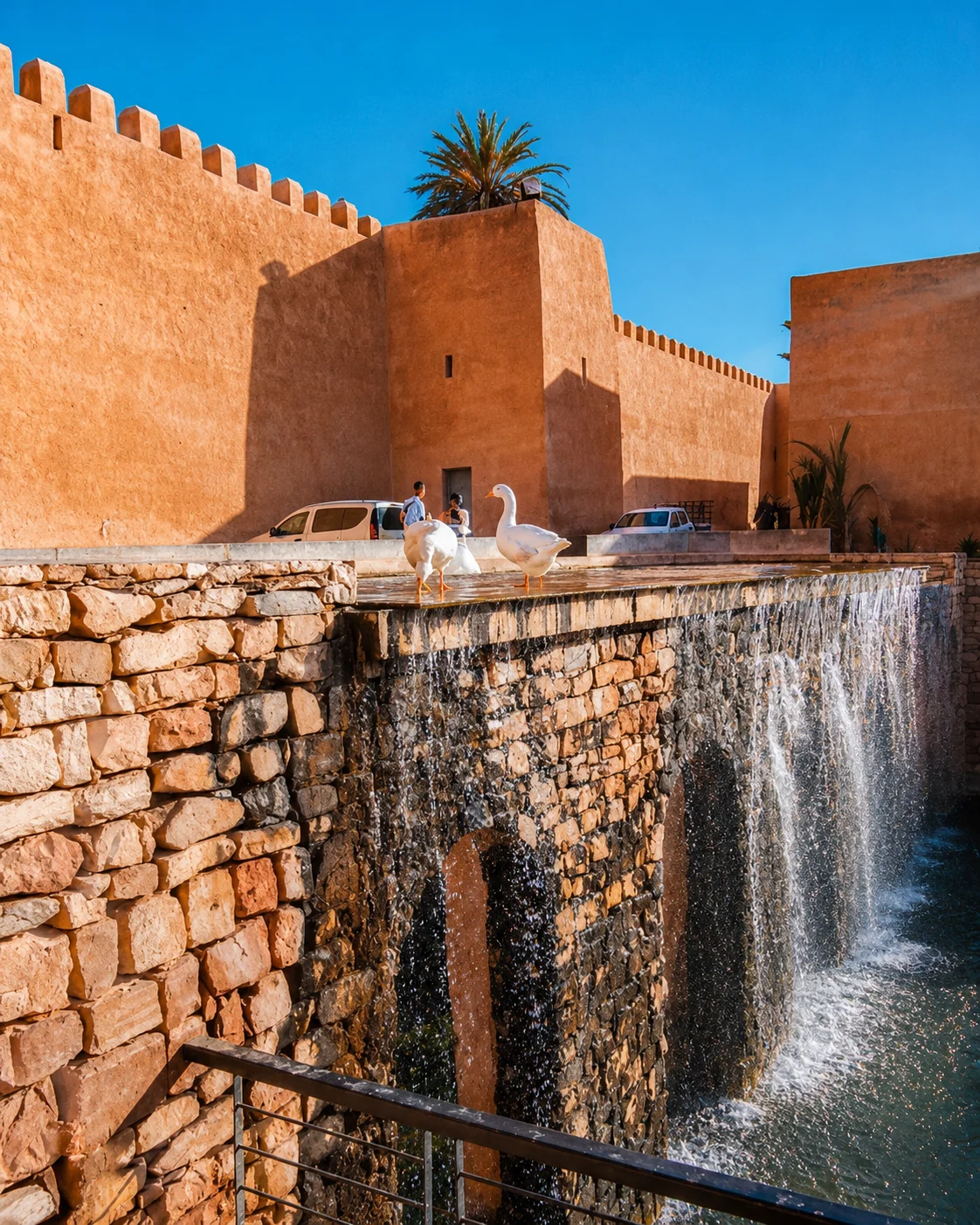
 Sea castle
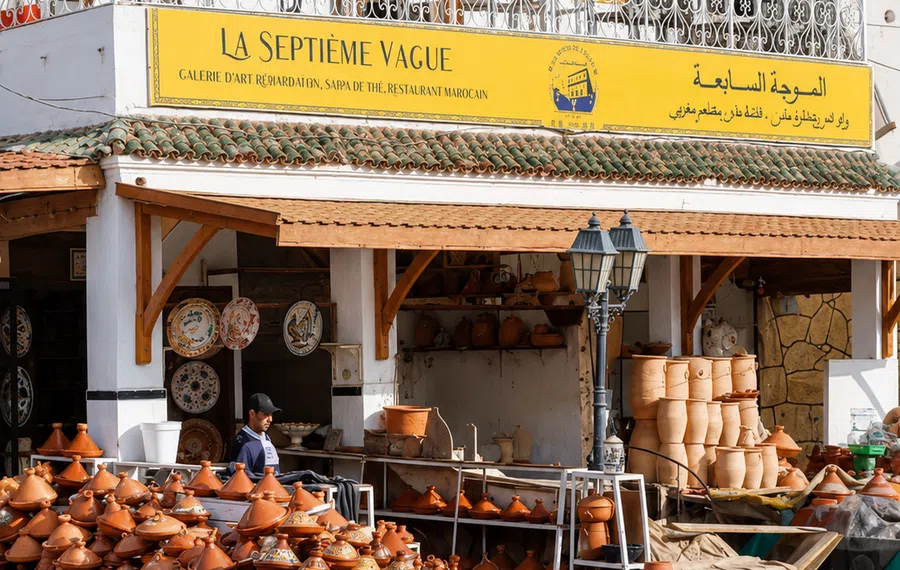 Medina craft
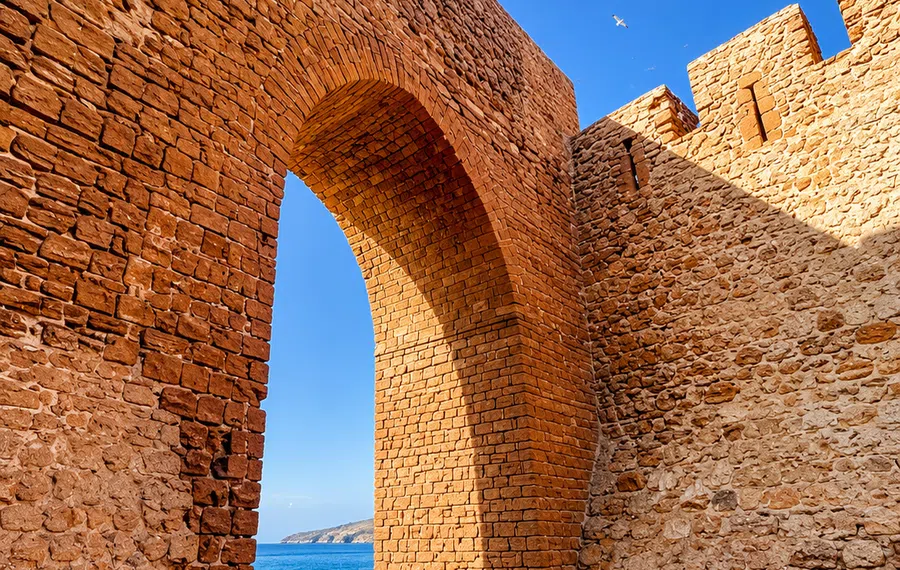 Coastal cliffs
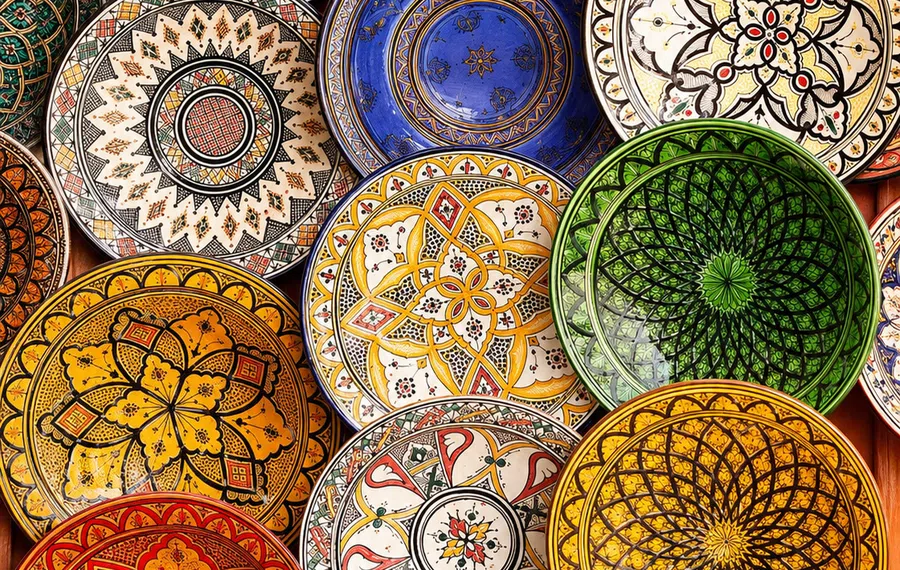 Craft detail
Move from a finished vessel towards the decisions that shaped it.
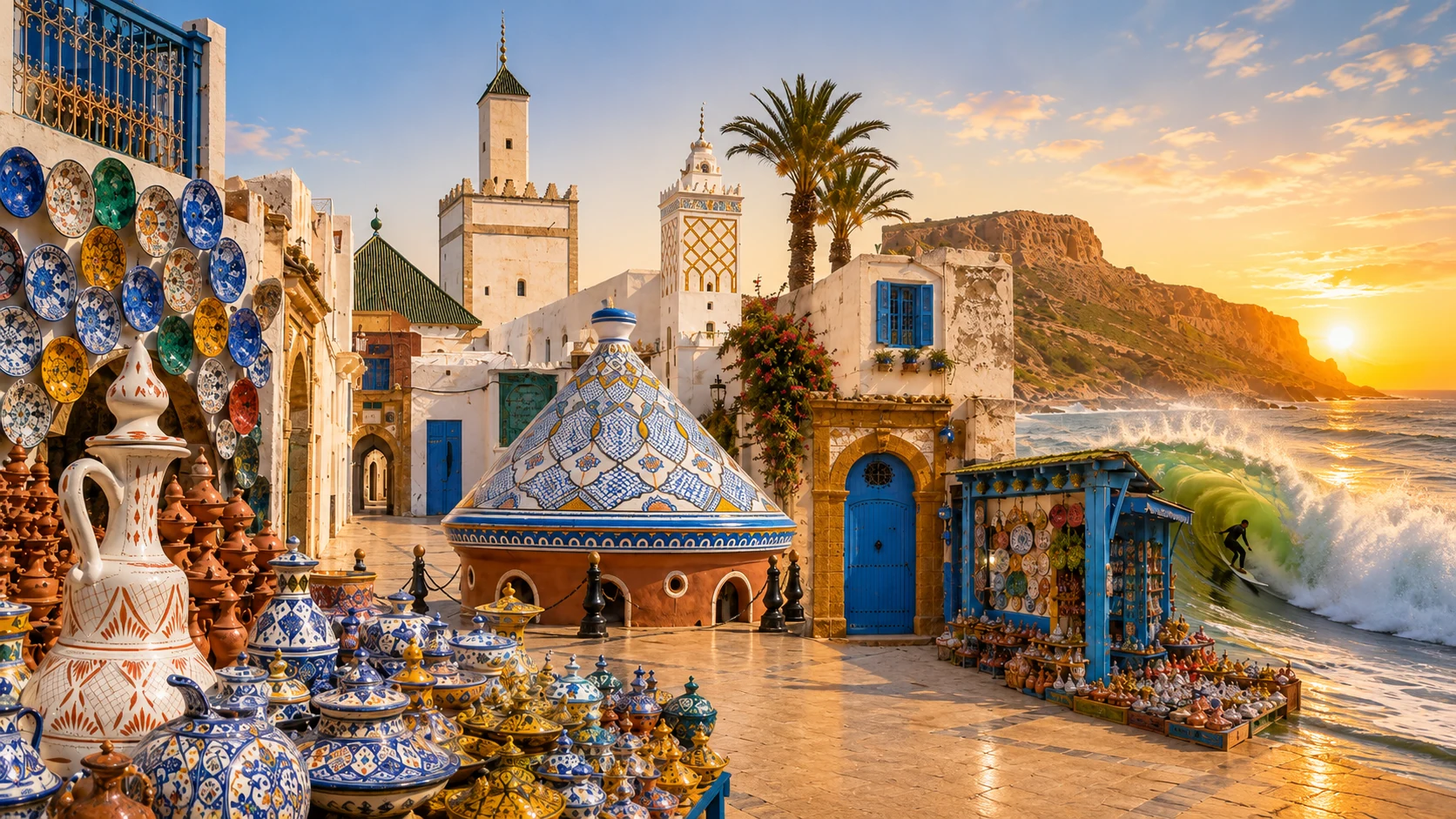
Safi's strong pottery identity makes it a useful place to concentrate on ceramics. Start with form: the opening, rim, body and base tell you something about how an object is meant to be handled. Then consider surface and decoration. These are different questions from where the clay came from or how the piece was fired, and a workshop explanation can connect them without requiring you to guess.
A production visit should follow the working day's possibilities. Some stages need time or equipment that cannot be demonstrated immediately, and a sales area may contain work from more than one source. Ask what you are actually seeing. A museum visit can add historical comparison, while the surrounding port city places pottery within a wider urban economy. If an object is intended for cooking or serving, confirm its suitability and care directly; visual appeal alone is not a reliable guide to function.
A craft city includes training, design and contemporary choices.
Tétouan's designation in UNESCO's Creative Cities Network for Crafts and Folk Art provides a useful starting reference. Its craft identity includes several materials and forms of expertise, rather than a single visual signature. Explore an accessible institution, workshop or exhibition through a specific question: how is a design developed, what skill does a stage require, or how does a maker adapt work for a different use?
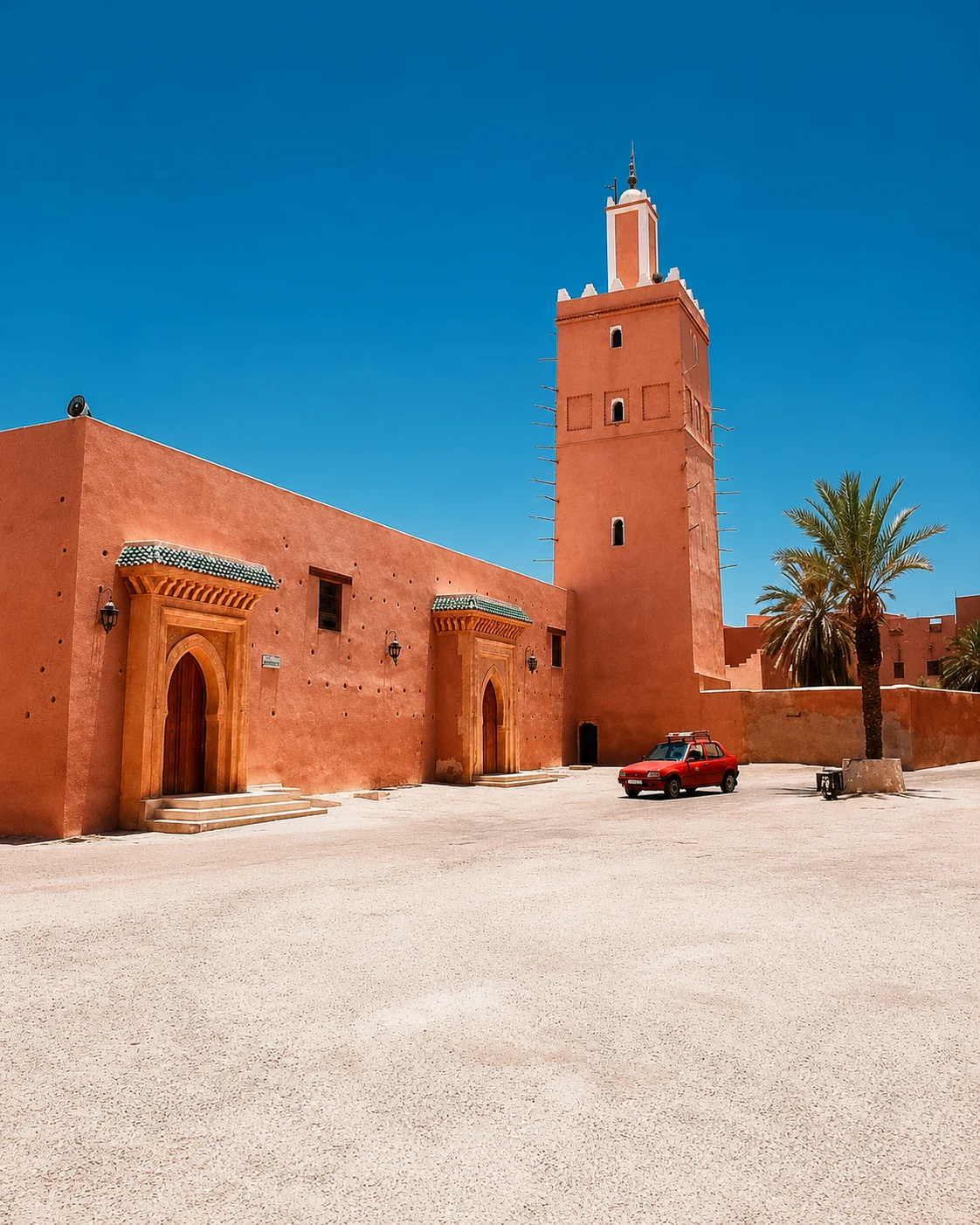
The medina also gives craft a built setting. Doors, surfaces and fittings can prompt questions that an object display alone would not raise. Avoid assuming that every item seen in a shop was made in the city, or that contemporary design weakens a tradition. A careful conversation can reveal the relationship between inherited knowledge and individual decisions. Combine the encounter with time in ordinary streets and public spaces so the craft visit remains part of an inhabited northern city, not an isolated shopping excursion.
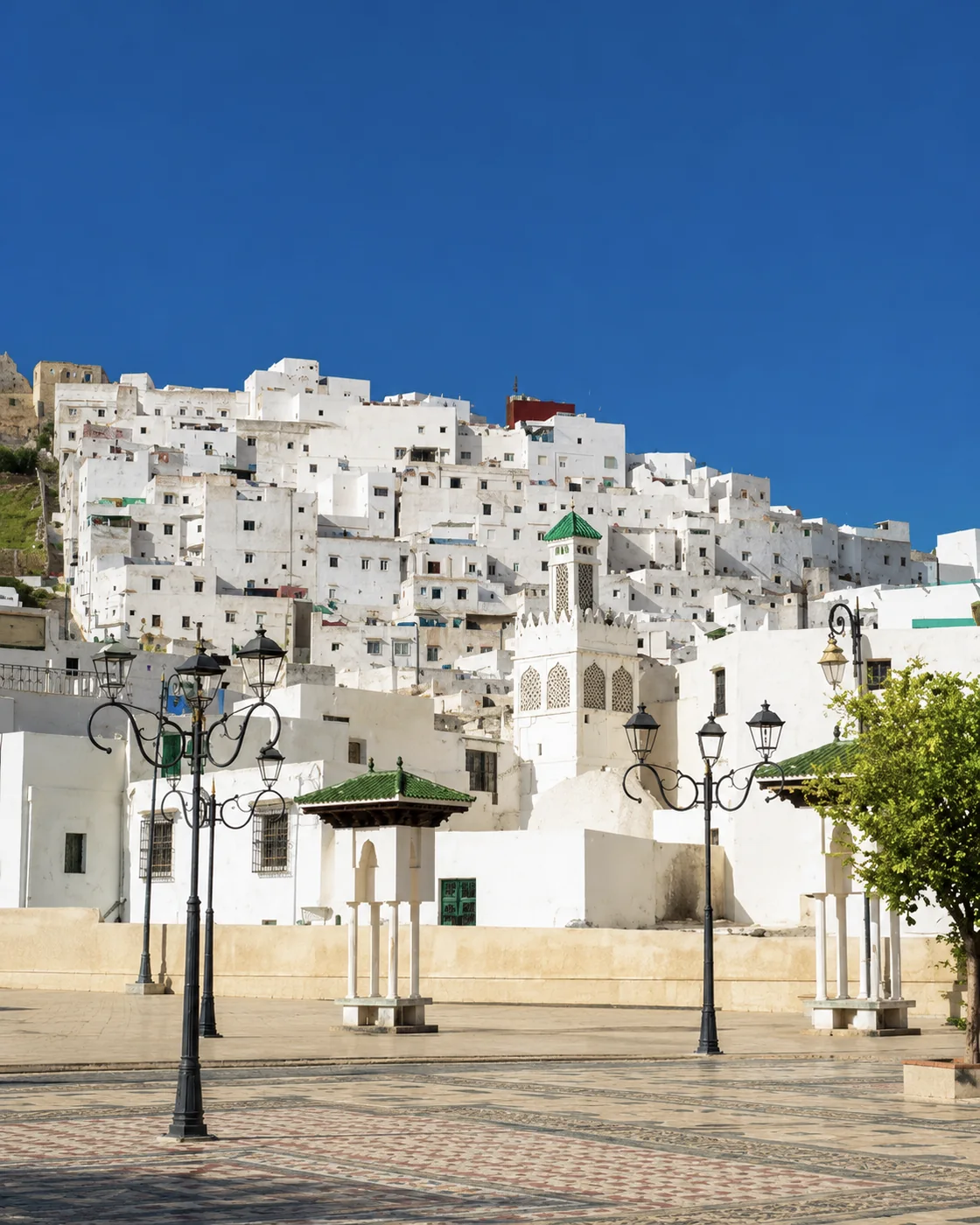 White MedinaBab OklaPlace Hassan II
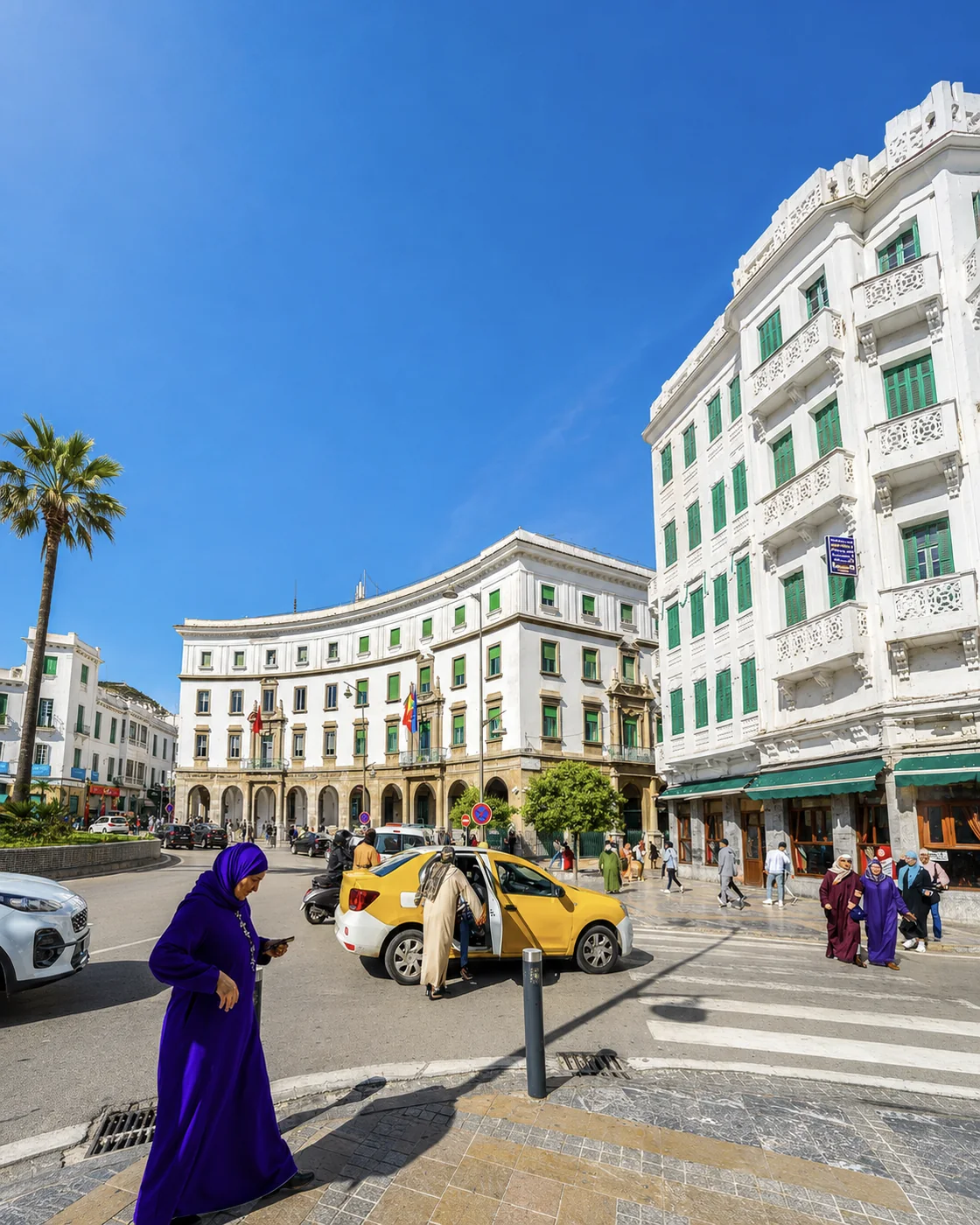 Ensanche
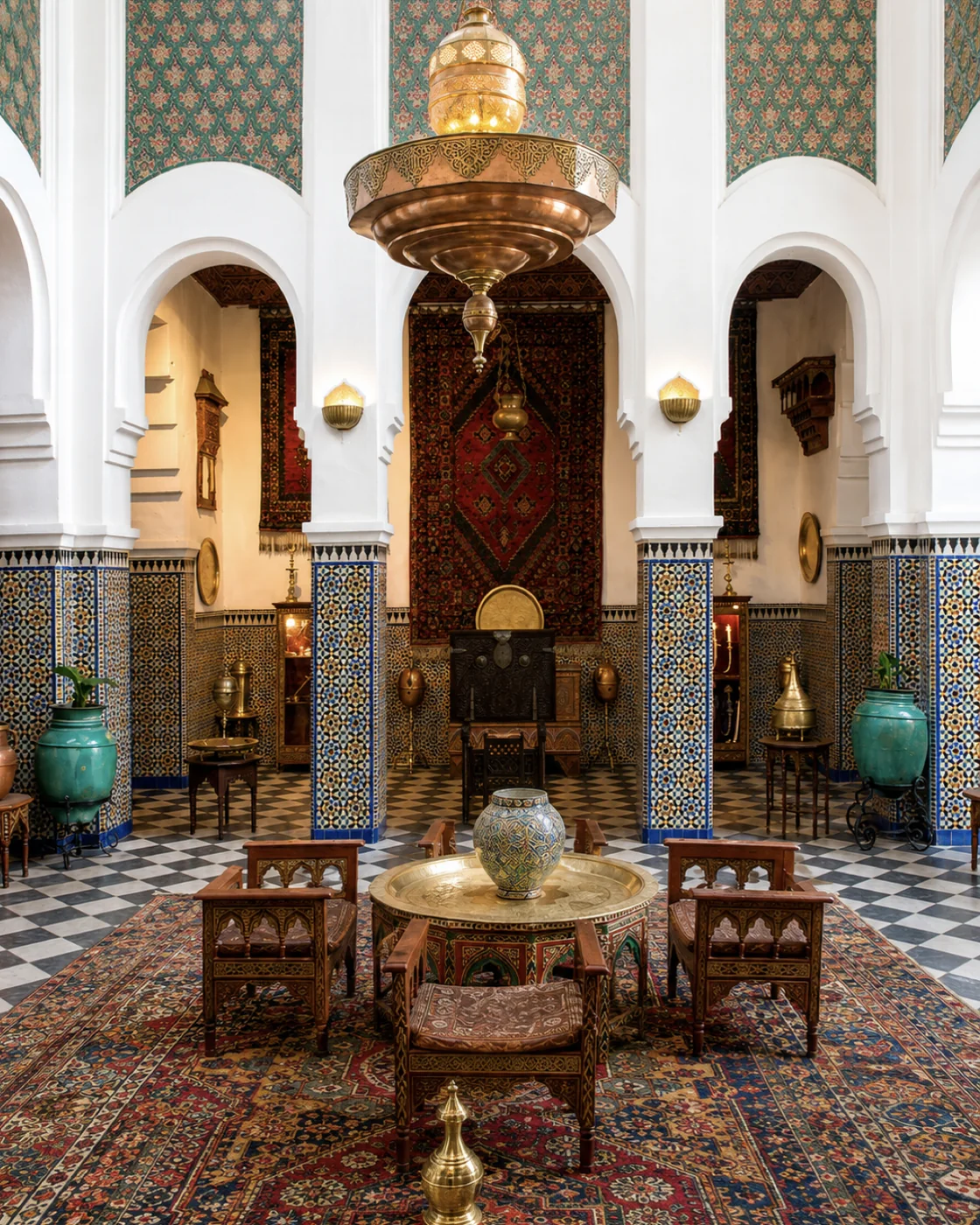 Heritage interior
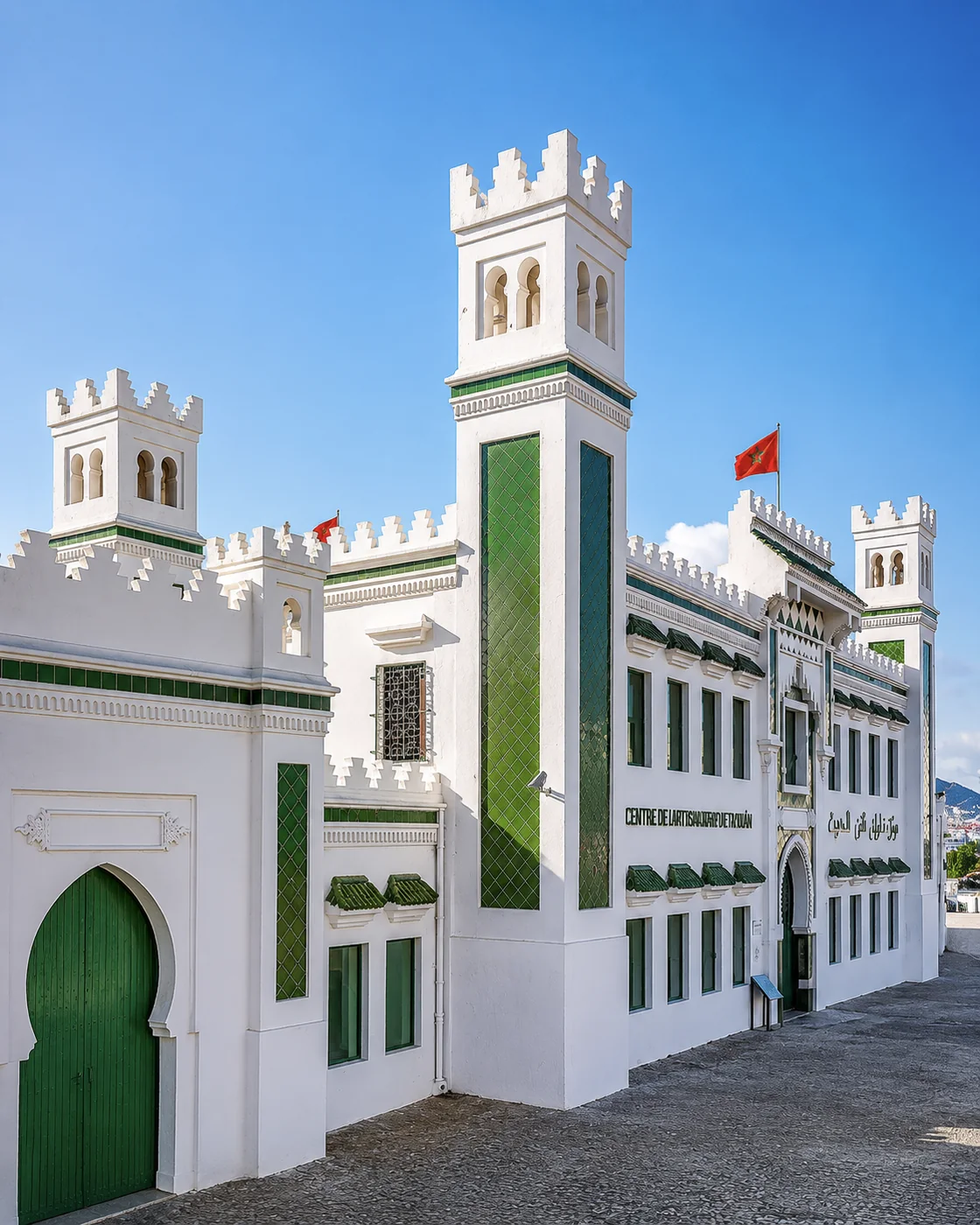 Dar Sanaa
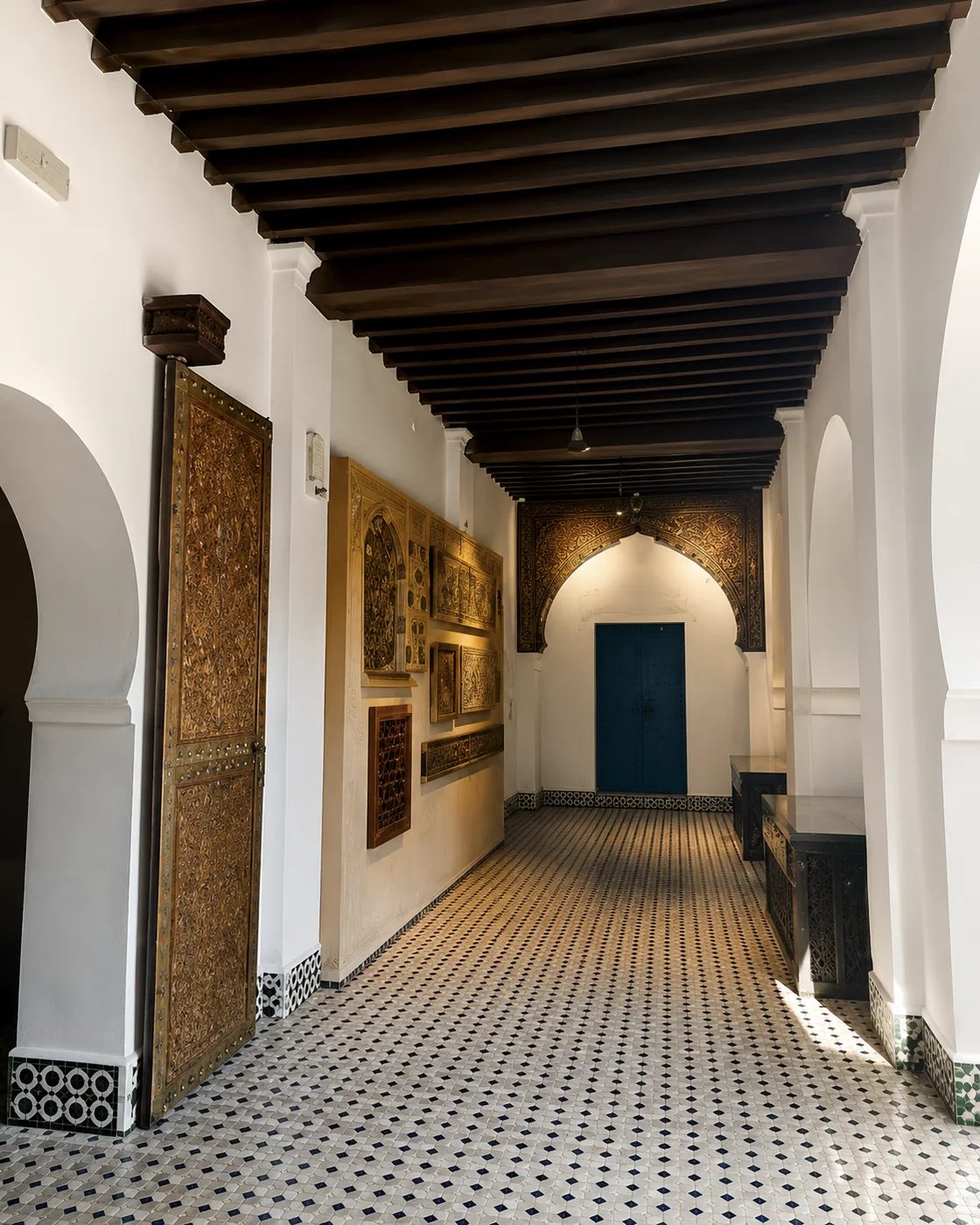 Museum corridor
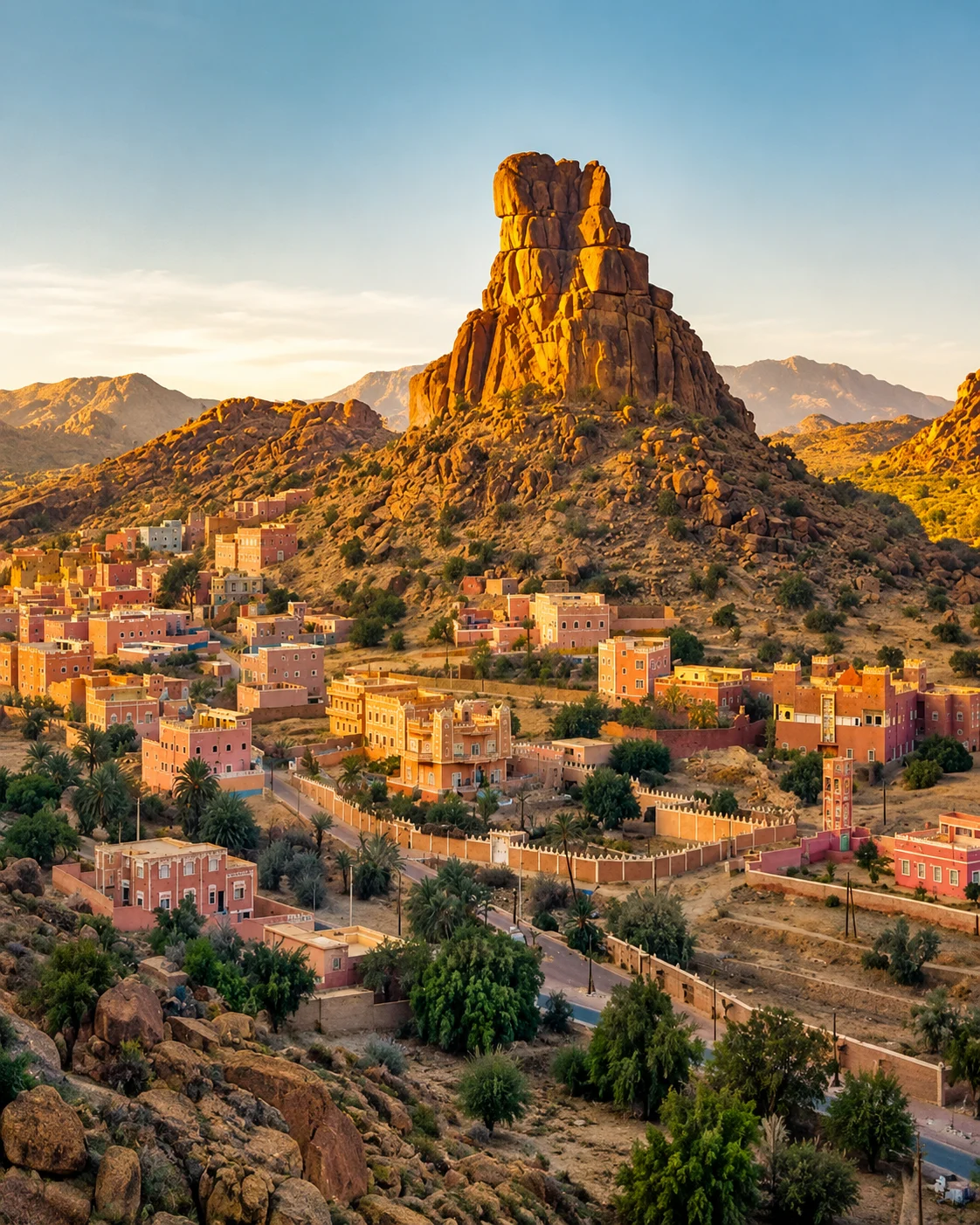
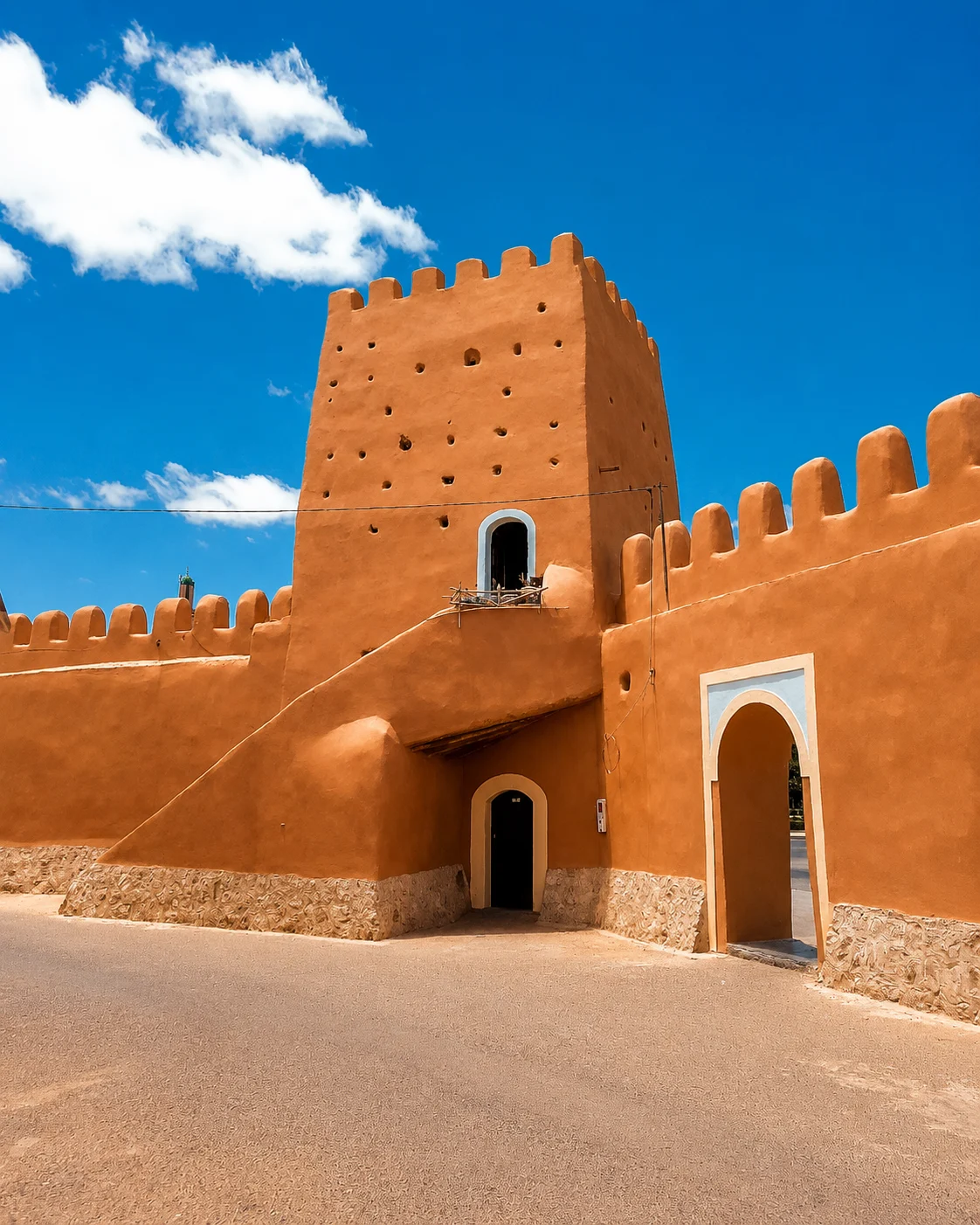 Silver cityTiznit wallsSilver souk
 Blue Spring / Aïn Zerka
 Medina gates
 Aglou coast
 Anti-Atlas route
Ask about material, technique and provenance separately.
Tiznit's jewellery associations make it a natural southern starting point for a metalwork journey. Examine a piece through its construction: how elements meet, how it fastens and how the surface is finished. These observations create useful questions for a maker or seller without pretending that appearance can establish composition, date or origin. A new object can be interesting in its own right, with no need for an unsupported antique story.
The relationship between jewellery, dress and occasion deserves attention as well. Ask for the context of a specific form rather than assigning a single meaning to all Amazigh jewellery or all southern ornament. If you are buying, request a clear description and evidence for any claims that matter to the decision. Then step back into the town: walls, shops and daily exchanges place specialised making within a broader urban life. Tiznit can be part of a southern regional stay rather than the endpoint of a hurried national shopping circuit.
Fès · Bab BoujloudSafi · Sea castleTétouan · EnsancheTiznit · Blue Spring / Aïn ZerkaFès · Craft detailSafi · Medina craftTétouan · Heritage interiorTiznit · Medina gatesFès · NejjarineSafi · Coastal cliffsTétouan · Dar SanaaTiznit · Aglou coastAn architectural surface gathers many decisions: the pattern's scale, the meeting of materials, the treatment of a corner and the way wear is repaired. A craft journey can train you to notice those decisions. Compare an object held in the hand with a surface built into a room, then ask what changes with scale and purpose. Moroccan Interiors & Details follows this relationship into courtyards, thresholds and table settings.
Tile, timber, leather, metal
Shaping, decoration, firing
Workshop, institution, medina
Construction, material, use
Choose one or two craft centres that fit the wider journey and confirm actual access to any planned workshop. A single well-explained process can support a whole day of looking. The schematic connects material questions across cities; it does not promise a continuous short route or a particular demonstration on arrival.
FèsArchitecture and workshopSafiCeramic form and surfaceTétouanCraft and artistic lifeTiznitJewellery and contextA few considered choices make the connections between these places more useful.
What is it made from? Which part of the work happens here? What should I know about using or caring for it? These questions are simple enough to translate and specific enough to improve most encounters. Add a question about the maker's own choices when there is time and interest in conversation.
A workshop is a workplace. Agree any fee or arrangement for a demonstration in advance, keep pathways clear and ask before photographing people or their work. If someone does not wish to explain or be photographed, continue without pressure. The quality of a visit includes how it feels to the person receiving you.
Record the maker's name if offered, the place of purchase, material and care instructions. Distinguish what you observed from what you were told. Craft Signatures develops this approach to provenance and regional identity, helping you appreciate connections without turning a style label into proof of origin.
Historical and geographical references reviewed in September 2026. Route pairings and looking suggestions are Exotic Morocco editorial guidance. Check current access and transport arrangements before travelling. Existing regional library imagery is retained; photographs and illustrations do not establish present-day access or conditions.
Open the individual place guides for local context and a more detailed visit. Return to Regions to compare other landscapes and cultural connections.