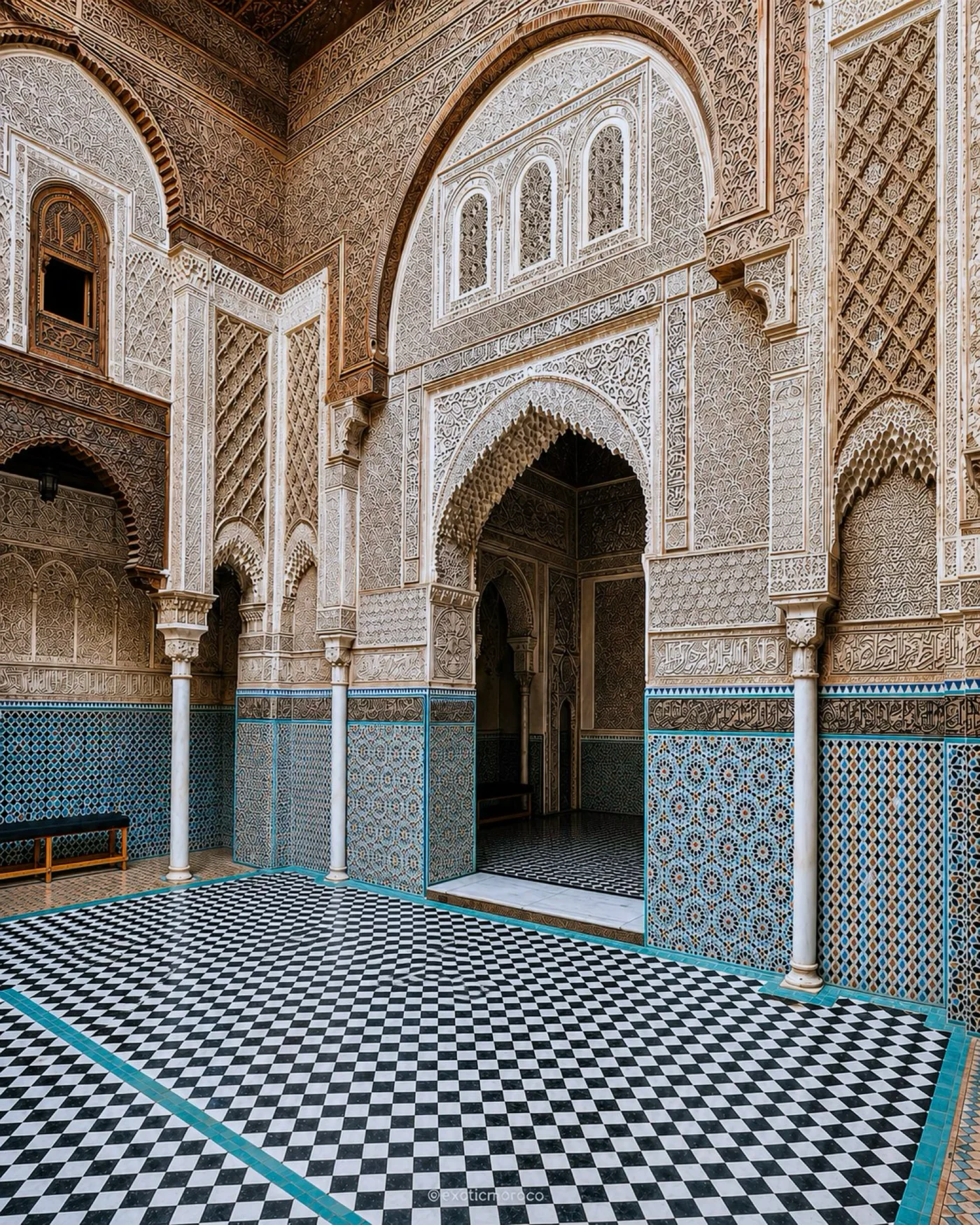
Fès
Separate foundation, later expansion and the life of a particular building.


How power remains visible after its moment
Read Fès, Marrakech, Meknès and Rabat through foundations, patronage, institutions, ceremonial space and the later lives of historic buildings.
A dynasty can commission a building, enlarge a city or change the location of authority. What survives is more complicated than a chronological list. Later rulers alter earlier work; institutions outlast their patrons; repair and reuse change what a visitor sees. Dynastic memory is the relationship between those material traces and the stories attached to them.
The imperial cities offer an especially useful comparison because each contains several periods. Treat Fès, Marrakech, Meknès and Rabat as layered urban places, not as four boxes with one dynasty in each. Ask who commissioned a feature, what it did, what later changed and how its meaning is presented today. Those questions connect political history with architecture while leaving room for the people and institutions that sustained the city beyond its royal projects.
Separate foundation, later expansion and the life of a particular building.
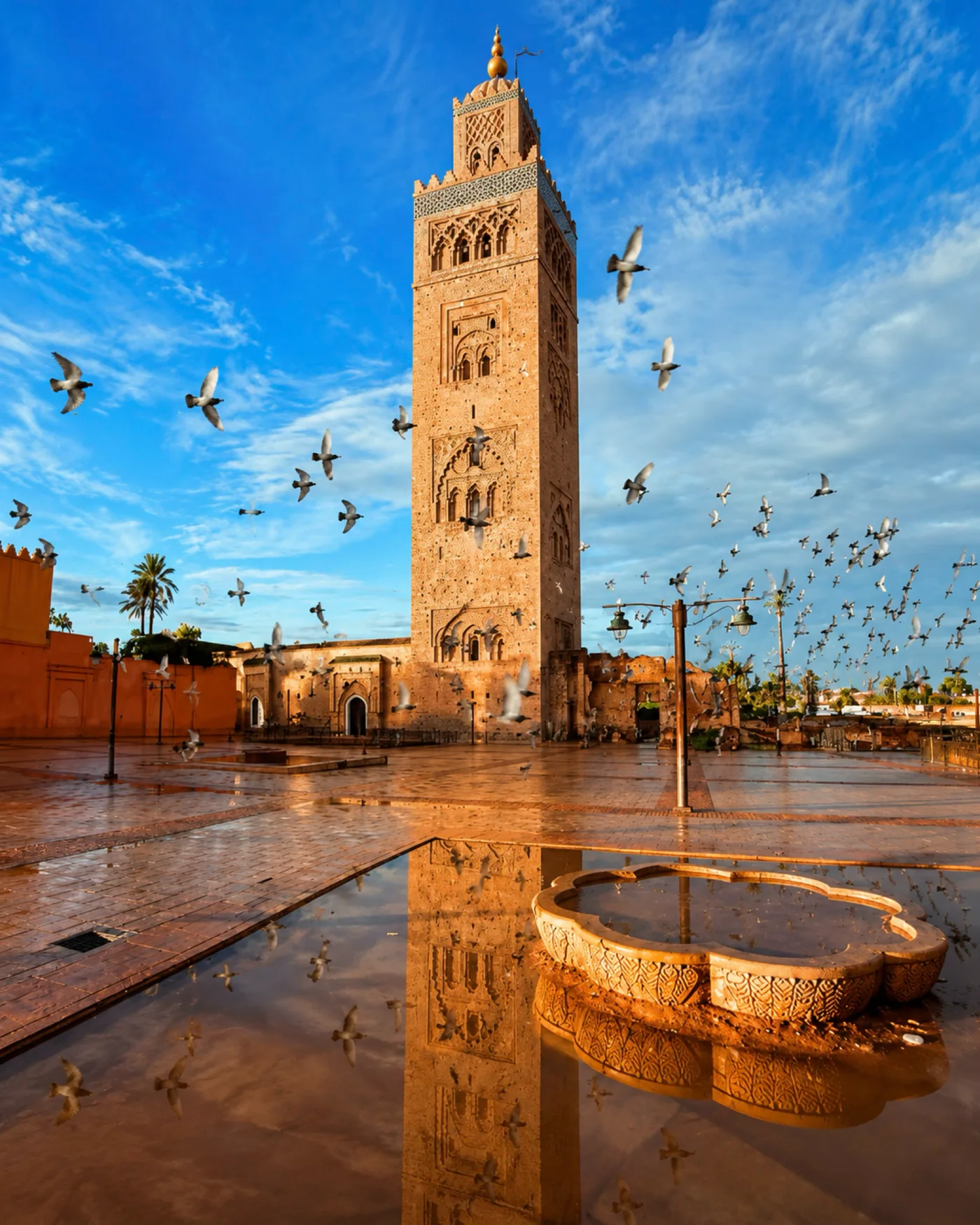
A familiar skyline contains buildings with different histories.
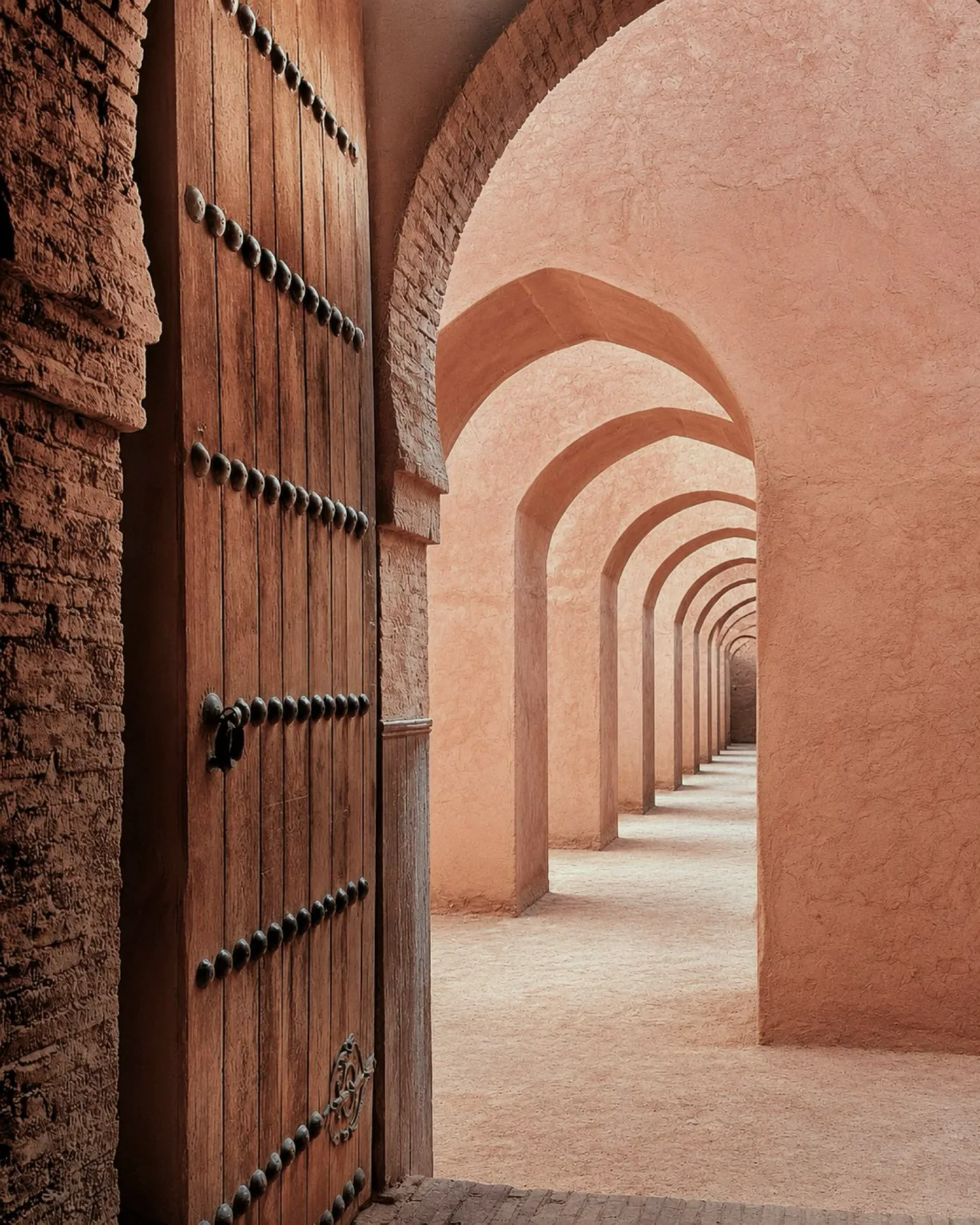
Approaches, walls and infrastructure make ambition tangible.
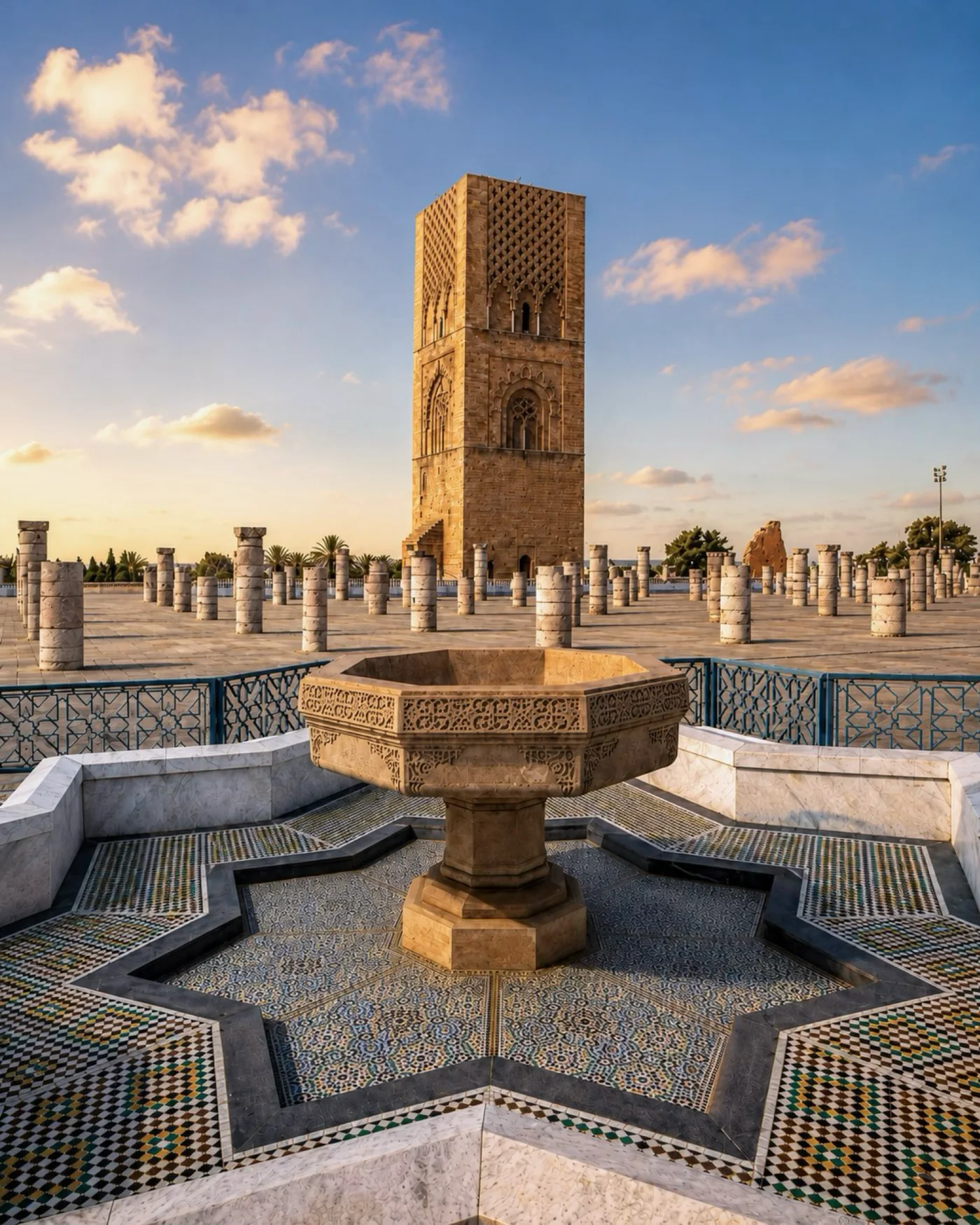
Planning is part of heritage, not an interruption to it.
Start with a particular kind of evidence: an urban foundation, madrasa, ceremonial gate, cultivated landscape or modern capital plan. Compare examples whose histories you can establish, rather than assuming that a shared decorative vocabulary implies a shared date. The four city portraits below provide different points of entry. Their order is conceptual; a practical journey through them requires a separate plan for distances, access and time on the ground.
Fès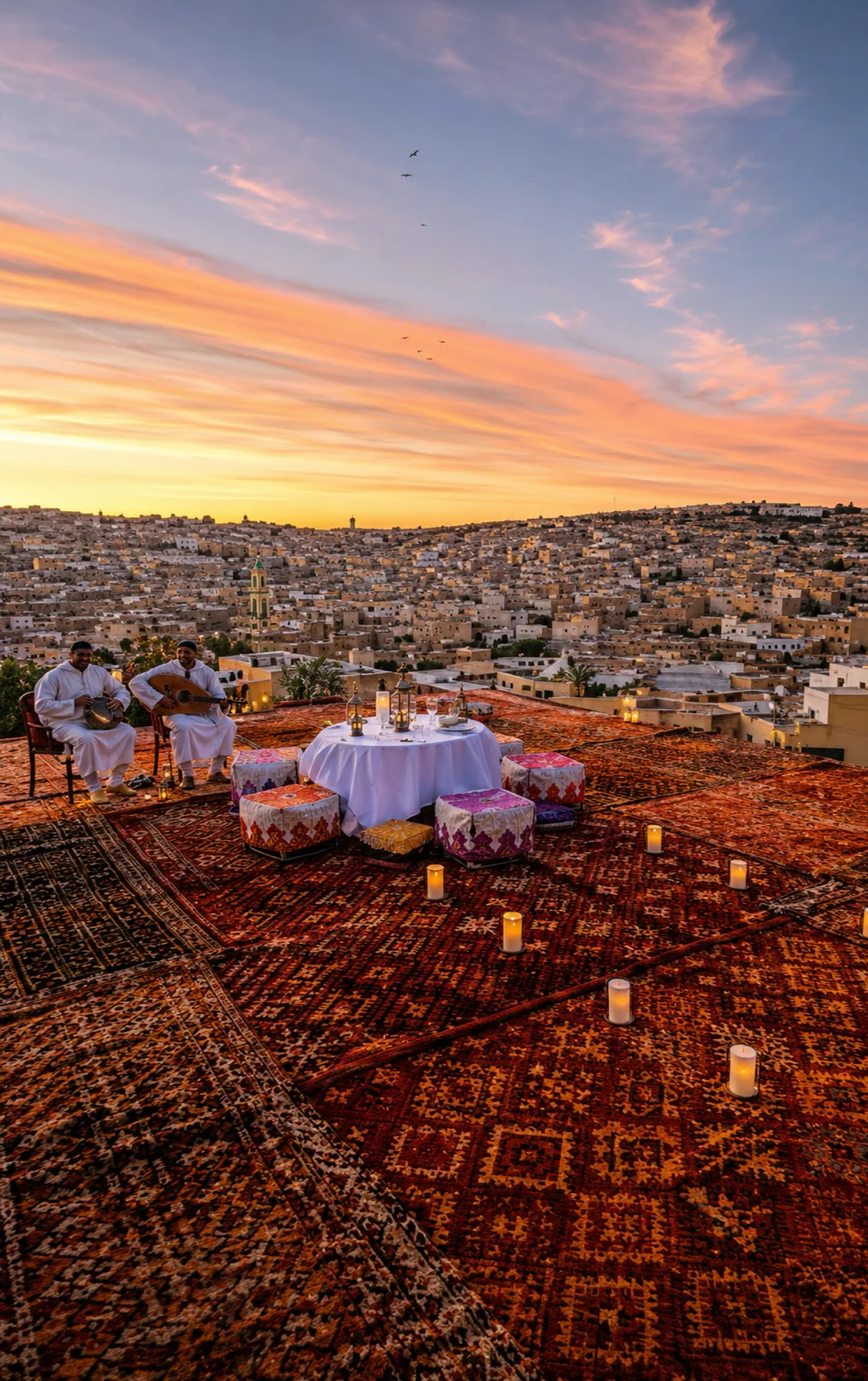 Fès
Fès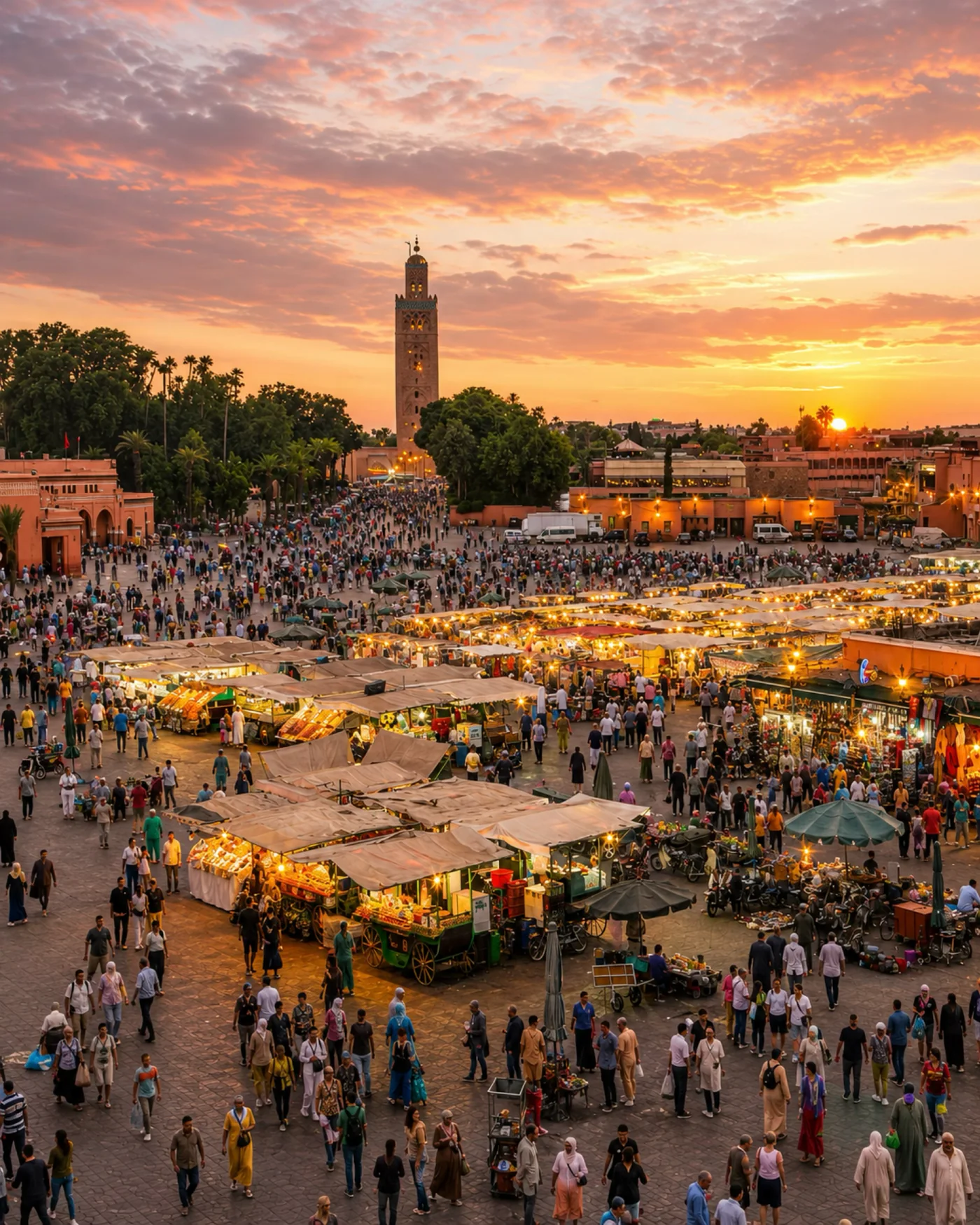 Marrakech
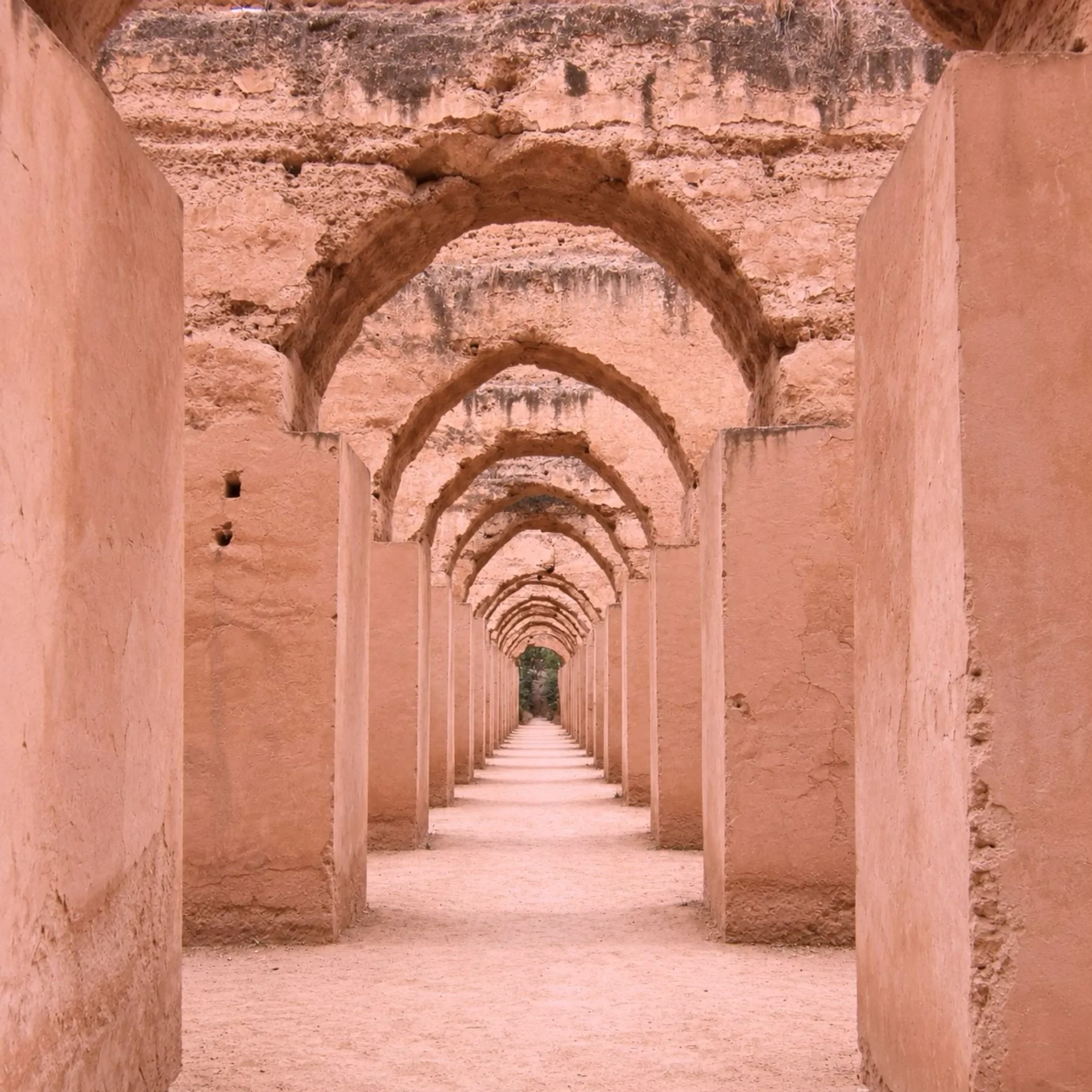 Meknès
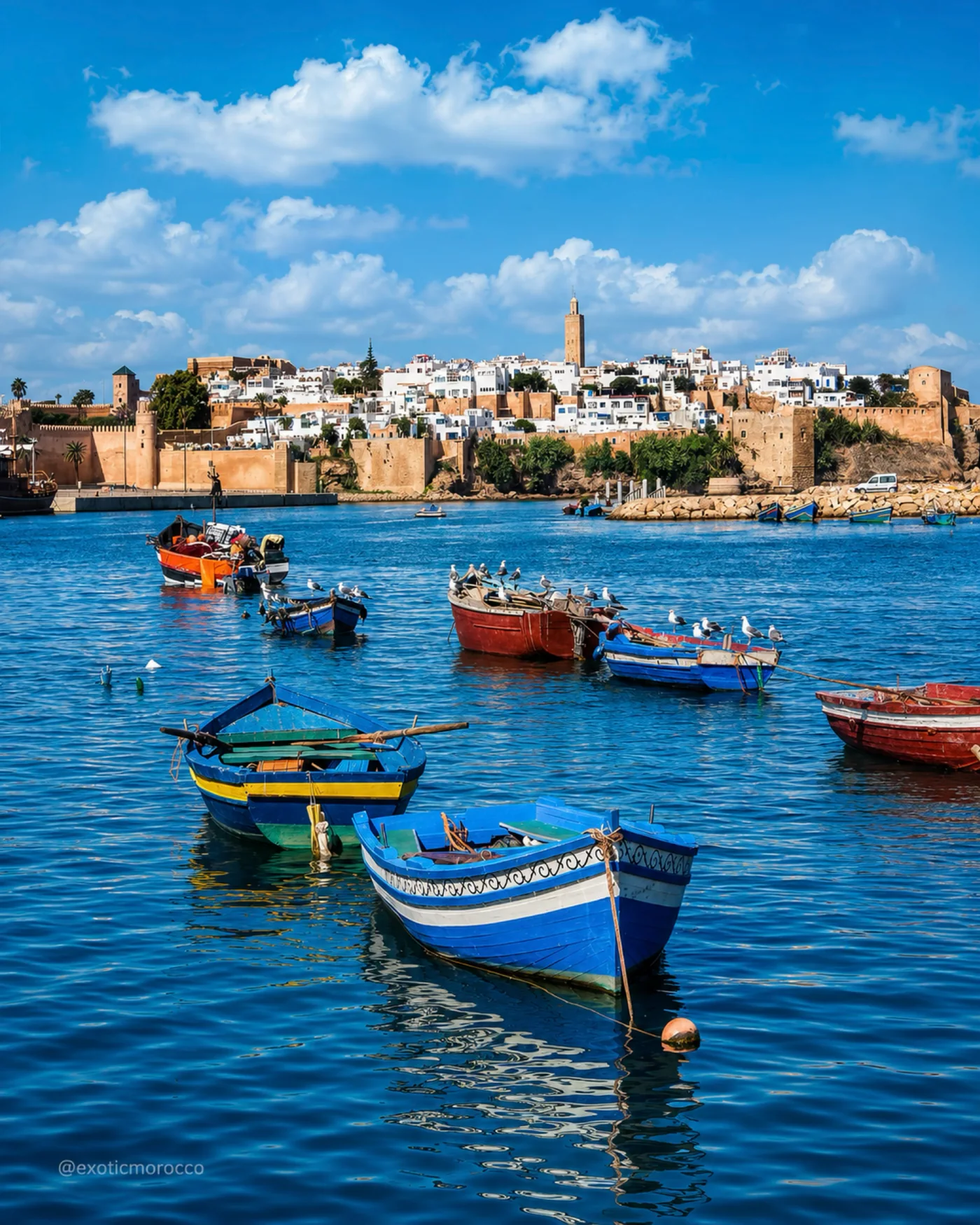 Rabat & Salé
 Fès
Fès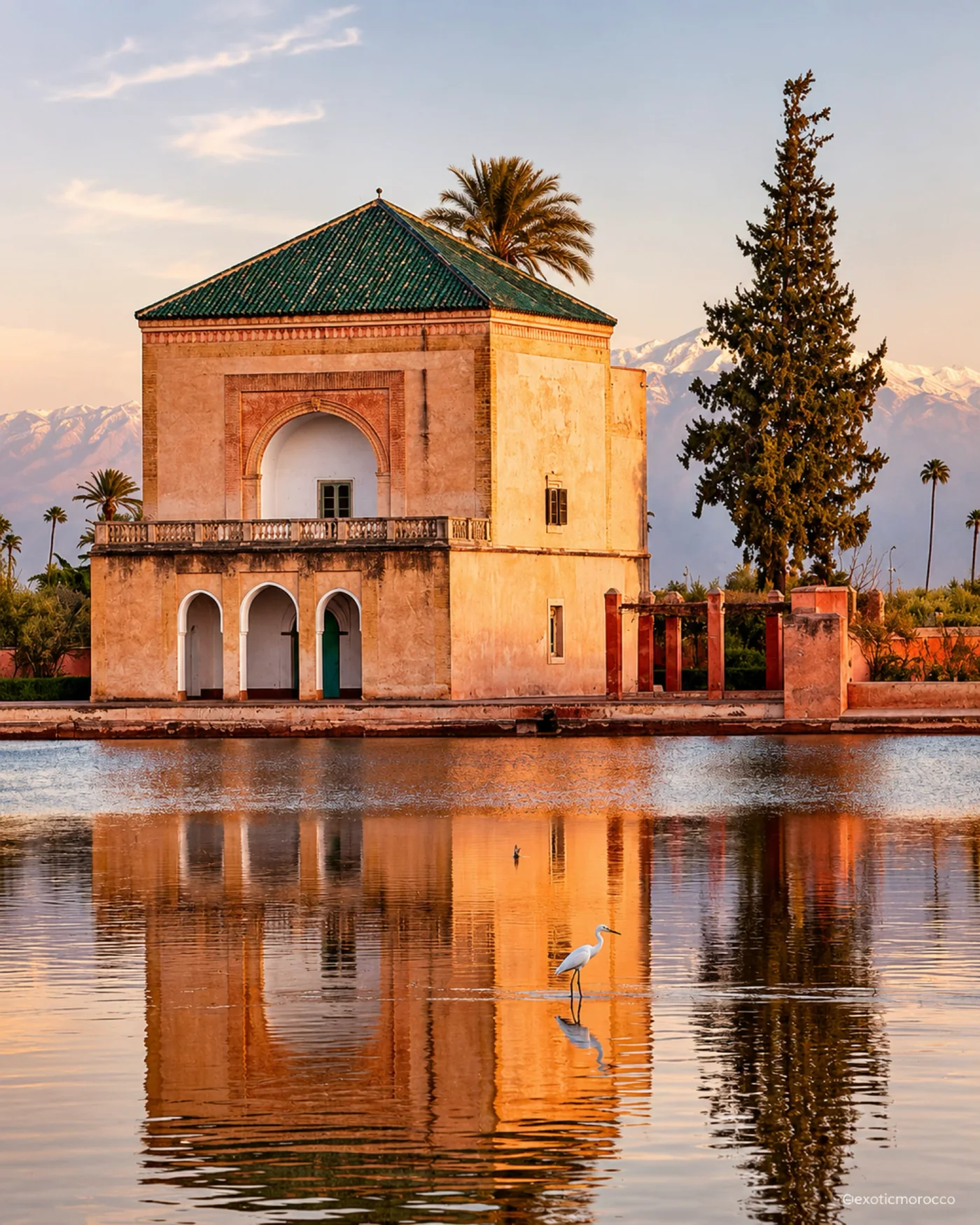 Marrakech
Look for the relationships that make each place distinct.
Commissioning a building directs resources towards a purpose and an audience. A palace, religious institution and public work make different statements. Ask how a project operated as well as how it represented its patron; beauty and function need not be opposing explanations.
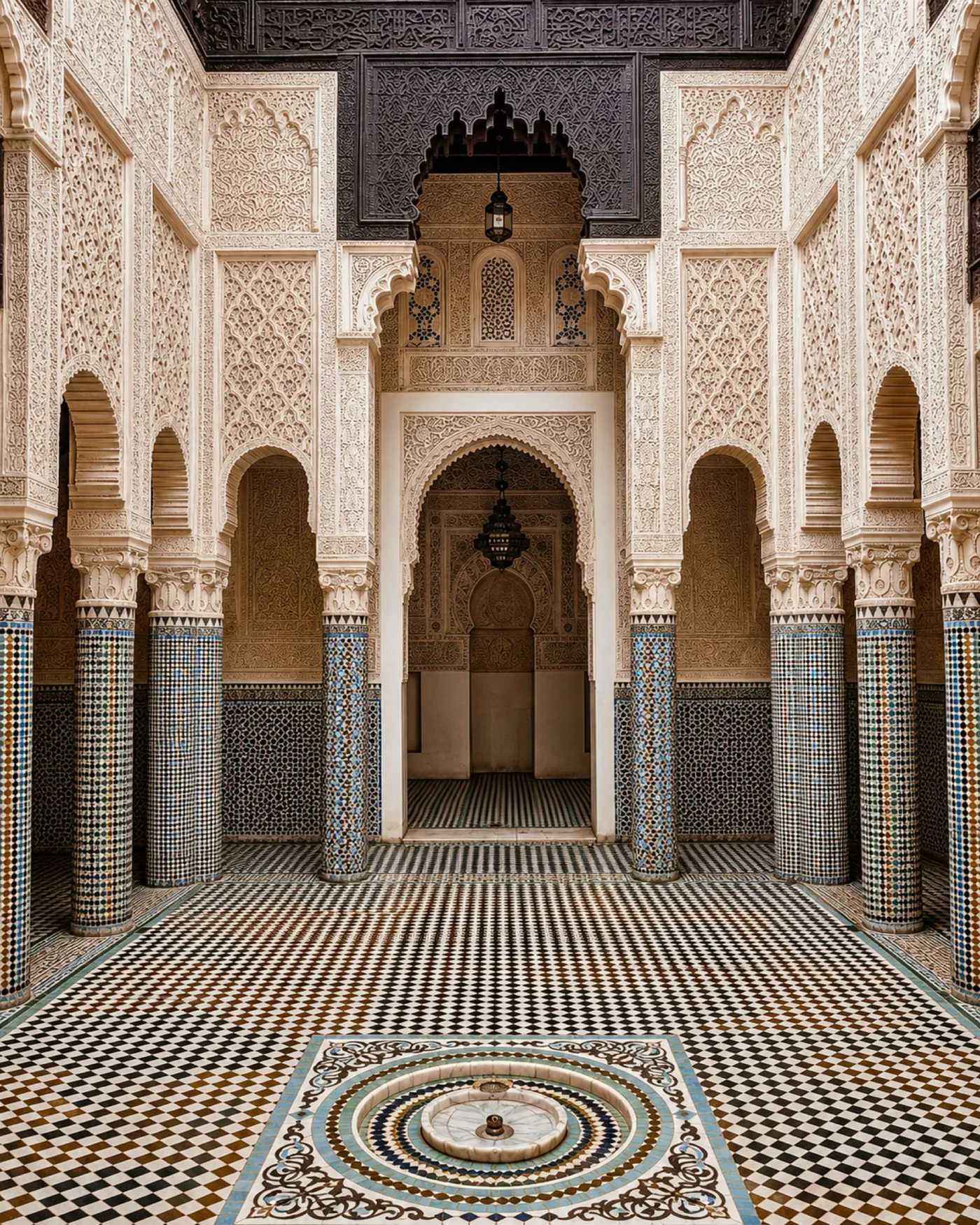
A madrasa or religious foundation is more than its decorated court. Its role involves people, teaching, devotion and maintenance. Architectural observation becomes stronger when paired with a documented account of the institution, while recognising the limits of what a visitor can infer from an interior.
The most impressive surviving structure is not necessarily the most complete account of a period. Some activities leave durable monuments; others leave less visible evidence. Use a city's famous buildings as an opening into history, not as proof that everything important happened within their walls.
Names, plaques, museums, restoration and visitor routes influence how a place is understood now. Notice which story is foregrounded and what remains uncertain. That does not make heritage meaningless; it makes interpretation one of the things to examine.
Read Fès, Marrakech, Meknès and Rabat through foundations, patronage, institutions, ceremonial space and the later lives of historic buildings.
Authority through institutions and urban depth
Several royal moments within one city
A royal project measured in space
Historic fabric within a modern capital
These reference points orient the comparison. Individual monuments still require their own dates, histories and evidence.
Fès has origins around the turn of the ninth century associated with the Idrisid dynasty. Its later urban form cannot be reduced to that foundation. Distinguish the story of origins from the periods responsible for particular surviving institutions or structures.
Marrakech was founded in the eleventh century under the Almoravids. The city then developed through later periods of patronage and change. A foundation date is an orientation point, not a date to assign to every monument within the medina.
The Almohad period is a major reference for monumental Marrakech and Rabat. Compare named sites and their documented histories rather than treating all large towers, walls or gates as evidence of one uniform programme across every city.
Marinid Fès brings urban development and institutions of learning into focus. The relationship between Fès el-Bali and Fès Jdid also complicates the idea of a single old city. Look for the specific site and phase an account is describing.
Saadian Marrakech and the Meknès associated with Moulay Ismail offer different later expressions of royal ambition. Their projects should be compared through function, setting and historical context, rather than collapsed into a general category of ornate imperial architecture.
Rabat's modern capital development adds a different layer to older urban fabric. Boulevards, institutions and planned public space extend the historical reading beyond premodern dynasties. The city makes continuity and change visible within one wider urban setting.
Separate foundation, later expansion and the life of a particular building.
Fès is useful for examining how a city can retain cultural significance across changes in political centrality. Begin with the institution rather than a general claim about the whole medina. A named madrasa, mosque, museum or former commercial building has its own history and relationship to the surrounding streets. Those differences matter: a richly finished court might belong to learning, residence or commerce, and the shared presence of ornament does not make the functions identical.
Then widen the view towards the city's layered urban structure. The distinction between Fès el-Bali and Fès Jdid is one reason to resist a single-date account of 'old Fès'. Ask which part of the city a source describes and how later development relates to earlier fabric. On the ground, boundaries and approaches may help make that relationship visible. Keep a record of what is documented and what is your interpretation; this allows architectural looking to support historical understanding without pretending that a walk can reveal every phase.
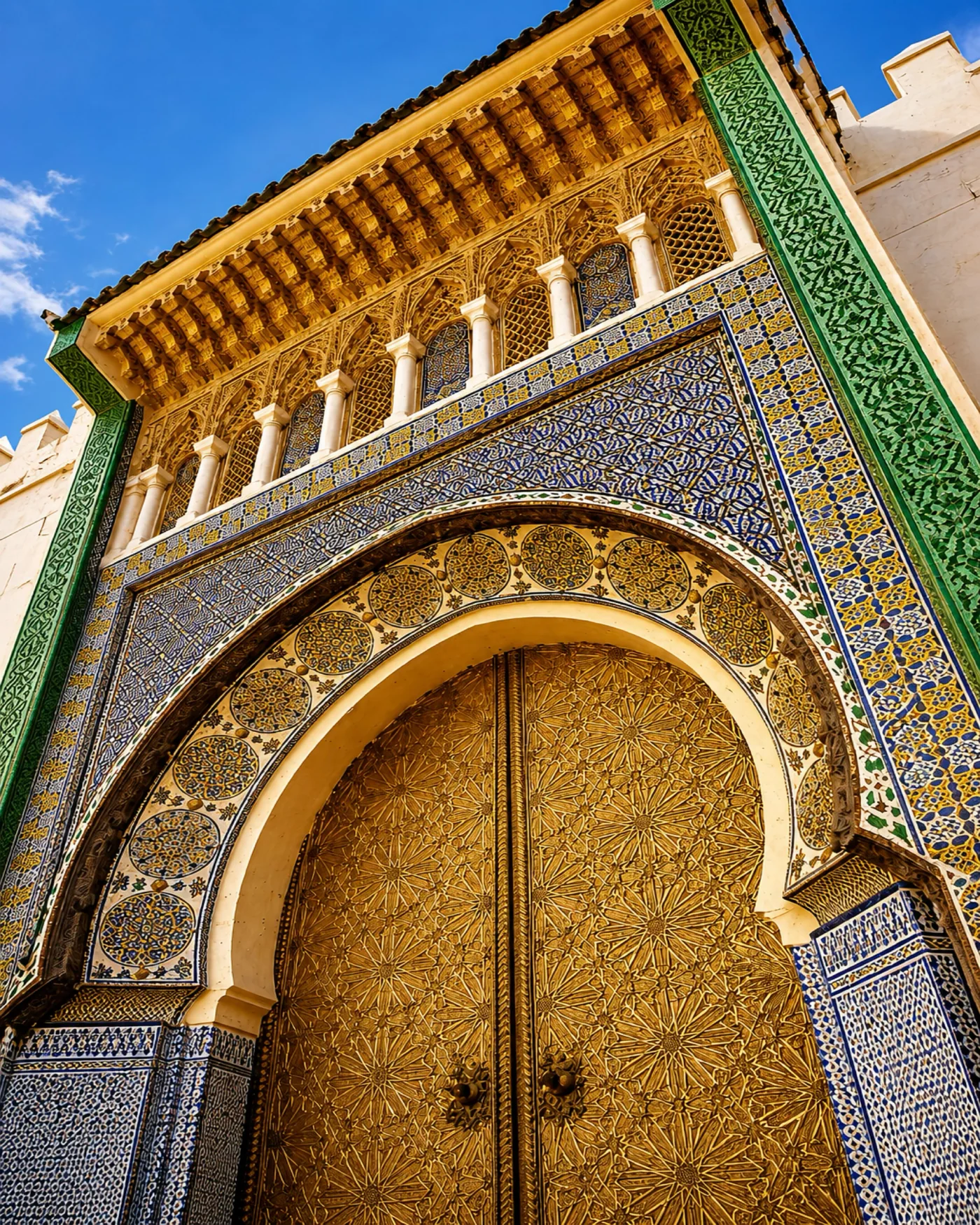
Madrasa courtyardMedina viewRoyal doors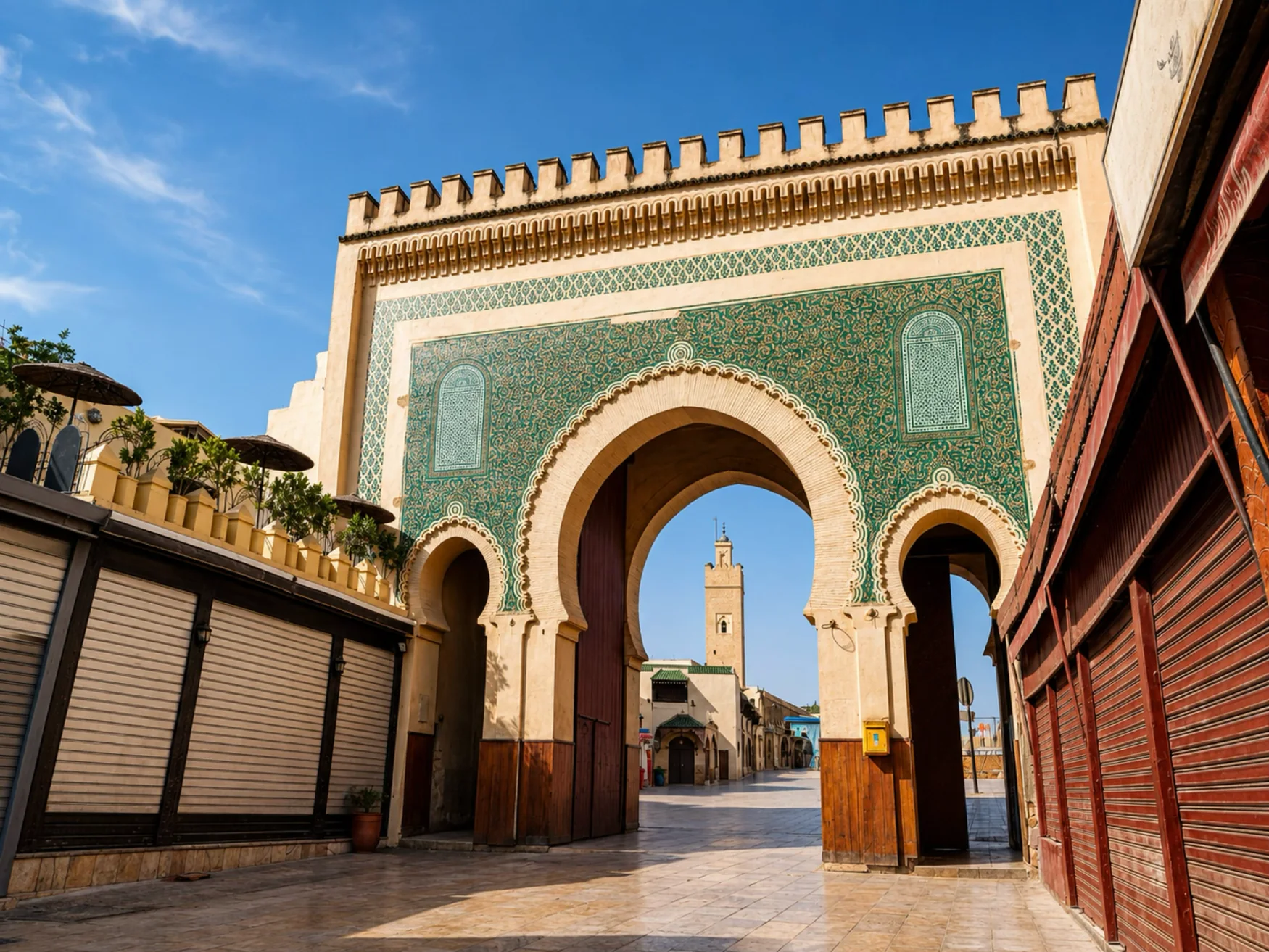 Bab Boujloud
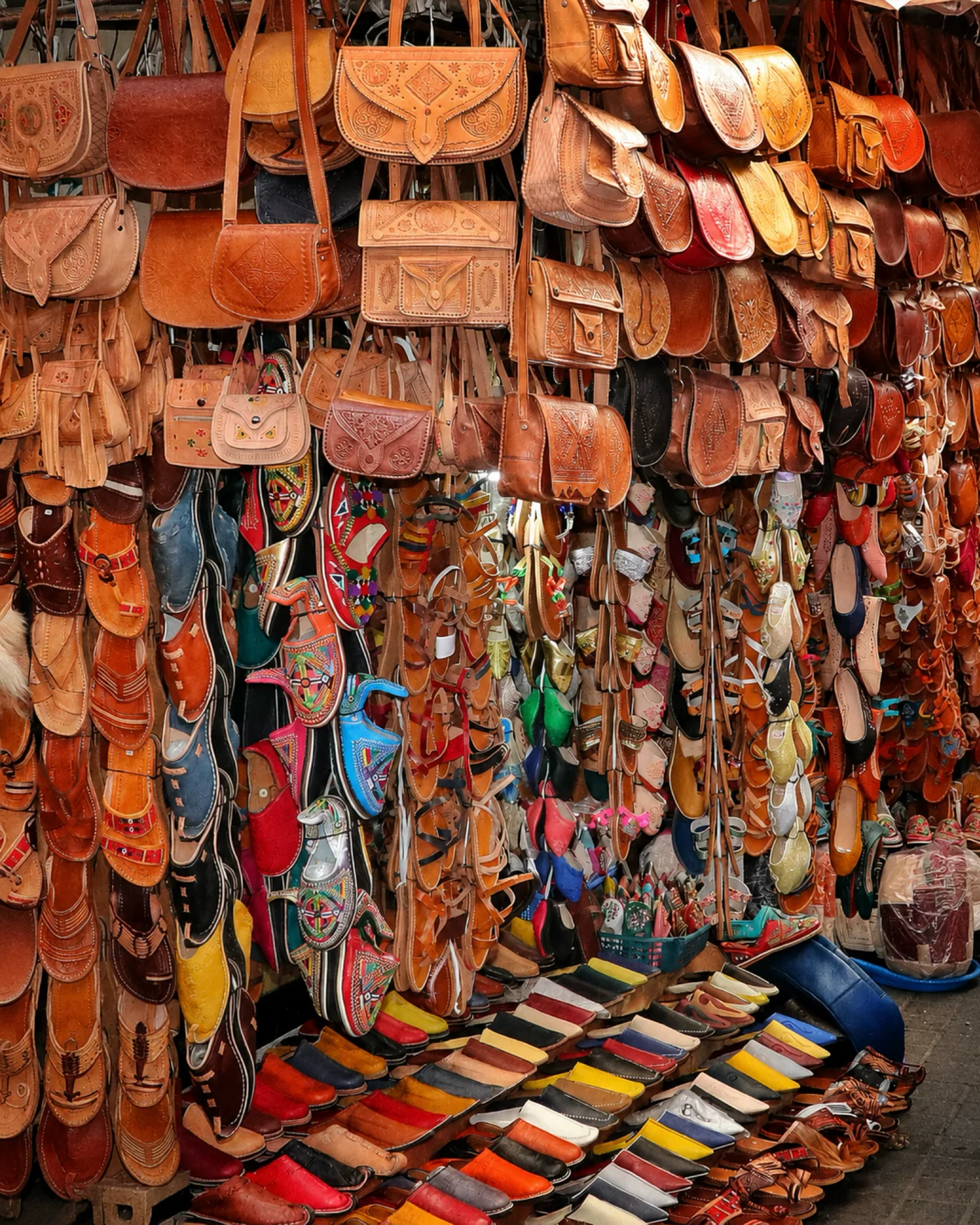 Craft detail
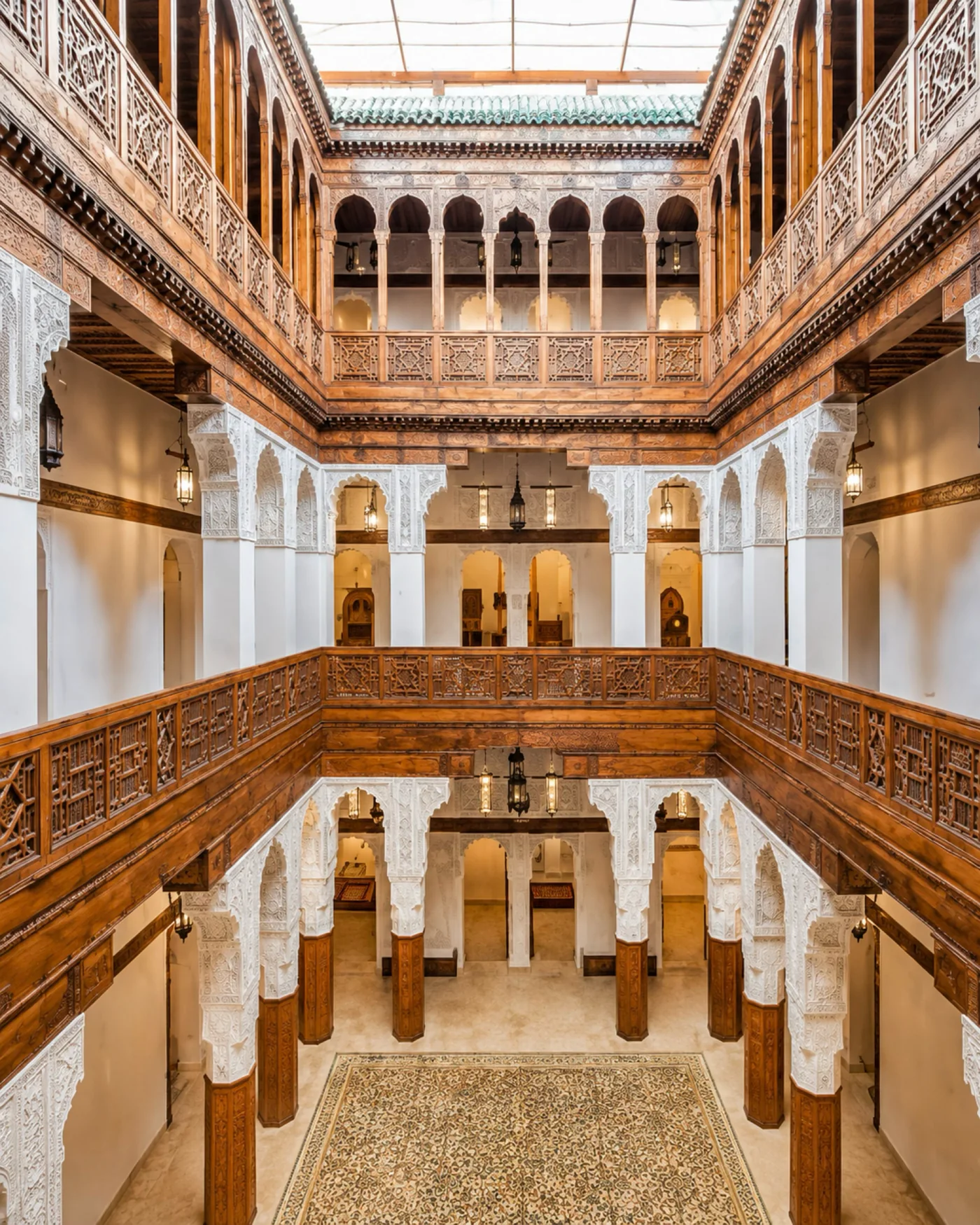 Nejjarine
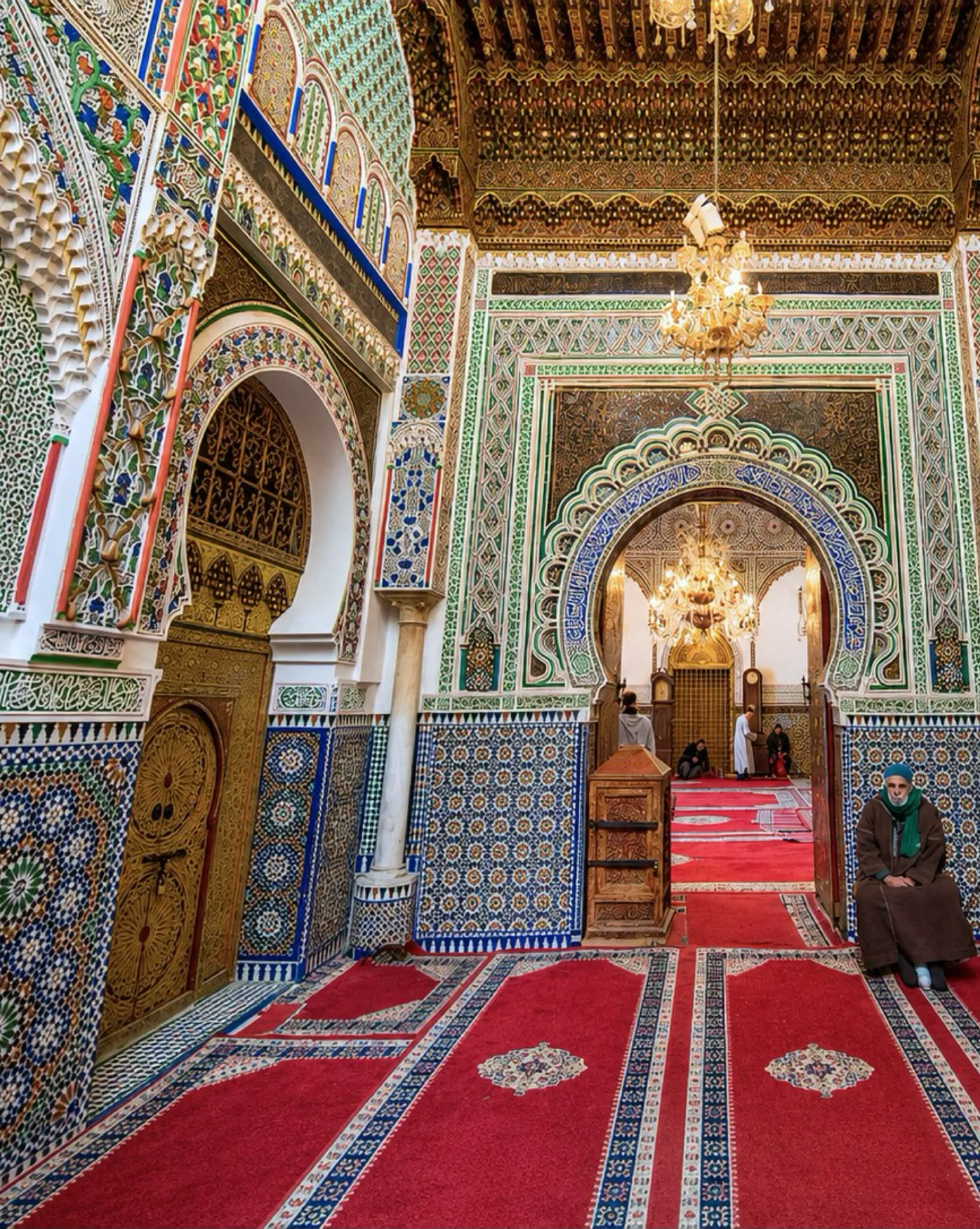 Moulay Idriss II MausoleumKoutoubiaJemaa el-FnaMenara
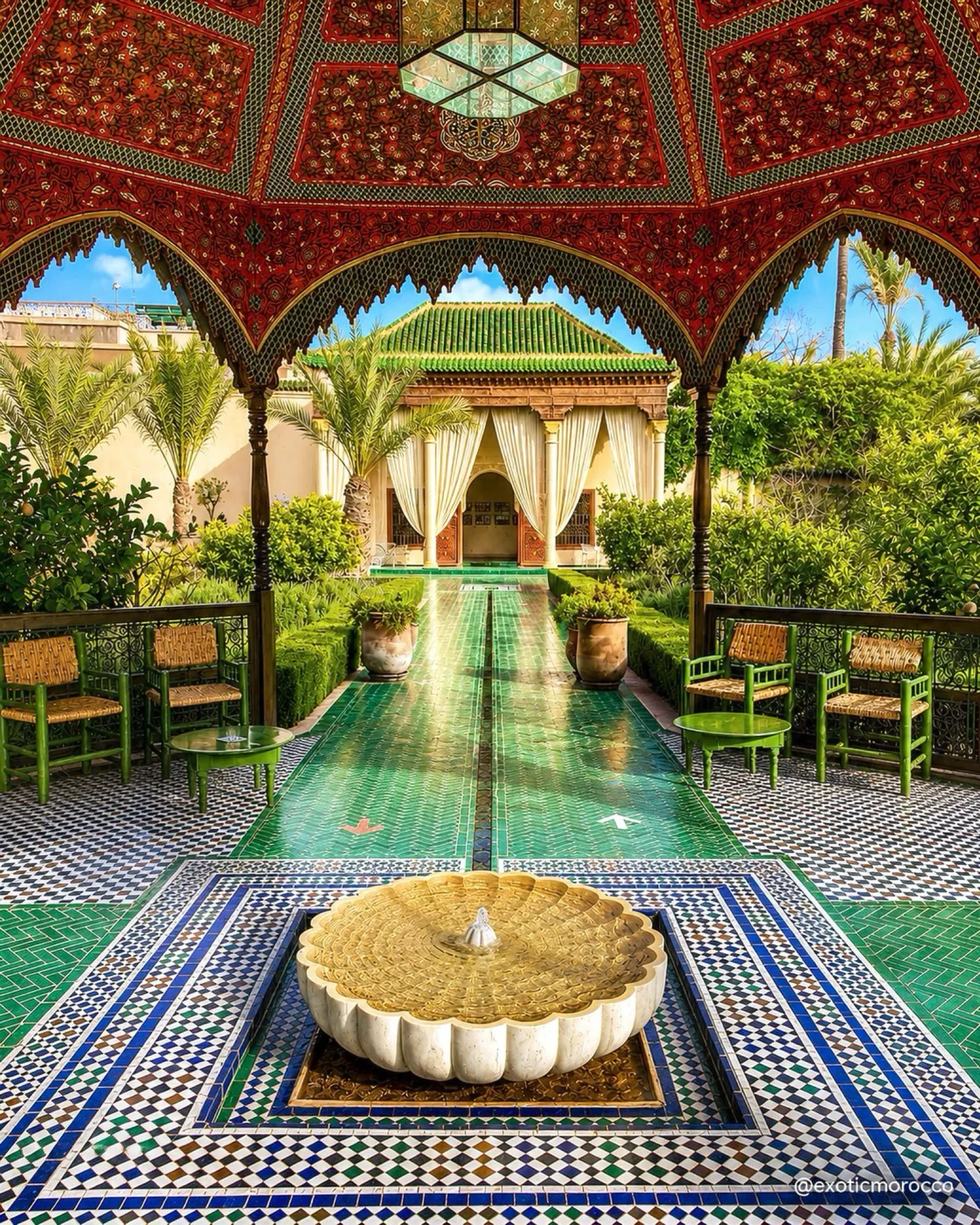 Secret Garden
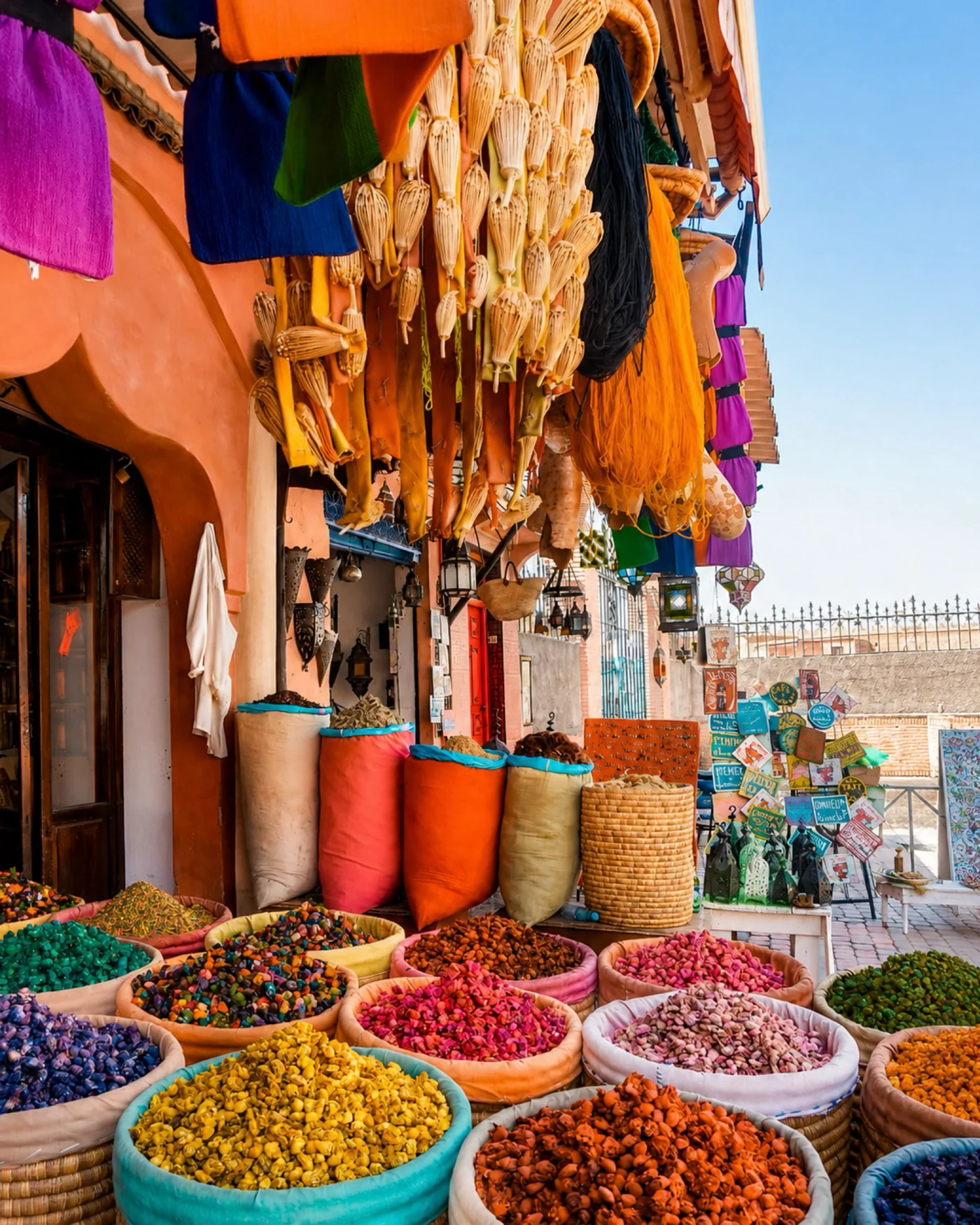 Spice colours
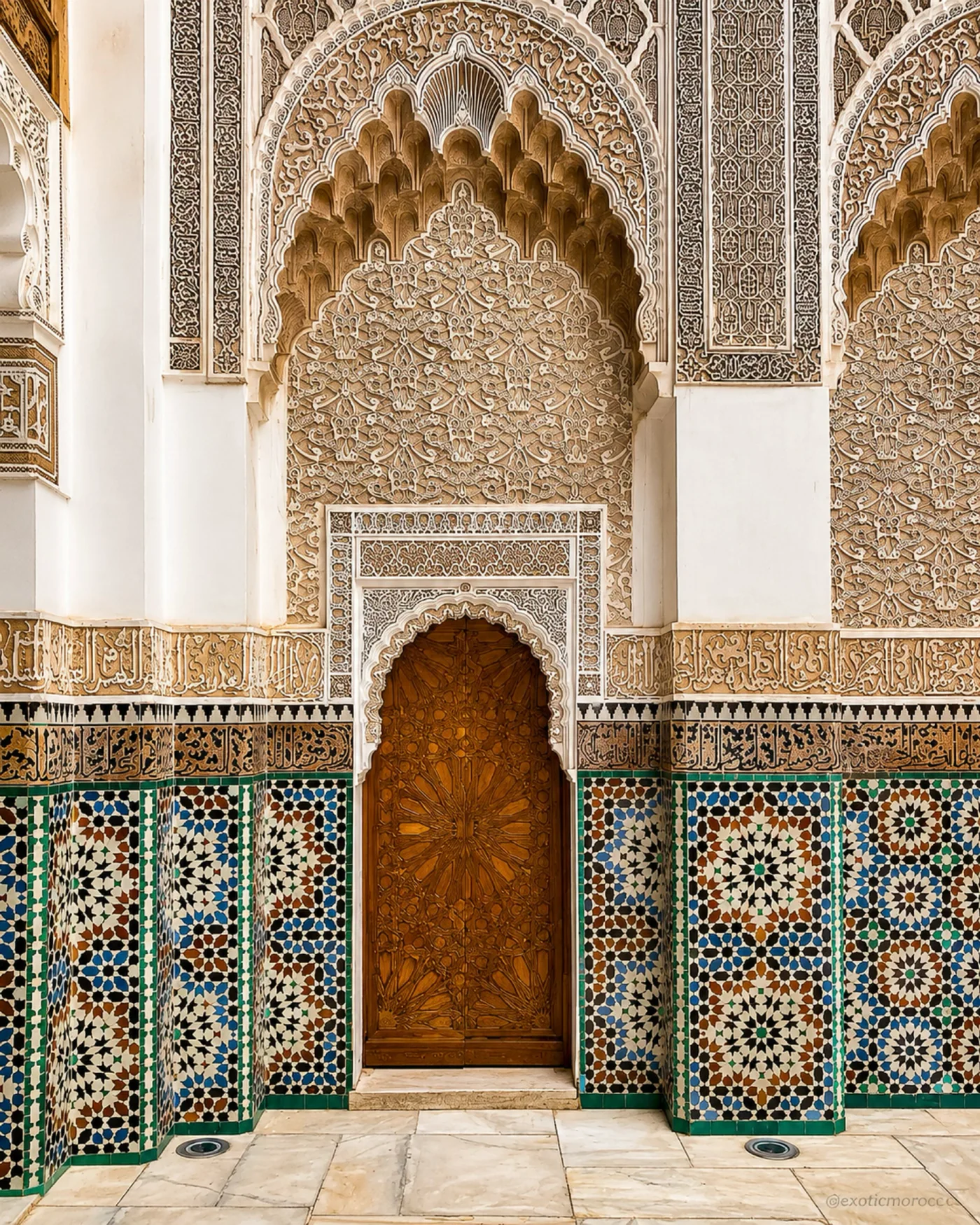 Ben Youssef Madrasa
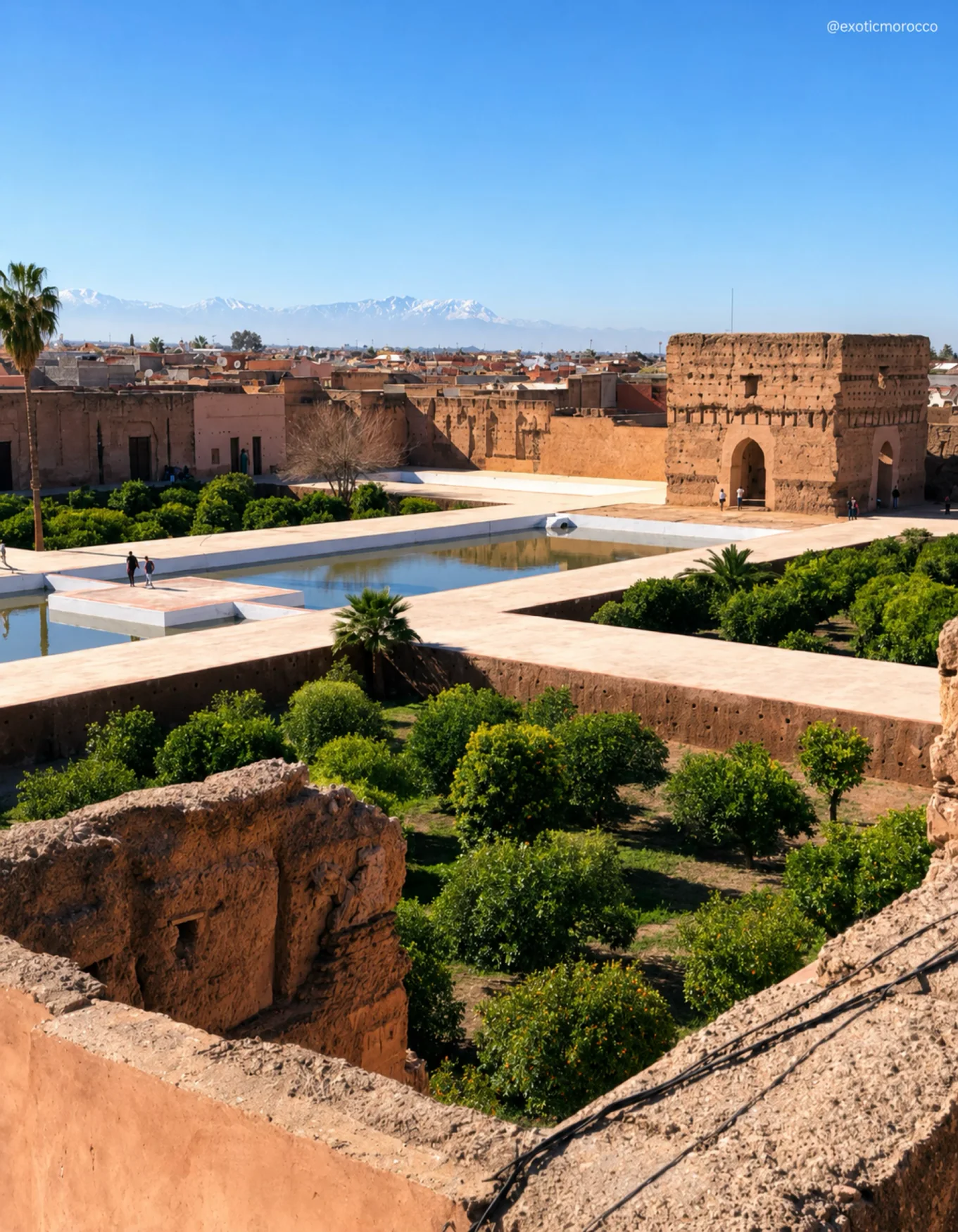 Badi Palace
A familiar skyline contains buildings with different histories.
Marrakech makes dynastic succession visible through the coexistence of monuments and spaces associated with different periods. Its Almoravid foundation, major Almohad heritage and later Saadian works are distinct historical reference points. The value of that sequence is not simply learning names. It gives you a way to ask why a particular monument occupies its setting and how it relates to other parts of the city.
A garden, tomb complex and palace are different forms of patronage, each with its own use and audience. Compare their arrangements before comparing decorative richness. What is enclosed, where does a visitor pause, and how does movement pass through the space? Later conservation and present access also shape the experience, so distinguish the building's historical function from the route available today. The surrounding streets and public spaces then return the account to a city whose life is larger than any one royal period.
Approaches, walls and infrastructure make ambition tangible.
Meknès is strongly associated with Moulay Ismail's royal project. The interpretive opportunity lies in scale and arrangement as much as in individual façades. A long enclosure or monumental approach makes a different statement from a small court. Consider how a project separates spaces, directs movement and gives certain entrances prominence. These are questions about the organisation of authority that can be explored through the physical city.
Do not let the strength of that association erase the settlement's other histories or contemporary life. The medina, ordinary commerce and later urban areas remain part of Meknès. Nor should every visible feature be assigned a date simply because it lies near a major royal monument. Use current interpretation for individual structures and acknowledge later additions or repair where documented. Comparing the monumental setting with nearby everyday streets helps keep the royal project within the city, instead of allowing it to stand in for the whole place.
Royal StableHeri es-SouaniSahrij Swani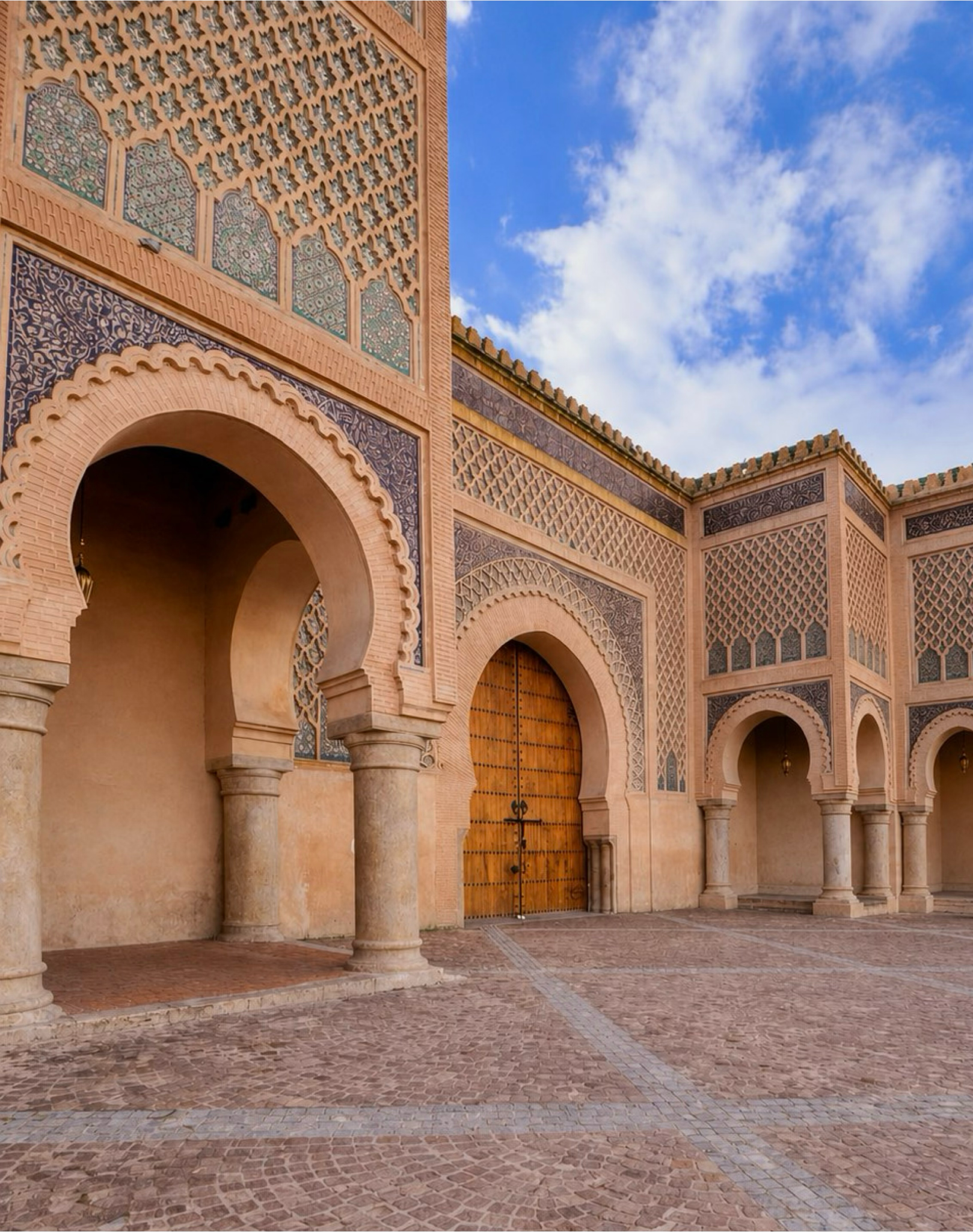 Bab Mansour
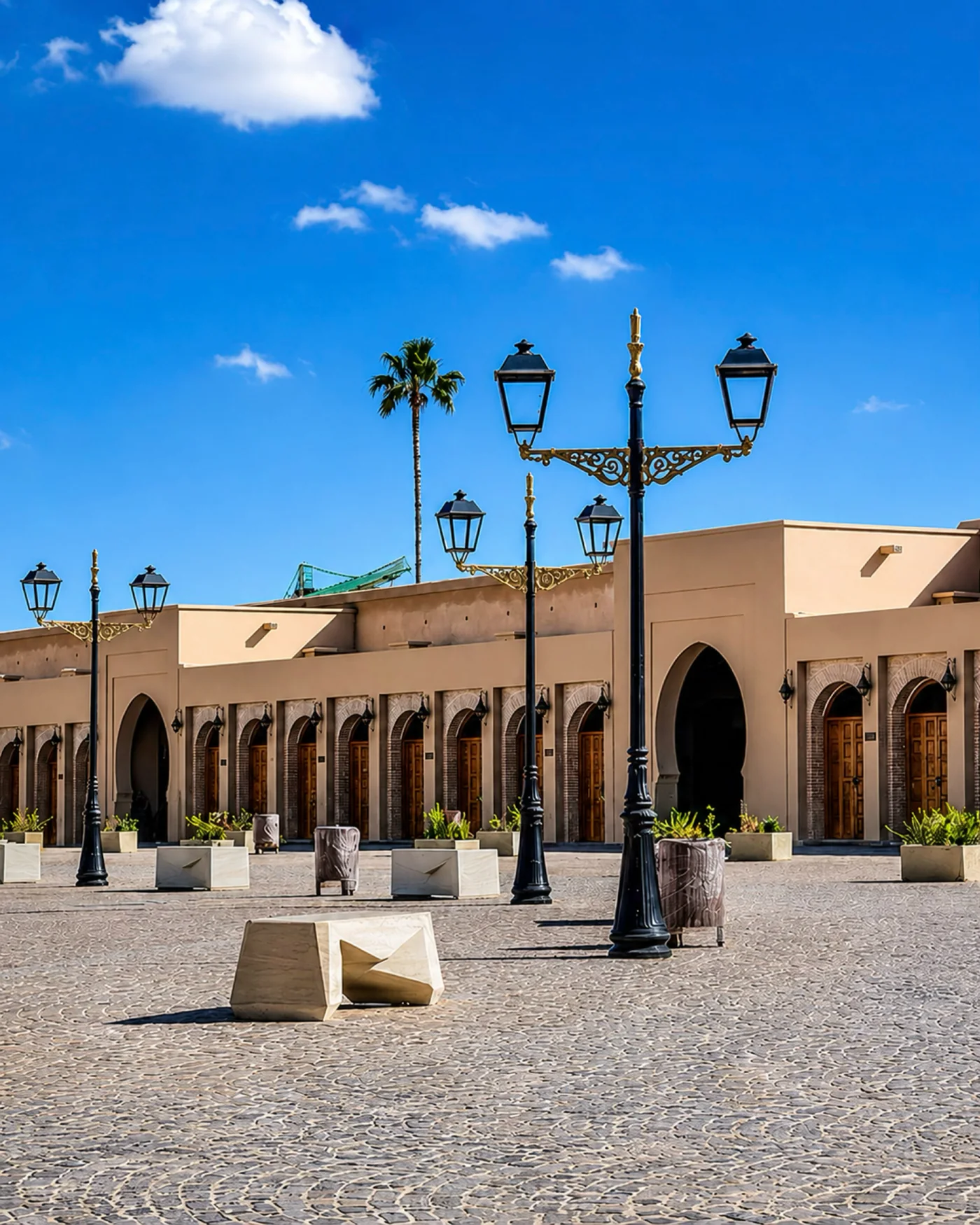 Place El Hedim
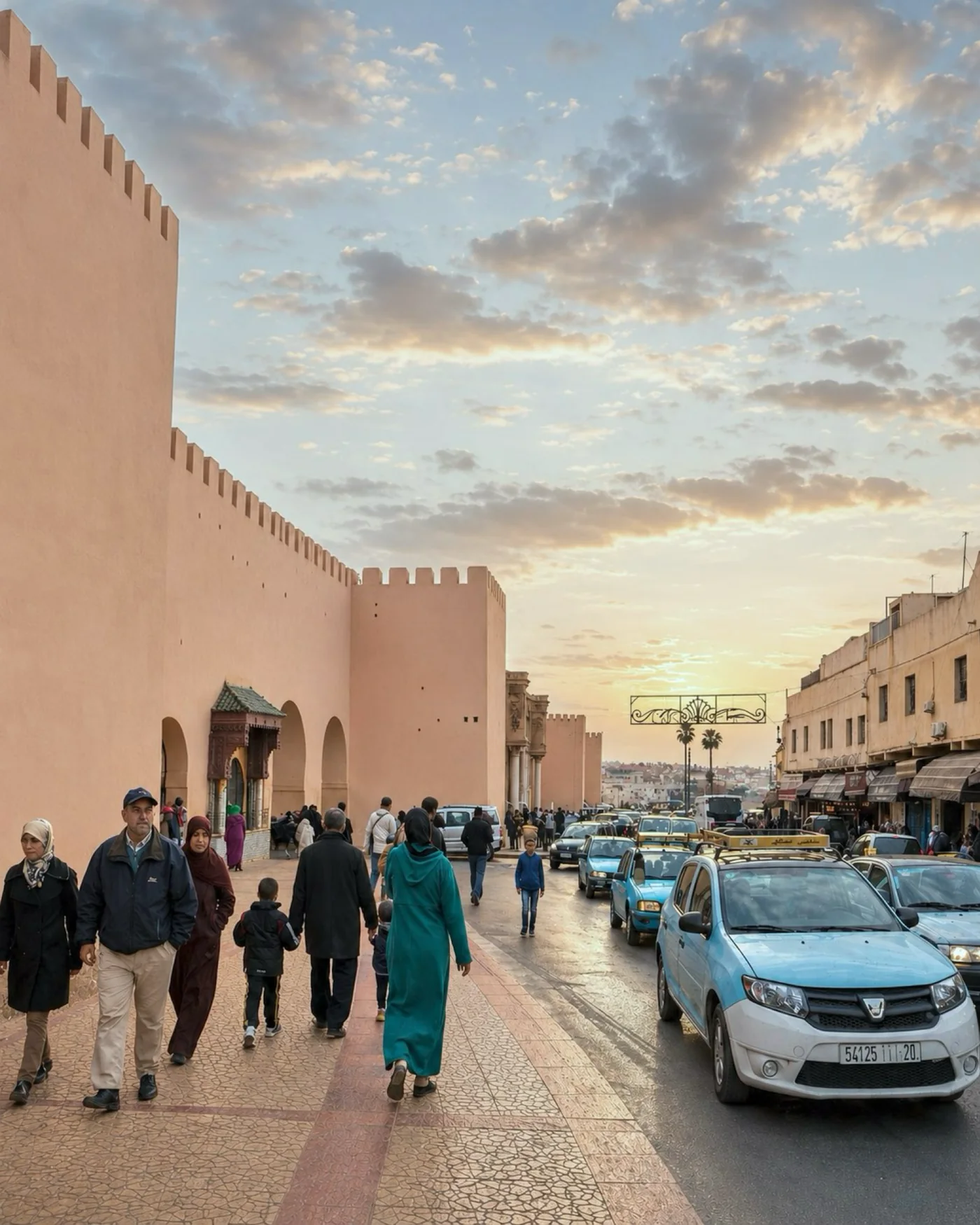 Ramparts
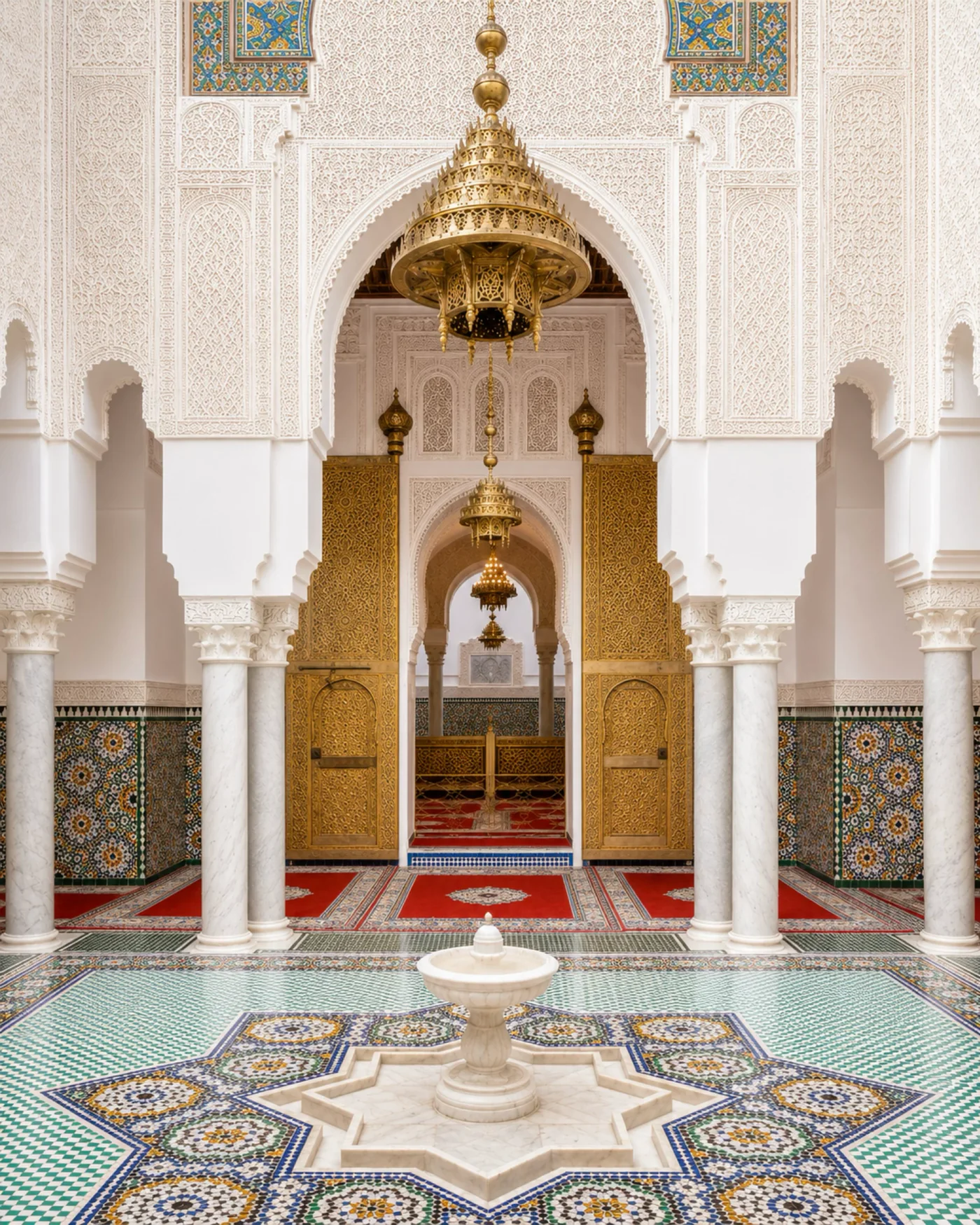 Moulay IsmailHassan TowerBouregregMarinid Madrasa
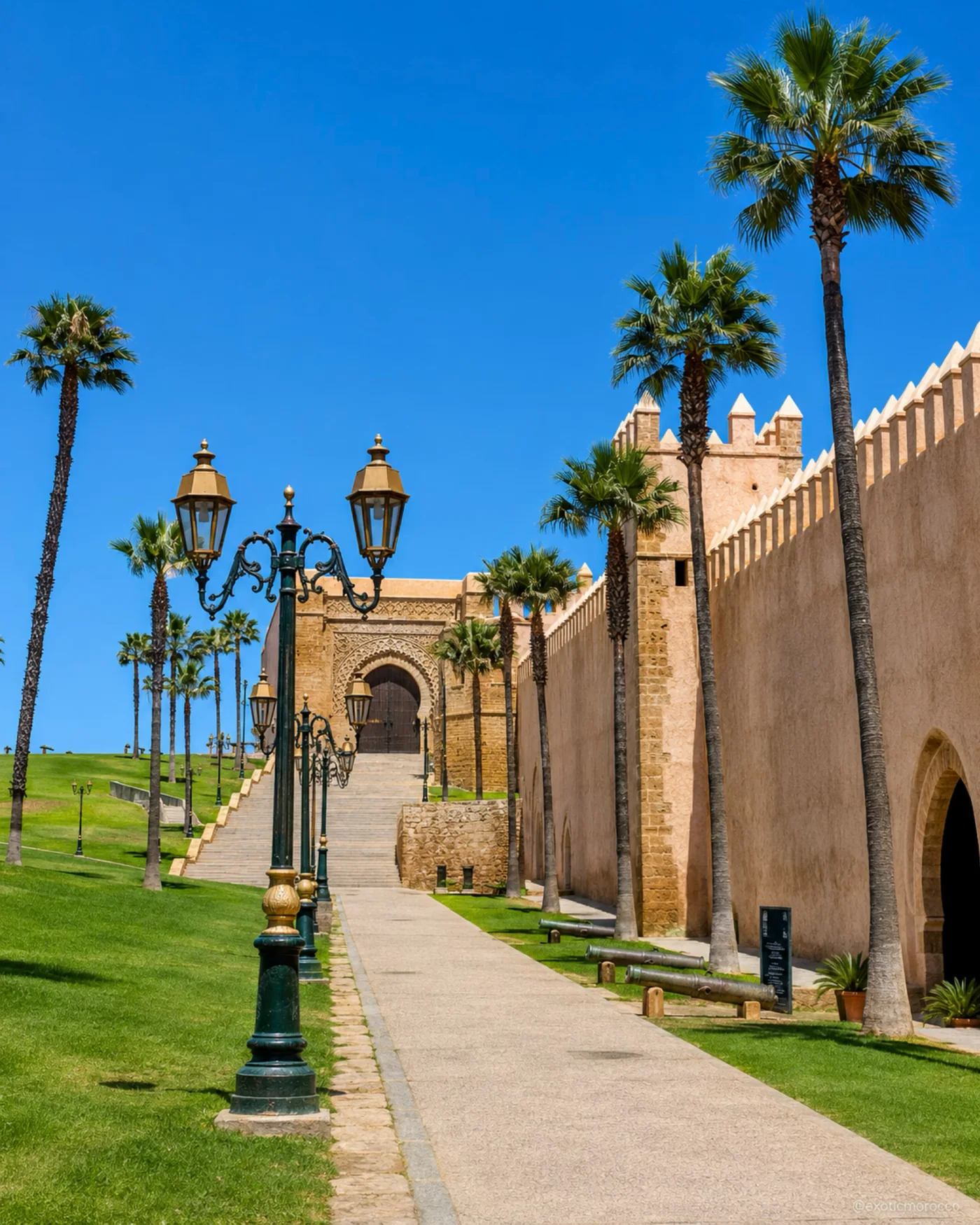 Oudayas
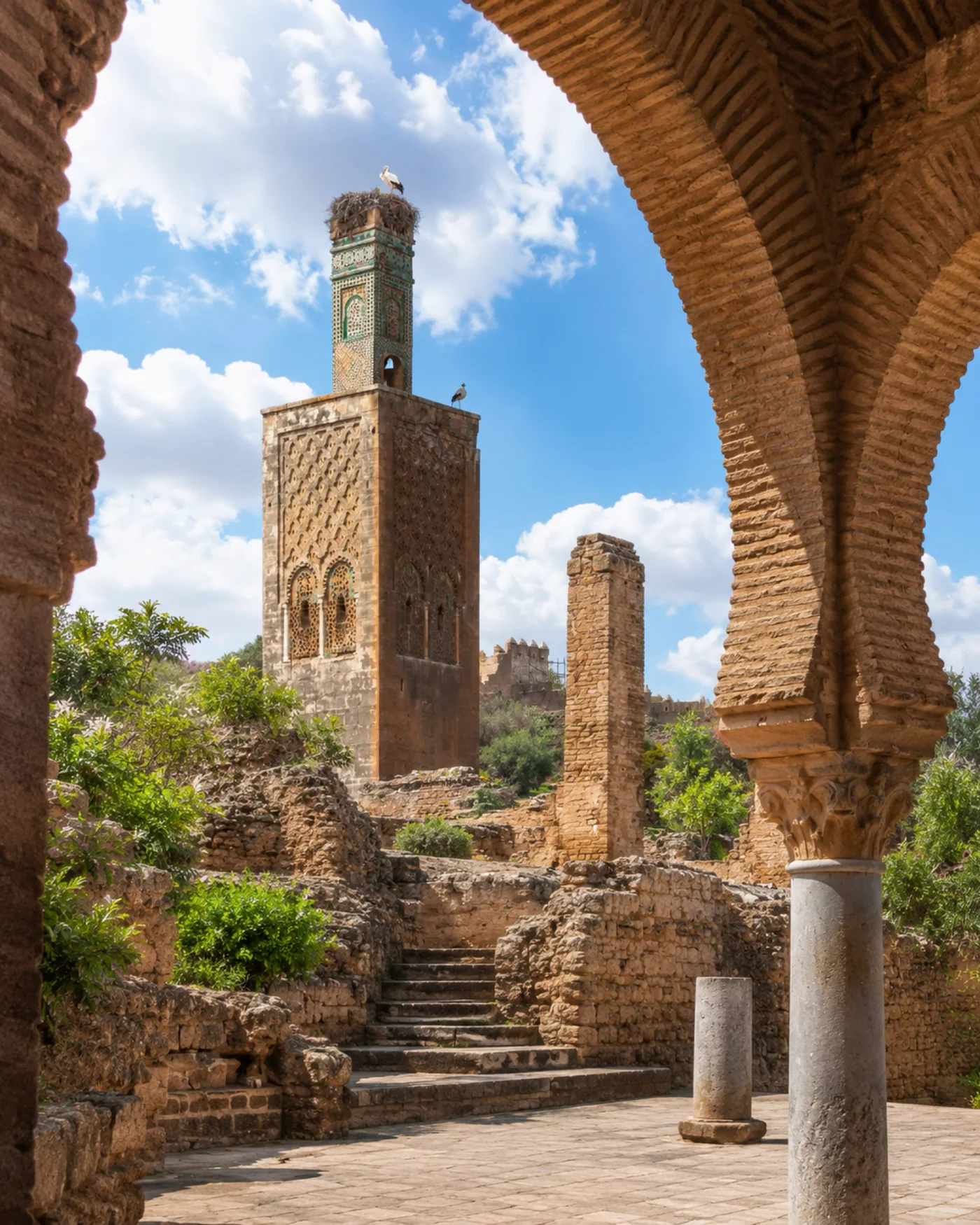 Chellah
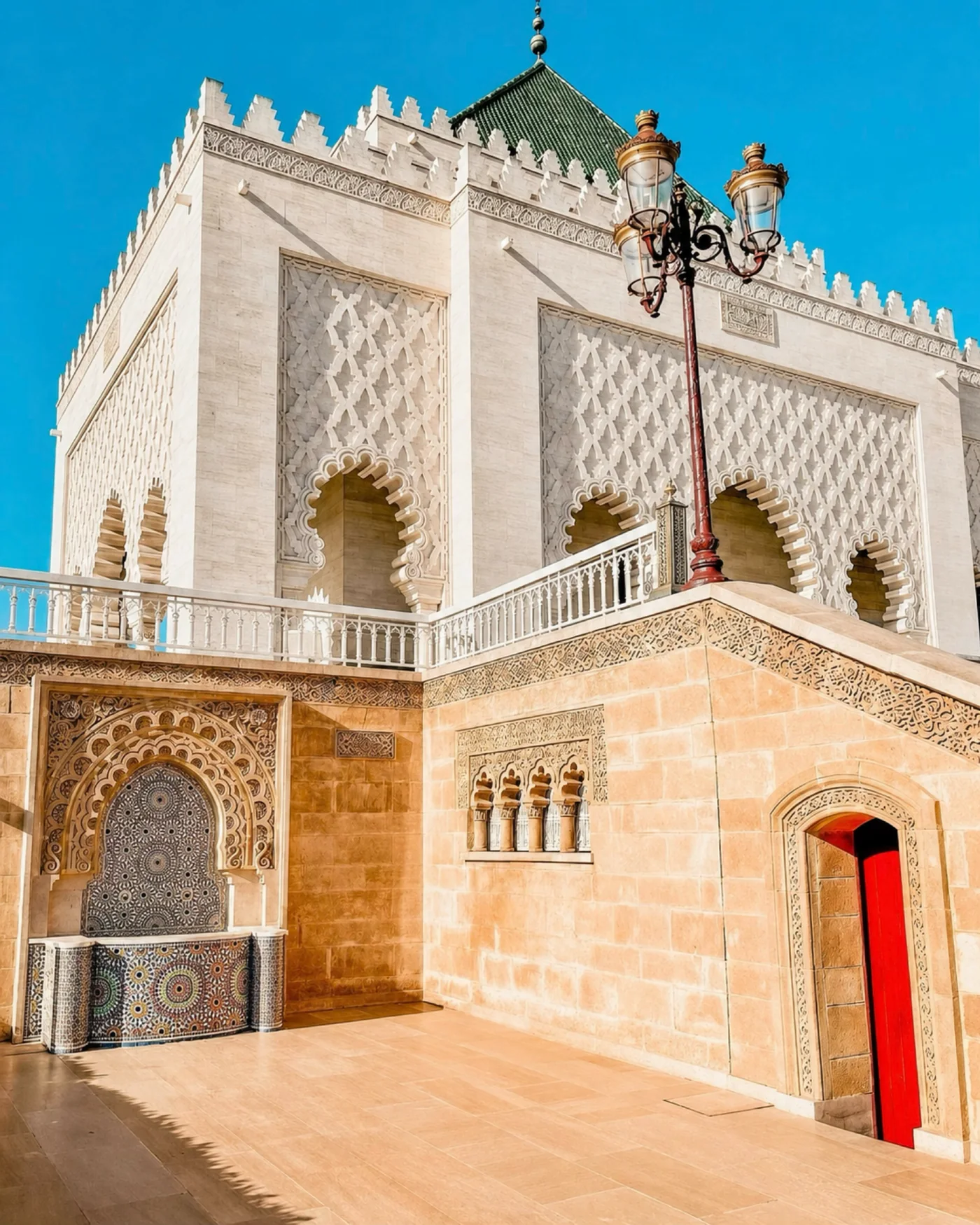 Mausoleum
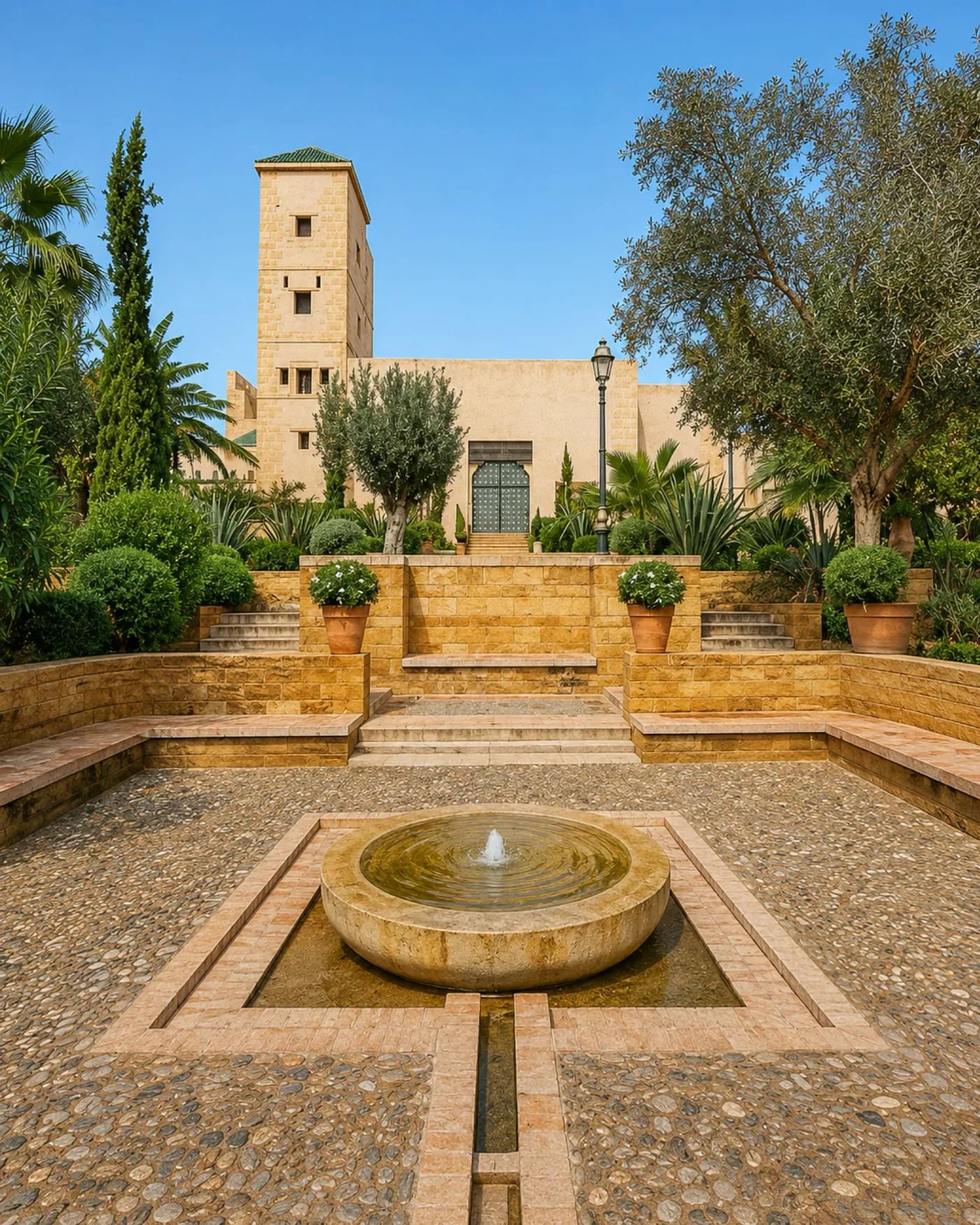 Andalusian garden
Planning is part of heritage, not an interruption to it.
Rabat extends the dynastic reading into the relationship between older sites and modern capital planning. Its UNESCO heritage account explicitly brings those dimensions together. Use that as an invitation to compare spatial forms: an older enclosed quarter, a monumental historic site and a later boulevard or institutional area. Each organises movement and public presence differently, and all can belong within a historical walk.
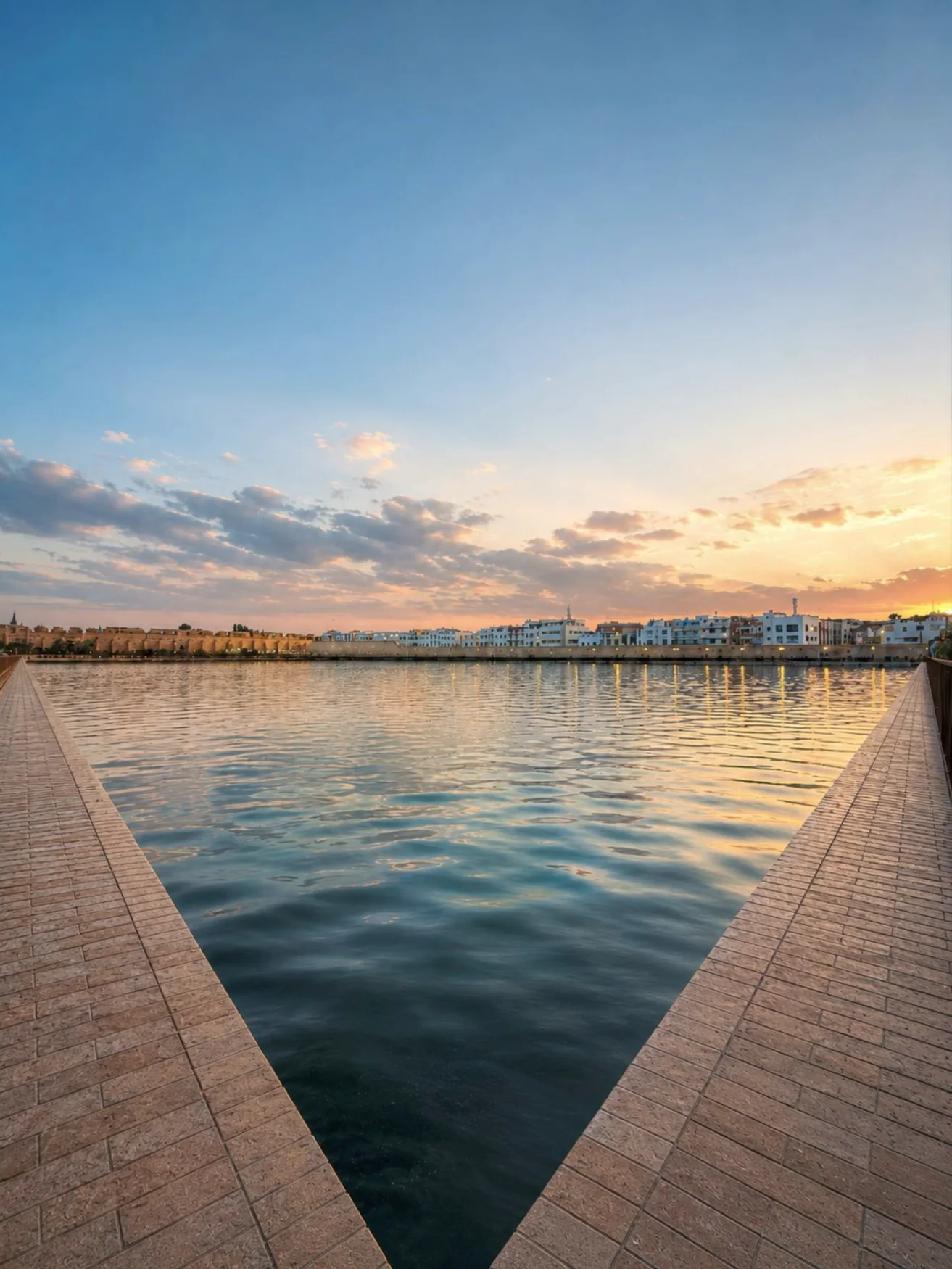
The Bouregreg makes a further comparison possible with Salé, which should retain its own identity and institutions in the account. A view across the river is a relationship between places, not proof that they share one undifferentiated history. Consider how a modern capital presents and connects its heritage, then ask what the neighbouring city's perspective adds. This closes the layer with an open question: how does a present-day urban society decide which parts of its past remain visible, accessible and central to its public story?
Fès · Bab BoujloudMarrakech · Secret GardenMeknès · Bab MansourRabat & Salé · OudayasFès · Craft detailMarrakech · Spice coloursMeknès · Place El HedimRabat & Salé · ChellahFès · NejjarineMarrakech · Ben Youssef MadrasaMeknès · RampartsRabat & Salé · MausoleumFor a historic building, distinguish the date of foundation, the date of the feature you are examining and the date of any later intervention you can establish. They may differ. A restored surface can preserve important knowledge while presenting a different material history from an untouched fragment. This approach does not diminish the experience; it replaces a vague impression of age with a more interesting account of continuity, alteration and care.
Foundation, expansion, continuity
Gardens, palaces, tombs
Approach, enclosure, infrastructure
Institutions, river, public space
The city sequence is a framework for historical questions rather than a complete chronology or a scale map. Use the individual heritage sources and city guides to identify actual sites. If you turn the comparison into a journey, give each city enough time for a focused visit and a walk through the surrounding urban fabric. The historical argument is stronger when the places remain distinct.
FèsInstitution and neighbourhoodMarrakechSuccession and coexistenceMeknèsRoyal scale and organisationRabat & SaléPlanning and historic fabricA few considered choices make the connections between these places more useful.
Write down the building and source whenever you record a date or dynastic attribution. A museum label, official heritage account and guide's explanation may offer different levels of detail. Where they disagree or remain general, leave the uncertainty visible rather than making a confident claim from appearance alone.
A commission also involves makers, labour, materials, institutions and later maintenance. Follow one of those connections through the Crafts & Materials reading or a documented local encounter. This widens dynastic history without denying the role of royal patronage, and brings the finished monument closer to the work that sustained it.
Imperial Heritage translates these interests into a visitor's choice of pace and city sequence. Moroccan Architecture provides a spatial vocabulary, while the core Imperial Morocco page gives the regional overview. The three readings complement this layer without requiring every historical question to become another stop on an itinerary.
Historical and geographical references reviewed in September 2026. Route pairings and looking suggestions are Exotic Morocco editorial guidance. Check current access and transport arrangements before travelling. Existing regional library imagery is retained; photographs and illustrations do not establish present-day access or conditions.
Open the individual place guides for local context and a more detailed visit. Return to Regions to compare other landscapes and cultural connections.
Separate foundation, later expansion and the life of a particular building.
A familiar skyline contains buildings with different histories.
Approaches, walls and infrastructure make ambition tangible.
Planning is part of heritage, not an interruption to it.