Read the formation
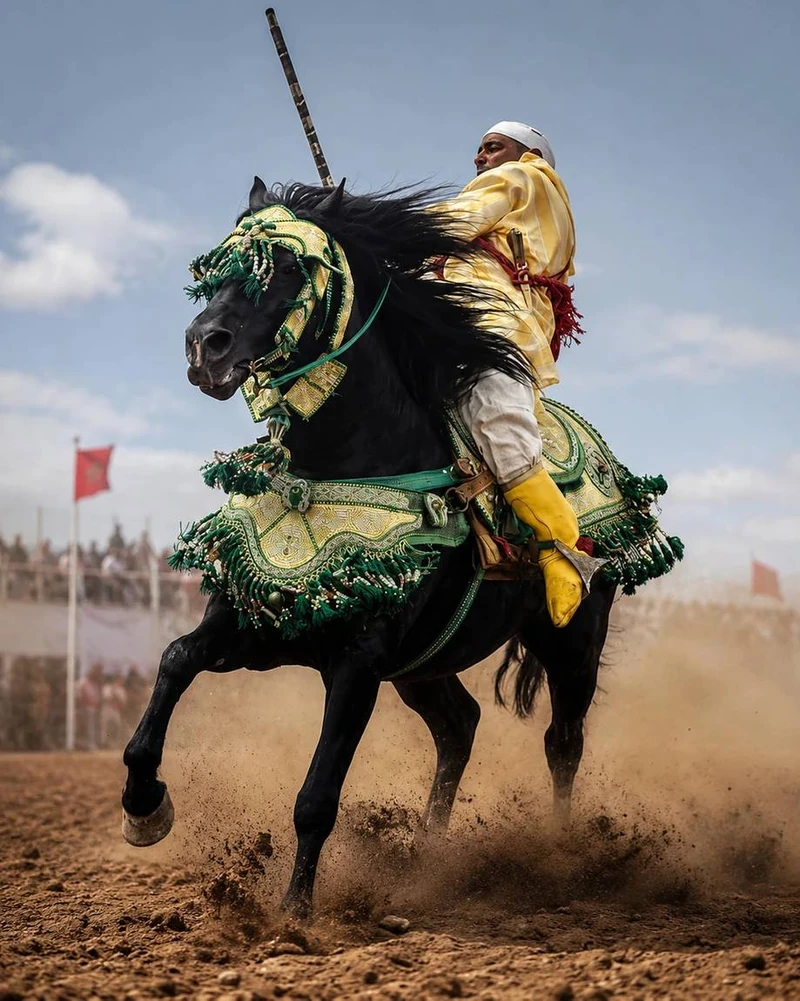
A rider and a richly decorated horse at an equestrian gathering.

Exotic Morocco · Stories
A coordinated run is brief. The knowledge, preparation and relationships that make it possible extend far beyond the audience’s view.
Enter the story ↓01 / The starting point
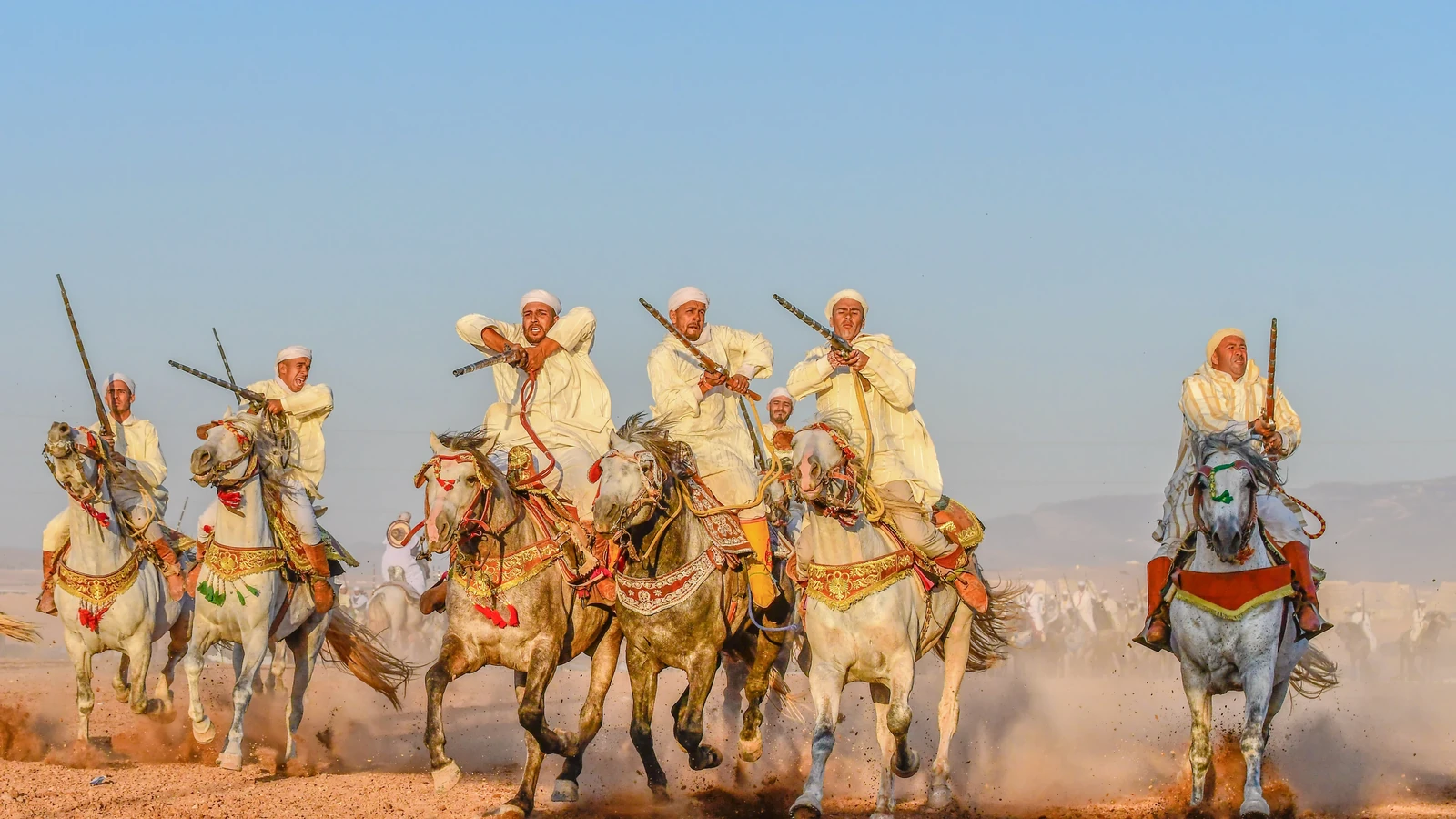
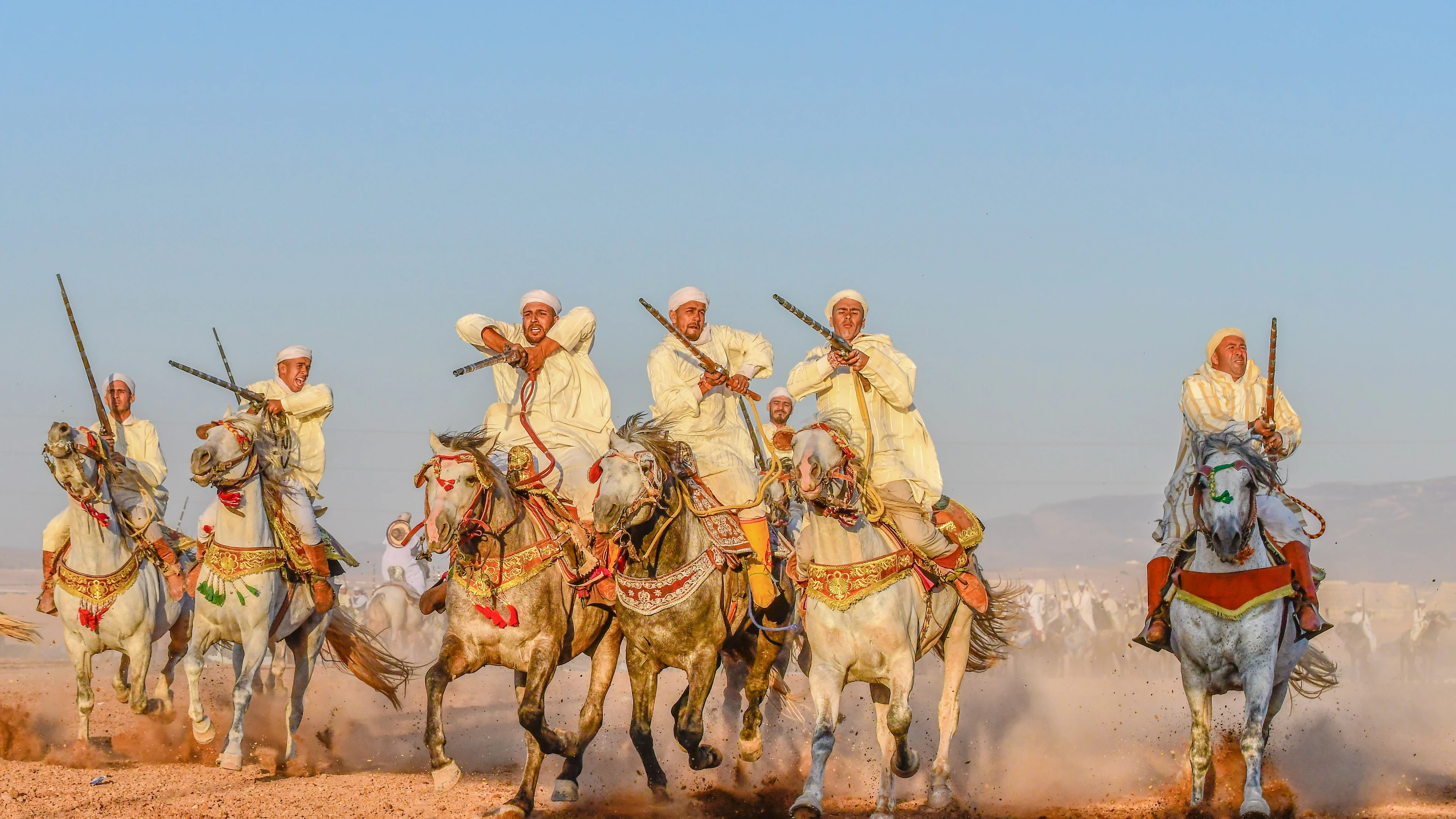
A photograph of tbourida can seem to gather everything into one instant: riders in formation, decorated horses, movement and a charged sense of conclusion. It is a compelling image partly because so much appears to happen together. Yet the simultaneity is exactly what requires explanation.
A shared moment depends on separate participants doing their work in relation to one another. Each rider has a position and a task; the team has a form that no single person can produce alone. The spectator sees the result more readily than the coordination that makes it possible.
One way to begin watching is therefore to delay the search for the most dramatic picture. Attend to the preparation and the return as well as the run. Notice how a formation takes shape, how people organize themselves and how the public boundary leaves room for the activity. The display begins to look less like a single burst of energy and more like a practice with a sequence.
That change in attention opens a larger question. What kinds of knowledge can be carried by a group, and how can a visitor recognize them without assuming that looking once is the same as understanding?
02 / Read the details
Three visual encounters within this story.
A rider and a richly decorated horse at an equestrian gathering.
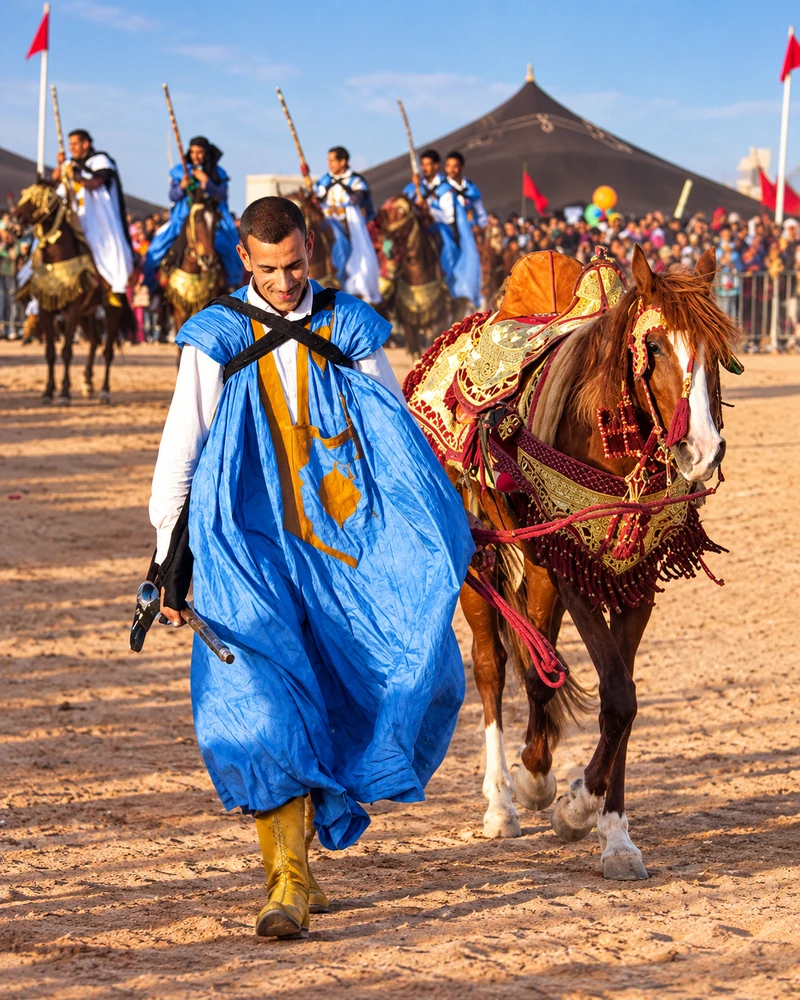
A horseman in blue clothing beside a decorated horse.
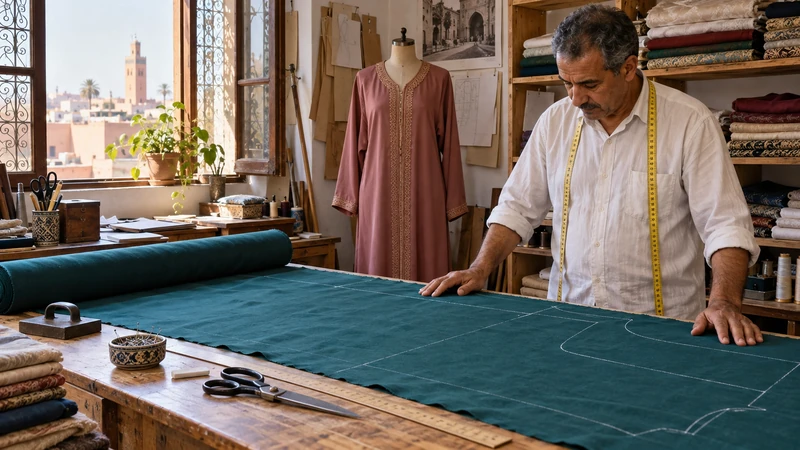
A tailor arranging cloth on a cutting table.
03 / Look closer
“Fantasia” is a familiar term in travel writing, while tbourida is the name used in UNESCO’s inscription of the Moroccan equestrian practice. Knowing that distinction helps a visitor move from a broad spectacle label towards the language of a living tradition.
The inscription recognizes more than an arrangement visible from the audience. It describes shared knowledge and preparation, including spiritual dimensions, within a practice transmitted by people. A public performance is one place where that knowledge becomes visible; it is not the only place where it exists.
A moussem adds another scale. Such a gathering can connect religious observance, exchange, hospitality and public cultural activity in ways that vary by place. Tbourida may draw a visitor’s eye within it, but the equestrian event should not erase the other reasons people have come together.
03 / Look closer
Moulay Abdellah Amghar, near El Jadida, and Tan-Tan belong to different cultural and geographical contexts. Their distinction matters even when a visitor encounters similar visual elements. A rider, a tent or a decorated object cannot explain a whole occasion without the place and community around it.
For this reason, the most useful first explanation often comes from the current programme and a host who understands the particular event. General context prepares the listener; a local account can make a specific action intelligible. Neither should be replaced by a confident story invented from the photograph.
04 / The story in context
02 / Watch the relationships
An audience often follows the most visually striking rider. That is a natural way to look, but it can obscure the collective form. Shift attention for a while to the spaces between riders and to the way the group begins and completes a sequence. The relationship becomes the subject.
UNESCO’s Tbourida description distinguishes the initial display, or hadda, from the talqa, the coordinated galloping charge and discharge. Its account places the team and its leader at the centre of the practice, alongside handmade tack and the transmission of skills. Watching the sequence gives more context than waiting only for its loudest moment. Read the Tbourida heritage account ↗
The harness, clothing and horses are part of that coordination, with care and preparation beyond the visible performance. Stay in the designated spectator area and follow the organiser’s directions. A public display can introduce the practice, while the surrounding gathering may have meanings and activities that require their own explanation.
Stay with the context
You do not need to invent a technical explanation for everything you notice. A visible alignment is an observation; the local criteria used to assess it require informed explanation. Ask a knowledgeable host when there is an appropriate opportunity, and keep the answer connected to the occasion in which it was given.
Horses are participants in the practical demands of the activity, not background objects. Their movement requires space, handling and care. The designated audience boundary is therefore part of how the event works. Crossing it for a closer image changes the conditions for the people and animals whose skill you came to watch.
The sudden sound also affects the audience differently. Some visitors anticipate it; others may find it distressing. A thoughtful visit includes that difference before the event begins. Choosing a suitable position, explaining what to expect to companions and remaining able to leave are ways of making attention possible rather than tests of courage.
From the public edge, the complete sequence can remain worth watching. What happens before and after the climactic instant may reveal the discipline that a single photograph compresses out of sight.
A closer encounter
Follow preparation, movement and return. The performance becomes more legible when its most dramatic instant is placed within an order.
Look across the formation rather than only at one rider. Shared timing is a quality made between participants.
Respect the working ground and the people managing it. A clear public boundary is part of the encounter, not an obstacle to a better image.
A different distance
03 / Skill surrounds the performance
Clothing and equipment add to the visual force of tbourida, but their role cannot be reduced to decoration. A garment must move with a body. Equipment must be prepared, handled and maintained. An object’s appearance belongs beside the practical conditions in which it is used.
A visitor who becomes interested in this material world can ask better questions by beginning with function. What is the object for? Which parts carry wear? How is it adjusted before use? When an artisan or participant chooses to explain, the answer can connect a striking surface with a sequence of work.
A different distance
The tailor pictured here comes from the broader craft library. The image illustrates skilled clothing work; it is not a claim that this maker produced a particular rider’s garments. That distinction matters because images can create associations more quickly than words can qualify them. A cultural essay should make the limits of its evidence visible.
Learning is another part of the working life. A public appearance cannot show every rehearsal, correction or act of maintenance through which knowledge becomes reliable. The ease of a practiced movement can conceal its difficulty. Asking how a skill is learned recognizes the effort beneath the finished display.
This attention need not turn a festival visit into a technical investigation. One explained detail can be enough to change the way the whole performance is seen. A strap, a seam or an adjustment can reveal that the visible splendour rests on practical judgment, repeated care and people who know what to do next.
A different distance
A public presentation has an audience-facing edge. Beyond it, a moussem can contain relationships that are not offered for a visitor’s interpretation: family meetings, private hospitality, religious commitments and the ordinary tasks of spending time together. A person may value the gathering for reasons that have little to do with the display that drew you there.
That wider life should not become a second spectacle to pursue after the first. An invitation to watch does not extend automatically to entering a tent, joining a meal or recording a conversation. Ask the person responsible for the particular space, and allow the invitation to remain limited.
Hospitality can be meaningful precisely because it establishes a relationship rather than access to a scene. Being welcomed to sit may ask for attention, patience and a willingness to follow the host’s pace. The camera can wait while the terms of the encounter become clear.
There is also value in remaining at the public edge. A visitor does not need a private experience to justify the journey. Understanding one performance more carefully, using the right name and recognizing the community beyond the audience can already be a substantial cultural encounter.
A different distance
Afterwards, the most dramatic image may still be the one that returns first. Keep it, but place it beside something quieter: an adjustment, a formation taking shape or an explanation that changed what you noticed. The pair gives the performance more depth than either image alone.
Name the event and place accurately. Distinguish what you observed from what an informed host explained, and do not use one gathering to speak for every community associated with tbourida or moussems. A precise account is more useful than a large claim about an unchanged past.
The practical Events field guide follows a first public encounter, while the Moussems and Fantasia guide explores the relationships between performance, craft and community. The named-event dossiers establish the current dates and host places. Each answers a different question.
A different distance
This Story returns to the shared moment itself. What makes it powerful is not only that several people act together. It is that the action points beyond itself, towards knowledge that has had to be learned, maintained and entrusted to others.
Watch the formation.
Remember the people who make it possible.
Story pathways
Cities, cultural context and a connected essay, chosen for this subject.
Performance, knowledge and the communities that give an event its meaning.
Explore the story ↗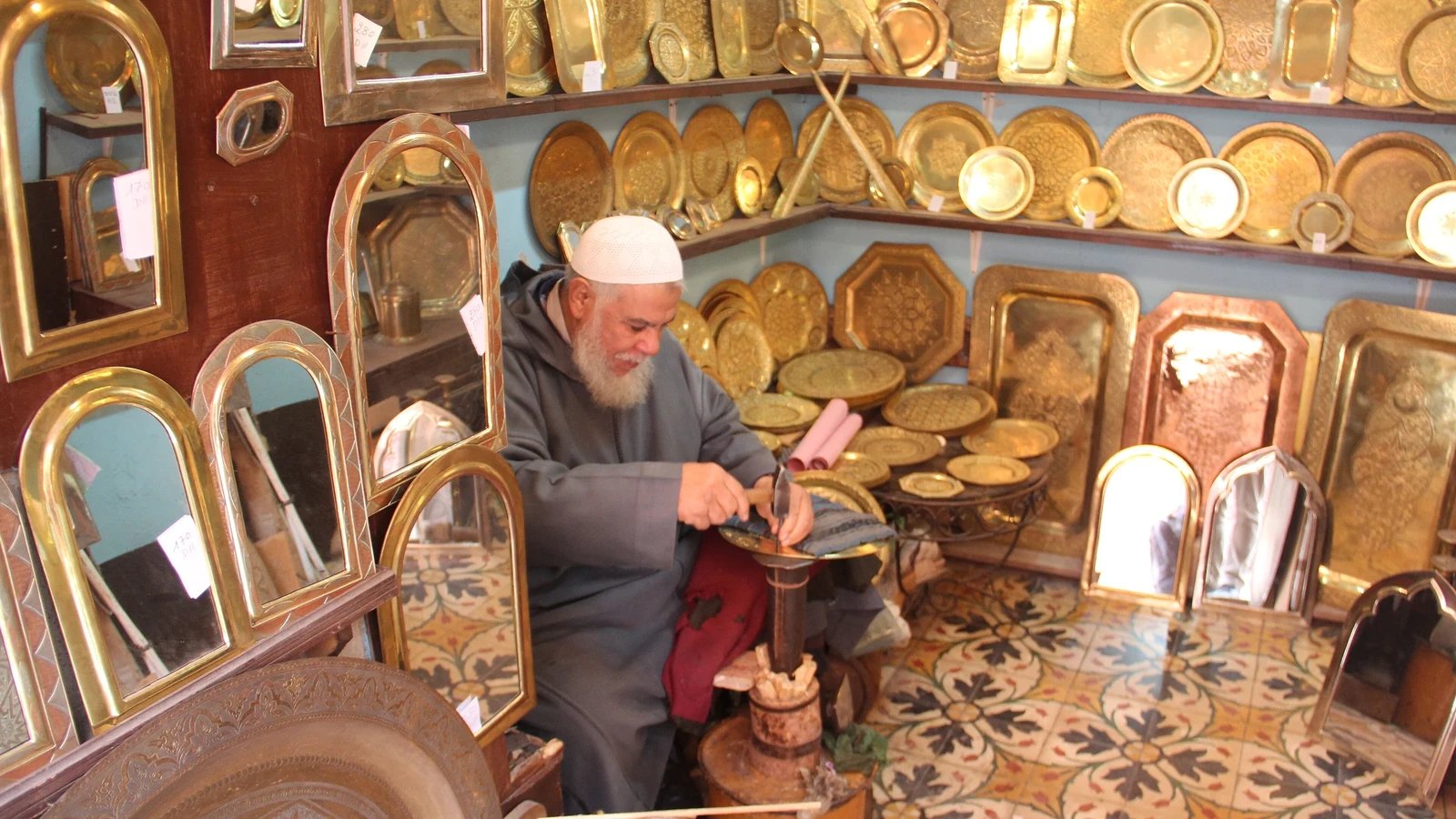
A worked surface can hold a long sequence of decisions. Looking closely begins to return the finished object to the people and processes behind it.
Explore the story ↗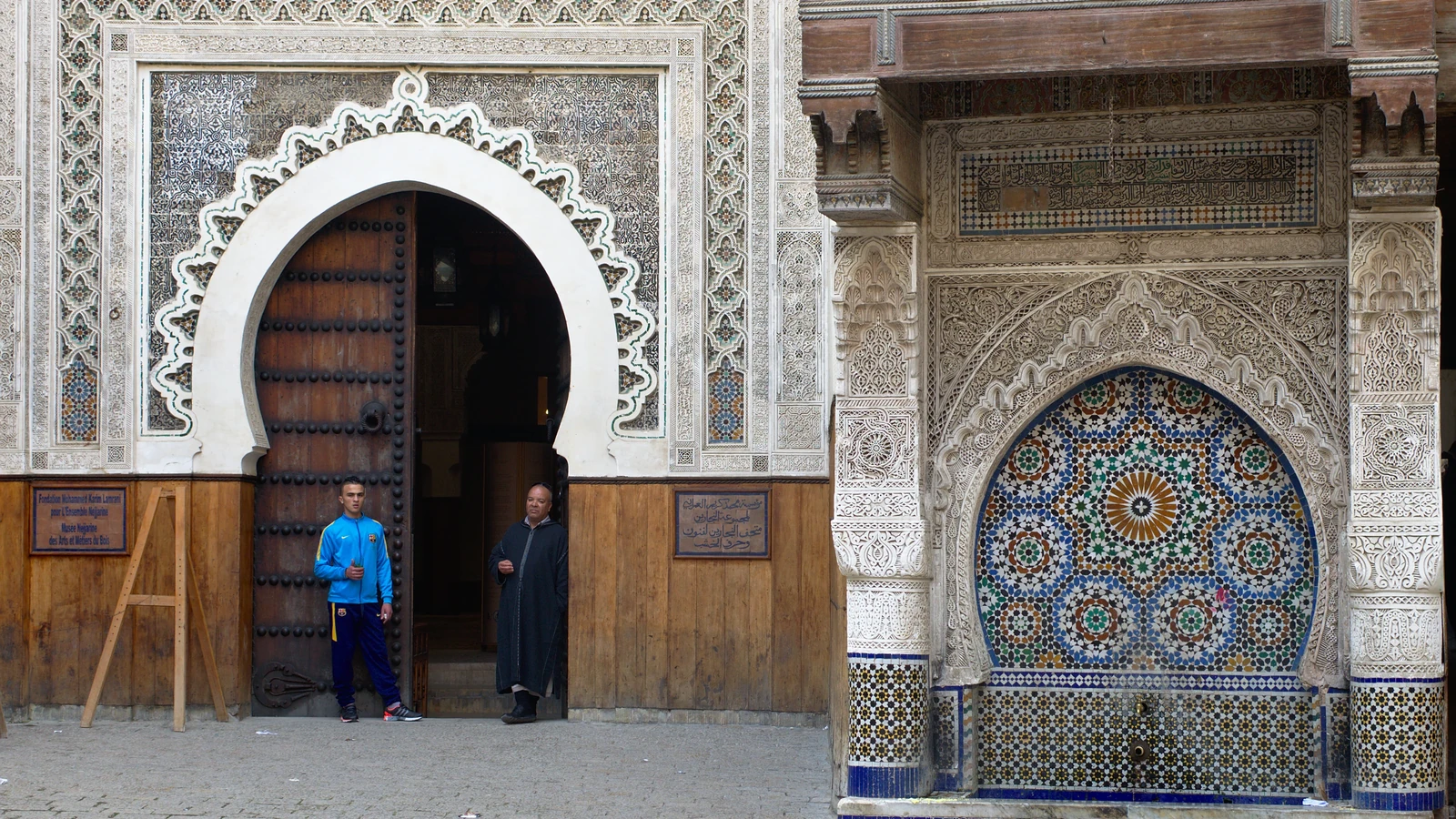
A musical evening gathers many kinds of attention: the performer’s, the listener’s, and the city’s continuing life around them.
Explore the story ↗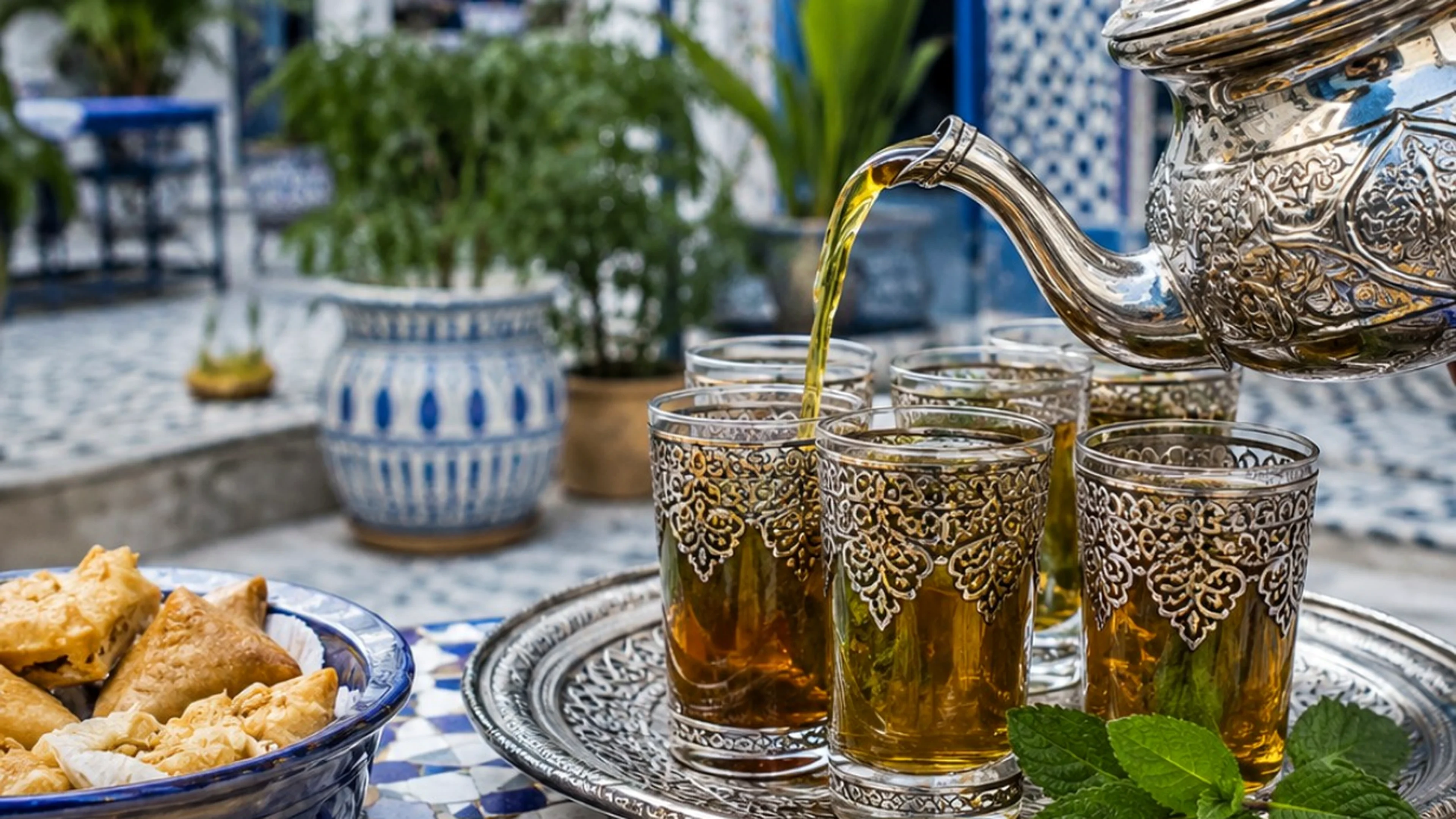
How we look, listen and move changes the quality of an encounter.
Explore the story ↗Continue reading
Keep the subject in view as you choose your next chapter.
Performance, knowledge and the communities that give an event its meaning.
Read the story ↗A worked surface can hold a long sequence of decisions. Looking closely begins to return the finished object to the people and processes behind it.
Read the story ↗A musical evening gathers many kinds of attention: the performer’s, the listener’s, and the city’s continuing life around them.
Read the story ↗How we look, listen and move changes the quality of an encounter.
Read the story ↗This is a researched cultural essay. It does not report an invented visit, interview or quotation. Cultural references are distinguished from observations and suggested ways of looking.
Research checked 29 September 2026.
Library images illustrate the places, people, materials and practices discussed. They are not presented as documentary records of a particular festival edition. Captions identify what each image is used to show.
Attributions retained from the canonical library. Responsive resizing and WebP conversion; each photograph’s stated licence continues to apply.

.jpg)


.jpg)

_(7346181900).jpg)

.jpg)


