Language & encounters
Names, greetings and the small conversations that put words into everyday life.
Read the story ↗

Exotic Morocco · Stories
How we look, listen and move changes the quality of an encounter.
Enter the story ↓01 / The starting point
The most useful preparation is not always another list of sights. It may be understanding what kind of place you are entering: a home, a workshop, a place of worship, a public square or a commercial street. Each gives a visitor different possibilities and different responsibilities.
Our city essays keep those ordinary uses in view. Chefchaouen’s doorways and steps belong to a functioning town. Fès contains workplaces and institutions as well as celebrated architecture. Tétouan’s routes lead from public activity towards quieter residential space. Reading first can help you notice a boundary, leave room for someone to pass, or ask a more interesting question.
02 / Choose your first encounter
Choose the essay that brings this subject into focus.
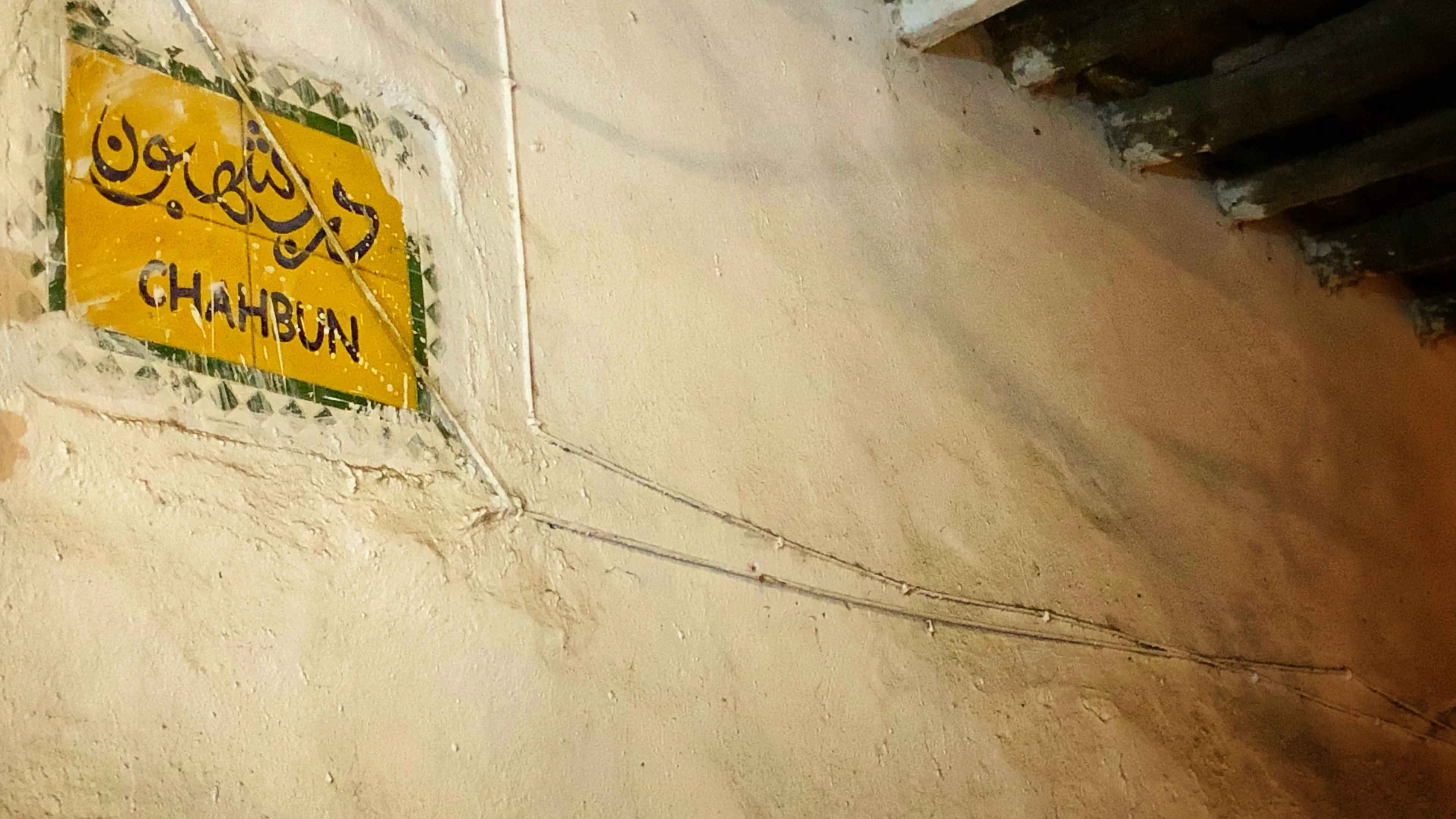
Names, greetings and the small conversations that put words into everyday life.
Read the story ↗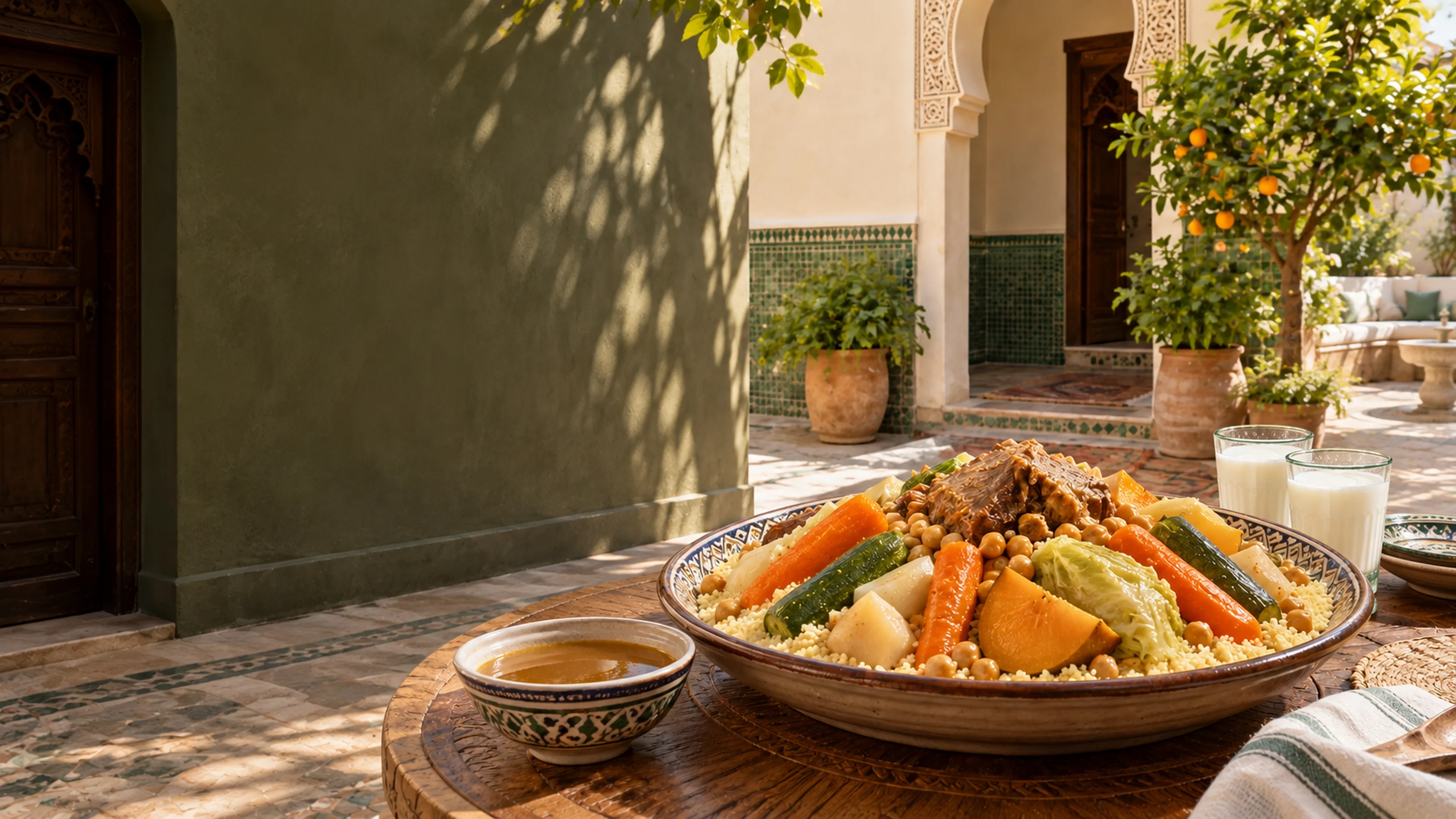
Recipes, shared knowledge and the places that give a meal its wider setting.
Read the story ↗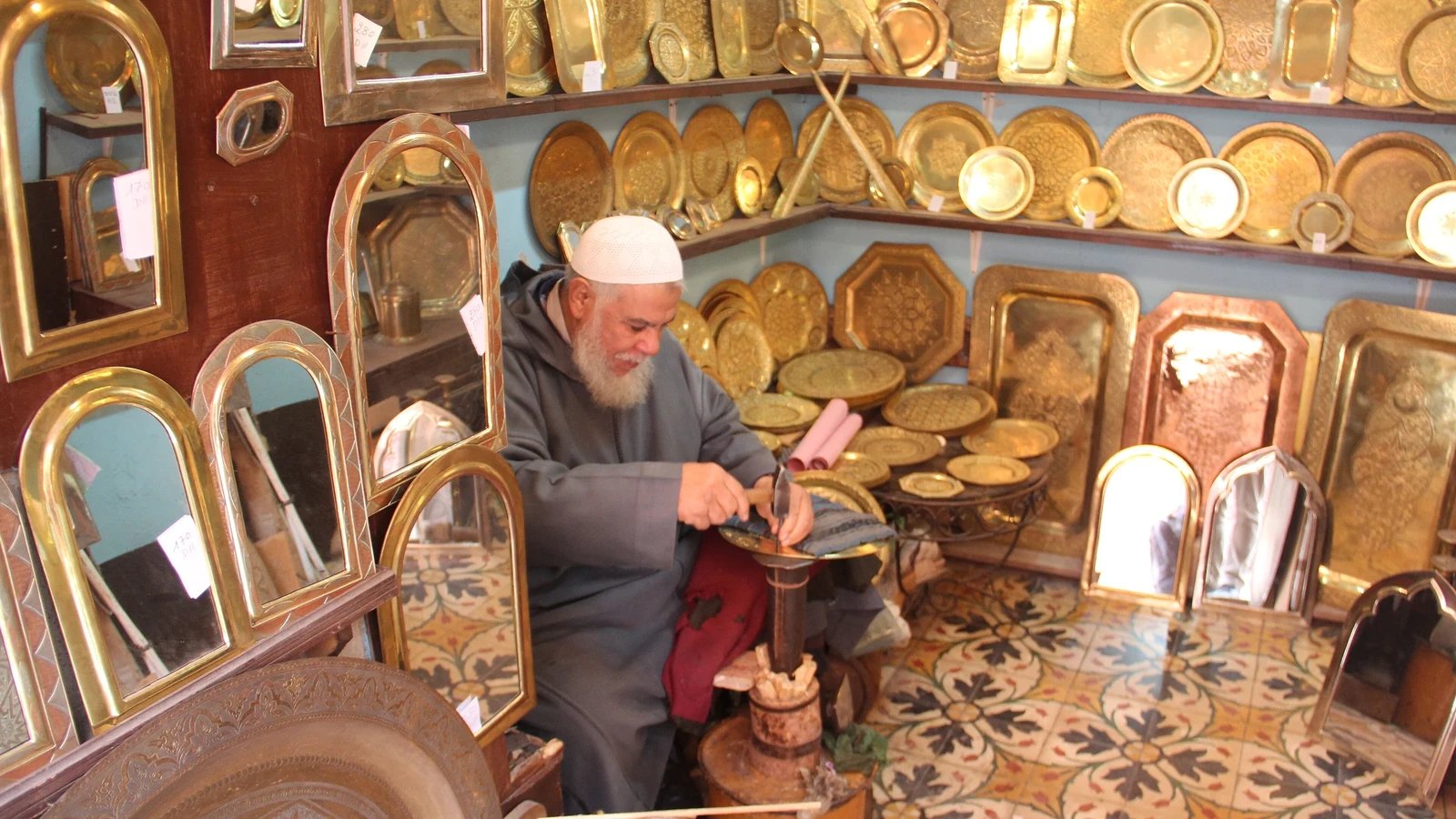
A worked surface can hold a long sequence of decisions. Looking closely begins to return the finished object to the people and processes behind it.
Read the story ↗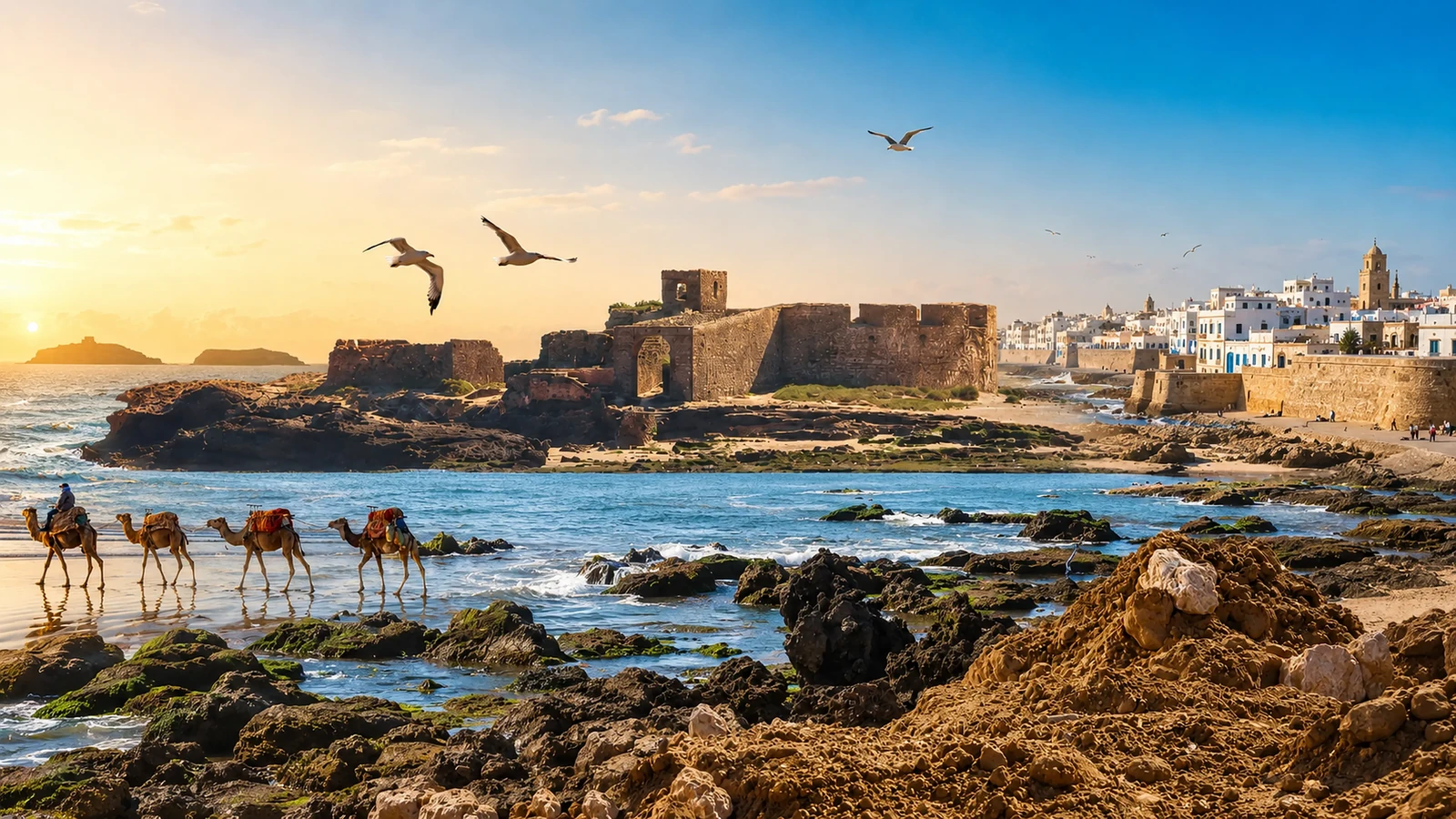
The music draws an audience. Between performances, streets carry the quieter negotiations of a city that continues to work.
Read the story ↗03 / Look closer
A tea setting can suggest hospitality, but the details of a real invitation belong to the people involved. Let the host explain, ask when unsure and avoid treating a familiar image as a script everyone must follow. The same attention applies to photography and conversation: a beautiful setting does not supply another person’s consent. A few appropriate words in Darija can open an exchange; listening gives that exchange somewhere to go.
04 / The story in context
A journey can be carefully planned and still depend on moments that do not belong to the itinerary: asking for an address, entering a small shop or being offered a place to sit. The visitor arrives with expectations, but the other person has a day already in progress. Recognising that second side changes the tone of the exchange.
Begin with the practical question of whether the moment is convenient. Leave room for a short answer, a different suggestion or a refusal. The Darija and respectful-travel guides connect words with this kind of attention. The aim is not to perform knowledge of a culture; it is to make a particular encounter clear and considerate.
At a tea table, the invitation matters as much as the glass. Let the host explain the setting, ask before photographing people and establish whether a shop demonstration involves an expectation to buy. These small questions make an encounter clearer for both sides without turning every meeting into a cultural test.
Build room for these exchanges into the day. A workshop visit needs time to listen; a festival exit needs a clear path; a residential lane is still someone’s approach to home. The linked stories offer different examples of presence and participation. Planning becomes more useful when it makes space for other people’s rhythms as well as your own route.
A different distance
A camera can make a visitor attentive to light and detail while narrowing attention to everyone’s convenience. Before taking a close photograph, consider what the request asks of the person. If the intended use cannot be explained, choose another frame. A street can be described through architecture, material and space without turning a stranger into its emblem.
The Chefchaouen story is useful here because it moves beyond a familiar image without rejecting its beauty. It widens the account to include setting and ordinary life. That is a method a traveller can carry elsewhere: keep the view, then ask what it leaves out. The second question often makes the first photograph more meaningful.
A different distance
Returning to a place gives an encounter a different possibility from passing through once. It might allow you to follow up a question, understand a route or notice how a material is used in another setting. None of this guarantees intimacy or access. It simply creates time in which attention can become more specific.
Use the Stories collection to connect those details across your journey. A craft question can lead into Fès, an architectural interest into Meknès or Tétouan, and a coastal view into Larache. Let those connections guide further reading rather than forcing every place into the same story. A thoughtful journey keeps both the pattern and the differences visible.
Story pathways
Cities, cultural context and a connected essay, chosen for this subject.
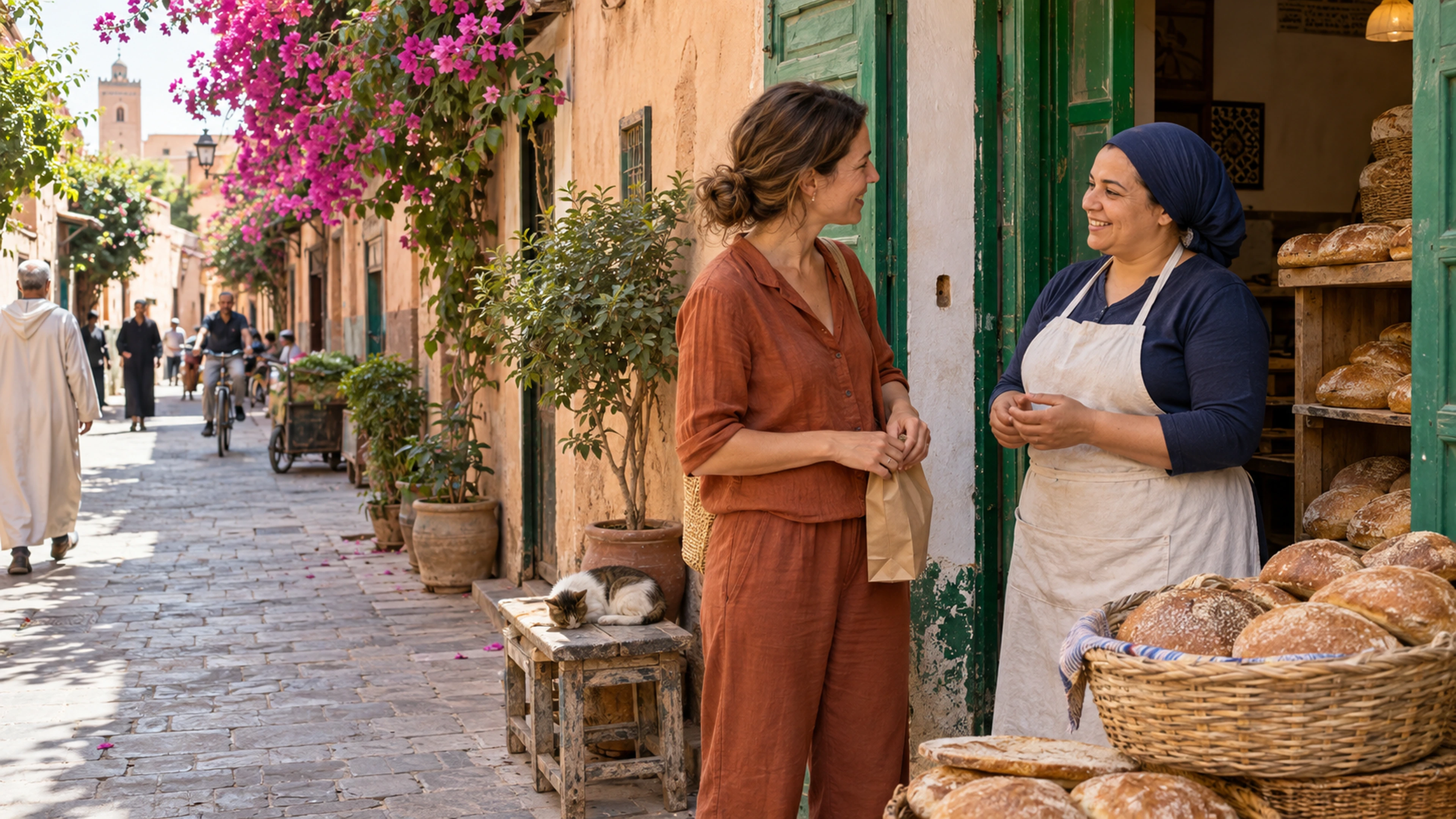
Learn Visit with context Practical considerations for respectful encounters. Explore ↗
Explore the context ↗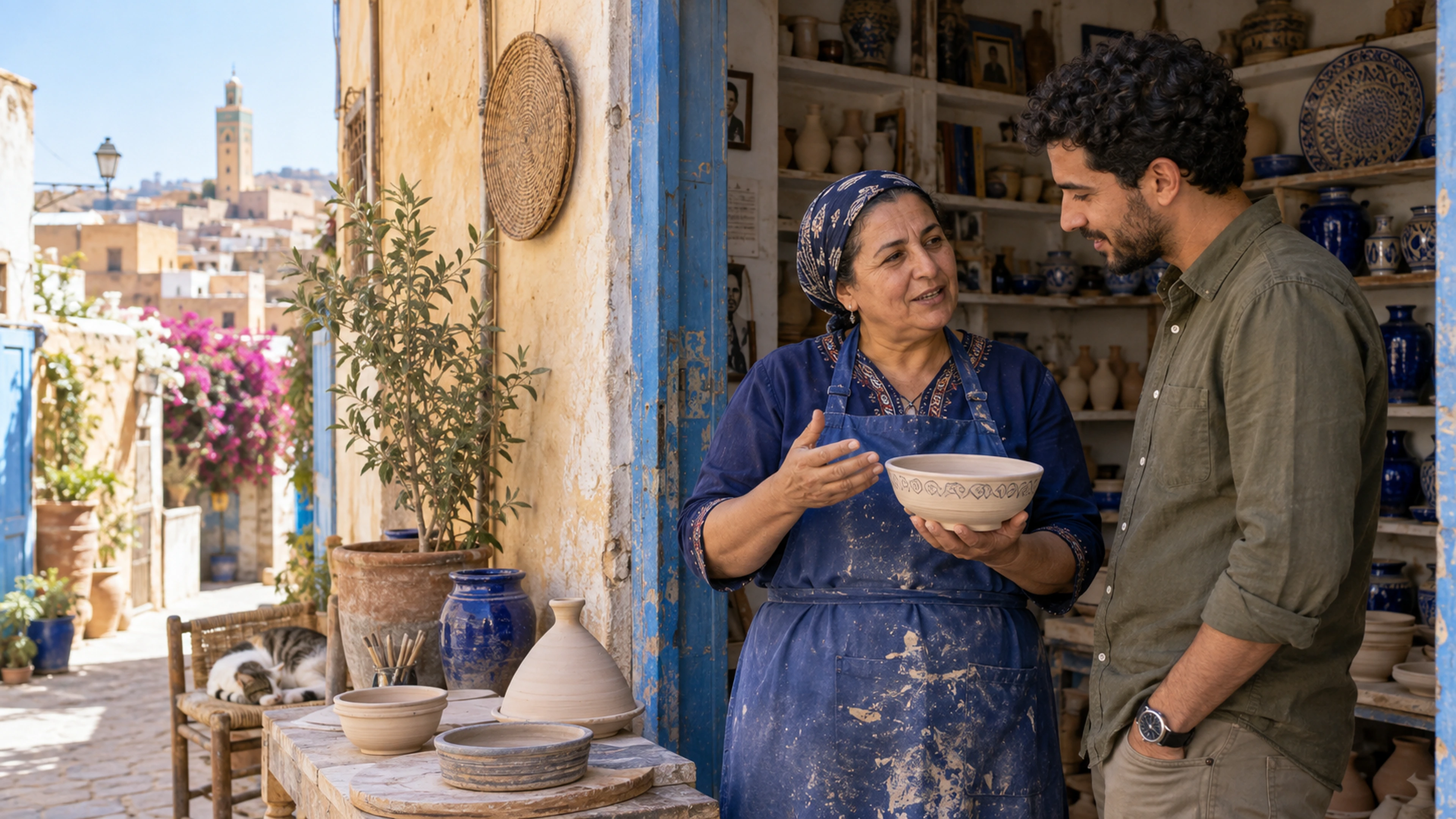
Darija Language & respect Connect useful words with the way a conversation unfolds. Explore ↗
Explore the context ↗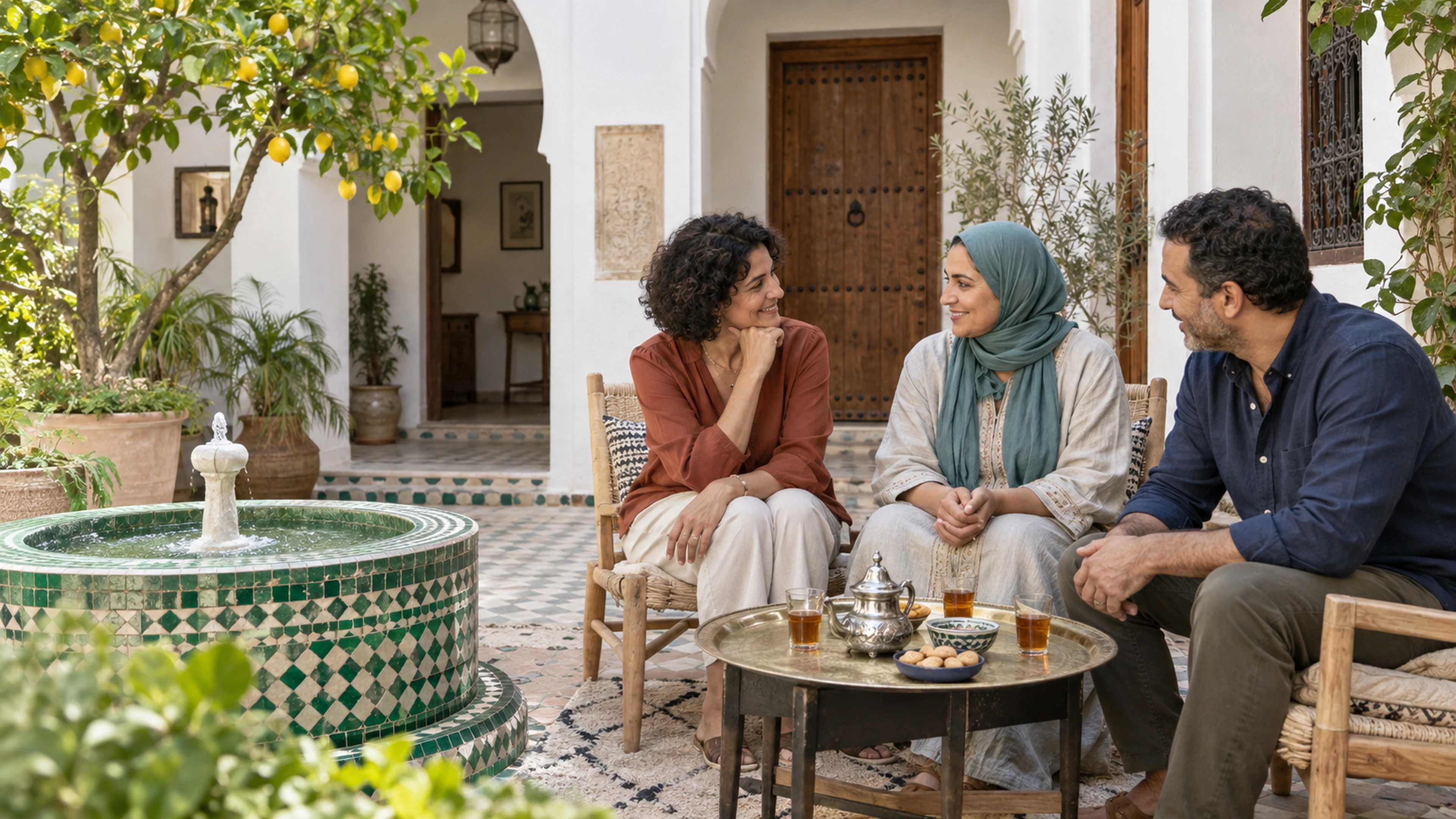
Begin a conversation ↗
Explore the context ↗Names, greetings and the small conversations that put words into everyday life.
Explore the story ↗Continue reading
Keep the subject in view as you choose your next chapter.
Names, greetings and the small conversations that put words into everyday life.
Read the story ↗Recipes, shared knowledge and the places that give a meal its wider setting.
Read the story ↗A worked surface can hold a long sequence of decisions. Looking closely begins to return the finished object to the people and processes behind it.
Read the story ↗The music draws an audience. Between performances, streets carry the quieter negotiations of a city that continues to work.
Read the story ↗This reading room connects published stories with contextual guides. Each linked story includes its own research and photography notes.
Photography is identified through the linked source records. Crops and responsive sizes were prepared for this layout.
Research checked 27 September 2026.

.jpg)
