A workshop, a decision
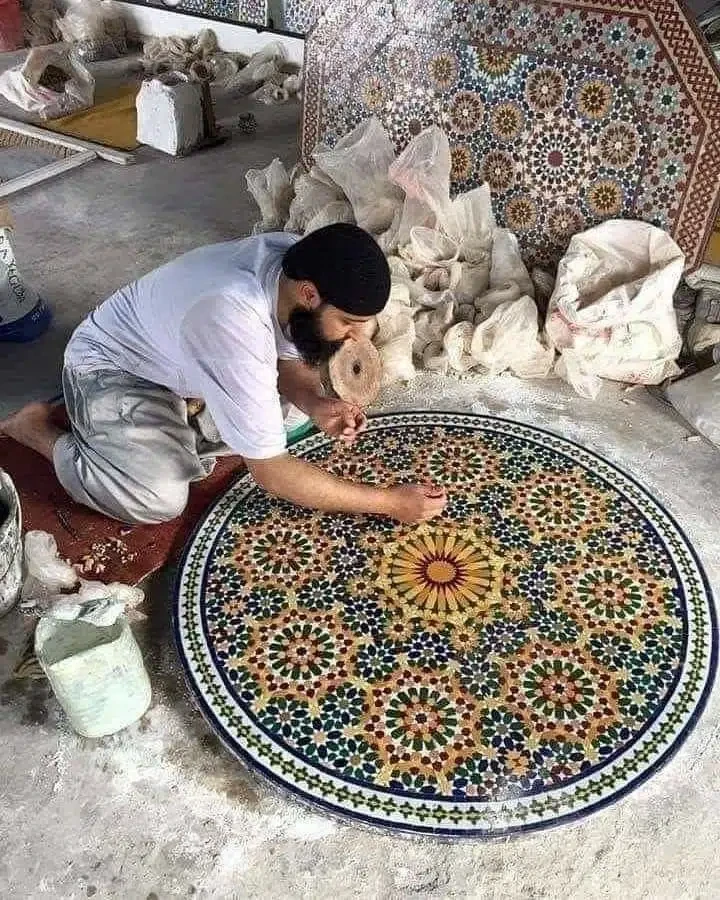
A craftsman assembling a circular zellige pattern.

Exotic Morocco · Stories
A worked surface can hold a long sequence of decisions. Looking closely begins to return the finished object to the people and processes behind it.
Enter the story ↓01 / The starting point
A richly worked surface can be difficult to see because it offers so much at once. Pattern, colour and reflected light arrive together, and the first response is often a general one: beautiful, intricate, extraordinary. Those words record an impression but do little to explain it.
Choosing one detail changes the task. Follow an edge until it meets another material. Notice where a repeated form turns a corner, where a line becomes shallower or where a surface receives wear. The object begins to reveal decisions rather than simply abundance.
A craft event can make this change of attention easier. A demonstration places a tool beside a result; an exhibition arranges objects for comparison; a maker may explain why a particular operation comes before another. Each encounter opens a different part of the sequence.
The aim is not to become an expert in an afternoon. It is to let one precise observation alter the way the whole is seen. A small detail can return an object to the world of choices, materials and skilled people from which a purely decorative image has separated it.
02 / Read the details
Three visual encounters within this story.
A craftsman assembling a circular zellige pattern.
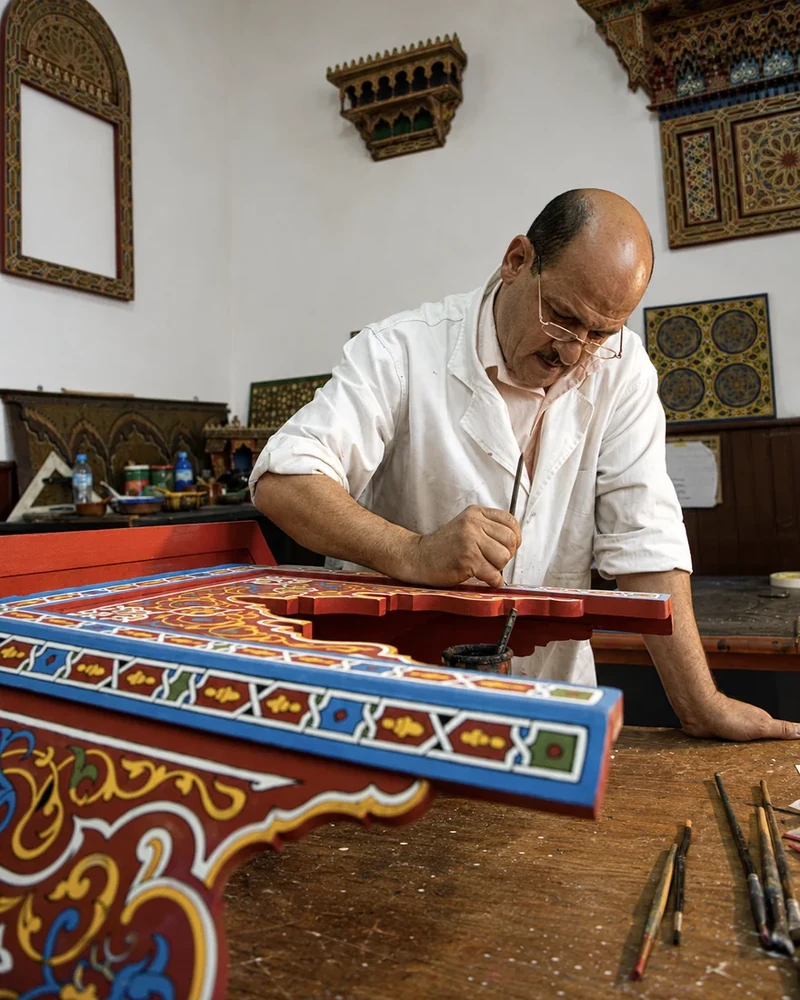
A craftsman painting a wooden panel in Tétouan.
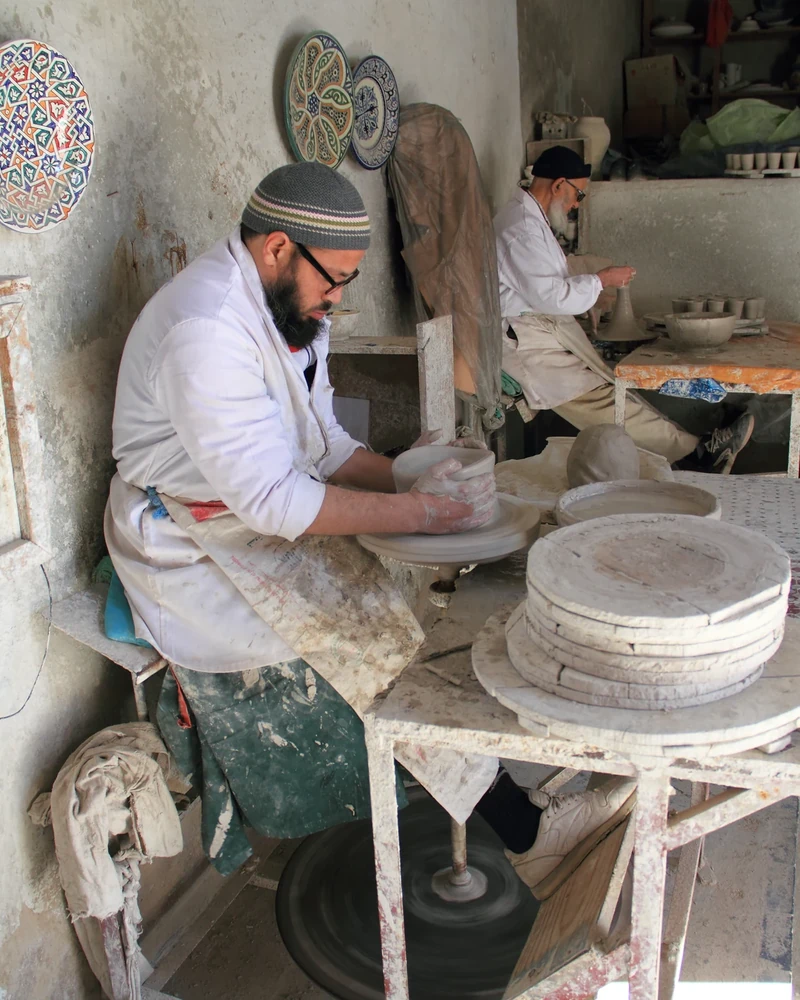
An artisan shaping material in a Fès workshop.
03 / Look closer
The Foundation’s account of zellige provides a clear example. Tiles are prepared and fired, marked with templates and cut into pieces. During assembly, the pieces are arranged face down before a backing is applied. The surface a visitor admires is therefore not the surface the maker sees in the same way throughout construction.
That reversal is a useful idea to carry into a day of looking. A finished object may conceal the order in which it was made. A joined edge can hide a fastening; a polished surface can hide an earlier roughness; an uninterrupted pattern can conceal the separate pieces required to produce it.
The lesson is not that every object follows the same method. It is that appearance alone cannot establish a process. A technique needs a reliable explanation, and the explanation should be attached to the material and practice it actually describes. Knowing one sequence gives a visitor a better question for the next encounter, not a universal answer.
03 / Look closer
At a demonstration, ask what happened before the visible stage and what must happen afterwards. The maker may show only the operation that can be performed safely and clearly in a public setting. The absent stages are still part of the work.
This attention changes the meaning of time. A quick movement is no longer evidence that an object is easy to make. It may be the part that becomes fast only after many repetitions, supported by slower preparation that the audience has not seen.
04 / The story in context
02 / Different materials, different questions
A flat photograph can make very different materials seem like variations of the same decoration. Standing before an object, or studying several careful views, reveals relationships that a single image suppresses. Depth changes a shadow. Glaze changes a reflection. A painted line sits differently from a cut one.
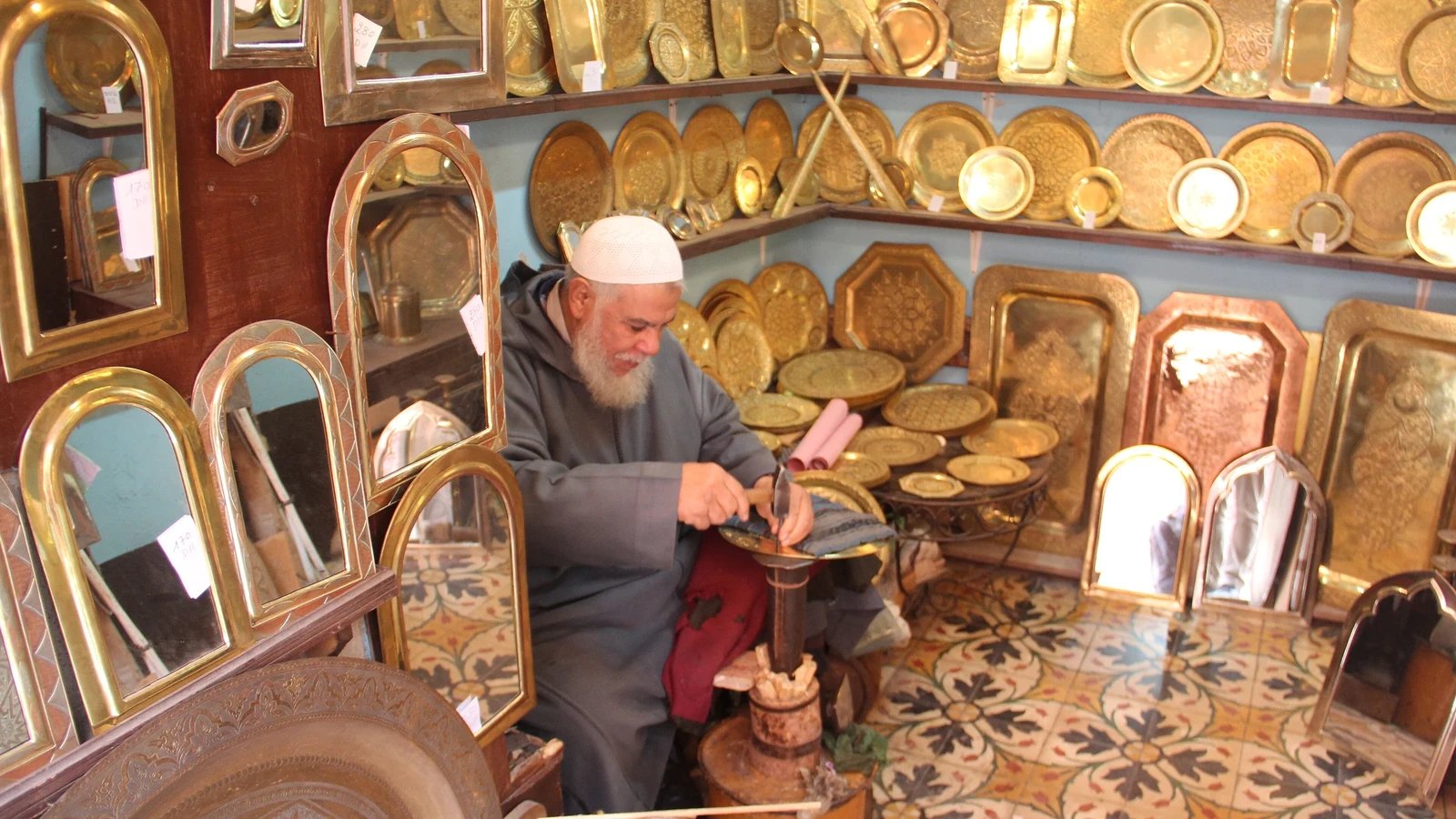
Choose one junction between materials: tile beneath plaster, a wooden edge beside a door or a metal fitting against a painted surface. The junction makes the sequence of work easier to discuss. Ask what was prepared first and which part can be replaced independently; the finished pattern often hides those practical choices.
If you meet a maker, distinguish the object being demonstrated from the work they usually do. A short demonstration can reveal a gesture without representing the full time, preparation or division of labour behind a commission. The most useful memory may be a named process and a well-answered question rather than a photograph of someone at work.
Stay with the context
The useful comparison begins with those differences. Look at the boundary between materials before trying to name every motif. What happens where tile meets plaster, where timber supports a decorated surface or where metal changes from a plain field to a worked edge? The joint can be as informative as the centre of the design.
Colour is another decision rather than a complete explanation. A limited palette can organize a complex field; a small contrast can make a repeated form easier to follow. You can observe these relationships without assigning a symbolic meaning that has not been established by a reliable source.
A public exhibition can help by placing an object beside a label, another example or an account of its use. A workshop encounter adds a different kind of context: tools, materials and the sequence of activity. Neither setting is the whole truth of a craft. Each makes some questions easier to ask.
There is pleasure in letting that comparison remain unfinished. The eye learns to distinguish more while the mind becomes less eager to classify everything immediately. A day of looking can end with fewer confident labels and a much clearer sense of what needs explanation.
A closer encounter
Notice how light meets the material. Is the effect produced by colour, relief, reflection or a combination that needs closer attention?
Follow a boundary, joint or change in direction. The meeting of parts can reveal a practical decision hidden by the overall pattern.
Ask which operation came before the one you can see. A finished appearance becomes more intelligible when it is placed within a process.
A different distance
03 / The person making the decision
Craft photography often makes the hand its central character. Fingers hold a tool, guide a material or repeat a movement, while the rest of the maker’s life remains outside the frame. The image can communicate concentration very well. It cannot establish everything about the person whose concentration it shows.
A more careful account begins with that limit. A visitor should not invent a childhood apprenticeship, a family lineage or a struggle to preserve a dying art because those details would make the photograph more moving. The person may have a very different story, or may prefer to discuss the object rather than their biography.
A different distance
When conversation is welcome, questions about a decision can recognize authorship directly. Why this material? What changes when the piece is made at another scale? Which part demands the most adjustment? The answer gives the maker room to explain their own work instead of confirming a visitor’s prepared narrative.
Skill also includes judgment about use. A bowl, a panel, a garment and an architectural fitting must do different things. Decoration belongs within those purposes, even when an event display temporarily removes an object from its ordinary setting. Asking what a piece is made for can be more revealing than asking whether it is old or new.
Contemporary choices matter. A maker may sustain a familiar form, adapt a pattern or respond to a commission. None of these decisions should be reduced automatically to a contest between authenticity and change. A precise description of authorship, material and purpose lets the work remain both culturally situated and made in the present.
A different distance
The life of an object does not end when its surface is finished. Use brings handling, wear and the need for care. In a building, the relationship becomes larger still: a decorated room depends on roofs, walls and practical systems that a visitor may barely notice.
The Fondation Nationale des Musées records the restoration of Dar Jamaï in Meknès before its reopening as the National Museum of Music. Artisans and conservators worked on elements including timber, plaster and zellige. The example makes care visible as skilled activity, rather than an abstract wish that a historic place should survive.
Looking for maintenance changes the hierarchy of interest. A repaired edge may be less immediately striking than a brilliant patterned centre, but it raises questions about use and responsibility. Who decides what to preserve? Which evidence explains an intervention? A visitor cannot answer those questions from colour variation alone, yet can learn to recognize that they exist.
A craft encounter therefore reaches beyond the moment of production. It can introduce the work of keeping things useful, legible and valued. That continuing care belongs to cultural heritage as much as the first act of making, even when it is less often the subject of a festival photograph.
A different distance
An exhibition or demonstration can leave a visitor wanting to buy something. It can also leave them satisfied with a new way of seeing. Both responses can be reasonable. Appreciation does not have to end in possession, and a purchase should not substitute for understanding what has been offered.
If you do buy, ask concrete questions about the item, materials, maker and intended use. For a commission, establish the specification and terms. For photography, ask whether taking and sharing an image are welcome, and credit the maker accurately when they wish to be named.
Then keep one detail from the day: the face-down assembly of a pattern, a change in pressure, a joint that made a structure intelligible. A single explained detail can travel into other encounters, making a familiar object newly interesting.
A different distance
Our Craft and Ornament Events guide turns this attention into a practical visit; Craft and Heritage follows learning and care; the craft-event index helps distinguish an exhibition from a demonstration or market. The Story ends with a smaller invitation: look again at the edge you first passed over.
The surface is only the beginning.
The work continues beneath it.
Story pathways
Cities, cultural context and a connected essay, chosen for this subject.
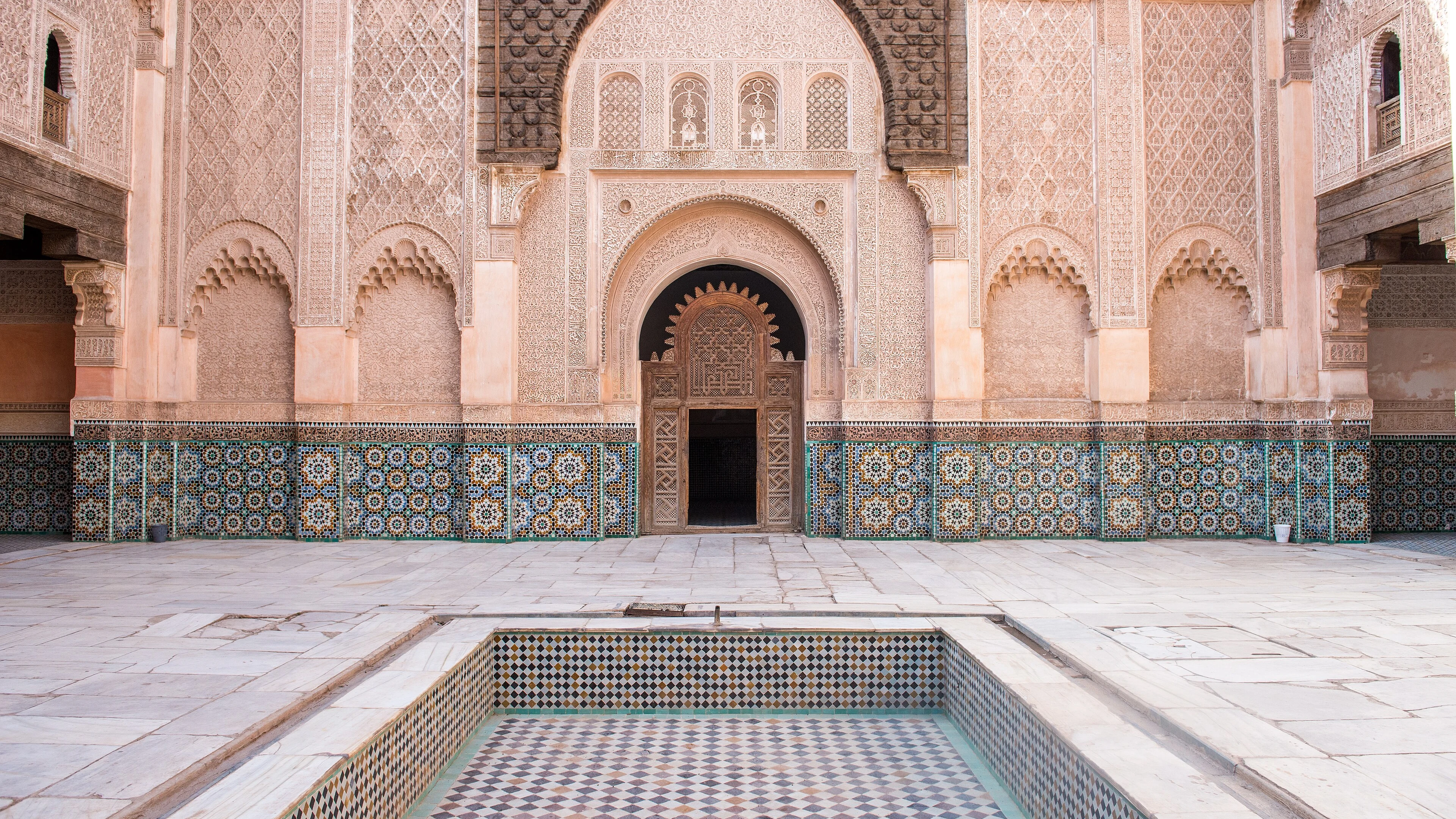
Architecture & craft ↗
Explore the context ↗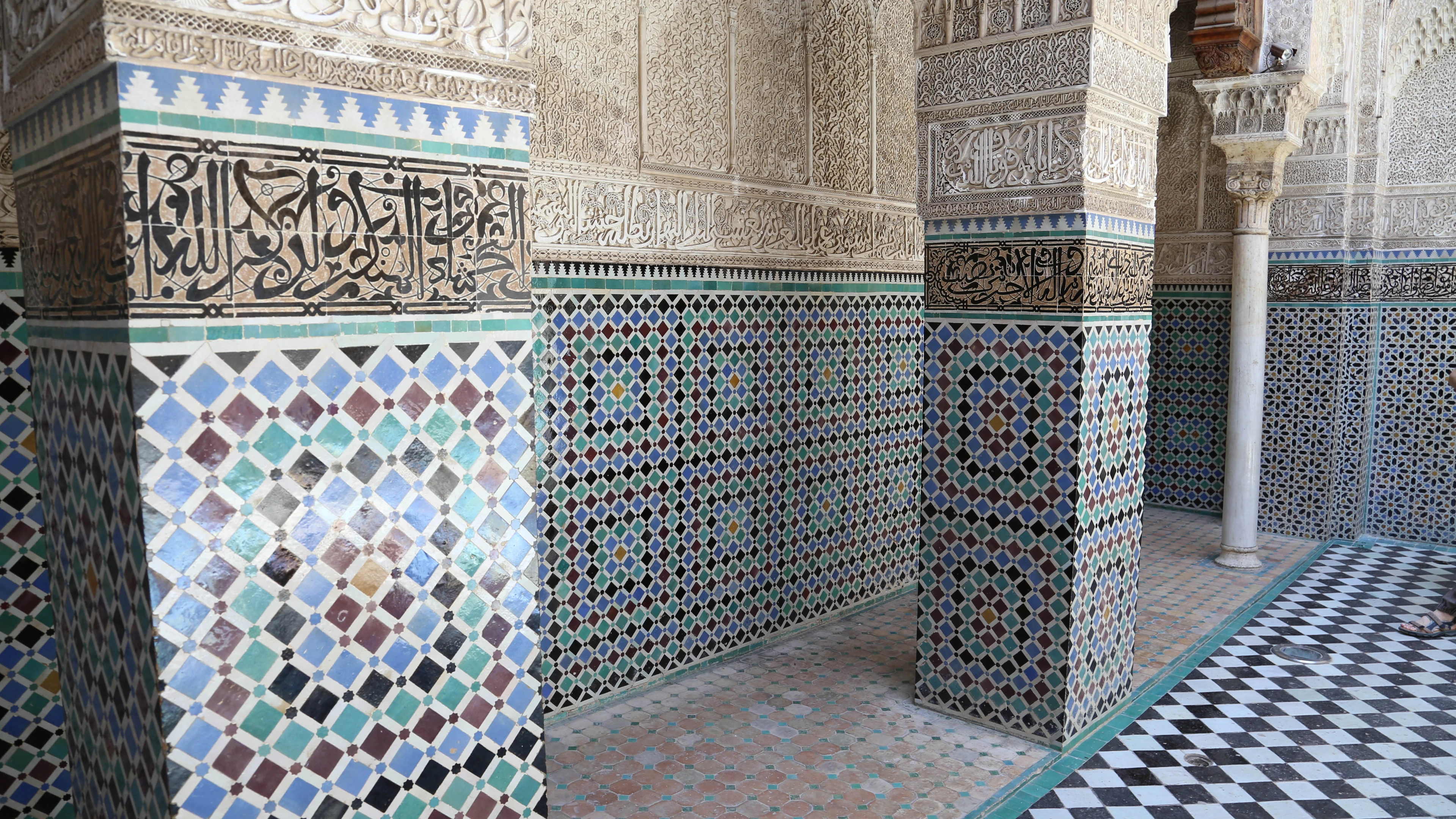
A small piece of clay. An extraordinary way of seeing. Inside the craft that gives Moroccan architecture its colour, rhythm and human touch.
Explore the story ↗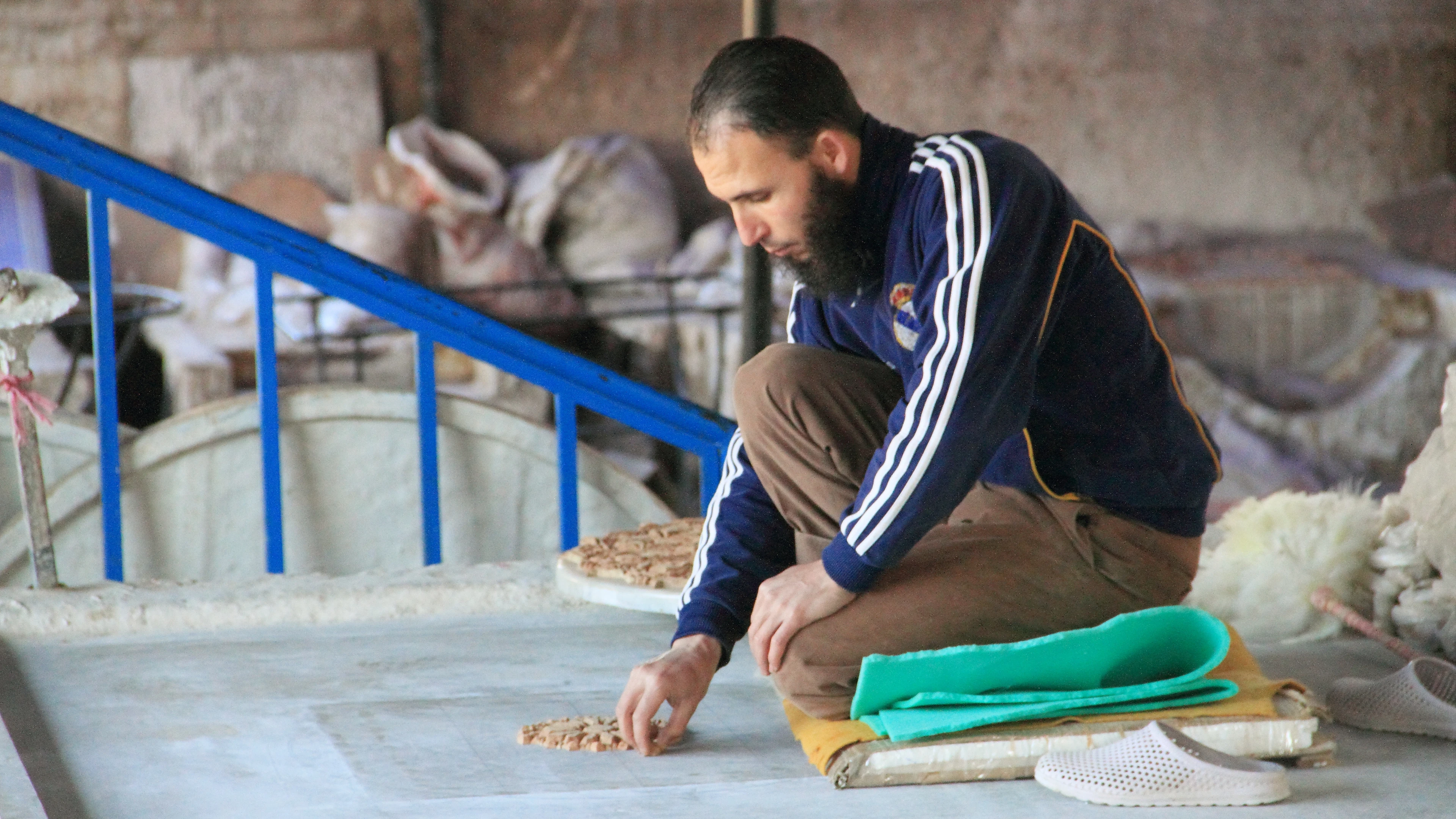
Clay, colour, wood and the decisions that turn material into a useful, beautiful thing.
Explore the story ↗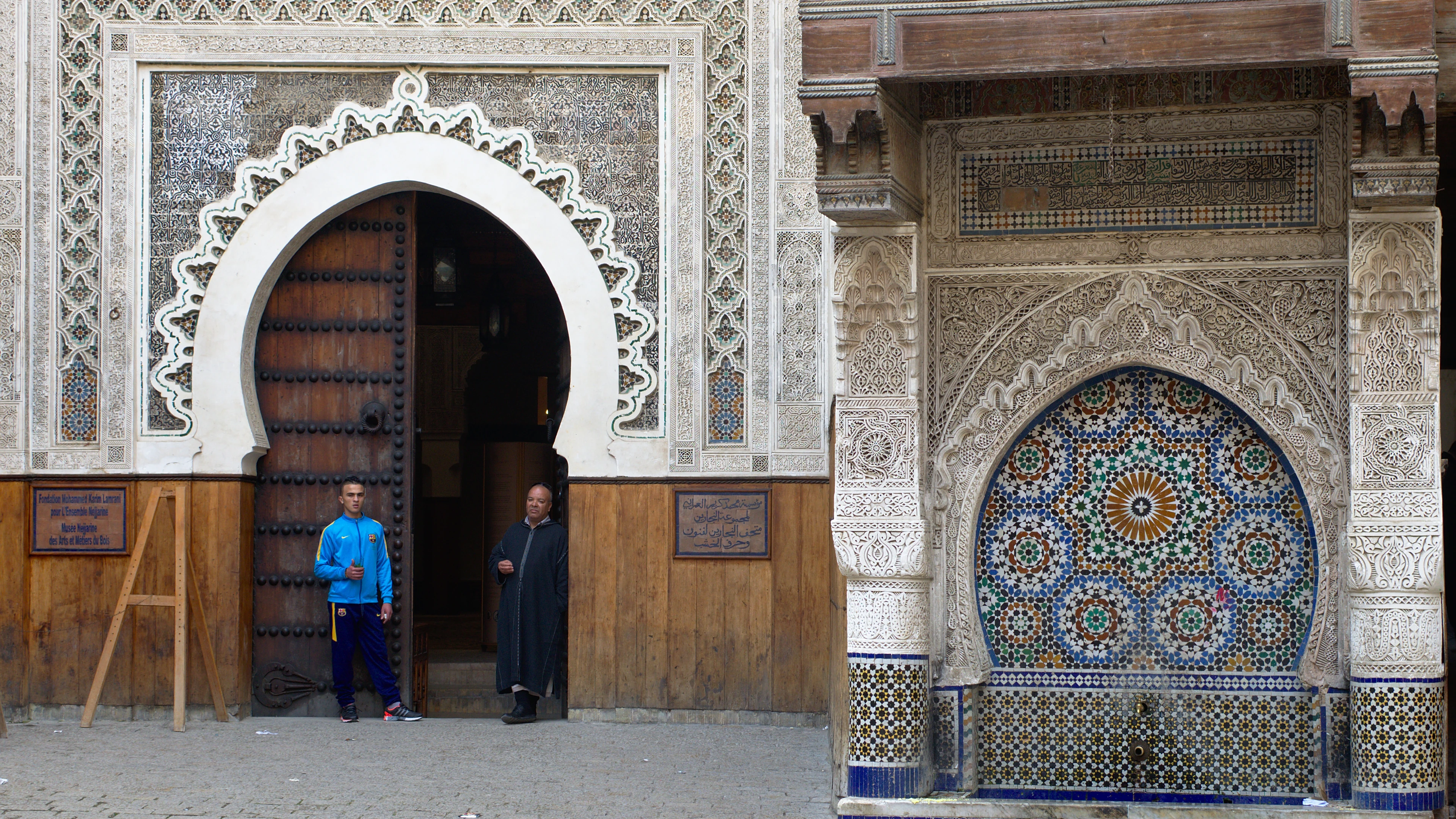
A city’s records can be held in walls, objects and practiced skills. Reading Fès means leaving room for the people who keep it alive.
Explore the story ↗Continue reading
Keep the subject in view as you choose your next chapter.
A small piece of clay. An extraordinary way of seeing. Inside the craft that gives Moroccan architecture its colour, rhythm and human touch.
Read the story ↗Clay, colour, wood and the decisions that turn material into a useful, beautiful thing.
Read the story ↗A city’s records can be held in walls, objects and practiced skills. Reading Fès means leaving room for the people who keep it alive.
Read the story ↗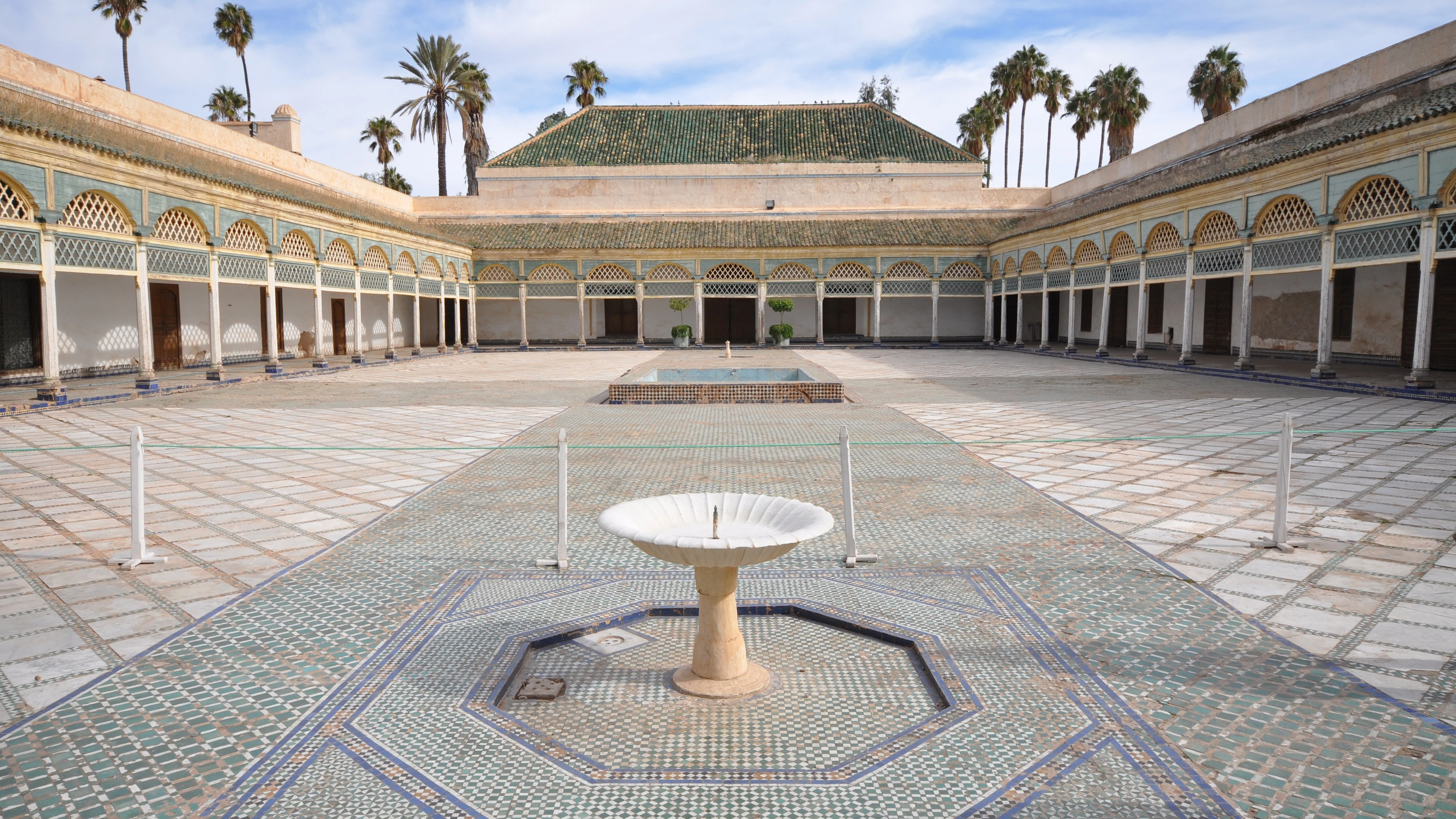
Gates, courtyards, streets and the materials that shape how a place is used.
Read the story ↗This is a researched cultural essay. It does not report an invented visit, interview or quotation. Cultural references are distinguished from observations and suggested ways of looking.
Research checked 29 September 2026.
Library images illustrate the places, people, materials and practices discussed. They are not presented as documentary records of a particular festival edition. Captions identify what each image is used to show.
Attributions retained from the canonical library. Responsive resizing and WebP conversion; each photograph’s stated licence continues to apply.


.jpg)


.jpg)

_(7346181900).jpg)

.jpg)


