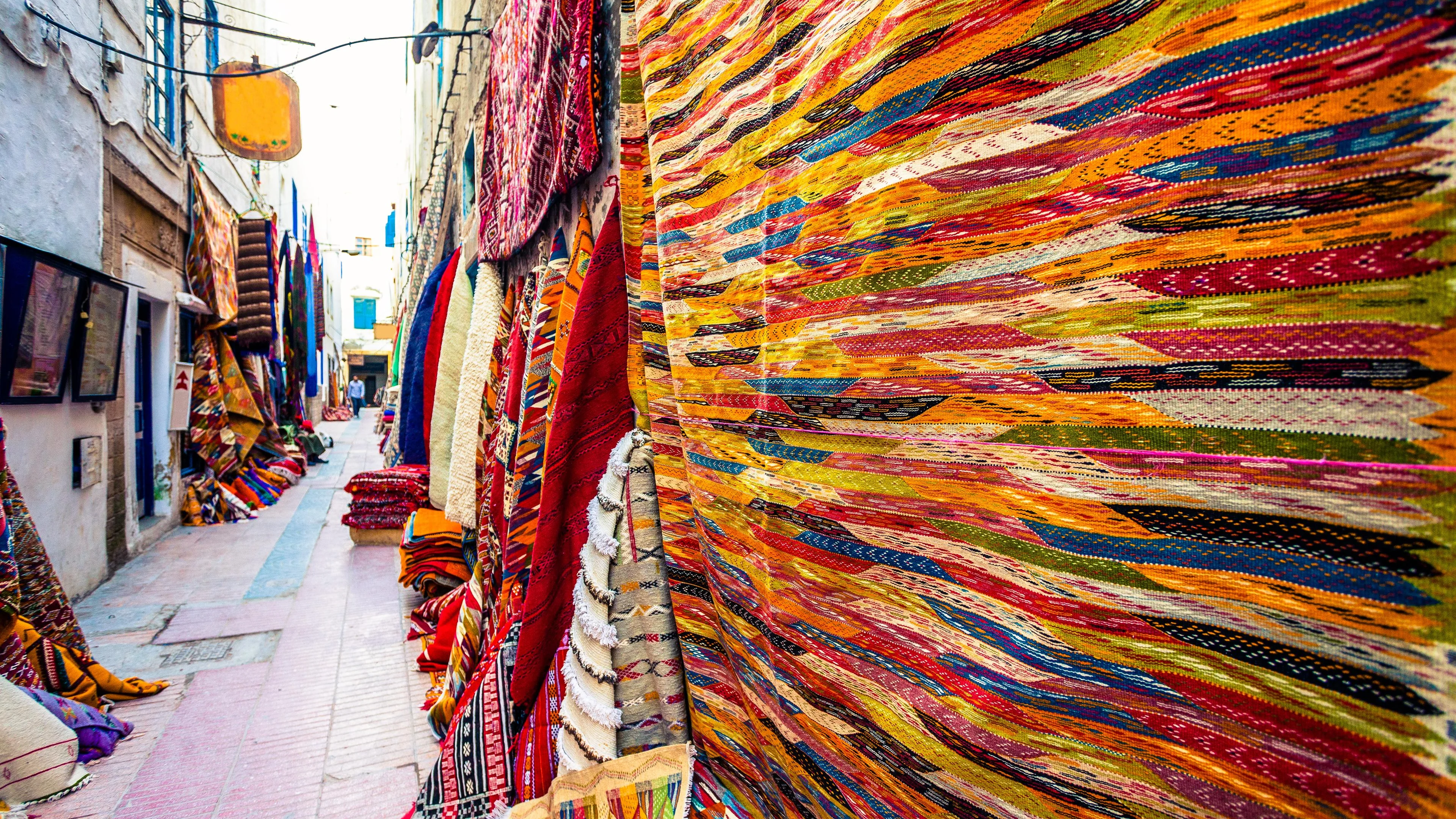
Counted work
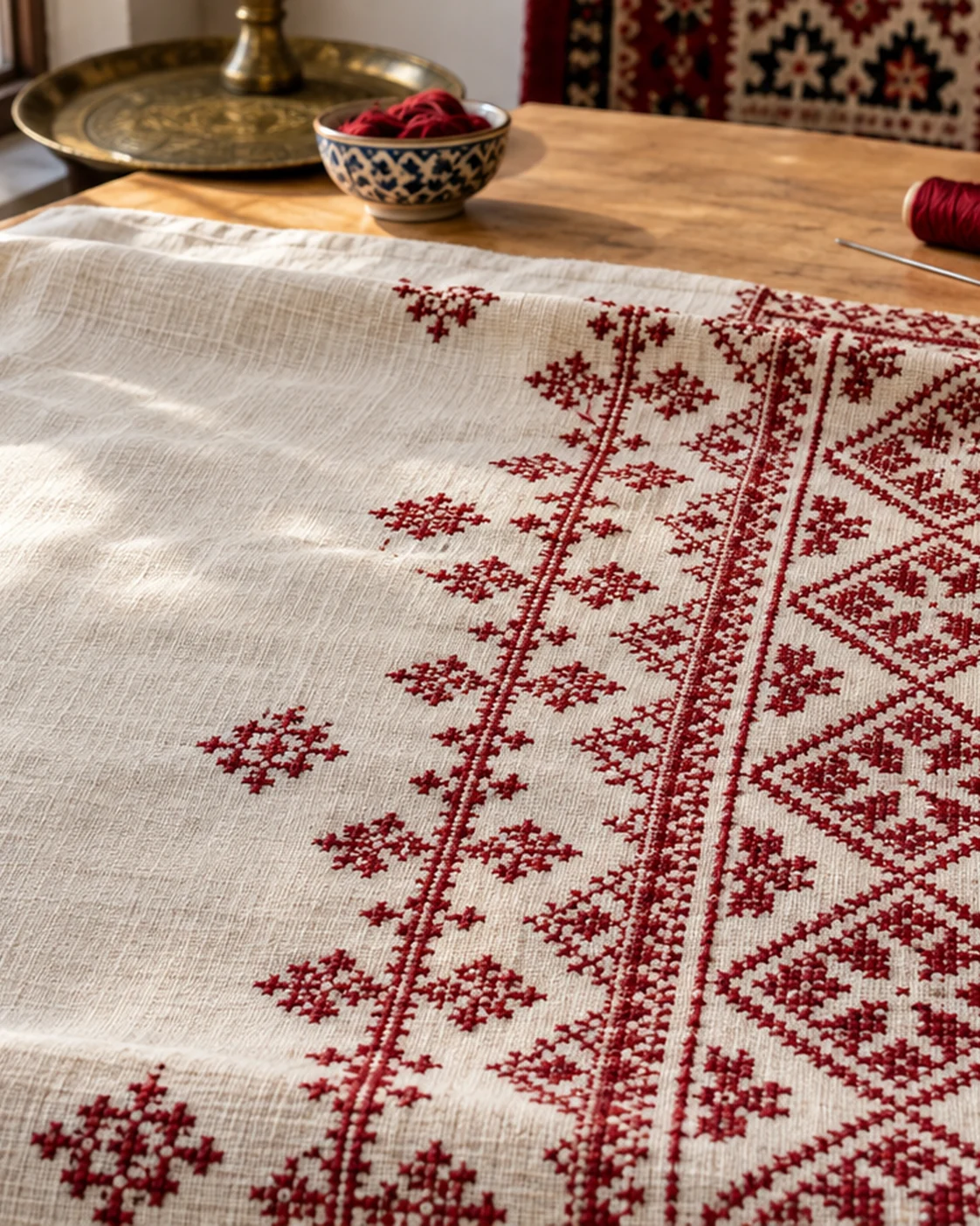
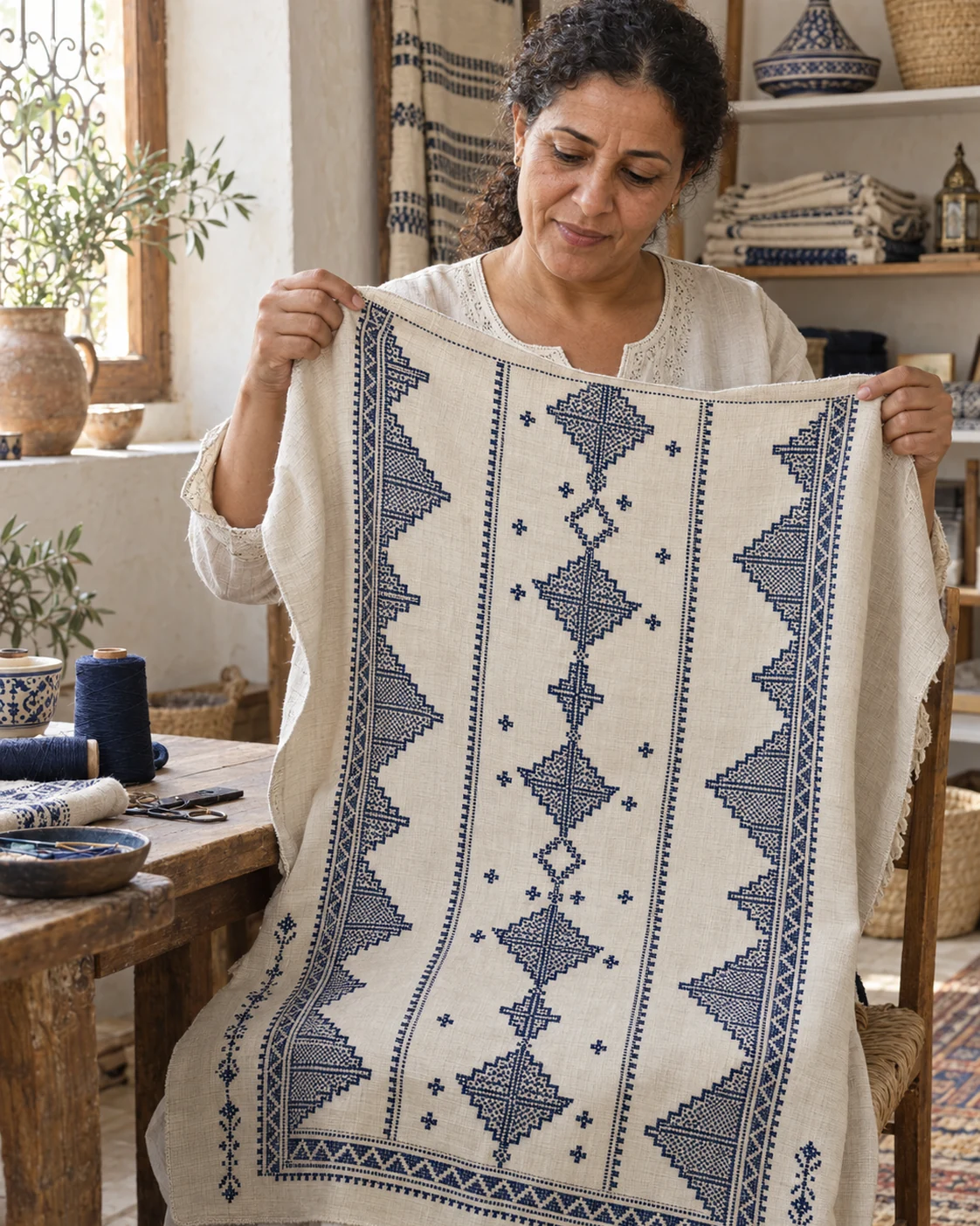
When stitches follow the fabric’s threads, the ground becomes a framework for the pattern. Look at how steps, borders and repeated shapes align. Even small changes in spacing can change the visual rhythm.

Embroidery · The movement of a thread
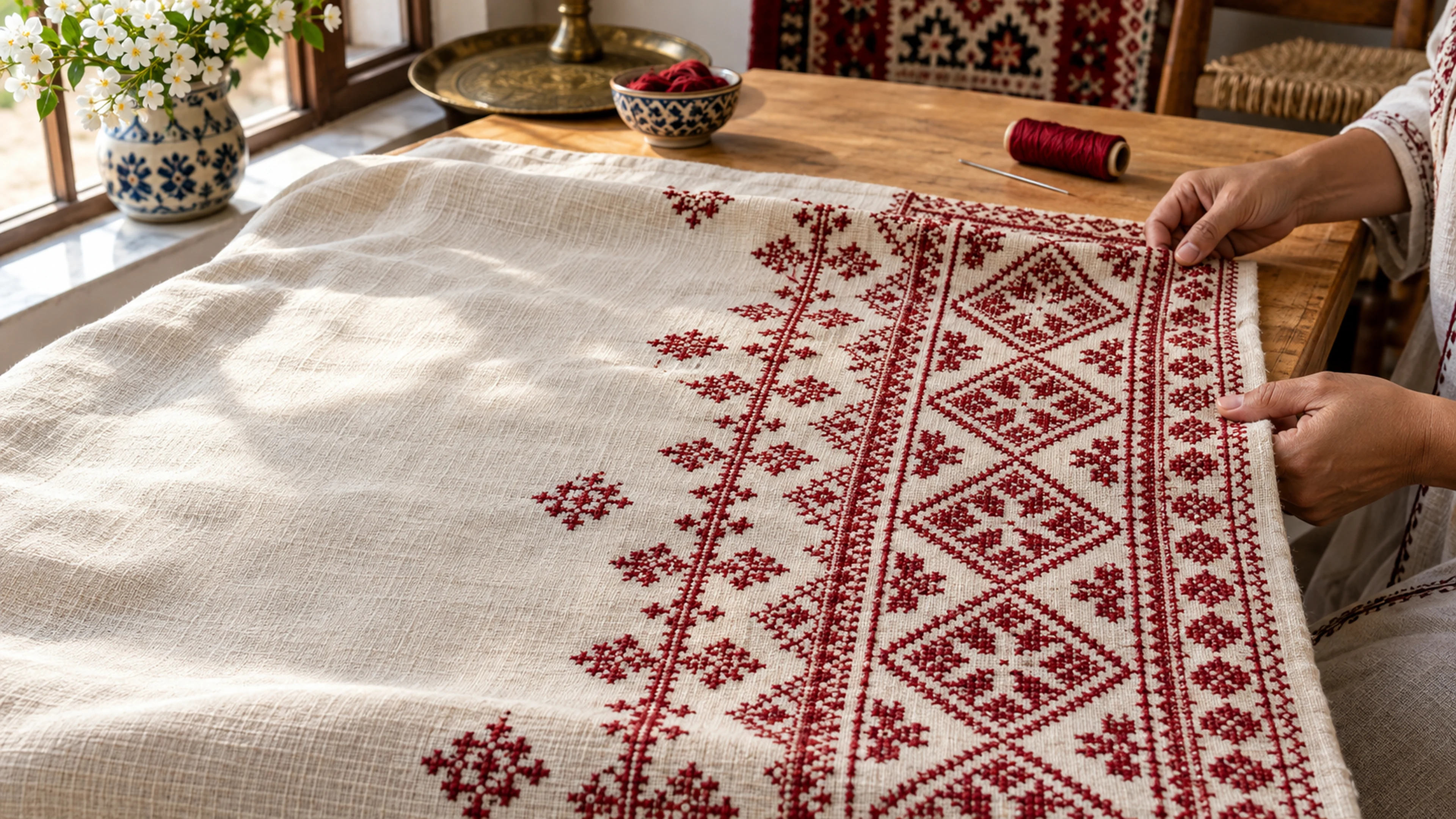
A stitch can build a line, fill a shape or join a larger rhythm. Explore Moroccan embroidery through structure and specific textile histories.
Look a little closer ↓01 / The starting point
Embroidery begins with an existing fabric and adds a design through thread. That simple distinction opens a rich field of possibilities: tiny counted stitches, long surface lines, raised work and densely filled shapes.
Look at the relationship between stitch and ground. Does the design follow the regular grid of the fabric? Does it curve independently? Is a heavier thread held down by smaller stitches? These questions reveal process before any regional name is attached.
Embroidery appears on clothing and on objects for the home. A shared interest in geometry does not make every example the same technique. This chapter places a contemporary illustrative view beside one documented historical hanging so that the differences remain visible.
02 / A documented textile
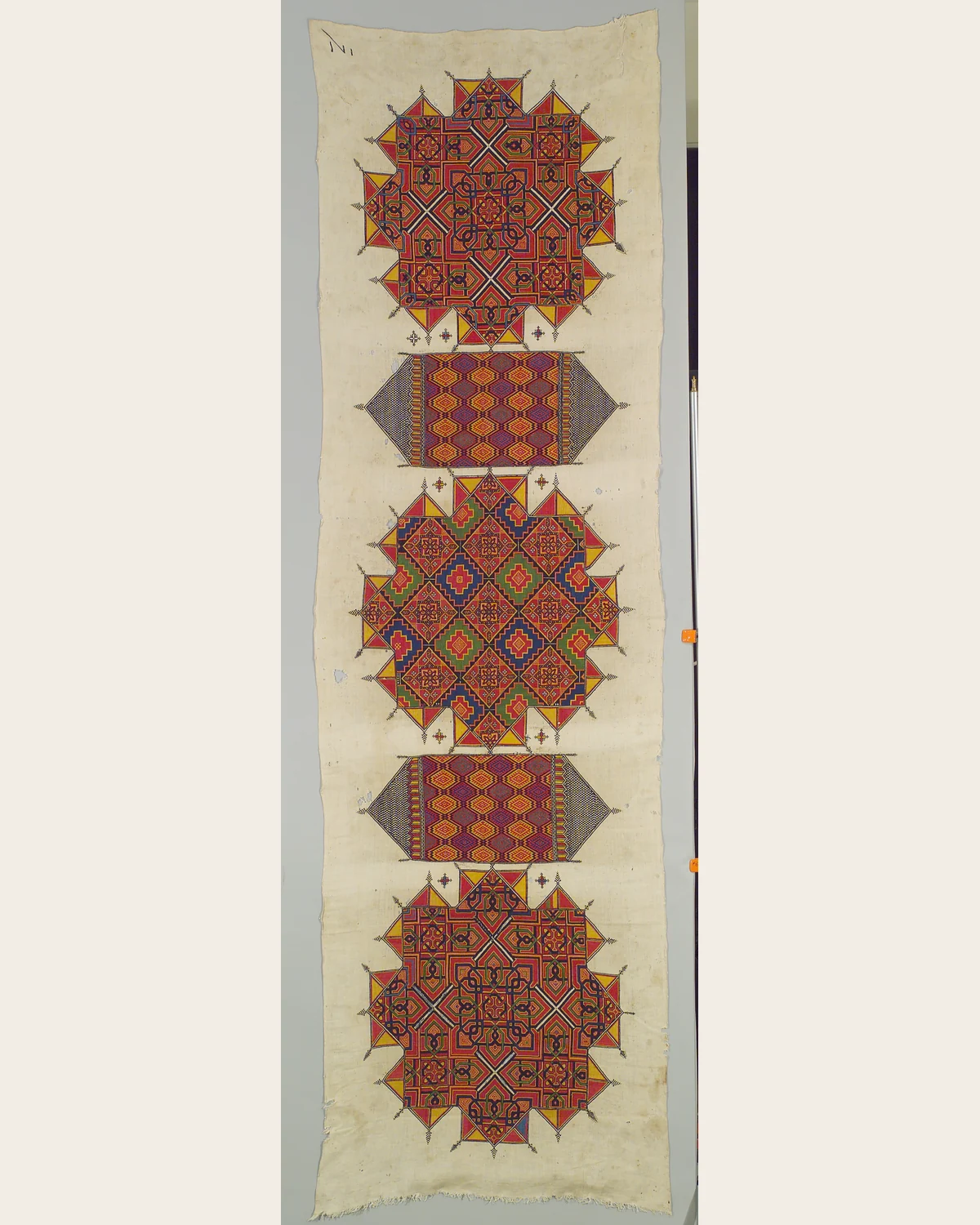
The Met attributes this embroidered linen-and-silk hanging to Chefchaouen and dates it to around 1800. It is an architectural textile, not a garment. Its large geometric compositions were made in plaited stitch.
See how the design is organised along the length of the cloth: large forms alternate with smaller joining elements, while the unworked ground allows the coloured thread to read clearly. The object connects embroidery with the visual world of interiors.
The museum photograph preserves this particular textile. It should not be read as a pattern that represents all Moroccan needlework, nor as evidence that the same use continues unchanged today.
03 / Read the details
Shape, spacing and structure are more useful starting points than guessing an origin from a motif.
When stitches follow the fabric’s threads, the ground becomes a framework for the pattern. Look at how steps, borders and repeated shapes align. Even small changes in spacing can change the visual rhythm.
A design may travel over the cloth rather than follow its grid. Follow the direction of the thread and how it changes at a curve. Raised and flat areas can work together within one composition.
The fabric is an active part of the effect. Its colour, openness and tension change how thread sits on it. A densely filled area and a quiet area of visible cloth can be equally deliberate.
04 / Culture in context
A cushion cover in the Textile Museum of Canada, dated 1890–1920 and attributed to Fès, documents reversible counted-thread work in silk on linen. It provides a specific comparison with the Chefchaouen hanging, rather than a reason to collapse both into one regional style.
When comparing textiles, keep scale and use in mind. A border on household linen, an architectural hanging and ornament on a caftan do different jobs. Shared colours or geometry alone cannot establish that they were made by the same technique or workshop.
Follow a small part of the design from one edge to another. Notice how the stitch turns a corner, fills a field or leaves the cloth visible. A close view can reveal choices that disappear when the whole object is reduced to a decorative pattern. If you can see the reverse with permission, compare the working structure with the finished face.
When discussing a piece, separate what you can observe from what needs a reliable record. Colour, density and placement are visible; the maker, date and exact place of origin may not be. Ask which details are documented. This distinction gives the object a more precise story and avoids assigning a regional identity from a motif alone.
05 / Take the conversation further
Ask the maker to explain how the pattern was produced. A woven motif may resemble embroidery in a photograph. Surface appearance is a starting point for the conversation, not proof of the process.
The back can help explain thread paths, but it is not always accessible or appropriate to handle. Let the owner or maker show it. A museum object should remain untouched unless the institution explicitly permits handling.
Ask about lining, backing and care. Loose or raised threads may need particular handling. If a piece is old or fragile, obtain suitable advice before cleaning, mounting or incorporating it into new clothing.
06 / Take the story into a place
The Exotic Morocco guide collection
The companion Embroidery guide is in preparation. Explore the collection for its current status and connected reading.
Find this guide in Shop07 / One wardrobe, many stories
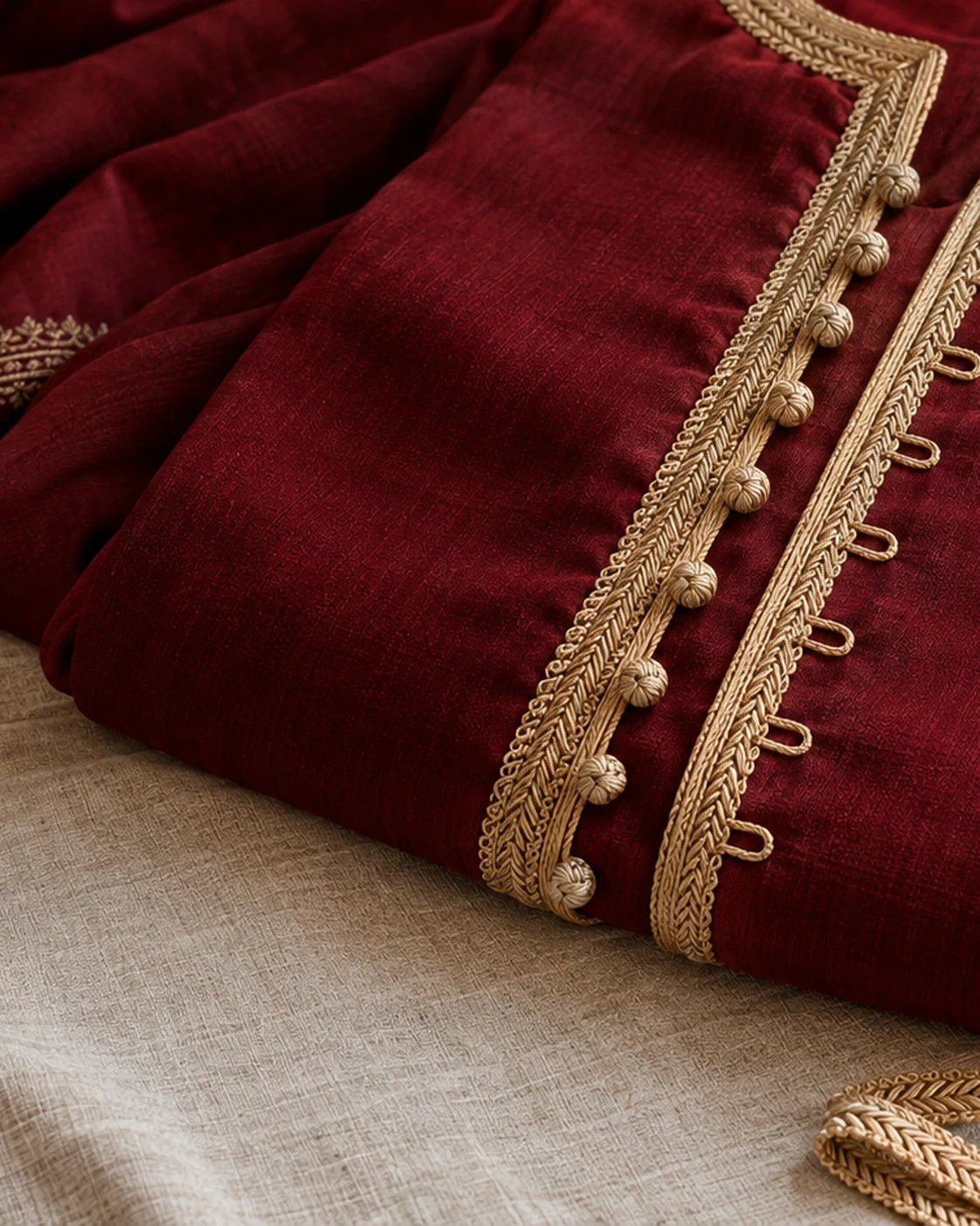
Embroidery & sfifa · The language of an edge
Braid, buttons and stitched ornament meet along a garment’s opening. Learn to see what each one does.
Explore the chapter ↗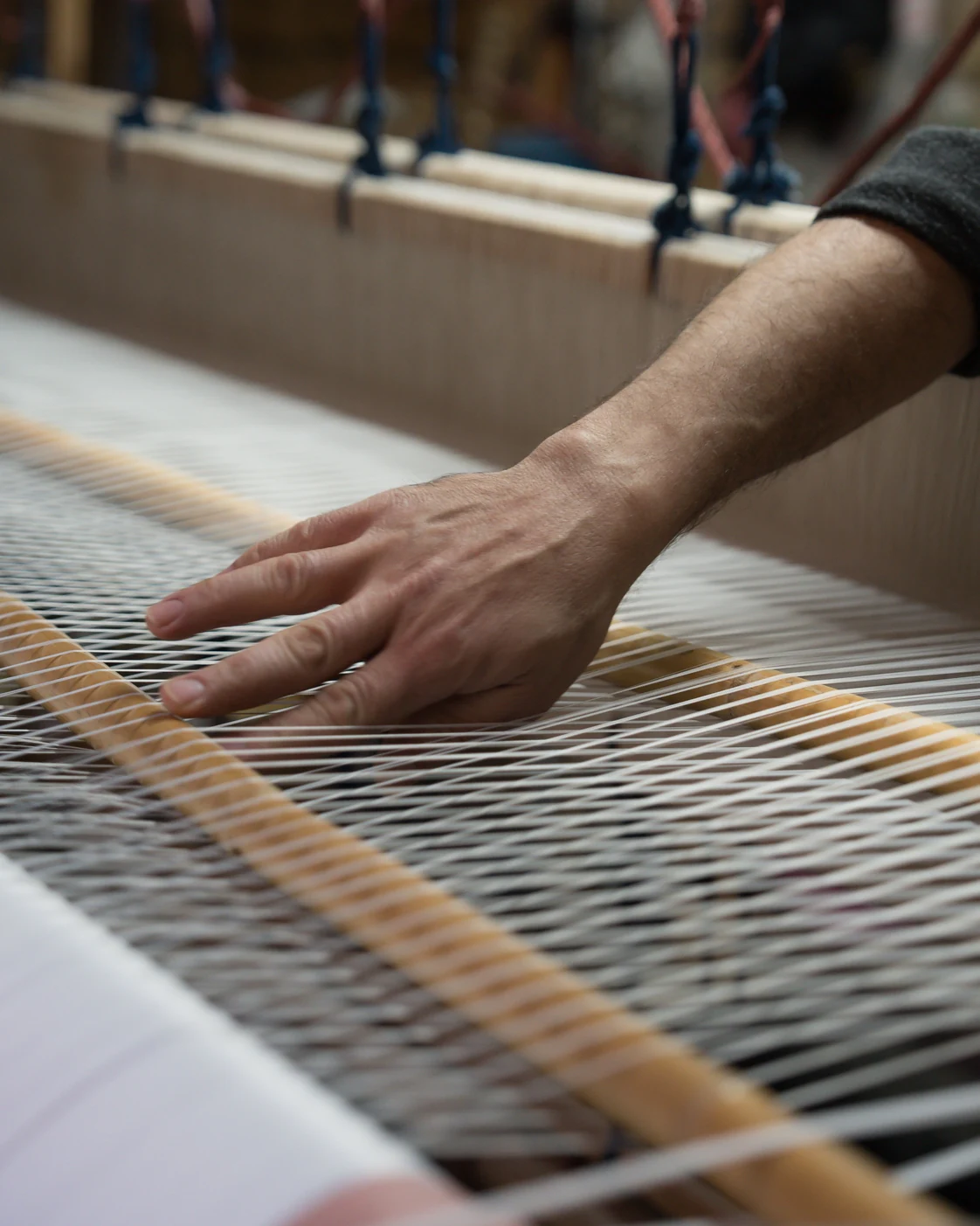
Textiles & weaving · Before cloth becomes clothing
Start at the loom. Explore the structure, weight and movement of cloth before following it into a garment or a home.
Explore the chapter ↗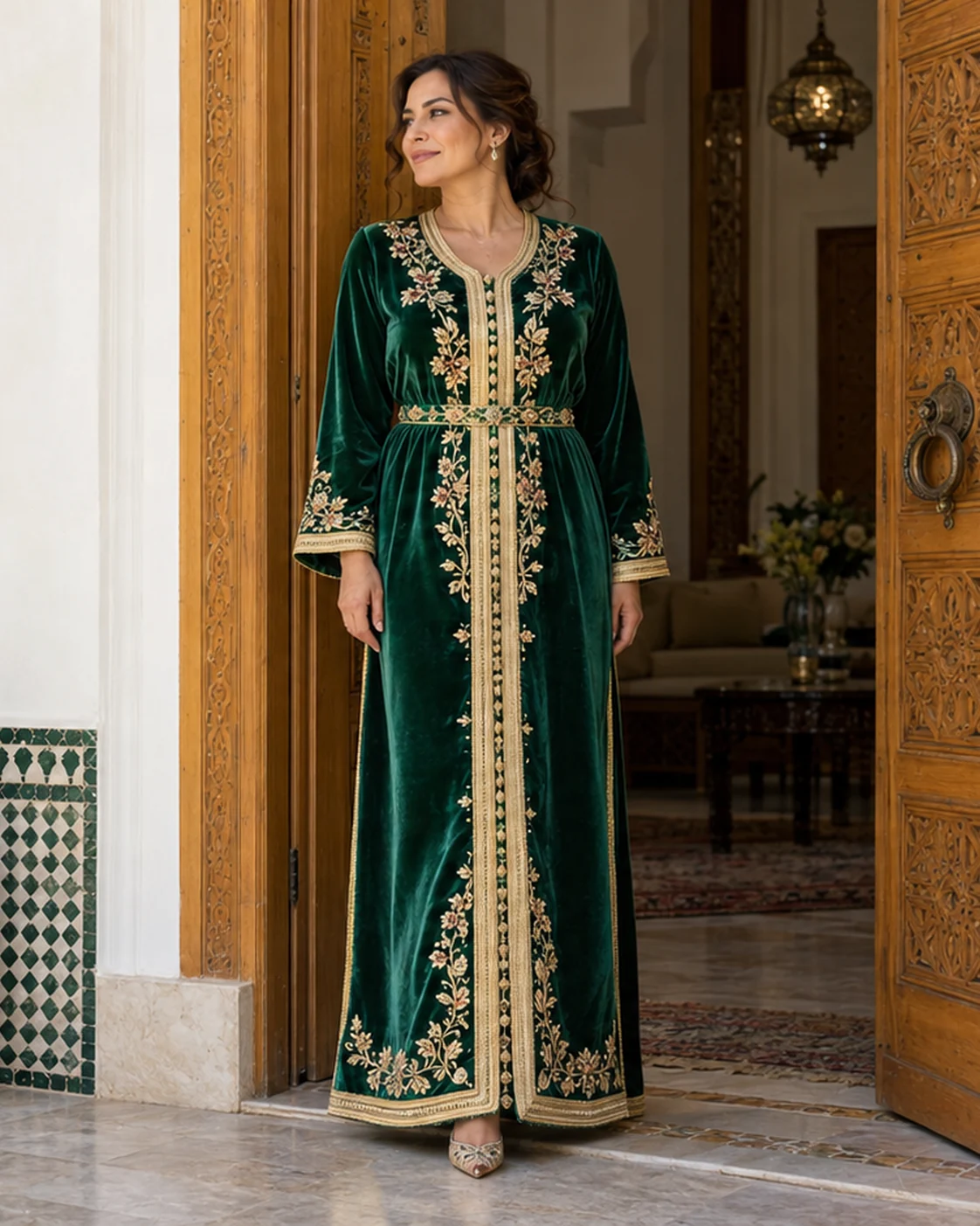
The caftan · Line, cloth & skilled hands
A long line of cloth, a precise edge, a distinctive presence. Look beyond the splendour of the Moroccan caftan to the skills that shape it.
Explore the chapter ↗
Regional dress · Place without a single uniform
From northern woven wraps to Atlas textiles and city wardrobes, explore regional dress through specific examples and individual lives.
Explore the chapter ↗