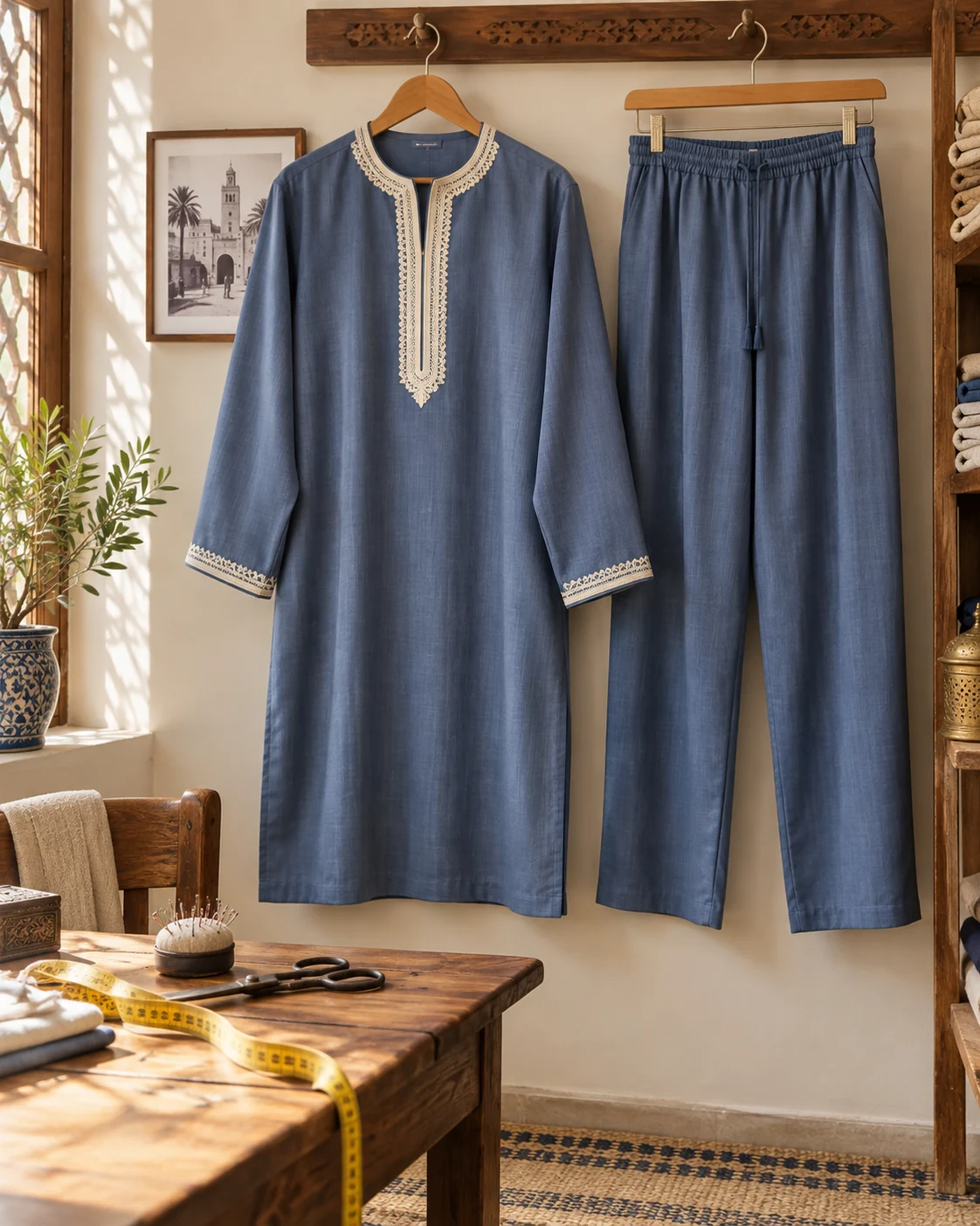
The tunic
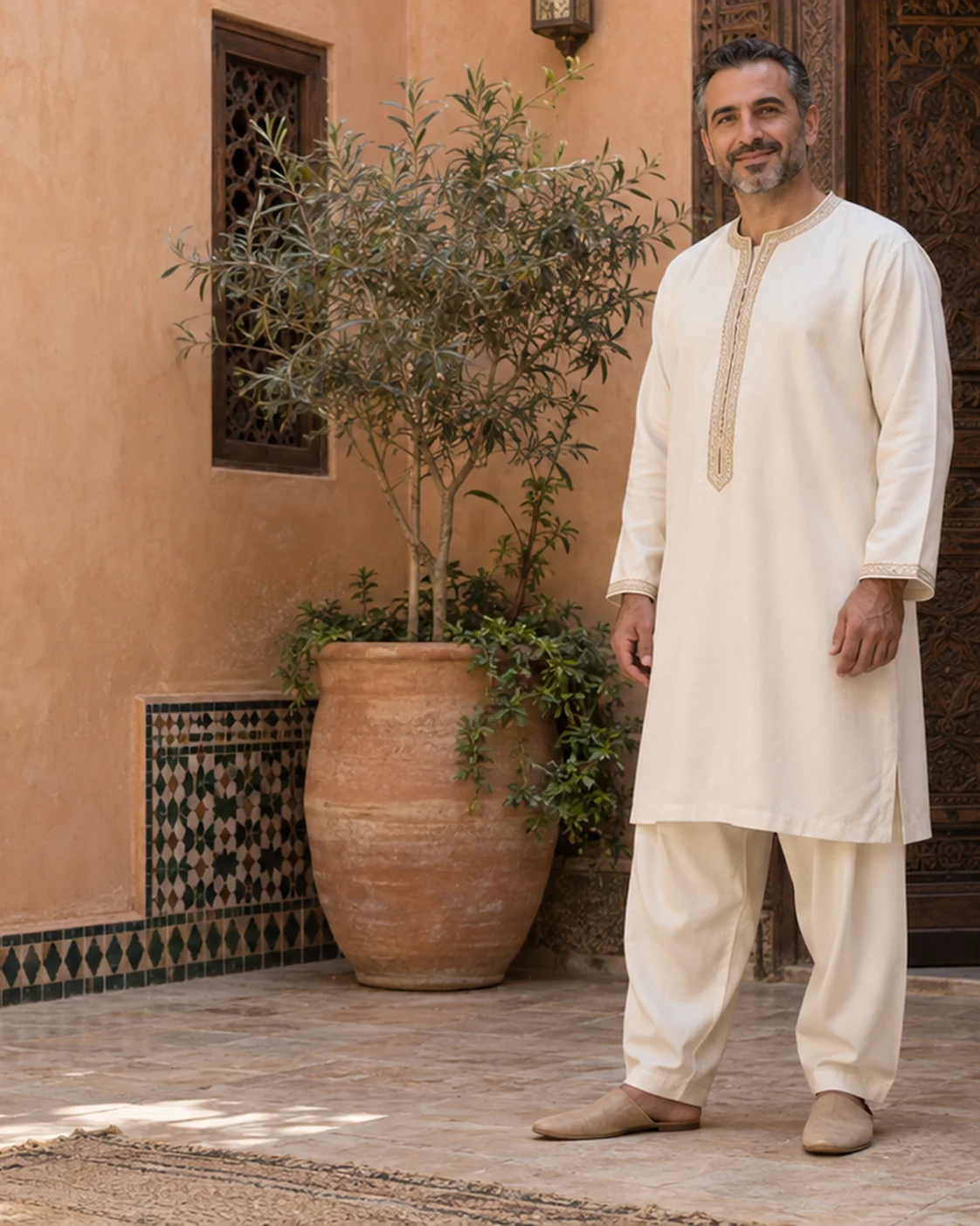
Check the shoulder, neckline and sleeve before deciding from the chest decoration alone. The tunic’s length changes how much of the trousers is visible and where the outfit’s visual balance sits.

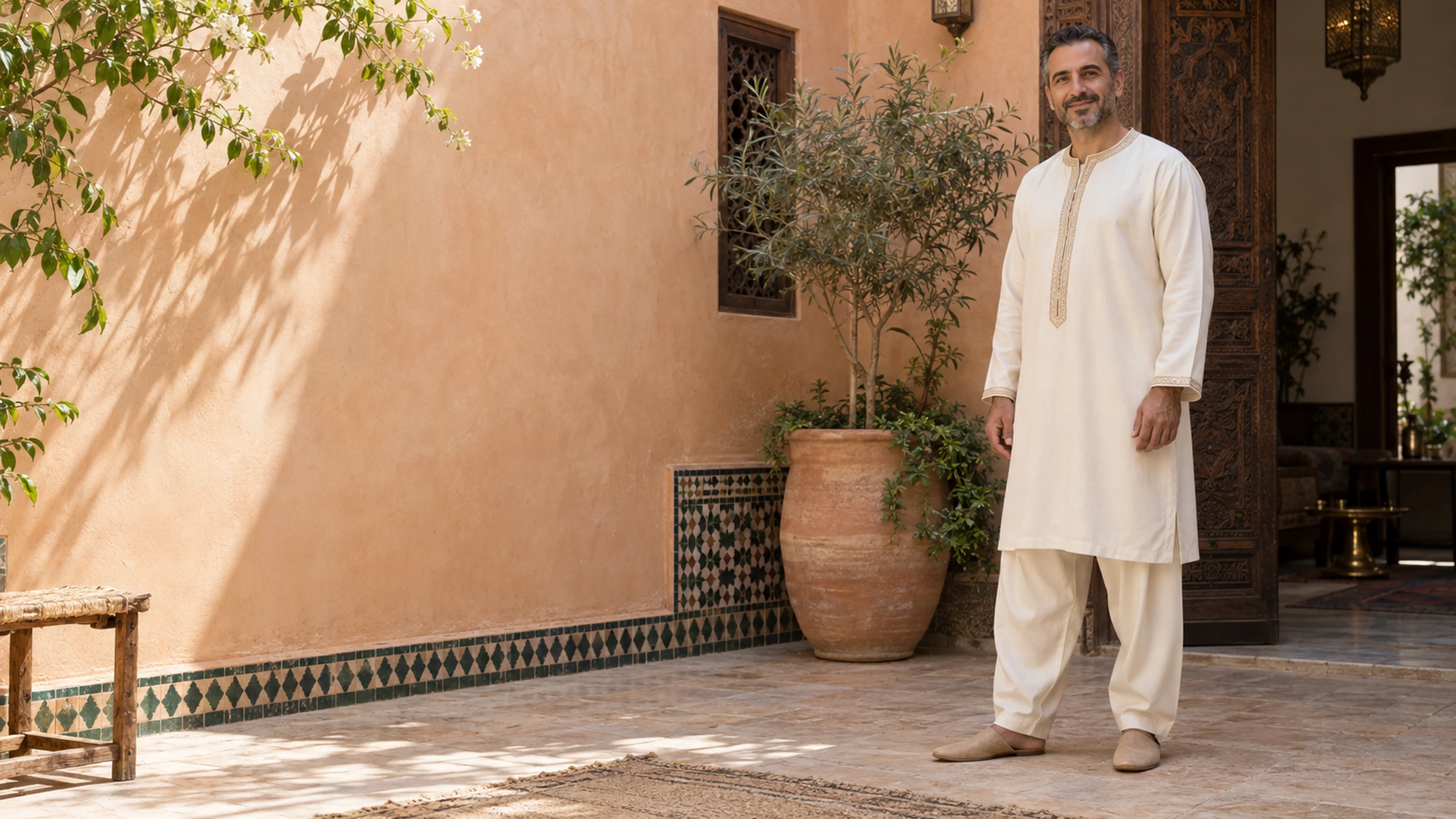
The jabador · Two pieces, one rhythm
Follow the relationship between tunic and trousers, the restraint of a neckline and the ease of a well-considered fit.
Look a little closer ↓01 / The starting point
The jabador brings a tunic and trousers into conversation. Looking only at a close crop of the chest misses half the design: the proportion between the upper garment and the legs is part of its character.
A familiar men’s form pairs a long-sleeved tunic with coordinating trousers, finished at the neckline and cuffs. Length, cut and ornament vary. Commercial names are not always used consistently, so ask to see exactly which pieces make up a set.
A quiet outfit can be highly expressive. On plain cloth, a narrow line of braid has room to be seen; a carefully chosen proportion carries the eye without a dense surface of decoration. This chapter follows those small decisions and the practical experience of wearing them.
02 / Read the details
Look beyond the front photograph to how the two garments work together.
Check the shoulder, neckline and sleeve before deciding from the chest decoration alone. The tunic’s length changes how much of the trousers is visible and where the outfit’s visual balance sits.
The trousers need their own fit. Ask about the waist fastening, room through the seat and the shape at the ankle. A matching colour does not guarantee a matching size or a comfortable cut.
A narrow trim, a row of buttons or a worked cuff can give the outfit its focus. Follow the edge to see whether it lies flat. Ask which elements were made separately and then attached.
03 / A closer look
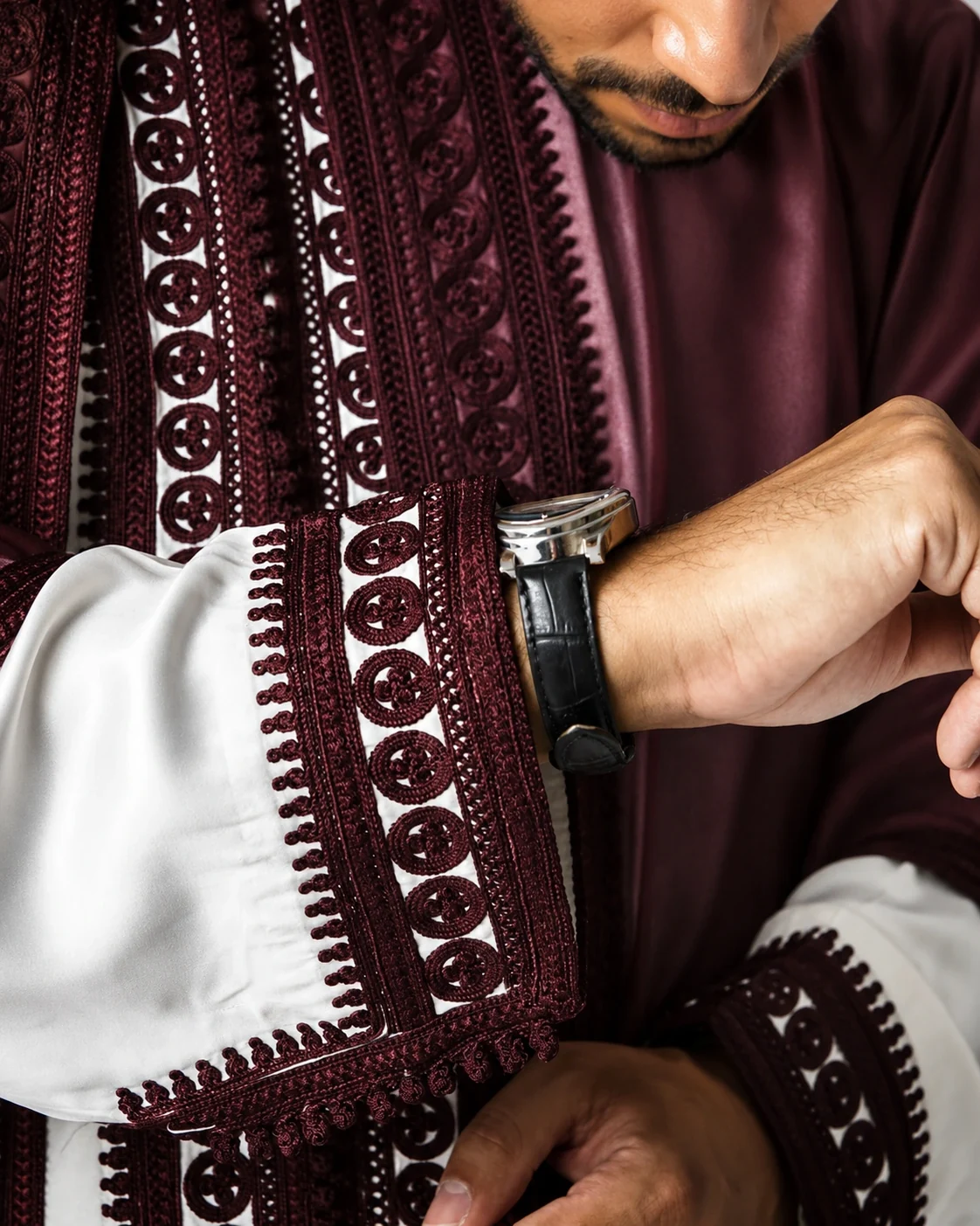
The cuff is where decoration meets use. It moves with the wrist, brushes against surfaces and appears beside the hand during ordinary gestures. A beautifully worked edge still needs to feel comfortable.
Look at its relationship to the neck opening. They may repeat the same rhythm, echo the same colour or use different levels of emphasis. This is a way of reading an individual design, not a rule that all jabadors must match exactly.
The photograph is also a reminder to distinguish the garment from its styling. A watch, shoes or jewellery belong to the wearer’s choices; they do not redefine the construction of the tunic and trousers.
04 / Culture in context
A jabador may be chosen for a family celebration or festive occasion. It is one option within a much broader wardrobe that includes the djellaba and contemporary clothing.
If you are invited to an event, ask your host what level of dress is expected. Avoid treating a named garment as an automatic entry ticket to a ceremony. How someone wears it, and the situation in which it is worn, remain personal.
Try viewing the ensemble while standing, sitting and taking a few steps. The tunic length and the shape of the trousers form a relationship that a flat photograph cannot fully show. Check the sleeve opening and the way the neckline rests as well as the decoration across the front.
When comparing sets, establish which pieces are included and whether alterations are possible. Keep a note of the agreed fit and finish rather than relying on the product name alone. A restrained surface can still involve careful work; examine the joins, balance and comfort before treating the amount of ornament as a measure of quality.
05 / Take the conversation further
Check the tunic, trousers and any additional garment separately. Confirm colour, material and size rather than relying on the title “set”. If commissioning, keep a written description of the agreed components.
Test both pieces together. Check sleeve movement, trouser comfort and the tunic’s line when seated. Discuss the intended footwear before deciding on the final trouser length.
Ask a maker or seller about the braid, closures and seams. A thoughtful explanation can reveal where time was spent. Take photographs of details only with permission, especially inside a workshop.
The Exotic Morocco guide collection
The companion Jabador guide is in preparation. Explore the collection for its current status and connected reading.
Find this guide in Shop07 / One wardrobe, many stories
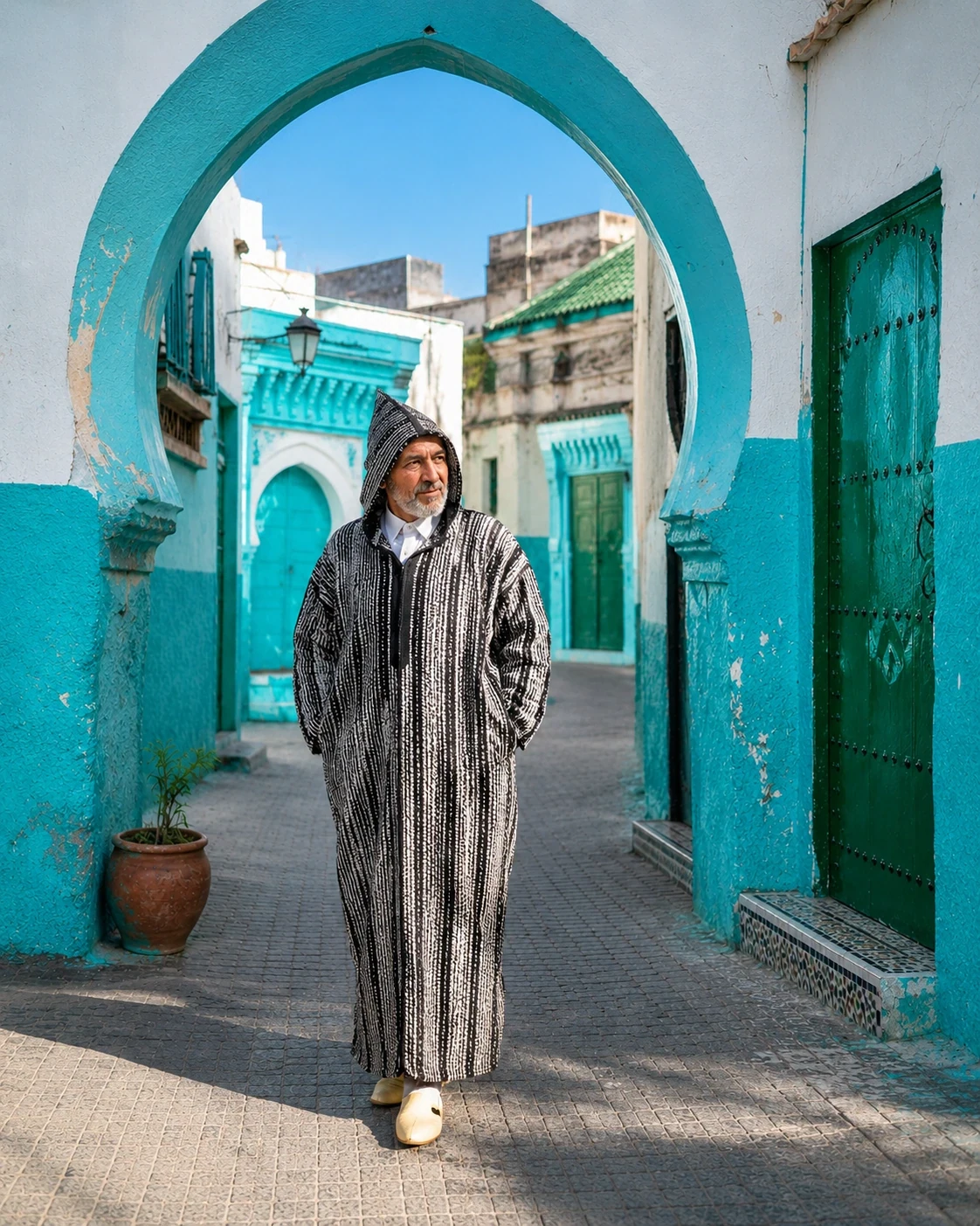
Learn · Everyday dress
The hooded garment, personal choice and daily life.
Explore the chapter ↗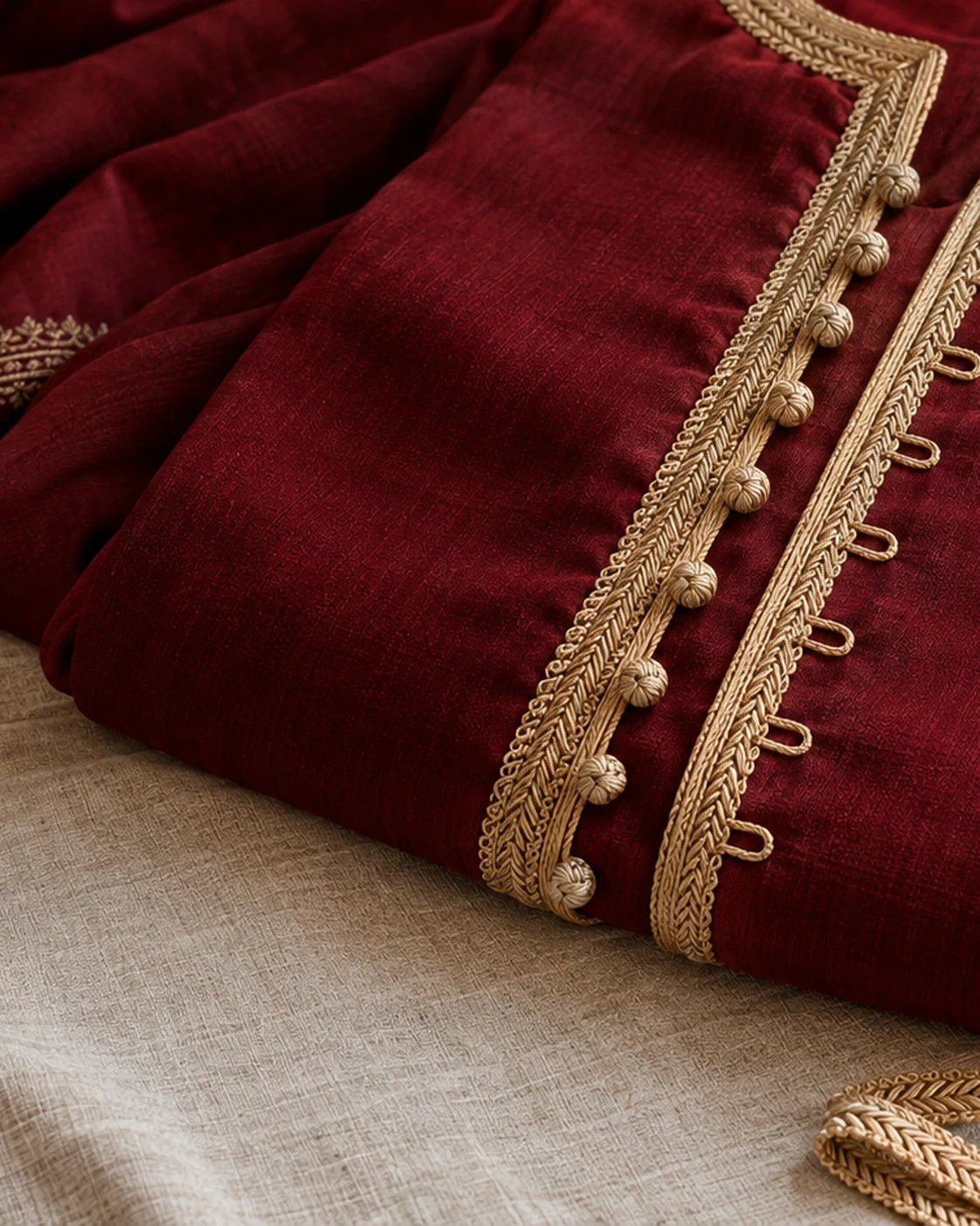
Embroidery & sfifa · The language of an edge
Braid, buttons and stitched ornament meet along a garment’s opening. Learn to see what each one does.
Explore the chapter ↗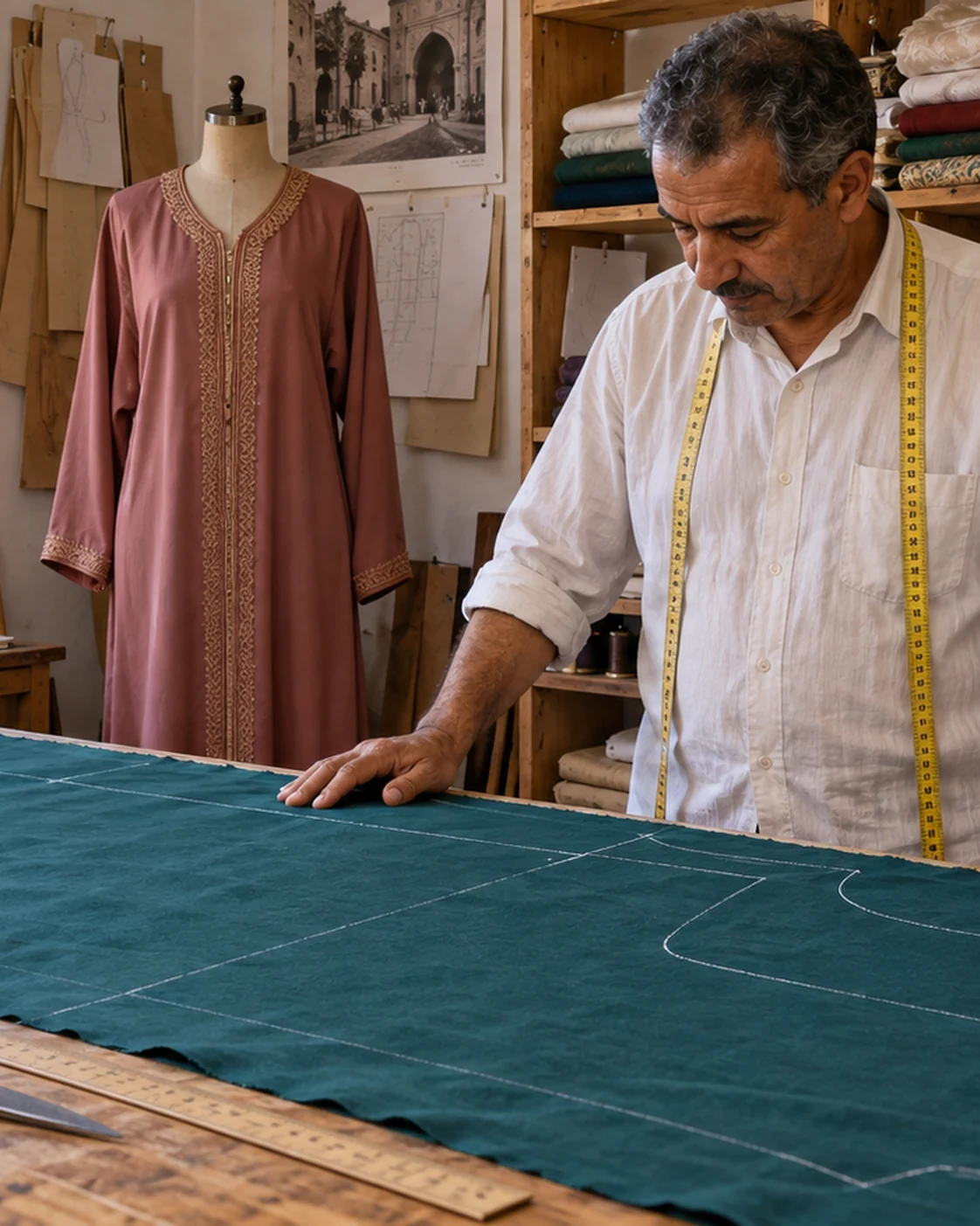
Traditional clothing & craft · From cloth to fit
Follow the choices that turn a length of fabric into clothing: measuring, cutting, joining, finishing and the final fitting.
Explore the chapter ↗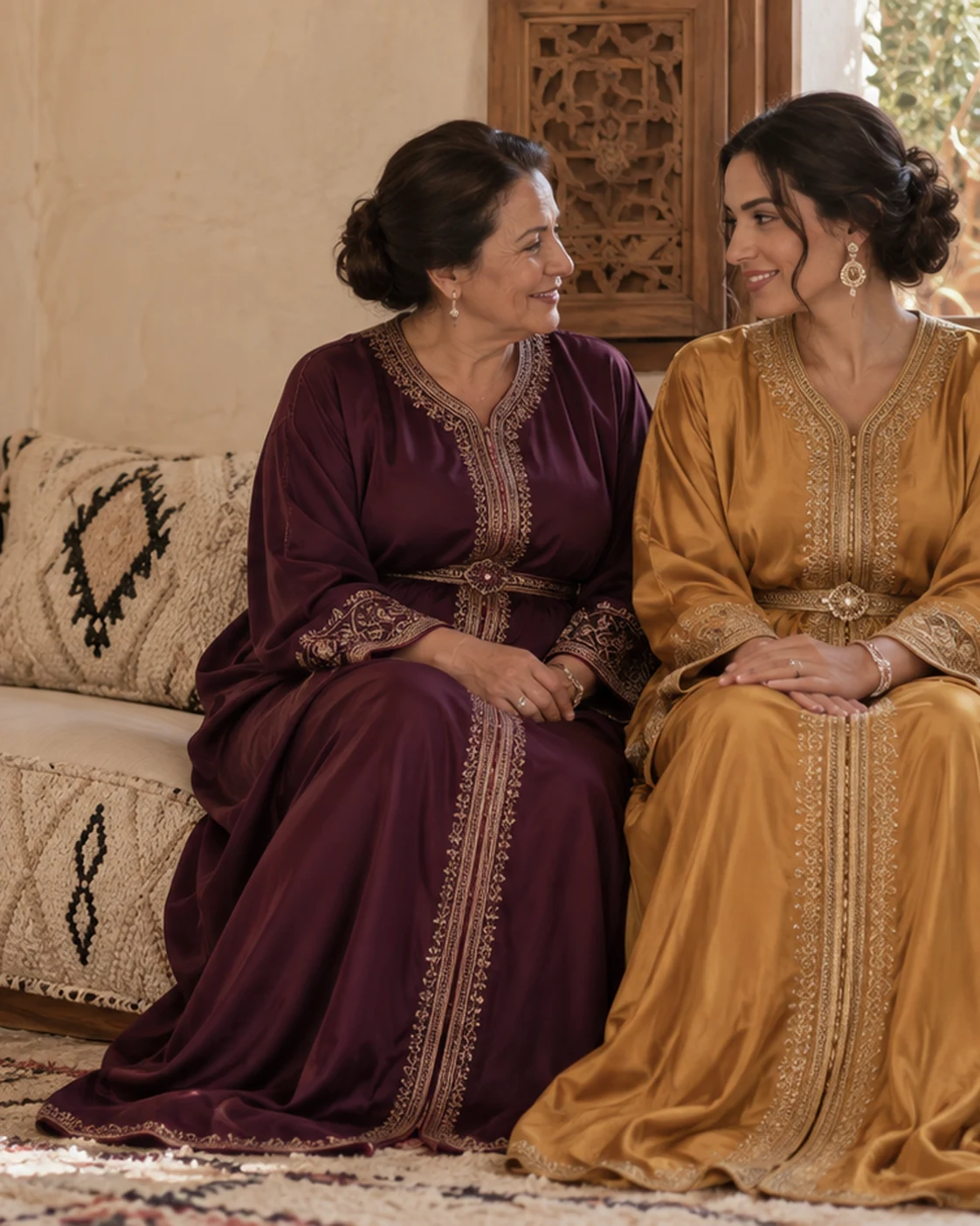
Ceremony & identity · The social life of clothes
An outfit can carry a family memory, mark an occasion and acquire new meanings as it passes from one life to another.
Explore the chapter ↗