
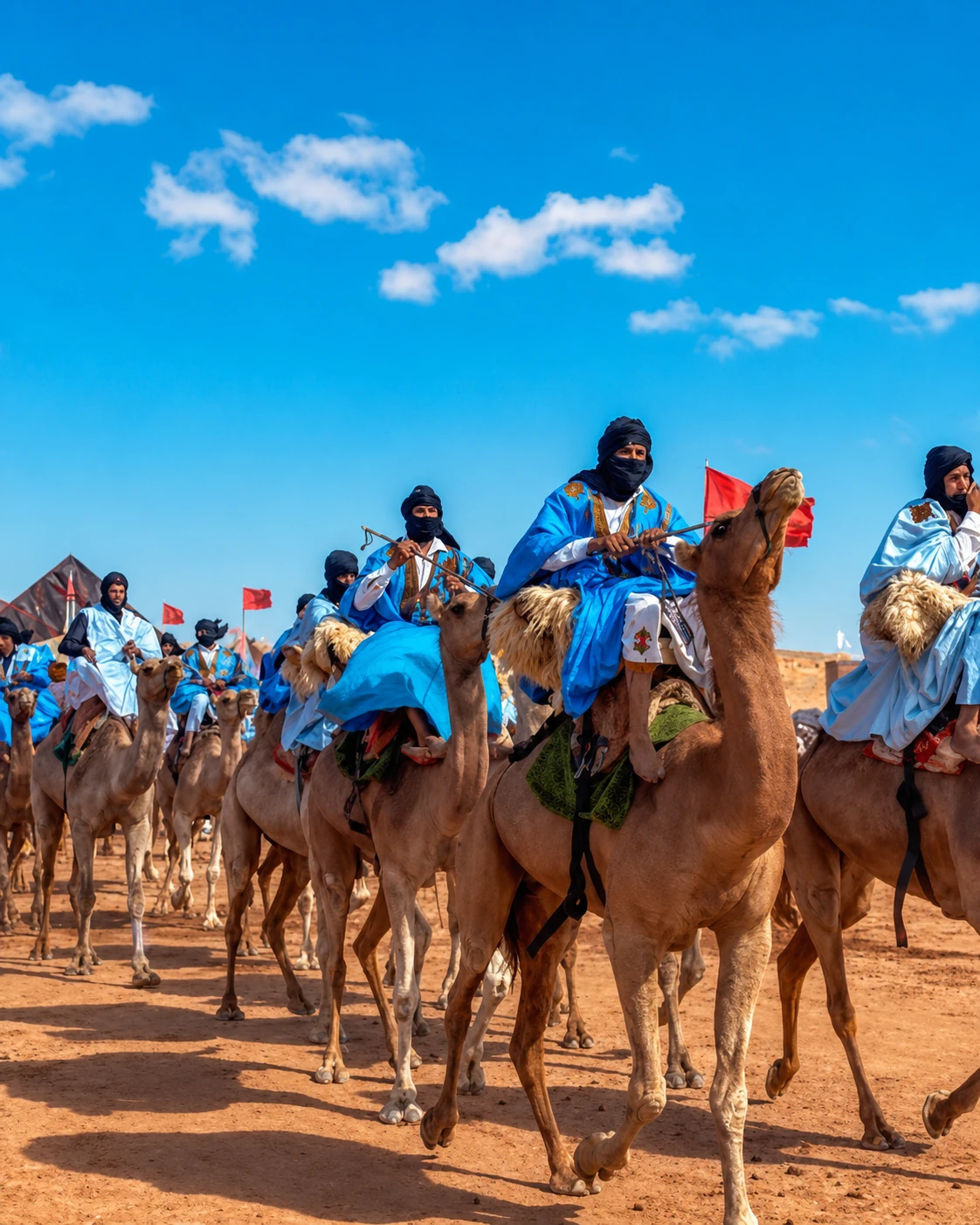
A landscape does not
explain a community.
Sand, open ground and tents can make a striking image, but they are not a complete description of southern cultural life. A gathering draws meaning from relationships, histories and shared practices that a visitor cannot infer from the scenery alone.
Begin with a named place and occasion. Who organizes the public programme? Which communities and forms of knowledge are being presented? What invitation is extended to visitors? These questions keep an encounter specific and prevent a broad idea of “the desert” from replacing cultural context.
Southern journeys can include towns, coastal places, oasis agriculture and arid landscapes. Their differences matter. A moussem, a professional exhibition and a privately booked excursion are distinct experiences, even when all appear in the same travel itinerary.
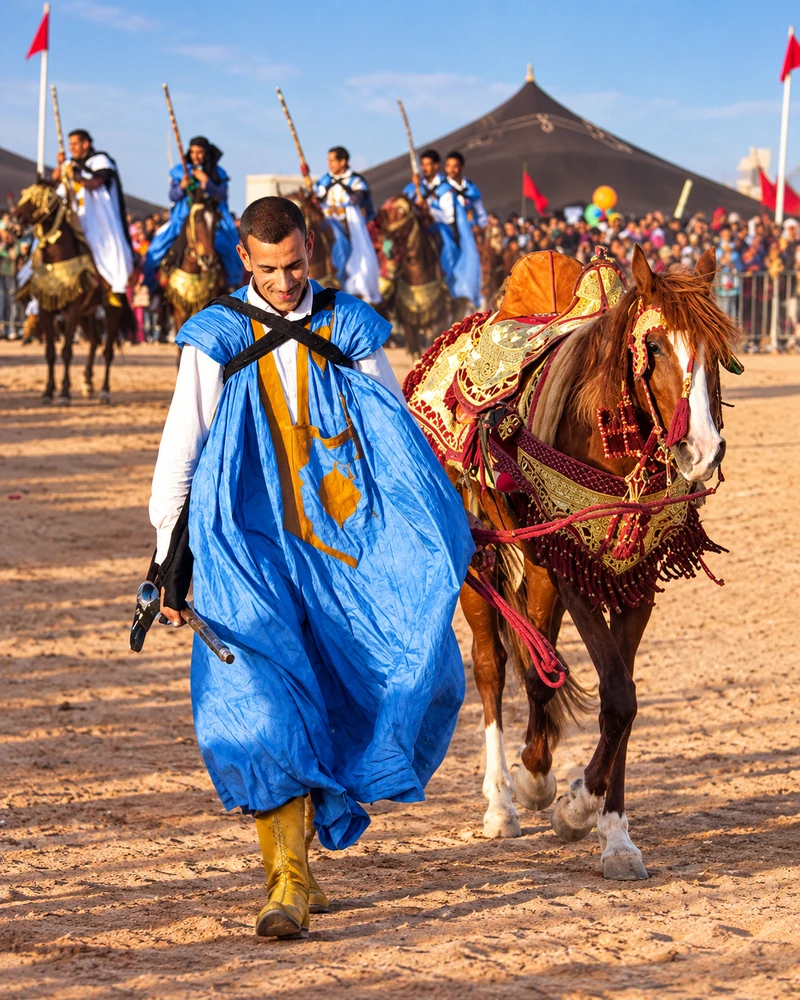
Mobility can be
a form of knowledge.
UNESCO’s account of the Moussem of Tan-Tan connects the gathering with nomadic communities and exchanges that include cultural practices and oral traditions. It describes a meeting place with social meaning, not simply an outdoor performance venue.
For a visitor, this suggests a different way to listen. Ask how a gathering connects people and what forms of knowledge its public programme makes visible. Let participants describe their own relationship to mobility and place rather than assuming everyone lives in the same way today.
Do not use “nomadic” as an aesthetic label for any tent or piece of clothing. It refers to human lives and histories. Contemporary participants may have varied occupations, homes and reasons for taking part.
Keep the encounters distinct.
Three possible journeys.
A heritage gathering
A programmed public occasion can present performance, oral culture, craft and exchange. Its dates, visitor access and local boundaries need to be checked with the organizer.
An agricultural landscape
An oasis visit can focus on cultivation, markets and the work surrounding a crop. Arrange access with a host; it is not automatically part of a festival or a heritage performance.
A booked excursion
A commercial experience has its own provider, route and agreed services. It can be enjoyable without being described as participation in a community ceremony. Ask exactly what is included.
Oral culture asks
for patient attention.
When a public programme includes spoken or sung material, meaning may depend on language, form and a relationship with the audience. Sound and gesture can be compelling even when you do not understand the words, but that impression is only a beginning.
Use programme translations or an informed introduction where available. Ask for the name of a form or work so you can continue learning afterwards. If no explanation is offered, describe your listening experience without inventing the content.
Recording can change the encounter. Seek permission before capturing a close or sustained account, especially when the speaker is addressing a small group. Being allowed to listen does not automatically grant permission to publish the words or the person’s image.
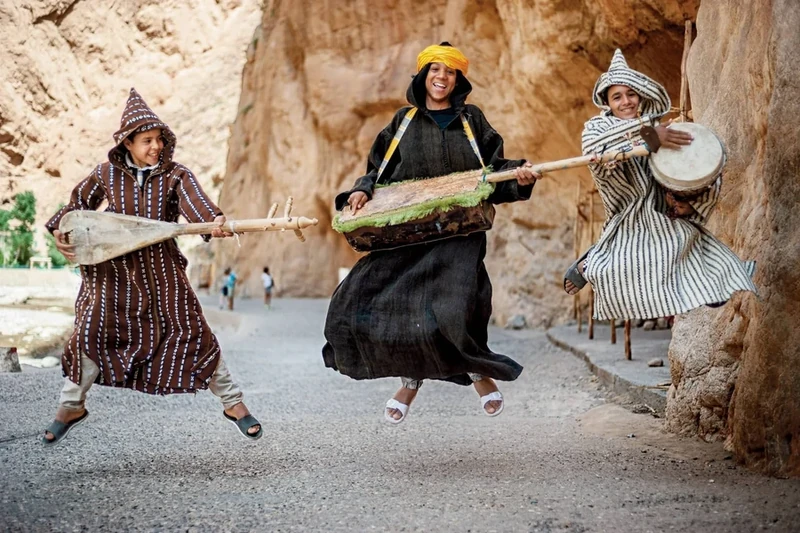
Objects travel
with purposes.
Clothing, textiles, containers and equipment can bring together practical use, skilled making and social meaning. At a public display, look first at how an object is constructed and what its host says it is used for.
A familiar-looking form may have a specific name, origin or contemporary adaptation. Avoid identifying it solely from another place you have visited. Ask whether a piece is made for use, display or sale, and whether the person presenting it is its maker.
The same care applies to animals in a programme or excursion. Follow the handler’s boundaries, avoid crowding and do not seek a dramatic photograph by provoking movement. Choose providers and encounters that allow attentive, unhurried treatment.
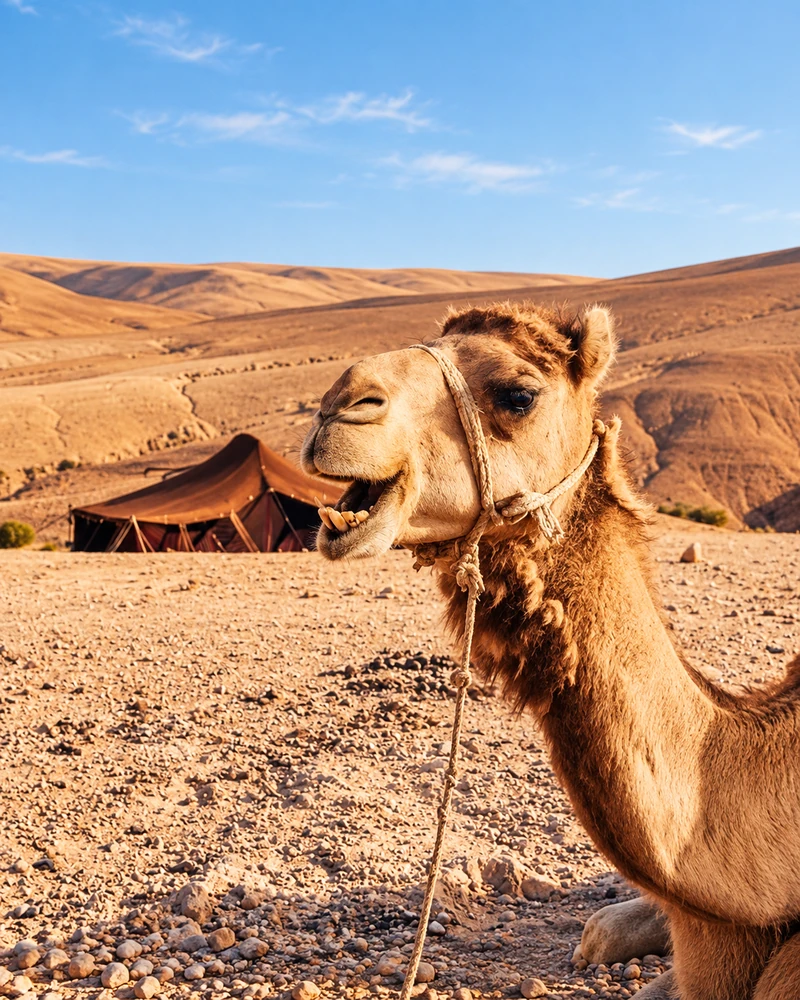
Put names
back on the map.
Tan-Tan
The moussem is the key named heritage gathering in this Events collection. Read its verified dates and cultural context, then confirm the current visitor programme and transport arrangements.
Read Tan-Tan. The moussem.Erfoud and oasis country
Date cultivation and exchange offer another southern subject. The professional SIDATTES exhibition has a different purpose from a moussem and requires its own edition-specific information.
Read Erfoud. Date season.Southern Morocco, oases and Sahara
Use the existing regional guide to understand the wider route and the differences between destinations. Do not let a broad regional label imply that places are close together or share one cultural identity.
Explore Southern Morocco, oases and SaharaHospitality is a relationship.
Clarify the invitation.
Know who is hosting
A steward, guide, family member or commercial operator may have different authority over the space. Ask the person responsible whether a visit is welcome and what it includes.
Accept the scale of the welcome
An invitation to sit or share a conversation is not permission to enter every nearby area. Let the host lead the encounter and ask separately about photographs or recording.
Keep exchange transparent
For a paid visit, establish the service, price and duration beforehand. For informal hospitality, do not presume a commercial transaction or turn gratitude into a public performance. Follow the host’s cues.
Distance deserves
time in the plan.
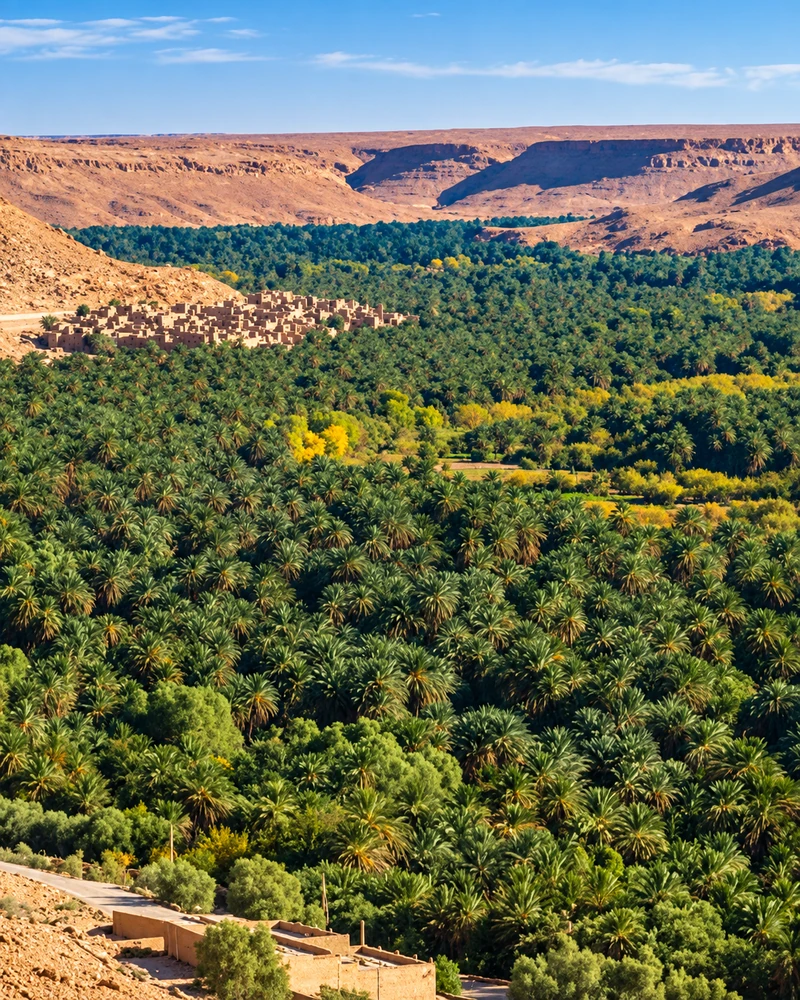
A southern gathering should have a realistic travel day around it. Verify the actual route, operator and arrival point. Do not make a distant evening programme depend on an optimistic connection or a transfer whose details have not been arranged.
Build in time to find accommodation, orient yourself and understand the current access arrangements. If travelling as a group, agree what happens if someone needs to rest or leave before the others. A dependable return plan is part of the event visit.
Check current weather and road information for the route concerned. A photograph of clear skies and open ground gives no evidence about the conditions on your travel date. Use current local advice for the journey you are actually making.
Questions worth asking
before you commit.
What will actually happen?
Request the current public programme or a precise description from your host. Avoid booking around an image that shows no date, place or named activity.
Where can visitors participate?
Establish which areas are public and which require an invitation, booking or ticket. A large gathering can contain private spaces alongside public presentations.
What happens if plans change?
Understand the provider’s terms and the practical alternative if an activity is revised. Keep the destination itself in the plan, so a journey has value beyond one expected scene.
Tell the story
at a human scale.
A useful account of a gathering can begin with one explained object, one public performance or one conversation whose speaker has agreed to be quoted. It need not claim to reveal an entire way of life.
Name the place and occasion, distinguish a staged presentation from a private encounter and make clear when an image is illustrative. Avoid phrases that place contemporary people outside time. The meeting matters because it belongs to living communities, with choices and futures as well as histories.
Continue through
place and practice.
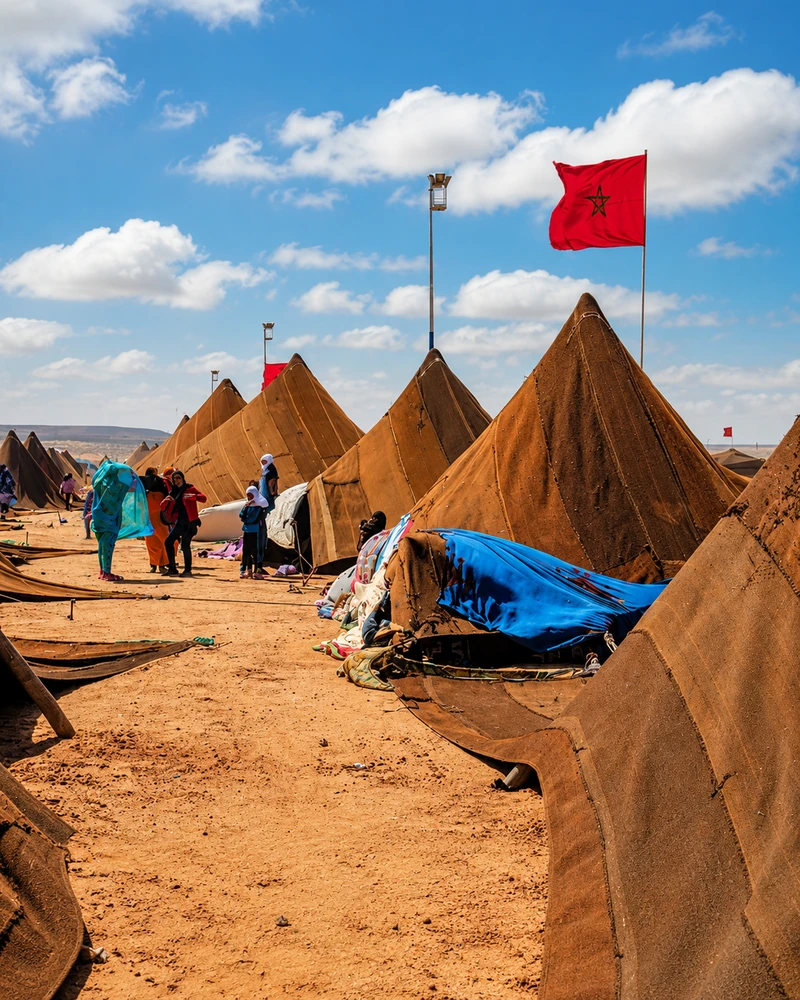
Tan-Tan Moussem
Read the named gathering and its current dates.
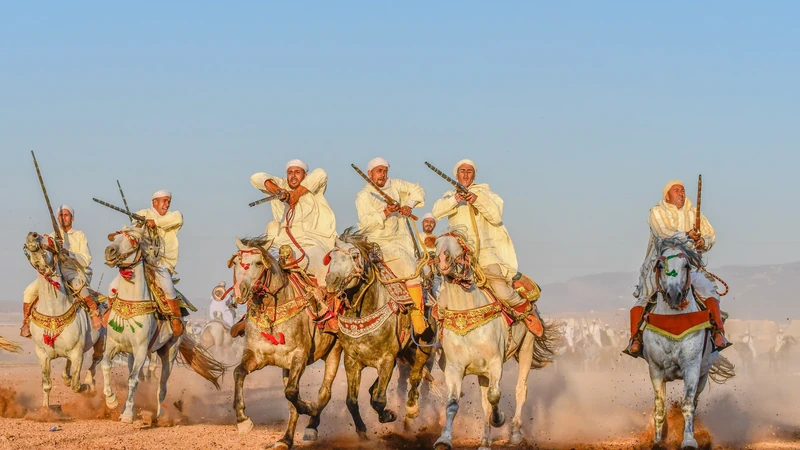
Moussems & fantasia
Understand the relationships around performance.
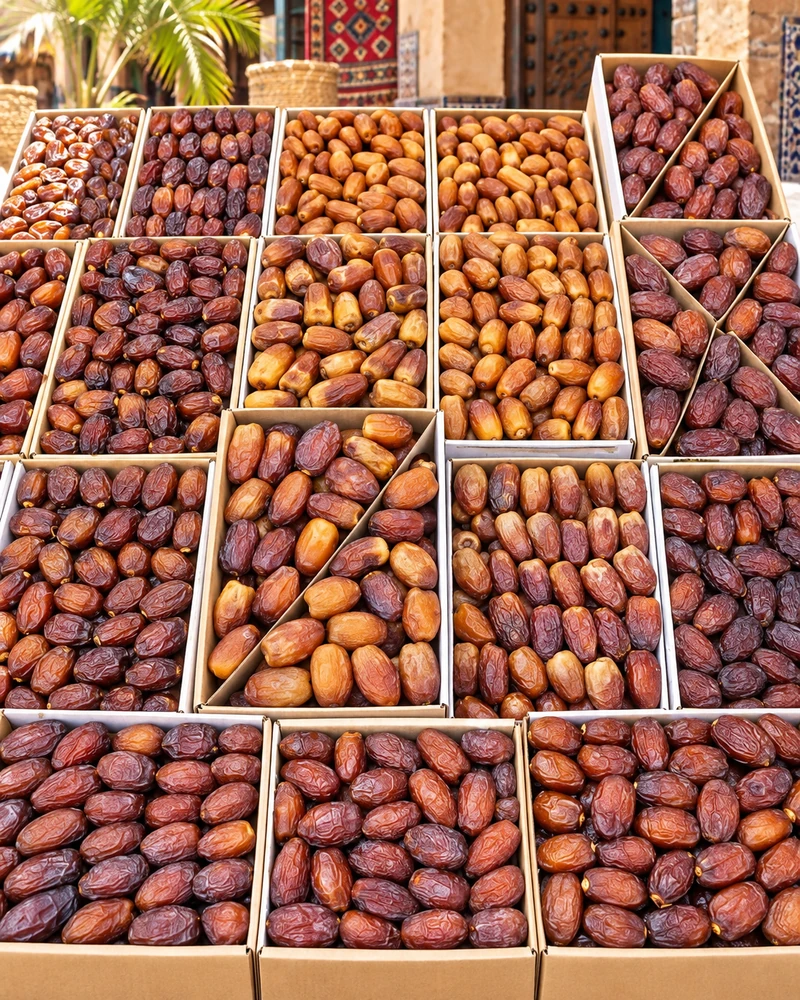
Food seasons
Follow agricultural work and exchange.
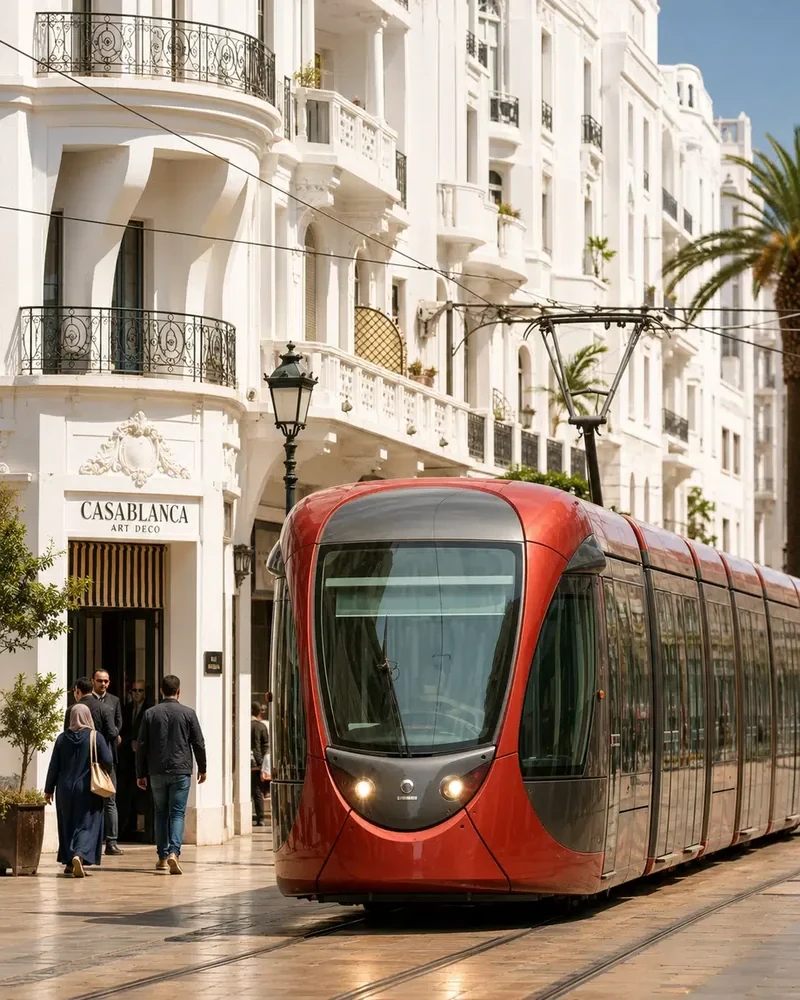
Arrival & transport
Give the journey its proper scale.
Sources, date checks & image context
Event information checked on 29 September 2026. Dates marked typical describe a seasonal pattern, not an announced booking date. Recheck the linked organizer before committing to travel.
Library images illustrate the host place, materials and cultural context. They are not presented as documentary records of a particular festival edition.
- UNESCO — Moussem of Tan-Tan
- Tan-Tan organizer — history
- SIDATTES — official exhibition
- Direction Générale de la Météorologie
Photograph credits
Attributions retained from the canonical library. Responsive resizing and WebP conversion; each photograph’s stated licence continues to apply.
- Library photograph: Houssain tork · CC BY-SA 4.0.Editorial crop, resizing and WebP conversion. The adaptation retains the source licence.
