
Build the day
around a few good encounters.
Winter culture does not need to depend on a large annual festival. An exhibition, a public talk, an announced concert or a carefully arranged craft visit can give a journey a strong centre. Begin with an activity that is actually available on your dates, then let the rest of the day support it.
This seasonal guide does not assign unannounced events to December, January or February. The named-event library separates confirmed dates from typical timing. For smaller institutional programmes, check the host’s current calendar and the conditions of the particular activity.
A winter plan benefits from a clear distinction between what is booked and what remains optional. That makes it easier to respond to weather, opening hours and the energy of the people travelling with you.
Use the daylight.
Keep the evening deliberate.
Morning orientation
Choose a manageable outdoor route and identify the entrance for your main cultural visit. Read the local forecast and allow the actual conditions to determine how long you stay outside.
A focused middle of the day
Give an exhibition, building or workshop enough uninterrupted time. A seated pause afterwards can help you absorb the visit and decide whether another activity still feels worthwhile.
An announced evening
Choose a performance because its programme, venue and return journey fit. Do not assume that a cultural building offers nightly events or that a past winter listing repeats automatically.
Three useful
cultural anchors.
An exhibition
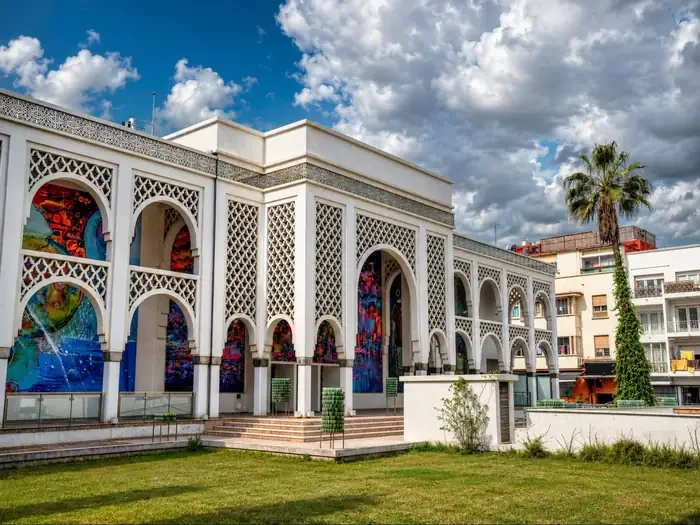
Read the institution’s description, ticket terms and opening calendar. A temporary show can provide a clear subject for a day, while a permanent collection rewards a slower visit with fewer competing appointments.
Explore heritage openings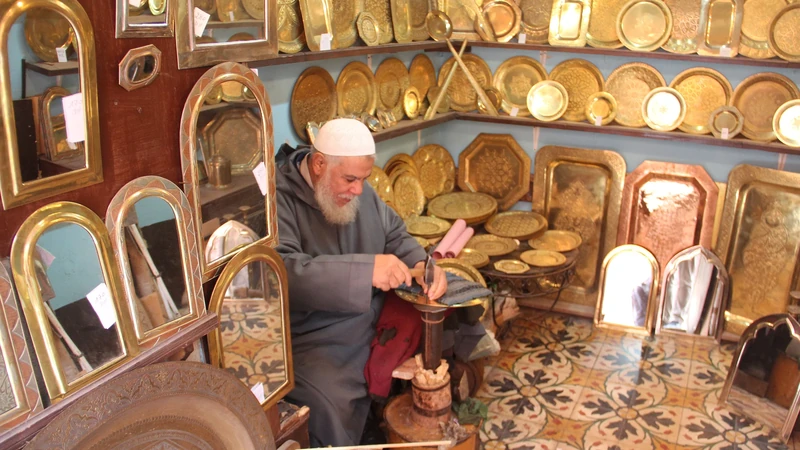
A making encounter
An arranged demonstration or workshop can make skilled work easier to understand. Confirm whether you will observe, take part or visit a retail space. Each format asks for different time and expectations.
Read craft & heritage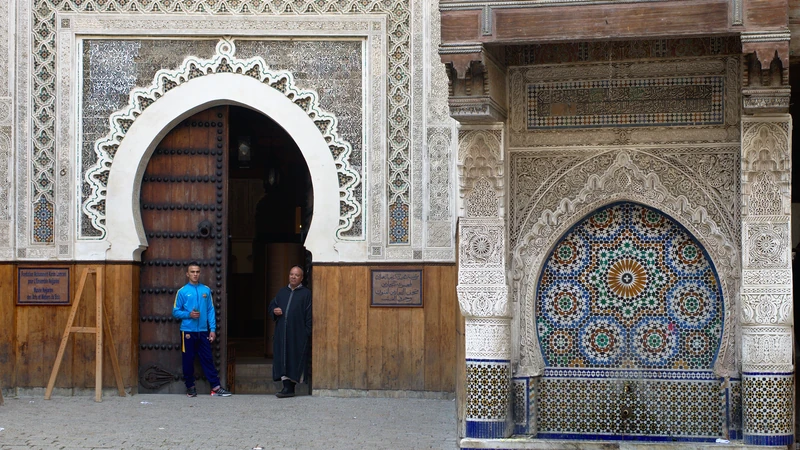
A listening evening
Use a current announcement that identifies the performers and venue. Check whether admission, seating and the programme language suit your group before making the evening the centre of a trip.
Read music & sacred soundAn indoor alternative
should be a real plan.
A useful weather alternative has a known address, opening time and admission arrangement. “Visit a museum if it rains” is not complete if that museum closes on the day you are there or if the activity requires a reservation. Check the option before you need it.
Keep the alternative nearby enough to be practical. Replacing a walk with a long transfer can leave the day more demanding than the original plan. Consider the route from your accommodation as well as the relationship to any later booking.
The alternative should also interest you. A short, thoughtful cultural visit is more rewarding than spending hours indoors solely because the space is available.
Look more slowly.
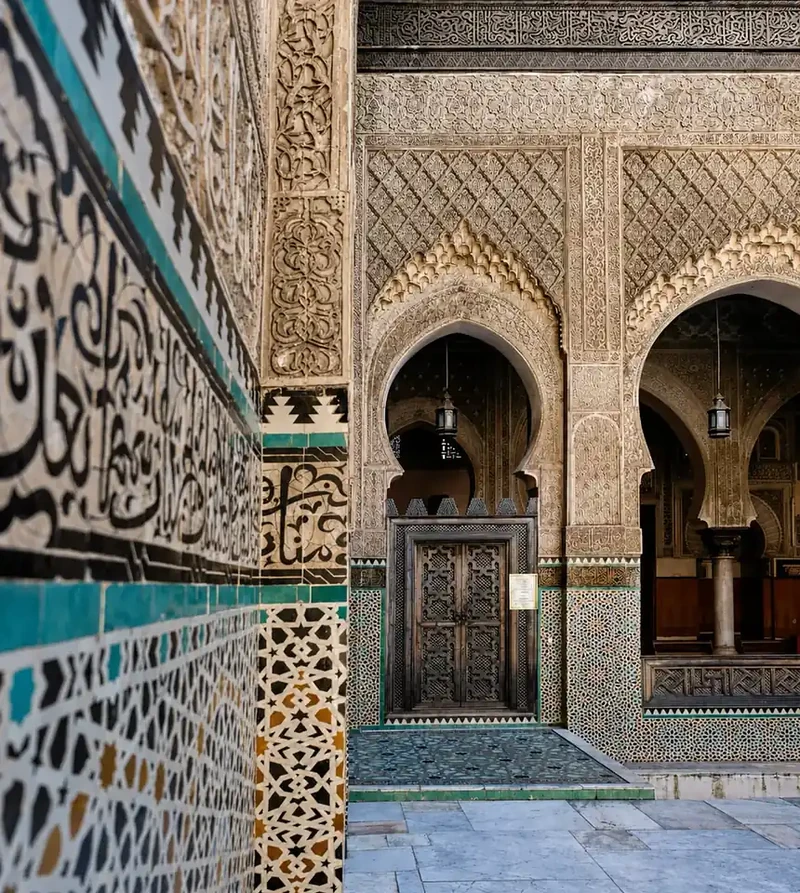
Read beyond the first room.
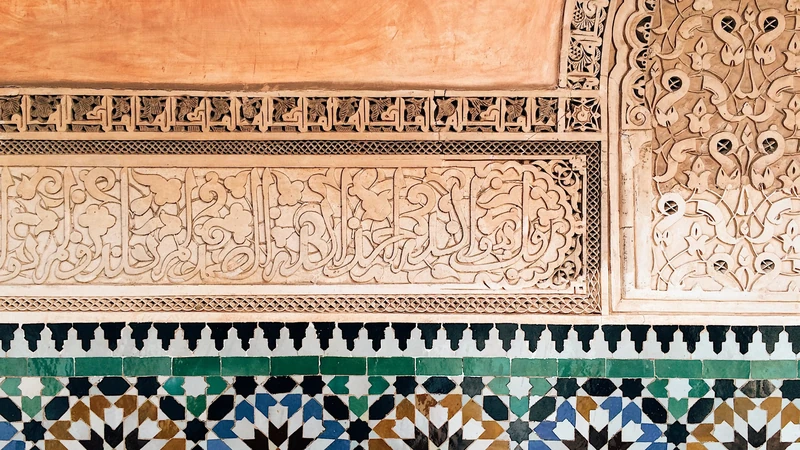
A quieter visit can be an opportunity to give a collection or building sustained attention, but do not assume that winter guarantees an empty venue. Choose your pace from the actual conditions and the host’s guidance.
Read a small number of labels carefully. Compare two works, or follow one material through several rooms. If a guide or public talk is available, ask a question grounded in something you have noticed. This turns a visit into an inquiry rather than a sequence of photographs.
Historic interiors may include courtyards, exposed passages or rooms with different temperatures. Check the complete route and dress for the actual setting rather than treating every indoor visit as a uniformly heated environment.
Choose a base
with cultural depth.
Rabat
Museums and cultural institutions can give a winter stay a clear structure. Check the current programme at the particular institution and leave space for a city walk when conditions suit.
Explore RabatFès
Historic buildings and craft contexts reward careful preparation and an unhurried route. Confirm access to specific sites or working spaces, and understand the final walk from a vehicle drop-off.
Explore FèsMarrakech
A mix of exhibitions, heritage visits and city life can support a flexible stay. Keep announced events distinct from everyday cultural places and verify each appointment separately.
Explore MarrakechCheck the journey
as well as the venue.
Winter planning includes the route between places, not only the activity at the destination. Use current forecasts and any relevant weather vigilance information from Morocco’s meteorological service. If a route crosses different landscapes or elevations, check the actual journey rather than relying on a forecast for one city.
Confirm transport times with the operator for your travel date. Leave room between an intercity arrival and a fixed cultural appointment. A plan that works only if every connection is immediate is fragile in any season.
For an evening event, settle the last part of the return before entering. Keep addresses and booking information available without depending entirely on a live data connection.
Make the plan fit
the people in it.
Families
Choose a visit length and subject that suit the children actually travelling. Check workshop ages and any supervision requirement. Alternate concentrated looking with a chance to move, eat and rest.
Mobility and comfort
Ask about the full route, seating and available facilities. A historic building may combine accessible areas with steps or uneven surfaces. A short visit to an appropriate part can be more satisfying than an overambitious route.
Different interests
Give companions a say in the main cultural anchor. If the group separates, agree on a simple meeting point and time. A successful winter day does not require everyone to visit every room together.
A calendar needs
the correct year.
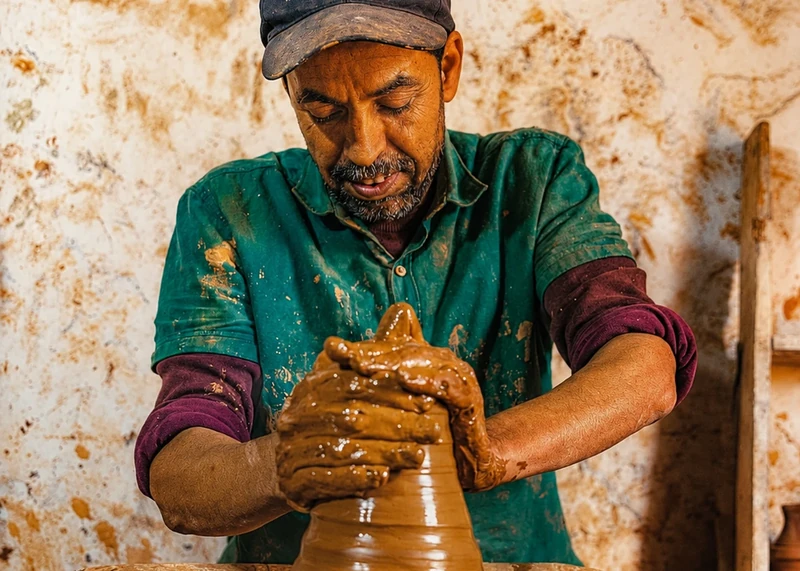
Holiday periods, religious observances and special institutional programmes can affect opening hours or travel demand. Check the actual dates and arrangements for the year of your visit. Avoid carrying a previous winter’s timetable into a new trip.
Keep a note of when you checked an announcement and who issued it. Revisit the official source close to the activity, especially if the programme was published far in advance. A venue’s normal hours and a special event’s admission time may differ.
If an organizer has not published a programme, leave the possibility open rather than turning it into a fixed itinerary. There is enough cultural value in the host place to build a day without inventing an event.
One visit can
give the season a theme.
A material, an artist or a question encountered in a museum can guide the next day. You might compare a carved surface with a working craft demonstration, or follow a musical discovery towards another announced performance.
Keep the connection modest and specific. Winter’s shorter daylight can encourage a more concentrated plan, but the value comes from the attention you give it. A journey with fewer appointments can still leave a rich record of places, people and ideas.
Choose the next
cultural thread.
Heritage openings
Read an institution’s invitation.
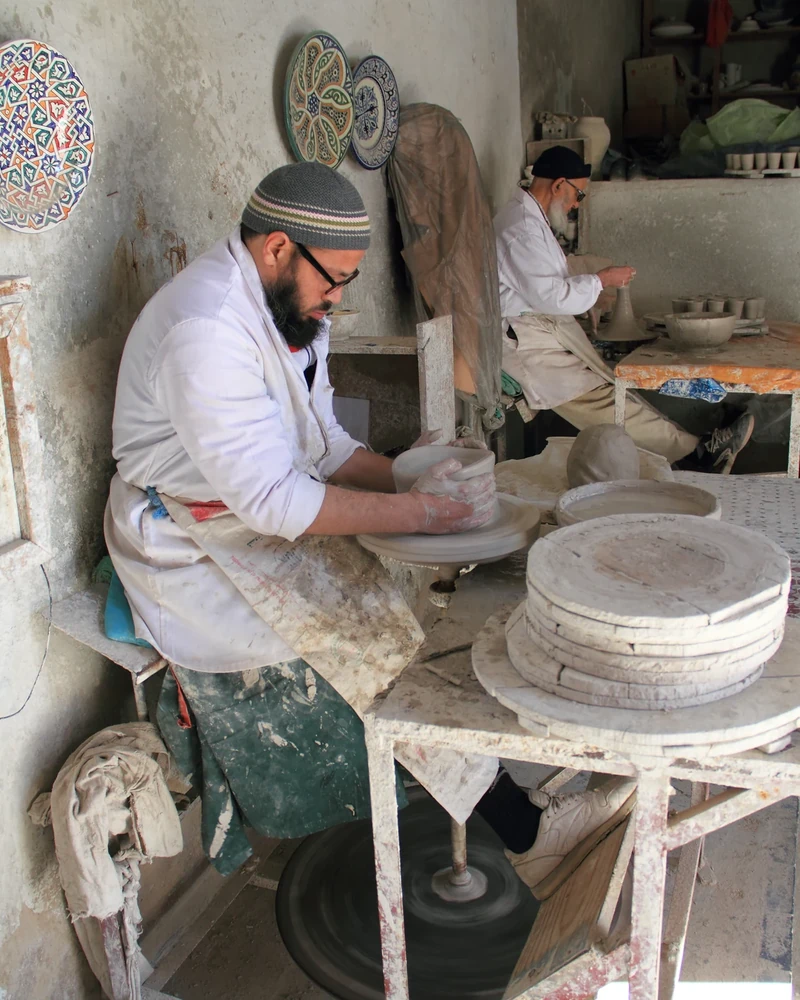
Craft & heritage
Follow working knowledge through people and places.
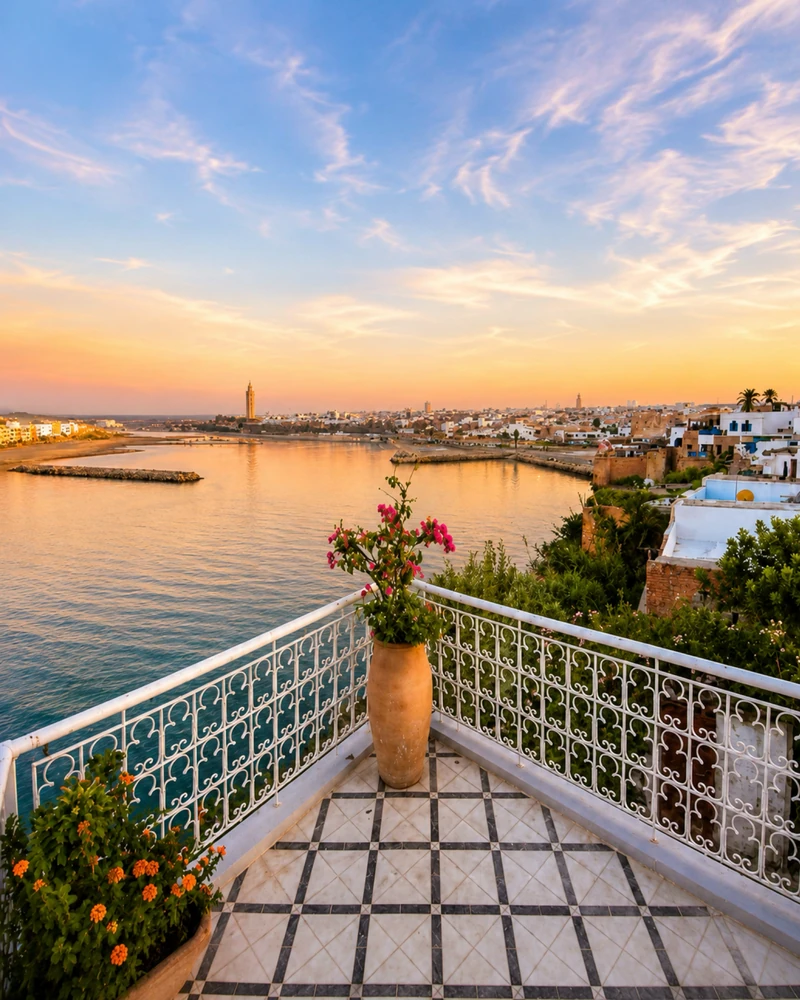
Cultural calendar
Separate confirmed dates from seasonal patterns.
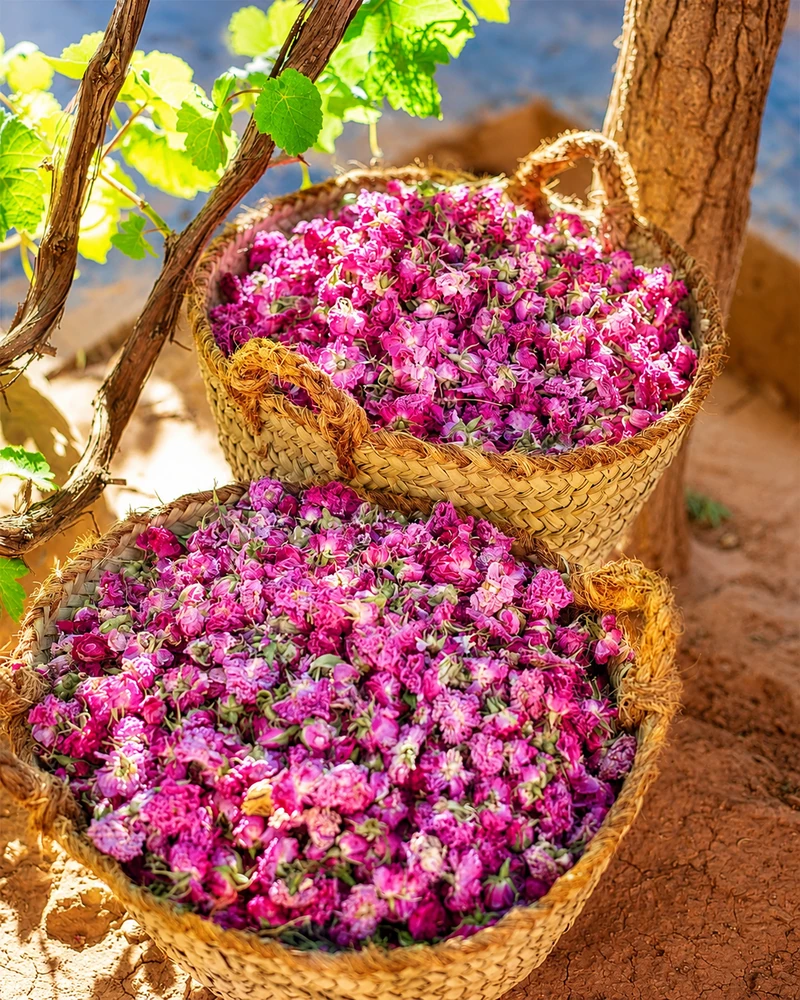
Spring gatherings
Look ahead to landscapes and harvest work.
Sources, date checks & image context
Event information checked on 29 September 2026. Dates marked typical describe a seasonal pattern, not an announced booking date. Recheck the linked organizer before committing to travel.
Library images illustrate the host place, materials and cultural context. They are not presented as documentary records of a particular festival edition.
Photograph credits
Attributions retained from the canonical library. Responsive resizing and WebP conversion; each photograph’s stated licence continues to apply.
- Library photograph: Robert Prazeres · CC BY-SA 4.0.Editorial crop, resizing and WebP conversion. The adaptation retains the source licence.
- Library photograph: PlateMakerMarrakech.jpg — Elgaard. CC BY-SA 4.0. Cropped/resized; original licence retained.
- Library photograph: Marek Kubica from Copenhagen, Denmark · CC BY-SA 2.0.Editorial crop, resizing and WebP conversion. The adaptation retains the source licence.
- Library photograph: مدرسة ابن يوسف 04 24 52 023000.jpeg — إيان. CC BY-SA 4.0. Cropped/resized; original licence retained.
- Library photograph: Schorle · CC BY-SA 4.0.Editorial crop, resizing and WebP conversion. The adaptation retains the source licence.


.jpg)

