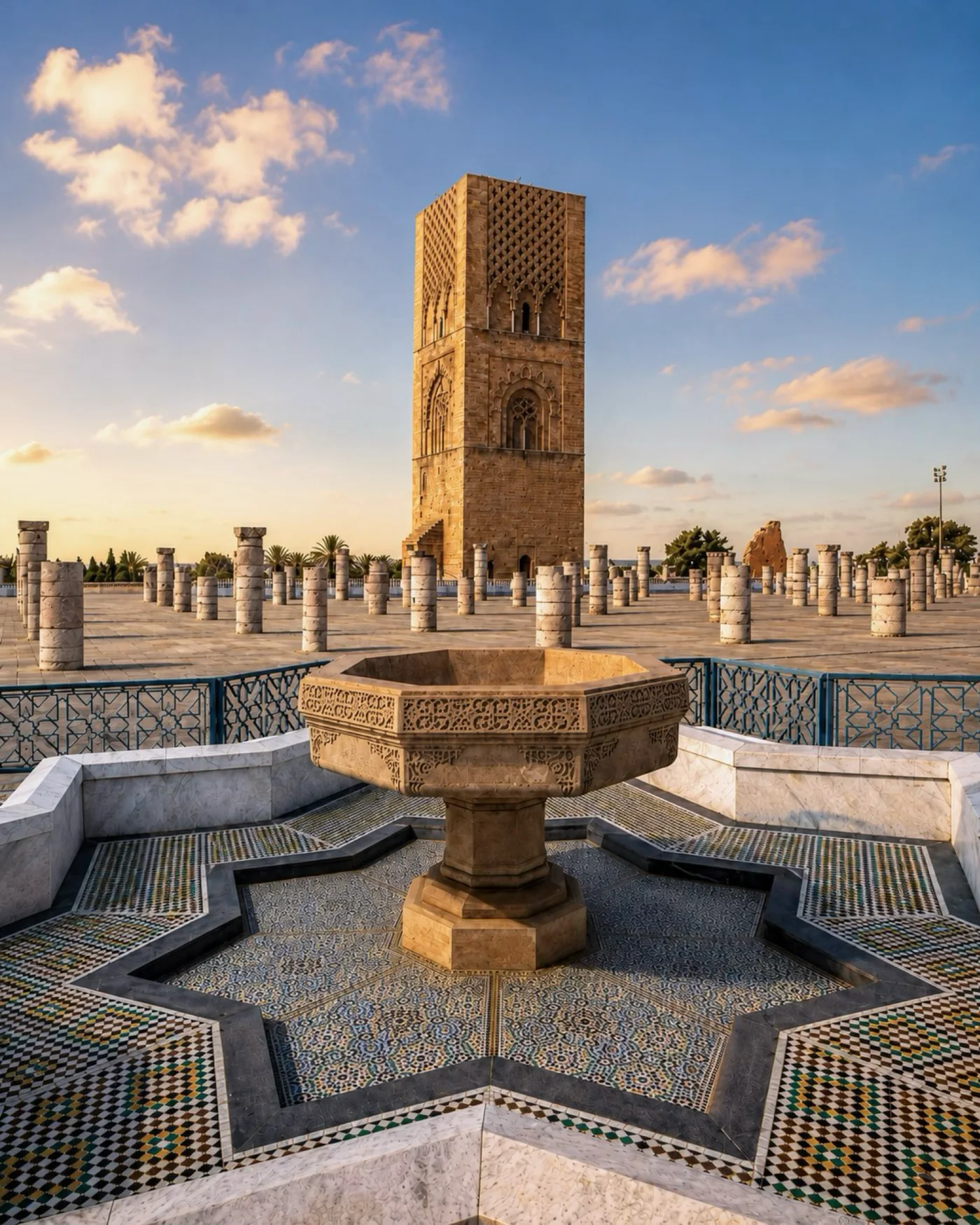
Rabat
Make a river, a street and an open space part of one manageable day.


Small discoveries that everyone can share
Build realistic cultural days around Rabat, Meknès, Ifrane or Essaouira, using observation, making, food and outdoor pauses to keep different ages involved.
A family cultural journey works best when everyone has a way into the place. A child may notice a pattern before an adult reads the building's history; a familiar food can begin a conversation; a wall, courtyard or harbour can become a question about how a town works. The aim is shared attention, with enough room for different interests and energy levels.
Rabat, Meknès, Ifrane and Essaouira offer four possible bases for this approach. They are editorial suggestions, not guarantees of step-free access, child facilities or suitable conditions at every attraction. Choose the place and activities that fit your family, verify the practical details, and plan fewer transitions. A short encounter that leaves everyone curious is often more successful than a long list of sights completed under pressure.
In Rabat, compare river, old streets and modern public space. In Meknès, ask why a gate or wall is so large. In Ifrane, connect a town walk with a suitable outdoor outing. In Essaouira, follow a question from the medina to the sea. These are alternative family stays across different regions. Choose a base with workable arrival arrangements and let one cultural anchor, a meal and an open pause shape the day.
Rabat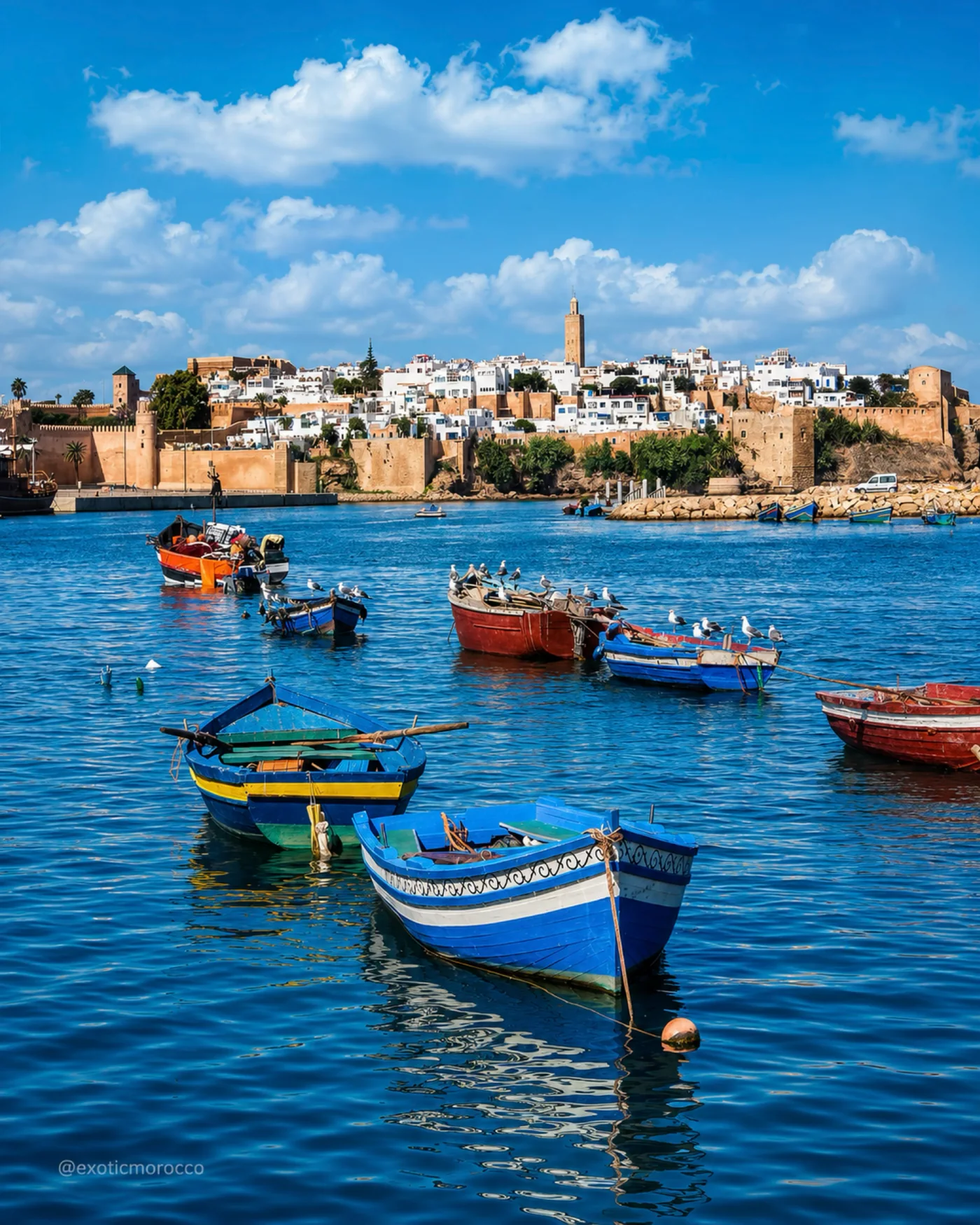 Rabat
Rabat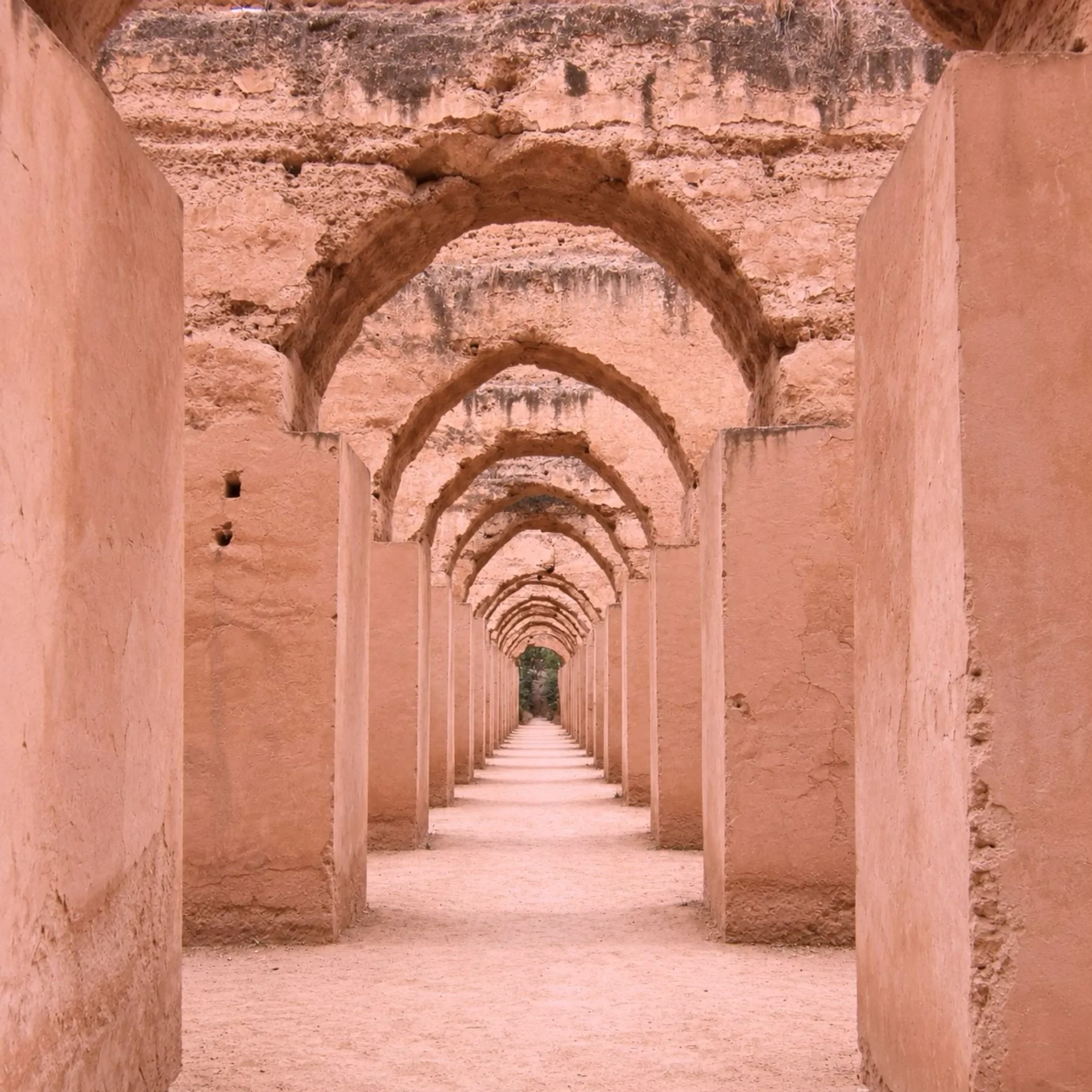 Meknès
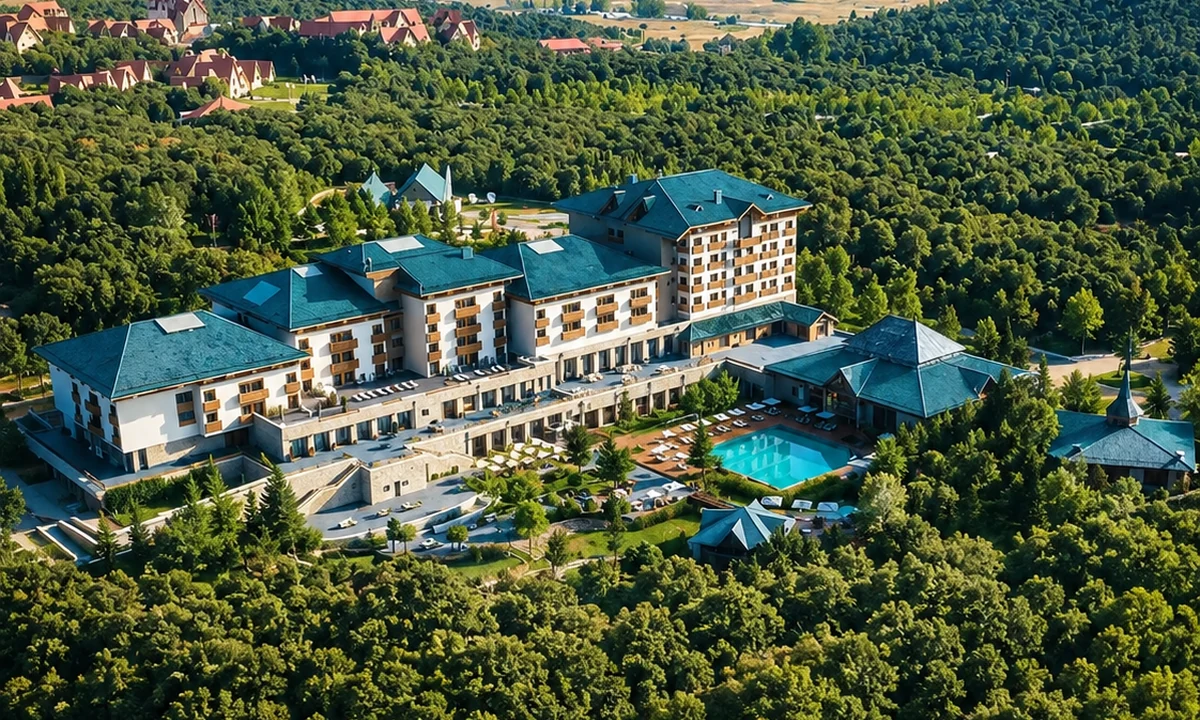 Ifrane
 Essaouira
 Rabat
Rabat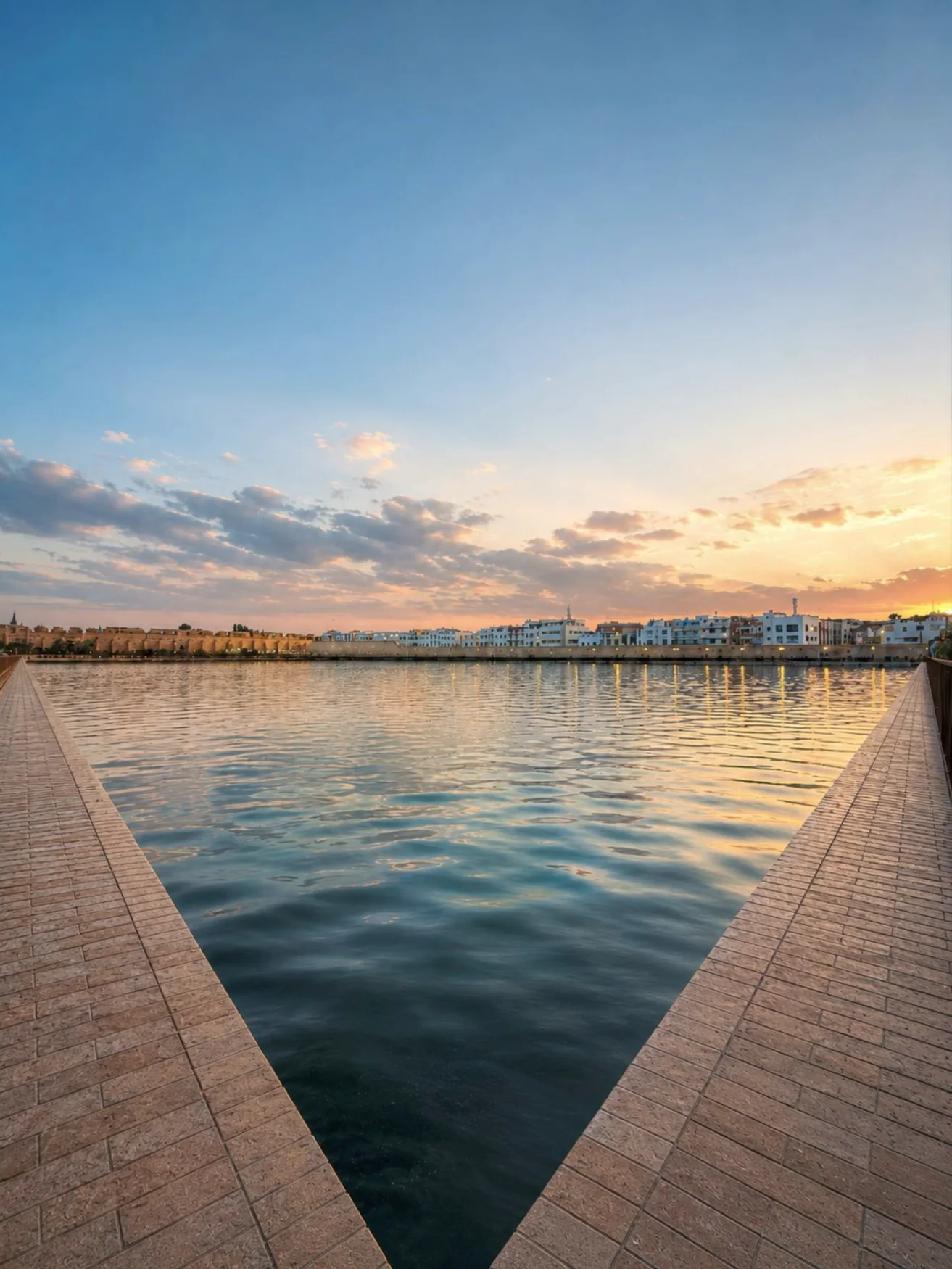 Meknès
Look for the relationships that make each place distinct.
Begin with what everyone can see. Find a repeated shape, a change of material or a doorway of unusual scale. Let each person describe it before introducing a historical account. This gives children a role in the discovery rather than making them an audience for an adult lecture.
A gate and the streets on either side can explain enclosure; a river crossing can explain connection. You do not need a whole-city tour to introduce an important relationship. Choose a compact area with a clear beginning, pause and return.
A meal, garden or quiet place to sit is part of the experience. Plan it before energy runs out, and allow the day to change. Familiar routines can make unfamiliar surroundings easier to enjoy without turning every moment into a scheduled activity.
Avoid putting a child on display or expecting local people to entertain the family. A greeting, question or workshop encounter should be mutual and welcome. Help children understand the difference between public space, a workplace and someone's home.
Build realistic cultural days around Rabat, Meknès, Ifrane or Essaouira, using observation, making, food and outdoor pauses to keep different ages involved.
A city understood through connections
Turn monumental scale into a question
Let an outdoor day stay flexible
Follow the town towards the sea
Adapt these ideas to the ages, interests and access needs of the people travelling with you.
Choose a visible tile or carved surface and trace a repeated shape with your eyes or in a notebook. Compare two examples without touching fragile work. The game can introduce geometry while keeping the actual building and its use in view.
Stand at a suitable distance from a large gate, then notice a smaller entrance nearby. Ask what each opening allows through and who might use it. A simple comparison connects architecture with function more effectively than memorising a date.
Look for timber, earth, stone or metal during a short walk. Discuss where each appears and what it does. Let a child choose the next material to notice, giving them a manageable part in directing the visit.
Ask about one dish or ingredient and let everyone describe what they notice. Confirm dietary needs directly before ordering. Food can be cultural learning without requiring anyone to eat something they do not want or turning unfamiliarity into a challenge.
Offer a sketch, a short note or a photograph as alternatives. One person might draw a doorway while another records a sound or a new word. Comparing those records later shows that the same place can be experienced in several valid ways.
At the end of a visit, ask what each person would like to understand better. Use one answer to shape the next day. This creates continuity across the journey while leaving room for an unexpected interest to replace part of the original plan.
Make a river, a street and an open space part of one manageable day.
Rabat offers several different scales of urban space, which can help a family build a varied day. Choose one area rather than trying to connect all the capital's heritage in a single outing. A public viewpoint towards the Bouregreg can begin a conversation about how water separates and connects places. Older streets and later urban planning then provide a visible contrast without requiring a long historical introduction.
Let the family decide which detail to follow: a doorway, a garden, a tower or the activity along a public route. Salé can add another perspective when the crossing and onward visit fit the group's energy and arrangements. Check the actual path, facilities and access before committing, especially with a stroller or mobility needs. A successful day might consist of one focused visit and time to return through a familiar place, allowing children to recognise where they are and explain it in their own words.
Hassan TowerBouregregMarinid Madrasa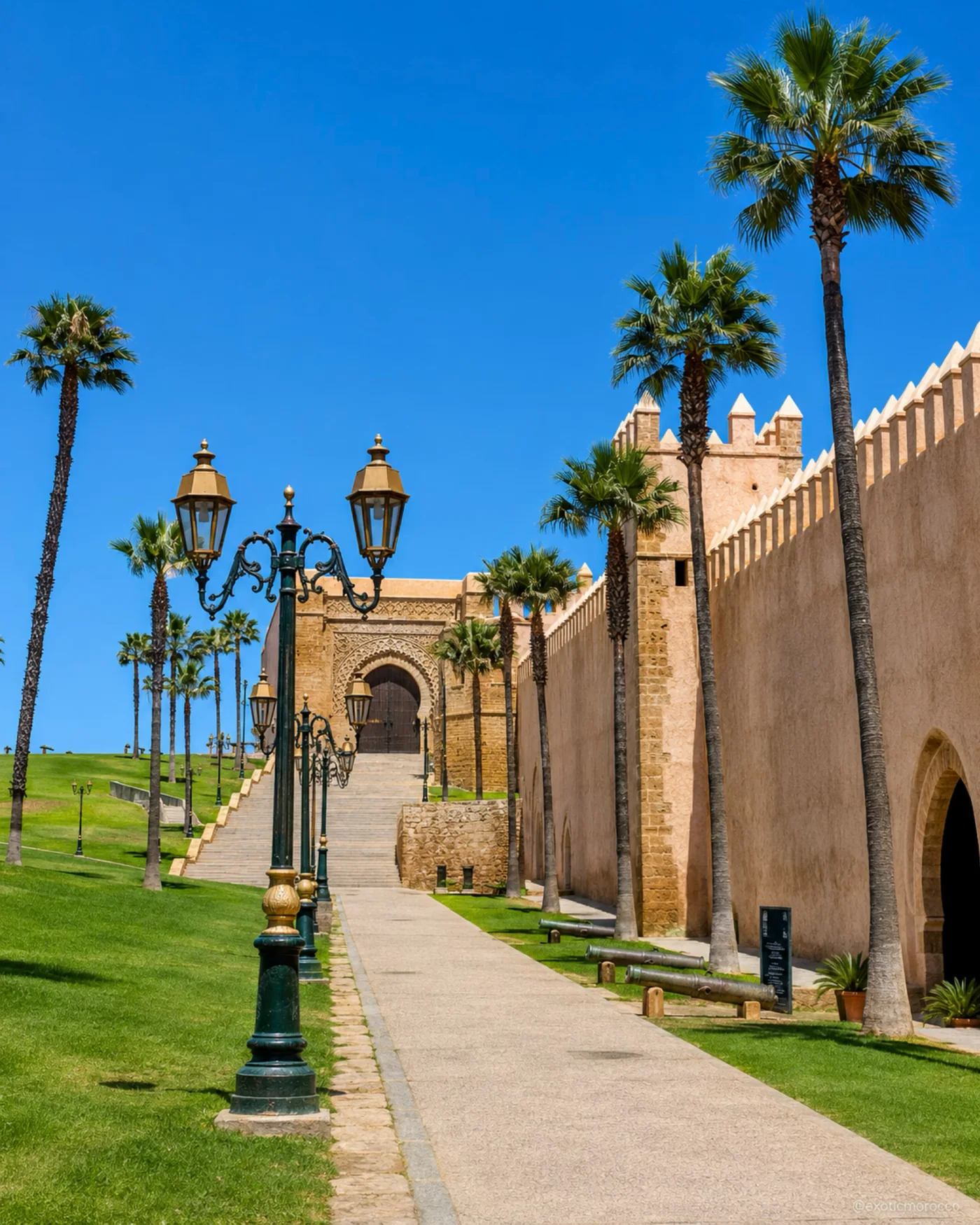 Oudayas
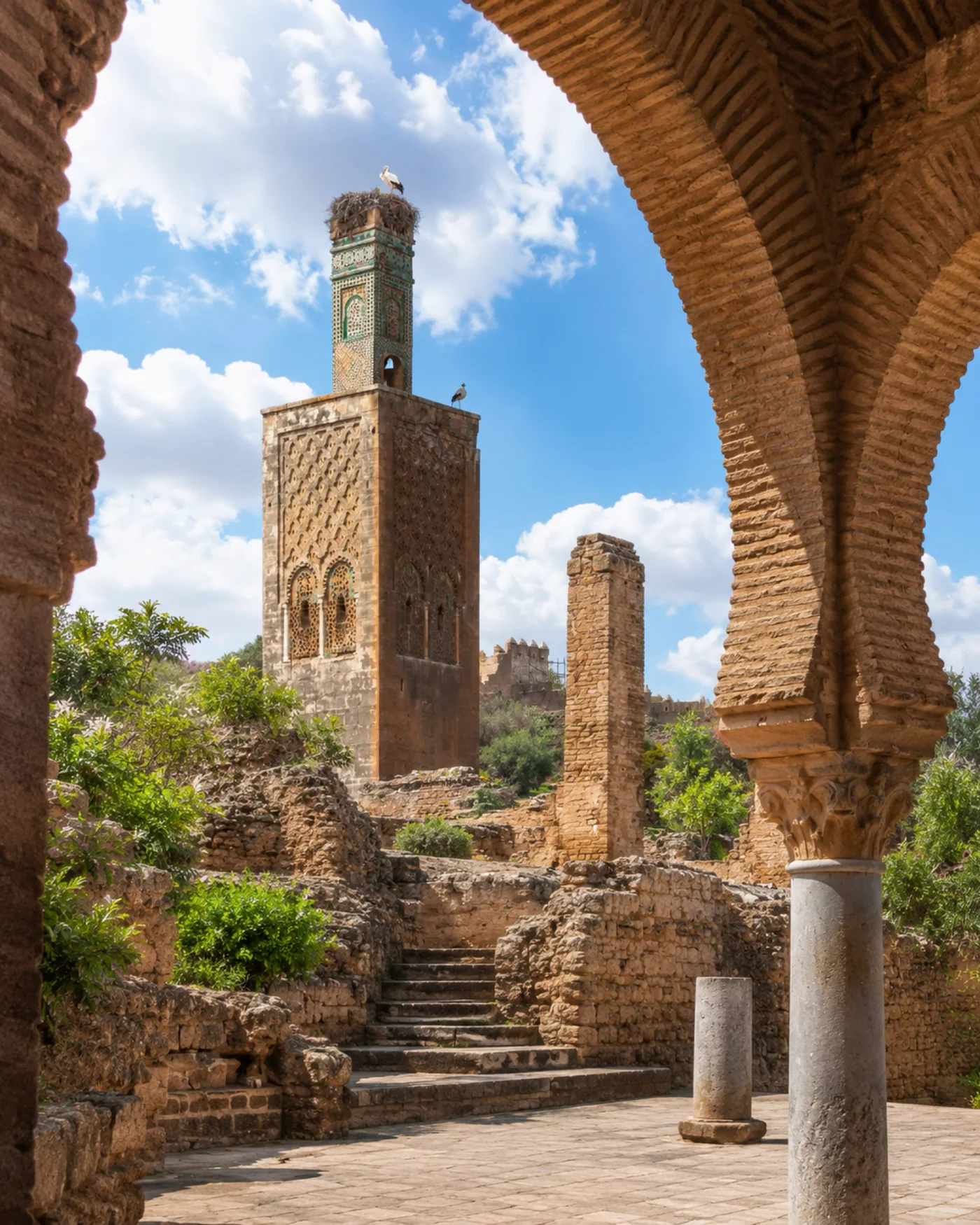 Chellah
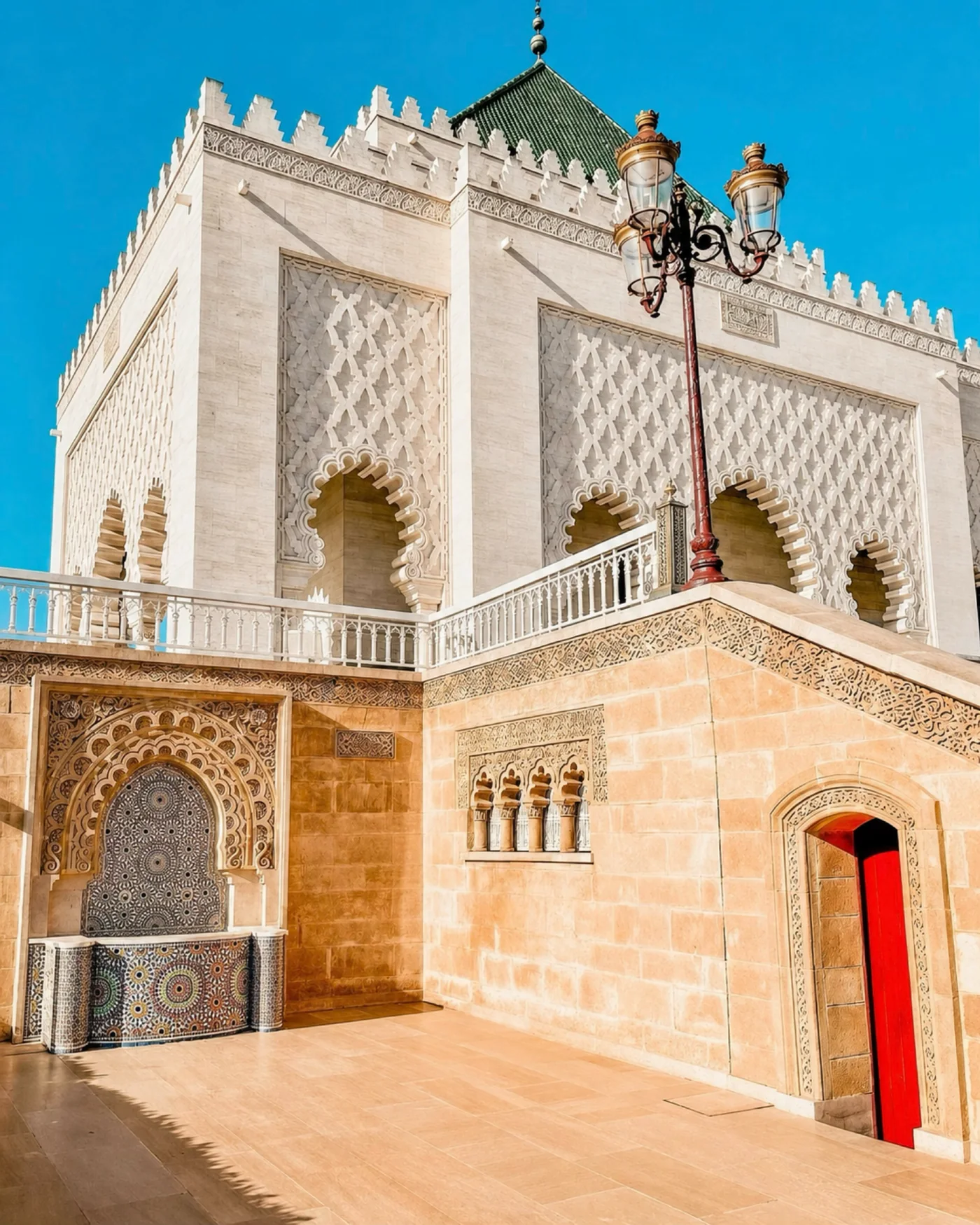 Mausoleum
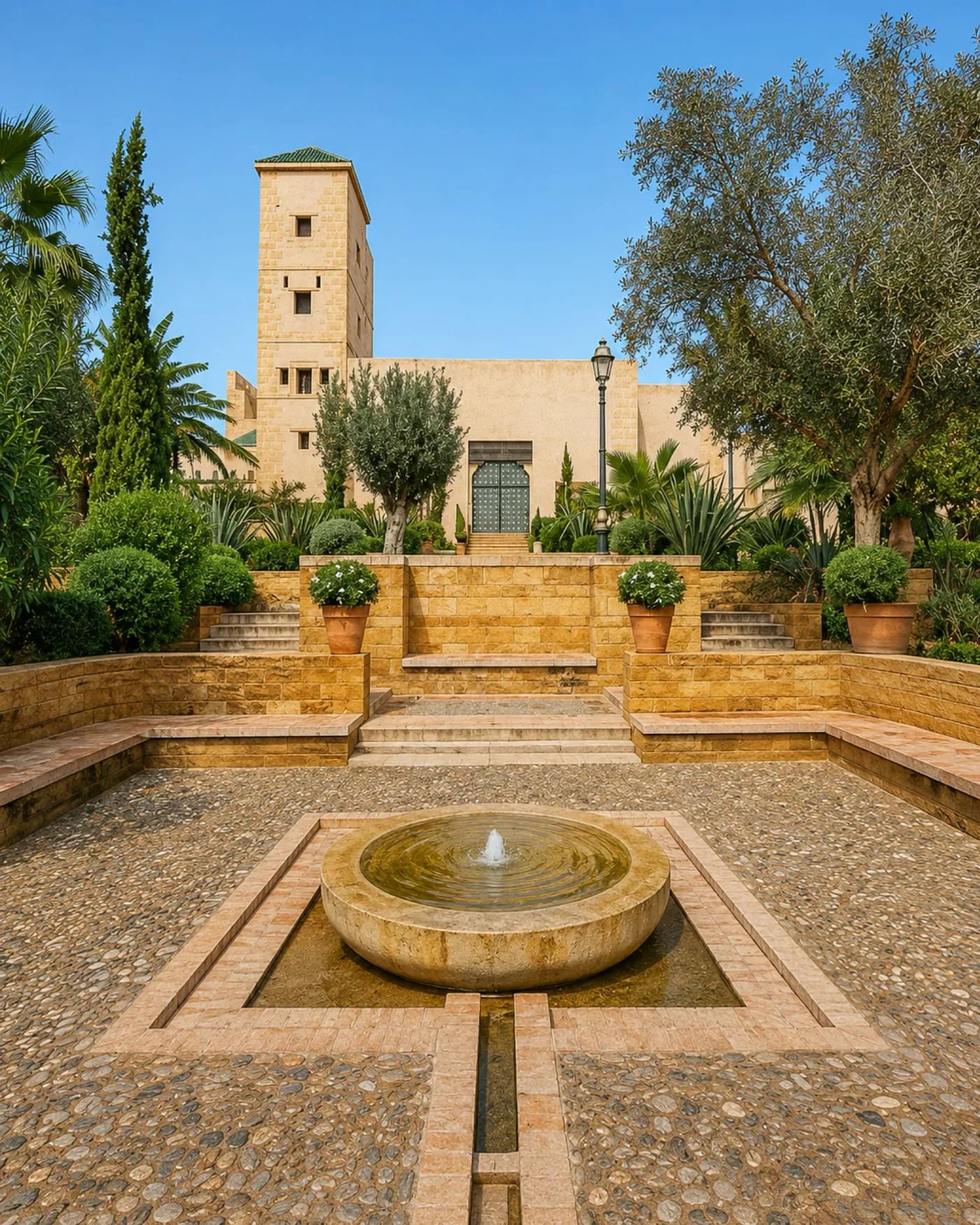 Andalusian garden
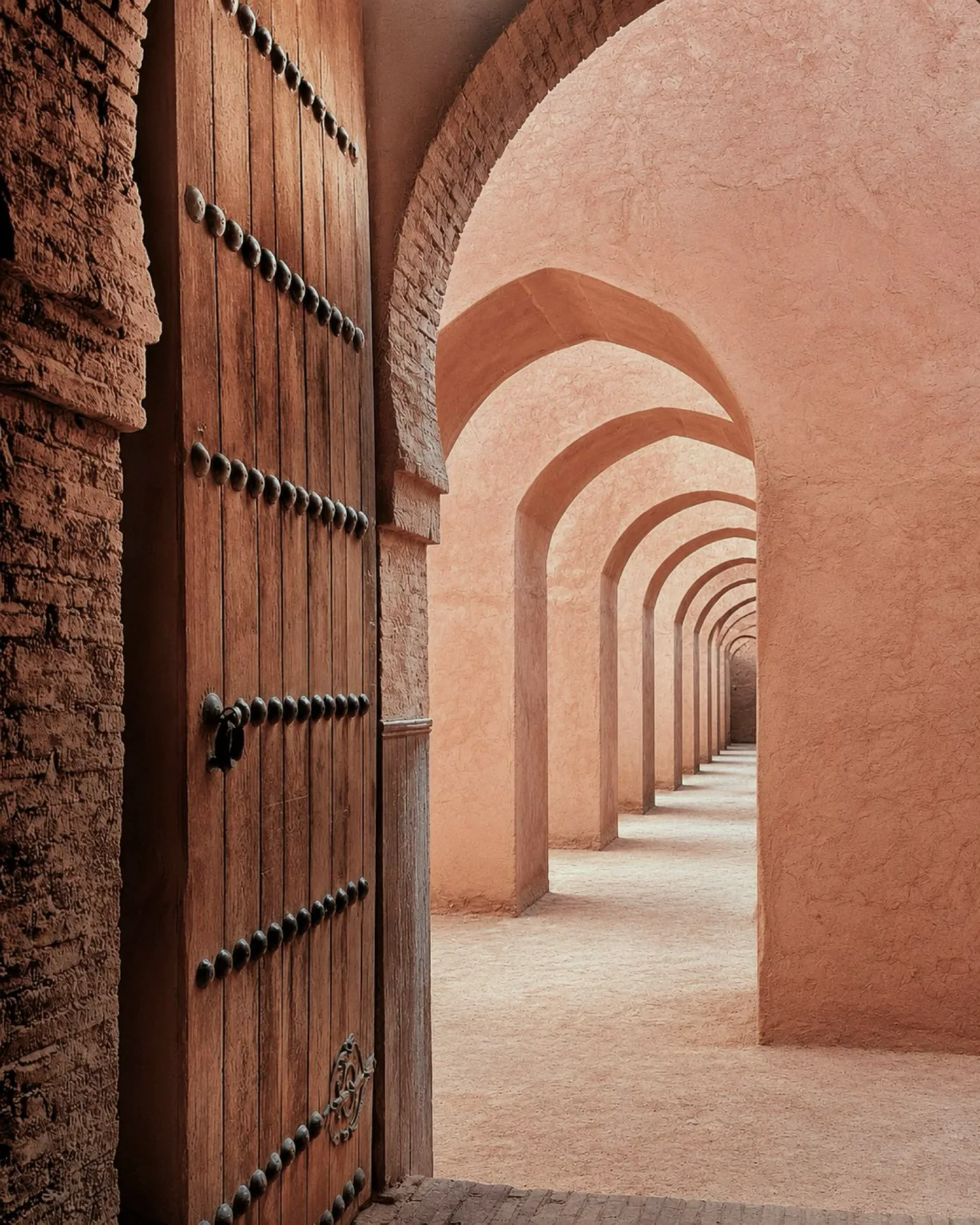 Royal StableHeri es-SouaniSahrij Swani
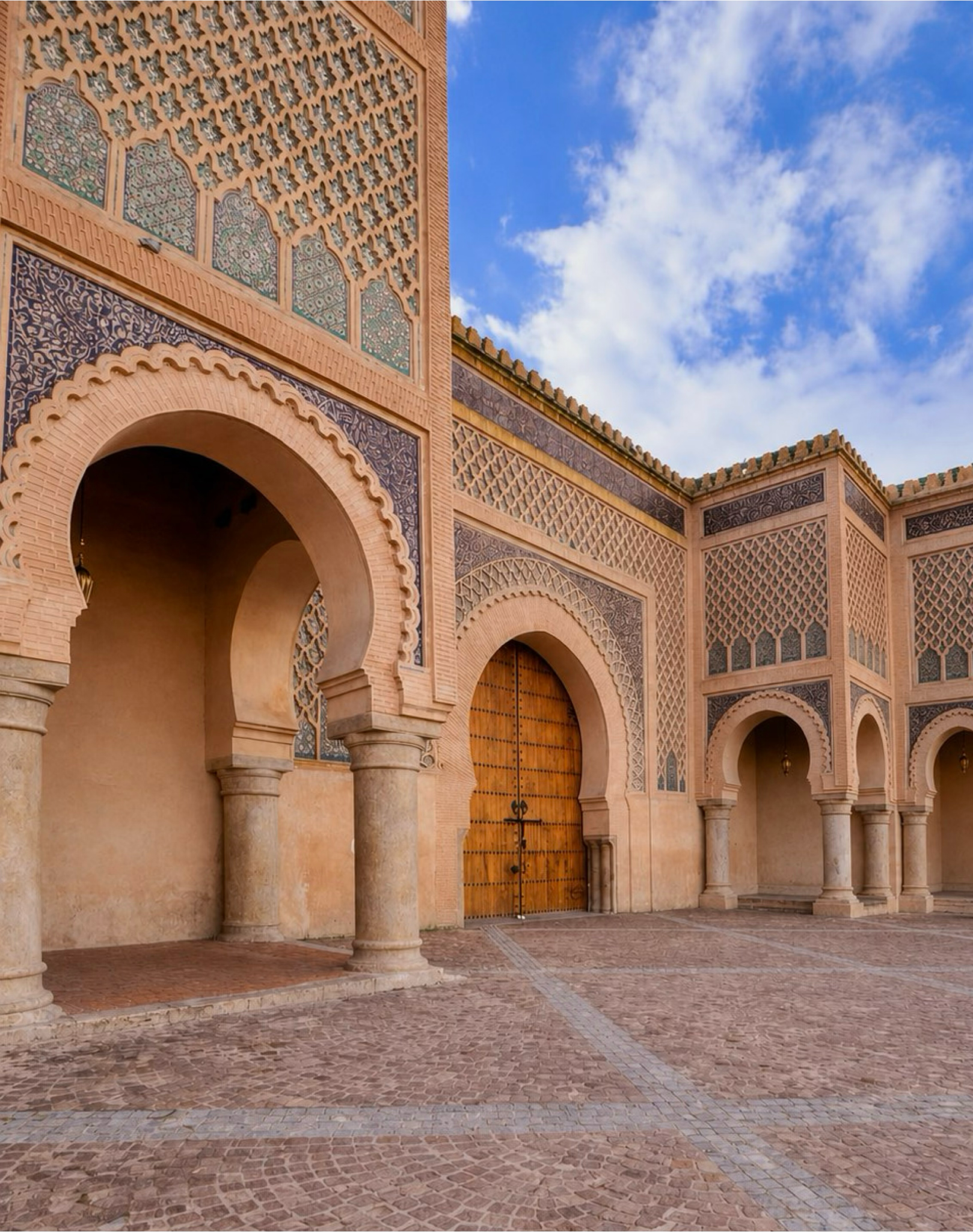 Bab Mansour
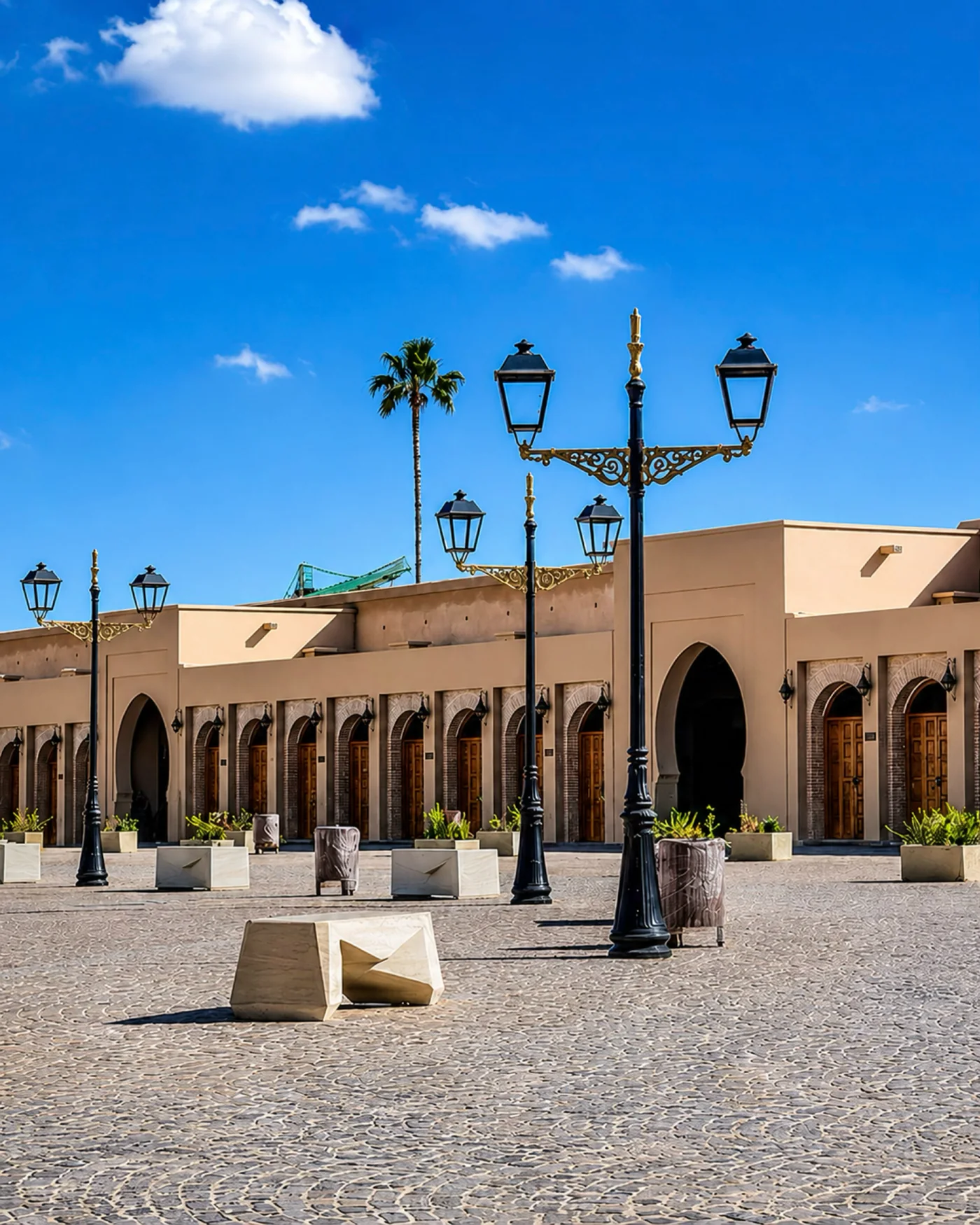 Place El Hedim
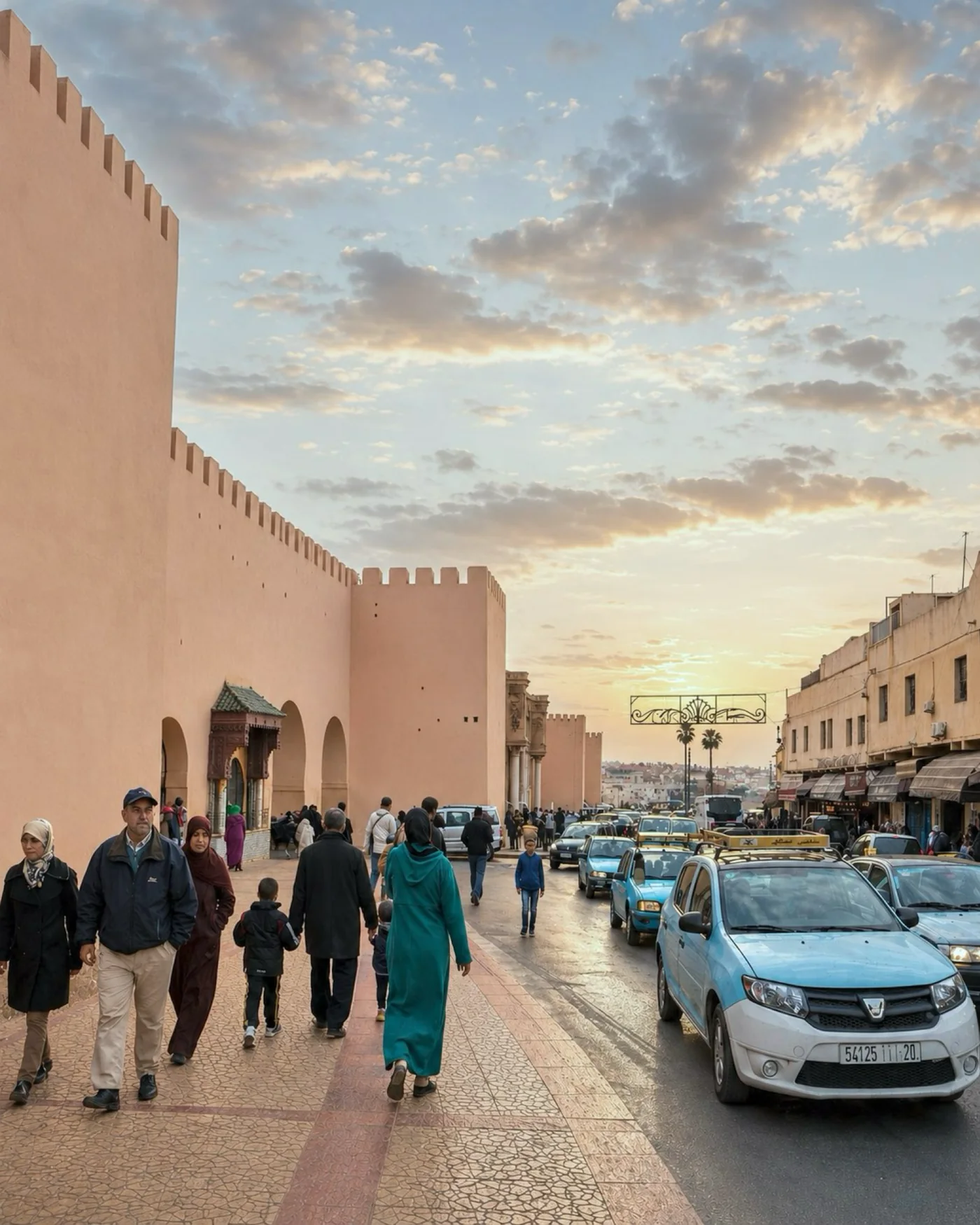 Ramparts
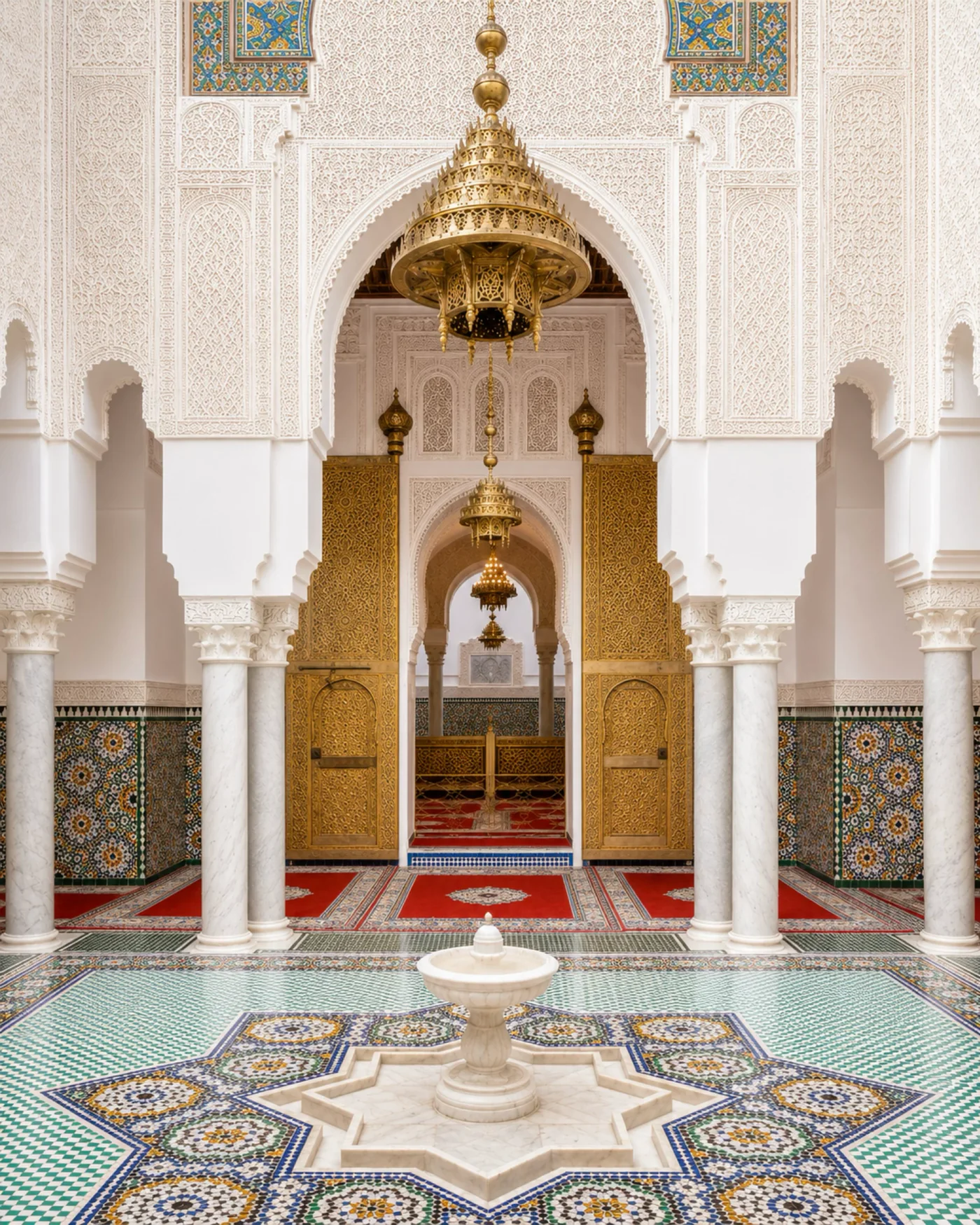 Moulay Ismail
Gates and walls invite comparison without needing a long lecture.
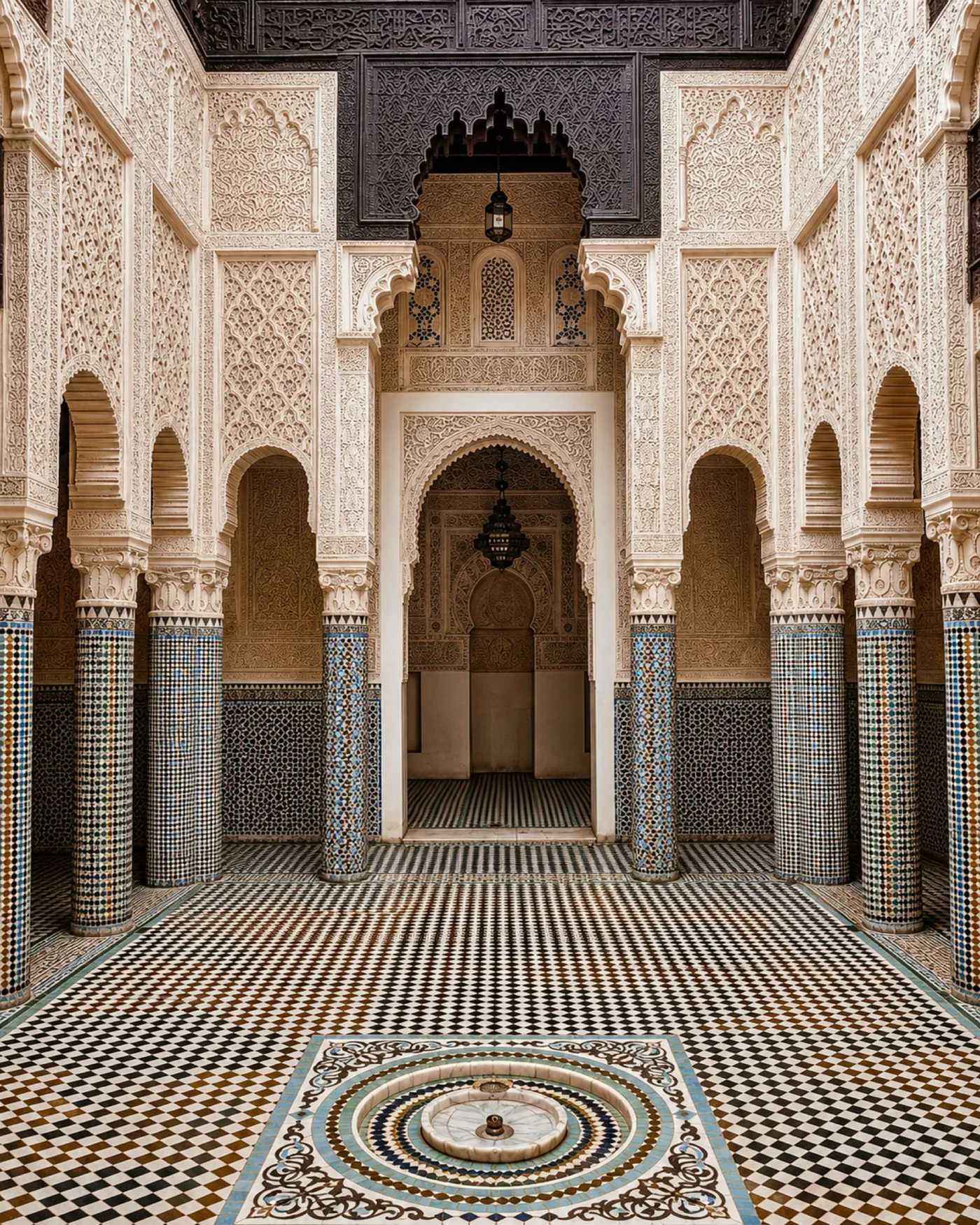
Meknès can make royal architecture tangible through size and arrangement. From a suitable public position, look at a major gate and ask what happens around it: where people approach, how movement passes and where the wall continues. Then compare a smaller street entrance. This is a way to introduce power and enclosure through observation, leaving dates and dynastic names for the level of detail that interests the family.
The scale of the royal landscape also means that distances can be greater than a list of attractions suggests. Select a limited set of stops and establish current access. Build a seated pause into the route before deciding whether to continue. A notebook activity can be enough: draw the outline of a gate, identify a repeated shape, or choose one feature to compare with the next city. Returning to ordinary medina streets helps connect the monumental setting with the people who use the city today.
A town base can support a carefully chosen Middle Atlas outing.
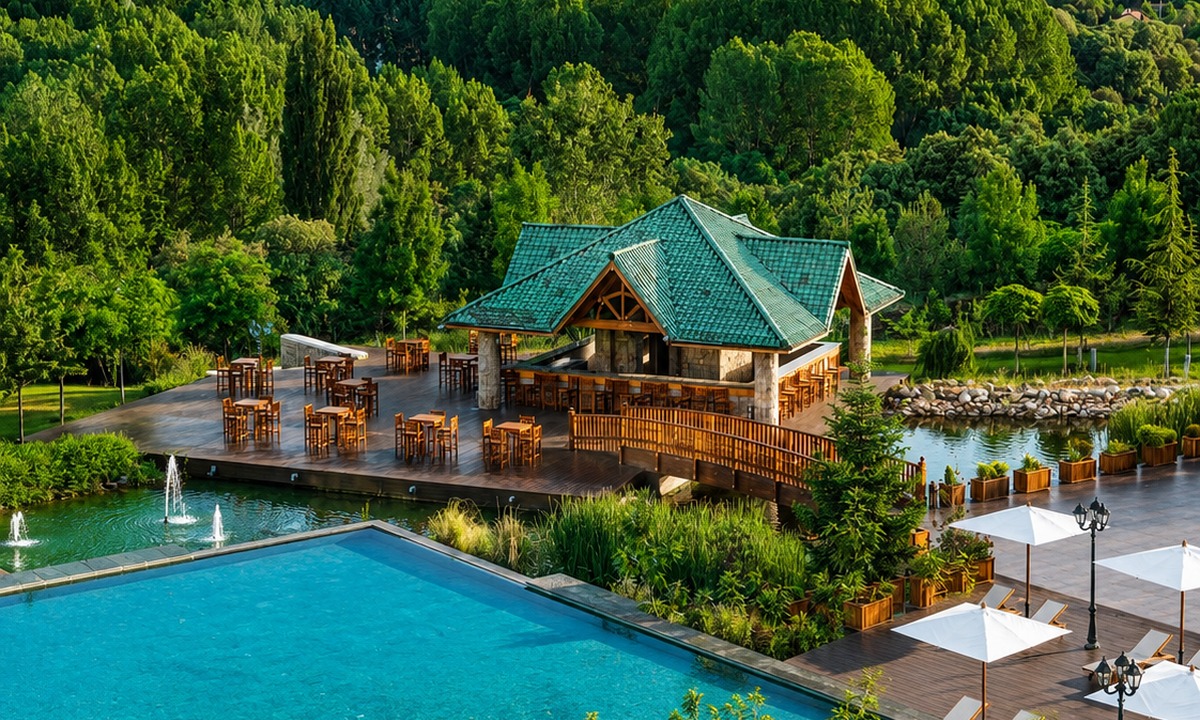
Ifrane brings a different rhythm into a family itinerary. Start with an easy orientation in town and decide which outdoor experience suits the actual day. A short walk, a forest visit and a longer upland excursion require different preparation and levels of effort. Avoid letting a destination label stand in for the details of the route, terrain and return journey.
Observation can keep a simple outing engaging. Compare shade and sun, look at the forms of trees from an appropriate path, or listen for changes in sound as you leave a busy area. If wildlife appears, watch without feeding or trying to force a close encounter. A guide can add reliable identification and context, but the family does not need to turn every moment into a lesson. Leave space for ordinary play and rest in suitable places, and choose a town-based alternative when conditions make the original outdoor plan less appealing.
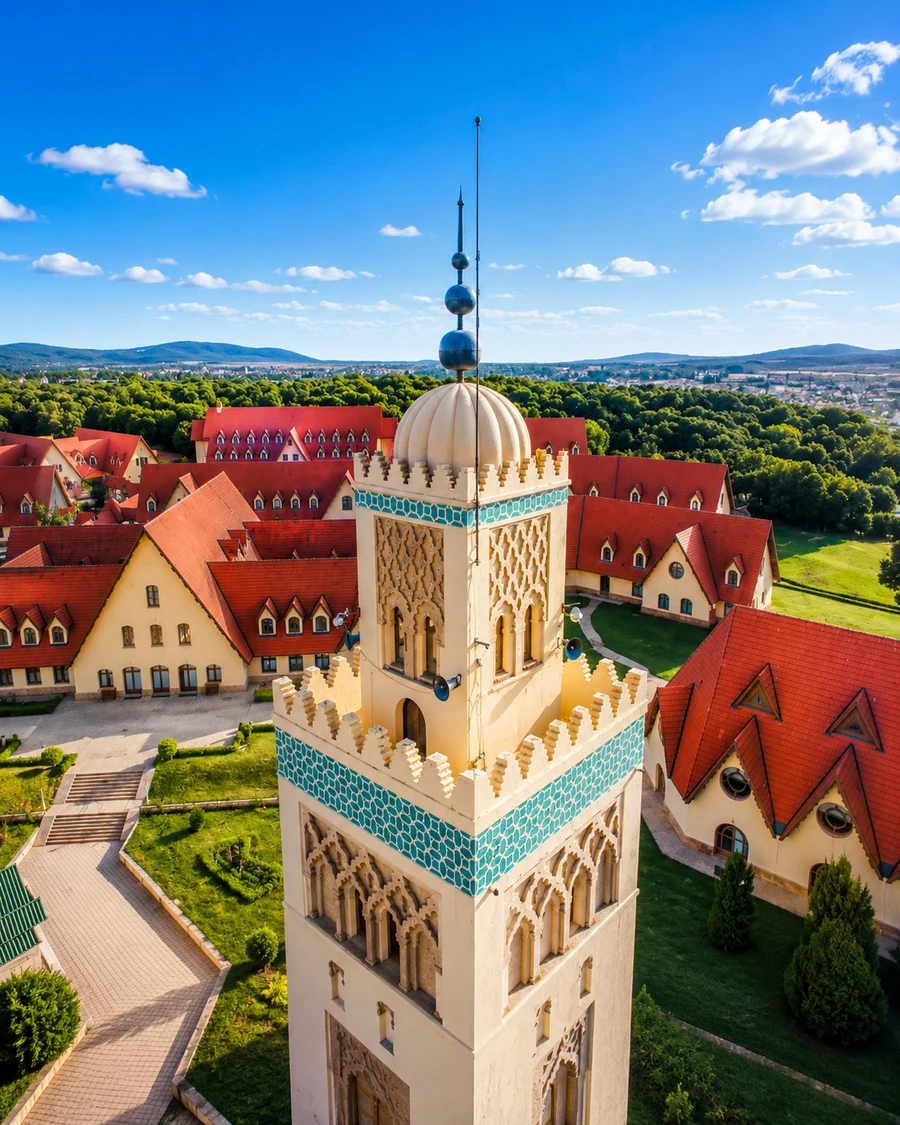 IfraneForêt d’IfraneDayet Aoua lake
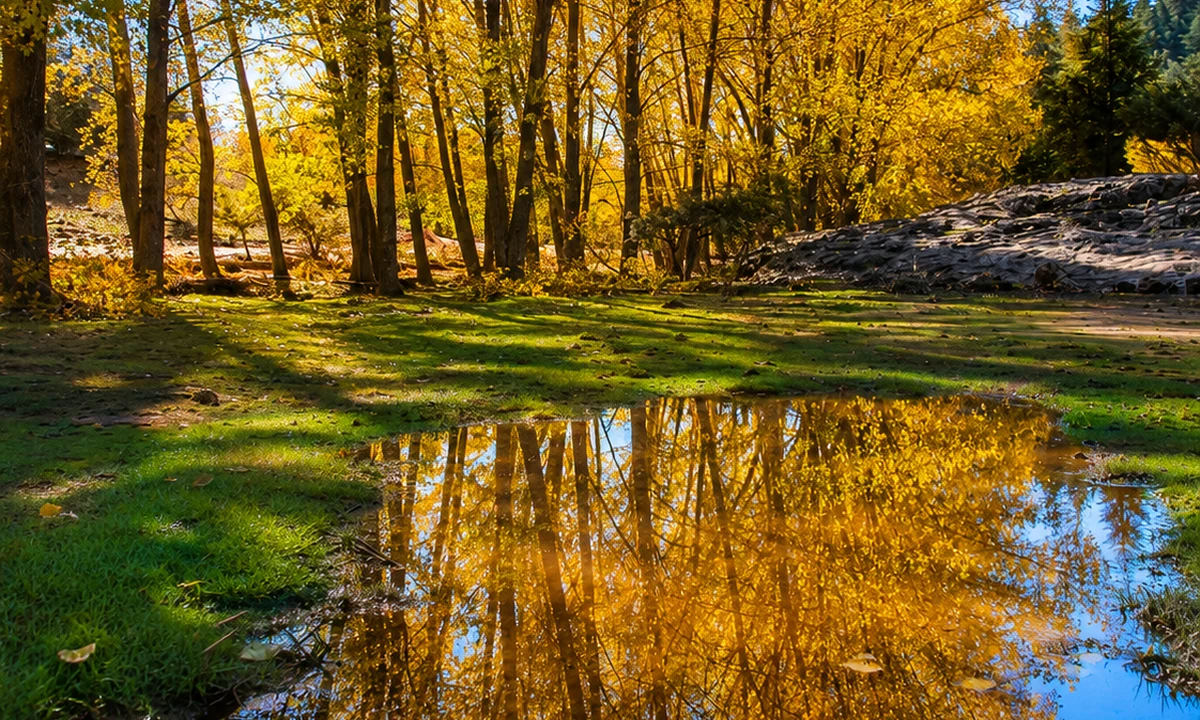 Ain Vitel river
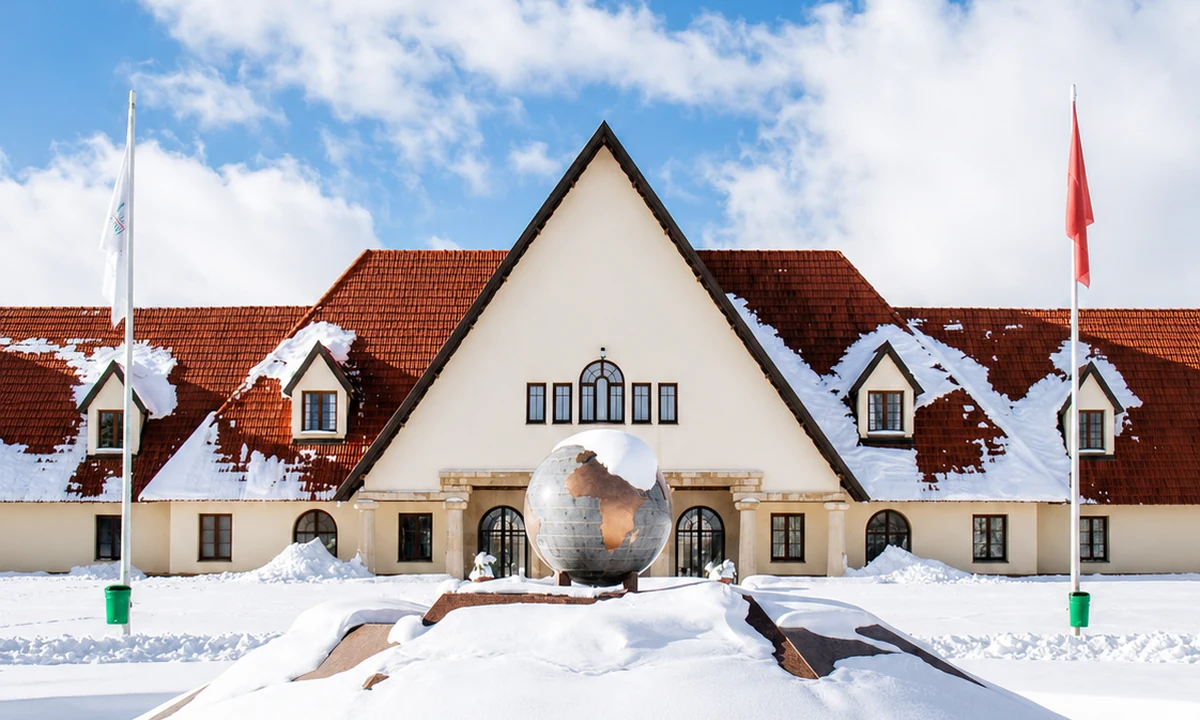 Michlifen ski station
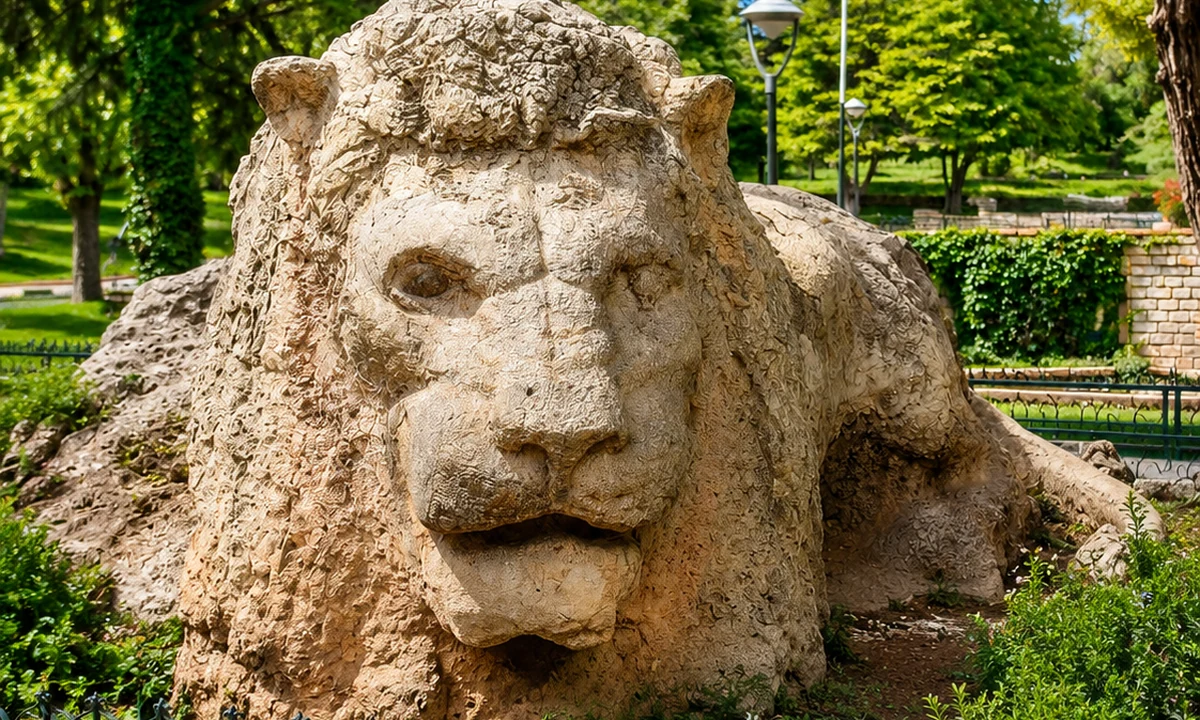 Lion of Ifrane
 Barbary macaque forest
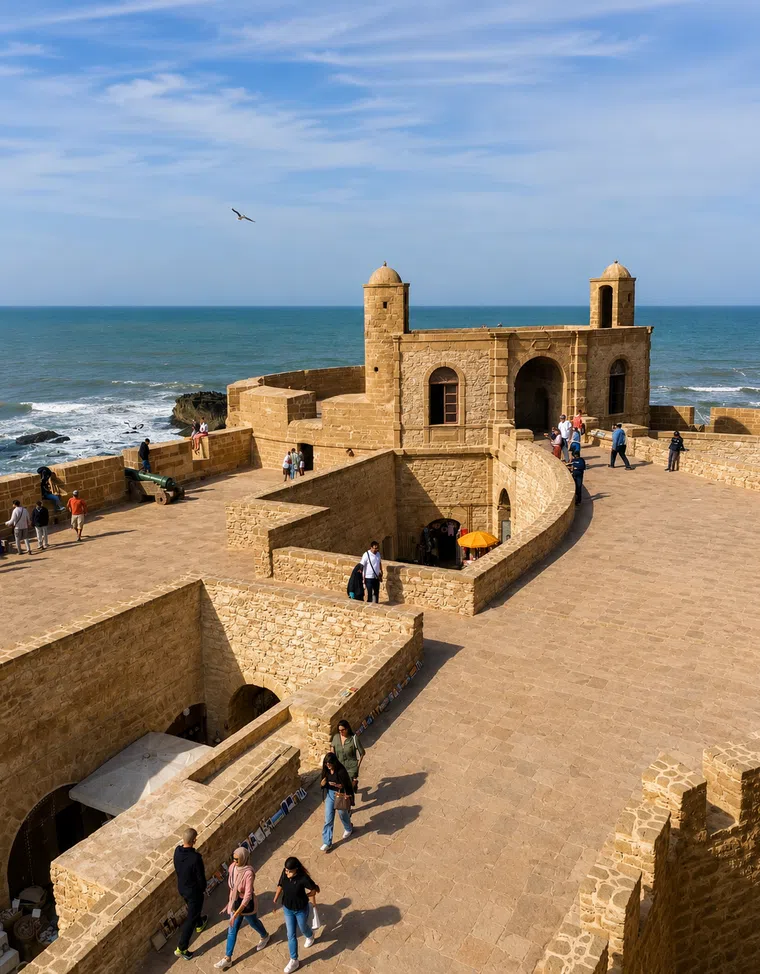 Mogador rampartsGnaoua rhythmFishing port
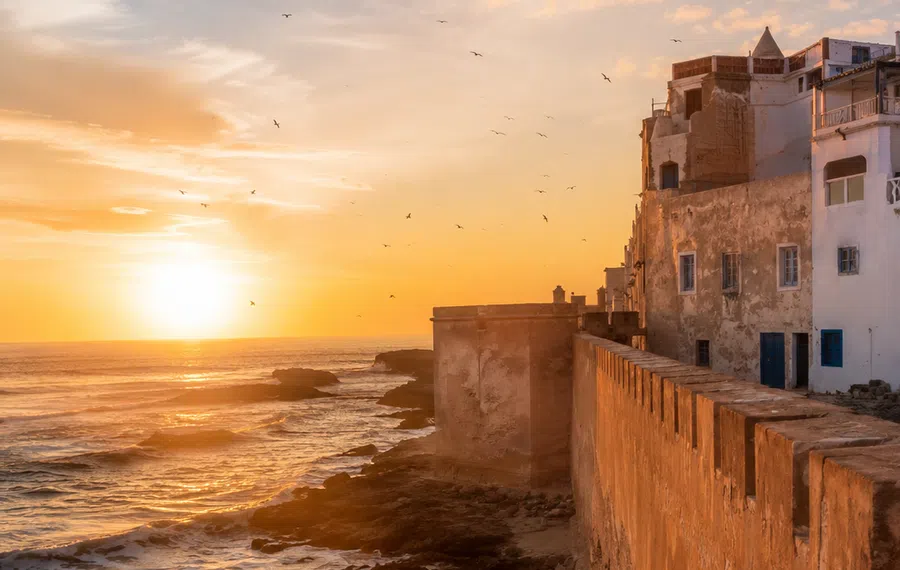 Atlantic wind
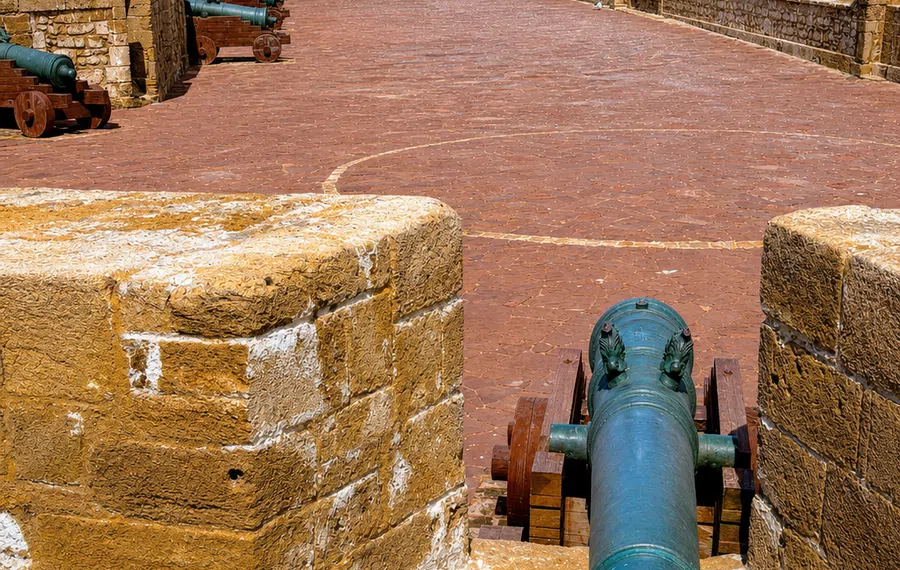 Sqala walls
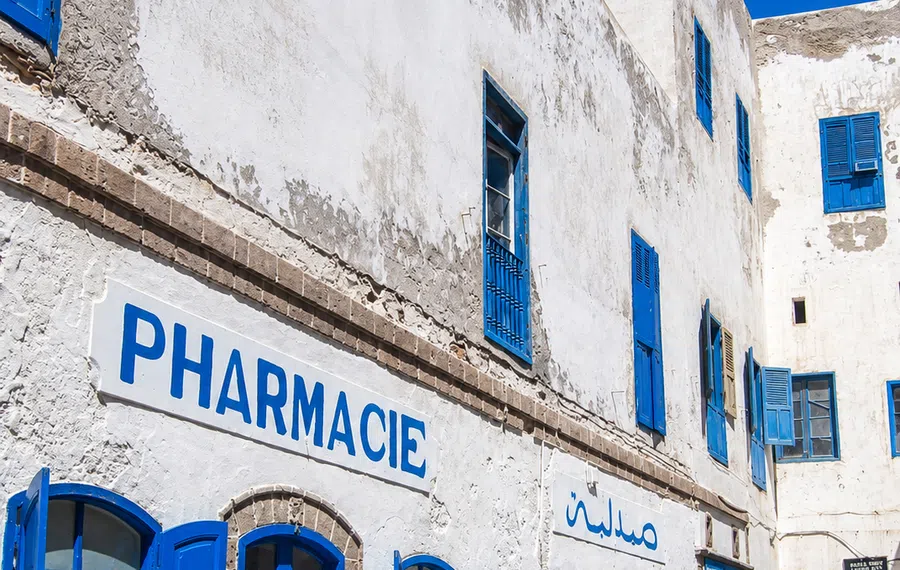 Medina lanes
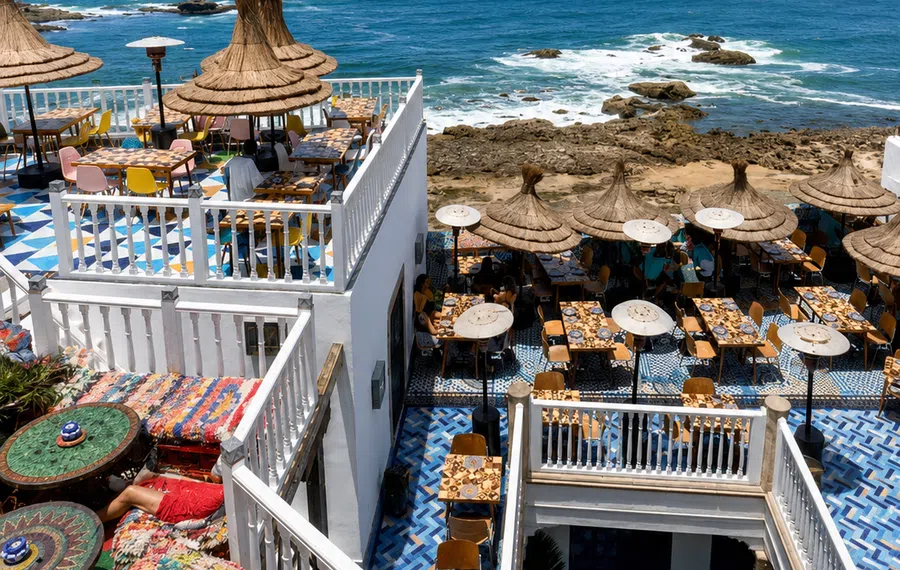 Wind light
The contrast between sheltered streets and the ocean creates a clear story.
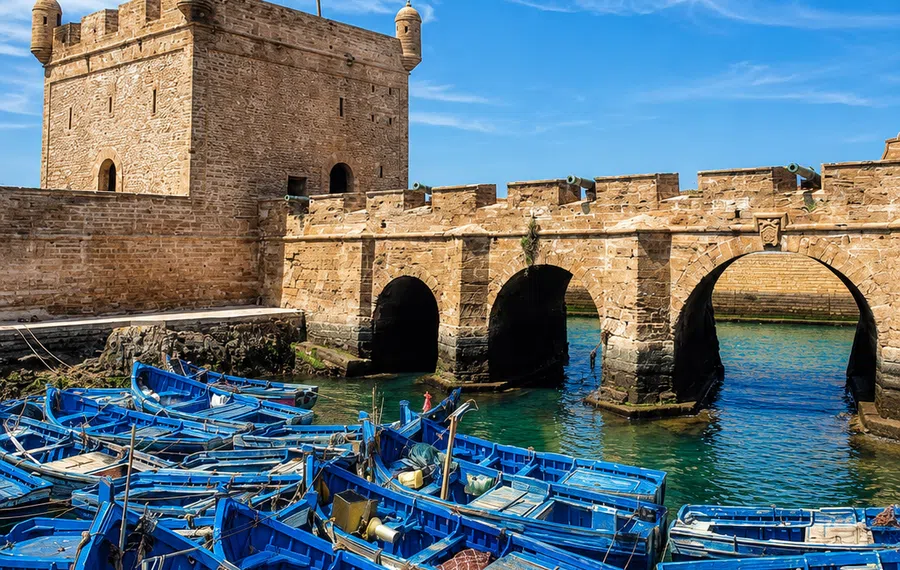
Essaouira can be approached through the question of how a town meets the sea. A short medina walk followed by an appropriate waterfront viewpoint makes that relationship visible. Ask what changes between the two: wind, sound, the size of spaces or the work taking place. A wall or gate can become part of the same conversation, connecting a physical feature with the town's maritime setting.
Choose harbour viewpoints that keep the family clear of operations and exposed edges. A working port is not a play area, and a beach visit needs its own assessment of conditions. Within the town, an agreed craft demonstration or a conversation about a meal can add another shared encounter. The best plan leaves room for wind, tiredness or a new interest to change the order. A return through a familiar street gives children the chance to notice something different and feel that they are beginning to know a place.
Rabat · OudayasMeknès · Bab MansourIfrane · Ain Vitel riverEssaouira · Atlantic windRabat · ChellahMeknès · Place El HedimIfrane · Michlifen ski stationEssaouira · Sqala wallsRabat · MausoleumMeknès · RampartsIfrane · Lion of IfraneEssaouira · Medina lanesA doorway lets someone enter, a wall defines an edge and a courtyard brings an open space inside a building. These simple relationships can introduce architecture at any age. Begin with function, then let materials and ornament add complexity. Keep the explanation connected to the particular place: a palace, home, religious institution and workshop may share a feature while using it differently.
Views, streets, public space
Walls, patterns, approaches
Trees, shade, careful observation
Medina, walls, maritime life
The four portraits offer different family rhythms rather than a prescribed national circuit. Choose the base that fits the wider journey, then verify transport, access and facilities for the actual visits. Reserve time for arrival and familiar routines. A flexible sequence of a cultural encounter, food and a suitable outdoor pause usually leaves more room for discovery than an uninterrupted sightseeing schedule.
RabatRiver and cityMeknèsLarge and small entrancesIfraneTown and outdoor settingEssaouiraShelter and exposureA few considered choices make the connections between these places more useful.
Show each traveller a small set of possibilities and ask which interests them. Give children a real but manageable choice, such as a garden or a craft visit, rather than responsibility for the whole itinerary. This makes participation concrete and helps reveal differing expectations before the day begins.
Check the particular entrance, walking surface, toilets, seating and any accessibility needs with current sources or the venue. A city described as suitable for families does not guarantee every site will work for yours. Keep a shorter version of the day available, with a straightforward way back to the base.
A question, sketch or new word can open attention, but nobody needs to complete an activity at every stop. Let a child watch quietly or rest. Later, invite everyone to share one thing they remember. The answer may concern an ordinary exchange rather than the monument, and that is still cultural discovery.
Historical and geographical references reviewed in September 2026. Route pairings and looking suggestions are Exotic Morocco editorial guidance. Check current access and transport arrangements before travelling. Existing regional library imagery is retained; photographs and illustrations do not establish present-day access or conditions.
Open the individual place guides for local context and a more detailed visit. Return to Regions to compare other landscapes and cultural connections.